














![#Extras[aXR6] - Você já conhece todo o poder do novo ZENTYAL 6.0?](https://i.ytimg.com/vi/AGARKb1RAaQ/maxresdefault.jpg)






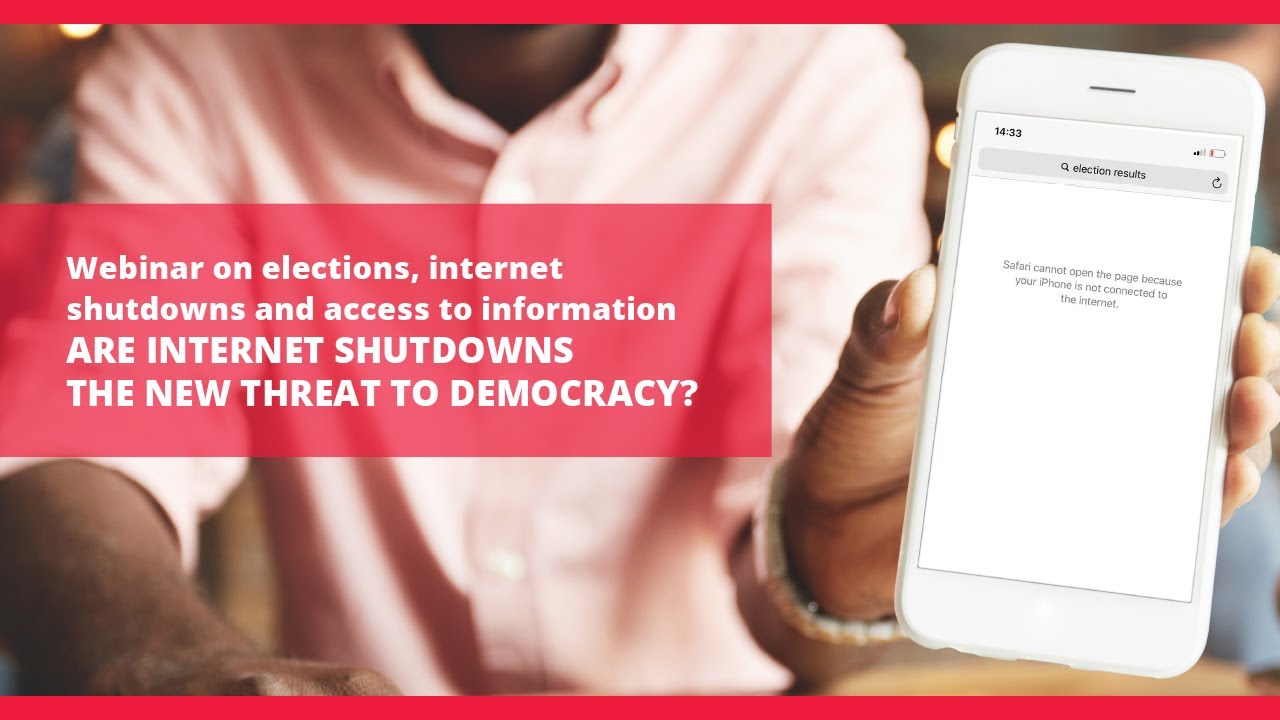





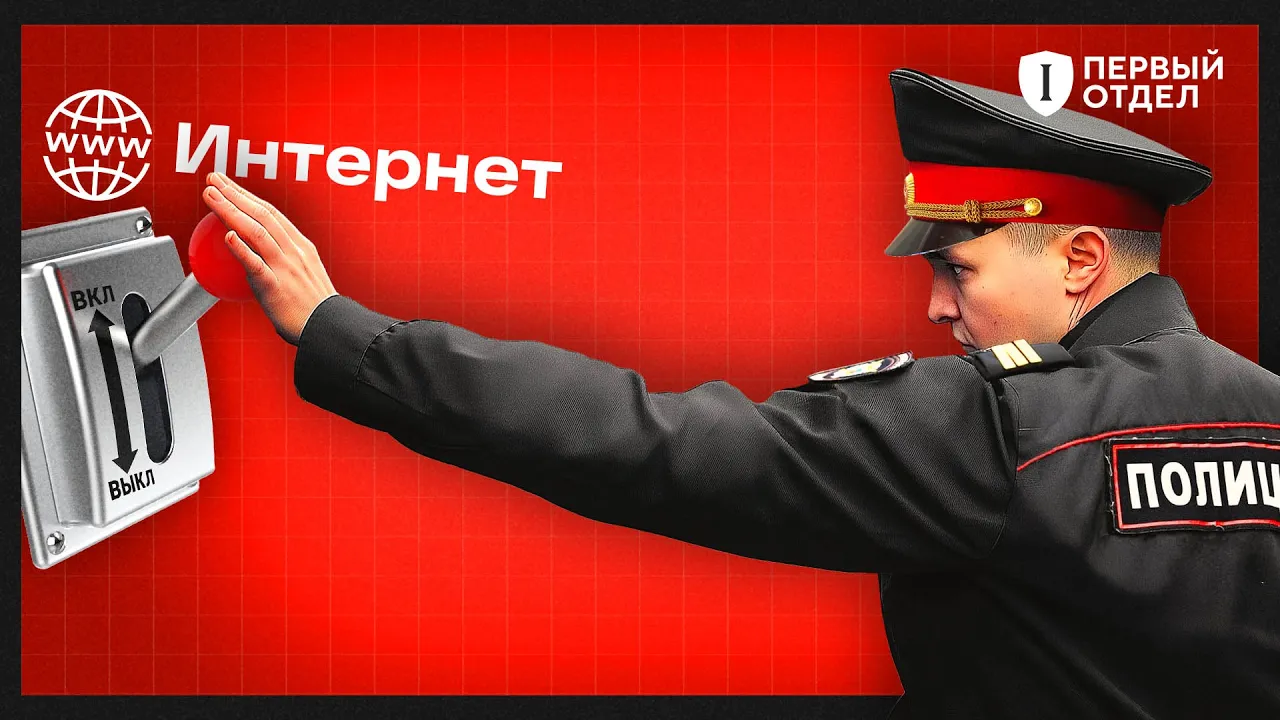
Governments implement internet shutdowns primarily through DNS manipulation, where they request Internet Service Providers to redirect traffic away from specific sites, or through throttling that slows connections to make internet use impractical; these shutdowns typically occur during politically sensitive times like elections, protests, and conflicts, and while authorities justify them as necessary to prevent unrest, fake news, or cheating, critics argue they violate human rights by crippling economies and curtailing civil liberties.
How Governments Shut Down the Internet: Mechanisms and Impacts Explained
Added:Basic internet architecture, including the roles of Internet Service Providers (ISPs), Domain Name System (DNS), and IP addressing.
The concept of network protocols, specifically how data packets are routed across the internet using Border Gateway Protocol (BGP).
An introductory understanding of digital sovereignty and the legal authority governments hold over telecommunications infrastructure within their borders.
The distinction between different types of digital restriction, such as content filtering, bandwidth throttling, and total network blackouts.
Circumvention and resilience technologies, including Virtual Private Networks (VPNs), the Tor network, and decentralized mesh networking.
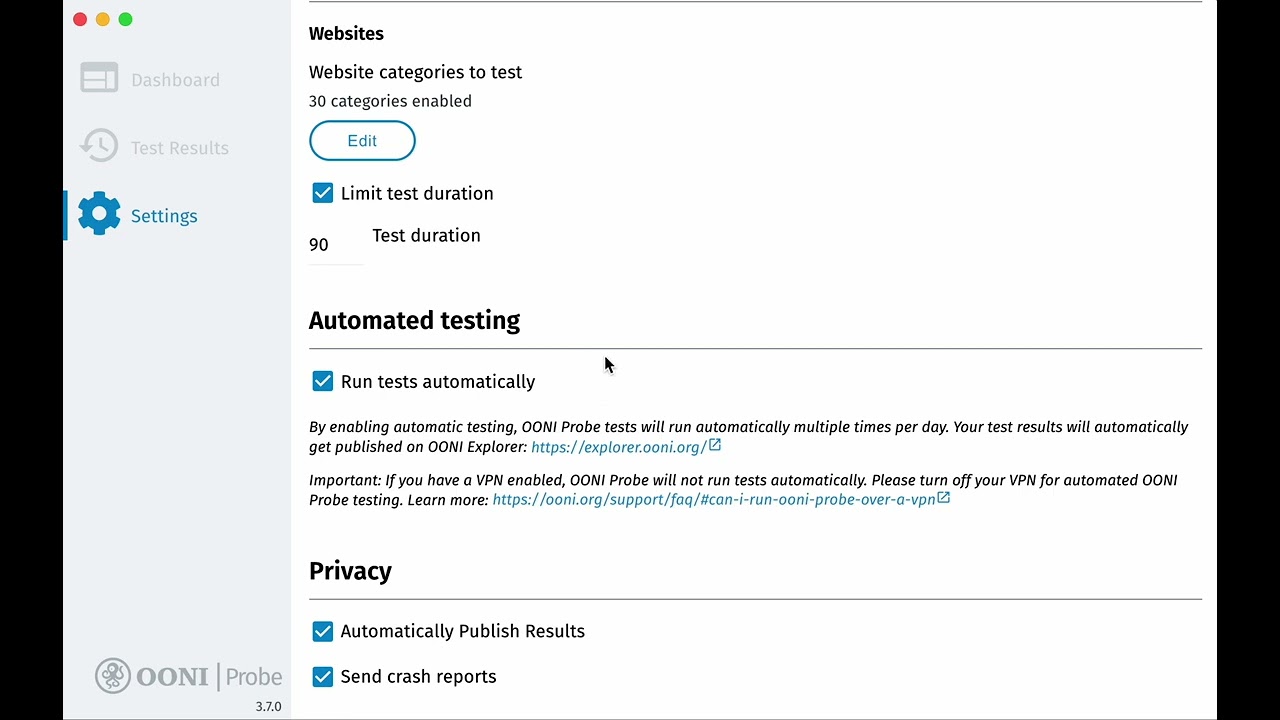
Methods for monitoring and documenting internet censorship using global tools and frameworks like OONI (Open Observatory of Network Interference) and NetBlocks.
International human rights law and digital advocacy efforts aimed at establishing internet access as a fundamental human right.
Analyzing the economic and macroeconomic costs of internet shutdowns on local businesses, digital trade, and overall GDP.
181.7K views4.8Klikes5:09Original Release: 2020-02-27
(pulsing electronic tones) - [Narrator] More governments are kicking people off the internet than ever before.
It usually happens during politically-sensitive times like elections, protests, and conflicts.
Last year, governments shut down the internet more frequently than in previous years according to a digital rights group that started tracking the practice in 2011.
For instance, in India, it happened in parts of the country more than 100 times.
Authorities say shutdowns help stop unrest and the spread of fake news and even prevent cheating on school exams.
Advocates for an open internet say shutdowns can cripple economies and disrupt daily life all while curtailing civil rights, so here's how governments can kick you off the internet.
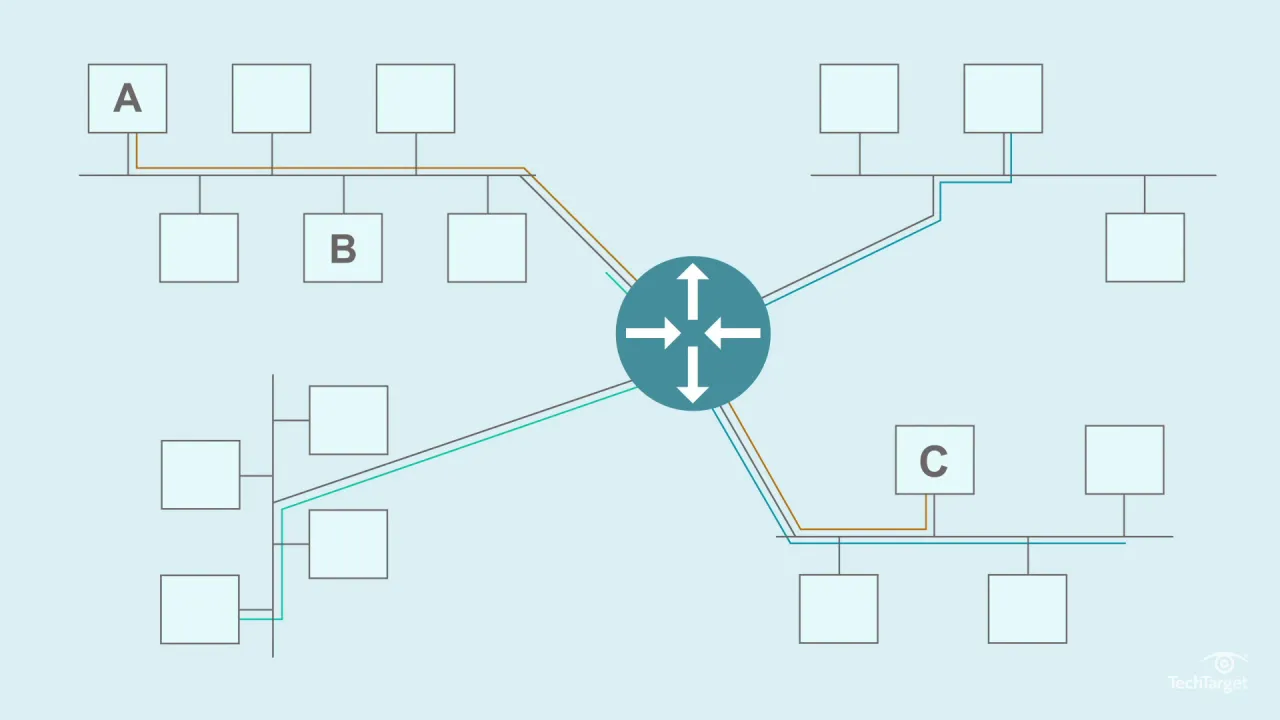
Usually when you type in a URL or hit an app icon, the Domain Name System looks up that address and resolves it to a string of pre-assigned numbers.
In under a second, you can usually connect to the server and access the site.
If the government wants to block access to a specific site, it can request the Internet service provider to interfere with the DNS traffic.
The provider can then redirect traffic so it never reaches those servers.
This happened last year at the height of a political crisis in Venezuela when opposition leader Juan Guaido tried to seize power from President Nicolas Maduro.
Guaido was standing with soldiers outside a military base when he began live-streaming on Twitter.
(Juan speaking foreign language) - [Narrator] He called people to rise up against President Nicolas Maduro.
While Guaido's call to action ricocheted across the world, at home, his message was blocked for a large number of internet users.
This chart shows that Venezuela's state-run internet provider restricted access to social media.
The company didn't respond to a request for comment.
- We're looking at something similar to radio censorship or TV censorship when authorities might bleep out parts of a sentence or a speech.
- [Narrator] Alp Toker is the founder of an internet advocacy group called NetBlocks.
He says it's surprisingly easy for the government to turn off access to specific sites.
- [Alp] This is basically an engineer with a button on the switch.
When they see something they don't like, they press the button.
- [Narrator] But authorities can be more subtle in how they control the internet, not just by blocking sites, but by simply slowing down the connection.
(bubble popping) (pleasant electronic music) This is called throttling, so it looks like you're apps are still running when, in fact, the interference is at a level that makes using the internet painful, so the video you're trying to watch on YouTube becomes very low res or it keeps loading.
We spoke to network engineers who monitor internet censorship, and they say that it's even hard for them to really pinpoint the specific reason behind a slow connection, and they say that's likely why some governments have turned to throttling to shrug off accountability.
In some extreme cases, governments can order service providers to turn off the internet completely.
This happened last year during anti-government protests in Iraq when the internet was cut off.
(phone buzzing) - You connect the WiFi and opened the browser, there is nothing and the provider sent us messages we are sorry because the government cut off the internet.
- [Narrator] Ameer Hazim is an Iraqi photographer in Baghdad, and he's been posting his photos on Instagram.
The Iraqi Prime Minister at the time said it's the government's right to restrict access when the internet is being used to stoke violence and conspiracy against the homeland.
Because internet blackouts disrupt critical services and can hurt the economy, authorities often target specific networks and geographic areas.
At the height of the protests in Iraq, the government imposed daily digital curfews between five p.m. to seven a.m.
Then during business hours, the government ordered service providers to turn on the connection again.
We spoke to private companies in several countries, and they say they have little power to refuse a request because authorities can threaten to terminate their licenses.
Citizens have looked for workarounds like using VPNs that connect to networks outside of the country.
Some will pay for expensive satellite connections.
Others, like Hazim, have bought international SIM cards from Jordan that are activated before entering Iraq.
- That helped us to keep people updated.
I started during lives from Tahrir Square showing the area around and what's happening really and how people are living and how the government are using violence.
- [Narrator] Toker says these solutions may end up encouraging more aggressive moves from the government.
- The more people attempt to get around it, the more governments are gonna try to switch it off.
- [Narrator] The UN says restrictions on internet access are a violation of human rights, but many countries already have laws that make it legal to shut down the internet on grounds related to national security or stopping the spread of fake news.
- [Alp] So while this might have started off as authoritarian dictatorship move, it gets encoded into laws.
It becomes very difficult for the public to complain about it.
(buzzing electronic tones)
Up Next

3:17
Identifying State-Run Troll Farms: Key Signs and Digital Forensics
@DWGlobalMediaForum
5.5K views•2022-03-28

24:30
BRICS Pay and de-dollarization: A New Financial Order Emerges? | 55 chars
@DannyHaiphongYT
164.6K views•2024-10-22

7:33
Government Surveillance Methods: 10 Ways You May Be Watched
@BeAmazed
1.6M views•2017-04-09
10:19
Explaining the Saudi-Iranian Proxy Conflict in the Middle East
@Vox
18.2M views•2017-07-17
Related Study Plans & Knowledge Roadmaps
Structured learning paths in Political Science
political-science
Economic Statecraft: Sanctions & Chokepoints
01Foundations of Geoeconomics and Economic Statecraft
02The Mechanics of Weaponized Interdependence
03International Sanctions: Types, Implementation, and Efficacy
+ 2 more learning modules
12h5 modules
Explore Roadmap
political-science
Central Bank Independence: Politics & Policy
01Foundations of Central Banking and Monetary Policy
02The Time Inconsistency Problem & Inflation Bias
03The Delegation Model and Designing Independence
+ 2 more learning modules
12h5 modules
Explore Roadmap
political-science
Consociationalism: Power-Sharing & Stability
01Democratic Dilemmas in Divided Societies
02Introduction to Consociational Democracy
03The Four Pillars of Consociational Design
+ 2 more learning modules
12h5 modules
Explore Roadmap
political-science
Rebel Governance: Legitimacy, Economy & State
01Foundations of Rebel Governance and Statehood
02Establishing Political Legitimacy and the Rebel Social Contract
03Wartime Economies and Rebel Resource Management
+ 2 more learning modules
14h5 modules
Explore Roadmap