Climate Governance: Lobbying, Treaties & Policy
Learning Goal: Evaluate the political obstacles to global climate governance, analyzing how domestic industrial lobbying, international collective action dilemmas, and North-South developmental disparities impede environmental treaty compliance.
- Prerequisites: None (Introductory political science or basic environmental science is recommended but not required).
- Estimated Total Study Time: 12 Hours
Module 1: Foundations of Climate Change & Global Governance
This module establishes the foundational history of international climate negotiations and the structural architecture of the United Nations Framework Convention on Climate Change (UNFCCC). You will explore how global climate governance evolved from early scientific warnings to formal international diplomacy, analyzing the establishment of the Conference of the Parties (COP) and its role as the primary decision-making organ for global emissions reduction.
Recommended Videos

-
Why this video: This concise, high-impact historical overview traces the evolution of international environmental treaty diplomacy from the seminal 1992 Earth Summit in Rio de Janeiro (which birthed the UNFCCC) through key subsequent international summits. It provides a visual timeline essential for contextualizing how long-standing systemic gridlocks have accumulated over decades of diplomacy.
-
Knowledge Checkpoint:
- Identify the milestone year and location of the Earth Summit that established the UNFCCC framework.
- Define the original primary mandate of the UNFCCC when it was founded.

-
Why this video: Focused on modern strategic policy analysis, this segment outlines the structural mechanics of the UNFCCC, highlighting its core mandate: stabilizing atmospheric greenhouse gas concentrations to prevent dangerous anthropogenic interference with the climate system. It breaks down the institutional machinery that governs modern climate summits.
-
Knowledge Checkpoint:
- Explain the formal legal status and overarching objective of the UNFCCC treaty framework.
- Define what "dangerous human interference" means in the context of global atmospheric stabilization targets.

-
Why this video: This lecture breaks down the structural governance of the UNFCCC, detailing the operational hierarchy of the Conference of the Parties (COP) as the supreme decision-making body of the convention. It outlines how member nations review and implement the treaty obligations on an annual cycle.
-
Knowledge Checkpoint:
- Describe the role and operational authority of the Conference of the Parties (COP).
- Explain how the annual meeting cycle of the COP facilitates the progressive review of treaty implementation.
Module 2: Collective Action Dilemmas in Climate Politics
This module applies international relations theory and game theory to analyze the persistent failure of global climate cooperation. You will study the "Tragedy of the Commons" and the "Prisoner's Dilemma" to understand why individual nations, acting in their rational self-interest, continuously default to defection (over-emitting) rather than cooperating, creating a structural free-rider problem that undermines international environmental treaties.
Recommended Videos
![Tragedy of the Commons [Part 1] \| NSF Chalk Talk](https://i.ytimg.com/vi/KZDjPnzoge0/maxresdefault.jpg)
-
Why this video: This video introduces the "Tragedy of the Commons" economic theory in a clear, digestible format. It details how rational individual behavior inevitably leads to the depletion of a shared, finite open-access resource, establishing a foundation for analyzing the global atmosphere as a shared planetary sink.
-
Knowledge Checkpoint:
- Explain how individual rational utility maximization causes the systemic depletion of a common resource.
- Describe the fundamental conflict between short-term self-interest and long-term collective survival in a commons scenario.
-
Why this video: Game theory is essential to modern climate negotiation analysis. This video provides a clear breakdown of the Prisoner's Dilemma, explaining how the Nash Equilibrium of mutual defection is reached even when mutual cooperation yields a superior collective payoff. It bridges abstract mathematical choices with real-world climate policy blockages.
-
Knowledge Checkpoint:
- Draw a basic Prisoner's Dilemma payoff matrix, identifying the cooperative, defecting, and equilibrium states.
- Explain why individual actors choose defection over cooperation when they lack trust or enforcement mechanisms.
-
Why this video: This policy lecture applies the Prisoner's Dilemma framework directly to the geopolitics of global decarbonization. It explains why nations face strong economic incentives to "free-ride" on other states' climate mitigation actions, demonstrating why voluntary carbon reductions struggle under anarchic international systems.
-
Knowledge Checkpoint:
- Define the "free-rider problem" as it applies to global climate change mitigation.
- Analyze how the structure of international climate negotiations mirrors the cooperative/defecting dynamics of the Prisoner's Dilemma.
-
Why this video: Dr. Gernot Wagner provides a concise explanation of how the lack of localized, immediate incentives at the nation-state level guarantees under-investment in climate stabilization. It outlines the economic challenge: individual nations bear 100% of the cost of their mitigation efforts, but receive only a fraction of the global benefits.
-
Knowledge Checkpoint:
- Explain why the economic costs of climate mitigation are concentrated while the environmental benefits are diffuse.
- Explain how this mismatch prevents unilateral climate action by rational governments.
Module 3: Domestic Politics & Industrial Lobbying
This module shifts focus from systemic international relations to domestic political arenas. You will examine the powerful influence of domestic fossil fuel lobbies, trade associations, and corporate interest groups in shaping and weakening national environmental policies. Through investigative case studies, you will analyze how industrial actors use misinformation, regulatory capture, and political lobbying to delay national climate legislation and dilute international treaty commitments.
Recommended Videos
-
Why this video: This investigative documentary by PBS FRONTLINE offers an in-depth look at domestic climate obstruction. It details how major fossil fuel corporations recognized the reality of climate science as early as the 1970s, but systematically financed public denial campaigns and lobbied policymakers to block emissions regulations.
-
Knowledge Checkpoint:
- Describe the historical shift between private scientific consensus within the oil industry and their public communications on climate change.
- Identify three distinct strategies used by corporate lobbies to cultivate scientific skepticism among the public and policymakers.
- Explain how domestic political lobbying in key emitting nations directly limits the strength of their international climate treaty commitments.
-
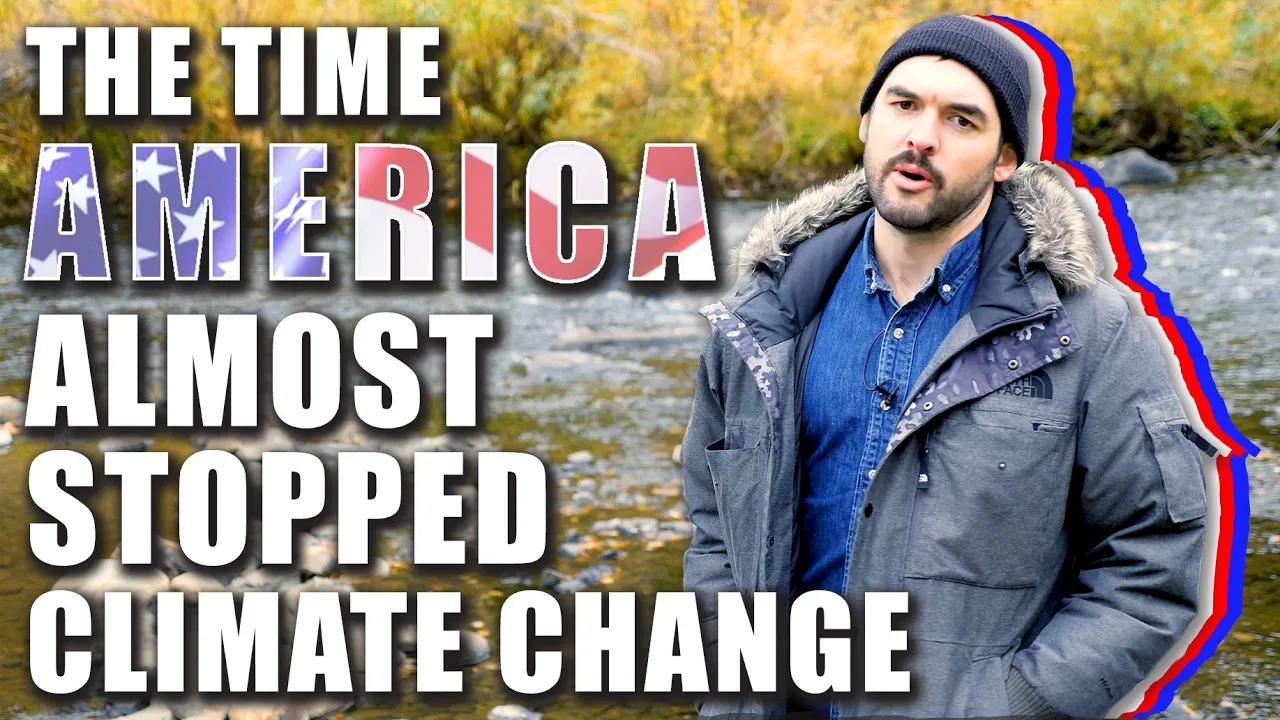
Why this video: Combining rigorous historical analysis with accessible, satirical storytelling, this video explores the specific domestic political windows of the late 1980s where climate action was nearly codified, and how those efforts were derailed by domestic carbon lobbies. It highlights the strategic use of trade associations to redirect legislative outcomes.
-
Knowledge Checkpoint:
- Explain the role of industry-funded trade associations (e.g., the Global Climate Coalition) in shaping early US climate policy.
- Describe how domestic interest groups leverage national economic anxieties to defeat carbon-reduction bills.

-
Why this video: This segment examines an undercover sting operation revealing the modern lobbying tactics of major energy firms. It shows how companies publicly declare support for carbon tax frameworks while privately deploying lobbyists to dismantle legislative pathways for climate action behind closed doors.
-
Knowledge Checkpoint:
- Define "regulatory capture" and describe how it is achieved through strategic, private political lobbying.
- Contrast "public relations positioning" (e.g., greenwashing) with "private lobbying actions" using the case study of carbon tax advocacy.
Module 4: The North-South Divide & Climate Justice
This module examines the geopolitical tensions between the developed economies of the Global North and the developing nations of the Global South. You will analyze how differing levels of historical responsibility for cumulative emissions, combined with developmental sovereignty demands, create a deep equity divide. You will study key climate justice concepts, including "Common But Differentiated Responsibilities" (CBDR), climate finance transfers, and the UN framework for "Loss and Damage."
Methodological Search Note: When researching "North-South divide" on public video platforms, algorithms frequently prioritize domestic geographical and cultural divides (such as the UK's regional socioeconomic North-South split). To access relevant material on international relations and global climate politics, always filter your searches using academic and geopolitical terms, such as:
"Global South climate negotiations CBDR""Common But Differentiated Responsibilities UNFCCC""Climate finance and historical emissions liability"
Recommended Videos
-
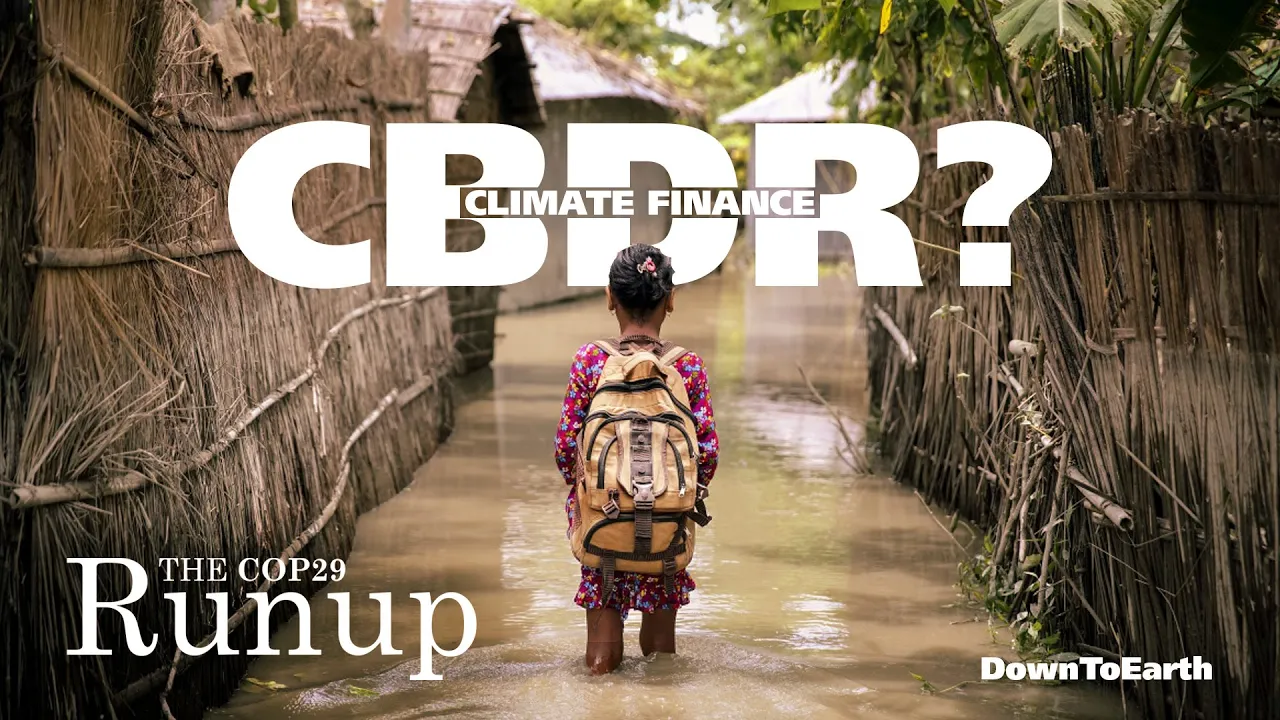
Why this video: This video explains "Common But Differentiated Responsibilities" (CBDR)—the foundational legal principle of equity in international climate negotiations. It details how the UNFCCC formally codifies the division of burdens between developed and developing nations based on historical contributions to atmospheric carbon.
-
Knowledge Checkpoint:
- Define the legal and ethical core of the "Common But Differentiated Responsibilities" (CBDR) principle.
- Explain why Global South countries argue that equal emissions reduction targets are fundamentally unjust.

-
Why this video: This historical analysis focuses on how developing countries organized collectively at the 1992 Rio Earth Summit to resist legally binding commitments imposed by northern industrialized powers. It details how Global South coalitions secured CBDR and protected their developmental sovereignty.
-
Knowledge Checkpoint:
- Explain how the coalition of developing nations blocked legally binding emissions mandates in early UNFCCC treaties.
- Define "developmental sovereignty" and analyze its friction with international environmental treaties.

-
Why this video: This editorial analysis breaks down the concept of "climate debt" and the ethics of global climate justice. It explores how industrialized nations utilized the global atmospheric carbon budget to build their wealth, leaving developing nations to bear the worst consequences of warming while facing restricted development pathways.
-
Knowledge Checkpoint:
- Define "climate debt" and identify who holds the liability for it under climate justice frameworks.
- Contrast the historical cumulative emissions of the Global North with the vulnerability profiles of the Global South.

-
Why this video: This segment focuses on the structural mechanics of international climate finance. It explains why financial transfers from developed to developing states are not "foreign aid," but rather a legal obligation rooted in historical industrial pollution liability.
-
Knowledge Checkpoint:
- Distinguish between voluntary development assistance (foreign aid) and mandatory climate finance transfers.
- Explain why climate finance is considered a functional prerequisite for Global South compliance with emissions targets.
Module 5: Evaluating Treaty Compliance: Kyoto to Paris
This module evaluates the architecture of international climate agreements, comparing the top-down, legally binding target model of the Kyoto Protocol (1997) with the bottom-up, voluntary Nationally Determined Contributions (NDCs) framework of the Paris Agreement (2015). You will analyze the institutional challenges of enforcement under international law, focusing on the consensus rule of the UNFCCC and the absence of global enforcement mechanisms.
Recommended Videos

-
Why this video: This video compares the structural mechanics of the Kyoto Protocol and the Paris Agreement. It reviews the lessons learned from the Kyoto model—specifically how rigid, legally binding mandates led to non-participation and defection (e.g., by the US and Canada)—and how these outcomes shaped the flexible, voluntary design of the Paris Accord.
-
Knowledge Checkpoint:
- Compare the "top-down" architecture of the Kyoto Protocol with the "bottom-up" structure of the Paris Agreement.
- Explain how the threat of international legal sanctions under Kyoto paradoxically led to weaker state participation and compliance.
-
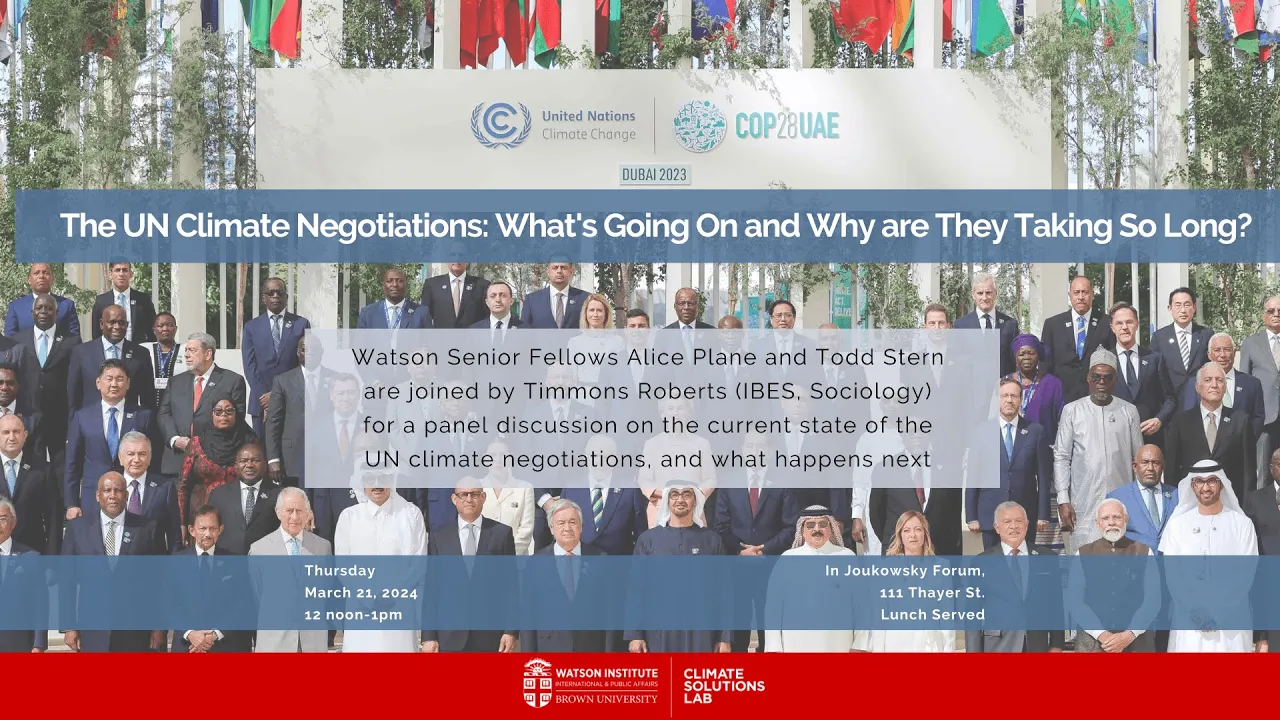
Why this video: This lecture analyzes the institutional design flaws that slow down global climate governance. It focuses on the UNFCCC's "consensus rule," which grants veto power to every participating state, and details the fundamental challenges of enforcing international environmental commitments without a sovereign global authority.
-
Knowledge Checkpoint:
- Explain the "consensus rule" in UNFCCC negotiations and evaluate how it affects treaty outcomes.
- Analyze why international climate treaties lack effective, direct enforcement mechanisms under international law.
-
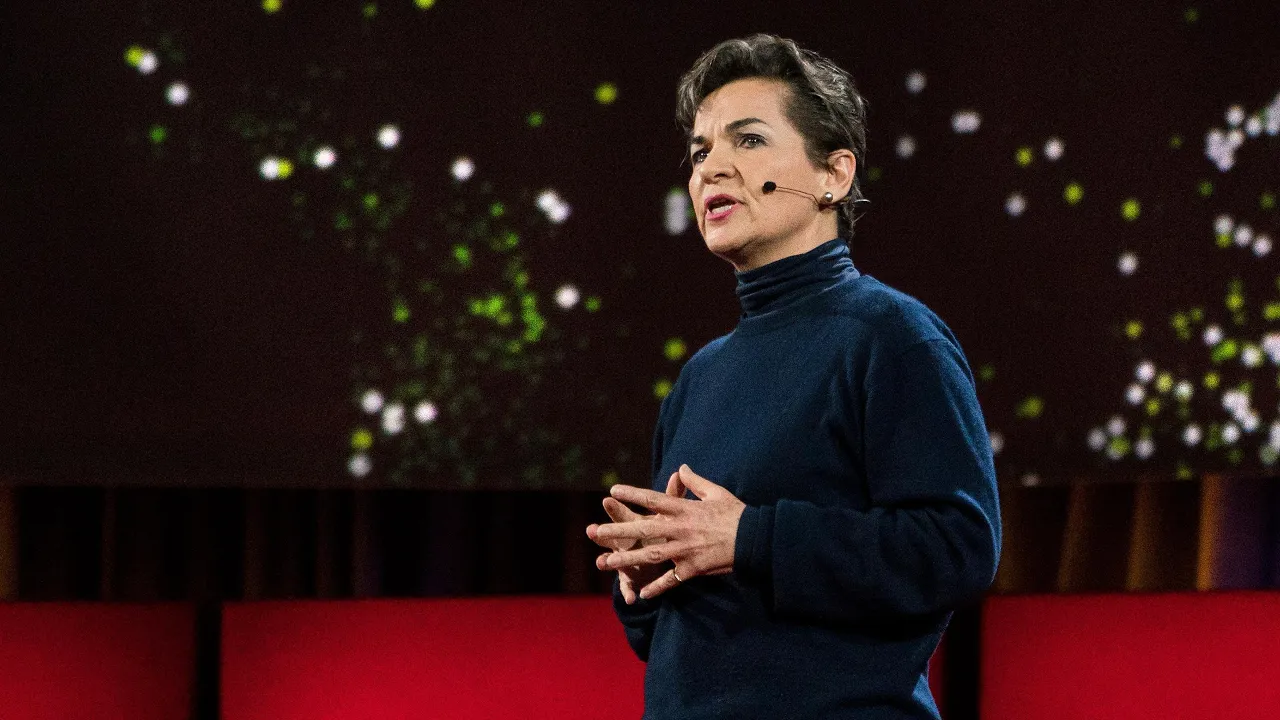
Why this video: Delivered by Christiana Figueres, the former Executive Secretary of the UNFCCC who oversaw the Paris Agreement, this talk details the transition from the confrontational diplomacy of the 2009 Copenhagen summit to the collaborative framework of Paris 2015. It highlights the diplomatic effort required to bridge the North-South divide.
-
Knowledge Checkpoint:
- Identify the primary diplomatic and political reasons for the collapse of the 2009 Copenhagen climate negotiations.
- Describe the strategic shift in negotiation style that enabled the consensus behind the 2015 Paris Agreement.
-
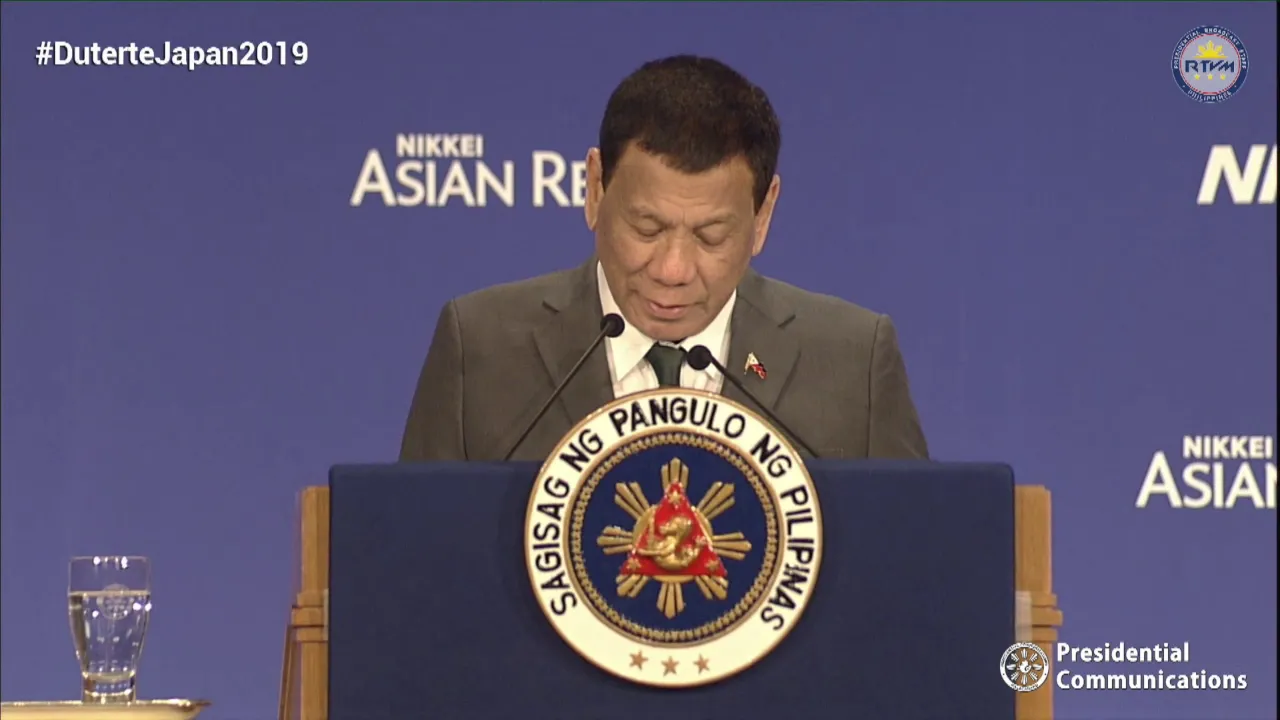
Why this video: This address highlights the frustrations of developing nations regarding the lack of enforcement mechanisms in global agreements. It highlights how international environmental law remains largely aspirational, with no centralized authority to penalize powerful polluting states that default on their carbon promises.
-
Knowledge Checkpoint:
- Explain why international climate accords can be described as "toothless" from a traditional legal perspective.
- Discuss how the absence of a global enforcement agency affects sovereign states' compliance with voluntary climate pledges.
Course Map
Key People Index
- Christiana Figueres: Former Executive Secretary of the UNFCCC (2010–2016). Figueres is credited with rebuildling the international climate negotiation process after the collapse of the Copenhagen summit, leading to the successful adoption of the 2015 Paris Agreement.
- Gernot Wagner: Clinical Associate Professor of Environmental Studies and Public Service at NYU. An economist specializing in climate risks and carbon market incentives, known for his work on the economics of climate policy and geoengineering.
- Garrett Hardin: The American ecologist who popularized the concept of "The Tragedy of the Commons" in 1968. His theories remain central to debates on how to manage global common-pool resources like the atmosphere.
Final Self-Assessment
To verify your mastery of the material in this curriculum, you should be able to confidently complete and explain every item in the checklist below:
- UNFCCC Structure: Map the institutional relationship between the UNFCCC, the Kyoto Protocol, and the Paris Agreement, explaining how each builds on its predecessor.
- Game Theory Application: Formulate an argument applying the Prisoner's Dilemma to explain why two highly emitting nations would choose to "defect" (increase emissions) rather than "cooperate" (reduce emissions) under an anarchic system.
- The Free-Rider Mechanism: Define the free-rider problem and explain how it prevents voluntary international coalition-building for carbon mitigation.
- Lobbying Tactics: Identify three specific public and private tactics used by domestic fossil fuel lobbies to delay or weaken national climate policies.
- Regulatory Capture: Describe how industry interest groups and trade associations utilize financial resources and targeted public relations campaigns to capture legislative processes.
- CBDR Definition: Articulate the legal, historical, and ethical justification for the "Common But Differentiated Responsibilities" (CBDR) principle within international environmental law.
- Historical Emissions vs. Climate Debt: Explain the relationship between historical cumulative emissions, industrialization in the Global North, and the concept of "climate debt" owed to the Global South.
- Kyoto vs. Paris Architecture: Compare the top-down binding emissions limits of the Kyoto Protocol with the bottom-up, voluntary Nationally Determined Contributions (NDCs) of the Paris Agreement, evaluating the trade-offs of each model.
- UNFCCC Decision Rules: Analyze how the UNFCCC consensus rule (giving every country veto power) shapes negotiation dynamics and impacts the strength of international climate treaties.
- Enforcement Limitations: Explain why international law struggle to enforce compliance with emissions reduction targets, referencing the limits of state sovereignty and global governance.