





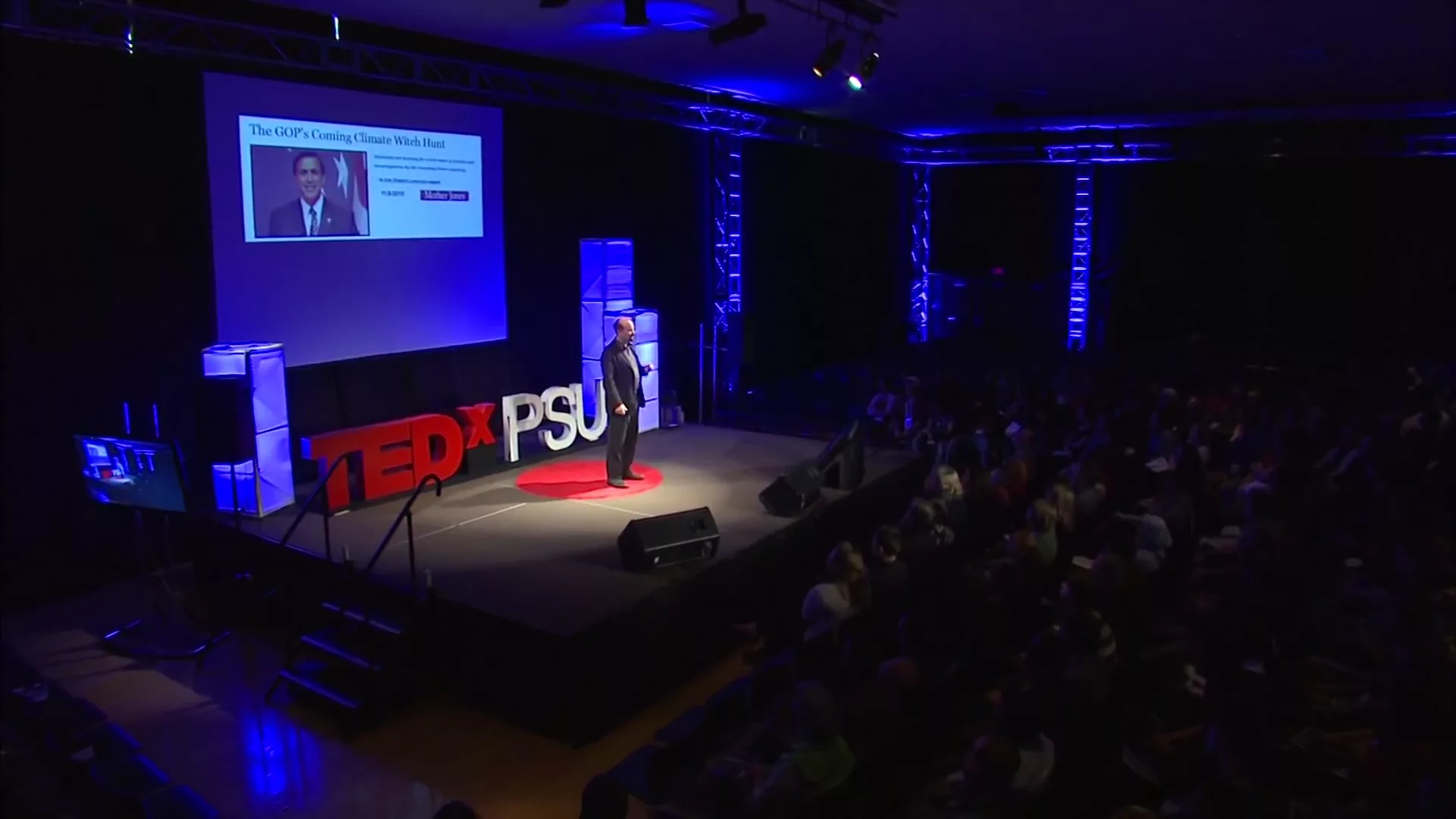











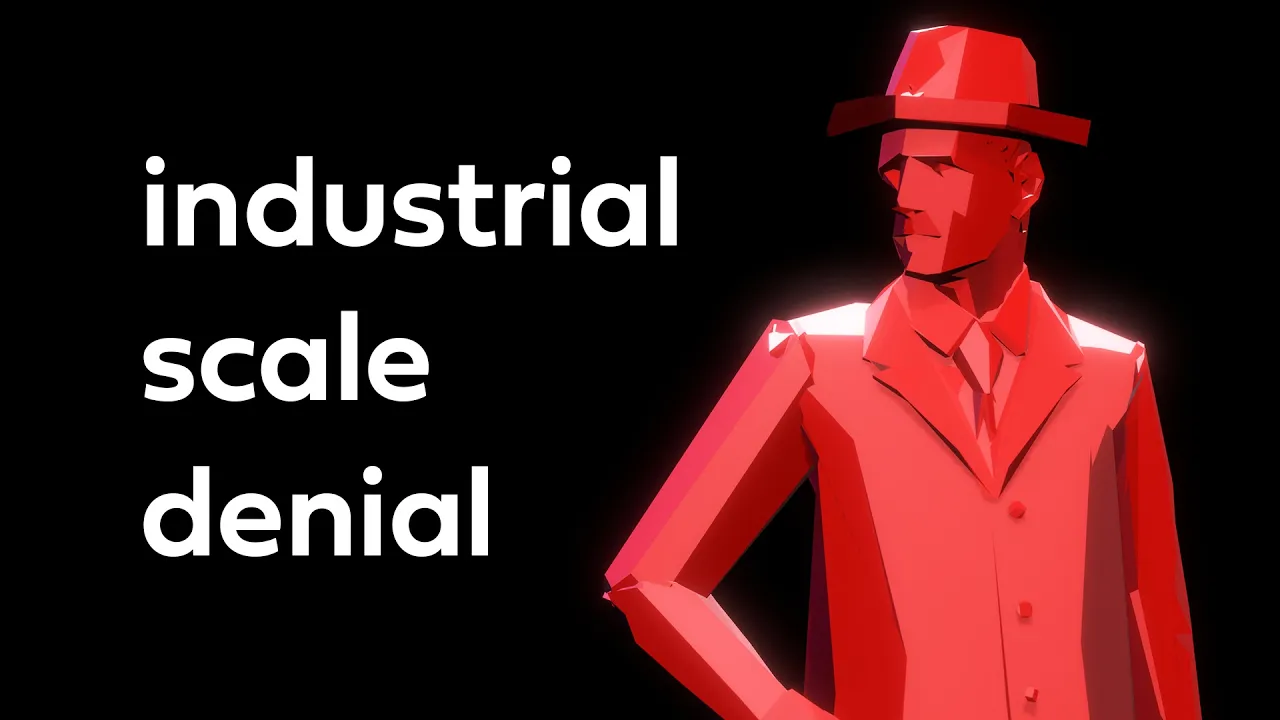
The fossil fuel industry, particularly ExxonMobil, which had known about climate change since 1957, systematically worked to suppress climate science and delay policy action for decades through disinformation campaigns, hiring scientists to research alternative fuels while secretly planning to pivot back to oil, and influencing political decisions to torpedo international climate agreements like the 1990 summit, demonstrating how corporate interests can obstruct environmental progress despite scientific consensus.
Climate Policy Failure: The Exxon Factor and Lost Opportunities
Added:The fundamentals of climate change science, specifically how greenhouse gas emissions from fossil fuels drive global warming.
The structure of the US political system and the role of corporate lobbying, political action committees (PACs), and campaign finance in shaping legislation.
The history of early international climate negotiations, such as the 1992 Earth Summit in Rio and the 1997 Kyoto Protocol.
The concept of 'manufactured doubt' or corporate disinformation strategies, historically modeled by the tobacco industry to delay regulation.
Climate litigation and corporate accountability: Analysing active lawsuits against fossil fuel companies for climate damages and consumer deception.
Modern environmental policy frameworks, such as the Inflation Reduction Act (IRA) and European Green Deal, and how they bypass historical blockades.
The economics of the energy transition, including the concepts of stranded assets and the phase-out of fossil fuel subsidies.
Strategic climate communication and methods to combat contemporary greenwashing and climate delay tactics.
625.9K views43.6Klikes14:35Original Release: 2021-01-21
two hi i'm raleigh williams climate science grad student and surprisingly big on billiards youtube today i'm enjoying the splendor of nature but i'd also like to tell you about the very real time that america almost stopped climate change and then one presidential administration and the fossil fuel industry led by exxon totally [ __ ] us and i mean [ __ ] this welcome to climatetown [Music] our story begins in 1977 with an environmental activist named rafe pomerance rafe was going through environmental reports when he read one that said if the levels of co2 in the atmosphere increase at the rate they're increasing it could completely destabilize our environment and basically destroy everything rafe took his big-ass glasses off and said what the [ __ ] what why aren't we talking about this 24-7 jesus so rafe called dr gordon mcdonald and a group of scientists known as the jasons they all did a peer review on the study and they concluded that yeah co2 looks like it could be a really big problem rafe freaked out again and by 1979 he got all the way to the desk of jimmy carter to which jimmy responded oh no my peanuts they're gonna take my beautiful peanuts oh no mercy me full disclosure uh all the events really happened and the sources are all in the bio i'm not making this up but no one thought to do transcripts so i have to just sort of imagine what they must have been saying so where was i oh no my precious peanut farm and my wife i'm pretty sure i have actually it seems irresponsible to speculate let me just go ahead and double check here oh hot dog but president jimmy carter is not a rash man so he decided to do another report this time he's going straight to the top we're talking nasa baby we're talking dr jules charney and dr james hansen they compiled the charney report which basically boiled down to climate change has the very real potential to put america through a wood chipper and then we use the um who wants to be a millionaire theme song there the little [Music] in 1979 exxon mobil was doing their own climate change report but it wasn't a oh is climate change a thing report it was an oh no i think they might be on to us report you see exxon mobil had known about climate change since 1957.
yeah they used to be called humble oil ironic and they did the research in 57 and found out that yes co2 in the atmosphere could really [ __ ] things up and then for the next 20 years exxon's top science advisors continually reminded them about the realities of the greenhouse effect including a very special board meeting in july of 1977 when dr james black explicitly warned exxon executives about the impending danger of climate change you know that thing they found out about in 1957 22 years later they are now exxon and they are trying to figure out how they can tamp down this information you see exxon was worried that the charney report might lead to some laws changing which could negatively impact their business model so a bunch of exxon executives got into a room together and the conversation might have gone a little something like this oh no we got it what are we gonna do pretend it's not even happening [Laughter] but in those days facts were a little more important so exxon mobil became the world's leading climate science research team it's crazy to think about but they hired climate scientists from all over the world to help them pivot away from oil to exclusively alternative fuels they retrofitted an oil tanker to take atmospheric samples from around the globe they were doing the cuttingest edges research of climate science and this was exxon people and then 1980 rolled around and ronald reagan got elected president and his first order of business was to roll back environmental regulations and hire a fossil fuel friendly epa administrator i put a freeze on pending regulations and set up a task force under vice president bush to review regulations with an eye toward getting rid of as many as possible i have de-controlled oil which should result in more domestic production and less dependence on forum nothing was getting done and we needed 150 cc's of pure charisma to really knock this thing into high gear that's right i'm talking about the one the only ow [ __ ] gore baby america's lamest cool guy i have not tried marijuana the electrifying statesman from tennessee realized that climate change just needed a little thing called show much see climate change just needed a story and stories need heroes and villains so casting director al gore put dr james hanson of nasa in the leading man's seat at a congressional hearing and an oil-friendly epa bureaucrat made the perfect villain and the hearing went so well the press covered it so extensively that exxonmobil actually decided they were going to completely do away with fossil fuels and pivot entirely to alternative fuels in 1983 a 496 page governmental report called changing climate came out and the bottom line was urgent action and more research needed unfortunately ronald reagan only read the more research needed double unfortunately in 1983 the bottom fell out of the oil market and exxon mobil executives wanted to keep making record profits so they decided they had to fire somebody and who else to fire but the guys you just hired researching alternative energy so in one year exxon went from trying to go renewable to completely alaskan thunder [ __ ] the planet again so nothing happened for a while until 1985 when it was discovered that chlorofluorocarbons a pollutant were completely destroying the ozone layer two years later it's being called an unprecedented display of international cooperation to protect the world's environment the montreal protocol signed today aims at stopping the deterioration of the ozone layer in the atmosphere now rafe pomeranz saw this and noted that in two years they did what he couldn't do in 10 years and thought to himself what in the [ __ ] global warming is like a thousand times worse than this it's destroying literally everything how do i get through to you people [Music] and then came the summer of 1988 and it was off the goddamn charts hot crops died droughts happened climate change real congress wants another hearing another one so they got james hansen back and he said hey you remember that climate change thing i was talking about this is that thing and it seemed like the newly elected president george h.w bush was listening because he literally said this 1988 in a sense is the year that the earth spoke back this summer we've seen a lot of talk about the greenhouse effect as the nations of the world grow they burn increasing amounts of fossil fuels and that gives off carbon dioxide which acts as a blanket insulating the earth and thus could contribute to an increase in temperatures in the atmosphere but we must have a clear commitment to emissions reduction i will appoint the finest most qualified individuals in the land to serve in the environmental protection agency they will have my mandate go after the polluters and a room full of exxon executives cried a collective [ __ ] [ __ ] but just like the common cockroach exxon executives refuse to die you see they just spent the past five years firing all their climate science guys what they did have was a whole shitload of money so presumably one exxon executive turned to the other exon executive and said we can't just like use all this extra money to confuse people with lies and disinformation can we no wait let's do exactly that and then triple unfortunately president george h.w bush hired john sununu as the chief of staff you may know john sununu as that man who's got a face that looks just like a slapped ass anyway sununu's got an engineering degree which in his head makes him smarter than every climate scientist ever so the next time james hansen went to give a hearing he submitted his testimony and sununu censored almost all of it so dr hansen calls al gore and he says hey this new censored testimony is going to make me look like an idiot to which al gore responds perfect write that in a letter al gore takes that letter to the newspapers and says put this on the internet to which they respond what's the internet because he hadn't [ __ ] invented it yet anyway the newspaper put the hanson letter on the front page and when james testified he first read the censored sununu version [ __ ] power move congress was like what did any of that mean and hanson said i don't know you should ask the people who wrote it the white house [Applause] congress freaks out the press freaks out everybody is lighting cigarettes they are like whoa we're gonna fix this climate change thing now we are primed for some climate change policy so there's this giant climate change summit right around the time taylor swift is being born there are 65 countries and the goal is to get everybody to agree to freeze emissions at 1990s levels and do you remember when george h.w bush made this following commitment to us today i'll make this following commitment to you today i will appoint the finest most qualified individuals in the land to serve in the environmental protection agency and true to that commitment he made to us today bush made william k riley the epa administrator riley was a man who listened to scientists and could recognize exxon's disinformation campaign as the absolute horseshit that it was and was ready to make a global commitment to stopping climate change exxon was not cool with that and neither was their number one best friend forever john sununu but what could they possibly do in the face of an overwhelming scientific consensus the conference delegations typically were chaired by the environment ministers and uh the chief of staff our chief of staff was quite nervous about my doing that so he bumped me in favor of the science advisor who was skeptical about climate who's guess what already in the pocket of exxon mobil and a bunch of other fossil fuel companies but still things are going pretty well at this climate summit they're all talking to each other they're like hey what if we didn't [ __ ] the planet completely and they're like yeah that's a great idea oh you know what if we limit co2 oh my god that's so smart and all of us do it together and then we can make this world livable wow what a great idea hey let's all sign this document they all agreed and then on the last day of the summit the fossil fuel friendly science advisor john sununu personally sent to the conference pulled the trigger he refused to sign the treaty they had all worked on and walked out of the conference torpedoing the best chance we had had at global climate policy now already that's a huge win for exxon in the fossil fuel industry but they didn't stop there they got climate policy on the ground you got to work those chops baby they started a fossil fuel special interest group called the information council for the environment their whole goal was to spend millions of dollars advertising in newspapers and radio to promote [ __ ] arguments that they knew were fraudulent and this is not just like a theory i have exxonmobil's internal memos clearly state they were trying to emphasize a scientific uncertainty that they knew didn't really exist they spent millions of dollars discrediting real scientists who were doing real climate work showing that yeah climate change is happening and they were buying testimony from fake scientists that they paid to say that actually everything is totally fine so in the 90s nothing went right for climate change until 2000 when al gore was elected just kidding finally finally in like the 2017 kind of time knock knock who's there it's the youth movement baby we're talking greta thunberg extinction rebellion sunrise movement aoc the green new deal there's actual climate policy on the table okay but if we don't keep that momentum going the fossil fuel industry is going to pave over that like they did the last time so please please if you got this far in the bio there's a link to all these organizations sign up for one get involved i'm begging you we can't let exxon win okay they were such dicks for so long and they're still being dicks today they're still trying to discredit climate scientists so just let's stop how about thank you so much for watching climatetown see you next time what are you getting a little river shot for the finale that's good it's a good idea it'd be a nice nice little thing well that was about four minutes longer than it needed to be huh seriously thank you so much for watching i really appreciate it and i'm going to keep making more videos but if you do want to support the channel i just started a climatetown patreon page and the link is in the bio wait people have to pay for these videos now oh no they're still all on youtube for free this would just be if you wanted to like help me make them faster and better oh also exclusive behind the scenes content and interviews and like stuff that gets cut from the final videos so you want people to pay for the stuff that's not good enough to be free i am just hoping that a few people might want to send like five bucks a month uh my way because you appreciate what could be described as highly researched low budget super trihard climate comedy climate comedy like edutainment no like infotainment and you have to pay for it only the bad stuff the good stuff is still free right okay this i feel like this really went off the rails hey man don't look at me you're the one trying to get people to donate to your climate comedy patreon page and the link is in the bio i have not tried marijuana [Music] okay i know we already shot a lot of this but would it be weird if i did the the little jaunty hat [ __ ] from irobot with will smith yeah yeah yeah yeah do it or yeah it looks weird no yeah that looks weird damn it i thought you were gonna say yeah do it because i think it looks cool this doesn't look cool he makes it look cool yeah he does their differences what's the difference it's a couple give me the big main difference that you can think of between me and will smith
Up Next

94:49
Lionfish Invasion: Biology, Impact, and Removal Strategies
@ForceEDivers
157 views•2022-06-04
62:52
HUMUS sapiens: Open Soil Research & DIY Ecology | 36C3 Talk
@mediacccde
1.7K views•2019-12-29
14:30
Microplastics Everywhere: How Plastic Impacts Our Lives
@TEDx
100.9K views•2018-05-08
10:28
Ice Stupa Artificial Glaciers: Solving Ladakh's Water Crisis
@SonamWangchuk66
3.2M views•2015-05-03
Related Study Plans & Knowledge Roadmaps
Structured learning paths in Environmental Science
environmental-science
Phytoremediation: Soil Clean-Up & Plant Biology
01Introduction to Soil Contamination & Heavy Metals
02Plant Anatomy and Nutrient Transport Basics
03Biological Mechanisms of Hyperaccumulation
+ 3 more learning modules
16h6 modules
Explore Roadmap
environmental-science
Ocean Noise: Cetacean Impacts & Mitigation
01Fundamentals of Underwater Acoustics
02Marine Mammal Bioacoustics
03Anthropogenic Noise: Shipping & Seismic Surveying
+ 2 more learning modules
16h5 modules
Explore Roadmap
environmental-science
Road Ecology: Corridors, Overpasses & Fencing
01Foundations of Habitat Fragmentation and Carnivore Ecology
02The Road Barrier: Ecological Impacts of Transport Infrastructure
03Principles of Ecological Corridors and Connectivity Mapping
+ 3 more learning modules
14h6 modules
Explore Roadmap
environmental-science
Ocean Acidification: Kelp Buffering & Shellfish
01Fundamentals of Ocean Chemistry & pH
02Chemical Pathways of Coastal Acidification
03Bivalve Physiology & Calcification Under Stress
+ 2 more learning modules
18h5 modules
Explore Roadmap