

















Climate economists analyze that while we know enough about climate change to act, the unknown uncertainties (known unknowns and unknown unknowns) create significant economic costs, making carbon pricing essential; however, given the persistent uncertainty and the free rider problem in global emissions, solar geoengineering may become an inevitable solution to manage climate risk.
Solar Geoengineering as a Climate Solution | Gernot Wagner | TEDx Talk
Added:The Greenhouse Effect and Global Warming: Understanding the basic mechanisms of how greenhouse gases trap heat and drive global climate change.
Climate Economics and Market Failures: Familiarity with how economists view climate change as a global negative externality and the challenges of pricing carbon.
Mitigation vs. Adaptation: Knowing the difference between reducing greenhouse gas emissions (mitigation) and adjusting to life in a changing climate (adaptation).
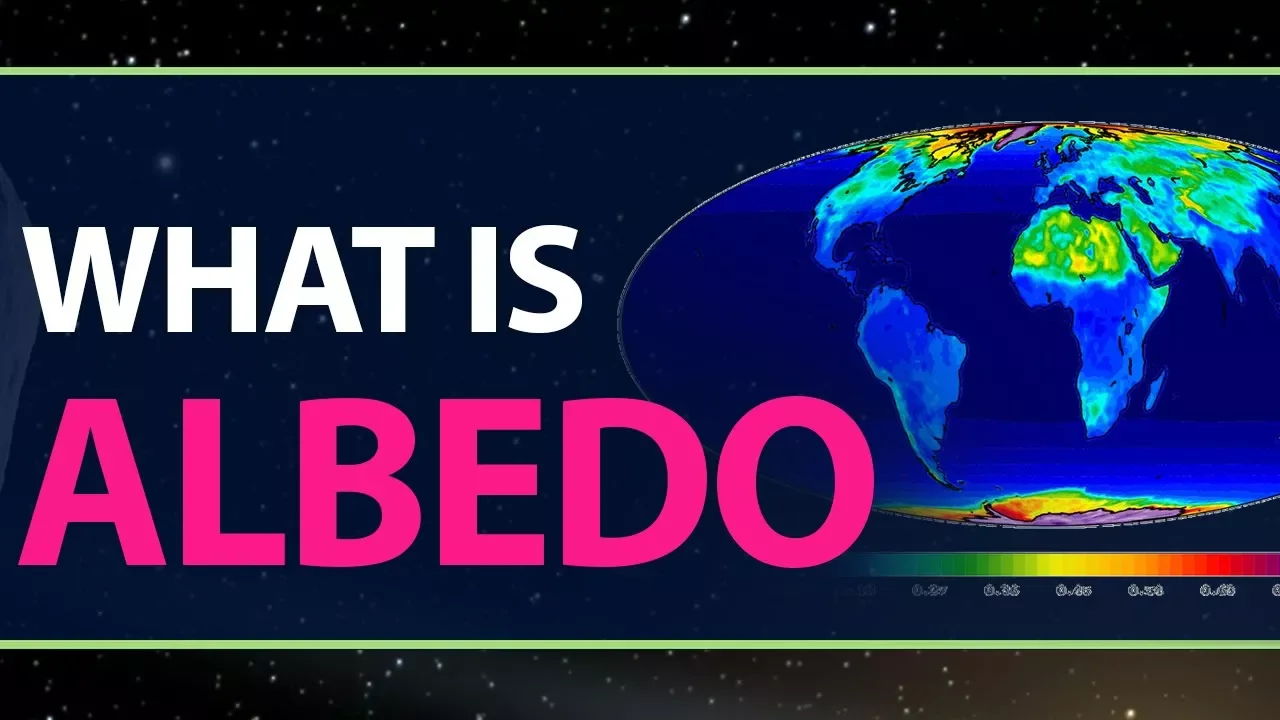
The Concept of Albedo: Understanding surface and atmospheric reflectivity, which is the physical principle that solar geoengineering seeks to manipulate.
Global Governance and International Law: Exploring how solar geoengineering could be regulated internationally, including the risk of unilateral deployment.
Specific Solar Radiation Management (SRM) Technologies: Researching the technical feasibility, costs, and localized impacts of methods like stratospheric aerosol injection and marine cloud brightening.
The 'Moral Hazard' in Climate Policy: Analyzing the socioeconomic theory that geoengineering development might reduce the political and public will to reduce carbon emissions.
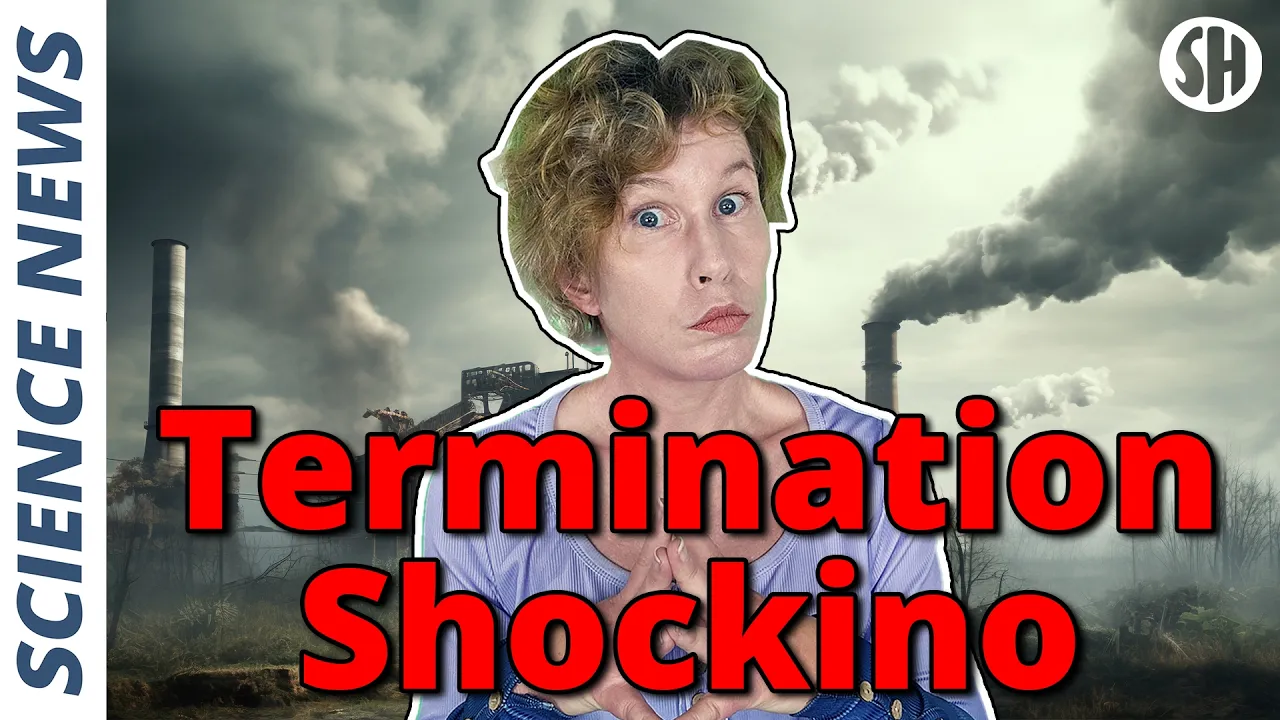
Termination Shock: Studying the catastrophic climate risks and rapid warming that would occur if a deployed solar geoengineering system were suddenly halted.
4.7K views46likes18:00Original Release: 2019-07-15
I'm a climate economist there's a bunch of us suddenly not the only one and a few of us like to tell the story when we introduce ourselves as a climate economist in sort of men with his blank stare can't possibly be the case that you do both of these things alright so you're either an environmentalist you recycle you care about the planet and feel bad about boarding a flight or you're economists you worry about interest rates jobs the economy you can't possibly do both and yes economics misguided economics market forces pointing in the wrong direction the reason we're in this mess in the first place well it's all the economics guided guiding market forces in the right direction that are the only hope frankly to get us out of it now rest assured I will not be discussing the basic science here right temperatures are rising emissions are rising we are the reason for both of these but what I will do is make three points trying to tease out what I think you're the most crucial aspects of economics when apply to climate climate policy point one yes there's plenty of things we do know and what we do know should have led us to act a long time ago frankly but really it's what we don't know well Don Rumsfeld would call the known unknowns the unknown unknowns the rests and uncertainties that 'truly cost me 0.2 it's a bit of a confession actually but sort of economists have had this solution for a long time now unfortunately they we call it a tax tax of course is a four-letter word and not just in Washington now if you don't really mean that when we say attacks we mean many many more things that fall under this or at least a more enlightened version means much much more than just saying let's taxi or two and get out of the way and then point three if we take this economic logic to its logical conclusion it is not a question of if it's a question of when will consuming solar geoengineering solar radiation management lots of names for that but something frankly some truly scary things that went once one takes the economics seriously or not if okay one perhaps the most important set of numbers that defines life on this planet going forward as we know it usually in this country I would train leaders in to fan hide this isn't a very educated audience so let's stick to sending brain here one point five two four point five degrees centigrade is what happens to global average temperatures eventually as concentrations of co2 in the atmosphere double this is called climate sensitivity has this very tight definition and yes there is this range we don't know for sure what the right numbers it doesn't include zero we know what adding co2 isn't going to decrease temperatures that we know but this range is in fact huge we've already passed one degree centigrade of global average warming these political goals out there wanted to have two degrees getting there exceeding that would already be bad enough the problem is we don't know whether we will get there whether we will be able to limit emissions to that even if we pull out all the stops now here's what this risk and uncertainty question comes in this number has been with us for a while jewelle Charlie 1979 National Academy study there were two studies available at the time once at two degrees the other ones at four degrees and have a degree because why not uncertainty and there was a range now fast-forward IPCC Intergovernmental Panel on Climate Change dozens hundreds of climate scientists coming together trying to make sense of this still the same range 1990 to 1995 2001 not for a lack of trying but hunger it's thousands of studies yes the most important connection between co2 up there in global average temperatures eventually by now we have a better idea of what this range is it's the likely range there's a type definition for that it's 66 percent probability to be within this range not two-thirds not 67 don't ask why 66 percent probability of being in that range 2007 good news bad news alright good news we've tightened the range bad news they did it the wrong way increased the Lobot looks like lower temperature increases aren't the likely range now the best science says is two to four and a half degrees enormous uncertainly here was 2007 the fourth assessment report of the Intergovernmental Panel on Climate Change fast forward to the fifth assessment report 2013 we're back to where we were in 1979 now turns out both things I said before the good news and bad news was wrong it's not good news that we narrow the range it's just news there's no science coming in that was the best we could do 2007 now five years later turns out that likely range is once again wider apparently there is more risk more uncertainty year than we saw we thought five years prior now unfortunately the other bid was wrong too it's not necessarily bad news when we tighten the range even if we do it by increasing the lower bound this is the bad news the widening of the range doesn't include zero there are in fact climate change is built in here but there is now bigger uncertainty greater uncertainty over where we will actually be and it's precisely this uncertainty that raised our not knowing that is so costly just to assure you yes there's a lot of science behind this a bunch of PDFs not what adobe gives us but probability density functions there are probabilities of were these temperatures are going and yes it's pretty likely we will be in this range that's already bad enough right two to three degrees of global average warming the really problem is we can't cut off that Ted we can't be sure that global average temperatures don't rise even further until it's simplified once again there's this likely range there's one additional problem here you're still just talking about climate sensitivity here this parameter no one really cares about that necessarily we care about where actual temperatures are going so we need to go back to our models make a bunch of assumptions basically try to project or concentrations of co2 in the atmosphere going in order to be able say or temperatures well let's just take this one prediction here this one probability distribution and look at one scenario or the International Energy Agency calls the new policy scenario that's probably a pretty optimistic one it already accounts for new policies coming down the line that are not currently on the books to try to see what that does well and unfortunately back to the risk and the uncertainty and how costly that is we can't even exclude extreme scenarios like here the six degrees centigrade of global average warming mark lines British Bill McKibben environmental writer wrote this book called six degrees he's British so he gets away with centigrade here six chapters one degree 2 degree three degrees trying to detail what happens to life on earth what science knows about life on Earth degree by degree centigrade of warming the sixth chapter six degrees starts with Dante's Inferno six circle of hell and for lack of trying and of course there's some literary license here but frankly there's no mistaking this for a planetary catastrophe planetary Charlie Foxtrot and unfortunately we can't even exclude that now as an economist back to the dollars and cents the known owns what we can quantify what we can measure gets us to something around $40 per ton of co2 every ton we emit the average American emits about 20 tons of co2 average European 10 I'm a dual citizen I get 30 every one of these tons cause about these 40 dollars worth of damages that we know of then there's this stuff now I can't give you a precise answer I can't tell you what the right number what I can say is that it is exactly those tales the fat tails that are truly costly that the right price is in fact much much higher it's not over till the fat tail Zing's it's the risks and uncertainties that are cost me okay now what to do I slowly missions are going up up and up this was sort of a good news period here's 2006 global fossil co2 emissions have been constant for about three years unfortunately so 2016 2017 emissions rose 2018 highest ever and unfortunately it's not about stabilizing emissions but it's about getting them down to zero it's a very highly scientific graph here or they need to go but actually it turns out it's actually pretty accurate you run these major models there are somewhere between 2040 and 2060 sort of mid century we need to get down to zero if we want to limit emissions to temperature increases even more so to one and a half degrees centigrade we'd have to do that even sooner that's the task and it's a big one now turns out economists have and usually do for lots of things it's a carbon tax it's a price on co2 now turns out we don't really mean that or at least a lightened version of us doesn't really mean that literally attacks its lots and lots of things it's the green new deal it's sort of it's all these things that fall under this the things that need to happen and yes lots of things are in fact happening there's some good news you too the price of solar photovoltaic decrease for some 80 85 percent the last seven eight years price goes down deployment goes up Germany has done a lot truly a lot to subsidize the deployment of renewable energy on the demand side mostly with these global effects China same thing on the supply side for the most part all right so you put these together and frankly our task instead of to brush up on our German and Chinese start writing thank you notes to German and Chinese households thank them for subsidizing this stuff for the rest of us an economist would say what they are doing domestically is sort of inefficiently much but of course there is global benefit here California another success story more has to happen but yes there is lots and lots of good news to go around to back to the big dish again highly scientific raffia climate risk over time well if you burn fossil fuels forever climate risk keeps going up no real news there what if we cut emissions to zero turns out we limit that increase in climate risk we do that's the solution we have to cut emissions to zero but at least in our lifetimes of all time skills than that hundreds of years at climate risk doesn't in fact go down we limit the increase in temperatures we limit the rise of sea levels we don't get them down for that he need to remove carbon from the atmosphere which really sucks co2 out of thin air and even then right there's a lot of hurt build in here there's this peak and frankly the big big question and once again to the economics here the big question is what do we do is there something to be done and where do those fundamental market forces point to it can we somehow shave this peak and that's the specter of geoengineering 1991 Mount Pinatubo erupted in the Philippines 1992 global average temperatures decreased by about half a degree centigrade 1993 all this stuff in the stratosphere falls out again about 18 months later after the eruption temperatures are back up and up to trend but it's that principle not very scientifically but loosely speaking showing gunk into the stratosphere that in fact makes the planet potentially more reflective and cools what's underneath it's the same reason why we were white between Memorial Day and Labor Day and why winter jackets are black eyed white reflects black absorbs makes you a woman the winner well brightening the planet great large would do this now that's the solar geoengineering here here's the real problem few world fact is enough economic jargon why are we in this mess in the first place so we called the free rider problem at the 7 billion of us it's a billion heiner's mostly responsible for the problem guilty as charged all of us here part of those billion diameters and it's what economists call the free rider problem it's and nobody's self-interest to be doing enough not that even could but we simply don't be all free riding well do you engineering solar geoengineering it's the exact opposite it is so cheap so powerful to be doing this to engage in this intervention that it's not a question of if it's a question of when it's not a matter of incentivizing people to do more of it if anything it's a question of stopping people from doing too much so yes it's the risks the uncertainties the stuff we don't know that is costly we have a solution it's not the solution takes much much more than just one single intervention but yes it's about getting emissions down pricing emissions and yes if you if one takes economics seriously it brings them to the logical conclusion it's not if it's when we are looking at a world that also looks toward deploying solar geoengineering thank you very much [Music] you
Up Next
84:19
Big Oil's Climate Change Disinformation: FRONTLINE Investigation
@frontline
3.4M views•2022-04-20

12:54
Triumph of Orthodoxy Icon: Byzantine Art & History Explained
@BenCallan
2.1K views•2024-08-06

11:43
Indigenous Astronomy: Rethinking Space Ethics | Karlie Noon TEDx
@TEDx
15.1K views•2025-11-30

1:42
Game of Thrones Opening Credits: A Cinematic Analysis
@gameofthrones
46.3M views•2011-04-18
Related Study Plans & Knowledge Roadmaps
Structured learning paths in General & Interdisciplinary Studies
general-studies
Elevator Engineering: History, Physics & Cities
01From Hoists to Safety Brakes: The Dawn of Vertical Lift
02Hydraulic vs. Traction: The Engineering Physics of Elevators
03Modern Speed, Safety, and Algorithms
+ 2 more learning modules
12h5 modules
Explore Roadmap
general-studies
Rubber: Material Science, History & Geopolitics
01Origins of Natural Rubber & Mesoamerican History
02The Chemistry of Natural Rubber & Vulcanization
03The Geopolitics of the Rubber Boom & Colonization
+ 2 more learning modules
12h5 modules
Explore Roadmap
general-studies
Containerization: Evolution, Logistics & Trade
01Ancient Trade & Bulk Cargo: Amphorae to Barrels
02The Industrial Revolution & Cardboard Packaging
03The Containerization Revolution: Malcom McLean
+ 2 more learning modules
12h5 modules
Explore Roadmap
general-studies
Textile Tech: Evolution, Labor & Global Impact
01Pre-Industrial Textiles: Handloom & Cottage Industry
02Mechanization: The Spinning Jenny to the Power Loom
03The Factory System & Global Labor Transformation
+ 2 more learning modules
10h5 modules
Explore Roadmap