
















UN climate negotiations face significant challenges due to historical patterns of obstruction from wealthy nations and fossil fuel industries, which have prevented binding agreements since 1991; despite these obstacles, incremental progress continues through mechanisms like the newly established loss and damage fund at COP28, though achieving the Paris Agreement's 1.5°C target requires unprecedented reductions in fossil fuel use (95% coal, 70% oil, 54% gas by 2050) that remain politically difficult to implement.
UN Climate Negotiations Explained: Why So Slow?
Added:The fundamental science of climate change, including the role of greenhouse gas emissions (GHGs) in global warming.
Basic principles of international relations and multilateralism, particularly how the United Nations framework operates and the concept of national sovereignty.
The core structure and goals of major historical climate accords, such as the Kyoto Protocol and the 2015 Paris Agreement.
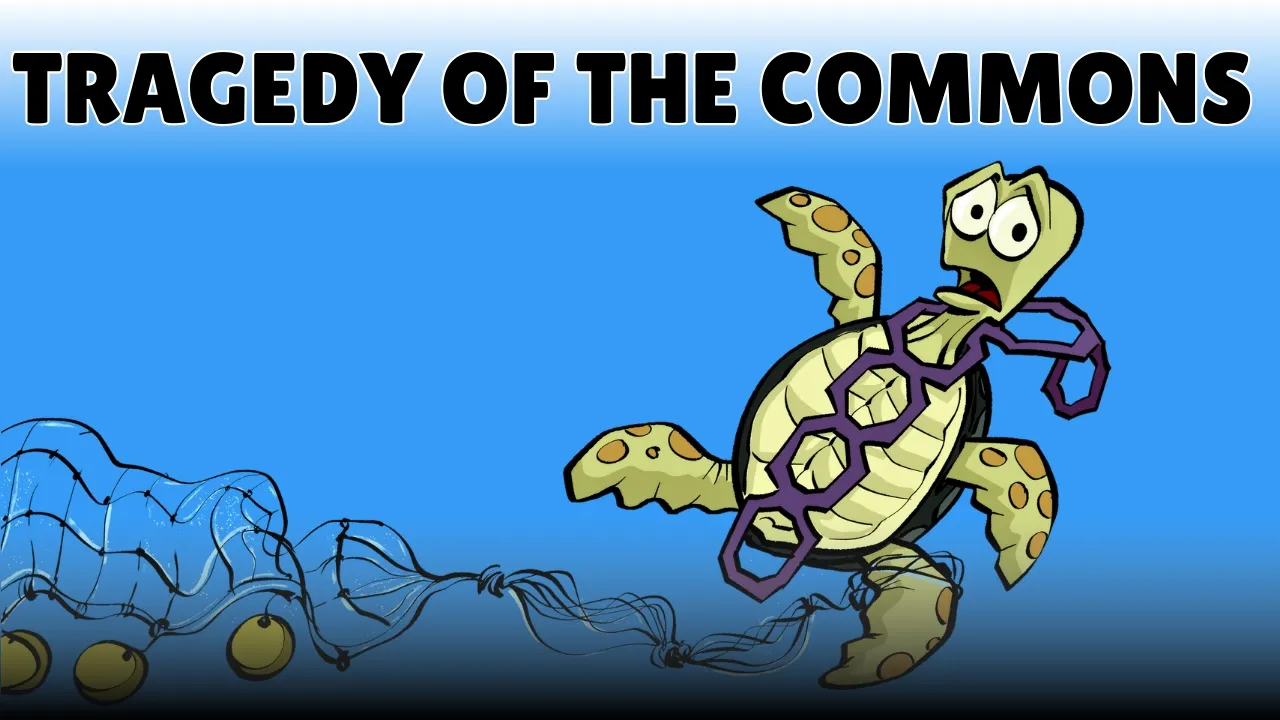
The economic concept of the 'Tragedy of the Commons' and how it applies to global resource management and atmospheric pollution.
The mechanics of climate finance, including the 'Loss and Damage' fund and how wealthier nations support adaptation in developing countries.
Advanced carbon pricing mechanisms, such as cap-and-trade systems, carbon offsets, and border adjustment taxes.
The role of sub-national actors, non-governmental organizations (NGOs), and multinational corporations in driving climate action outside of state-led negotiations.
Policy analysis of national decarbonization strategies, specifically evaluating the feasibility and economic impact of Net-Zero transition pathways.
473 views11likes51:40Original Release: 2024-04-03
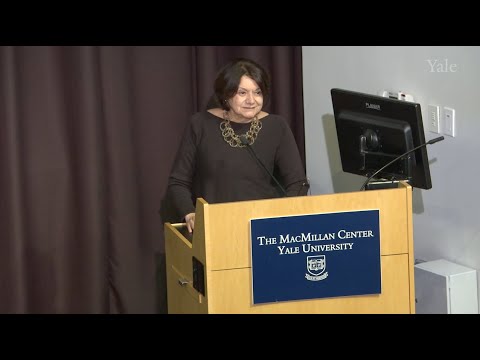
[Music] thank you all for being here I am very happy to be here today and very grateful to The Climate Solutions lab and in particular to Ali Bon who um organized this talk today um and thank you all for being here despite Spring Break um very you know close closely approaching uh my name is Alice PL I'm a senior fellow here at the wetson Institute and I'm the former head of unit for climate change at the Ministry of Foreign Affairs in France um I'm honored and excited to be joined here by three wonderful guests um senior fellow Todd Stern um he was the lead negotiator for uh the USA when the Perry's agreement was adopted about 10 years ago and um among many other things of course but he will bring today the perspective of an American policy maker and one of the architects of the Paris agreement uh Professor timens Roberts um who teaches at ibas some of you may have um taken his classes amazing classes and he also works tirelessly to shed light on the disinformation and misplaced influence of the oil lobbies including in here um American Academia so he will bring um the perspective of what I would frame as both an academic and an activist and then uh Priyanka mahat uh she's a senior undergrad here we met in my class on climate negotiations and practice last semester and she came to cop 28 with me um but because she's this exceptional uh human being she managed to uh jump on the bandwagon and um get in touch with the nepales delegation out there and join the g77 plus China negotiation Group which is in our cop jargon an equivalent to the global South so she's bringing here today what I would frame as the perspective of both a youth and the global South um thank you all three for being here I will um leave the room now for Timmons to give us a brief introduction to why are we here um climate negotiations what's going on and why are they taking so long thank you thank you Alice thanks Ally um Todd very good to see you again and Priyanka a pleasure Priyanka was in my lab group I can't remember where we went uh we used to go to the UN negotiations uh all around the world um and that's a lot to talk about but in 2017 when uh Donald Trump announced the withdrawal of the US from the Paris agreement I was in bond with a delegation of 18 people and said what are we doing here we need to go back home and try to understand why the United States is such a problem child in the uh un negotiations so a lot of the things I'll say about the difficulty that the UN negotiations have experienced are in substantial part due to the United States and not just the United States but in great part as the wealthiest country in the world uh with the most capacity to act so you know envir environmental and climate governance goes back to 1972 really in Stockholm uh conference and then in 1992 in the de Janeiro Earth Summit when the UN framework convention on climate change was negotiated and agreed 195 countries literally the whole world agreed to avoid dangerous climate change and that countries would act according to principles of equity and that countries would act uh and the principle of common but differentiated responsibilities that is and respective capabilities that is wealthy countries would go first and do the most and help the poor countries act and so I've done a lot of work on this since uh starting to work on climate change back in 93 and um really the uh the core dilemma that I looked at was the this tension between the global North and the South because uh really the promises made back then uh were not kept and the promises often continue to not be kept for example in important conferences in uh Kyoto in 1997 in Copenhagen 200 9 in Paris in 2015 so it's unfortunately a history that is very frustrating uh for those of us who go to these things and care and I I guess I would encourage people to care it's a a lot of possibility but a lot of frustration um as one young negotiator said you've been negotiating my whole life and you know and where are we uh we're missing uh really what the scientists say we need to do to avoid dangerous climate change what we said we were going to do um so the three pillars of course of the climate negotiations are mitigation that is reducing emissions and they uh you know there are goals in the Paris agreement uh which are temperature targets but if you look at the actual pledges that have been made they don't match up to the goals so they're inadequate and the policies that have been put in place in Nations if you add them all up do not add up to meeting the Paris agreement and on the implementation it's even worse that's the first pillar sorry I'm so depressing I'm trying to be quick and I only have five minutes um the second is adaptation right that we would help developing countries deal with the impacts of climate change and prepare themselves for what was coming and what is now happening um and in that case it's really about funding are the wealthy countries stepping up to the plate with enough funding in in the Copenhagen round uh Hillary Clinton uh and and be put into into the negotiations the idea of a100 billion a year uh pledge to be delivered by 2020 and that uh uh quite a lot of work in my lab was documenting that along with there's a lot of other Nos and others and even the standing committee on finance documenting that um those pledges were not met a lot of the aid was actually just rebranded or rebadged or relabeled um to be called adaptation when they were just it was development Aid um so anyway there's a lot of un underfunded and missed promises there the third pillar which is which is new is loss and damage that is if you don't reduce emissions enough then you have to adapt if you can't adapt then there's just the things that are damages and this is a legal term being adopted in international climate governance to essentially figure out how to help uh with you know cultural losses people's countries who are going underw or their sacred places or other impacts that just will not be repaired so that's unfortunately really not a it's not a new problem but it's finally in the you know in the agreements there's a fund established this year which I know Alice is going to talk about but this idea came was actually introduced in 1991 uh by Vanuatu uh and included a really this this elements of a of a loss and damage fund it was called insurance at that time I think so the question is why you know why are we not uh achieving what we need to and I would say a lot of this that we've learned is that there's been obstruction right from the start back in the original negotiations in 1991 business organizations from the US and other countries were there making sure that no binding agreements were ever agreed uh and binding ones that would be um sufficient to the what the science told us um so the questions are as we look forward uh do we shut down those un framework convention start all over again um I would say you know there is some benefit of it even if it's just raising the issue of climate and getting leaders together and making them say something in public every year um do we exclude fossil fuel rep Representatives you know as uh Alice is going to say there's thousands that show up each year um or at least hundreds we don't know the exact number you know it's like having tobacco companies at the tobacco negotiations you know or the the smoking agreements uh at least what's happening is now they're supposed to identify themselves as being from you know Industries so that's it's a weak start but it's something and then there's language that's been agreed and I'm out of time so I'm just going to pass it on to Alice to tell the rest of the story but I I say to everybody don't give up this is really important we can do better but I think we have to address the obstruction that happens mostly not at the negotiations but mostly back at at uh in in home uh National capitals thanks thank you so much um I think that was just a perfect framing to to get to you know make sense and ground us into understanding that it's kind of you know fried and we may want to cool it down and if we want to cool it down we' better Act Fast um so just a reminder of that goal of the piis agreement the main goal is to limit global warming to what we call 2° and if possible 1.5° above what we call the pre-industrial levels and to agree on a deal to share the costs right as as Tim has just explained this is where we were heading to before the Paris agreement plus 3° C which is more or less 6 Fahrenheit think about it as the Earth as your own human body what kind of fever is that it's more of a stroke and you're dead right well it's pretty much the same for the planet those are just a few examples of what the world would look like if we had not put in place multilateral governance to try our best to address this right this is Dubai today and this is Dubai was three degrees of global warming where we had cup 28 um in December that's just the sea level rise right no other of the climate impacts okay this is just like to remind you like those costs are are you know numbers you can make whatever you want with them but that gives you a sense of what um that could mean for World economy so cop 28 is what I would frame as the oil and gas cop and this is a picture taken by prianka in the green zone and you can see this um Greening the Aviation which you could frame as greenwashing um the aviation because um it's not about putting flowers on a plane it's about rethinking why do we even need planes and if we do how do we build them how do we sustain them how do we fuel them in a way that would be truly decarbonized right um they're revering perceptions of the outcome of this cup uh the first quote is from Sultan Al jaabir who was um the UAE cup 28 president and he's also the CEO of adnoc which is the oil and gas company of um the UAE and in his closing speech he uh concluded that by following our North Star we have found that path we should be proud of our historic achievement which I think is true and what is also true is the closing statement from an musen who was the chair of the alliance of the small island States the most vulnerable Nations on the planet at risk of being themselves the loss and damage seeing their own territory disappear being for some of them already digitalized in preparation to remember for what was once their land and anward mus said we have made an incremental advancement over business as usual when what we really needed is an exponential step change Simon still he's also originally from one of those uh small island States currently the unfc executive secretary in his closing speech mentioned that whilst we did not turn the page on the fossil fuel era in Dubai this outcome is the beginning of the end for the fossil fuels not from the planet um so what was there at cup 28 it was what we call the global star take that moment of like Reckoning was where we are now and what have we done and uh on each of the elements that were mentioned by timens um we're failing right global average temperature should be well below two degrees and increased efforts to remain below 1.5 if possible well 2023 was the hottest year on record ever the current average is already 1.2 even 1.5 already if you take into account linia uh and projections expect that we will cross that 1.5 limit around 2030 which is literally tomorrow and unless drastic systemic Global reductions happen now on adaptation this is a quote from the ipcc report 3.6 billion people already live in contexts that are highly vulnerable to climate change on finance not only are we failing on the 100 billion promise to developing countries but we currently have 7 trillion US dollars of public money right our own taxes that goes into fossil fuel subsidies this is a quote from the IMF um so there's one thing fossil fuels must substantially decline to remain below 1.5 how do we do that well Sultan Al jabir was you know everything you can project on what he is and who he is did manage to revive that sense that it is possible to get to 1.5 where most of us everywhere in the world had already taken it for granted that we would never make it right um how to get there well there was a a paper I think in nature or science uh recently that tried to calculate what would that mean well what would that mean is by 2050 we would need to decline our burning of coal by 95% that is almost like complete ending of any use of coal 70% of our use of oil and oil is everywhere right including in that very Place everything in plastic is oil everything in our life is oil fuel or oil ba based uh and 54% of declin of gas what we call natural gas which is in fact methane an extremely potent greenhouse gas and that is even if combined with the Geo you know engineering solutions that some of them some of us dream about um so here's the cop decision I'm not going to get in there I'm happy to come back to this in the Q&A uh conclusion is in the title if we were to implement all of these we could actually make it to 1.5 like this we Ed this in in um calculation systems and it's actually leading to 1.5 by the end of this Century the only problem is this is an optional list it's not Quantified and it's lacking responsibilities and we have reasons to doubt the Goodwill that was really in there in that list when we look at the presence of fossil fuel representatives in this cup apart from the cup president himself including the one for next year in aeran who will also be an oil and guas CEO uh Brazil will be host to the cup 30 announced that they were joining OPEC during cup 28 what a what a beautiful messaging isn't it um 2,456 fossil fuel lobbies registered not knowing how many more including in my own delegation the CEO of total energies was there as a member of the delegation right um this letter of OPEC was linked um mid cup and I think it shows how much good work was happening if they react this way they alerted on undue and disproportionate pressure against fossil fuels May reach a Tipping Point with irreversible consequences for the oil industry not for the planet of course inviting all members to proactively reject any text or formula that targets energy IE fossil fuels um rather than emissions Vladimir Putin honored us with his visit to the UA in Saudi Arabia did not show up on C 28 site he was actually dealing oil and gas with his counterparts in the UAE and Saudi Arabia there was however a real progress that happened let me check on my timing here sorry sorry um yes the loss and damage fund was finally achieved and that was a major achieve diplomatic achievement because it was achieved on day one of the cup this like never happens Everyone is always waiting for the last minute to finally do something and keeping their bargaining chip all along here the UAE managed the C presidency managed to get that done on day one at the opening of ceremony of the agenda of option to create a loss and damage fund tricky question here right which is the question of responsibility and reparations you can apply that same Dilemma to many other issues including in the US today right that notion of justice and what does it mean it happened there's no compulsory contribution is less than 1% of the estimated need there's no contribution for any of the big ones but UAE as Co presidency and the EU tiny little um symbolic contribution from the US couple Millions like 17 Millions uh but still it's there it and and and as Tim said 1991 how many years to get there and my sense is we got there just because finally in the US and other developed countries we're finally noticing that it's actually going to hit us as well Global goal on adaptation very hard to Define because adaptation is local it's about how do you handle this massive heat waves how do you handle a flood how do you handle the the massive Cyclones that are getting to you right well we managed to achieve a goal that was extremely specific inviting everyone to really like start planning and taking into account what will this mean for your government what will this mean to your country what will this mean to your population and how can you handle that there was no progress in carbon Market which I see actually as a good thing and climate Finance needs well we're not there clearly and that's a problem um yet we were told that this was a historical success and to a certain extent it is um we did happen to reach a consensus which in the given geopolitical context that we all know was clearly not a given right um people left the room when the previous presidency asked a minute of silence for Gaza the Iranian delegation a head of Delegation left on day two because of the Israeli presence um Russia asked to get rid of the open Society Institute and not allow them to be here right and we made it so multilateralism held it's not good enough but honestly where we're now I'll take that um first time that cards were actually on the table and so if you know them and can identify them you can actually address them very white participation I'm not sure that's a good thing either but well that's something they claimed to be good so success what does it mean and here I I share with you a quote that Priyanka shared with me from the figen um national uh Pacific head of Green Piece Shiva gundan where's the North Star is non-existent in this text empty words political jargon and compromise favor vested interests more than us so what's to come next year Baku aeran um will be addressing the finance issue and follow up on those carbon mechanisms carbon Market mechanisms the big thing is going to be in ban Brazil um Lula wants this to happen in the middle of the Amazonian rainforest have delegates sleep on boats on the Amazonian river which I think is crazy amazing I'm not sure it's feasible but what a beautiful way of making people understand and feel the need to preserve that Forest right and this is when countries will be expected to submit their new ndc's their National contributions to the collective effort that is needed um and they will integrate as you can see here a picture that I took at the the Brazilian Pavilion during cup 28 uh this person here is going to be the lead negotiator for uh Brazil um an indigenous women uh will lead the charge which I think is a beautiful symbol but also a very important reminder that you cannot address climate without also addressing people and nature or what we call biodiversity so yeah I will stop here um and leave it to Todd to give us his perspective um yeah uh thanks very much uh very glad to be here I I do come at this issue from a somewhat different uh perspective since uh I was first pulled into climate change when I was working in the white house for President Clinton and doing other things and I got involved then kind of never shook it off um and uh and then went in with President Obama at the beginning of his administration and was there all the way through uh almost till the end but past Paris um so I do come at it very much from a point of view of um of what's politically possible uh in any given moment um Politics As you probably have heard by now is the art of the possible and diplomacy is kind of politics internationally so you're always working against that um backdrop uh if you're in the government um look if the question is are we doing enough absolutely not clearly not uh I think that dupa Dubai was I think by many people not expected to do much um I think it actually did do something that was important and uh Alice mentioned it but um the the shockingly the notion of fossil fuels those two words put together had never before been in any cop decision um there was in Glasgow in 2021 for the first time there was reference to coal and so fossil fuels were not only mentioned but were uh you know there was language saying that um that uh we should transition away from fossil fuels uh so is to achieve net zero emissions uh by 2050 in keeping with the science that's a pretty good statement actually coming out of that uh out of that cop um it doesn't necessarily it doesn't do everything but what what you do find in negotiations if you're lucky is that when you can't get all that you that you that you want to get and you're trying to go up the mountain you get a foothold you get that far and then you you hope to go further uh in time let me just pull back for a minute away from the specific negotiation um and and sort of give you the way I look at this issue right now um the science and the impacts of climate change are are uh telling us that things are moving faster and more uh they're sort of worse and faster than than than scientists thought uh 10 years ago 20 years ago um so that's Point number one point number two the um the energy uh the energy transition the um the uh sort of progress in in in toward the world of clean energy is happening at an absolutely spectacularly good level um the uh the um the progress uh on of renewable energy the progress of electric vehicles and on and on is happening remark faster than what the major modelers said 10 or 15 years ago the International Energy agency and 20 others it's gone way way past that much faster than than anybody had ever uh expected so that's very good um it it is also true that that uh that that in this world there are all sorts of obstacles to going as fast uh in that in that transition uh as we need to go and and those obstacles are I think most prominently the fossil fuel industry and then issues of of of political economy that uh that that tie into that and political economy can be the power of of the coal industry in India uh it it can be the power of oil and gas uh lobbyists in the United States there's all I mean all over the world there are different levels of political economy uh if you could if you could overcome that DRFT if you could overcome the the uh the resistance the capacity that the world has in terms of uh of our uh Innovative capacity in terms of our capacity to afford what needs to happen it's all there it's all there and it's again it's been demonstrated and and and the the the um the level of of innovation going on now uh in all sorts of uh of uh all sorts of facets of of the clean energy world again is great um so I I would leave you with with one uh thought I I think a lot of this at some level comes down to uh to normative change to um to uh the I mean the one thing politicians listen to is when they see a movement so strong that they that they will be in trouble if they ignore think one of the most striking things there was a rhetoric of transformation that very much relied on corporate messaging of Exxon and of BP saying how they are going to transform the world you could see outside the Dubai Metro um language that comes from this corporate world um that was what had decorated Dubai for cop 28 normally and um it's usually during these conferences there's a huge Civic Society mobilization and there are a lot of protests happening outside but there was very little actually none going on outside of Expo city which was the venue of the conference itself and inside the venue there was a small space that was designated for activists to come in and and Stage their protest so that there was like that Outlook you know um and so all of us social justice warriors were were there talking about fossil fuel and it very much was you know walls dividing where the real discussions take Place versus where your frustrations can be expressed which was the same as it was 10 years ago and if that's how it's going to be 10 years from now like things won't change um I did attend the g77 plus China meetings which were very interesting because the whole notion of dividing the way the UN works and how we think about the world in terms of developed and developing and well I'm from a least developed country so what does that even mean is like being in those spaces we really ask the question like are people people being represented for the way we think of the notion of these countries or when the model of growth around which every country needs to progress is still one where we must rely on growing our energy consumption growing like how much reserves countries can expand then what are the kinds of interests that Dominate and very much in these spaces the interests that were dominating were ones that wanted to seep in natural gas as clean energy as well and like the tiniest words getting debated over for hours which you know looks frustrating but that's at the end of the day what cop is all about um but the last thing I want to leave you with that was the most impactful for me was that I did join the Nepali delegation and was following their work a very male delegation and yet one that I got to learn a lot from but in a very wide conference space the only other Nepali people that I saw at this conference were the janitors the cleaners the security guards that are standing outside in the $100 heat of Dubai and that's when I realize that is the global South and that is the real representation of people that are actually never going to know what's even happening within these rooms um and every time I spoke to someone they'd be like huh like how are you on the other side how are with those people and it's very shocking because the reason I joined the climate movement is one where I care a lot about structural inequalities but when we are in these spaces they very much reverberate the kind of structural inequalities that our world already exists in because of which the people running a conference like cop are the thankless laborers that are most representative of the country I come from as opposed to the kind of positions we're put in to represent ourselves inside those [Applause] rooms so we're going to open now for questions um we wanted to Reserve enough time for all of you to share thoughts um ask more demand please um Ali has the mic please speak in the mic because this is being live streamed and recorded and um having been in the audience trying to follow those um it's impossible to hear if people don't speak in the mic so please speak in the mic so sorry um hello everybody thank you so much for this lovely talk um I have a question for prianca specifically um you mentioned that you attended a lot of the g77 plus China meetings and I was wondering um how how you felt like how how and what we were was I mean G7 that's a lot of countries like to what extent I mean we like pull it all together into like the global South but like I mean that doesn't really mean anything at all considering that there's so many countries with like different economies with different social with political structures so like in what ways do you think like what were the points were you that you could surround like that you could come together on and what were the biggest points of contention in like in this meeting room I think one thing that very much shocked me in there was a the rhetoric of we want to continue developing fossil fuel reserves was not coming from the traditional players you would expect it coming from it was coming from places like Nigeria or other African nations which have recently discovered new oil reserves and I think that was as shocking as that was for me I think that very much made me realize the the kind of context under which the climate crisis and trying to solve it operates which is still a growth Paradigm um another one and this very much is just the Dynamics of how things work and that's what I got to observe is this huddle formation um that Alice was explaining to me about as well which is where you know any informal discourse takes place in the form of like tiny huddles that start forming around like the person at the center that's kind of leading what language is going to be written in that particular Amendment and so the further out you are the harder it is for you to put your voice in there and so that's a very real manifestation as well of of how that exclusion completely occurs within the meeting this question is for Alice PL you me you touched on the increased involvement of Youth and just the general expansion of participation in cop uh so what are your I've heard some people say this is a good thing and so many people say it's not such a good thing so what are your thoughts on the pros and cons of that yeah thank you and I didn't catch your name Alexa thank you Alexa um one of my colleagues when I was in the Ministry of Foreign Affairs um was in charge of what we call Global Climate action support which is basically everything Beyond government representatives in a cup you have a Blue Zone which is the official place where government Representatives come and the green zone which is where private sector any more like citizens of regardless their capacity can go and like see the showcasing of innovation have discussions and whatnot so you have to distinguish those two areas she would work more mainly on the green area the global climate action and she would call this um the sausage fest I think that tells it all um beyond that um I think the numbers do not equate to actual inclusion and and I think what Priyanka has just shared is a demonstration of that and so as much as it's great to have lots of participants and have this open to anyone and what not I would actually prefer smaller settings with more qualitative discussions and a true engagement with the content of everyone's expectations you have a 100,000 people in a room good luck being heard right so I guess that's that's how I see it um and although there's been some uh critique of the previous um year where people had not been able to access the site it's logistically a hell a nightmare to organize these things and and the UAE was um building on their 2020 Expo site which is a beautiful place is the best organized cup I've ever attended never seen such such a good organization right but to the points I've just explained I think that's not good enough to have numbers thank you thank you I would address this to the panel uh at large a couple of weeks ago uh Rex Tillerson the head of Exxon was quoted in the New York Times as saying that Exxon is and always will be a molecule company never an electron Company by which he meant that they will always be dealing with petroleum never with uh developing electricity from pive sources uh given a statement like that it's it's just mindblowing uh to me just a regular person to learn uh that this important uh organ you know series of meetings is headed by oil Executives I also read that this was um a strategy of John K's um I was wondering what you thought of that whether it's effective or a mistake um could I jump on that for a second um you heard that what is the strategy of John curious to hold to hold the cop in in Dubai no to have had to have had the host of it be an oil executive I I'm I'm sure that that's not right I mean John KY is uh is about has committed a uh a person from the US government starting for many years in the Senate on climate change as you could find I think that Carrie I mean I I wasn't talking to him about this stuff but I but from my observation from uh from a short distance is that Carrie was definitely trying to get something out of the oil industry in as much as this was a cop in in in Dubai but not that he organized or that that was a grand strategy um and there were again I'm I'm with you about Exxon and molecules and all of that I don't have any any different uh position but um but again the language that we already talked about on fossil fuels is better than anything that's ever happened before and there were a couple of things that the industry pledged to um which is extremely easy to be cynical about and I mean I roll my eyes also because they they they are they are uh making making those taking those positive steps as a way to make sure that they don't have to move in their main business for sure on the other hand if they actually I don't remember the exact percentages are now but but if they actually cut the uh cut emissions from their own processes from their own you know their own work that's different from the oil that they sell to make cars go and everything else but within their own they if they if they cut it to the to the extent that they said that they're going to and if they cut methane to the extent that they say they're going to really important actually I mean methane is I mean really big cuts to methane are the best chance we have to buy more time because methane doesn't last long in the atmosphere like 20 years but there's a huge amount of it up there and it has something like I don't know either somewhere between 30 and 50% of the warming so far in the atmosphere right now is caused by methane so those are important steps my guess is that Carrie wanted to get what could be gotten but not that he thought it was a great idea to have yeah if I can jump in on that one thanks thanks a lot for like replacing the frame here I would say that krie historically has been a green grow Advocate and so that is in that mind frame that he indeed has advocated for companies to involved in the action and mobilized in some kind of like environmental or climate responsibility towards us and the planet right um I think it's a bit dismissive to say that he would have you know made this happen this is like kind of ignoring the fact that in the UN every year there's a rotation between Country and this year was the turn of an Arab country and uh please cite me one Arab country that is not oil and gas um and in I'm happy to take it right but this is and it's their responsibility to decide who's going to lead within that group right so it makes sense that it was an oil country and by the way we're the one consuming that oil and and and begging for lower prices so let's also not forget our own responsibility in their um production right the US has been preserving their own reserves for strategic reason that make a lot of sense but let's not pretend that it's as if we were better than anyone um and sorry if I'm if I'm being a bit harsh here uh but that's how I feel I'm not I'm not putting this on you um and then the last thing I would say is that there was actually value in having a cup uh president that was an oil executive because he was able to speak the language of those CEOs um I listened to him six months before cop he came to Houston and he gave this talk to the annual meeting of the oil and gas industry and his first sentence was Houston we have a problem hello um I wanted to ask any of you to elaborate a bit on enforcement and your hope or lack of Hope um for the potential of this type of international agreement to have some sort of binding power in the future um I'm a student in pran's year of Environmental Studies and have been really disheartened by everything I've learned about the international bargaining process and have come to the opinion that it's action is going to happen on the hyper local and local scale if it's going to happen at all um but I don't want to believe that and have you know respect and recognition for the importance of the international process so I would just like to hear how you hope or Envision that this process might evolve to to have some reinforcement measures maybe economically that's the only process I'm aware of as of now um I I'll get us started because I think you're on the most important part here that we've had a first a non-binding agreement and then it was just I mean that was the unfc and then the Kyoto Protocol was just a you know just the oecd the wealthiest wealthy countries I think 27 countries and they were just you know like 5% emission reductions um by when was itd you know or know 20 by 2000 or something for for Kyoto Koto Kyoto the first period was 2008 to 2012 yeah right 2010 um thanks uh but I think having bind but the even if you didn't meet your target it just meant there was there was not really strong enforcement mechanism in it Todd can correct me or somebody can correct me but I think this is a big problem and the Paris agreement I mean there was sort of this switch in Copenhagen to a more bottomup with they called pledge and review system that is countries were given the choice to make their own pledges and then the other countries were supposed to review it and uh a system which I think is uh a recipe for for in inadequate outcomes so um but you know there was hope that countries by being given the choice to do what they felt comfortable pledging might actually come through uh I anyway I think Justice and fairness are how people people want to know that other others in their situation are acting in the way that they need to doing their fair share and we have not had a system based on Fair shares really since the since the beginning and I think if if there was a fair share system obviously I'm a topown system approach person but it's it's been off the table um so I wish I was more optimistic about it but I think you have identified the core problem could I make a comment um so a couple things uh I think again to me fair share is a great idea with the one exception that it's impossible POs to negotiate right because it's it's burdens sharing is the idea and you can't you can't negotiate it an important thing to know is that the climate negotiations operate essentially on what's called a consensus basis so if you have out of your 195 or 200 countries if you have five who say no the answer is no so that's what you're always you're always working against that kind of crazy um uh syst um rule um with respect to enforcement and binding power um you have so you have one problem with respect to to uh some aspects of bindingness but Paris is binding in a number of ways it's not binding with respect to the targets themselves and the biggest reason why they're not is the United States and the reason why why that's the case in the United States is there's not a chance in hell that you could ever get an agreement like that uh approved in the Senate where 2/3 the Constitution requires 2third approval so we very carefully negotiate an agreement with as much binding as could be done but the kind of binding that doesn't require going to the Senate so that's I mean that's just a reality and and you you might not like the reality but but you either live with it and try to work with it or or not even in in in cases where there are binding agreements the actual International enforcement is a separate issue so um so even even if you you know waved wand and said okay us can can do binding targets the notion that that failing to meet them um results in penalties I think it happens in some agreements but it's very difficult to to get that done again I come back to the notion that I think um you you need to have the kind of normative change that leads countries to not want to look like they're failing and to and to and to get have um difficulty with their own publics with International reputation and uh and the like and look those things do matter I you know if you just one last comment in in the original framework convention uh included a non-binding provision saying that developed countries should try to take their emissions back to 1990 Levels by the year 2000 people didn't pay much attention to that at all I mean it was I mean I was in in the Clinton Administration that really wasn't a focus if if you go forward to uh to um when Obama was there and and Copenhagen and there was a first set of of Copenhagen targets not binding the the the administration was completely including including Obama busting our ass to meet the target even though it's not enforcable because the the background had changed the importance of it had changed and I think that you know we need to build more and more of that it would be great if it could be different but that's reality in my opinion yeah I I think uh kind of the expectation that we all have is there is some kind of authority in the room that's going to tell us what to do some of them some of us expect this from God some of us expect this from our leaders some of us expected from the professors in the room um but the problem that's to me the main problem of climate change right this predicament it's about everything it's about everyone it's about every moment and it's about everywhere so it's about all of us in this room today and Beyond um and and and and there's this tendency to kind of play the blame game and to focus on the critique I think this is valid this is relevant but to me what we truly need today is to start and and and dream and allow ourselves to begin to think what else could be possible how how could we build on actual Collective action actual Collective building of that that world that we would want to live in and and we we tend to forget this because we expect those others those so-called leaders to tell us what to do um so just because it's the end of um timing here this is actually something that we're trying to do this dreaming um with a few students here from um this University including Priyanka funny and atar here in the room today and um we're hoping that you can help as dream and join this conference that we will be hosting on April 12th 13th and 14th where we will do a simulation just a game where we would assign Brown Affiliates to 28 different kind of delegations including more than human ones giving them a voice through representation and allowing ourselves to dream would that yield something different if we were to take those others non-states other humans and other more than human natural elements into account so this is my invitation as a closing to this talk to come and dream with us thank you
Up Next
14:50
How 195 Nations Achieved the Paris Climate Agreement | Christiana Figueres
@TED
294.9K views•2016-05-11

12:54
Triumph of Orthodoxy Icon: Byzantine Art & History Explained
@BenCallan
2.1K views•2024-08-06

9:49
FastAPI vs Flask vs Django: Choosing the Right Python Web Framework
@TechWithTim
302.5K views•2024-05-26

1:42
Game of Thrones Opening Credits: A Cinematic Analysis
@gameofthrones
46.3M views•2011-04-18
Related Study Plans & Knowledge Roadmaps
Structured learning paths in General & Interdisciplinary Studies
general-studies
Elevator Engineering: History, Physics & Cities
01From Hoists to Safety Brakes: The Dawn of Vertical Lift
02Hydraulic vs. Traction: The Engineering Physics of Elevators
03Modern Speed, Safety, and Algorithms
+ 2 more learning modules
12h5 modules
Explore Roadmap
general-studies
Rubber: Material Science, History & Geopolitics
01Origins of Natural Rubber & Mesoamerican History
02The Chemistry of Natural Rubber & Vulcanization
03The Geopolitics of the Rubber Boom & Colonization
+ 2 more learning modules
12h5 modules
Explore Roadmap
general-studies
Containerization: Evolution, Logistics & Trade
01Ancient Trade & Bulk Cargo: Amphorae to Barrels
02The Industrial Revolution & Cardboard Packaging
03The Containerization Revolution: Malcom McLean
+ 2 more learning modules
12h5 modules
Explore Roadmap
general-studies
Textile Tech: Evolution, Labor & Global Impact
01Pre-Industrial Textiles: Handloom & Cottage Industry
02Mechanization: The Spinning Jenny to the Power Loom
03The Factory System & Global Labor Transformation
+ 2 more learning modules
10h5 modules
Explore Roadmap