














![𝐋𝐈𝐕𝐄: 𝐁𝐎𝐌𝐁𝐎 𝐍𝐄𝐓𝐖𝐎𝐑𝐊 𝐍𝐄𝐖𝐒 𝐍𝐎𝐎𝐍𝐓𝐈𝐌𝐄 𝐄𝐃𝐈𝐓𝐈𝐎𝐍 [𝐌𝐀𝐘 𝟐𝟔, 𝟐𝟎𝟐𝟔]](https://i.ytimg.com/vi/olYMv-cLNKo/maxresdefault.jpg)

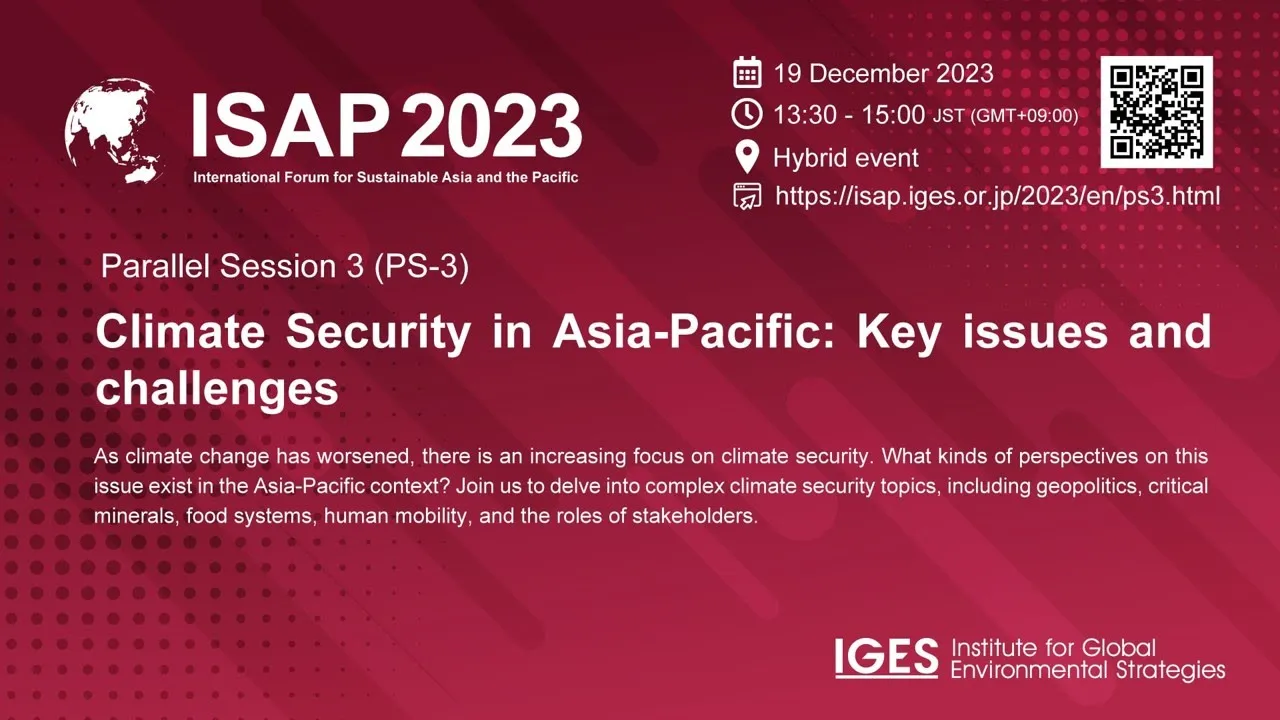



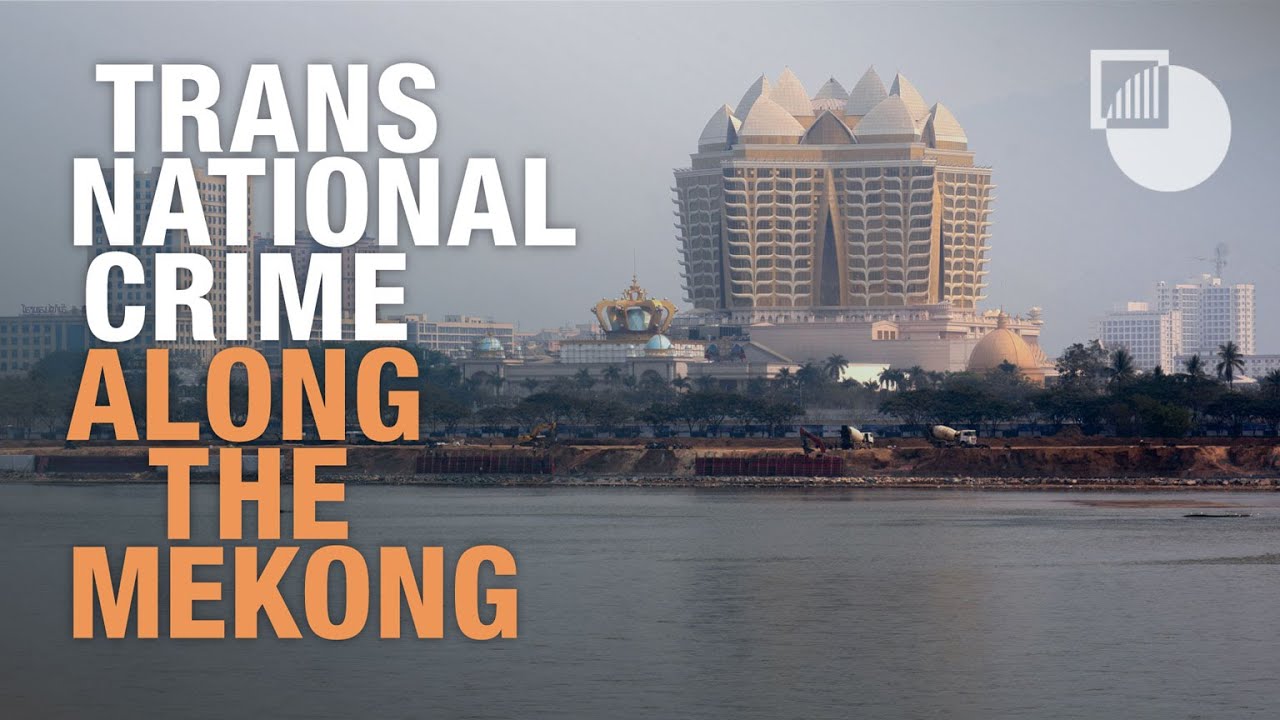
Non-traditional security issues such as terrorism, climate change, and transnational crimes represent major global challenges that require international cooperation and stronger governance frameworks, as these threats transcend national borders and disproportionately affect developing nations that contribute least to global problems but suffer the most from their consequences.
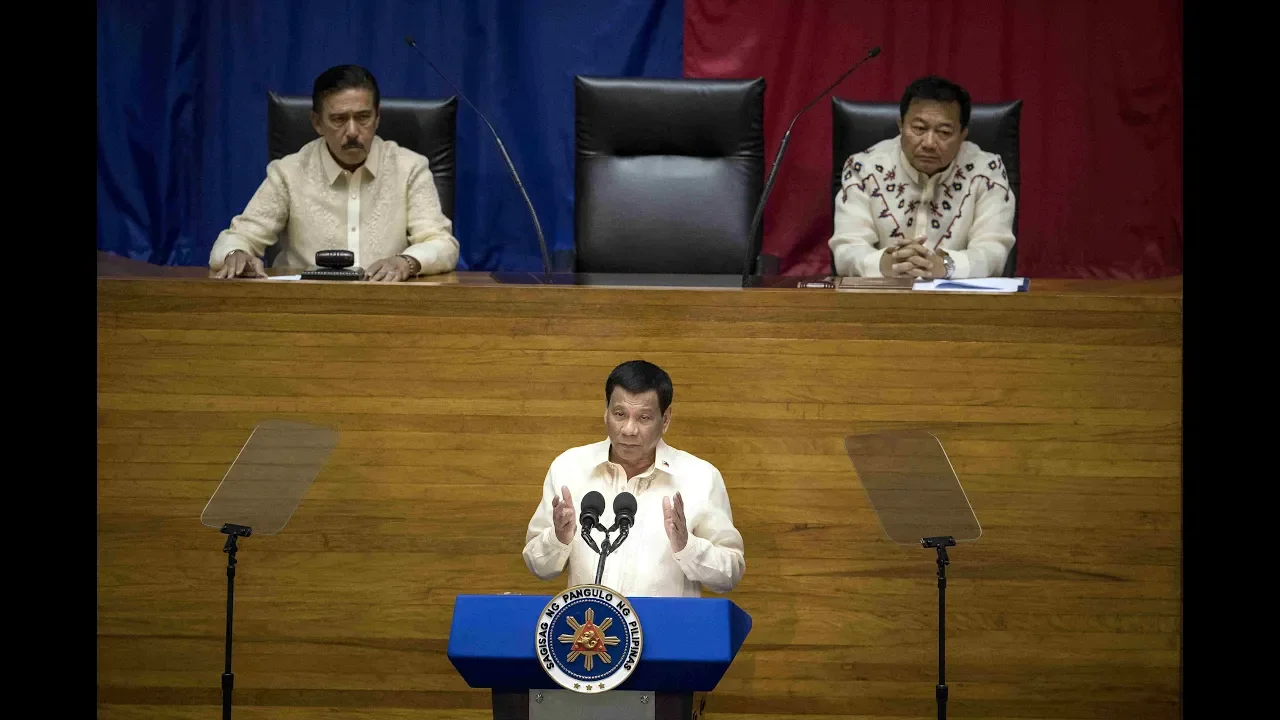
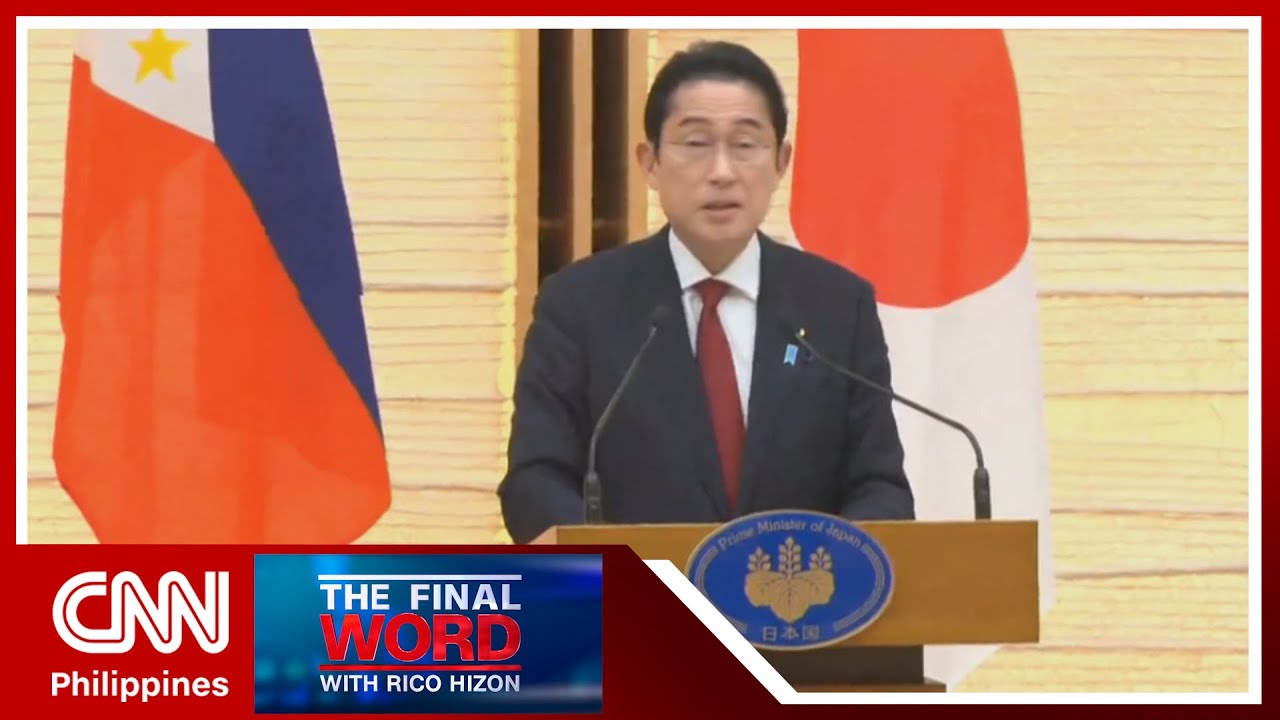
Duterte Speech at 25th Future of Asia: Security & Climate Change
Added:The administration and foreign policy posture of Philippine President Rodrigo Duterte (2016–2022), particularly his 'independent foreign policy' and regional alliance dynamics.
The historical and modern diplomatic relationship between Japan and the Philippines, including economic cooperation, development aid, and strategic partnerships.
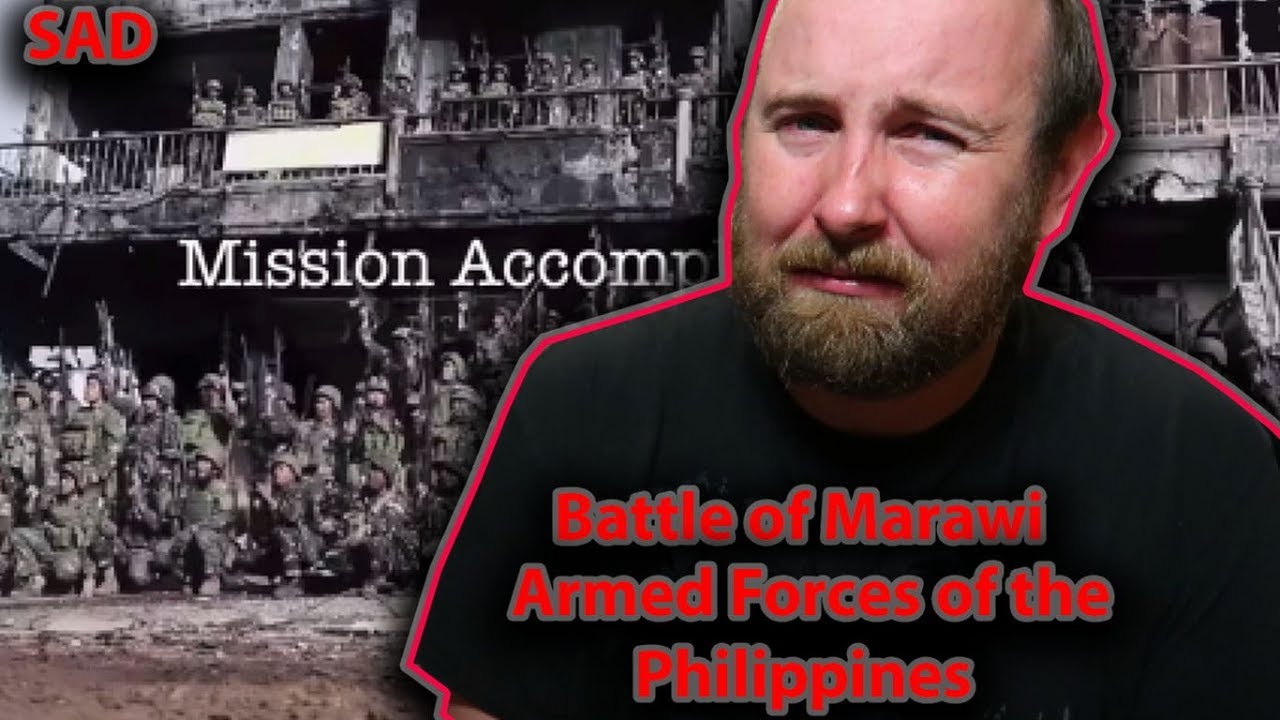
The regional security landscape of Southeast Asia, specifically regarding transnational crime, maritime security, and the threat of violent extremism (such as the Marawi siege).
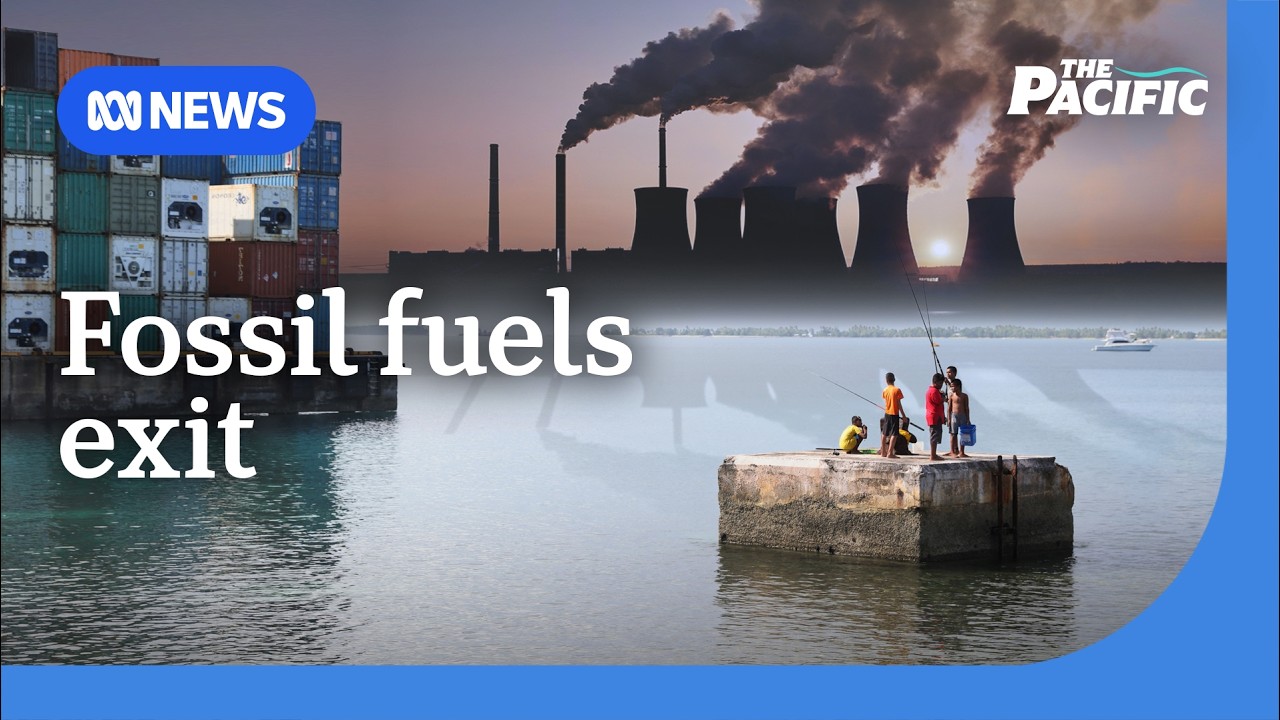
The vulnerability of archipelagic nations in the Asia-Pacific to climate change and the geopolitical challenges of international climate agreements like the Paris Accord.
A retrospective analysis of the Duterte administration's policy outcomes versus the rhetoric presented at international forums regarding climate action and security.
The evolution of Philippines-Japan relations under subsequent administrations, such as the transition to the Ferdinand Marcos Jr. presidency and new defense agreements.
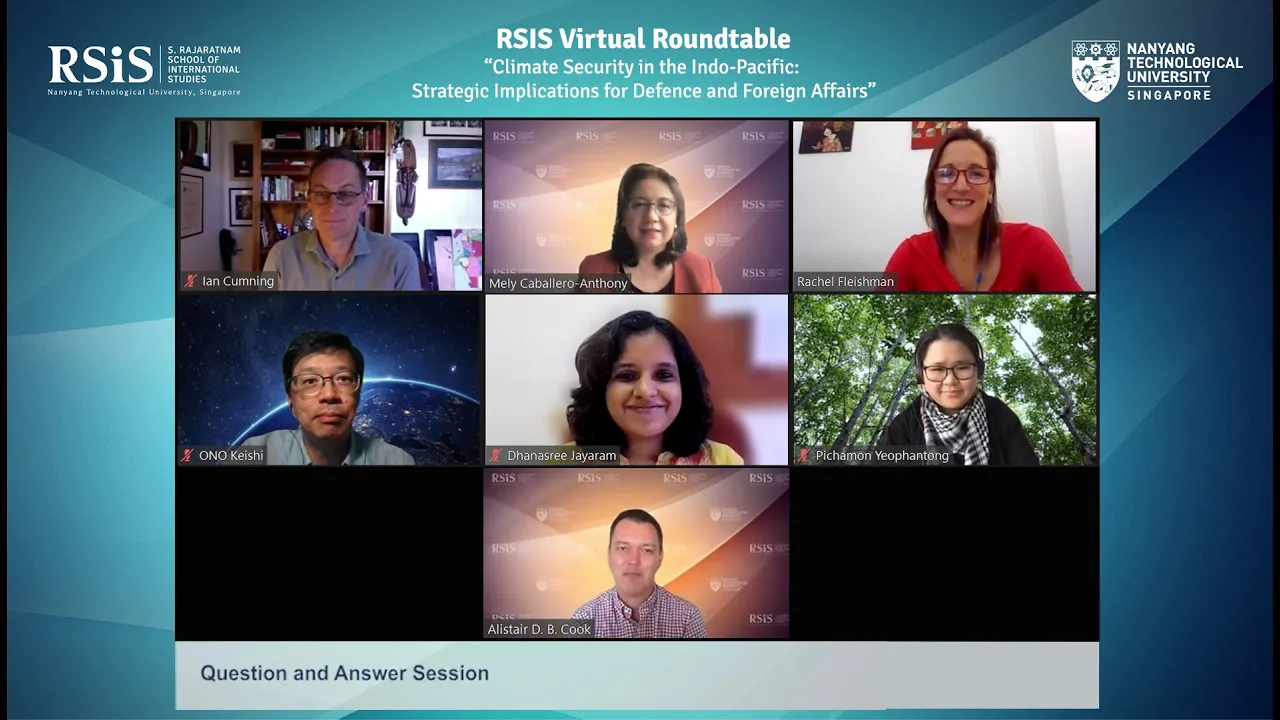
The framework of 'climate security' in the Indo-Pacific, examining how ecological degradation acts as a threat multiplier for regional instability and conflict.
Comparative research on how ASEAN member states collectively and individually address transnational crime and maritime security threats without compromising national sovereignty.
9.5K views152likes32:12Original Release: 2019-07-11
[Music] [Applause] Nikki incorporated president mr. Otto she Okada excellencies ladies and gentlemen I am honored to speak before you on this 2015 future Asian conference I am glad to be back in Tokyo during an auspicious period when Japan asurs a new era and I congratulate His Majesty Emperor Hirohito on the succession to the throne the forum's theme this year is timely and relevant Asia is in the cusp of a historic transformation while growing wealth and influence region emerges from the periphery claim and the right or place the sir at the center of the evolving global order present developments however appear to paint a chaotic global environment but I submit to you that chaos is only part of a larger picture there are strong examples of partnerships and meaningful cooperation in the international community chaos in fact be an inevitable stage in the emergence we new order responsive to our realities of the 21st century I talk about the changing world perhaps the most important change just two graphs are the technological breakthroughs that are disrupting our establish lives new technologies empower but they also have a fragmenting effect on our society the global balance of power is also shifting from west to east and as a result a region is yet becoming an arena for big power competition with all its attendant risks and opportunities we are deeply concerned about the ongoing trade war between the US and China it is creating uncertainty and tension it is causing downward stressors of the global economy it is becoming a protracted war on the global and trade investments everywhere the world is watching in earnest there must be a resolution soon the changing nature of non-traditional security issues such as terrorism climate change and transnational crimes at the global Gullit ability our institutions for global governance currently under siege yuuna literalist protectionist and nativist tendencies rearing its ugly head again in some parts of blow this at the time when the need to enhance has never been greater terrorism continues to fester and threaten the very foundations of civilized societies of the world the supreme irony as terrorists repetitiously advance and move from one country to another they are making the movement of people for legitimate reasons more difficult as terrorist and violent extremists proceed with the task of tearing up international community they are forcing us to rethink our ideas of borders and protection indeed we're faced with the same global challenges but some suffer more than others nothing demonstrate this better than climate change vulnerabilities are not equally shared by all nations developing countries that have contributed contributed the list of global warning like my country the Philippines suffer the most from its horrendous consequences with water levels rising most countries will measure the losses in terms of coastlines developing archipelago nations like the Philippines however measure our losses in terms of islands and the lives of our citizens year in year out we suffer doubly when typhoons strike the poorest of a poor bear the brunt of that means becoming even poorer in the aftermath government with limited resources and capabilities have to contend with the spiral of suffering on top of the urgent development priorities this vicious cycle is real and indeed it must end there has to be a way when the lives of millions hang in the balance there has got to be a way the Philippines joined the global consensus to fight climate change we hope that this consensus would hold and will action be undertaken especially by those most responsible for this monumental problem government must comply with obligations beyond or constituency the problem of grain prod the grave to humanity affects the entire human population there has to be an accountability let me just a divert my this is a prepared speech but when I was in somewhere the latest of my trip outside the Philippines are the chance to top in a roundtable discussion and without meaning no offense intended the UN president I loved him as a smart guy but during his time he was talking ever complaining about climate change and it took him about 30 minutes to put forth to us what ales the climate change and after the top I intervened and say you know mr. president pateros we are talking about debts we talk about destruction we talk about this location the Philippines have been there I have even fired several cabinet members for attending so many climate change conferences one in Africa again Brazil then all in all one of my cabinet members traveled 20 times outside of the country just to listen to what animal is this climate change and yet when she came home there was this big typhoon and she was not able to land in the Philippines and for all of these things climate change everywhere every philosophical discipline have talked about this and I said to the body let's stop kidding each other always we are just wasting the time and the money of the people coming back and forth to this conferences which has not improved a bit since we started to talk about it as it was maybe except the noisy scientists and I said what have we done from the first meeting to the last my country facing the Pacific Ocean it is the window as a matter of fact facing the Pacific Ocean an every warning they're heating up causes typhoons and the Philippines would have had its share of lives and property loss and then again this year the succumbing conference of climate change then I post this question maybe we will attend maybe we will not America Haas that signed the treaty China got out of it I don't think Russia is happy with its membership there is the system now what is this conference of climate change for just because there is nobody no entity to enforce the laws governing climate even and mankind has always been there as practiced by many over periods of generations of just stop and at the end of a century or two there is trouble there is war I don't know what would be the end result of this climate change but I can say to you now it will rot destruction maybe worse maybe the drying up coupled with the fact that you have so many places who are responds in our geopolitics there are so many countries with so many bombs atomic hydrogen and all now if at any one of them with the start to send one into the air there's a chance that it will be the end of the world and so climate change does not really matter to us at all because if no one after world goes in this planet Earth we will go hungry and then we will just wait for the day to take our last breath that is how humankind know china sea its add stress we're friends with China I am the moderator country for China India Sein and the last thing I heard was that the conduct of the sea is just about two years away I would not want to impulse my last word but if I get to get a chance to visit meeting again I tried to talk to President Xi Jinping and the longer it takes for the issue to be there it is always a flashpoint and not only that because of the absence of the conduct of the sea France Britain America are testing the waters this is not a testing of waters of temperature my god it is really testing who can fire the first jet and I am sad and bewildered not angry because I cannot do anything but I just hope my China would come up we conducted this a soon and somebody should reach out to the United States because if you leave it to them the top nothing will happen there is so much animosity covered by sweets talking about how they decide to have an agreement but nobody's pushing and the intrusions as far as China is concerned it's in there what III love China it has helped us a bit but it behooves a partners to us is it right for a country to claim the whole ocean or we just leave the ISIS as it was during the old days of international law you have about 3 min it was extended to 12 running of the economic zones overnight it was all wipeout in the western part of the world if you look at the map of the Philippines your left side is the western part and so before anything else it to do as well maybe only higher ministerial level to talk about this and try to pretend to come out so to shorten the possibility to to make sure that the law of averages is reduce to the barest minimum if it is like fighting can erupt at 25% maybe we can across it to 15 but there has to be somebody not identified with any country that China does not like because it delete there will never be a sort of an American China talking seriously about territories it will just end up in a shouting match China is funding the China Sea is part of the Republic of China and so we give it why because you have done and a lot of lousy politicians in my country that take to push me to arbiter ruling because we want and China said this is our land this is our sea anyone who goes in there we just have to contend with us verbally and maybe with arms my country is very small it has progressed a little over the years I do not know why but I cannot afford a war with anybody not only with China and the moment I sent out my Marines behind six kilometers they will be they were all big wipe out in one or two military strikes we do not have that weapons we need to buy but there are some priorities like food education hospitalization just never enough so I cannot go into some sort of adventure to find not my word about what the claimant precipitated by a geographical tension and that is what it is Filipinos aspire for a prosperous country were family strive in vibrant resilient and secure communities to achieve this vision of government is the determinant of cuttable the Philippines to the ranks of upper middle-income countries with a thriving knowledge economy I am determined to see our policy support the poor we enacted the free tertiary education and universal health care to give our people safety nets for the basic means to lead a life of dignity I want the presidency on a platform of law and order I wish to see the Philippines that is like Japan the people's commitment to follow the law for civic mindedness is so developed that people instinctively refrain from actions that are detrimental to society as a whole to strengthen the character over young and take the Philippines out of the clutches of drug cartels I have embarked on a campaign against illegal drugs likewise institutionalize the Philippine anti illegal drug strategy in 2018 and we are pursuing all of these in the balanced and comprehensive manner consistent with the imperatives of democratic ideals and the values and the rule of law we will not be deterred in pursuing this task again I cut my prepared speech way back during I don't from stemis it the President of the United States my secretary of national secretary of interior and local government secretary Aluna he's a bright guy I think he's CIA maybe you not know him how many today nobody such pretensions well he was called by the DEA of the United States and he was warned and the DEA said at the rate your country is being swallowed by drugs we would not be surprised that you will end up in narco-state in a short while he went back to the Philippines he called all the mayors and governors and told us that but that was during Marcos's time that would be something like 15 16 years ago and it was not until after I became president that the ugly head reared and the contamination of my people numbered into 1 million six hundred thousand but that was only the count in Manila the capital city we did not count the number of addicts and people are drunk with shabu met in the provinces I would simply say that about seven I have 7 million countrymen who are slaves now at this modern day and age they are slaves to a drug called shabu is the poor man's it's cheap cheap to manufacture cocaine belongs to the Ritz I'm said that I have five minutes host the next host the next crowd waiting because if they are not as beautiful as you I'd rather well anyway I said and over the years we saw city mayors governors or poor they are all dead I mean I became president as was my sloganeering when I was mayor for 23 years in Dabo I said do not destroy my country because I will kill you do not force my children to eat because I know nothing but they just lie there and did either one the father loses to drugs the entire family collapses so there are millions of dysfunctional families in my country and I said I'd be frank with you do not do it in the Philippines I will hit you period I also intend to ensure that Mindanao the long-neglected part of the country will I hail from we realize its full potentials among the most positive development is the ratification of the Bangsamoro Organic Law we are now having relatively peaceful central Mindanao were the more most of the Muslim population so there we are now in the process of transition in 2017 after Harvey on earth was fight against terrorists will liberated Malawi construction is ongoing do not worry all the donors of the country your money is in the bank they're all pledges and the money that Japan and everybody contribute are all accounted for we have not spent the foreign aid assistance we spent first our own money I assure you the bank has the money Central Bank of the Philippines in 2017 reconstruction is ongoing and a sank Government of Japan for its enduring commitment over many decades to build a peaceful and resilient Mindanao so good governance have created enabling environment that allows businesses and investment to prosper we have initiated comprehensive tax reform program for straightening domestic policies to promote ease of doing business competitiveness the Philippines has embarked on a massive changing infrastructure program dubbed as build build build who aim to increase infrastructure spending 5% over GDP and ushering a golden age of infrastructure development in my country in all these respects Japan is a reliable responsible relevant partner we value Japan's recipient driven approach of top Cooperation and Development I am proud to note that our engagement with Japan is an exercise of responsible partnership it is one that empowers rather than fosters dependency it is underpinned by friendship reconciliation different to the years by multiple respect and understanding this is the kind of relationship we seek with other countries big or small we must build I have three more pages to read I do not well I'll just just give me your cellphone and I will just continue with our top tonight I'll call everyone of you really let's stop at the bottom I'll make it a short cut who wants investments who wants it my country needs now the investors Japanese the Chinese the first thing is is our money safe well in my term it is safe is there no corruption there is no corruption I have killed all of them already some but not all and that is your first question or money shape is the environment good I said the if you are an investor I'm sure that you have a local partner or an agent or somebody just an errand boy if you have a problem in core hindrances and somebody is asking money for you even one you have an access to my office in passing 24 hours you just wake me up and I will call the guy for shaking you that is my promise that is major you can take your money any time out do not be ready we will not stop you so that is the first question the second question which is important is are we safe there is the place where we intend to put up the factory or the business safe enough it is safe it's in the lower end the tail end of Earth's density abbaseyya but it's near Malaysia and Indonesia and the influences but you have to travel three days to go there if you are doing business why should you go there and please conclude speech ladies and gentlemen I love will Japan you know I am sorry it's so you are not even the second or the third I leave you with just a smile arigato [Music] [Applause]
Up Next

14:27
Truth and Reconciliation Commission in South Africa: History & Impact
@audiopedia5493
14.6K views•2015-11-05

24:30
BRICS Pay and de-dollarization: A New Financial Order Emerges? | 55 chars
@DannyHaiphongYT
164.6K views•2024-10-22
7:33
Government Surveillance Methods: 10 Ways You May Be Watched
@BeAmazed
1.6M views•2017-04-09
10:19
Explaining the Saudi-Iranian Proxy Conflict in the Middle East
@Vox
18.2M views•2017-07-17
Related Study Plans & Knowledge Roadmaps
Structured learning paths in Political Science
political-science
Economic Statecraft: Sanctions & Chokepoints
01Foundations of Geoeconomics and Economic Statecraft
02The Mechanics of Weaponized Interdependence
03International Sanctions: Types, Implementation, and Efficacy
+ 2 more learning modules
12h5 modules
Explore Roadmap
political-science
Central Bank Independence: Politics & Policy
01Foundations of Central Banking and Monetary Policy
02The Time Inconsistency Problem & Inflation Bias
03The Delegation Model and Designing Independence
+ 2 more learning modules
12h5 modules
Explore Roadmap
political-science
Consociationalism: Power-Sharing & Stability
01Democratic Dilemmas in Divided Societies
02Introduction to Consociational Democracy
03The Four Pillars of Consociational Design
+ 2 more learning modules
12h5 modules
Explore Roadmap
political-science
Rebel Governance: Legitimacy, Economy & State
01Foundations of Rebel Governance and Statehood
02Establishing Political Legitimacy and the Rebel Social Contract
03Wartime Economies and Rebel Resource Management
+ 2 more learning modules
14h5 modules
Explore Roadmap