


















The Kashmir dispute between India and Pakistan represents the world's most dangerous border conflict due to its combination of unresolved territorial claims, nationalist tensions, and nuclear capabilities. Originating from the 1947 partition of British India, where the British-drawn Radcliffe Line divided the princely state of Kashmir between Hindu and Muslim-majority regions, the conflict has resulted in four wars, ongoing insurgency, and frequent cross-border violence. Both nations possess over 150 nuclear warheads, creating catastrophic escalation risks. The dispute involves strategic water resources (the Indus River system provides 80% of Pakistan's water supply), access to China via the China-Pakistan Economic Corridor, and demographic concerns that have fueled periodic crises, including the 2025 terrorist attack that sparked renewed diplomatic and military tensions.
The Kashmir Conflict: Why It Risks Nuclear War Between India and Pakistan
Added:On the 22nd of April 2025, a major terrorist attack took place near the town of Powgam in the Indian administered territory of Jammu and Kashmir. A group of armed attackers emerged from the woods surrounding a meadow and ambushed civilian tourists who were visiting the area, separated the men and then asked them for their religious identity before shooting them if they were not Muslims. 26 visiting tourists were killed in the massacre, all of whom were civilians in nearly all of whom were Hindus, representing the deadliest terrorist attack on civilians in Jammu and Kashmir in more than 30 years and the deadliest attack on civilians anywhere in India since 2008.
And immediately afterwards, the attack sparked a major diplomatic crisis between the governments of India and neighboring Pakistan after India accused the Pakistani government of having supported and enabled the attack and vowed that it would retaliate against Pakistan. In the days and weeks that have followed, India and Pakistan had both revoked visas for each other's citizens, closed their airspaces to each other's airlines, sealed their border, urged each other's citizens to immediately leave the other country, while gunfire exchanges along their disputed borders between their armies have been an almost daily occurrence.
India's even threatened to shut down the majority of Pakistan's water supply through the Indis River system over the crisis, which Pakistan has warned would be taken as an act of war. The risk of a massive war erupting between India and Pakistan has nearly always been present for decades, but it appears to have increased in chances dramatically over just the past few weeks. A previously relatively unknown militant group known only as the resistance front initially claimed responsibility for the massacre at Palgam. A group that is generally believed to be an offshoot of the more well-known Lashkari Taiba. A Salafiji Hottest organization based next door in Pakistan that is widely designated as a terrorist organization by the UN, the US and India. Lashkari Taiba's primary objective ever since its founding in the late 1980s has been to force the merger of the whole of Kashmir with Pakistan through violence. And their alleged offshoot, the resistance front, claimed that they committed this most recent attack due to the Indian government's recent policies of allowing non-local Hindus to settle and work in Kashmir. A hotly disputed territory between the frontiers of India, Pakistan, and China that is probably the most dangerous disputed territory in the world today.
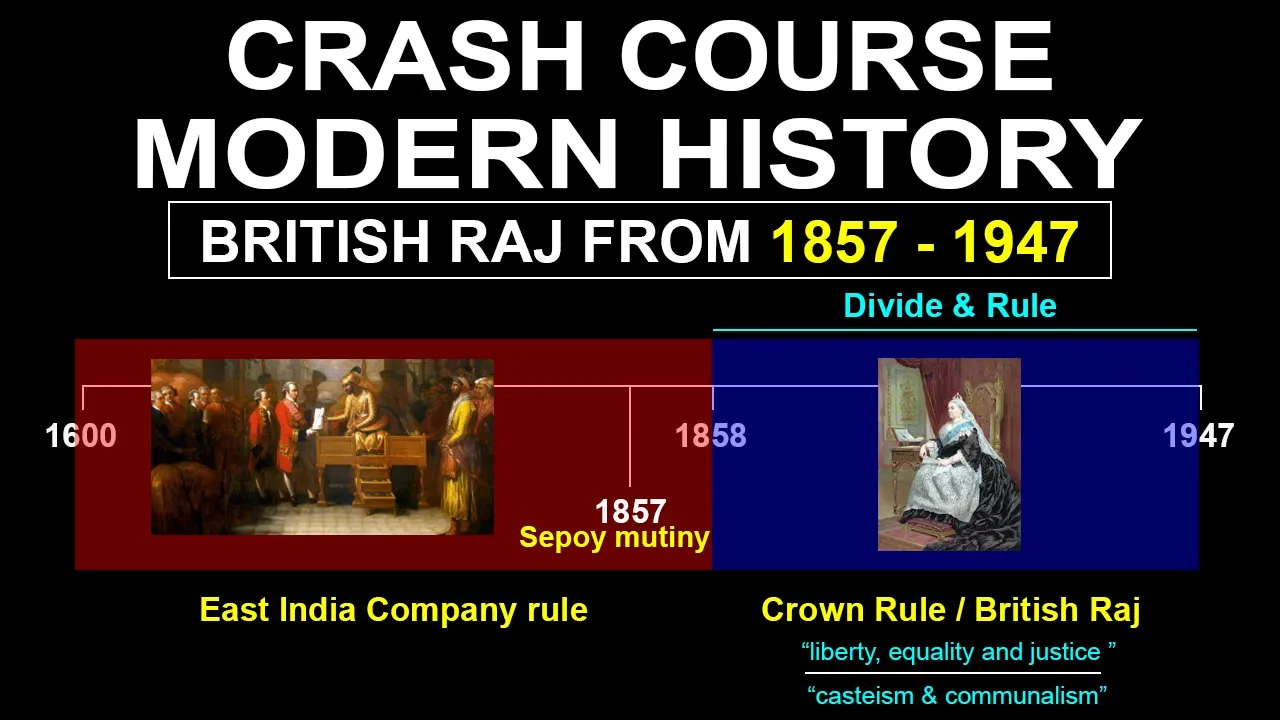
Precisely because events like this attack could lead to a war between India and Pakistan who are both armed with more than 150 nuclear warheads each. An attack in Kashmir like what happened at Powellam could escalate into a diplomatic crisis that could then escalate into a war that could eventually then escalate into a nuclear exchange between them that kills tens of millions of people and that throws the rest of the world into an apocalyptic nuclear winter. And as of this video's production, the two countries already appear to be closer to the edge of allout war than they have been in decades. On the 7th of May, India initiated a military operation in Pakistan that they co-enamed Operation Synindor, wherein they launched air strikes across nine locations in both Pakistan administered Kashmir and Pakistan proper that they sent a targeted terrorist training camps that were responsible for the massacre of civilian tourists in Palam. The operation marked the deepest air strikes in a Pakistan that India had launched in decades since the 1971 war and quickly led to a renewal of aerial dog fights, drone attacks, open artillery fire and heavy gun battles across their disputed border in Kashmir that has led to the deaths of dozens of additional people within only a matter of days. The overall border between India and Pakistan is often regarded as the second most heavily militarized border in the world today, only after the border between North and South Korea. And it is so heavily militarized and covered by hundreds of thousands of flood lights that it is one of the few international borders that can be clearly viewed from space. And in order to understand why this border is so militarized today, why Kashmir is such a dangerous and hotly disputed area between their armies that experiences frequent terror attacks and why India and Pakistan are such arch nemesis today. You need to understand how modern India, Pakistan, and Kashmir all came to be in the first place. And for a lot of that, as with most other major modern controversial border disputes, you can thank the British. For nearly 200 years from 1757, the British dominated much of India through indirect and later direct colonial rule. But by the time of the mid1940s, after Britain became exhausted and financially depleted by the fighting of the Second World War, it became clear to Britain that it could no longer afford to continue hanging on to the whole of India as a colonial possession any longer. And so the question then arose of how the British would transition their centuries of rule across an entire subcontinent towards independence. There were many different ideas of how exactly to do that at the time. But the British ultimately decided that they would partition their colonial possessions in India between the subcontinent's two largest religious groups. A Hindu majority state that they called the Dominion of India and a Muslim majority state that they called the Dominion of Pakistan. In early 1947, the final British colonial viceroy of India, Lord Mountben, irrevocably and hastily set the deadline for India Pakistan's independence for the 15th of August within only a matter of months without the final borders being yet decided. In order to figure out what the final borders between India and Pakistan would be, Lord Mountbod and the local Hindu and Muslim representatives brought in a British lawyer to draw them up who was named Sirill Radcliffe whose task began to draw out the lines across the subcontinent that would divide Hindu majority areas from Muslim majority areas in as fair of a way as possible.
Interestingly, Radcliffe had never even set foot in India before he arrived for this very highstakes task and he also had no prior experience withdrawing any borders. Because of this, however, he was actually viewed as an asset by everyone involved in the process due to his perceived neutrality and impartiality to the interests of Hindus and Muslims. After he arrived, he was only given 5 weeks to draw out the borders that would decide the futures of hundreds of millions of people. There was probably no possible way that anyone could have drawn the borders in this scenario under such a tight deadline that would not have led to incredible violence. Radcliffe did his best and drew out his borders generally based on pre-existing internal subdivisions and rivers in the west and in the east dividing the historically unified regions of Punjab and Bengal between their Hindu and Muslim majority areas.
As they were still being drawn, rumors of where the final borders would end up being located led to mounting suspicions and violence between the Hindu Sikh and Muslim communities the lines would ultimately divide. And as the violence began escalating into increasingly deadly sectarian riots and pograms, Lord Mount Boden ordered that the final publication of the Radcliffe borders be delayed by 2 days after India and Pakistan were actually granted their independence. Generally viewed as a way for Burden to deflect the blame away for the inevitable violence that they knew was likely to follow. So for two astonishing days after the 15th of August in 1947, India and Pakistan were both declared to be independent states without either country actually knowing what their final borders with each other looked like, leading to mass confusion, panic, and violence as Muslims and Hindus fought over what side they would belong to. Finally, 2 days later, after the finalized Radcliffe borders were revealed, the building pressure and violence exploded to catastrophic levels as millions of Hindus and Sikhs suddenly found themselves in Pakistan, while millions of Muslims suddenly found themselves in India. Intercommunal and sectarian tensions that had been stoked for years exploded, and an outpouring of pograms and ethnic cleansings took place involving both sides. While possibly the largest mass migration ever seen in human history began as millions of Hindus and Sikhs abandoned everything in one direction for India and millions of Muslims abandoned everything in the other direction for Pakistan. Many of them never ended up making it alive.
Within only a year, by 1948, around 1 million people across the subcontinent had been killed by the violent effects of the partition, while around 15 million other people had become displaced and their lives uprooted to the other side of a brand new border. A horrific tragedy that has left deep longlasting memories of trauma and mistrust in both the Indian and Pakistani populations of each other to this day. To give just a brief example of how massively the demographics of the subcontinent were irrevocably changed by the partition, the city of Karach in modern Pakistan had a pre-artition population that was nearly 48% Hindu and only 42% Muslim. While Delhi in modern India had a pre-artition population that was 40% Muslim. After the partition, virtually all of Karachi's Hindu population had fled or was expelled while hundreds of thousands of Muslims had been pushed out of Delhi. and the two cities are now overwhelmingly Muslim and Hindu communities respectively.
Horrified at the levels of violence that exploded in the subcontinent after his lines were revealed, Radcliffe himself burned all of his own papers relating to how he drew them and then left the subcontinent to never return again just 5 weeks after he had arrived. The final borders he drew left a Pakistan divided between western and eastern halves separated by more than a thousand miles across open Indian territory with the former historically unified regions of Punjab and Bengal divided between India and Pakistan as well based on religious identity and in addition to the lines that he drew on the map. There were 565 political entities within the subcontinent before the partition that were known as princely states which were largely autonomous territories ruled by local monarchs who recognized the southern of the British crown. While varying dramatically in size and population, all 565 of these princely states made up about 40% of the subcontinent's territory and about 23% of its population at the time of the partition and each of their rulers were left with the ultimate decision to join with either India or Pakistan. While the overwhelming majority of these princely states made their decision to join one or the other based on contiguous geography or demographics, three of the princely states rulers chose alternative paths that caused conflicts in Hyurabad, Janagod and most controversially of all in Kashmir. Hyurabad, the largest and wealthiest of the princely states, was governed by a Muslim ruler who presided over majority Hindu population and he opted for independence instead of joining with either India or Pakistan. A communist insurgency against this Muslim ruler erupted in Hyurabad that he failed to contain and then fearful of a landlocked communist state emerging surrounded by their territory, India decided to invade Hyurabad shortly after in 1948 to crush the rebellion and then pressured the Muslim ruler to join with India in the process. Junagod was slightly more controversial. Like Hyurabad, this was another princely state that was governed by a Muslim ruler but which had an overwhelmingly Hindu majority population. But despite the majority Hindu population and despite not being directly connected to the rest of Pakistan by land, the Muslim ruler of Janugat decided that the territory would still join with Pakistan which Pakistan knew would be highly controversial if they accepted. So it took Pakistan an entire month of deliberating to eventually accept Janagod which India refused to acknowledge on the basis of Jonag's overwhelming Hindu majority population and it being completely surrounded on all of its sides by India. So India blockaded Junagod. Riots erupted inside and quickly got out of control and the Muslim ruler fled for his life to Pakistan. Indian forces that advanced into Junagod and hosted a plebeite there on which country to join which more than 99% of the votes cast chose India and so India annexed Junagod. Remember all of this for what's about to come next because the dispute that arose in the other controversial princely state Kashmir was sort of the opposite scenario of this because unlike Hyurabad Junagod Kashmir was governed by a Hindu ruler who presided over a Muslim majority population. The princely state of Kashmir, roughly the same geographic size as the US state of Utah at the northernmost extremity of the subcontinent, had been effectively cobbled together by the British themselves a century before the partition back in 1846. Out of several different historical regions that had been under the control of various rulers of different faiths and backgrounds at different times. Back then, it wasn't the British crown that put the princely state of Kashmir together, but the British East India Company, a private corporation which installed a previously lowly chieftain they felt they could control on the Kashmiri throne. What we think of as Kashmir today was and is in truth made up of several different distinct historical regions that Kashmir itself is only a part of. It consisted of the densely populated and heavily Muslim and Kashmirispeaking Kashmir valley which lent the overall princely state its name. The predominantly Hindu and majority Dogary speakaking Jiau that included a large Muslim minority and the sparsely populated roughly equally split Buddhist and Muslim and largely Tibetan speaking Lead. The East India Company installed a Hindu dynasty from the Jamu region onto the throne of Kashmir who always lacked legitimacy within the Kashmir Valley and Ladak regions that had majority non-Hindu populations. A century later in 1947 at the time of partition, the still Hindu ruler of Kashmir, the Maharaja Hari Singh proved indecisive on choosing which path to pursue. He alone possessed the legal right to take all of Kashmir into either India or to Pakistan. But he also initially desired to pursue a third path like the ruler of Hyurabad had attempted and he wanted to make Kashmir an independent nation. Both India and Pakistan attempted to apply pressure on Kashmir after their independence to sway the Maharaja to their side. While the Muslim majority of Kashmir generally looked towards Pakistan and the Hindu and Buddhist minorities in Jamabu and Lidda generally looked towards India.
All across the princely state of Kashmir at the time in 1947, the total population was 77% Muslim with a significant 20% Hindu minority. As the pressure mounted and the future remained uncertain, a revolt broke out among the Muslim community in Kashmir's western Punch region, which was quickly supported by thousands of Pakistani tribesmen who were allegedly armed and supported by the Pakistani government who crossed over the border into Kashmir in either an invasion or an intervention depending on your perspective. The Hindu Maharaja of Kashmir was not capable of stopping this assault and the rebellion on his own. And so he asked for India's military assistance and repelling them.
India then clarified that they would indeed be willing to send their military support to repel the Pakistanis and quash the rebellion, but only on the condition that the Maharaja finally made up his mind and join Kashmir to India in exchange. Under this enormous pressure, the Hindu ruler of Kashmir agreed with India and signed the document to incorporate his Muslim majority state into India instead of Pakistan. The Indian army then advanced into Kashmir.
The Pakistanis refused to recognize the decision based on Kashmir's Muslim majority population and refused to back down. And so began the first war between India and Pakistan almost immediately after they both were born together. And so the high mountains of Kashmir became a fiercely contested battlefield. Now while both India and Pakistan wanted all of Kashmir for ideological and nationalist reasons, they also wanted and continue to want all of Kashmir for geostrategic reasons as well. For decades, ever since the Pakistani government and military have frequently referred to Kashmir as their jugular vein because it is seen as such a vital area for their national security. For one thing, Pakistan knows that as the smaller country, it'll always be demographically, economically, and militarily weaker than India is.
Pakistan is also a country that lacks strategic depth relating to India.
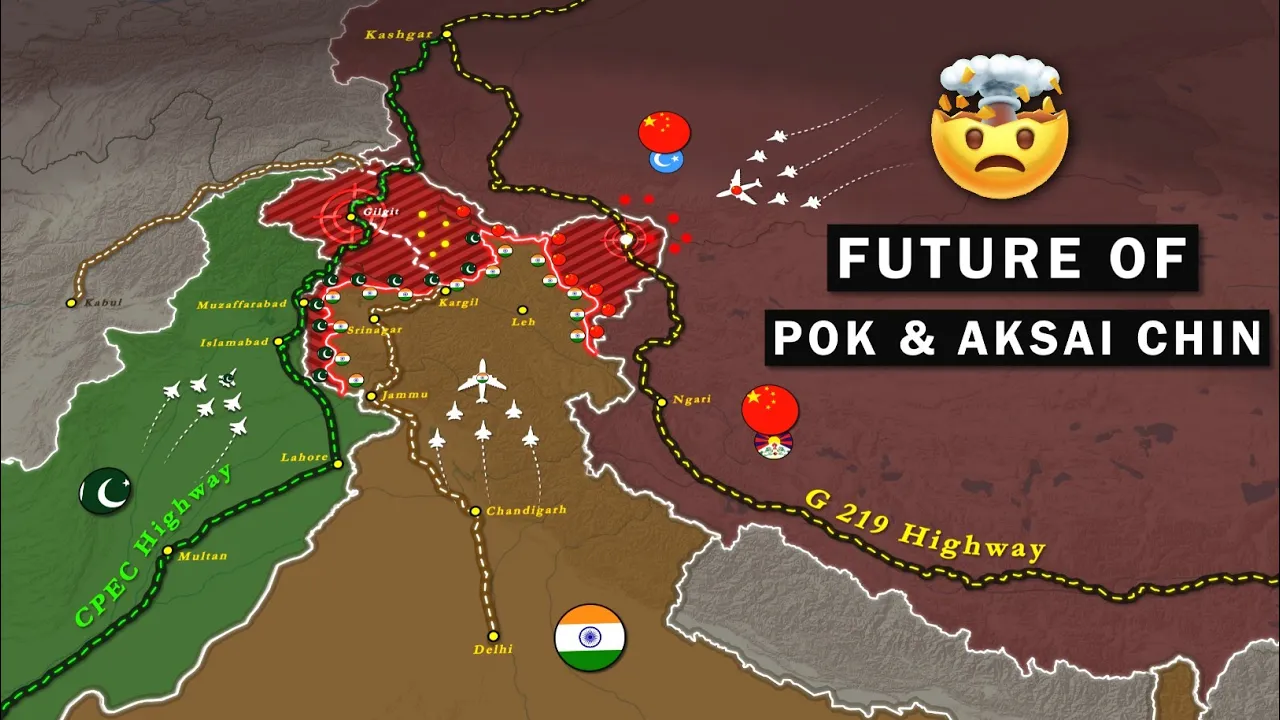
Pakistan's second largest city, Lahore, is located directly adjacent to the Indian border. While the Pakistani capital city, Islamabad, is located only about 45 km away from the disputed Kashmir territory. If India were to hypothetically initiate an allout conventional invasion of Pakistan, they could use Kashmir as a position to attack the capital city with artillery and missiles while the main Indian army drives across the relatively flatter land from the south where Pakistan to control all of Kashmir instead. They would eliminate India's ability to quickly outflank the capital during a conflict and they would improve their strategic depth relative to India significantly. Moreover, without Kashmir, Pakistan would have no direct access to what has become their greatest geopolitical ally, China. China maintains a significant number of separate territorial disputes with India as well. And so on the principle of the enemy of my enemy is my friend. Pakistan and China have drawn increasingly closer together over the decades due to their shared rivalry and territorial disputes with India. The relationship between them has gotten even more serious in the 21st century as Pakistan has become the keystone project in China's overall belt and road initiative. Since 2015, China has invested more than $65 billion into what they call the China Pakistan economic corridor. A series of thousands of kilometers worth of paved highways and railways that sprawl out from Pakistan's Arabian Sea port of Wedar across the country into China's western Shing Jang province. This route built up a tremendous expense and effort over the past decade enables China to import some oil from the Persian Gulf without that oil having to travel through the strategic straight of Mala which China fears the US Navy could blockade and shut down in the event of a war between them. The China Pakistan economic corridor therefore gives China greater strategic flexibility with energy resources by providing them with an alternative more secure supply route.
And it's given Pakistan tens of billions of dollars for development and further solidified their bond with China. And the lynchpin of the whole project is of course Kashmir which is the only way that Pakistan and China are able to directly connect with one another. And thus why China is highly incentivized to see Kashmir more in the hands of Pakistan than with India. India meanwhile is perennially afraid of being forced into facing its ultimate worstc case scenario. A two-front war against Pakistan and China at the same time fought over each of their major claims in Kashmir in the west and China's claim to Arunachal Pradesh in the east. If India were able to establish full control over Kashmir, it would geographically split its two biggest regional rivals apart from one another and it would eliminate China's biggest reason for being aligned with Pakistan in the first place. While it would also grant India a direct land border with Afghanistan and a window of influence into Central Asia. But perhaps the biggest strategic value to Kashmir from both India and Pakistan's perspectives is the hold that the territory has over both of their water supplies. The Indus River and its tributaries begin high up in the mountains of Chinese controlled Tibet. But the Indus itself and many of its tributaries all flow through the territory of Kashmir first before they later enter into Pakistan and flow down to the river's mouth on the Arabian Sea.
The Indis River is Pakistan. It provides almost 34s of Pakistan's entire water supply for the country's 250 plus million people today. and it's the leading source for the country's irrigation and agricultural industry which accounts for 23% of the country's total GDP. 90% of Pakistan's entire population lives within the Indus River's basin while dams along the river generate 1/5if of Pakistan's total electricity supply. This is the main reason why the Pakistani military refers to Kashmir as their jugular vein. If Pakistan were to control all of Kashmir, they would be able to fully secure all of their water supply. But if India were to control all of it, Pakistan would always fear that India would be able to restrict or even shut down their water supply along the Indos and throw the entire country's future into jeopardy.
These strategic stakes and interests on top of their nationalist claims based on the territo's Muslim majority for Pakistan and the former Hindu ruler's decision for India have always meant that Kashmir would be seen as a core national interest to both Pakistan and India alike and what has contributed to the bitterness of their fight over it for nearly 80 years now. For just over a year after October of 1947, the Indian and Pakistani armies battled each other within Kashmir for control of the territory and the front lines gradually solidified around what initially became known only as the ceasefire line. After both sides agreed to a ceasefire in January of 1949, thousands of soldiers on both sides were killed and by the end of it, India controlled roughly 63% of the territory of the former princely state, including the heavily populated Kashmir valley, the more sparsely populated Leidda and most of Jamu. While Pakistan had gained control over a part of Jammu in the west and the more remote sparsely populated territories of Gilgit and Baltaan in the north with both sides left continuing to claim all of the others holdings within the former princely state as well. The front line between their armies and Kashmir was never recognized by either side as a final border and only as a temporary ceasefire line as per the terms of the Karachi agreement they signed later over the summer of 1949. The Karachi agreement negotiated by the UN is what formally established the ceasefire line across Kashmir while it also very critically here reaffirmed the necessity for a plebite to be held within Kashmir on what Kashmir's ultimate status would end up being. But to this date however the plebeite recommended by the UN in Kashmir has never actually been held.
Ever since Pakistan has continually accused India of betraying the people of Kashmir by never actually holding the plea aside. Well, India has accused Pakistan of making the plebite impossible to host by never withdrawing their army from the territory, which India argues as a prerequisite for the plebite to actually be held. While Pakistan basically just doesn't trust India if they were to withdraw first.
For nearly 80 years now since this all started, little else has changed in India and Pakistan stance on this issue.
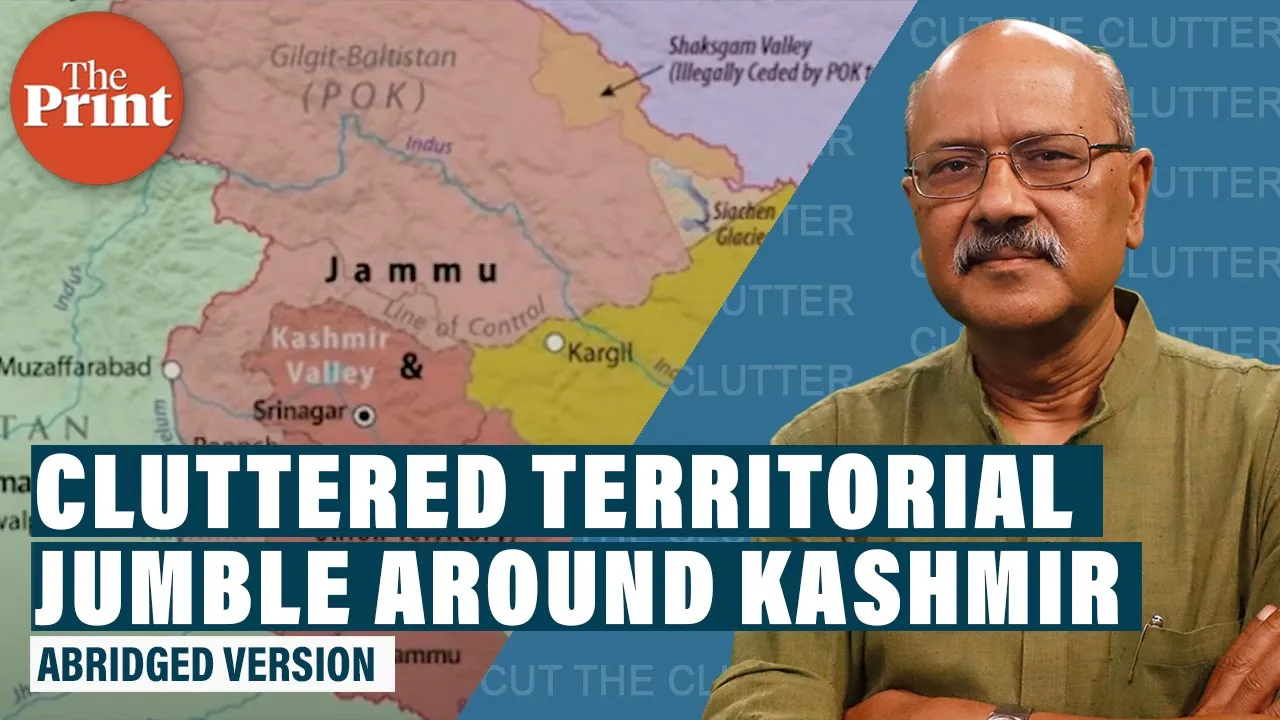
While the people of Kashmir have remained divided across a line on the map that has sometimes been referred to as the Berlin Wall of Asia. The year after the 1949 ceasefire in 1950, India formally incorporated their controlled territory in Kashmir as the state of Jamu and Kashmir becoming the only Muslim majority territorial subdivision within India. Jamu and Kashmir was also initially awarded a special autonomous status within India by article 370 to the Indian constitution which granted Jamu and Kashmir its administrative autonomy, its own separate constitution and flag and critically prevented Indian citizens from other states in the country to purchase land or property or to settle in Jiau and Kashmir keeping the region's complex identity and status separate from the rest of the country.
Regardless, the tensions between India and Pakistan over their competing claims to the rest of Kashmir continued remaining high. And then came the Cytoindian War of 1962 when Chinese troops decided to enforce their own disputed territorial claims with India by invading their disputed territory with India and Kashmir. The Chinese People's Liberation Army managed to rapidly and decisively defeat the Indians within only a month. China managed to capture virtually all of their own claimed territory in Kashmir that they disputed with India in an area known as Axai Shin. While India's poor performance in defeat in the war encouraged Pakistan to begin acting more aggressively on settling the Kashmir dispute again. The following year in 1963, Pakistan diplomatically settled their own border disputes with China and Kashmir. Pakistan transferred some of their land in Kashmir to China while both Pakistan and China agreed to broadly support each other's remaining territorial disputes in Kashmir and elsewhere against India. The beginning of the very close SinoPop Pakistani relationship and cooperation against India. Then overconfident with India's perceived vulnerability two years later in 1965 Pakistan attempted to insert their forces into India's Jamu and Kashmir to start an insurgency against Indian rule which rapidly exploded into another second full-scale war between India and Pakistan that saw furious fighting between them for 6 weeks that included the largest tank battle fought since the second world war and once again thousands of soldiers were killed and wounded on both sides by the fighting over Kashmir that ultimately just ended with another ceasefire and virtually zero change to the deacto ceasefire line running across Kashmir.
Pakistan's failure in the second war in 1965 led to a period of deep political instability in the country that ultimately resulted in a rebellion that emerged in what was then known as East Pakistan. While majority Muslim, East Pakistan was also almost entirely inhabited by Bengalis, a totally separate ethnol linguistic group from the Punjabis, Pashton, Cindis, and Balois who mostly made up West Pakistan.
And so there had been a long-standing movement in East Pakistan for greater autonomy or outright independence that finally exploded in early 1971.
West Pakistan, which politically dominated the union, decided to respond to the rebellion in East Pakistan with overwhelming violence and repression that became one of the most horrifying events of the entire 20th century.
Pakistani soldiers targeted East Pakistan's then substantial Hindu minority for reprisals. And depending on the source, Pakistani soldiers and their supported Islamist militias proceeded to relentlessly in systematically massacre between 300,000 Bengalis on the lower end and up to as many as 3 million Bengali on the higher end, the majority of whom were Bengali Hindus in what has frequently been identified as an act of genocide or ethnic cleansing. The extremely harsh Pakistani crackdown in East Pakistan sent around 10 million Bengali refugees pouring across the border into India which then became India's causes ballet to intervene and go to war with Pakistan for the third time in their history. In addition to stopping the flow of millions of refugees entering the country from East Pakistan, Indian military planners also saw the strategic and ideological benefits of intervening against Pakistan at this moment to sever East Pakistan from the rest of the country. The loss of East Pakistan would remove almost half of Pakistan's total population. And perhaps even more importantly, it would severely undermine Pakistan's ideological claim to being the homeland to the subcontinent's Muslim people.
From the Indian perspective, if the mutual bond of the Islamic faith wasn't strong enough to keep Pakistan together between its eastern and western halves, then on what other basis did Pakistan have any other claim to the Muslim majority state of Kashmir? India fundamentally viewed Pakistan's loss of Muslim majority East Pakistan as also ideologically undermining Pakistan's claim to Kashmir since Pakistan's claims to both of these territories were based on Pakistan's claim to being the homeland for all of the subcontinent's Muslims. By clawing off half of the subcontinent's Muslims away from Pakistan in what would eventually become Bangladesh, India viewed that it undermined Pakistan's claim to being the true homeland for all of the subcontinent's Muslims and thus undermining their claim to Kashmir as well. So India intervened militarily and a third war between them and Pakistan began in which thousands of soldiers on both sides would be killed again. This time India rapidly achieved a decisive victory that resulted in East Pakistan seceding and becoming the independent Bangladesh along with a modest alteration of the ceasefire line across Kashmir that slightly favored India. The year after all of these events in 1972, India and Pakistan signed a peace treaty known as the simila agreement in which both countries agreed that they would only settle the remaining disputes peacefully and bilaterally and that they would respect each other's territorial integrity. Most critically, the 1972 similar agreement defined the extent of the ceasefire line between them in Kashmir and renamed it to the line of control with both sides agreeing that they would refrain from altering it unilaterally. However, just a couple of years later in 1974, India ushered in a new dynamic to the conflict by successfully testing their first nuclear weapon, which they did in response to and fear of China's first successful nuclear weapons test they conducted a decade earlier in 1964.
However, India's acquisition of nuclear weapons immediately made Pakistan extremely nervous and it triggered a top secret race within Pakistan to covertly develop and build out their own nuclear weapons. Next, it is generally believed that Pakistan most likely acquired their own nuclear weapons at some point in the 1980s. Though it remained a closely guarded secret at the highest levels of the state until Pakistan would finally reveal their nuclear hand decades later in 1998. Despite the idealism of the 1972 similar agreement, however, tensions between India and Pakistan went back to rising again in the 1980s. The new line of control that was defined by the similar agreement between them across Kashmir left out the massive freezing inhospitable and extremely highly elevated Sea Shen glacier with the glacier remaining a geographically undefined area between the end of the line of control and Chinese territory due to the perceived uselessness of anyone actually controlling it. But then in 1984, Indian troops moved into the undefined Sea Shen glacier and took control over it, much to the fury of Pakistan who demanded that they withdraw, which India refused to do, which then led to a series of skirmishes around the glacier between their armies in 1985, in 1987, and again in 1995 that resulted in thousands of casualties, most of them due to avalanches and other natural hazards rather than any enemy action. Meanwhile, Kashmir itself was about to get a lot more violent in the late 1980s as well. The 1987 elections in Indian administered Jamu and Kashmir were widely perceived to have been rigged by a large segment of the Muslim Kashmiri population who was already shaping against their perception of Indian occupation for decades which sparked a significant surge in their support for armed Kashmir insurgents who advocated for violent secession from India. By 1988, a full-blown insurgency had erupted within India's Jamu and Kashmir that remained extremely deadly and violent throughout the 1990s and the early 2000s when more than 1,000 civilian and security forces were being killed every single year in Jamu and Kashmir. For decades since this time, the Indian government has accused the Pakistani government and its intelligence agency, the ISI, of directly supporting and fanning the flames of the insurgency by supplying arms, training, and a safe haven to operate directly to Islamist Kashmiri militants. Decades later, in 2015, the former president of Pakistan, Perves Musharov, confirmed that the Pakistani state had indeed supported and trained Kashmiri militant and terrorist groups throughout the 1990s. A strategy generally viewed as a way for Pakistan to slowly bleed India dry in Kashmir by a thousand cuts while maintaining enough plausible deniability that they were not actually violating the similar agreement. Over time, the nature of the insurgency in Jamu and Kashmir armed and funded by Pakistan gradually transitioned from one being dominated by Kashmiri nationalists and separatists to one dominated by Islamists and jihadists instead. after it began being portrayed in jihadist propaganda as a holy war to liberate the Muslims of Kashmir from the rule of the Hindus. This propaganda attracted foreign jihadists from around the world to travel to Kashmir that was facilitated by groups like al-Qaeda who began sending their own jihadists to Kashmir after the defeat of the Soviets in Afghanistan came in 1989. India would eventually deploy hundreds of thousands of soldiers and police officers to Jamu and Kashmir to try and curb the violence. And by 2017, the Indian government would conclude that since 1989, this inferno of an insurgency in Jamu and Kashmir had resulted in the deaths of at least 42,000 people allin when county civilians, militants, and security personnel alike. while other independent analyses have cited an even higher death toll of as many as 70,000 or more caused by it with the majority of all of the deaths having taken place throughout the 1990s and the early 2000s when it was at its strongest intensity.
Further, out of the indigenous Hindu population in the Kashmir Valley that once stood at around 140,000 people, around 100,000 or more of them would flee the valley as refugees to India in order to escape the violence, significantly reducing the numbers of Hindus in the region as well. Today the combined population of the former princely state of Kashmir is around 18 million people with around 12 and a half million people living within Indian administered territory and another 5 1/2 million people living within Pakistani administered territory. The Pakistani administered territories are almost entirely Muslim while the Indian administered territories are still heavily Muslim in the Kashmir valley almost evenly split between Muslims and Buddhists and Lidda and predominantly Hindu but with a large Muslim minority in Jamu. In the context of this ongoing insurgency in Indian administered Jamu and Kashmir being supported by Pakistan, India decided to conduct another public nuclear weapons test in 1998 where they collectively detonated five nuclear bombs as a show of strength. Then just two weeks later, not wanting to be outdone and wanting to send a message to India, Pakistan finally conducted their own very first public nuclear weapons test and detonated five of their own nuclear bombs, revealing themselves as a nuclear power for the first time and introducing the spectre of nuclear war to their rivalry with India as well.
Over the summer of 1999, one year later after their mutual nuclear weapons tests, Pakistan felt a renewed sense of confidence with a revealed nuclear shield and they once again attempted to test the waters in Kashmir by sending in soldiers disguised as Kashmiri militants to infiltrate past the line of control in an attempt to seize the strategic high ground around the city of Cargill just behind the line of control within Indian control territory. Instead, the action triggered the fourth Indo-Pakistani war that lasted for about a month and a half that's better known as the 1999 cargo war. And as with all of the previous wars between them and Kashmir, around 1,000 soldiers were killed, thousands of others were wounded, and ultimately no change to the status quo along the line of control was made. And the Pakistani soldiers eventually retreated back over to their side of the line after a diplomatic intervention by US President Bill Clinton, who was terrified that if the war continued, it could have escalated into a nuclear exchange between them.
After all, to this date, the Cargill war in 1999 is only the second and the most recent time that two nuclear armed countries have ever fought against each other directly in a conventional conflict with the first time and only other historical example being the Syosviet border conflict of 1969.
The defeat of the Pakistani army on the battlefield in Kashmir during the 1999 war appears to have led the Pakistani military to recalibrate tactics more towards supporting the militancy, separatism and terrorism in Jammu and Kashmir to undermine India's position there. Instead, the conflict became one of longlasting Muslim Kashmiri grievances and never being allowed the right of self-determination. and an Indian government focused on crushing what it viewed as an illegitimate insurgency and terrorist movement in one of their states fermented from abroad by their arch rival Pakistan leading to repeated tit fortap violence between all sides involved for years the two largest Pakistani jihadist militant organizations that formed during this time were Lashkari Taiba and Jaishi Muhammad both of which are based in Pakistan and are allegedly aligned with elements of the Pakistani government the Taliban and al-Qaeda that both seek Jamu and Kashmir's full integration into Pakistan and wage a violent campaign of terrorism against the Indian government and civilians in order to try and achieve that goal through force. Since the start of the 21st century, both of these Pakistan-based militant organizations have been responsible for carrying out multiple extremely deadly terror attacks in India. In 2008, a group of men belonging to Pakistan-based Lashkari Taiba went on a shooting and bombing rampage throughout the Indian city of Mumbai over a period of 3 days that killed 166 people, including six Americans and wounded hundreds of others before being eliminated by Indian security and police. It remains the deadliest terrorist attack to have ever happened in India's history. And after it, India chose to pursue the diplomatic course of action and sought cooperation with the Pakistani government to bring the perpetrators to justice, which began a brief era of moderately improved relations between the two countries before it was shattered again in September of 2016 when Pakistan-based Jai Muhammad attacked a remote Indian army base in Jamu and Kashmir near the small town of Yuri, just behind the line of control. 18 Indian soldiers were killed in what became the deadliest single attack on the Indian military scene in decades. And this time under the relatively new and more heavy-handed Narendra Modi administration, India would not pursue the path of diplomacy.
India claimed that it then launched several surgical strikes against Jaishi Muhammad affiliated terrorist training camps within Pakistani administered Kashmir which Pakistan then curiously denied having ever taken place. An uptick in the frequency of recorded skirmishes along the line of control began thereafter with dozens of casualties while violent demonstrations and protests demanding an independent Kashmir or a merger with Pakistan increased as well. Throughout 2017, more than 300 people were killed in Indian administered Jammu and Kashmir in various different clashes and fears began rising that the region was heading back to the violent and turbulent period of the 1990s again. And then came the incident that would change everything in early 2019. In February of that year, a Gi Muhammad affiliated local Kashmiri suicide bomber attacked an Indian military convoy of trucks on a highway in Jamu and Kashmir that killed 40 Indian soldiers and wounded 35 others, making it the deadliest single attack in Kashmir seen in the past three decades.
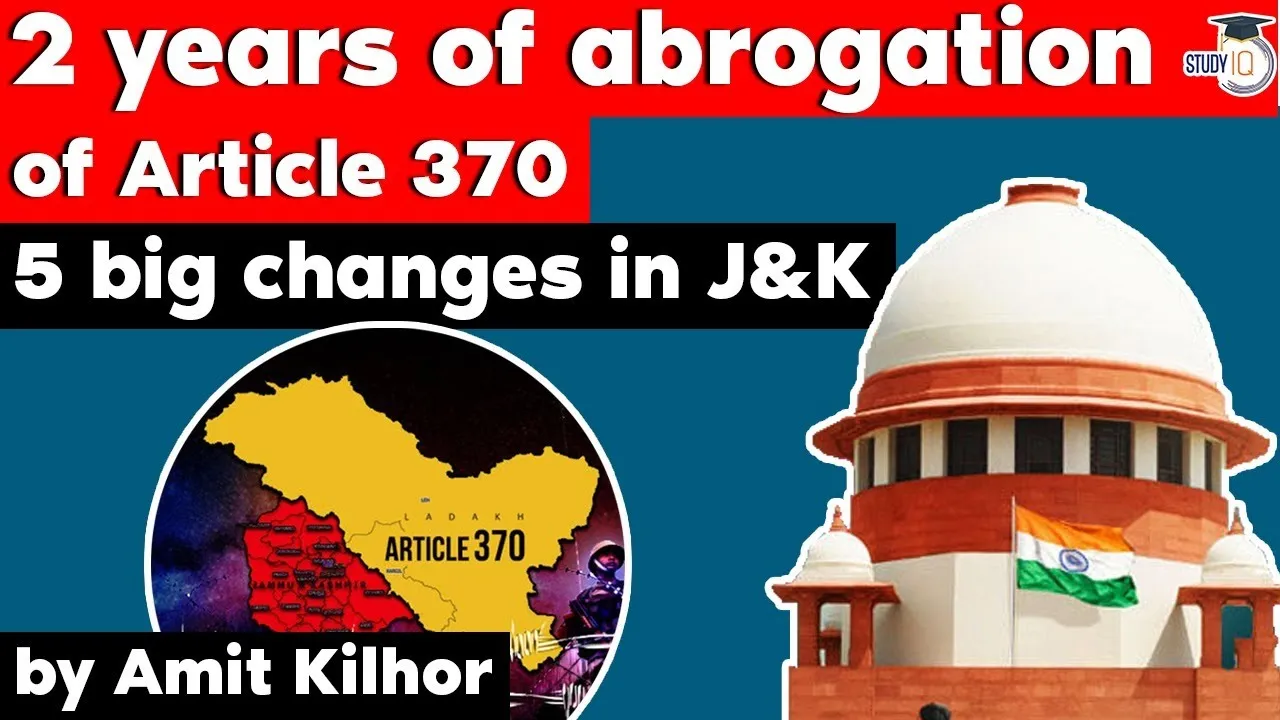
The attack drew fury in India and the Modi government accused Pakistan of enabling the attack by proxy through Jai Muhammad while Pakistan condemned the attack and denied all of its connections to it. Within a few days, the two arch rivals would be on the brink of allout war again. 12 days after the attack, the Indian Air Force launched a bombing raid in a Pakistan proper outside of any territory in Kashmir, claiming to be attacking Jaishi Muhammad training camps, but also representing the first time in history that a nuclear armed state directly air strike the territory of another nuclear armed state. The day after the Pakistan Air Force retaliated by launching six air strikes of their own across multiple locations in Indian administered Jamu and Kashmir representing the first time that the Indian and Pakistan air forces had attacked each other's territory in decades since the 1971 war. Indian fighters were scrambled to intercept the Pakistani jets which resulted in an aerial dog fight taking place between them. During this dog fight, one of the Indian fighter jets was shot down by the Pakistanis whose pilot managed to land safely. But it was also taken as a prisoner by groundbased Pakistani forces while Indian anti-air defenses mistakenly shot down one of their own helicopters in a friendly fire incident that killed six Indian soldiers and one civilian. These two disasters that day gave India a harsh wakeup call that their military was probably not as prepared to engage the Pakistanis in another conflict as they might have initially thought. And that provided them with an off-ramp to begin deescalating the situation that resulted in the Pakistanis returning the captured Indian pilot just a couple of days later. Despite conducting air strikes on each other's territory for the first time in decades, a fifth war between India and Pakistan would be narrowly averted this time. At the time, the high command of the Indian military viewed themselves as being unprepared to engage in another war with Pakistan. A 2018 report by the Indian Parliament concluded that 68% of the Indian military's equipment was considered vintage. 24% is current and only 8% as state-of-the-art levels that have remained fairly similar as recently as 2023 and perhaps influencing India's readiness to actually go to war into the present. So the Indian government decided to respond to the increasingly deadly attacks that were happening in Jamu and Kashmir and Pakistan's shootown of one of their jets by dramatically increasing the presence of their soldiers and counterinsurgency operatives in Jamu and Kashmir to around 500,000 strong. And then most controversially in August of 2019, the Indian government revoked article 370 from the Indian Constitution which stripped Jiau and Kashmir of its decades of autonomy within the Indian system and put it directly under the control of the central Indian government for the first time in history. The Indian government then enforced a crackdown in Jiaamu and Kashmir that lasted for more than a year after that with the internet and phone services in the territory frequently cut off and on again mandatory curfews and thousands of arrests that were made as the government attempted to stamp out the insurgency. Most controversially, however, India's revocation of article 370 also meant the stripping of one of Jamu and Kashmir's oldest legal protections. the restriction on limiting land and property ownership and settlement in the territory to indigenous Kashmiris only. This then led to massive fears amongst the majority Muslim Kashmiri population that India would then begin encouraging and promoting Hindu settlement in the Kashmir valley in order to begin demographically diluting the numbers of Muslims. Given enough time without their legal protections against outside settlement, the Kashmiri fear was that India would effectively slowly transform Jiau and Kashmir into a model that looked something like Israel's treatment of the West Bank, eliminating their only Muslim majority territory in the process through deliberate demographic engineering and that whenever India felt confident enough in a Hindu majority in the territory, then they would finally agree to hold the nearly 80yearong delayed pleite in the region. to solidify their control over Jamu and Kashmir even further. These views among the Muslim Kashmiri population were not aided by India's subsequent redrawing of the political map in Jamu and Kashmir that was widely perceived as benefiting Hindu majority areas in the territory.
India's construction of the world's tallest railway bridge into Jamu and Kashmir that connected the territory to the rest of India by rail for the very first time in its history and the start of a renewed tourism campaign by the Indian government to Jamu and Kashmir as well that saw all-time high record numbers of tourists visiting the area in 2022, 2023 and 2024. Violence continued in Jamu and Kashmir. Targeted attacks against Hindus in the territory escalated and Pakistan's alleged state support for violence in the territory against India allegedly continued. In 2020, the then prime minister of Pakistan, Imran Khan, revealed what he called Pakistan's official map. What is still the official map used by the Pakistani government to this day. Across Kashmir, the map draws out a dashed line labeled only as the line of control.
There's no northeastern border displayed at all reading only in curved words frontier undecided with a big all capital stamp in Indian administered Jamu and Kashmir that reads only Indian illegally occupied Jamu and Kashmir disputed territory final status to be decided in line with relevant United Nations Security Council resolutions.
Interestingly, this 2020 official map of Pakistan also displays the former princely state of Junagod as Pakistani territory as well, which even most Indians and Pakistanis probably don't realize Pakistan continues to claim at the official level. The reason why Pakistan included Janagod to its claimed territory in the 2020 map is not necessarily because they actually want it since it's firmly a part of the Indian state of Gujarat today, but because they believe it highlights the perception of hypocrisy around India's claim to Kashmir. Remember that Junagot was a Hindu majority princely state whose Muslim ruler initially decided to join Pakistan back in 1947 which India refused to recognize and invaded on the basis that the Hindu majority of the territory should be a part of India.
Meanwhile in Kashmir the opposite scenario took place where the Hindu ruler chose to join his Muslim majority princely state with India which Pakistan also objected to and invaded but India was able to also invade and stopped Pakistan on the basis that the Hindu ruler had made his decision. In effect, Pakistan marking Jonagot as their claimed territory in 2020 is a bit of cardographic trolling that they use to highlight how India took two contradictory approaches to Junagod and Kashmir. Meanwhile, the Indian official map continues simply showing all of the territory in Kashmir as firmly belonging to India, including the currently Chinese and Pakistani controlled areas with no indication of a dispute or contested territory or the realities actually on the ground displayed at all.
Meanwhile, tensions between India and Pakistan continued mounting. In 2022, there was an incident where India fired an unarmed cruise missile into Pakistani territory that impacted in a remote field without causing any damage or casualties. The incident therefore attracted little international attention. But the cruise missile was in fact a nuclearcapable missile that could have been carrying a nuclear warhead.
Interestingly marking the very first time in history that a nuclear armed country had ever fired a nuclearcapable missile into another nuclear armed country's territory. India claimed that the incident was an accident and part of a technical malfunction. But it nonetheless highlighted the present dangers of miscalculation and nuclear escalation between themselves and Pakistan. Small-scale attacks in Kashmir continued rising. Small-scale skirmishes along the line of control continued taking place. And then finally came the most recent massive attack that we discussed at the start of this video in Pahulgam in April of 2025 when Pakistan-based Lashkari Taiba affiliated Kashmir militants or terrorists massacred 26 civilians who are almost entirely Hindus based on nothing else other than their religion. The largest massacre of civilians that has been seen in Kashmir in decades and the ensuing runaway escalation that has followed from it. So far, the most earthshattering development since this most recent attack have been India's suspension of the 1960 Indis Waters Treaty and Pakistan's retaliatory suspension of the 1972 similar agreement. Back in 1960, India and Pakistan signed the Indis waters treaty which regulated their shared access to the waters of the Indis river system that ran through disputed territory in Kashmir. Six rivers including the Indis river itself flow through their disputed territory in Kashmir. The Indos waters treaty granted unrestricted use of the waters in the three eastern rivers the ravi the sup lege beas to India which largely flow outside of the context of disputed territory in Kashmir before they enter into Pakistan later the treaty also granted Pakistan the full control over the three western rivers the Indis the Chinab and the Jahel which all pass through India's controlled territory in Jamu and Kashmir before they later enter into Pakistan further downstream the language of the treaty requires that India allow all of the water in these rivers to flow freely into Pakistan for their unrestricted use. And throughout all of the previous wars and conflicts between them, it is always continually held up until this very moment. India had come close to ending the agreement after the Pakistanibbacked terrorists attacked the Indian army base at Yuri in 2016 when India's prime minister Narendra Modi now famously said that blood and water cannot flow together. While they also threatened to divert the eastern rivers away from Pakistan after the 2019 suicide bombing attack as well, but ultimately they never did. India is not currently in a position to immediately halt the flow of the water in the Indos or any of the other rivers to Pakistan.
But their suspension of the treaty for the first time in history implies that they might work towards that capability in the near future, which if successful would enable India to practically destroy Pakistan if they wanted to.
Since the Indos and its tributaries provides nearly three4s of Pakistan's entire water supply, that is why Pakistan has threatened that India's decision to do so would be taken literally by Pakistan as an existential act of war. And India's decision to do so is also curious because over on the other side of the country, India is simultaneously nervous about China's constructions of dams on the upper reaches of the Brahmautra River and China's theoretical ability to be able to then withhold water from that river to India who's also further downstream.
So if India attempted to weaponize their upstream position of the Indus river with Pakistan, China, Pakistan's close friend could decide to escalate by also weaponizing their upstream position on the Brahmautra River with India. And at the same time, Pakistan's decision to suspend the 1972 similar agreement a few days later also indicates that Pakistan might choose to no longer recognize the line of control across Kashmir and might refuse to engage with India along the disputed border bilaterally any longer.
The risks of another military confrontation between India and Pakistan over the decadesl long Kashmir dispute have risen sharply and so too with it the sort of damocles like spectre of nuclear war between them that looms in the background which is the factor that makes the Kashmir dispute arguably the most dangerous border dispute anywhere in the world today in the 21st century.
Back in 2019, the Bulletin of Atomic Scientists wrote a fascinatingly disturbing paper on what the global consequences of a nuclear exchange between India and Pakistan might look like. India maintains a no firstuse policy with their nuclear doctrine.
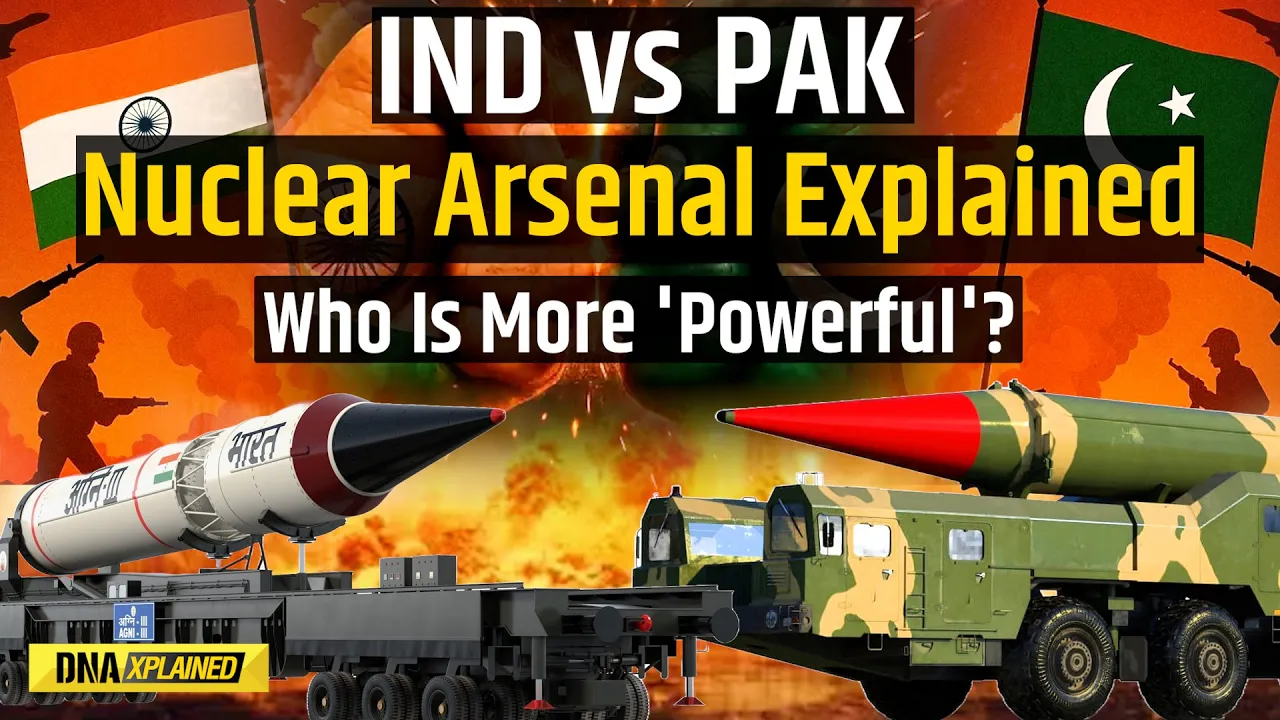
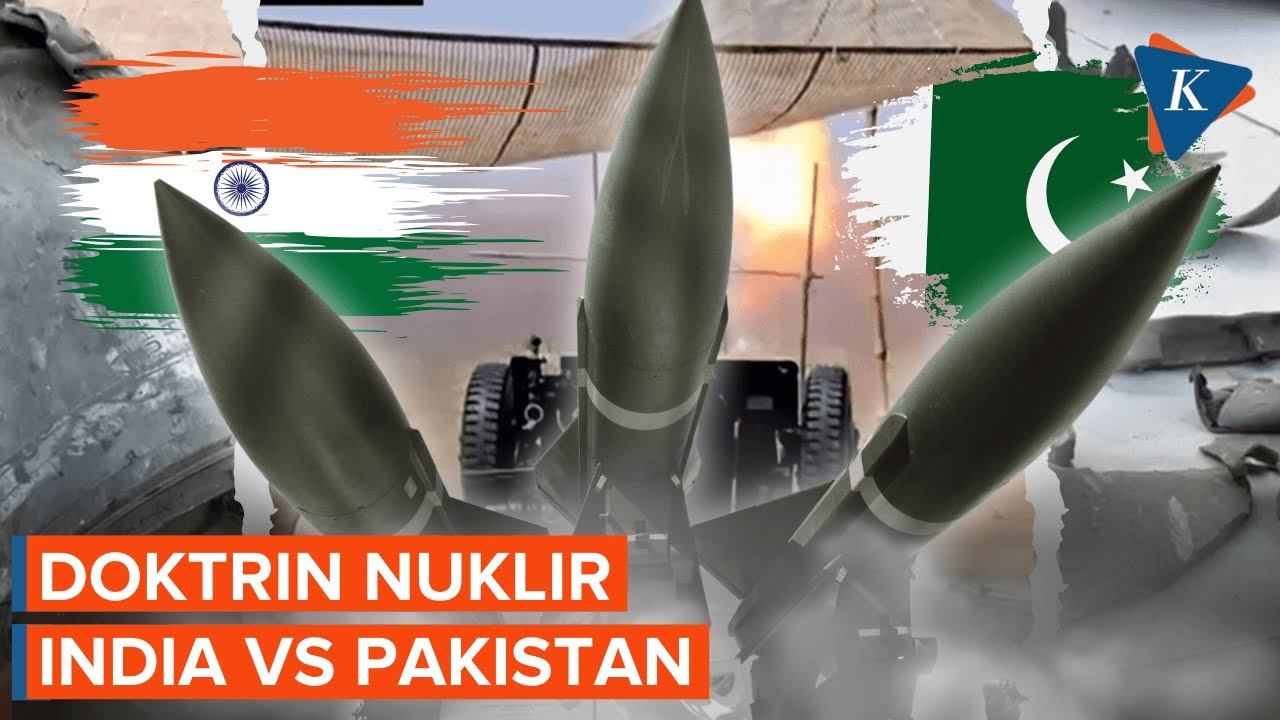
Meaning that they will not fire a nuclear weapon during a war first while Pakistan perennially fearful of their conventional and numerically inferior forces relative to India has done no such thing and maintains an arsenal of tactical nuclear weapons that are designed for use on the battlefield against the advancing and potentially invading Indian army. The use of a tactical nuclear weapon on a battlefield has never happened before, and it's unclear how the Indian Army might respond to such an action happening. In their paper, the scientists involved assumed that if a war escalated into a full-blown nuclear exchange, Pakistan would likely unload their entire nuclear arsenal onto India. While India, fearful of China's nuclear arsenal, would likely only respond by firing half of their own nuclear arsenal at Pakistan in retaliation. and they would reserve their other half for a potential response to China if they decided to intervene. The paper calculated that such an exchange would result in the deadliest human conflict ever seen in history with somewhere between 50 million and 125 million people who would likely be killed in the nuclear fire.
potentially tens of millions of more deaths than would happen throughout the entire Second World War with multiple cities in both India and Pakistan left in catastrophic ruin. But India and Pakistan would not be the only countries to be negatively affected by a mutual nuclear exchange. The scientists in their paper estimated that the hundreds of nuclear detonations would inject a titanic volume of ash and smoke up into the Earth's atmosphere where it would block sunlight coming towards the Earth and be enough to trigger a global nuclear winter for years, which depending on the severity and yields of the nuclear weapons used could throw the planet back into the range of temperatures seen during the last ice age from 20,000 years ago. for a period of potentially five or six years that would probably cause a year'sl long global famine and that would threaten the lives of billions of other people from around the world. It is perhaps understandable then when in 2012 the American actor George Clooney asked President Obama during an interview what was the number one geopolitical risk that kept him up at night the most. And the president responded with just a single word that summed up this entire video.
Pakistan. Since this video came out, there is likely to be a lot of information that is very out of date.
The conflict between India and Pakistan is one that is constantly evolving. And since the massacre of mostly Hindu Indian tourists in Kashmir that began this current crisis, a lot has already happened. The Indian military initiated what they called operation synindor wherein their air force bombarded nine targets across Pakistan and Pakistan administered Kashmir that they sent were host to Jaishi Muhammad and Lashkari Taiba terrorist training camps. This operation fascinatingly seems to have involved the largest aerial dog fight in recent aviation history as 125 fighter jets between both sides battled against one another at huge ranges of up to 160 km. Pakistan reported that they had shot down five of the Indian Air Force's fighters during the engagement. While the next day, the Indian military reported that they'd also shot down three Pakistani fighters. Gunfights and artillery bombardments since then across the line of control in Kashmir have reportedly already killed dozens of additional people. While both sides have lobbed dozens of drones and missiles across the border at each other over the past few days as well. I also made a video that covers the developing events between India and Pakistan, the reports on the Powell Gam attack in Kashmir, and all of the other major breaking geopolitical news that you might have missed from ongoing conflicts around the world in my war room series, which I create new videos in every single month that take deeper dives into the crucial developing updates that you need to know about from active ongoing conflicts like the Russia Ukraine war, the Israel Gaza war, the Sudin civil war, and what appears increasingly likely to be an IndiaPakistan war soon as Ow. Every month there are so many important things that are currently happening from developing conflicts around the world that it's almost impossible to actually keep up with it all, no matter how well informed you want to be about them. I wanted to start creating one new video a month that covers all of these increasingly major developments from conflicts taking place around the world to help you stay as upto-date as possible on what's taking place in our world and why during this time of global conflict. The latest episode of War Room covers all of the most important global conflict developments that took place last month through April that you might have otherwise missed in all of the noise and you can go and watch it right now on Nebula. Because of the inherently violent, controversial, and recent nature of discussing developing events from major conflicts around the world, this war room series would never work out on YouTube because every episode in it would be instantly demonetized and age restricted, which means the YouTube's algorithm, which is based around showing you ads, would never be incentivized to actually show the videos to you or to promote them. I already deal with very large numbers of my videos on YouTube getting demonetized and age restricted as they are. And that's why I upload all of my episodes in War Room exclusively to Nebula and why signing up to Nebula is the absolute best thing that you can do to support me and my channel. And you'll also get access to way more content than just my own exclusive War Room series as well.
Because the best part about Nebula is that is jointly co-owned by myself and hundreds of other independent creators to make the projects that we're actually deeply excited about without any fear of being censored or demonetized like we are on YouTube. And that's why there's tons of other new unique content on Nebula that's coming out all the time too that you're also going to love. Like my own separate modern conflict series with 50 additional episodes you can also watch covering dozens of other recent conflicts in depth or Neo's underexposure series, Windover Productions the Logistics of X series, TLDDR News's What to Follow USA series, and so so many others. I also know that there's a lot of streaming platforms out there right now and you don't really want to get stuck with another monthly cost to keep track of. But I also know that if you've watched this all the way through to the end, there's just so much content on Nebula that you'll love as well. And so much more coming out with every new month that you could consider a lifetime membership to Nebula as well.
You just pay once and then you'll get lifetime access to everything that I and hundreds of other creators will ever produce on Nebula for as long as we both last. and then you'll never have to worry about a recurring subscription or ads ever again. That's the best way possible to support what I'm doing here on Real Life Lore. But even if you'd rather not make that large of an upfront commitment, you can still help support me tremendously by signing up for a yearly or monthly subscription to Nebula as well, which you can also get for a fantastic deal with 40% off by scanning the QR code or clicking the button here on your screen right now or by following the link that's down below in the description. any of which will also get you access to everything on Nebula for the very low price of just $3 per month or $36 for a whole year. I hope that you'll consider signing up and as always, thank you so much for watching.
Up Next

Robert Putnam: Rebuilding American Communities for Democracy
@TheDailyShow
179.3K views•2024-11-13

BRICS Pay and de-dollarization: A New Financial Order Emerges? | 55 chars
@DannyHaiphongYT
164.6K views•2024-10-22

Balkans Geopolitics: Potential Conflict Zones in Europe
@RealLifeLore
1.9M views•2024-01-26
Explaining the Saudi-Iranian Proxy Conflict in the Middle East
@Vox
18.2M views•2017-07-17
Related Study Plans & Knowledge Roadmaps
Structured learning paths in Political Science