






![Chiny już podbiły świat! Co z tym zrobić? Magdalena Ziętek-Wielomska [Expert w Bentleyu]](https://i.ytimg.com/vi_webp/UNL0WrPxly0/maxresdefault.webp)








![DW Noticias del 13 de diciembre: Israel seguirá adelante con la guerra [Noticiero completo]](https://i.ytimg.com/vi/MKyfCg-t5Sk/maxresdefault.jpg)






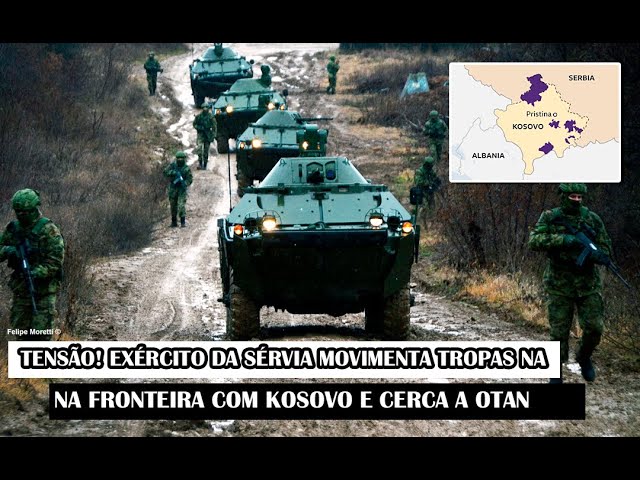



The Balkans remain one of Europe's most unstable regions due to unresolved ethnic tensions and territorial disputes dating back to the collapse of Yugoslavia in the 1990s, where the uneven distribution of ethnic groups across national borders continues to fuel potential conflicts, particularly regarding Kosovo's disputed independence and the ongoing threats of secession from Bosnia's Republika Srpska, demonstrating how historical grievances and external influences can perpetuate regional instability for decades.
Balkans Geopolitics: Potential Conflict Zones in Europe
Added:The history of the dissolution of Yugoslavia in the 1990s, including the Bosnian and Kosovo Wars.
The basic ethnic and religious demographics of the Balkan peninsula, particularly the distribution of Orthodox Christians, Catholics, and Muslims.
The roles of major external geopolitical actors in the region, specifically the strategic interests of the European Union, NATO, and Russia.
The significance of the 1995 Dayton Agreement in shaping the modern, highly complex political structure of Bosnia and Herzegovina.
The diplomatic hurdles and geopolitical implications of EU enlargement and accession processes for Western Balkan nations.
The strategic impact of Russian and Chinese soft power, economic investments (such as the Belt and Road Initiative), and hybrid warfare in South-Central Europe.
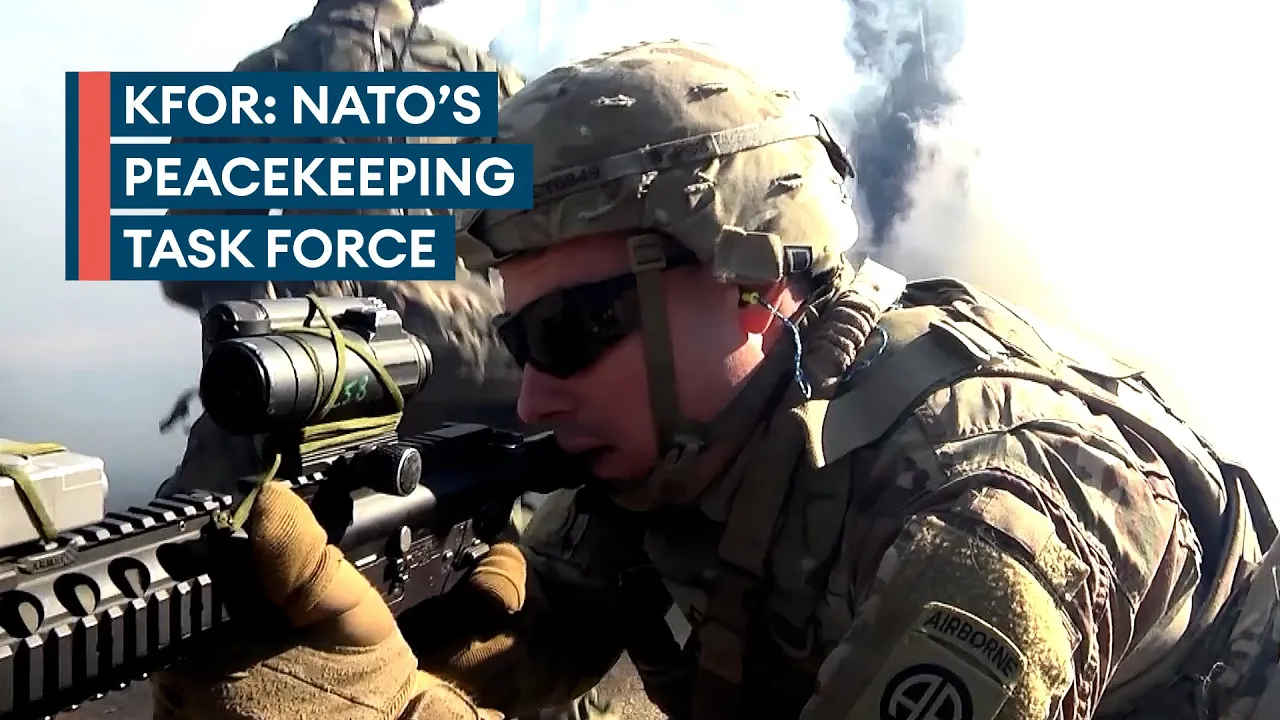
Advanced analysis of KFOR (Kosovo Force) and NATO's ongoing security architecture and peacekeeping missions in the region.
Comparative political analysis of power-sharing models, consociationalism, and modern peacebuilding theory in deeply divided societies.
1.9M views40.6Klikes46:44Original Release: 2024-01-26
this video is made possible by nebula use the link down in the description below to support real life La directly by signing up where you can watch dozens of additional and exclusive full length videos in my ongoing nebula modern conflict series covering recent major Wars and crises including this video's next part covering the entire course in history of the devastating wars fought across the former Yugoslavia all throughout the 1990s on the 19th of September 2023 the aabani Armed Forces launched A Renewed military offensive against the self-declared Breakaway state of art sock within the ngoro kabak an ethnically Armenian Enclave within aeran that had unilaterally declared its independence from the aarani government back in 1991 but which aeran and the rest of the International Community had never recognized as legitimate always considering it to be a province of aeran and Rebellion within only 24 hours the September 2023 aarani military offensive developed into a decisive Victory after more than 30 years of deao Independence and conflict art sock was finally defeated the separatist ethnic Armenian government agreed to itself and AER Ban's Authority was restored across the entirety of its claimed territory and in the immediate aftermath faced with threats of imminent ethnic cleansing as the azabani military moved in to secure the territory virtually the entirety of negoro Caraba's ethnic Armenian population some 100,000 people fled the area westwards towards the Armenian nation state and hardly a single word of condemnation was uttered by anyone in the International Community after all despite its unilateral Declaration of Independence and ethnic Armenian majority population ngoro kabak was always recognized by every other country in the world as rightful aani territory and what aeran did in its own territory even if it looked like an ethnic cleansing was not considered by most Outsiders to be a big cause for concern but perhaps after witnessing how rapidly aeran recaptured negoro kabak within those 24 hours and after seeing how little they were even condemned or punished for it after the entire Armenian population fled for their lives the government of another country with a territory they regard as being an open Rebellion felt emboldened to become the next ones to act just 3 days after aabani forces secured their final control over nagaro kabach a group of 30 heavily armed Serb paramilitary militants suddenly appeared in the town of bonisa in the northern reaches of Kosovo and began blockading a road there the Kosovo police force responded and a deadly gunfight erupted between them the left one kosovar Albanian policemen and three of the Serb militants dead after the remaining serbs fled the scene across the border into Serbia proper the Kosovo police then claimed to uncover a huge stockpile of weapons and equipment that the Serb paramilitaries had been building up in Northern Kosovo consisting of rocket launchers mortars drones more than 150 explosive devices dozens of automatic weapons thousands of rounds of ammunition and detailed maps and plans to support a force of hundreds of Fighters the Kosovo government authorities would then go on to claim that the Ser paramilitaries who carried out the deadly attack in Northern Kosovo had received their training and weapons directly from the Serbian government itself which was staunchly denied Ed by the government in Belgrade nonetheless Serbia's government hailed the attack as a form of legitimate resistance by the supposedly oppressed ethnic serbs in Northern Kosovo and blame the Kosovo government for having escalated the situation in the area to the point of having caused the deadly gunfight you see the geopolitical situation in Northern Kosovo has been complex for some time Kosovo unilaterally declared its independence from Serbia back in 2008 which the Serbian government to date has never recognized as legitimate Serbia therefore continues to officially assert that Kosovo still belongs entirely to Serbia and effectively considers it as a Serbian province in open Rebellion but Kosovo is overall very ethnically and religiously distinct from Serbia roughly 93% of kovos nearly 2 million people today are ethnic albanians who largely follow the Islamic faith and who represent the territory's overwhelming majority but there's still a substantial ethnic Ser minority in Kosovo as well who largely follow Orthodox Christianity and who represent around 65% of the overall population they're largely concentrated in Northern Kosovo immediately across the border from Serbia these Northern kosovar serbs have been almost continually demanding a high degree of autonomy and self-rule from the rest of Albania Kosovo pretty much ever since kosovo's 2008 Declaration of Independence Serbia has further claimed that Kosovo granting the northern serbs their autonomy is the primary prerequisite needed for the Serbian government to consider finally recognizing kosovo's Independence but the Kosovo government has continually dragged its feet on this issue and has never agreed to do it the issue finally came came to a boiling point in April of 2023 when Kosovo hosted Municipal elections that the ethnic serbs in Northern Kosovo overwhelmingly boycotted and protest over the lack of their autonomy being granted which led to an abysmal 3.5% voter turnout in the north that resulted in the election of ethnic Albanian Mayors to govern over the ethnic serbs when the Kosovo Security Forces then attempted to escort these Albanian Mayors into their government offices in the Ser majority North the KOST ofar serbs began organizing widescale protests that escalated in violence and injured dozens which ultimately culminated with the armed Serb attack in Northern Kosovo that killed four in the immediate aftermath of that attack in kosovo's accusations that the Serbian government itself was responsible the Serbian Army began what the United States referred to as a completely unprecedented military buildup along their entire Southern border with Kosovo surging enough troops into the area to roughly double their numbers up to roughly 8,400 strong a situation that the United States described as the largest Serbian military buildup on kosovo's Border since Kosovo declared its independence in 2008 and a situation that seemed to be eerily similar to Washington's previous warnings of Russia's military buildup on Ukraine's borders leading up to their February 2022 Invasion Serbia had massed enough troops on their border to come close to equaling the size of the entire Kosovo security forces that would defend the country in the event of an invasion and in addition to their troops the serbians mass large numbers of tanks and heavy artillery On the Border as well but the biggest thing that's always prevented a Serbian invasion of Kosovo hasn't been kosovo's own Armed Forces but the additional presence of around 4,500 NATO peacekeeping troops in the country who would likely Fall in the line of fire and likely bring the rest of the NATO alliance directly into the war and since NATO currently completely surrounds Serbia on virtually all of its sides Serbia knows that it would quickly lose if NATO got itself involved and so after Serbia began building up its troops on the border the United States roared that Serbia would immediately suffer devastating consequences were it to escalate the situation any further while NATO quickly announced a troop surge of its own into Kosovo with around a thousand additionally deployed peacekeepers and with that Serbia's Nationalist and increasingly autocratic and revisionist President Alexander vuic blinked first Serbian troops and their equipment began withdrawing from the Koso border and the troop levels were brought back down to more historically normal levels and the immediate crisis fizzled out but at the same time tensions have also been rising again in nearby Bosnia and heroa a deeply sectarian ethnically divided country where the current leader of the ethnically Ser majority Republica Sera has repeatedly threatened to secede his territory from the country and join with Serbia a longtime goal of many of the Bosnian serbs ever since the 1990s who represent around 31% of the country's population today and control around half of the country's territory and while the United States is a champion of the ethnic albanians and Kosovo right to independence from Serbia Washington is equally as staunchly opposed to the ethnic serbs in Bosnia declaring their independence and joining with Serbia and so as the Bosnian Serb leaders rhetoric has grown increasingly secessionist and nationalist the United States began flying f-16s over the country in January of 2024 in a direct message to Halt the talk on secession or face the consequences and after Serbia's military buildup on kosovo's border the United States authorized the sale of $75 million worth of Javelin anti-tank weapons to the Kosovo Security Forces so that they can better defend themselves against a possible future Serbian Invasion a development that the Serbian government said was deeply disappointing still today in the 2020s the Western Balkans continue to be Europe's more traditional powder cake that has the potential to explode in another violent conflict in the future if the Region's leaders and outside Powers aren't careful enough a situation that is no doubt being encouraged to happen by outside influences like Russia to continue distracting the world from the war in Ukraine the Balkans as a whole have infamously been among the most chronically unstable and chaotic regions in Europe for centuries but in order to understand the current un stable geopolitical fault lines that run through here and the risk of war that the status of Kosovo Andor Bosnia could ultimately trigger today we really only have to go back to the recent events of the 1990s during the collapse of the former Yugoslavia Yugoslavia was a complex multi-ethnic state that existed across most of the 20th century but by the time of its collapse it was administratively composed of six largely autonomous socialist republics the SR Slovenia Croatia bosnan and heroina Montenegro Macedonia and Serbia the latter of which contain two further largely autonomous provinces consisting of Vaden in the north and Kosovo in the South these administrative boundaries were largely based on yugoslavia's various distinct ethnic and sectarian groups the largely Catholic slovin and croats the largely Muslim bosniacs and albanians and the largely Eastern Orthodox serbs montenegrin and macedonians but as you can see from this map the administrative divisions weren't exactly perfectly aligned with the geographic realities there were large numbers of croats who lived within Bosnia and Herzegovina the Albanian nation state existed Beyond on yugoslavia's own control and yet there were very large numbers of albanians present in Kosovo and in Macedonia and most controversially of all there were very large numbers of serbs who existed Beyond Serbia's administrative boundaries in Kosovo Montenegro bosnan heroa and in Croatia this was all generally not a very big problem so long as Yugoslavia remained United and everyone continued living within the same country but then as Yugoslavia began collapsing in the early 1990s along with the rest of the Communist World in Europe it immediately became a massive problem across the 19 9s as the country was collapsing a devastating series of interethnic and sectarian wars were launched across the former territory of Yugoslavia as every one of yugoslavia's different ethnicities wanted to make sure that they remain United in the same country and free from the domination of anyone else in a post Yugoslavia world the Ser majority parts of Croatia and bosnan and Herzegovina unilaterally declared their secessions and proclaimed their desires to be annexed into a greater Serbia while the croats in Bosnia and heroa similarly declared their own secession and announced their desire to be annexed into into a greater Croatia Serbia chose to directly militarily support their ethnic kin secession attempts in Bosnia and in Croatia which sparked separate but connected Wars that killed more than 120,000 people and displaced Millions more between 1991 and 1995 the Croatian serbs attempted to ethnically cleanse their controlled territories in Croatia of ethnic croats but in the end the Croatian government emerged Victorious and overran their positions by the end of 1995 which led to the overwhelming majority of Croatia's previously large Ser population either fleeing or getting forcibly expelled into Serbia meanwhile in Bosnia the multi cited an extremely bloody civil war between the Muslim bosniacs the Catholic croats and the Orthodox serbs finally began coming to a close by the end of 1995 after NATO with a direct approval from the United Nations initiated a massive military intervention into the country against the Bosnian Serb government that led to them agreeing to sue for peace in December of 1995 all the SIDS involved in the Bosnian War signed the US mediated day and peace Accord words a piece that finally ended the fighting in the country that had killed more than 100,000 people and created the modern state of Bosnia and heroina as we know it today a highly decentralized state with two separate and largely autonomous legal entities the Federation of bosnan and herova dominated by the bosniacs and the Bosnian croats who had joined their forces together in the war after previously fighting against one another and the Republic of cska dominated by the Bosnian serbs with a shared District in between them that both of these entities jointly control their boundaries within Bosnia were mostly frozen along where the military front lines in the country stood at immediately before the peace agreement was signed while the demographics on the ground had been irreparably altered by the years of horrible fighting the Republic of CSA in particular had carried out a yearslong massive campaign of ethnic cleansing across all of the territories that they came to occupy forcibly expelling hundreds of thousands of bosniacs and croats and massacring tens of thousands more before the final borders were finally set into place which shifted bosnia's internal demographic structure from looking like the spread out Mixed in diverse Mosaic of peoples immediately before the war to this much more heavily concentrated and segregated ethnic structure after the war with much more firmly defined ethnic boundaries that we still know today in order to keep these previously Waring and genocidal parties together in the new United Bosnia after the war the Bosnian Constitution that's still in place today is literally just Annex four of the DAT and Peace Accords agreed upon back in 1995 a constitution that was drafted by the United States and which explicitly Outlaws any secession attempts from the country that might be made by the serbs croats or bosniacs and in order to continue enforcing the Peace On The Ground the dated Peace Accords also established a position within the country known as the high representative a position that's selected by a 55 member International Council that's known as the peace implementation Council whose Chief responsibility is to enforce the DAT and agreements terms within bosnan and Herzegovina until the country is eventually deemed by the same Council to be politically and democratically stable enough to govern itself so rather than any locally elected Bosnian official this internationally appointed High representative in bosnan Herz Goa is the highest political Authority in the country who wields incredibly WID sweeping Powers with the authority to dismiss elected government officials from either of bosnia's two political entities and to even amend the country's Constitution and laws the high Representatives powers and overriding Authority have therefore been compared to that of a colonial era Viceroy while Bosnia and Herz Goa itself has been compared to be more of an internationally governed protectorate rather than a truly independent country but the system was designed this way to try and keep bosnia's diverse and previously Waring parties all together and to prevent the country from collapsing back into another destabilizing and catastrophic sectarian and ethnic war in the future and so the high representative's Authority was initially backed up on the ground by approximately 60,000 heavily armed soldiers deployed into Bosnia by NATO as peacekeepers and then in the aftermath of the devastating Wars in Bosnia and in Croatia another massive war started in Kosovo in 1998 the 1995 day and peace agreement had firmly left kosovo's status remaining as a part of Serbia and so the ethnic Albanian majority of Kosovo initiated an armed Insurgency against the Serbian government in the name of either Independence or Union with Albania the serbs decided to massively retaliate against this Insurgency in Kosovo by sending in tens of thousands of soldiers in police to harshly repress the entire Albanian population more than 2,000 albanians in Koso were killed and by March of 1999 the serbs began initiating a fullscale campaign of ethnic cleansing in Kosovo in a literal attempt to forcibly expel the entire Albanian population from the country around 860,000 kosovar albanians were forcibly expelled from their homes in Kosovo and pushed out of the country by the Serbian Army and police which led to Nato demanding that the Serbian Army immediately leave from Kosovo and halt their operations and allow tens of thousands of NATO peacekeepers into the country to restore the peace after Serbia refused NATO went to the United Nations again just like they did with Bosnia back in 1995 to request legal approval for another armed intervention to defend Kosovo but this time Russia and China each threatened to use their status as permanent members of the United Nations security Council to veto the authorization and so no un approval was ever granted nonetheless NATO decided to militarily intervene against Serbia in 1999 without the un's approval anyway under the argument that doing so was a human itarian imperative to prevent the total ethnic cleansing of the 1 and a half million albanians who lived in Kosovo and while the intervention might not have been technically legal under international law NATO argued that it was still fully Justified and legitimate anyway under these humanitarian circumstances for 2 and 1/2 months with unchallenged air superiority NATO war planes relentlessly bombarded Serbian military targets and civilian infrastructure all across the country in an attempt to [ __ ] the country's ability to wage its war in in Kosovo the NATO air campaign killed more than a thousand Serbian soldiers and police and wounded more than 5,000 others killed several hundred civilians and destroyed several hundred Serbian tanks and aircraft while only suffering minimal losses of their own then included the shoot down of an f17 Nighthawk the first loss of a stealth aircraft due to combat in the history of Warfare by June of 1999 the Serbian Armed Forces had been crippled by NATO's largely unchallenged aerial attacks and later on in 2015 the Serbian government self- calculated that the NATO bombing campaign had resulted in economic losses to Serbia of approximately $29.6 billion after more than 13,400 deaths caused by the Kosovo war between 1998 and 1999 that also saw approximately 90% of the 1 and a half million ethnic Albanian population of Kosovo get displaced and turned into refugees the Serbian Army and police agreed to withdraw from Kosovo and 50,000 NATO ground troops immediately moved into Kosovo to replace them with a stated mission of retaining the peace and facilitating the return of the estimated 860,000 albanians who had been forcibly expelled Beyond Kosovo in the war's aftermath most of the Albanian population returned to Kosovo and more than half of the ethnically Ser population in Kosovo either fled or were forcibly expelled themselves into Serbia which dramatically reduced the Serb population in Kosovo from around 200,000 people to fewer than 100,000 remaining today largely all concentrated in the north and in in order to continue protecting the Kos ofar Albanian population from the serbs who had attempted to completely ethnically cleanse them a un interim Administration was established as kosovo's new deao government while NATO forces remained on the ground to guard the territory that became known as the Kosovo force or K4 the contingent of NATO troops in Kosovo that have permanently remained there to this day now regardless of NATO's intentions with intervening against Serbia and protecting Kosovo in 1999 these actions set a number of major International legal presidents that have carried consequences with them ever since regardless of the ethics or the justification Serbia did not attack NATO first while Kosovo up to that point was universally internationally recognized as a territory belonging to Serbia NATO of course had been originally founded as a strictly defensive military Alliance intended to only go to war if one of their own member states were attacked by an outsider first but then their NATO was anyway in 1999 attacking and bombing a country that had not actually attack them first and they were doing it without the legal approval of the United Nations many outside countries took note of this precedent that was set by NATO and especially Russia who afterwards became convinced that NATO was not actually the strictly defensive military Alliance that had claimed to be Russian foreign policy then grew increasingly paranoid that if NATO attacked Serbia on the grounds of a humanitarian intervention without un approval Russia might end up becoming the next Target sometime later on down the line and as NATO continued expanding with further members Eastward ever closer to Russia's own borders Russia became determined to push them back as far as they could which is arguably part of how we've arrived at the current war on the frontier of Russia nato in Ukraine and why Russia doesn't ever want to see Ukraine within NATO the war is all across the former Yugoslavia in the 1990s collectively killed more than 140,000 people displaced Millions more and created the modern ethnic and political borders that we know of in the Balkans today with only moderate changes being made to them ever since so far in 2006 Montenegro hosted a referendum on independence from Serbia that was narrowly approved by just over 55% of Voters Montenegro then declared their independence from Serbia which was recognized by the government in Belgrade as a legitimate expression of self-determination and carried on without any significant legal controversy even though it transformed Serbia into a landlocked state afterwards but then just 2 years later after that in February of 2008 after already having been deao independent for nearly 9 years and with thousands of K4 troops still around defending them Kosovo took the decision to unilaterally declare its independence from Serbia without the Serbian government's permission for them to do so Serbia of course immediately declared that kosovo's succession from the country was firmly illegal and to date Belgrade has still never agreed to recognize kosovo's Independence as legitimate and today as of 2024 the question of whether or not Kosovo is actually an independent country or not remains one of the most controversial questions in contemporary geopolitics Kos is not a member of the United Nations and out of the 193 member states that do make up the UN only 102 of them or just a bit more than half actually recognize kosovo's Independence and a huge part of why so many countries around the world don't recognize kosovo's Independence is because of their fears of the precedent that kosovo's unilateral secession from Serbia would set for many other territorial disputes and Independence movements all around the world well the vast majority of the countries in both the European Union and NATO have all chosen to recognize Co Independence five notable exceptions in this block continue to staunchly reject Kosovo Cyprus Greece Romania Slovakia and Spain all of them had a fear of what precedent would be set by recognizing Kosovo Cyprus and by extension Greece each fear that if they recognize kosovo's unilateral sucession from Serbia it would carry certain legal implications for the legitimacy of the Turkish Republic of Northern Cyprus that is similarly unilaterally declared its own succession from Cyprus without the cypriotes government's permission Romania fears that if they recognize kosovo's unilateral secession it could carry implications down the road for their large ethnic Hungarian minority that makes up around 6% of the entire Romanian population while Slovakia has similar concerns about recognizing Kosovo over the president it could set for their own large ethnic Hungarian minority that makes up about 8% of their population and live across the South if Romania and Slovakia recognized the albanians right to unilaterally secede from Serbia would the ethnic hungarians in Romania and Slovakia eventually use the precedented sets to declare their own unilateral secession and for the government in Spain the biggest fear of recognizing kosovo's unilateral Independence would be setting a huge precedent for their own large Independence movements that are still going on in Catalonia and the Bas country if Kosovo could declare its independence from Serbia without belgrade's permission and Spain recognized that as legitimate then why couldn't the catalans and the basks just do the same thing without Madrid's permission these kinds of potential implications stemming from the nature of how Kosovo unilaterally declared their independence span all around the world AER John of course has never recognized kosovo's Independence because of the precedent it would have set for their own Armenian separatist movement that also unilaterally declared their independence and used to exist until very recently in negoro kabak India has never recognized kosovo's Independence because of the precedent it was set for their own multiple ongoing separatist movements well China has never and likely will never accept kosovo's Independence because of the president it would carry for taiwan's right to unilaterally declare their own independence indeed Kosovo and Taiwan are directly diplomatically linked with other both are considered to be rebellious provinces by larger revisionist powers and both are militarily and diplomatically supported by the United States against those revisionist Powers consequently Kosovo and Taiwan maintain very close diplomatic relations with each other in order to support one another's similar cause while Serbia and China conversely maintain very close diplomatic relations as well to suppress each other's similar Independence movements Serbia firmly supports beijing's One China policy beijing's claim to Taiwan and is considered to be China's strongest Ally Ally in Europe while China firmly supports Serbia's continued claim to Kosovo and uses its position as a permanent member of the United Nations security Council to block kosovo's admission into the United Nations and so both countries stand in firm opposition to unilateral Independence movements worldwide but perhaps most infamously Russia saw the precedent of what happened in Kosovo and began immediately applying it to fit their own foreign policy objectives Russia cited the president of NATO troops attacking Serbia in 1999 without the un's approval NATO's subsequent occupation of Kosovo and kosovo's 2008 unilateral Independence declaration from Serbia to justify their own non-un sanctioned intervention into Georgia mere months later that culminated with a widescale Russian bombing campaign and the Russian occupations of abazia and South otia which would each declare their own unilateral secessions from Georgia based on the legal precedent supposedly set first by Kosovo the ethnic Russian majority in crimeia would also site the precedent set by Kosovo in 2008 when they unilaterally declared their own independence from Ukraine in 2014 while in the lead up to the full scale Russian invasion of Ukraine in 2022 Russia once again cited the president set by the 1999 NATO intervention against Serbia when they recognized the independence of the self- declared Russian separatist States in Ukraine of donet and luhans right before they initiated their invasion in the name of defending them against the ukrainians as a very close historic Ally of Serbia Russia and by extension bellus have never recognized kosovo's Independence even though they've repeatedly cited the president supposedly set by Kosovo to justify their own actions taken in Georgia and in Ukraine while Georgia and Ukraine and also mdova have all conversely never agreed to recognize kosovo's Independence either due to the precent it its set for their own pro-russian separatist entities and besides for the precedent that Kosovo set for Russia's military interventions in Europe the other potentially dangerous precedent that it set was very nearby in the seemingly always troubled Bosnia and Herzegovina the Ser dominated Republica Sera within the country immediately grew in b olded after kosovo's unilateral secession from Serbia and their leader Miller ad doic has repeatedly ever since asserted that if the albanians in Kosovo enjoyed the right to self-determination from Serbia then the serbs of the Republic of cska should enjoy the right of self-determination from Bosnia as well within days of kosovo's Independence declaration the Republic of CSA passed a resolution that would call for an independence referendum of their own if a majority of UN member states ever ended up recognizing Kosovo and in 2010 a poll of Bosnian serbs taken by the brussels-based gallop Balan monitor found that 87% of them at the time would support the independence referendum being called so far though Miller ad doic has not yet ever called for this referendum on Republica sera's Independence though he is frequently threatened to do so and warned that he will were the Bosnian serbs autonomy and privileged position within Bosnian Herz goa's government to ever be threatened NATO the United States and the peace implementation Council that has appointed the high representative to Bosnia ever since the DAT in Peace Accords of 199 95 have conversely repeatedly insisted that the Republic of cska has absolutely no legal right to ever secede from Bosnia Washington has always taken the argument that kosovo's unilateral secession from Serbia was a unique case in modern history that does not set any legal precedent for any other separatist movements anywhere else their argument is basically that Kosovo is facing an imminent ethnic cleansing being committed by the government who control their territory and so they required an outside intervention and later Independence to Safeguard them from that same government in the future conversely Washington argues that the Republic of Sera and Bosnia was carved out over years as an ethnostate and is a product itself of ethnic cleansing and genocide and that were the Republic of serps got to leave Bosnia and join with Serbia it would legitimize the Bosnian serbs use of ethnic cleansing and genocide to have secured all of their territory this is partially why the DAT and Peace Accords that ended the war in the country in 1995 explicitly lays out that secession from any entity within the country is illegal and why the United States has continually asserted ever since that it remains firmly committed to Bosnia and Herz goa's complete territorial Integrity if the Republic of cska actually attempted another secession from bosnan and herg Goa today like the last time it tried in 1992 it would almost certainly trigger a resumption of the war in Bosnia once again that killed more than 100,000 people the last time the Bosnian serbs would take roughly 49% of the country's territory with them despite only making up about 31% of the country's population and part of this taken territory would include seber the site of the most vicious ethnic cleansing from the entire war in the 9s where the Bosnian serbs massacred over 8,300 of the town's mostly bosniac residents over a couple weeks not to mention it's unclear what would end up happening with a burko district in the north that the Republic of Sera and the Federation of bosnan herg Goa currently share with one another the Republic of Sera would want control over in order to keep all of their territories in the west and the east of Bosnia contiguous while the Federation of Bosnian Herzegovina would also want to keep control over it as well to keep all of their territories in the North and the South contiguous and then if the Bosnian serbs successfully succeeded and attempted to join with Serbia again then the Bosnian croats may attempt to break off on their own as well and attempt to join with Croatia which would ultimately leave behind a fragile vulnerable and likely enraged independent bosniac rump State landlocked in the middle and fragmented between two separate halves unlike the Bosnian serbs who have Serbia to fall back on and the Bosnian croats who have Croatia to fall back on the bosniacs have nobody else to fall back on for support other than the International Community bosnan and Herzegovina as it currently exists is their nation state and if that all were to fall apart there would be no more guarantees for their future or even their security especially when considering that it's been fewer than 30 years since they were the victims of Europe's largest genocide since the Holocaust perpetrated by the same people who would then surround them again Unshackled from the terms of the day and agreement that have protected them so far and for that reason the bosniacs would do everything in their power to prevent the Republic Sera from leaving and dissolving the country up to and including a resumption of the war and they would almost certainly have the backing of at least the United States to do so at least for now ultimately the core issue in the western Balkans today that continues to generate so much instability is largely the same issue that has been for the past two centuries there's an uneven distribution of the Region's many ethnicities beyond their respective nation states the nation states want to guarantee the freedom prosperity and safety of their National kin beyond their own borders and many of the kin beyond their nation states yearn to become United with their mother lands and feel rightly or wrongly oppressed as indefinite minorities stuck in foreign countries there are still nearly 7 million ethnic serbs in the Balkans who live mostly in Serbia but nearly 1 and A2 million others live beyond the motherland in bosnan and Herzegovina in Montenegro and in Kosovo where they represent 31% 29% and 65% of the total populations respectively in the eyes of many Serbian nationalists the rightful borders of what should constitute Serbia are much more blurry than what the internationally accepted borders of the Serbian nation state would otherwise suggest and could potentially be interpreted to extend to cover the Ser majority territories in neighboring Bosnia Montenegro and Kosovo and potentially even the entirety of Montenegro is in kosovo's territories as well seeing as how Serbia still claims claims all of Kosovo and Montenegro only declared its independence in 2006 the government of Serbia continues to officially claim all of kosovo's territory on paper while Serbia's own National Security strategy in 2021 proclaimed that Serbia's primary geopolitical objective is quote the preservation of the existence and protection of the Serbian people wherever they live which is further followed up by another direct quote that reads the preservation of Republica Sera is one of the foreign policy priorities of the Republic of Serbia Serbia therefore not only continues to claim all of kosovo's territory and asserts itself as the protector of the serbs who continue to live in Kosovo but also puts it upon itself to defend the status of the Republica of cska and the 1 million serbs who live in Bosnia as well well as recently as April of 2023 the Republic of sera's leader Miller and doic openly boasted that if the 20th century was the century of suffering for the Serbian people the 21st century would be the century of Serbian reunification echoing the recent speeches of xiin P proclaiming that if the 20th century was the century of China's humiliation the 21st century will also be the century of China's great Rejuvenation and the century of Chinese reunification the Republic of CSA therefore essentially functions as more of a proxy force of belgrad operating from within Bosnia and with increasing Serbian and even Russian government backing millerand doc has grown increasingly Bolder he is continually work to prevent bosnan Herzegovina from being able to join NATO or the European union he is staunchly Pro Pro Russian and foreign policy and in addition to openly threatening to secede and join his territory with Serbia he has refused to recognize the peace implementation council's most recently selected High representative ever since 2021 and he's openly blocked any of the high representatives decrees from being implemented anywhere across the Republic sera's territory representing the first time since the war in Bosnia ended that a Bosnian Serb leader has ever dare to so openly challenge the high Representatives Authority the once imposing 60,000 NATO peacekeeping troops that had been deployed to Bosnia in the late 1990s to enforce the authority of the high representative have since dwindled down to a mere shadow of its former self as more pressing crises over the past 30 years have captured the world's attention and now there's only a small European Union force of only around 1,00 troops present in the country the high representative could theoretically use their legal powers to dismiss dodic from office in the Republic of CSA but if they did that in the Republic of cska's police then remained loyal to dodic and dodic himself refused to go anywhere it's not clear what exactly would happen next the tiny European Union peacekeeping force in the country probably wouldn't be able to do much in the way of stopping him from seceding and destroying the country there wouldn't be much at all to stop him other than the threats of the United States to attack him if he did and besides for the serbs there's a further 4 million ethnic croats in the western Balkans the majority of whom live within Croatia but around 510,000 more of whom continue to live in Bosnia and heroa where they make up about 16% of the overall population there's also a further 5 million ethnic albanians in the western Balkans and only a little more than half of them even live within Albania more than 1.8 million of them all live in Kosovo where they make up 93% of the population while another 440,000 of them live within North Macedonia where they make up about 24% of the population there and then there's also about 2 million ethnic bosniacs who mostly live within Bosnia and Herzegovina but they make up substantial minorities in both Serbia and Montenegro as well now the immediate Tinder Box that's most likely to set this delicate pile of wood Ablaze is the Kosovo Serbia dispute after kosovo's controversial unilateral Independence declaration in 2008 the European Union broker to set of normalization talks between them in 2013 ever since then it's been made clear by Brussels that in order for each of them to finally exceed into the European Union they'll have to actually fully normalize their relations first and Serbia will have to offici recognize kosovo's independent status something that Brussels considers necessary for the five EU member states remaining to also extend their own recognitions to Kosovo and avoid setting any difficult precedents for themselves and while some progress has been made on this front like both sides agreeing to normalize their economic relations in 2020 progress on the Diplomatic normalization has been continually deadlocked for years now both Serbia and Kosovo currently have nationalist governments in charge of them and Serbia has made it clear than in order for them to even consider recognizing kosovo's Independence Kosovo must Grant the ethnic serbs in the north of Kosovo their full autonomy but Kosovo is very hesitant to actually do this because they've never received any Ironclad guarantees that Serbia will actually recognize their independence afterwards in exchange only that Serbia would then begin considering it under that scenario Kosovo is concerned that without Serbia's recognition of their independence an autonomous Serb entity in the north could simply just become another proxy force in the Balkans under the control of Belgrade that would begin undermining Co of O sovereignty and Ambitions to join NATO the EU and the UN all from within in a very similar way to what Serbia and the Republic of Sera already do from within Bosnia and heroa and thus the negotiations on normalization between Serbia and Kosovo have been trapped in limbo for years now as Serbia has never committed to recognizing kosovo's Independence while Kosovo is never committed to recognizing the northern serbs autonomy in the meantime Croatia joined NATO in 2009 in the EU in 2013 while Albania Montenegro and North Macedonia all joined NATO as well today Bosnia and heroina Serbia and Kosovo are the only states in the Balkans remaining who haven't yet joined NATO Serbia has been working to prevent Bosnia or Kosovo from joining while Serbia itself has been delicately balancing their position between the American Russian and Chinese spheres of influence Serbia has paid lip service to Washington's interest by condemning the Russian invasion of Ukraine at the United Nations but Serbia also continues to remain the only country in the entire European continent other than the kremlin's staunchest Ally bellaris to have never issued any sanctions against Russia in 2022 Serbia also became the very first European country to ever purchase and be operation of Chinese weapon systems that included four batteries of China's modern hq22t to- a missile system which has only further fueled Western skepticism about what Serbia's ultimate intentions really are has Serbia learned the military lessons it suffered throughout the 1990s when NATO was able to use its Undisputed air superiority over Bosnia Serbia and Kosovo to relentlessly bomb Serbian military targets and cities on the ground that force their surrender if another conflict erupts over the future of the serbs in Bosnia or Kosovo in the future would NATO reconsider bombing Serbia again if it had Advanced Chinese anti-air defense systems this time around and China is more than happy to help Serbia out with this as it not only gives them a military footprint in Europe but the memory is still fresh in Beijing that back in 1999 during NATO's bombing campaign of Serbia NATO forces accidentally bombed the Chinese Embassy in Belgrade that killed three Chinese journalists and injured more than a dozen others providing the serbs with their own anti-air defenses now in the 2020s is a direct message from both Beijing and Belgrade that they still haven't forgotten about that ultimately Serbia's current government has made it clear that they will only consider agreeing to recognizing kosovo's Independence under only one of two possible scenarios one Kosovo grants the ethnic serbs in the north of the country their full autonomy which they seemingly and perhaps understandably aren't willing to do or option two and perhaps the one that's actually more preferable to both Serbia and Kosovo alike they both agree on a Territorial and population exchange treaty in which the borders of the Balkans would be redrawn Kosovo would seed their Northern sir majority areas to Serbia while in exchange Serbia would seed their southern Albanian majority areas to Kosovo and Serbia would finally recognize kosovo's Independence leaving Kosovo is a more ethnically homogeneous and more functioning State without a large and autonomous Ser minority and freeing up Kosovo to finally join the UN the EU and even NATO if they wished or to potentially even unify with the Albanian nation state assuming that Albania would accept them which isn't a given in the closing days of the previous Trump Administration in Washington there were rumors swirling around that Trump was prepared to Greenline America's authorizations for this exact kind of a deal to take place between them which would almost certainly have opened up another dangerous Pandora's Box in Europe just like kosovo's initial Declaration of Independence did back in 2008 and with potentially just as unforeseen and catastrophic of consequences well the Territorial and population exchange agreement is likely the simplest and the most straightforward solution to finally solving the Serbia Kosovo question such a deal would have also immediately legitimized territorial exchanges in Europe in the 21st century with explicit United States approval and while the deal fell apart after Trump lost the 2020 election and the incoming Biden Administration has remained focused on pressuring Kosovo to accept the option of autonomy for their Northern Serb subjects instead Serbia's nationalist President Alexander vuic May simply be holding out and gambling for Trump to take back the White House again in the upcoming election this November if Trump does return to the American presidency again then his deal for the territorial exchange between Serbia and Kosovo may come back on the table again and if it happens the president would be profound the leaders of the Republic Sera and Bosnia would almost certainly immediately pounce on the president of the serbs in Kosovo being legally annexed into Serbia with America's approval and the further potential Annex of all of Kosovo into Albania and so they would begin agitating even more than they already have been for their own seccession from Bosnia and annexation into Serbia as well but while the logic of territorial exchange could work through peaceful means between Kosovo and Serbia it would also immediately mean war in Bosnia if the Republic of CSA seized on the president finally hosted their own referendum on Independence and continued to reject the authority of the internationally appointed High representative and actually declared their own secession who would actually intervene and stop them from leaving other than probably the bosniacs would a return Trump Administration in the white house that's openly skeptical of NATO as an institution and that potentially authorizes Serbian secession in Kosovo actually lead another major NATO charge into Bosnia to prevent the Bosnian serbs from also seceding and if America didn't respond then who else in NATO or the world would if nobody responded just like how nobody responded to azan's overrunning of negoro kabak would the Bosnian croats decide to try and leave too and get themselves annexed into Croatia what would the 1.6 million bosniacs in the country then do next just to try and survive and keep the country together in order to avoid becoming a landlocked rump State stuck in between a greater Croatia and a greater Serbia if the country began dissolving again what would happen to the areas of Bosnia beyond the Republic of serco's current control that have large numbers of ethnic serbs in them what about the areas within the Federation of Bosnia and Herzegovina with large numbers of both ethnic croats and bosniacs would everyone just begin fighting again to secure these ethnically mixed ter territories for themselves would the Serbian and Croatian governments intervene and support their ethnic kins disputes what would montenegro's large ethnically Ser population who make up 29% of that country's people then demand to do and how would Serbia react to them moreover if the more ethnically homogeneous Albanian Kosovo then managed to join with Albania proper how would the 440,000 ethnic albanians in North Macedonia who make up nearly a quarter of the population there feel about being left out from the new greater Albania after the precedent of the ethnic albanians in Serbia being annexed into Kosovo and then them potentially getting further annexed into Albania proper by proxy would the Macedonian albanians then also demand to be annexed into the Albanian F next and reignite another Insurgency in North Macedonia in the process it is because of these series of potentially cascading consequences down the line why so many people are so adamantly opposed to even the idea of discussing redrawing borders and exchanging territories in the Balkans even if they start as just seemingly small territories between Serbia and Kosovo that could finally set the Kosovo problem to rest that solution may solve one problem but it could also open up far far bigger problems later on that could spark Untold levels of Destruction and horror after all the memory of what happened the last time that borders were attempted to be redrawn in the western Balkans remains fresh in the minds of nearly everyone who lives there fewer than 30 years ago these same questions on Where the final borders in the western Balkans should end up being set at and whether or not all of the ser or croats or albanians deserve to be within the same country or not led to the deadliest series of conflicts in Europe since the second world war a series of wars that created the modern Balkans as we know them and the wars that set up the modern geopolitical questions in the Balkans that were still struggling with answering to this day such as the ultimate fate of Bosnia and Herzegovina and the ultimate status of Kosovo but unfortunately due to the inherently violent and controversial nature of discussing how these wars across the former Yugoslavia went and what caused them the next part of this video explaining all of that historical context in depth would cause the rest of the video to become demonetized and AG restricted which ultimately would mean the YouTube's algorithm would have never promoted any of this video to you and you would probably never have seen any of it but thankfully I was still able to produce the next part of this video anyway because of the power of nebula where you can go and watch the next fulllength documentary I created that covers the entire history and course of events surrounding the buildup to the collapse of Yugoslavia and the subsequent yugos Wars that were waged all across the Western Balkans throughout the 1990s that will give you the vital context you need to further understanding the situation in the Balkans today and this is also just one of more than two dozen exclusive full length real life L videos that you can only find on nebula in My overall modern conflict series there that can all only be found over there because of all of their darker more controversial subject material there's other episodes covering how other recent major Wars and conflicts all around the world have happened and went such as the Russian invasions of Ukraine and Georgia and the the Russian war against Chia The Civil Wars in Syria Yemen Libya Ethiopia and Myanmar the Israel Gaza conflict the wars against Isis and many many others with brand new episodes over there releasing every single month and what's even more you also get access to all of the other amazing exclusive content that's on nebula because the best part about this site is that it's jointly co-owned by all of its creators built by me and hundreds of other YouTubers and podcasters and because it's a subscription based service we all get to work on way bigger higher budget Productions over there than we could ever do on YouTube that's why there's tons of other exclusive content that you'll find equally fascinating from all of these other creators over there as well like the logistics of X series by wover Productions or the China actually series by polymatter among many others and best of all if you sign up by clicking the button that's here on your screen right now or by scanning the QR code that's on your screen or by following the link Down Below in the description you'll receive an insane 40% discount for an annual subscription which means it'll only cost you $25 a month for all of this awesome exclusive content from myself and hundreds of other independent creators it's the absolute best way to help support what I'm doing here on real life floor and as always thank you so much for watching
Up Next

13:53
Bosnia-Breaking Point: Dayton's Crisis and Secession Risks
@JamesKerLindsay
179K views•2025-03-11

24:30
BRICS Pay and de-dollarization: A New Financial Order Emerges? | 55 chars
@DannyHaiphongYT
164.6K views•2024-10-22

57:38
The Kashmir Conflict: Why It Risks Nuclear War Between India and Pakistan
@RealLifeLore
1.5M views•2025-05-16
10:19
Explaining the Saudi-Iranian Proxy Conflict in the Middle East
@Vox
18.2M views•2017-07-17
Related Study Plans & Knowledge Roadmaps
Structured learning paths in Political Science
political-science
Economic Statecraft: Sanctions & Chokepoints
01Foundations of Geoeconomics and Economic Statecraft
02The Mechanics of Weaponized Interdependence
03International Sanctions: Types, Implementation, and Efficacy
+ 2 more learning modules
12h5 modules
Explore Roadmap
political-science
Central Bank Independence: Politics & Policy
01Foundations of Central Banking and Monetary Policy
02The Time Inconsistency Problem & Inflation Bias
03The Delegation Model and Designing Independence
+ 2 more learning modules
12h5 modules
Explore Roadmap
political-science
Consociationalism: Power-Sharing & Stability
01Democratic Dilemmas in Divided Societies
02Introduction to Consociational Democracy
03The Four Pillars of Consociational Design
+ 2 more learning modules
12h5 modules
Explore Roadmap
political-science
Rebel Governance: Legitimacy, Economy & State
01Foundations of Rebel Governance and Statehood
02Establishing Political Legitimacy and the Rebel Social Contract
03Wartime Economies and Rebel Resource Management
+ 2 more learning modules
14h5 modules
Explore Roadmap