






![أشكال الأنظمة السياسية النيابية - النظام البرلماني [المحاضرة: 18/24]](https://i.ytimg.com/vi/0p42zylH-Bw/hqdefault.jpg?sqp=-oaymwEmCOADEOgC8quKqQMa8AEB-AH-BIAC4AOKAgwIABABGGUgWyhaMA8=&rs=AOn4CLAhG7Ka7d05TBq3ACOZdot1PTp4mg)







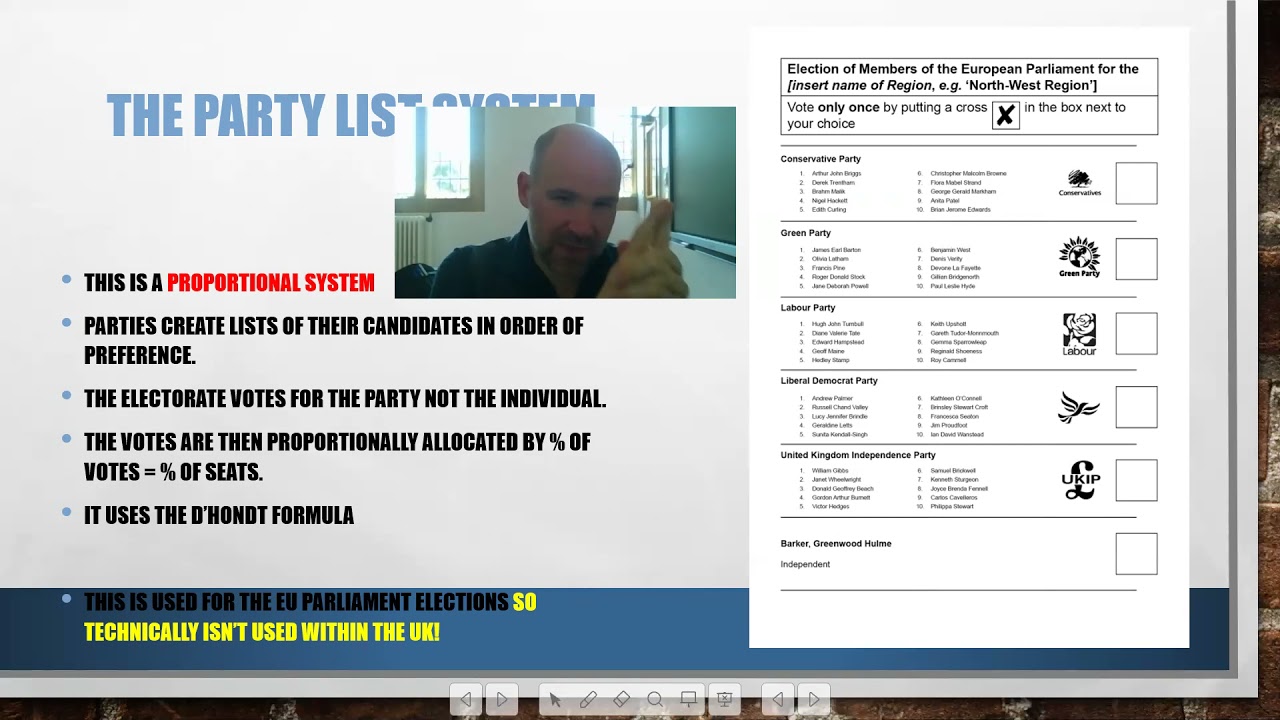





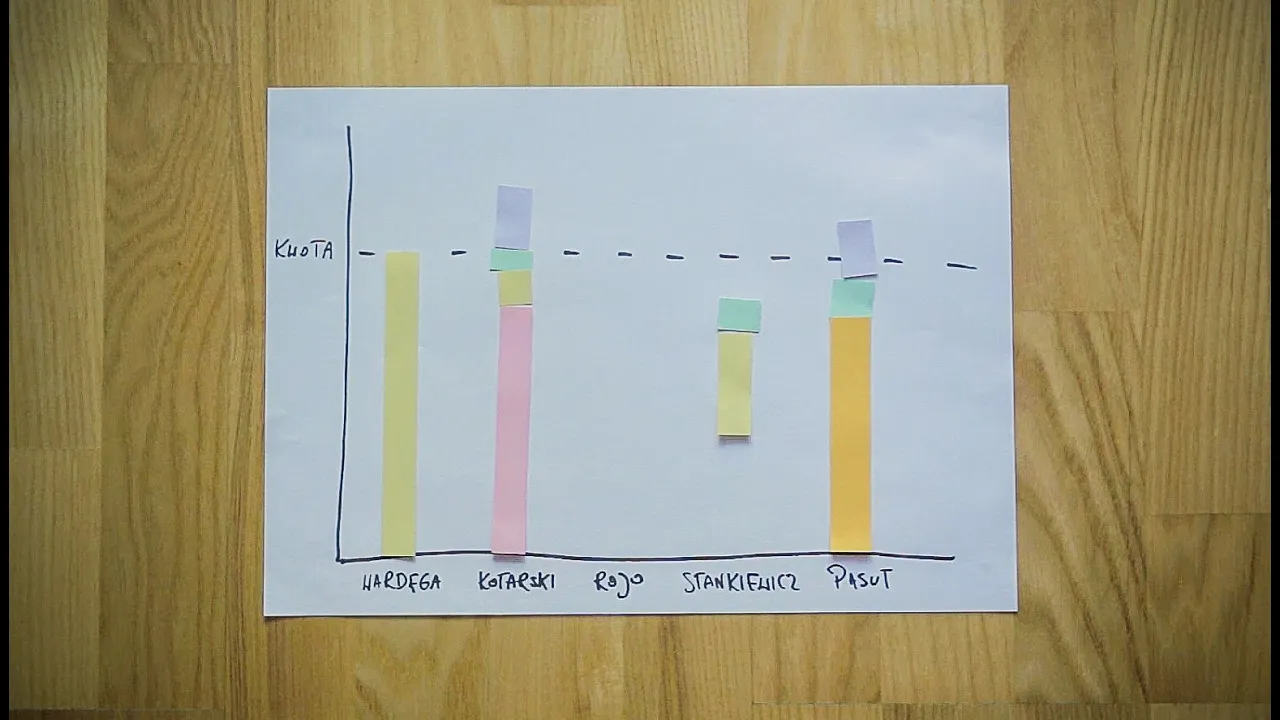



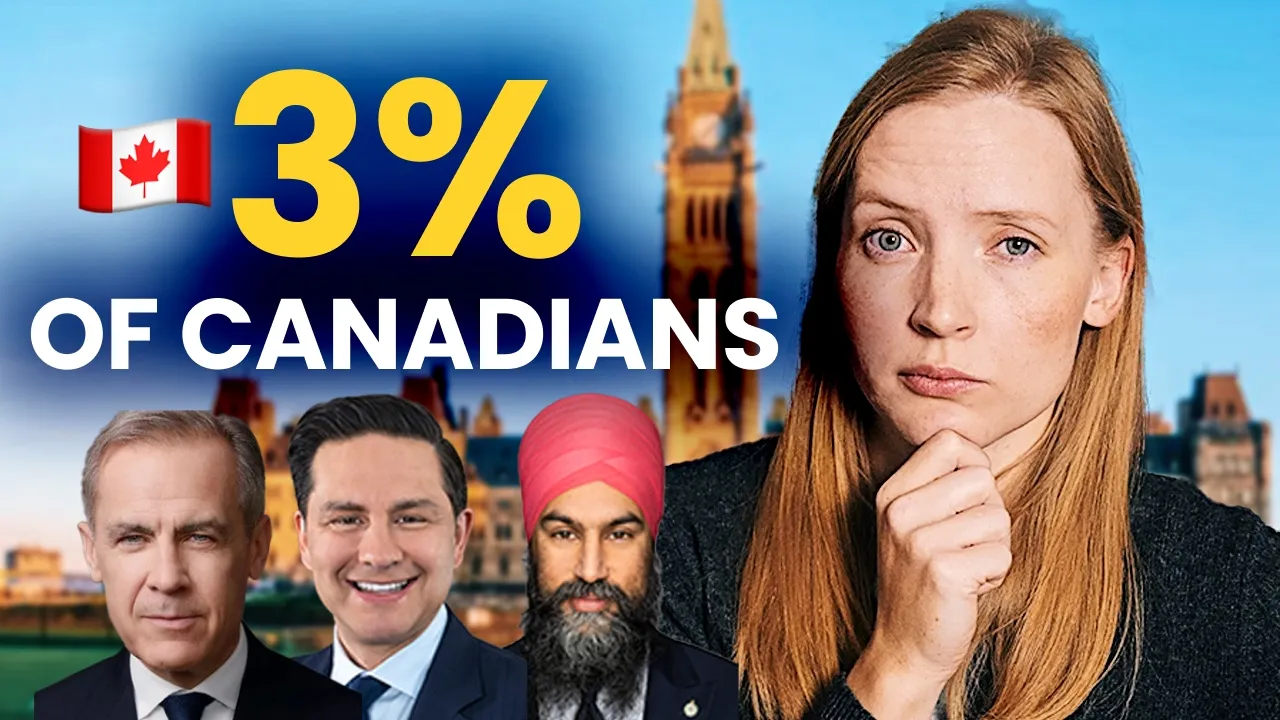
The Mixed Member Proportional (MMP) voting system combines single-member constituencies with proportional representation to ensure the number of seats a party wins matches its share of the popular vote; in this proposed Canadian model, voters cast two votes—one for a local MP and one for regional representation from 27 top-up regions—resulting in 207 local MPs and 131 regional MPs totaling 338 seats, with open lists allowing voters to choose specific candidates and eliminating strategic voting concerns.
Mixed Member Proportional Voting System Explained | Electoral Reform Canada
Added:The mechanics and criticisms of the First-Past-The-Post (FPTP) voting system currently used in Canada.
The core concept of proportional representation and how it differs from majoritarian electoral systems.
The structure of the Canadian Westminster parliamentary system, including ridings (constituencies) and the role of Members of Parliament (MPs).
The difference between majority, minority, and coalition governments in parliamentary democracies.
Comparative analysis of how MMP is implemented in practice in nations like Germany and New Zealand.
The technical mechanics of electoral lists (open vs. closed party lists) and mathematical formulas used to allocate compensatory seats.
Other prominent electoral reform models, such as Single Transferable Vote (STV) and Alternative Vote (AV/Ranked Choice).
The political consequences of MMP, including its impact on local representation, party discipline, and coalition dynamics.
31.2K views0likes6:08Original Release: 2015-05-11
hi I'm Dennis Pon associate professor of political science at York University over the past decade people interested in fixing our democracy have often asked just what would an alternative to our single member win or take all voting system actually look like right now I want to introduce you to one of those concrete Alternatives the mixed member proportional voting system some highly regarded democracies Germany New Zealand Scotland and many more elect their representatives with mixed member proportion or MMP for short MMP is a form of proportional representation the most common approach to voting in the world in fact 85% of oecd countries use some form of proportional representation to elect their governments so what is MMP what does it look like basically MMP combines our existing single member win or take all voting system with an element of proportional representation the end result of using an MMP voting system is that the number of MPS elected to Parliament will match the share of votes cast for the different parties if voters cast 39% of the votes for one party that party will gain 39% of the seats no more no less let's look a little more closely at how an MMP system could be designed to be used in Canada here's a proposed electoral map for a Canadian MMP voting system in this version voters would elect 207 local MPS and an additional 131 Regional MPS these Regional MPS would be elected from 27 topup regions the MMP system would not increase the size of our Parliament it would remain the same size at 338 MPS here's how the MMP system would work the 207 local MPS would be elected just as our MPS are elected now but at the same time that voters cast a vote for local representative they would also cast a vote for regional representation these Regional MPS would be used to top up the results to accurately reflect the popular vote for the different political parties the topup regions would have an average of 5 MPS depending on the size of your top up region in a province with 14 MPS or fewer the top up region would be the whole Province this MMP model uses open lists so that all the MPS face the voters by using an MMP voting system most voters will be represented by a party they support and they'll have the option of taking their issues to either their local MP or one of their Regional MPS using MMP will change the dynamic of political competition creating incentives for politicians to respond to what voters want let's explore the kind of results we might expect to see with an MMP system in Canada if we look at the region of eastern Ontario from Ottawa to Kingston and as far west as Belleville normally we would elect 16 MPS under an MMP system we would also elect 16 MPS but we would elect 10 local MPS and six Regional MPS the local MPS would be divided into five single member ridings in Ottawa and the rest of the single member ridings would be spread across the region here's what a ballot would look like under MMP for the riding of Ottawa South part of our eastern Ontario region your first vote helps to elect a local MP to represent your riding the same way you do today you could vote for a candidate based on local considerations and or party affiliation you could even support a local candidate who's not with the party you generally support your second vote helps to elect the regional MP candidate you prefer a vote for a candidate for regional MP counts as a vote for that candidate's party this vote acts to top up the local results so that every vote counts it's personal and proportional this simulation is based on results from the 2011 election now keep in mind that when you change the voting system you also change the incentives that affect the kinds of decisions that voters might make for instance we know that when every vote counts voters won't have to worry about splitting the vote or casting a strategic vote thus we should expect that support for different parties might change let's say Eastern onario voters elect from 10 local ridings six conservative MPS three liberal MPS and one new democrat MP to apply our MMP model we use the votes cast in the 2011 election to estimate the popular vote support for the different parties these estimates in a normal MMP election would come from the second votes that voters had marked on their ballots for regional representation in our MMP model example in addition to the 10 local members elected voters would have also elected these six MPS from their topup region two conservative Regional MPS one liberal Regional MP two new democrat Regional MPS and one green Regional MP by using MMP the results are a closer match to what voters actually said with their votes MMP also increases the choices that voters can make besides choosing a candidate in their local writing voters with MMP can choose which candidates amongst the regional MPS they prefer they can go down the regional list until they see their local candidate or support A party's star candidate or voters may prefer to support youth or female candidates the mixed member proportional or MMP voting system provides both local representation and accurate results in terms of the support that voters have given our different political parties the result is that all MPS have faced the voters and everyone is guaranteed representation equal to their party share of the votes mixed member proportional is one concrete way to create more accurate Democratic results in Canadian elections is it the right choice for Canada make sure to let Fair vote Canada know what you think to find out more about MMP click the link in this video or explore the fair vote Canada website thank you
Up Next

76:09
Populism's Political Sources: Incentives of Politicians | Yale Lecture
@YaleCourses
136.7K views•2019-12-06

24:30
BRICS Pay and de-dollarization: A New Financial Order Emerges? | 55 chars
@DannyHaiphongYT
164.6K views•2024-10-22
7:33
Government Surveillance Methods: 10 Ways You May Be Watched
@BeAmazed
1.6M views•2017-04-09
10:19
Explaining the Saudi-Iranian Proxy Conflict in the Middle East
@Vox
18.2M views•2017-07-17
Related Study Plans & Knowledge Roadmaps
Structured learning paths in Political Science
political-science
Economic Statecraft: Sanctions & Chokepoints
01Foundations of Geoeconomics and Economic Statecraft
02The Mechanics of Weaponized Interdependence
03International Sanctions: Types, Implementation, and Efficacy
+ 2 more learning modules
12h5 modules
Explore Roadmap
political-science
Central Bank Independence: Politics & Policy
01Foundations of Central Banking and Monetary Policy
02The Time Inconsistency Problem & Inflation Bias
03The Delegation Model and Designing Independence
+ 2 more learning modules
12h5 modules
Explore Roadmap
political-science
Consociationalism: Power-Sharing & Stability
01Democratic Dilemmas in Divided Societies
02Introduction to Consociational Democracy
03The Four Pillars of Consociational Design
+ 2 more learning modules
12h5 modules
Explore Roadmap
political-science
Rebel Governance: Legitimacy, Economy & State
01Foundations of Rebel Governance and Statehood
02Establishing Political Legitimacy and the Rebel Social Contract
03Wartime Economies and Rebel Resource Management
+ 2 more learning modules
14h5 modules
Explore Roadmap