









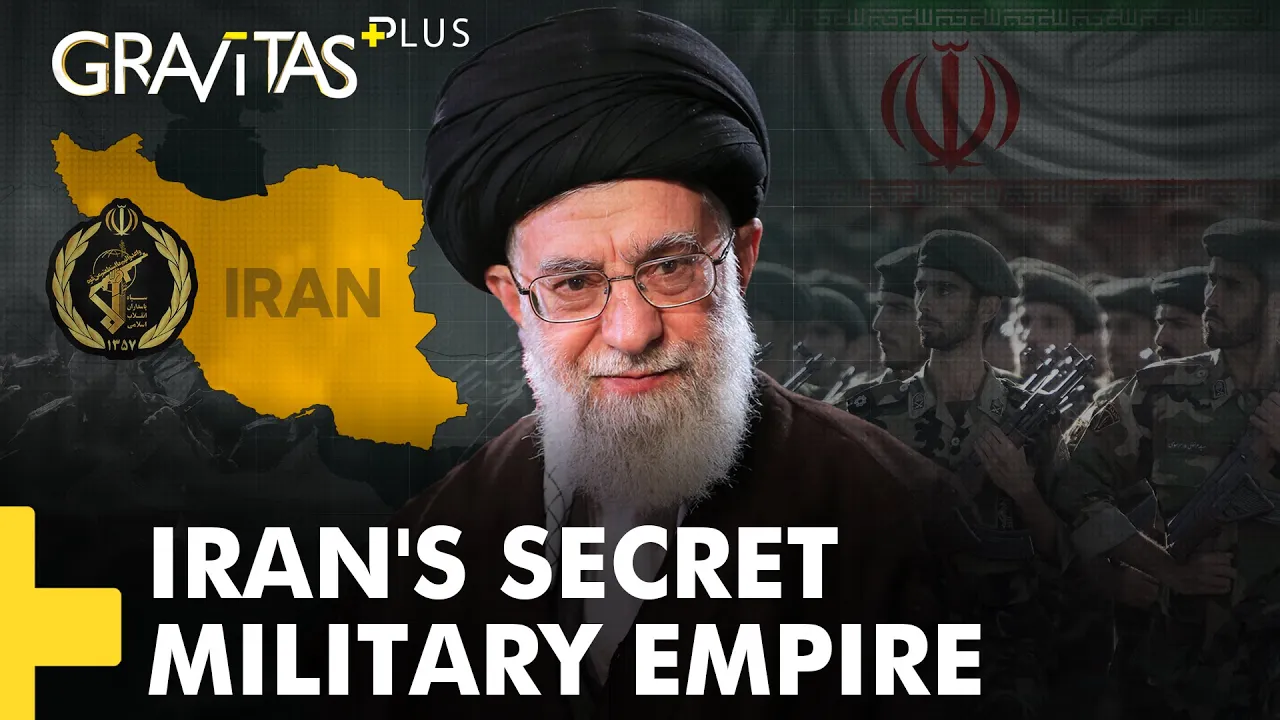








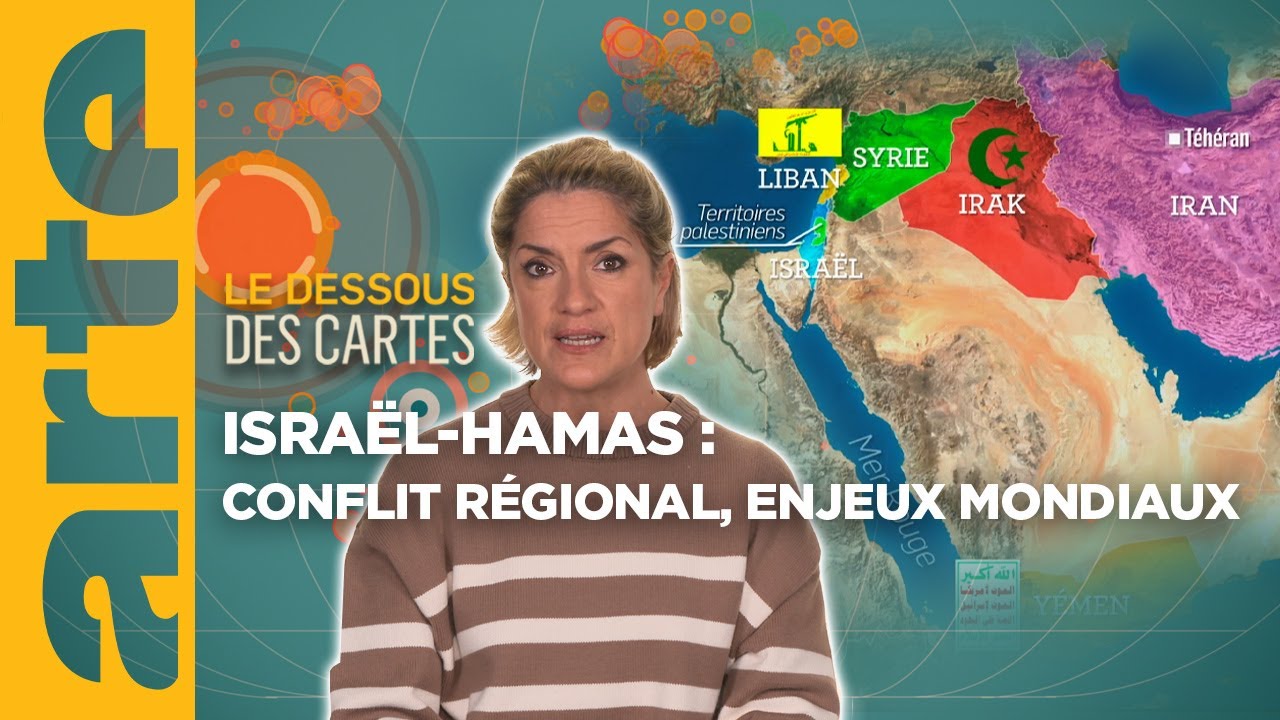

Iran has spent decades building a sophisticated proxy warfare network through the Islamic Revolutionary Guard Corps (IRGC) and its external operations branch, the Quds Force, which provides funding, training, weapons, and military advice to non-state armed groups across the Middle East including Hezbollah in Lebanon, Iraqi Shiite militias, the Houthi movement in Yemen, and Hamas in Palestine. This network allows Iran to project power without deploying its own troops on the front lines, creating distributed pressure across multiple fronts to make conflict costly for adversaries politically, economically, and militarily. However, this proxy system is not a unified force but rather a network of groups with overlapping interests, different levels of discipline, and varying degrees of autonomy, making it both a strategic asset and a potential liability that Iran cannot fully control.
Iran's Proxy Network and Axis of Resistance Explained
Added:Iran's proxy forces are not a side story. They're a core part of how Thyran projects power without always putting Iranian troops and flags on the front line. The myth is that proxies are a single on-off switch called the axis of resistance. The reality is they are a network of groups with overlapping interests, different levels of discipline and different limits. And that network has taken real damage recently. And in this war, proxies matter because they let Iran widen the map. US bases, shipping lanes, cyber targets, and regional politics can all get pulled into the fight without declaring a clean conventional campaign.
If you've ever tried to manage one group chat, imagine managing five armed group chats and half of them have Regency off.
I'm Mandatory Funday and this is your snapshot report. Here's what we know.
Proxy forces matter because they solve a strategic math problem. If you're Iran, you're not trying to fight the United States in a straight conventional contest on America's terms. You're trying to make conflict costly enough politically, economically, and militarily that stronger enemies have to think twice. That's what proxies are for. Distributed pressure. Proxies let Iran do a few things at once. Expand the battlefield without moving Iranian divisions across borders. Create ambiguity and delay escalation decisions by keeping attribution messier. Sustain pressure over time with partners who can operate locally. Turn local grievances into strategic leverage against Iran's rivals. They really they're just really annoying mostly. When people say proxy war, they often imagine a puppet on strings. Uh but that's not quite it. The better mental model is Iran builds relationships, pipelines, and influence.
And then it tries to steer outcomes.
Sometimes it gets high control.
Sometimes it gets partial control.
Sometimes it gets a group that says, "Thanks for the weapons." And then makes its own decisions. The question here is, are proxies still Iran's best way to project power? Or are they becoming a liability Iran can't fully control? But how does Iran specialize in creating proxy forces? Well, the proxy system is closely tied to the Islamic Revolutionary Guard Corps, the IRGC, and the Cuds Force, which CFR describes as the IRGC's external operations branch.
CFR says the IRGC began sponsoring non-state armed groups in the 1980s, and the Cuds Force developed ties with armed groups across Lebanon, Iraq, the Palestinian territories, Yemen, and elsewhere by providing training, weapons, money, and military advice. The how is consistent. They fund and arm a local actor. They train cadres and build skills. They supply technology and doctrine. And they help the group survive politically as well as militarily. The most durable Iranian proxies aren't just militias. They're hybrid organizations that can recruit, govern, intimidate, and build legitimacy through politics and social services.
But here's the key thing. Iran doesn't build every proxy to do the same job.
The network is specialized by theater.
One pressure point aimed at Israel, another aimed at US forces in Iraq and Syria, another aimed at shipping lanes and global commerce, plus connective tissue routes that keep people and equipment moving. That's why proxies are so attractive for Iran. It creates strategic depth. If one front gets weakened, another can still create pain.
The question here is, is Iran still running a coordinated network or is it now managing a patchwork of partners who are increasingly autonomous? There are some uh very glaring and obvious benefits and drawbacks to proxy warfare.
Some of the benefits in include deniability and political flexibility.
Iran can pressure enemies without always crossing a bright red line itself. They have a lower cost than conventional force projection. Proxies can impose expensive consequences with cheaper tools. They have geographic reach. A proxy in Iraq can hit US interests without Iran moving across borders. They have persistence. Proxies can sustain pressure even when Iran is under direct military stress. Some of the drawbacks are control is never perfect. Proxies have their own politics and survival instincts. There's blowback risk. A proxy action can trigger retaliation that Iran didn't intend. There's legitimacy and reputation costs. Iran takes diplomatic and economic hits tied to proxy behavior. And there's network degradation. If key proxies are weakened, the whole strategy loses leverage. Recent reporting has emphasized that Iran's network has been diminished by repeated blows, especially Hezbollah and Hamas, leaving fewer strong levers than before. Does proxy warfare still buy Iran leverage or does it now mostly buy Iran escalation risk?
Proxy force one is the Hezbollah in Lebanon. This is their flagship example.
It's been reported that Iran's arming of Shiite forces in Lebanon in the 1980s helped create Hezbollah during conflict with Israel. Over time, Hezbollah became a hybrid actor, political power, military organization, and regional uh tool of influence. Hezbollah specializes in large rocket arsenals and sustained rocket fire, drone launches, border warfare and infiltration tactics, intelligence and internal security control in areas. Now what we've seen Hezbollah do historically is used as crossber fire and escalation control and as a pressure tool shaping Israel's security environment and forcing resource diversion. It is also fought in Syria to support Allied objectives demonstrating expeditionary experience.
The big update is that Hezbollah appears weaker and more constrained than you know they have in the past. Reporting in early March describes Iran and Hezbollah as having been weakened by a series of blows leading into this war. That doesn't make Hezbollah harmless. It still has capability, but it changes how confidently it can widen the conflict.
Now, what would they target? It probably target Israeli military sites and border communities, northern Israeli infrastructure targets. I if escalation rises, surveillance and air defense pressure zones near the border. That would be some of their main targets. If Hezbollah acts, it likely does so in a way that tries to balance support Iran with don't trigger total destruction at home. The network is under stress, and the more constrained Hezbollah feels, the more it may prefer calibrated pressure rather than full-scale expansion. Does Hezbollah still function as Iran's strongest forward pressure tool, or has it become too damaged to carry that role the way it once did?
Proxy force number two is Iraqi Shiite militias. If Hezbollah is the headline proxy, Iraqi militias are the most direct pressure tool against US forces.
Recent reporting is especially important for them. It says Iran spent decades fostering Iraqi proxies, but now many leaders are not eager to join the war in a full way, partly because they have political positions and assets to lose inside Iraq. They specialize in short-range rockets, in one-way attack drones, in harassment and intimidation campaigns, and in pressure on US bases and diplomatic sites, as well as influence inside Iraq's political security system. Their political influence inside Iraq changes their risk tolerance. We've seen them do a few a few things. This ecosystem has a track record of launching attacks on US positions in Iraq and Syria as well as mass mobilization and political intimidation during periods of high tension. But what is their current status? Many militia leaders now have more to lose. And that can mean slower mobilization, selective participation or hesitation, even if Iran wants more action. Their likely targets would be US bases, logistics nodes, and personnel in Iraq and Syria. US- linked diplomatic facilities, local adversaries inside Iraq, including Kurdish linked infrastructure. Depending on the faction, and the most likely path is intermittent, deniable pressure rather than a single unified go-time order.
Some factions will act, others will hedge. That fits reporting that many aren't eager to jump into a war that could invite heavy retaliation on Iraqi soil. Are Iraqi militias still Iran's fastest lever, or are they now constrained by their own political entanglement? The video is not yet over, but I want to tell you about the mandatoryfundday.com. That's where you can get all my merchandise. See my veteranowned business partners. And check out my membersonly section. All of my apparel, every shirt and hat you see me wear in the video is fulfilled by RangerUp, which is a veteran founded and veteran operated business. They've been in the community for a long time, and they make some good stuff. Today, the veteranowned business partner I want to tell you about is Transcend. They help you get your health, fitness, and wellness in order. I've been working with them for a couple months now, and I genuinely have never felt better. no joint pain, which is saying a lot considering I've done almost a decade and a half active duty in the army.
>> Get your fat ass over there, Prime Pile.
>> And finally, the membersonly section.
There is an exclusive store only for members. You get 20% off everything and you get access to exclusive content that nobody else sees. Let's get back to the video. Proxy force number three is the Houthies in Yemen. The Houthies are runs proxy story that hits global commerce.
They're valuable because they can impose cost on shipping lanes and create effects far outside Yemen. And in this current war environment, the maritime lane is one of the most sensitive because it drags in insurers, ports, navies, and global supply chains. They specialize in drone and missile attacks, maritime harassment and disruption, and pressure against commercial shipping and naval traffic, as well as long range signal attacks that create economic ripple effects. What we've seen them do mo mostly Houthy operations over the last couple years have demonstrated how a regional group can force global shipping reroutes, raise insurance, and create international naval responses.
They remain one of the more resilient and disruptive members of Iran's network. And Euro Poles's recent warning explicitly flagged Iran linked networks and the axis of resistance as sources of destabilizing operations and cyber risks. And this is a reminder that Europe expects spillover from these aligned actors. They would more than likely target commercial vessels and key shipping lanes, port linked infrastructure, naval traffic where they can create maximum and international friction. And based on reporting, if Iran wants global leverage without relying only on direct Iranian strikes, Houthi style disruption is the cleanest path. It raises costs for everyone and creates diplomatic pressure on a wider set of governments. Are the Houthies Iran's most useful proxy right now because they are militarily strong or because they can create the biggest economic ripple for the lowest cost?
Proxy force number four is Hamas and Palestinian militant ties. Iran has supported Palestinian militant groups as part of its confrontation with Israel.
Even though the relationships are not identical to Hezbollah's and the politics are complicated, Hamas specializes in rocket fire, in irregular warfare and urban fighting, in symbolic high impact operations designed to shift politics. Hamas capabilities have been central to conflict dynamics in Gaza and Israel's internal security posture for years. And this is where the weakened network story becomes important.
Reporting in early March emphasized that Iran and its proxy networks, including Hamas, have been weakened by a series of blows leading up to this war. Much of the reporting we're seeing frames the network as diminished. They would likely target Israeli population centers through rocket fire where possible.
Israeli security bandwidth by forcing internal focus. And based on reporting, Hamas is less likely to be the primary tool for Iran in the current phase compared to the Houthis or Iraqi militias simply because its capacity is reduced and its freedom of action is constrained. It remains relevant historically and symbolically, but its practical ability to shape the war right now appears limited. Is Hamas a current operational lover for Iran or mostly a legacy pillar of Iran's proxy strategy that's been badly degraded? Finally, proxy force number five is Syria networks and the corridor problem. Syria is less a single proxy and more a logistics corridor and operating environment. Iran's influence in Syria and the presence of aligned forces and networks there historically provided strategic depth and connective tissue between Iran and Hezblah. When Syrian corridors are pressured, the whole network gets less efficient. These guys specialize in transit and sustainment, staging and support and enabling operations by their partners. What we've seen over the last decade is Syria functioned as key terrain for Iran's regional posture, enabling weapons movement and broader influence operations. Recent reporting emphasizes that Iran's network is weaker and under heavy stress, and corridor disruption is a major part of that. They would likely target US positions in Syria, Israeli targets indirectly, and regional logistics routes. If the war expands, Syria's role is likely to be more about enabling and sustaining pressure rather than being the main headline proxy. But that enabling function is exactly what makes it strategically important. How much of Iran's proxy strength comes from the fighters and how much comes from the corridors that keep them supplied and coordinated. We can make some assessments about what happens next based on current reporting. And so here's my forecast. Uh Iraqi militias are likely going to split between action and restraint. It's being reported explicitly that many leaders are not eager to join a full war, which means you should expect uneven participation in political hedging. We can expect the Houthis remain the most disruptive economic lever. If Iran wants to widen global pressure, maritime disruption is the fastest route to global consequences. We can expect Hezbollah remains dangerous but constrained. It can escalate, but it's operating under reduced capability and higher domestic and regional political constraints than before. And we can also expect cyber activity will likely grow because it's scalable and deniable. Europole and multiple security reporting sources are already warning about elevated cyber risks and exploitation of the conflict environment. Does Iran try to win by expanding the battlefield or by surviving and grinding until the coalition's political appetite weakens?
So, here's the bottom line. Iran's proxy forces matter because they are Tran's most proven tool for expanding conflict without fighting conventionally on every front. Ron built this system through the RGC and the Cuds force over decades, funding, training, arming, and embedding groups into local politics so they could pressure enemies across the region. But the proxy network is not what it once was. Real world reporting says it's weaker, more fragmented, and more constrained, especially compared to the old myth that Iran can coordinate perfect multiffront war on command. That doesn't make it safe. It makes it unpredictable. And in war, unpredictability is its own weapon. If you found this useful, do me a favor, send this video to a friend and then watch another video after this. Those two things really help push the content further for me. And if you want my weekly global breakdowns tying this to everything else moving right now, go watch Worldwide Wednesday. I am mandatory funday and this was your snapshot
Up Next

Future of Proxy Warfare: Law, Tech, and Strategy
@modernwarinstitute2736
1.2K views•2021-05-05

BRICS Pay and de-dollarization: A New Financial Order Emerges? | 55 chars
@DannyHaiphongYT
164.6K views•2024-10-22
Government Surveillance Methods: 10 Ways You May Be Watched
@BeAmazed
1.6M views•2017-04-09
Explaining the Saudi-Iranian Proxy Conflict in the Middle East
@Vox
18.2M views•2017-07-17
Related Study Plans & Knowledge Roadmaps
Structured learning paths in Political Science