

















The Interstate Highway System, created through the 1956 Federal Highway Act, was primarily designed by auto industry interests without urban planners, leading to highways slicing through major American cities like New York, DC, San Francisco, and Philadelphia; this resulted in the demolition of vibrant neighborhoods, particularly those inhabited by African American residents who were labeled as 'blight,' while wealthier residents fled to suburbs using highways to commute, ultimately draining city tax bases and accelerating urban decline.
How the Interstate Highway System Devastated US Cities
Added:The Federal Aid Highway Act of 1956: The legislative and financial framework that authorized and funded the construction of the Interstate Highway System.
Systemic Housing Discrimination and Redlining: The historical practice of denying financial services, home loans, or insurance to residents of certain areas based on race, which pre-selected which neighborhoods would be deemed 'blighted' and clearable.
The Post-WWII Economic Boom and Early Suburbanization: The socioeconomic shifts, including the GI Bill and the mass production of automobiles, that catalyzed the migration of middle-class families out of dense urban centers.
The Environmental Justice Movement: Analyzing how highway placement disproportionately exposed low-income and minority neighborhoods to long-term air pollution, noise, and elevated health risks.
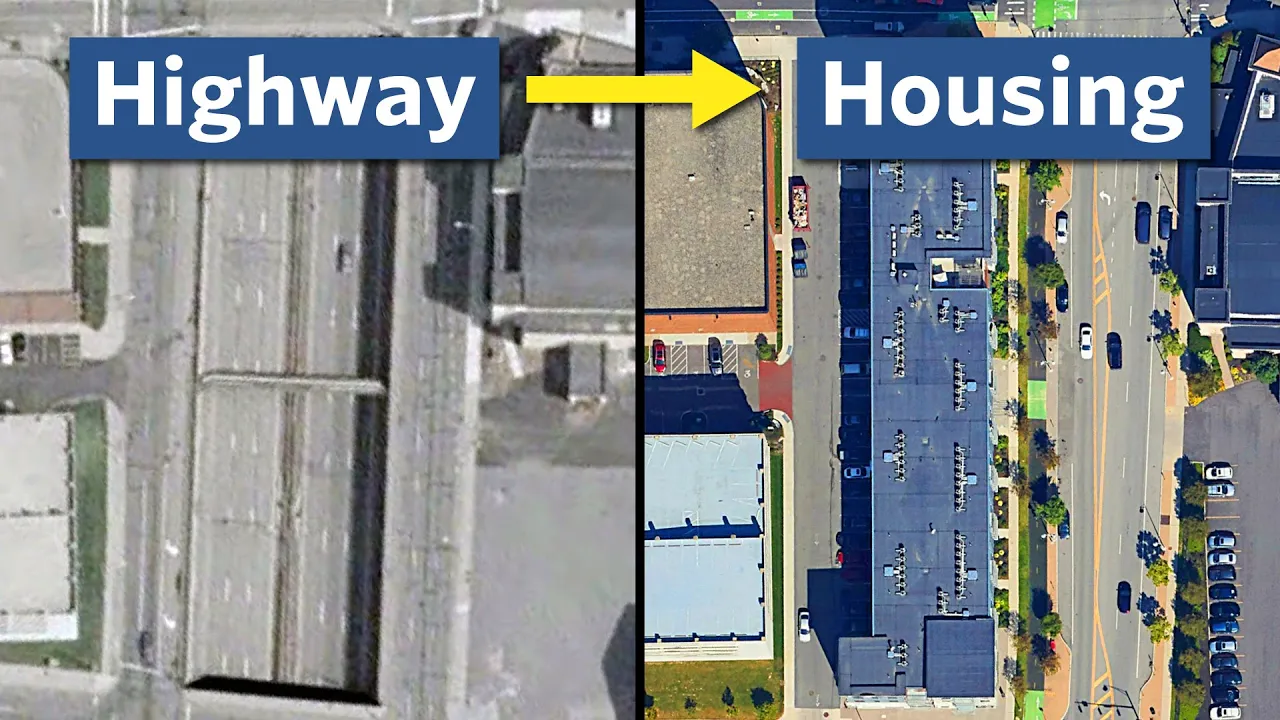
Highway Demolition and Urban Reclamation: Studying modern urban planning initiatives aimed at removing, capping, or burying urban freeways to reconnect historically fractured neighborhoods.
Transit-Oriented Development (TOD) and Smart Growth: Exploring sustainable urban design frameworks that prioritize walkability, mixed-use zoning, and robust public transit over automobile dependency.
Gentrification and Contemporary Displacement: Investigating how reinvestment and revitalization in historically neglected urban cores can trigger a secondary wave of displacement for low-income residents.
3.8M views54Klikes4:38Original Release: 2016-05-11
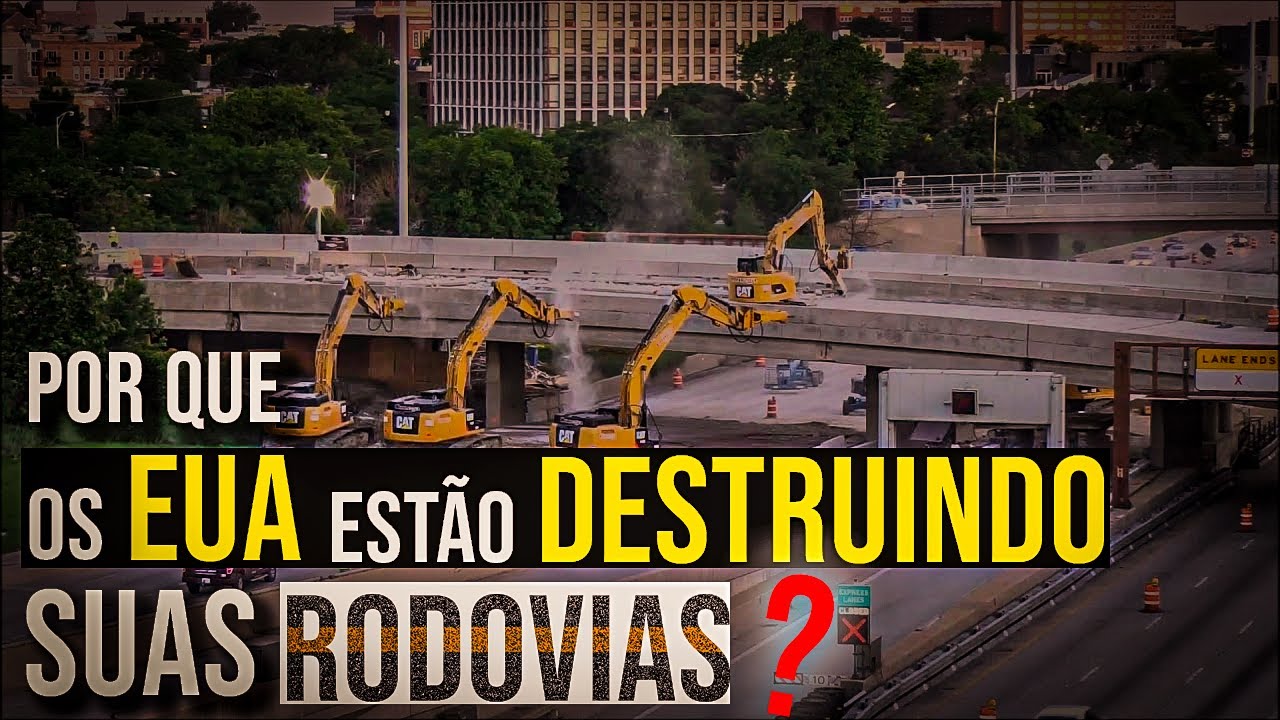
It’s hard to picture American cities without the highways running through their core, but highway removal projects, like this one in Boston, can give us a sense of how disruptive it was when the US built huge highways through the cities after World War 2.
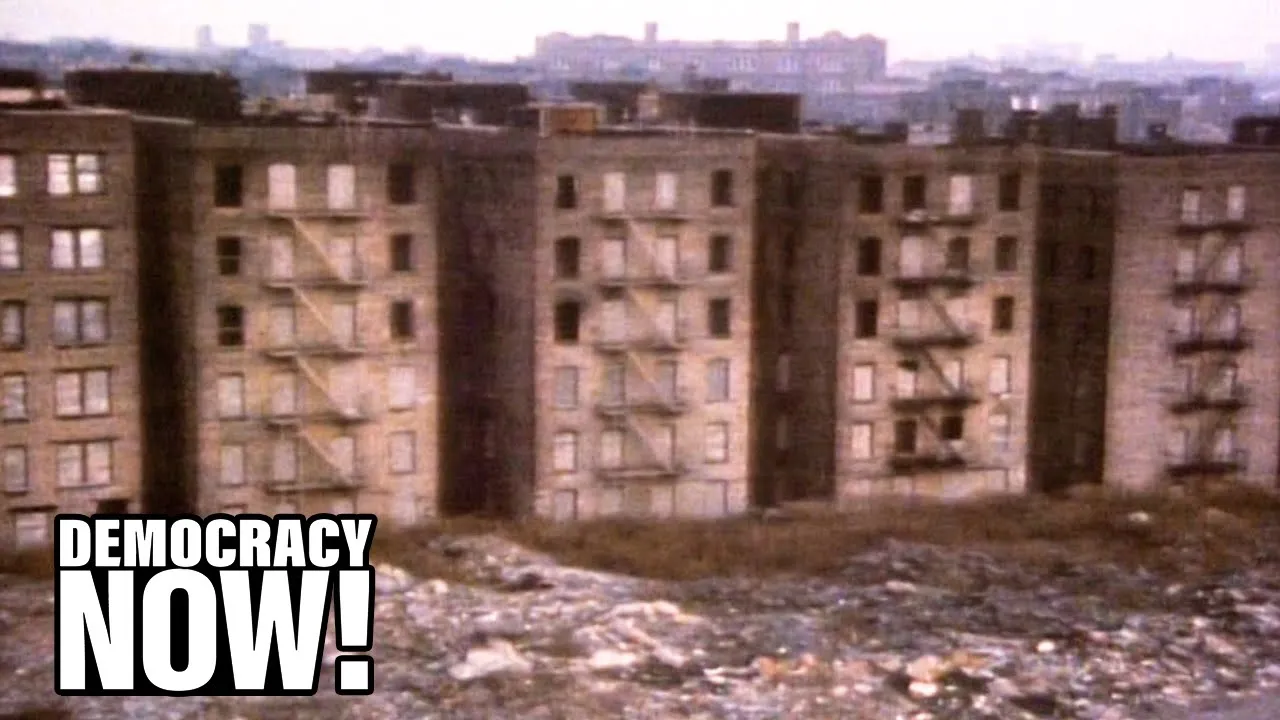
“These new highways will have a far reaching economic impact on the entire nation!” That was definitely true. Highways revolutionized the ways we transport goods. But inside cities, they demolished and isolated entire neighborhoods,...they gave wealthy taxpayers a way out of the city and gave air pollution and traffic noise a way in.
And they redesigned urban life around the car: Now 85 percent of Americans drive to work every day.
So why did American cities agree to build highways that were bad for cities??
It’s a really interesting question, and part of it goes back to the 1930s, when a group of auto interests such as General Motors and AAA formed something called the National Highway Users Conference. They began lobbying for taxes that would help fund highway construction. General Motors started to design what a new highway system could look like. And they displayed that vision at the 1939 World’s Fair with “Futurama”, an exhibit featuring expressways that not only connected cities, but ran right through them. It was a design that allowed for more cars and less congestion.
By 1955, the Department of Commerce echoed GM’s vision with something called the “Yellow Book.” It laid out all the routes that interstates would take throughout the country under Eisenhower’s Federal Highway Act of 1956, which funded the national highway system.
A lot of it is logical, its connecting most of the US’ major cities, but the really interesting thing is that you also have highways slicing right through the downtowns of many of these cities. Pretty much every major city in the country — New York, DC, San Francisco, Philadelphia — you have major highways cutting through neighborhoods, requiring the demolition of lots of housing and other sorts of buildings. That’s largely because some of the key contributors to the plan were auto industry members — but no urban planners. And that’s because the profession barely even existed at the time. Nowadays there’s a value placed on preserving neighborhoods, keeping cities intact, and that concept really just didn’t exist in the 40s and 50s... So when people were talking about connecting the country with highways it seemed natural to drive them through the centers of cities as well.
Local municipalities were particularly eager to build highways under this plan because 90 percent of funding came from the federal government and the other 10 percent from states.
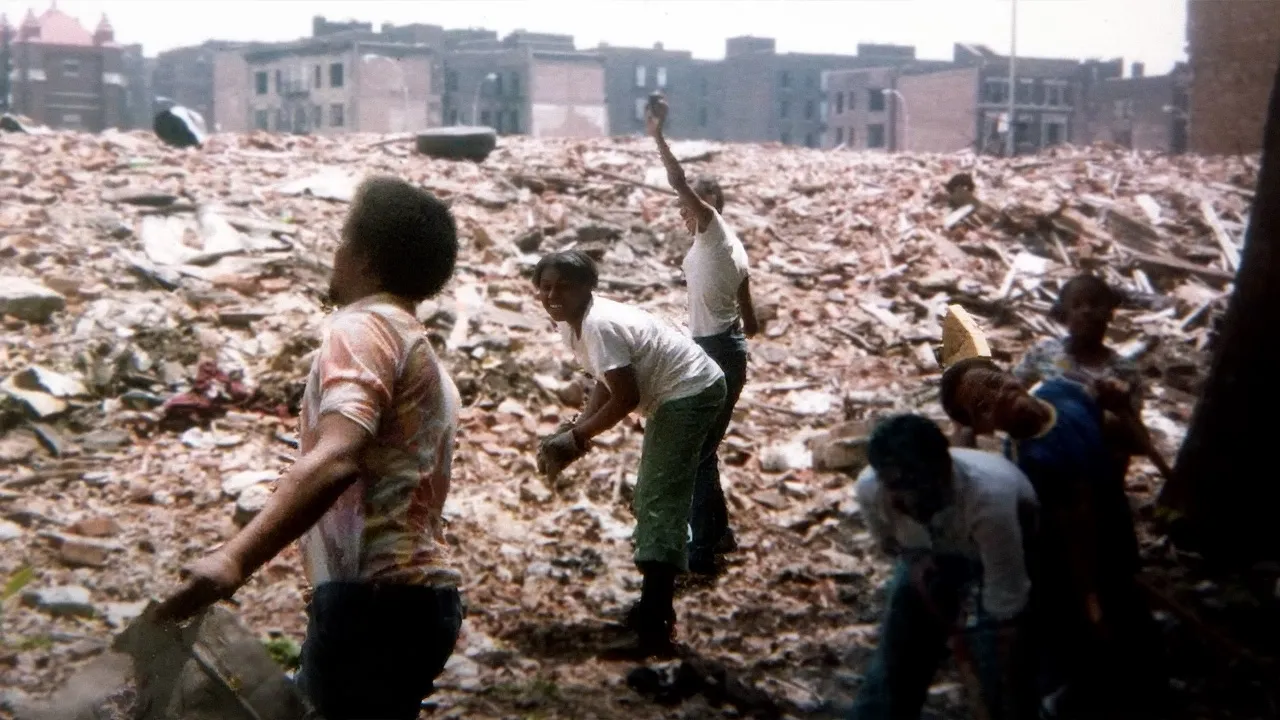
There’s also a darker side to the reason why all these planners wanted to build highways through downtowns and urban neighborhoods. Highways not only paved the way for more and more white people to move into homogenous suburbs, they also provided cover for targeted demolitions inside the city. During that era, federal policies and implicit priorities in planners dictated that if you had vibrant dense downtown neighborhoods filled mostly with African American residents, instead of being preserved under the plan, they were slated as targets for removal. They were considered “blight,” and an easy way of getting rid of that blight was by demolishing them and paving a highway through it.
"Neighborhoods and streetcars were pushed aside to make way for the automobile."
Look at the neighborhoods of Black Bottom and Paradise Valley in Detroit.
When you go back to the 30s and 40s, these are thriving, dense neighborhoods filled with hundreds of thousands of residents, of businesses, and if you go back today, they’re mostly just empty grass plots. This wasn’t just a historical accident, it became a pattern in cities across the country. Poor and minority residents were displaced to make way for highways, and white residents used those highways to commute into the city for jobs and commute back home at night. The only exception to this pattern is in places where highways were slated to go through wealthy neighborhoods.
There were actually proposals to put a highway through northwest DC. And through Greenwich Village in Manhattan. But you can guess what happened there.
Anywhere where residents had the means to organize and protest, they were often able to stop the highways from being built, whereas in places where residents didn’t have the political capital, and other sorts of privileges that allow you to do that, their neighborhoods ended up being demolished, and they’re now highways today.
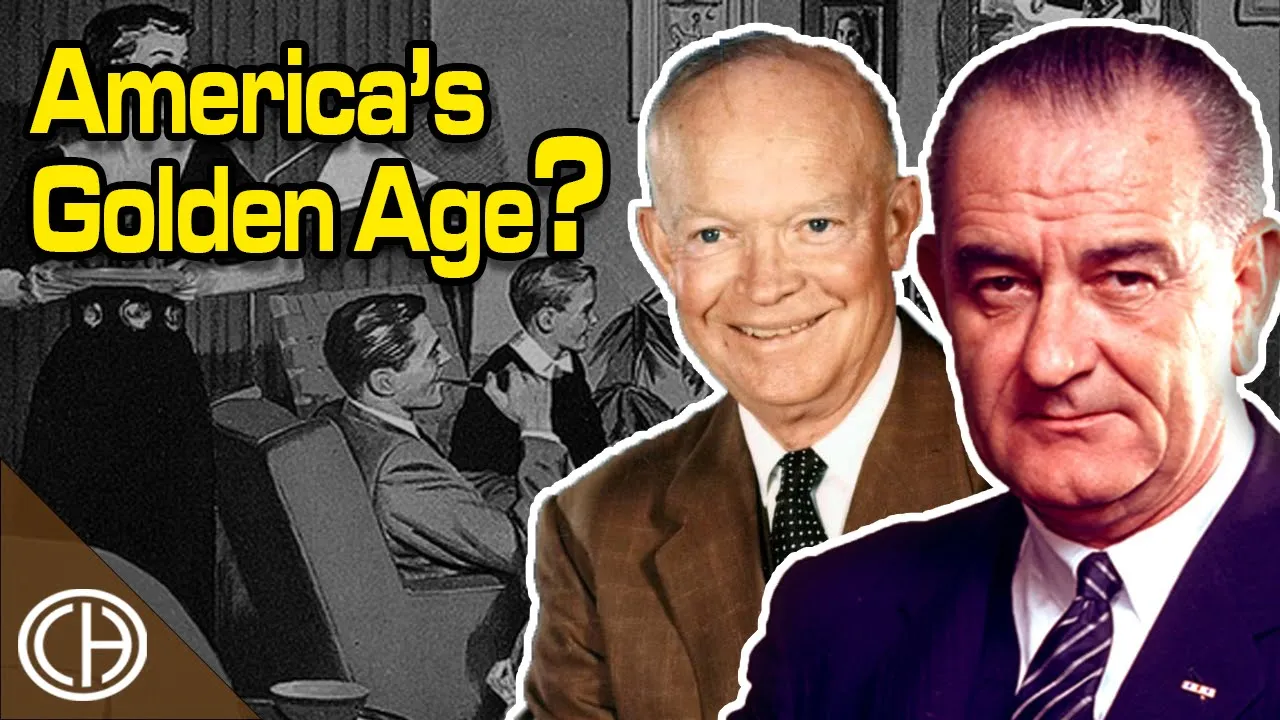
Even before he signed the Federal Highway Act of 1956 Eisenhower was already a really big fan of highways in general.
Part of that has to do with his time in Germany during World War 2, where he realized how important it is to have a good system of highways to transport goods and people very efficiently. But it also has to do with this military road trip that he took in 1919, where he went all the way from Washington, DC to San Francisco, California.
And that road trip took 62 days at the time. Today, it takes about 42 hours.
And part of that had to do with the state of cars at the time, but it also had to do with the state of roads at the time.
After seeing that, he realized that 62 days was way too long to wait in any situation where they might need to defend the country.
And that's where he became such a big fan of highways.
Up Next
40:41
Eurozone Crisis Explained: Philippe Legrain on Austerity, Greece & the Troika
@HaraldSchumannOnTheTrail
6.8K views•2015-04-04

24:30
BRICS Pay and de-dollarization: A New Financial Order Emerges? | 55 chars
@DannyHaiphongYT
164.6K views•2024-10-22
10:19
Explaining the Saudi-Iranian Proxy Conflict in the Middle East
@Vox
18.2M views•2017-07-17
6:47
Single Transferable Vote Explained: Fair Multi-Winner Elections
@CGPGrey
7.2M views•2014-10-22
Related Study Plans & Knowledge Roadmaps
Structured learning paths in Political Science
political-science
Economic Statecraft: Sanctions & Chokepoints
01Foundations of Geoeconomics and Economic Statecraft
02The Mechanics of Weaponized Interdependence
03International Sanctions: Types, Implementation, and Efficacy
+ 2 more learning modules
12h5 modules
Explore Roadmap
political-science
Central Bank Independence: Politics & Policy
01Foundations of Central Banking and Monetary Policy
02The Time Inconsistency Problem & Inflation Bias
03The Delegation Model and Designing Independence
+ 2 more learning modules
12h5 modules
Explore Roadmap
political-science
Consociationalism: Power-Sharing & Stability
01Democratic Dilemmas in Divided Societies
02Introduction to Consociational Democracy
03The Four Pillars of Consociational Design
+ 2 more learning modules
12h5 modules
Explore Roadmap
political-science
Rebel Governance: Legitimacy, Economy & State
01Foundations of Rebel Governance and Statehood
02Establishing Political Legitimacy and the Rebel Social Contract
03Wartime Economies and Rebel Resource Management
+ 2 more learning modules
14h5 modules
Explore Roadmap