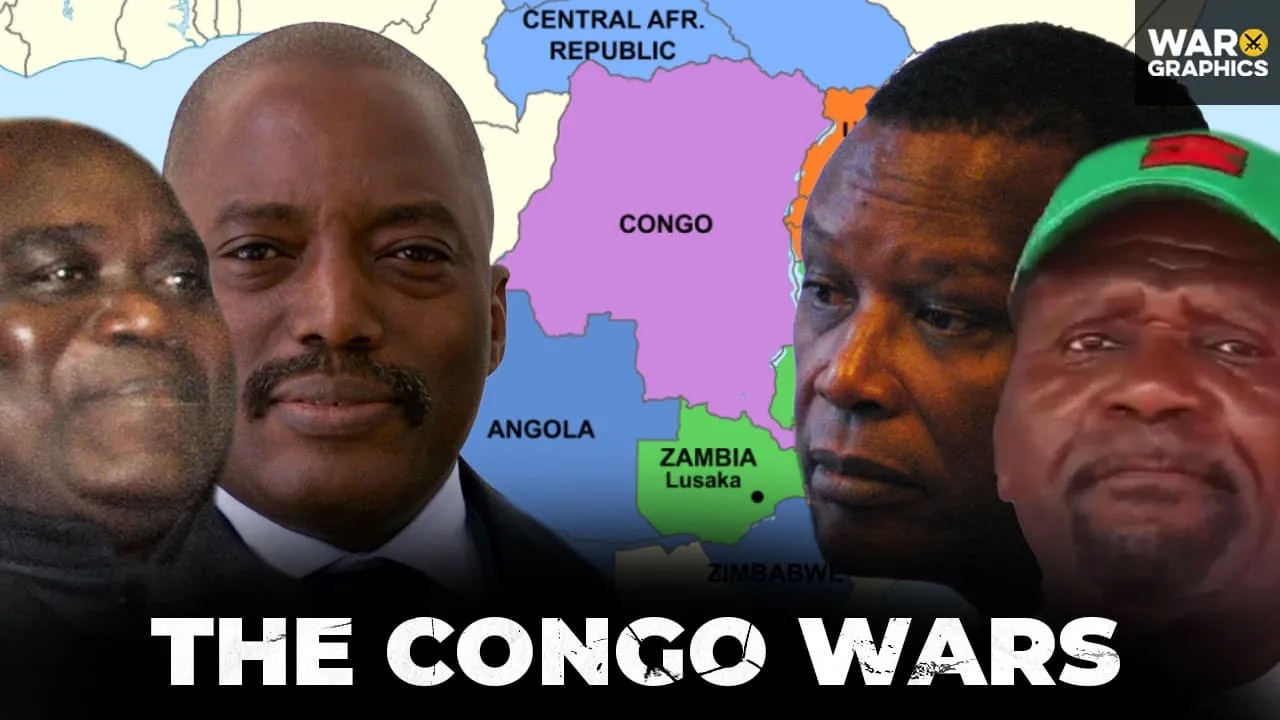


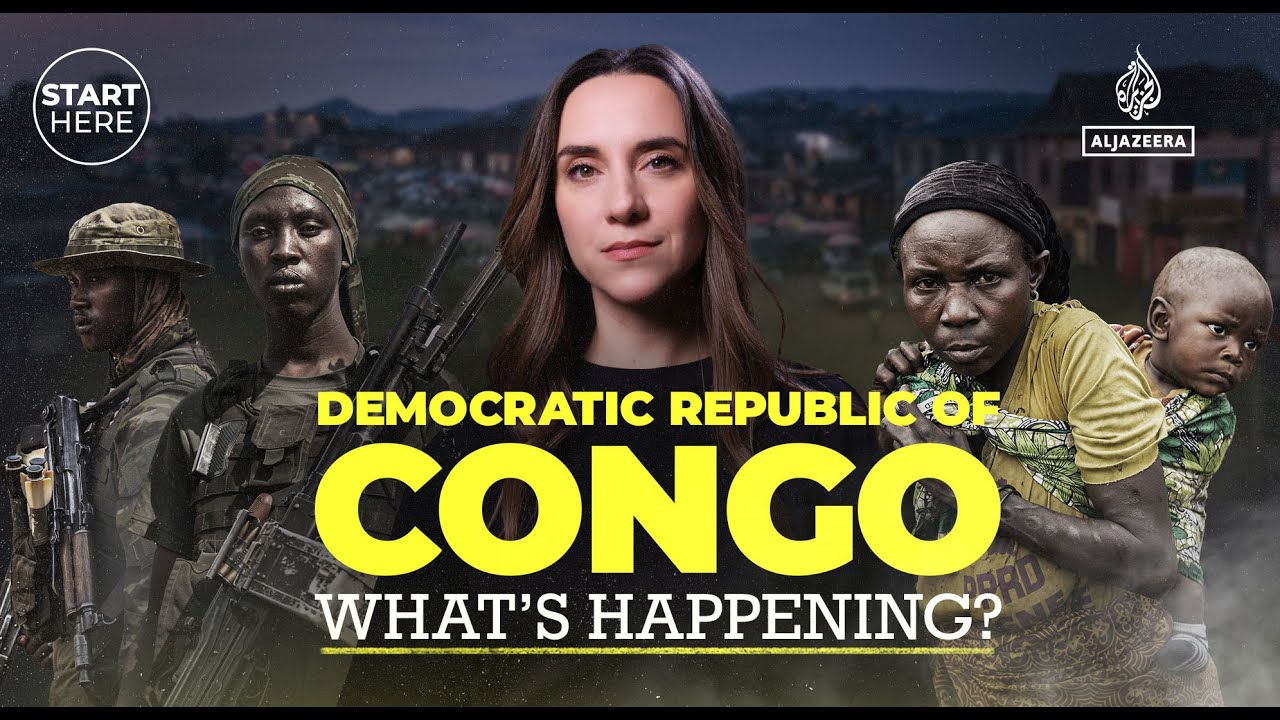




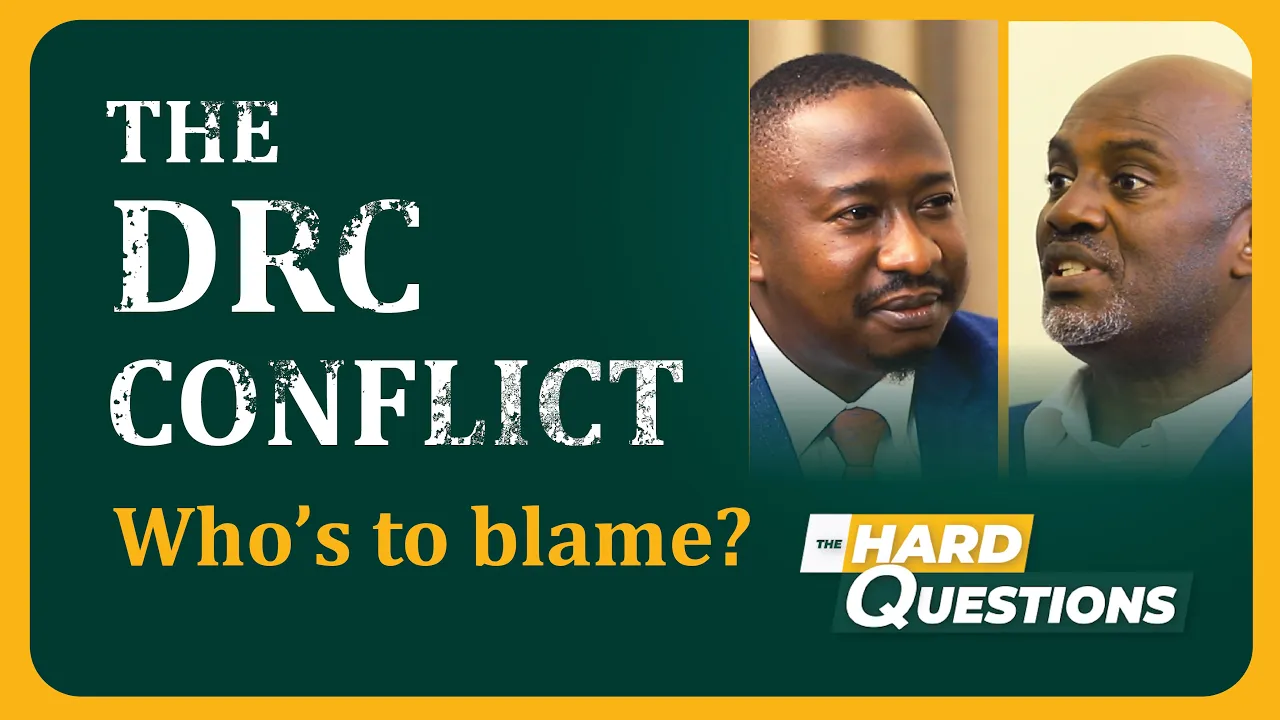



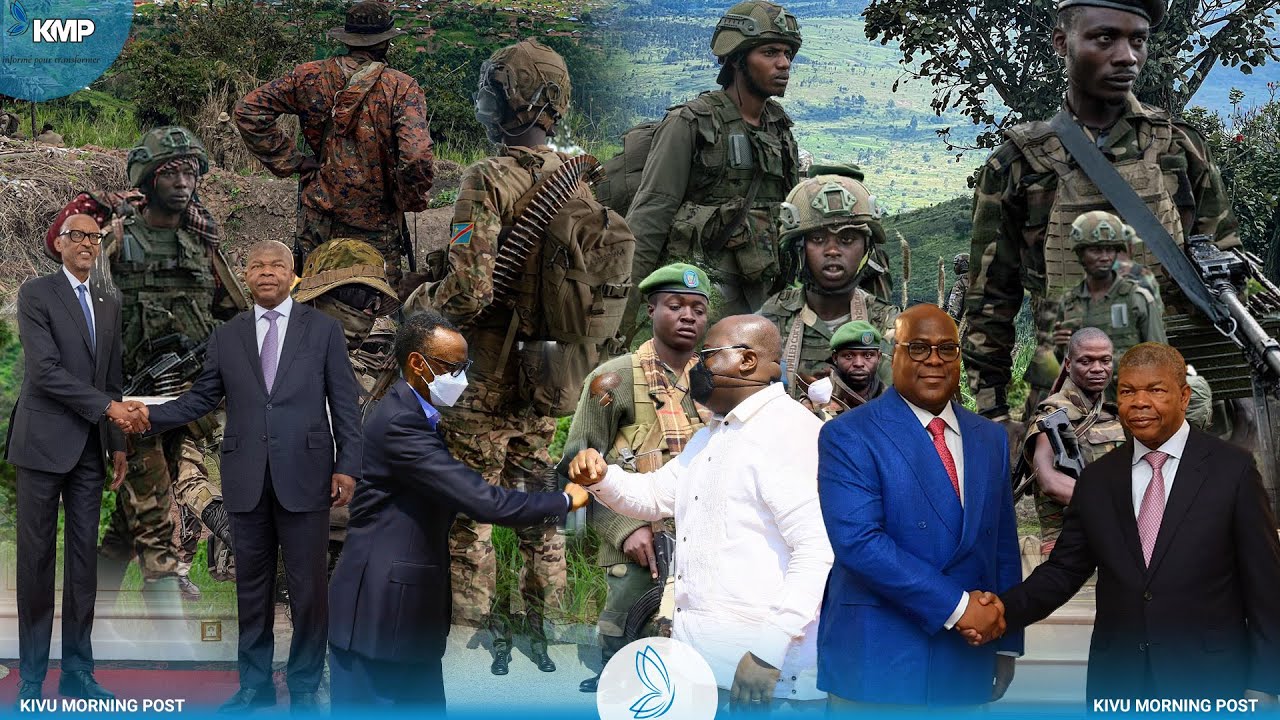








The M23 rebel militia, operating in eastern Democratic Republic of Congo since 2012, has established control over approximately 10 million people across North and South Kivu regions, including the strategic city of Goma. Despite Donald Trump's claim that he ended the war through a peace agreement with Rwanda in June 2018, the conflict continues with civilians bearing the brunt of violence. The rebels govern territory by collecting taxes, building roads, and providing security, yet face accusations of human rights abuses including mass killings and executions. The conflict's roots trace back to colonial-era ethnic divisions, with M23 led by Tutsis seeking protection from persecution. International organizations like MSF continue operating hospitals treating trauma victims, while the UN peacekeeping mission MONUSCO—the longest and most expensive in history—struggles to fulfill its mandate amid ongoing violence. Without a genuine political solution, the cycle of violence persists, threatening to escalate toward Kinshasa.
Understanding M23's Rule in Eastern DR Congo: A Complex Conflict
Added:In eastern Congo, M23 rebels have become rulers.
>> Millions of people now live under their control.
It's a war Donald Trump claims to have ended.
>> The Congo. We did. We settled the [music] Congo with Rwanda. That was a machete war. That was a gruesome war.
Many people, close to 10 million people killed. We got that.
But M23 say their fight is far from over and civilians continue to pay the price.
We've been granted access to the vast territory M23 now controls.
GMA, home to over a million people. It sits right on the border with Rwanda.
Eight months ago, we were here just after M23 captured the city. [cheering] Following a fierce battle with the Congalles government forces, GMA became the seat of power for the rebels and their political allies, the Congo River Alliance.
At that time, hundreds of thousands of people had been sheltering here in some of Africa's largest refugee camps.
Now, those camps have gone and a new normal is taking shape.
Aside from enforcing security, the new rulers collect taxes, build roads, and lead cleanup campaigns.
We meet GMA's new mayor, flanked by M23 soldiers. He's part of a military appointed administration determined to project a cleaner image to the world.
life in GMA might be cleaner and safer than it was just months ago, but the Congalles government has frozen the banks, meaning cash is scarce.
The city's airport, scene of the deadliest fighting, stands silent.
>> Oscar Belinda, an M23 spokesman, takes us on a tour.
>> As you can see here, we have the Sukoy, the fighter jet. Before it belongs to the government, >> but now this belongs to you.
>> Yes. Besides this, >> M23 wasn't just battling government forces here, but also UN peacekeepers.
The UN's mission in Congo, known as Monusco, is the longest and most expensive peacekeeping operation in history. Its mandate was, and on paper it still is, to prevent armed groups like M23 from taking over. Viewed with deep suspicion by the rebels, they must now operate on M23's terms. Why is the airport not in operation now? There are some mines.
The UN promised, the Monus promised to remove them.
Even now they haven't started remove them. But also we need the equipment for the tower.
>> Yeah.
>> After that, can you open the airport and run it or the government in Kishasa won't allow you to do it?
>> No, we can do it.
>> You can do it.
>> Yes.
>> M23's rule stretches far beyond the city. They now govern more than 10 million people in the Ku regions of eastern Congo. As we travel through their territory, some signs of improvement are visible. We drove on this very same road in February this year and the condition was horrendous.
It took us about 9 hours to travel about 60 kilometers.
But now it takes about 2 hours.
Oscar Belinda, this time in civilian clothes, gets the crowd singing.
>> In the battle for hearts and minds, the rebels are keen to project themselves as champions of the people.
[cheering] [applause] But in the eyes of the Congalles government, these fighters are simply puppets of neighboring Rwanda here to plunder the region's minerals.
The conflict's roots run deep when colonial era borders divided ethnic communities.
M23 are led by tootssis, the same ethnic group targeted in the 1994 Rwanda genocide. They claim they are protecting congalles tootssis from similar persecution.
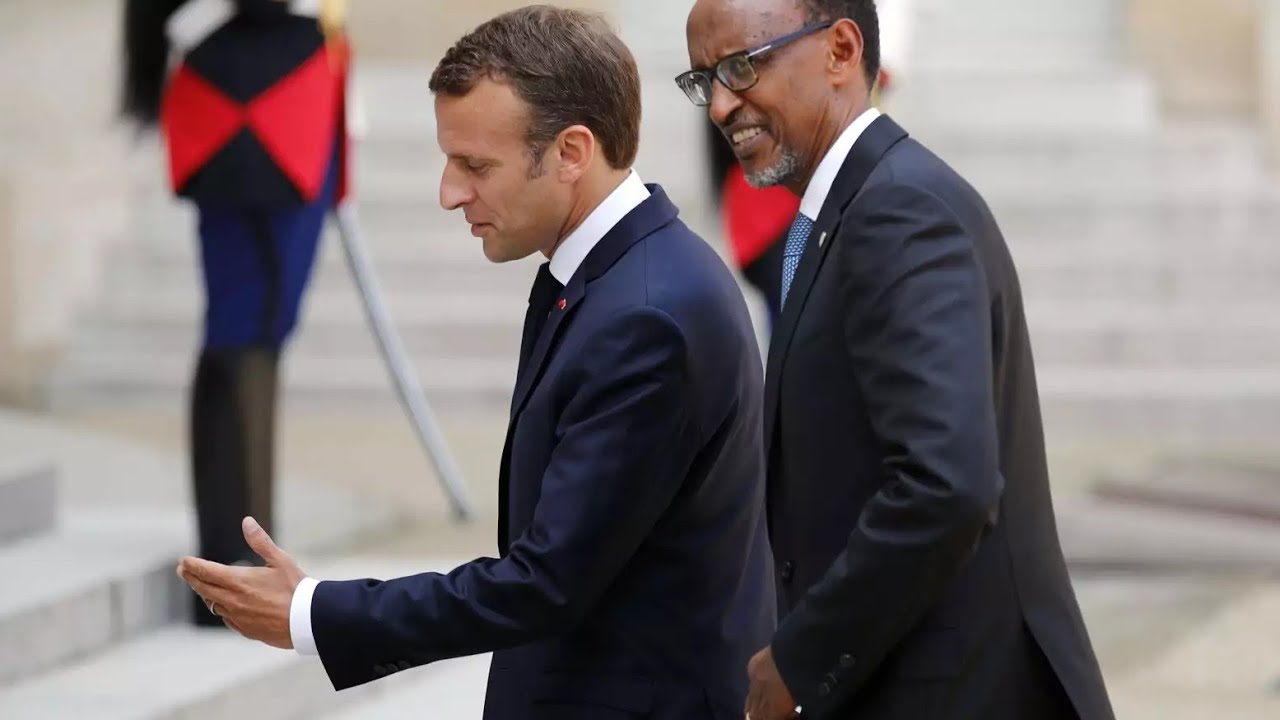
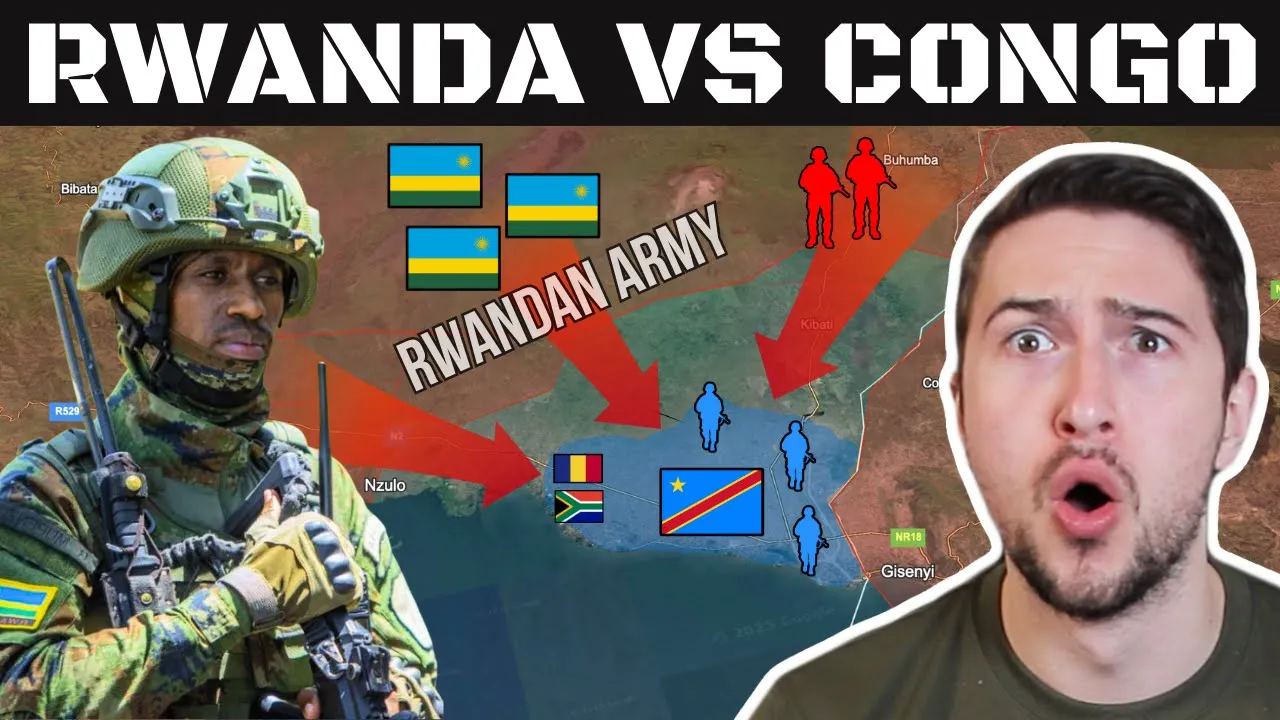
According to the UN and international observers, Rwanda supports the rebels with funding, weapons, and even troops, which Rwanda denies.
All sides in the conflict have been accused of a range of serious human rights abuses.
Further north, fighting continues in the countryside that was once the bread basket of Congo.
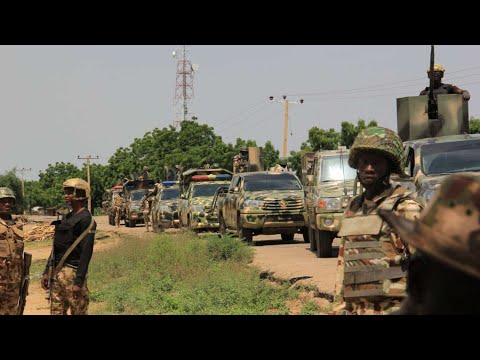
Donald Trump said he stopped what he called the machete war in the DRC. But I'm here in Mesisi in the east of the country and 20 miles to the north, the fighting between the M23 rebels and progovern soldiers is still ongoing.
At the local hospital, the wounds of war are still being treated.
International organizations like MSF keep the health system running.
>> So you'll see when we come to our service that it is >> usually overwhelmed. We try uh to do the best that we can.
>> Yeah. Dr. James Ghana says the wards are still overflowing.
>> The front line is not very far from here. So you are you still getting people.
>> Last week we received 10 um you know uh violent trauma cases in quite a short uh short time period.
>> Among the injured >> her death in Zabimana and her family.
They were hit by shrapnel when a bomb exploded near their home. One of their children was killed in the blast.
Foreign speech. Foreign speech. Foreign speech.
In the children's ward, dozens of babies wait for urgent care. Insecurity is driving severe malnutrition. Even in a region perfect for farming, >> the fragile security situation makes it very difficult for somebody to tend to their land. You have very fertile land, but if you're not in the security situation to plant and harvest, then it becomes really difficult to feed yourself and your family.
>> The stories we hear in Mesi reveal the relentless suffering of civilians. But without a political solution, the fighting will continue.
Footage published by M23 shows thousands of fresh recruits to be deployed to the front lines. They're the latest wave of men caught up in an endless cycle of violence. We sat down with M23's president Bima sanctioned by both the US and EU. He sees himself as a liberator of the Congalles people.
territorial.
There was a report by the UN in July that accused your forces of committing mass killings. There was another report in August by Human Rights Watch that says your forces executed 140 people in different villages. What's your response?
Okay.
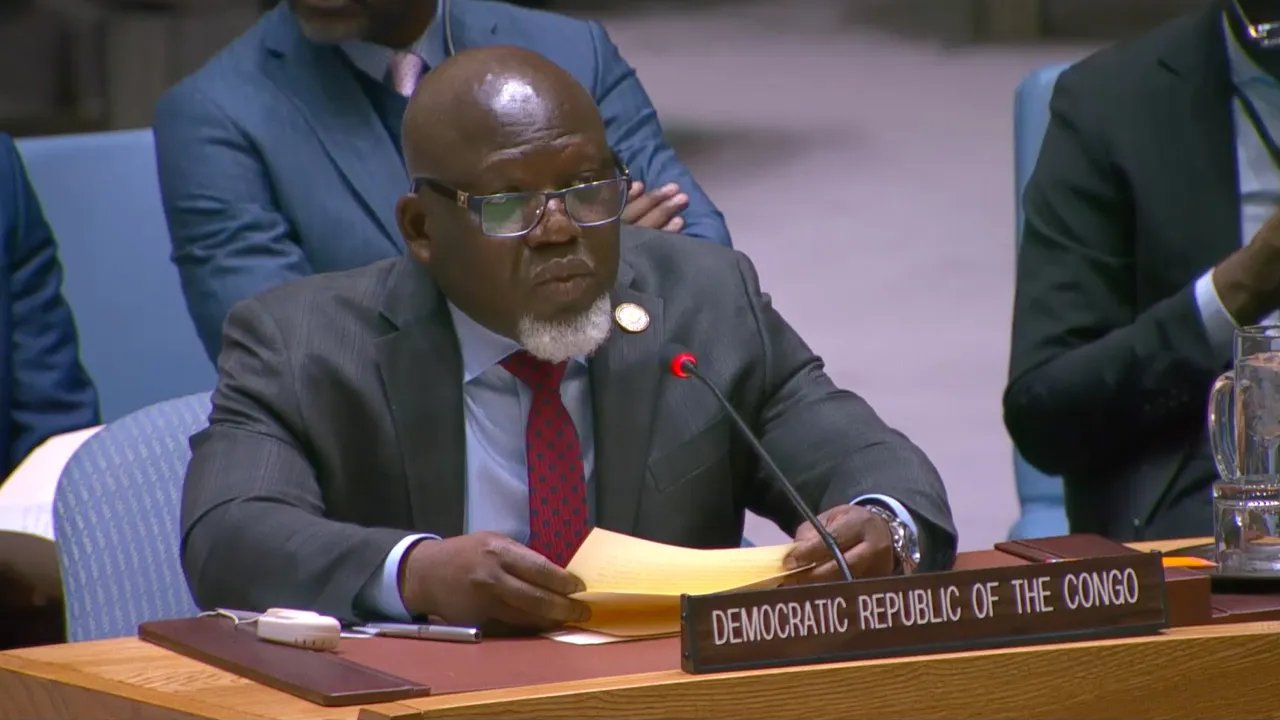
The Kinshasa government does not control this part of the country, but it remains the only authority recognized by the international community.
M23 weren't even part of the Trump peace agreement between the DRC and Rwanda signed in June.
>> That's great.
>> It's a deal that's done nothing to change the reality on the ground.
>> Very important.
>> The Congalles government, meanwhile, has reportedly offered American companies access to critical mining sites, some of which are under M23's control. Would you welcome US companies doing business here?
What is your message to the western world?
The people of Eastern Congo are no strangers to war.
M23's rule is secure for now, but their long-term objectives seem unclear.
If a genuine path to peace with the Congalles government cannot be found, the rebels road could lead to the capital Kinshasa itself.
Up Next

Syrian Rebels as Police: HTS Patrol in Latakia | BBC News Analysis
@BBCNews
332.4K views•2024-12-16

BRICS Pay and de-dollarization: A New Financial Order Emerges? | 55 chars
@DannyHaiphongYT
164.6K views•2024-10-22
Government Surveillance Methods: 10 Ways You May Be Watched
@BeAmazed
1.6M views•2017-04-09
Explaining the Saudi-Iranian Proxy Conflict in the Middle East
@Vox
18.2M views•2017-07-17
Related Study Plans & Knowledge Roadmaps
Structured learning paths in Political Science