
![HISTORIA de LÍBANO🇱🇧 en 17 minutos [resumen] - El Mapa de Sebas](https://i.ytimg.com/vi/pBwDGUObza4/maxresdefault.jpg)





![Iran atakuje Izrael. Co zrobią USA i Izrael? Andrzej Gąsiorowski, Jan Piński [LIVE 35]](https://i.ytimg.com/vi/AtRAs6C_1T0/maxresdefault.jpg)
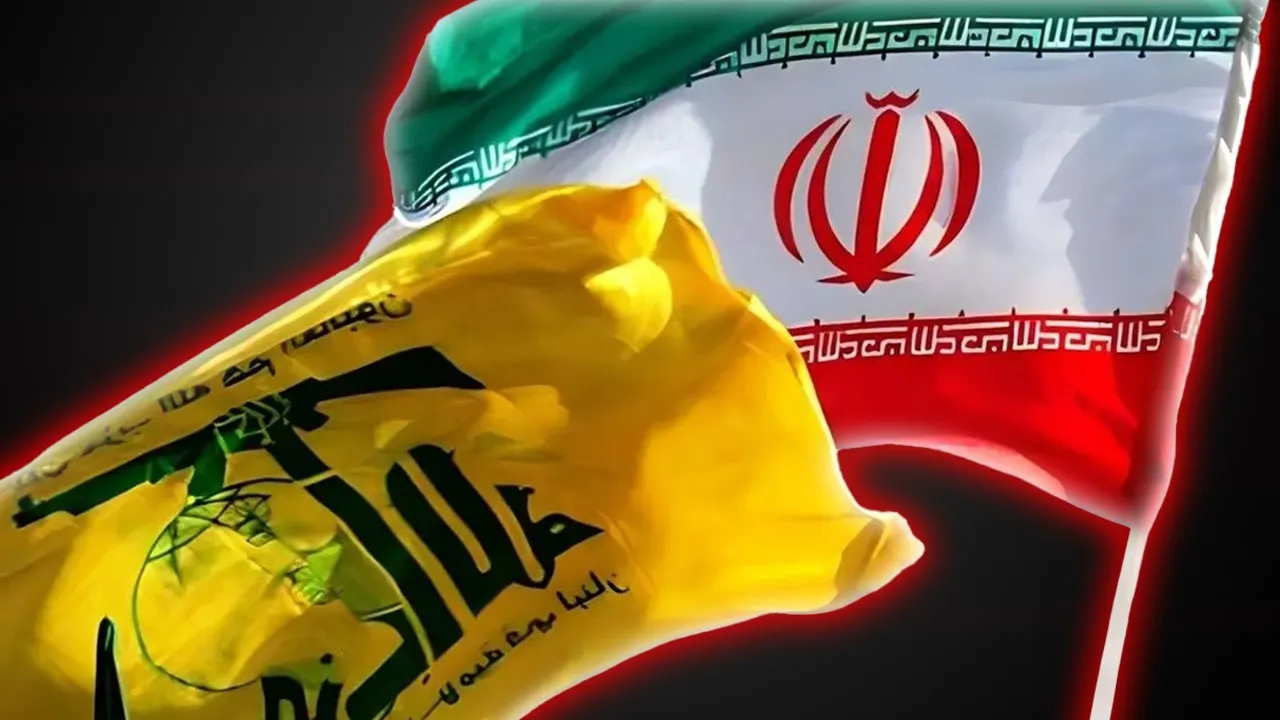







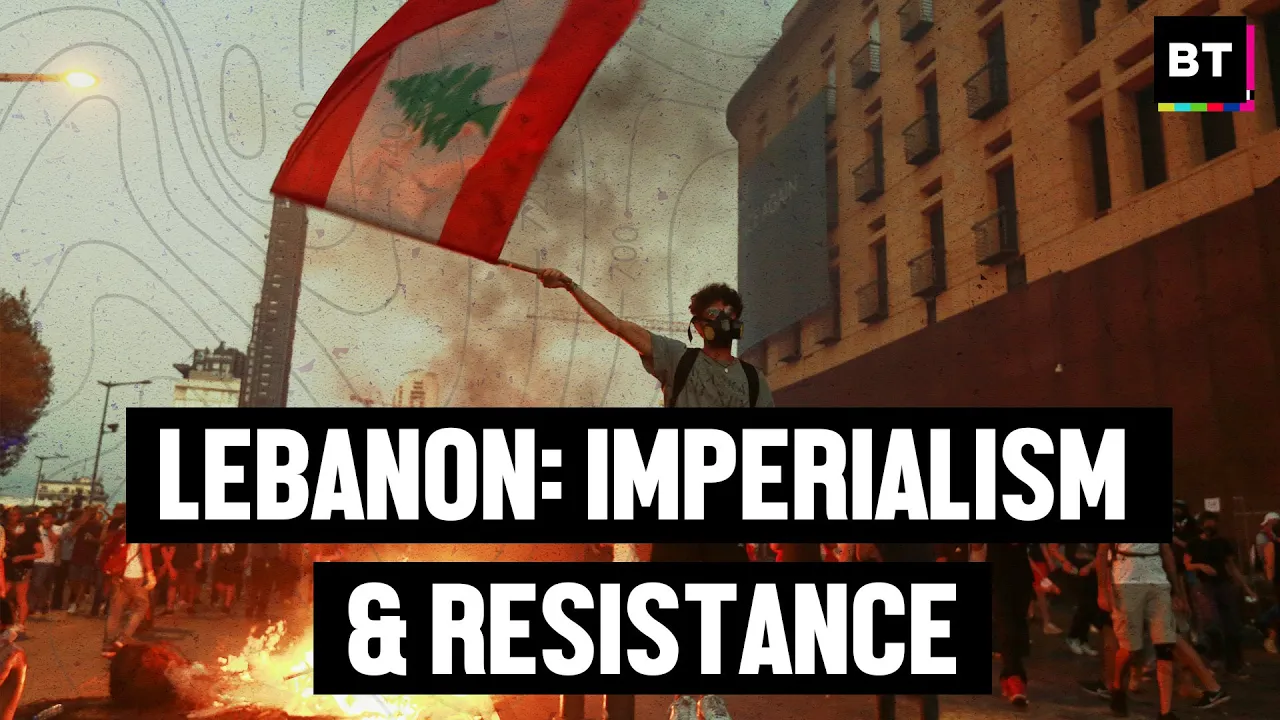




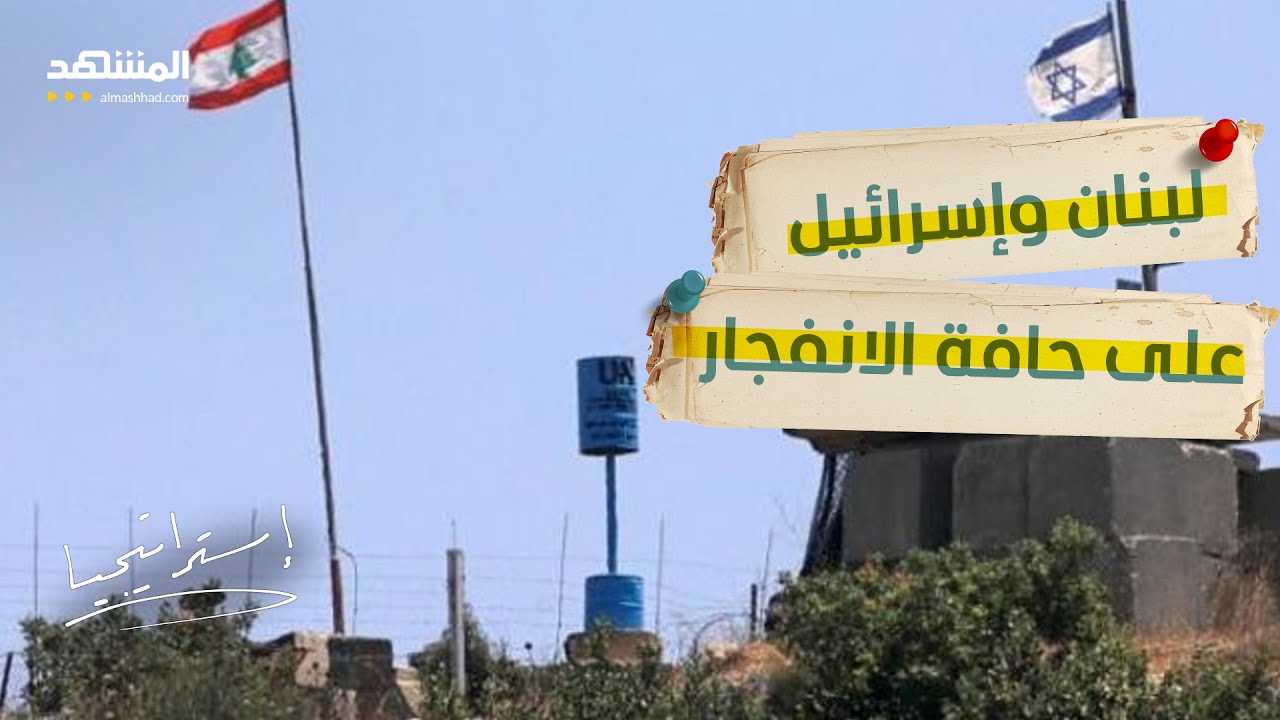
This video explores how Lebanon confronts the challenge of disarming Hezbollah, an Iranian-backed militia that has functioned as a 'state within a state' for over 40 years. The analysis examines how Hezbollah emerged during the Lebanese Civil War with Iranian support, grew into a dominant political and military force, and now faces potential disarmament amid weakened conditions following recent conflicts. The content illustrates the broader challenge of removing armed non-state actors from weak or divided states, where such groups often provide essential services and maintain strong community support, making disarmament both necessary for state sovereignty and potentially destabilizing if not carefully managed.
Can Lebanon Disarm Hezbollah? Sovereignty vs. State Within a State
Added:The history of the Lebanese Civil War (1975–1990) and the Taif Agreement, which led to the disarmament of most Lebanese militias except Hezbollah.
The concept of 'confessionalism' in Lebanon's political system, which distributes political representation and power along sectarian lines.
The origins of Hezbollah in the early 1980s as a Shiite paramilitary movement funded and trained by Iran's Islamic Revolutionary Guard Corps (IRGC).
The basic political science definition of state sovereignty, particularly Max Weber's concept of the state's monopoly on the legitimate use of physical force.
The legal framework and implementation challenges of UN Security Council Resolution 1701, which calls for the disarmament of all armed groups in Lebanon.
The economic and governance crises in Lebanon, analyzing how the dual-power structure affects international aid, sovereignty, and state collapse.
Comparative politics studies of other hybrid security actors globally, such as the Popular Mobilization Forces (PMF) in Iraq or the Houthis in Yemen.
Future strategic scenarios for the Lebanese Armed Forces (LAF) and the feasibility of a national defense strategy that integrates or neutralizes paramilitary forces.
88.5K views3.6Klikes12:22Original Release: 2025-08-22
Can Lebanon finally get rid of Hezbollah?
For over 40 years, this Iranian-backed group has been one of the most powerful forces in the country.
As well as fighting Israel in the south, it's also grown into a dominant player in Lebanese politics.
But now things could be changing.
A series of events have weakened the group and the Lebanese government is openly pushing for it to disarm.
But while this carries significant rewards, it also has major risks.
So, how did Hezbollah become so powerful?
And could Lebanon really be on the verge of removing it altogether?
Hello and welcome.
My name is James Ker-Lindsay, and here I take an informed look at international relations, conflict, and security.
One of the foundations of sovereignty is that states control all legitimate armed force within their borders.
Indeed, it's central to a government's authority.
In theory, no group should be able to carry weapons outside of state control.
But the reality is often very different.
Across the world, militias have emerged in weak or divided states.
Sometimes this is the result of civil wars.
At other times because of direct foreign backing.
But while many of these eventually fade away once stability returns, others continue, often growing stronger by filling the roles that the state can't, such as providing services and welfare.
And once they've taken root, they can be extremely hard to remove.
Hezbollah is one of the clearest examples of this.
For decades, it's been considered one of the most powerful armed non-state actors anywhere in the world.
But now, for the first time, Lebanon's government is openly demanding that it hand over its weapons.
But while this could mark a turning point for the country, Hezbollah seems determined to resist.
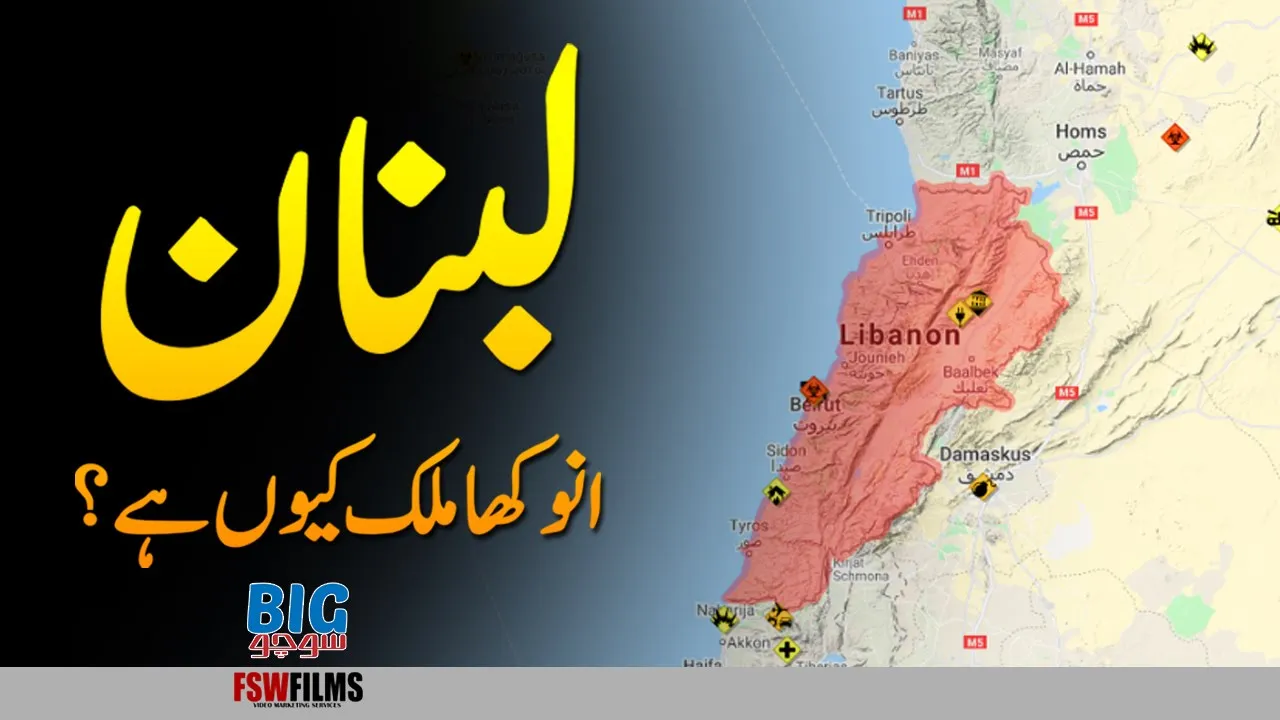
The Republic of Lebanon sits at the far eastern end of the Mediterranean.
To its north and east lies Syria, and to its south is Israel.
With a population of about 6 million, it's one of the most diverse countries in the Middle East.
The three largest groups are the Maronite Christians, Sunni Muslims, and Shia Muslims.
But the country is also home to a wide range of other communities, including Armenians, Kurds, Druze, Orthodox Christians, and a large number of Palestinians.
Although Lebanon's history stretches back for thousands of years, our story really starts during the Second World War when French colonial rule came to an end and Lebanon gained its independence.
At the heart of the new state was the National Pact.
This divided political power between the three largest religious communities with the Maronite Christians, the biggest single group, taking the presidency.
However, as the Muslim population grew, it pushed for a greater share of political influence.
On top of this, things became more complicated after 1948 when Lebanon and other Arab states fought against the creation of Israel.
Having been defeated, tens of thousands of Palestinians, most of them Muslim, fled into Lebanon, upsetting the delicate religious balance between the country's communities.
And over the years that followed, tensions steadily grew until in 1975, Lebanon collapsed into a brutal civil war.
The conflict would become one of the most complex civil wars of the 20th century with over 100 different factions forming and switching sides.
It also had wider regional effects.
Crucially, as fighting raged, Palestinian militias in Lebanon stepped up their attacks against Israel.
And as a result, in June 1982, Israeli forces invaded.
And it was this that created the opening for another outside power to become involved, the Islamic Republic of Iran.
Just a few years earlier, in 1979, Iran's Islamic Revolution had overthrown the country's king, installing a hardline Shia theocratic regime.
Committed to Israel's destruction, Tehran now backed the creation of a new Shia militia in Lebanon, Hezbollah, or the Party of God.
With Iranian money, weapons, and training, the group steadily grew stronger, not only fighting Israel, but also becoming a major force in Lebanon's civil war.
All this would come to a head when the war finally ended in 1990.
While most of the militias disarmed as part of the peace process, Hezbollah refused, arguing that Israel's troops were still occupying southern Lebanon.
But while Israeli forces eventually withdrew in 2000, Hezbollah carried on launching attacks.
As a result, in 2006, Israel launched another invasion.
But while this soon came to an end with a UN resolution calling for Hezbollah to disarm, the group remained intact.
The 2006 war would mark a turning point.
While Hezbollah kept on building its arsenal and occasionally launched attacks against Israel over the following years, its focus now shifted.
For a start, it became heavily involved in the Syrian civil war, helping Iran to prop up the Assad regime.
Meanwhile, at home in Lebanon, it expanded its social programs, offering health care, education, and welfare in Shia areas.
As a result, while the group remained a powerful militia with an estimated 25,000 regular fighters, and tens of thousands more reservists, it also established itself as a fully fledged political party, eventually gaining seats in parliament, ministers in government, and an effective veto over many policy areas.
Indeed, many began calling it a state within a state.
But all this would change on the 7th of October 2023 when another Iranian-backed group, Hamas, launched a surprise attack on Israel.
I hope you're finding this helpful.
If so, please do give it a like and perhaps subscribe if you haven't already.
It all really helps the channel grow.
Many thanks.
And now back to the video.
At first, many expected that Hezbollah would seize on the Hamas attack to launch a full-scale conflict against Israel.
However, fears of a second front were soon averted after strong warnings from the United States and others to Iran that any moves to exploit the Gaza war would be met with an overwhelming response.
But while Hezbollah held back from launching a major attack against Israel, tensions nevertheless remained high throughout 2024.
As Hezbollah continued firing rockets into northern Israel, Israeli forces intensified their operations against the group.
This would all come to a head in September 2024 when Israel detonated mobile phones used by Hezbollah members in an attack that killed and injured thousands and destroyed the group's communications.
Then just days later, it killed Hezbollah's long-standing leader, Sheikh Hassan Nasrallah.
Finally, on the 1st of October, Israel launched its long-planned invasion of southern Lebanon in order to destroy Hezbollah.
After weeks of heavy fighting, international pressure forced a ceasefire in late November.
But while Hezbollah was now badly weakened, the situation would get worse for the group.
Just weeks later, in December, the Assad regime finally fell in Syria, cutting off Hezbollah's key supply route to Iran.
Then in June 2025, Israel attacked Iran directly, destroying much of its military infrastructure and leaving Tehran far less able to support groups like Hezbollah.
And it's this that forms the backdrop of what we're seeing now.
Following intense pressure from the United States, the Lebanese government announced in August 2025 that it had tasked the country's army to come up with a plan to disarm Hezbollah by the end of the year.
Crucially, this has also been supported by Europe as well as by other Arab states, including Saudi Arabia and key Gulf countries, which have made it clear that further aid and financial support will now depend on progress on this matter.
However, and as expected, Hezbollah has rejected the call, insisting that the move is a result of foreign threats and pressure and that there can be no talk of disarmament until Israel leaves Lebanon entirely.
It's warned that any attempt to remove its weapons will lead to mass demonstrations and could spark renewed fighting.
Likewise, Iran has also voiced its opposition, emphasizing that Hezbollah remains a crucial part of its regional strategy.
It's cautioned Beirut against giving in to Western or Israeli pressure.
But for now, the Lebanese government appears to be holding firm.
Condemning Hezbollah's threats, the country's prime minister, Nawaf Salam, has insisted that the plan will go ahead.
At the same time and in response to claims that the decision was forced on the country, the Lebanese President Joseph Aoun has said that the move is in fact a sovereign decision.
Needless to say, any effort to press ahead with the move would carry significant benefits and risks.
On the one hand, disarming Hezbollah could strengthen Lebanon.
Driven by a complex combination of factors, including intercommunal feuding, Hezbollah's influence, and Israel's invasions, the country teeters on the brink of becoming a failed state.
By bringing all weapons under state control, Lebanon can strengthen its fragile institutions, reduce the risk of internal conflict, and improve its international standing.
Especially as all this could unlock badly needed foreign aid and investment.
Likewise, it would also remove a major source of friction with Israel, lowering the chances of another devastating war.
However, the risks are equally stark.
Despite the damage it sustained, Hezbollah remains a well-armed militia.
It also effectively controls the country's large Shia community.
On top of this, many see it as a vital shield against Israel.
Trying to remove the group's weapons against its wishes, especially if this is done without parallel security guarantees, could not only deepen sectarian divides, but it could also spark violent resistance.
In the worst case scenario, many fear that it could even plunge the country into a renewed civil war.
To add to all this, Hezbollah's close ties with Iran further complicate matters.
Tehran views the group as a cornerstone of its regional strategy and is unlikely to allow it to be dismantled.
Then again, given its current weaknesses, many would argue that this is precisely the best time to push ahead with disarmament.
Of course, the counterargument to all this is that disarmament doesn't equal destruction.
Hezbollah could continue as a political party.
But while this is true, for now the group doesn't see it this way.
Instead, it considers any attempt to remove its weapons as an effort to eliminate it altogether.
And in view of its history and objectives, disarmament would certainly mark a fundamental change to the group's identity.
And it's for all these reasons that Lebanon now faces a critical choice.
While disarming Hezbollah could strengthen the country's sovereignty, independence and stability in the long term and could even avert future wars with Israel.
Attempting it under current conditions risks destabilizing this fragile country even further.
I hope you found that useful.
If so, here are some more videos that you might find interesting.
Thanks so much for watching and see you in the next.
Up Next
96:42
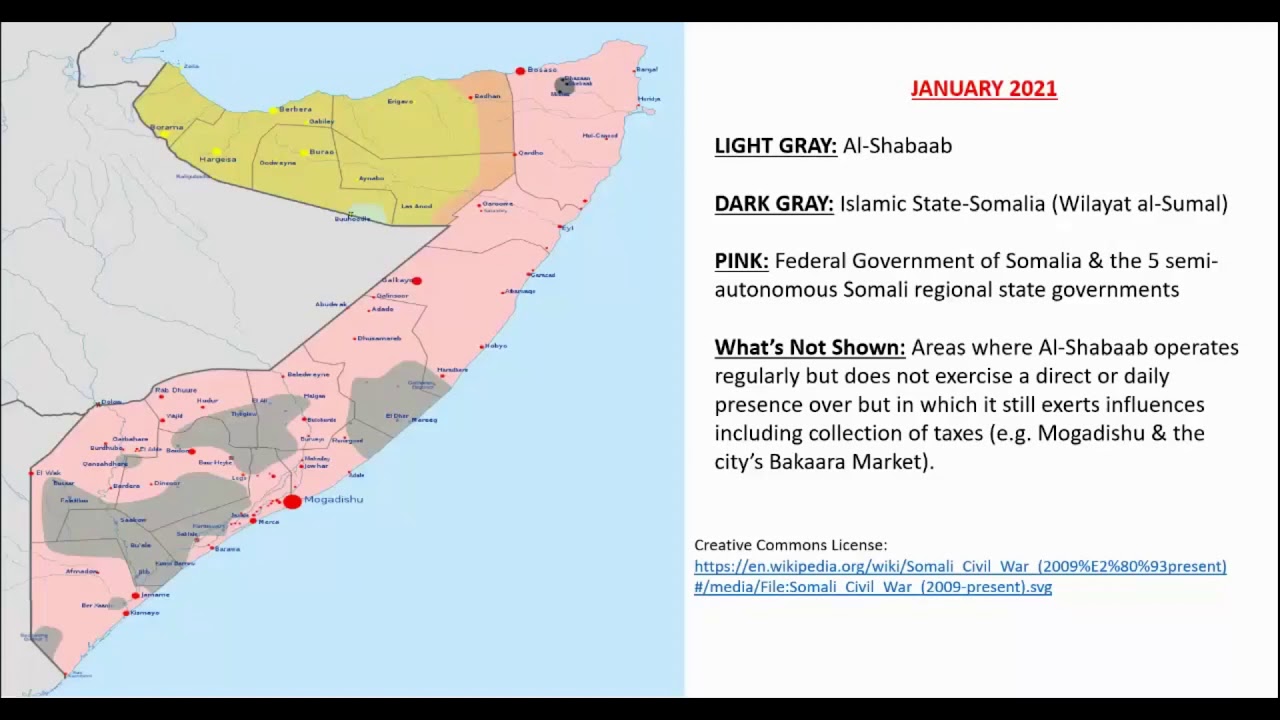
Islamizing Rebel Governance: Al-Shabaab’s Symbolic Soft Power
@thekrulakcenter5912
367 views•2021-01-29

24:30
BRICS Pay and de-dollarization: A New Financial Order Emerges? | 55 chars
@DannyHaiphongYT
164.6K views•2024-10-22

13:53
Bosnia-Breaking Point: Dayton's Crisis and Secession Risks
@JamesKerLindsay
179K views•2025-03-11
10:19
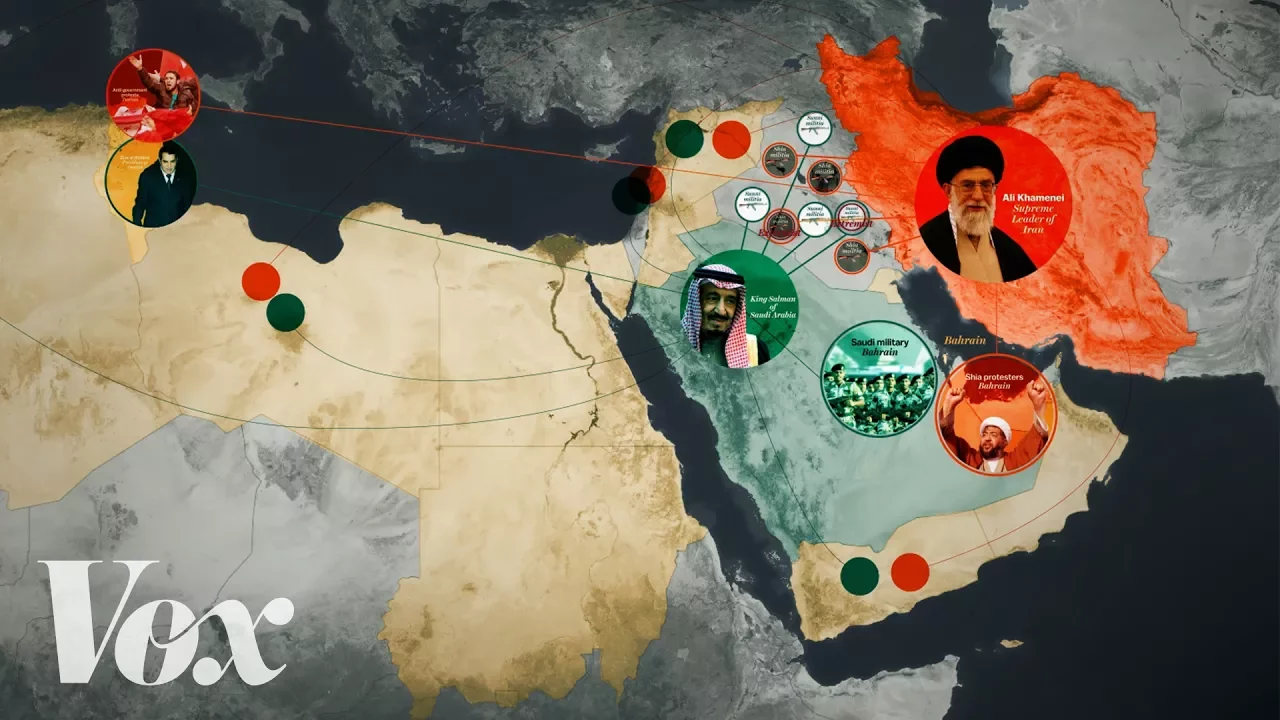
Explaining the Saudi-Iranian Proxy Conflict in the Middle East
@Vox
18.2M views•2017-07-17
Related Study Plans & Knowledge Roadmaps
Structured learning paths in Political Science
political-science
Economic Statecraft: Sanctions & Chokepoints
01Foundations of Geoeconomics and Economic Statecraft
02The Mechanics of Weaponized Interdependence
03International Sanctions: Types, Implementation, and Efficacy
+ 2 more learning modules
12h5 modules
Explore Roadmap
political-science
Central Bank Independence: Politics & Policy
01Foundations of Central Banking and Monetary Policy
02The Time Inconsistency Problem & Inflation Bias
03The Delegation Model and Designing Independence
+ 2 more learning modules
12h5 modules
Explore Roadmap
political-science
Consociationalism: Power-Sharing & Stability
01Democratic Dilemmas in Divided Societies
02Introduction to Consociational Democracy
03The Four Pillars of Consociational Design
+ 2 more learning modules
12h5 modules
Explore Roadmap
political-science
Rebel Governance: Legitimacy, Economy & State
01Foundations of Rebel Governance and Statehood
02Establishing Political Legitimacy and the Rebel Social Contract
03Wartime Economies and Rebel Resource Management
+ 2 more learning modules
14h5 modules
Explore Roadmap