


![[신년대토론] 2024년 한국정치 어디로? - 어벤저스 신년 토크콘서트](https://i.ytimg.com/vi/N6Ne3Gvr5YE/maxresdefault.jpg)


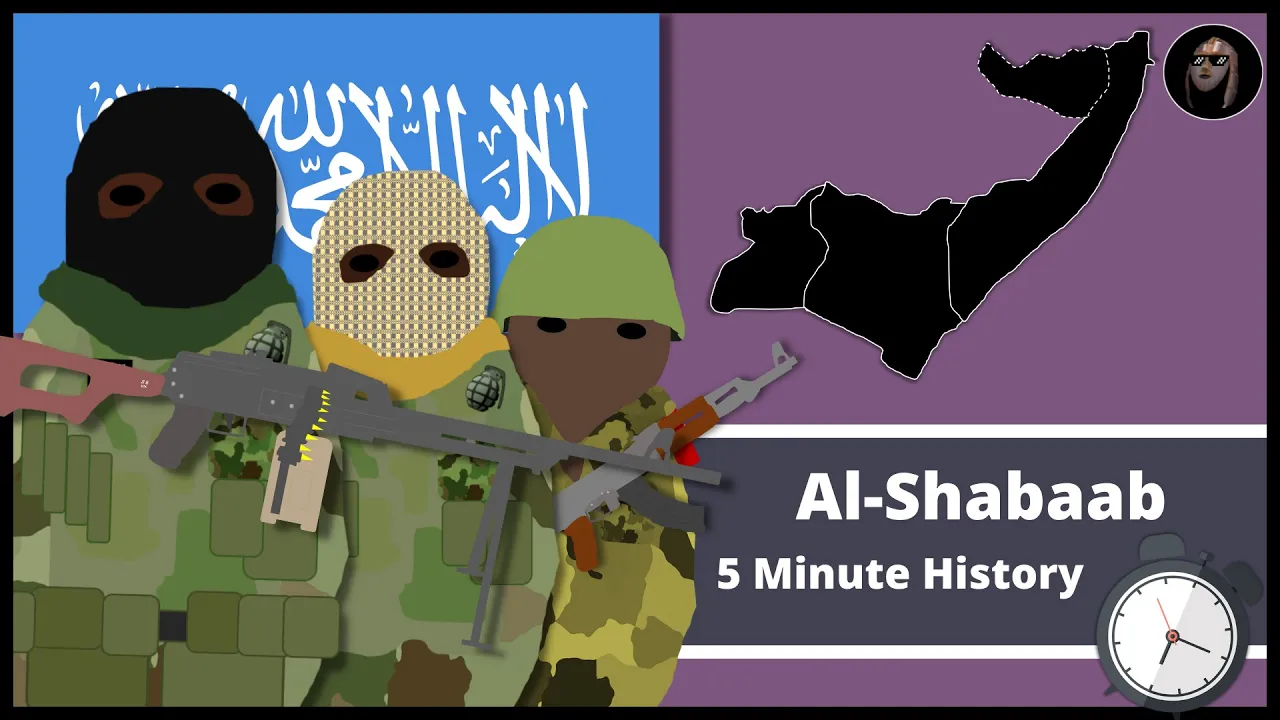
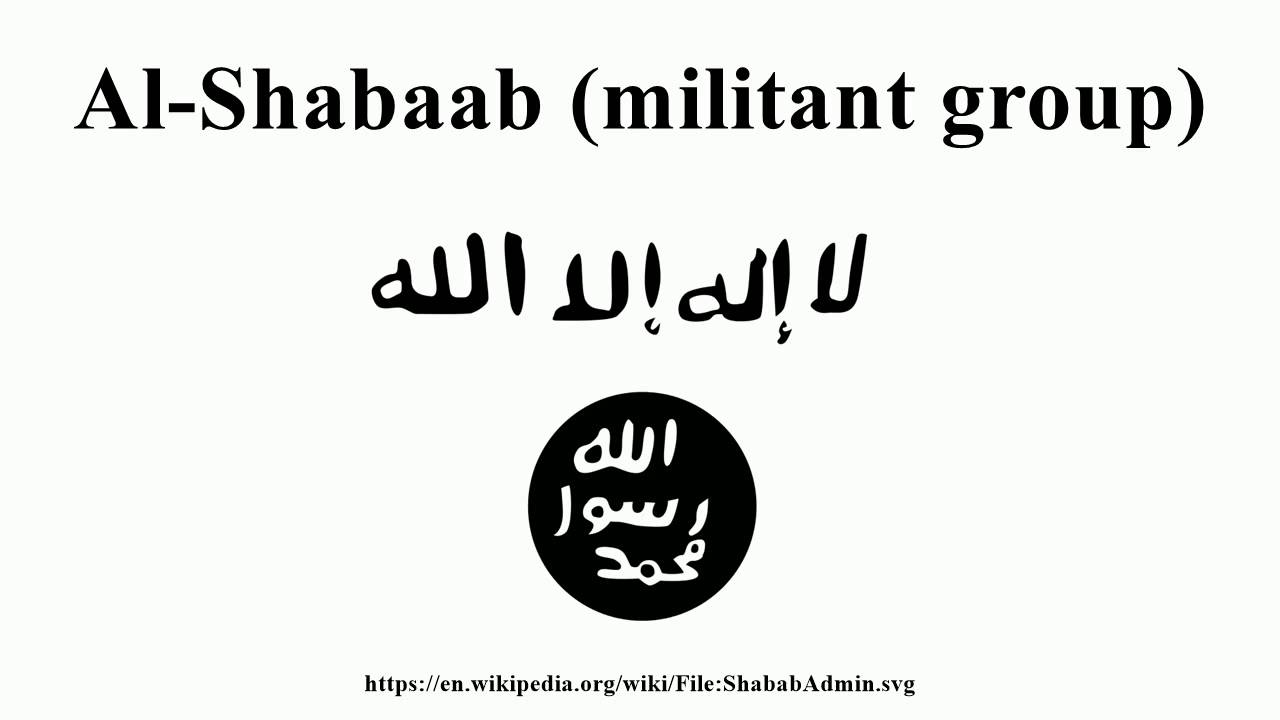












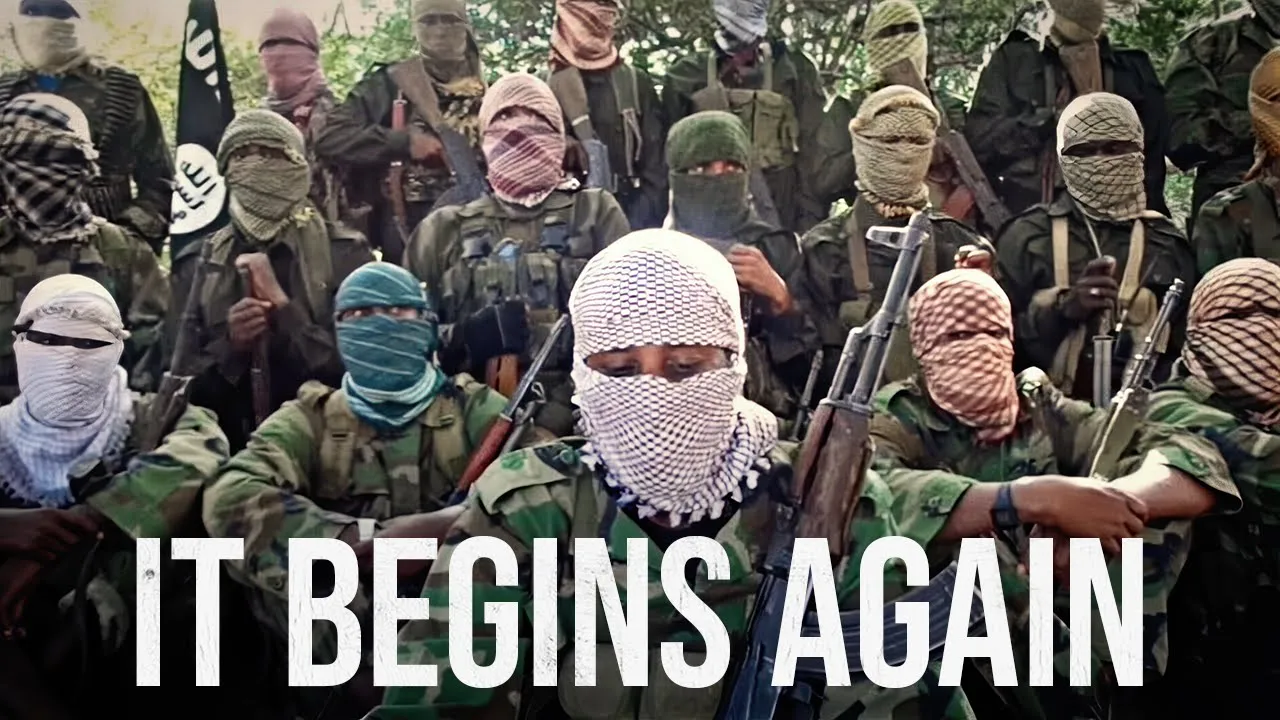

Islamist rebel groups like Al-Shabaab utilize symbolic repertoires and symbolic power as a form of soft power to advance their organizational claims to sovereignty and legitimate authority, drawing upon culturally resonant symbols and motifs in a systematized way that lessens the need for coercive violence by getting civilians to abide by rules voluntarily; this approach involves deploying both referential symbols (rituals of governance, public executions, festivals, official uniforms) and condensation symbols (flags, poetry, media, building names) to create a defined narrative frame that imbues them with historical, religious, and cultural legitimacy, thereby enabling resource-constrained rebel groups to sustain territorial governance projects over extended periods.
Islamizing Rebel Governance: Al-Shabaab’s Symbolic Soft Power
Added:education is what's important training preparation for the expected education preparation for the unexpected uh good afternoon team coolac community thank you for your patience my name is major ian brown i'm the operations officer here at the brute kulak center for innovation and creativity and on behalf of marine corps university the marine corps university foundation and the kulak center welcome back to the broadcast our series designed to connect the worlds of the warfighter and pme with the best in innovative and creative thought before we begin please remember that all opinions expressed here are those of the individual and do not reflect the views of the kulak center marine corps university the united states marine corps or any other agency of the u.s government we will also be recording this webcast for the benefit of those in our community of interest who can't join us live today so after you be mindful of keeping your microphones muted to avoid disrupting the presentation and keeping your webcams off until you ask the question to help us stream smoothly we will have a question and answer following the presentation so if you have a question as we're going along here just go ahead and type it into the chat and then we will call on you in the order they received to ask your question directly if your equipment supports that so today we are very excited to host the newest member of team krulak to the brew cast and i'll turn things over to dr amin tarzi our director of middle east studies to introduce our guest dr tarzi over to you uh good morning and good afternoon everyone and uh major brown thank you very much for uh hosting this uh uh session and every other session uh it is a a pleasure and uh for for the middle east studies and crew luck center to introduce our newest colleague uh dr christopher anzalone who joined us just uh two weeks ago uh dr angelo is the new research associate assistant professor at middle east studies he studied at george mason university right here in northern virginia completing a ba double major in history and religious studies uh he did his graduate work at indiana university bloomington completing an m.a in the use of studies and earned his doctorate through mcgill university in montreal canada and islamic studies with primary geographical focus on the middle east in sub-saharan africa in particular east africa and addition and additional research on south asia his main area of research focuses broadly on contemporary islam and muslim societies with a particular interest on islamic political thought and different muslim and social political movements dr anzalon has special interest in radical and militant islamist movements and organizations both sunni and shiite and issues of satanism in islam his dissertation and ongoing early stage first book project looks at the use of symbols and symbolic power as a tool of soft power by islamist liberal or insurgent groups that seek to set up proto-state or territorial governance for example al-shabaab in somalia and the islamic state isis or iso dr anzalon welcome aboard and we turn over the stage to you and thank you very much uh thank you dr tarzan thank you major brown for hosting me and i'm very happy to join the crewlock team so today i'm going to be speaking about i'm just going to switch the video off and i'll turn it back on for the q a but today i'm going to be talking about that the my first book project which is based on my dissertation or at least the sort of part of my dissertation which is looking at the use of symbol symbols and symbolic repertoires or collections of symbols and symbolic power as a kind of soft power to augment um sort of hard power military power arm you know force basically physical force by militant islamist sunni militant islamist or jihadi rebel slash insurgent groups um today i'm going to focus primarily on al-shabab but may make some comments about isis uh isis corps in syria and iraq particularly from 2013-14 until about the end of 2017 when of course it lost most of its territorial holdings um so this all of the images actually just my work draws a lot on sort of visual primary sources and so all of the images not the two maps that you'll see in a bit but in uh all of the images are actually from insurgents uh are from the are by the insurgents themselves by al-shabaab or in some cases by isis itself and so just um briefly so the map of somalia and somaliland actually which would be in the far north somaliland we're not really going we're not really concerned with basically sort of the long and that would be the the seven part if you think of somalia looking like a seven the top line is most of that is somaliland the self-declared independent republic of somaliland so mostly we're going to be talking about if you can see sort of in the middle of the map the region of galgadood and the region of maduk south so this is the um the areas where al-shabab is the strongest it has a presence in the north in the bari region but the governance activities are really limited to sort of the central the western uh southwestern and the southern parts of the country so um that's what we'll be talking about you can see mogadishu sort of spelled um in the somali way there's it's in english and particularly from mogadishu south is where they're the strongest so this is um an approximate sort of approximation of sort of the current status quo it is misleading in some way not intentionally it's very difficult probably impossible to really come up with a map that's super accurate because there are basically three categories or four categories really of territory in the regions of the parts of somalia that we're talking about there are regions that are on a day-to-day basis controlled by al-shabaab which are governed where al-shabab has a daily presence there are then on the other side of the ledger there are regions such as mogadishu where the internationally recognized federal government of somalia or the fgs has um day-to-day rule though like in mogadishu or in the city of baidoa in the west but the the big caveat is that al-shabab is still incapable and does operate essentially with impunity even in in the heart of the federal capital of mogadishu so government control has a day-to-day sort of governing control but it doesn't mean that al-shabab is not present or that isis the islamic state branch in somalia is also not present and the third category are basically essentially no man's land areas where both the government's both the governments and al-shabab as well as sort of third-party clan forces clan militias clan groups exert control and nobody has sort of a sort of a daily control that al-shabab could move in you know once or twice a week and then move out and government and african union forces can do the same and then the fourth category are territories somalia is a federal republic so there are five member semi-autonomous member somali states each have their own president and their own parliament so they are somewhat similar to our state system but the the the regional states have have much more power than for example uh the governor of virginia does and right now one of the issues that has continues to benefit al-shabab is that the federal member state presidents many of our at least half of them and the federal government the somali federal government are engaged in basically contests competition for power um over the issue of federalism natural resources and so that has led to a breakdown in their cooperation from the regional to the federal level against al-shabab which has really allowed al-shabaab to continue to flourish relatively speaking so it's november 14th in 2008 so and in the key there's a key somali port city of marca on the map sort of highlighted to the south with the little from google maps with a little pin so it's about 60 less than 60 miles actually from the federal capital of mogadishu and the somalian jihadi insurgent or rebel organization al-shabab has swept across much of southern and western regions of the country since it emerged in the year before in 2007 as a fully independent group from the ashes of of the islamic courts union or the icu which was an umbrella organization of local sharia courts and and clan militias and sort of somali islamist figures that had coalesced in the early 2000s and between 2005 and 2006 had succeeded in defeating many warlords um and cracking down on piracy in mogadishu in parts of southern and western parts of the country so al-shabab officials and commanders gather hundreds of local residents from from marca into the public square for the required according to islamic law they required communal friday prayers and which also include two short sermons so gathering local civilians in the main square of the city one of the insurgents founding leaders who has since defected and left the group a man named better known as abu mansur announces the dawn of a new socio-political order which will be based on al-shabab's interpretation of islamic law or sharia and jurisprudence or fick so this new political political legal order he says will be based in particular on al-shabab's reading of islamic penal law the sort of criminal law laying the groundwork for a more ordered society this is what he says following over a decade of civil war and destructive warlordism and clanism which had begun in in the late 80s and culminate or sort of ended or culminated um reached sort of an apogee of the collapse of the central state in 1991 with the deposal um on the flight of syadbari the the president of somalia general um and authoritarian president of the country and after his ouster in 91 the country is basically split along uh sort of clan militia lines so the the militias are primarily based on clan identity so robo abu mansour invokes not only a common somali ethnic identity of his of the audience of the gathered residents of marca but also their shared religion of sunni islam so basically to be somali somalia is 99 you know 0.4 or more sunni muslim so that to be somali is to be muslim but al-shabab places a greater emphasis on the religious identity so robo really the speech the sermon that robo gives on on november 14th is really could be said to be the formal start of al-shabab's new proto-state governing project it expresses an interest in becoming a proto-state or a quasi-state a rebel proto-state in 2008 and it has con continually had one to some degree since that time so we're talking now over 12 years so just to put in perspective uh with isis which had one for three or four years and then basically at this point uh has lost all of it essentially certainly in syria and iraq so al-shabab during that same period has maintained it there are reasons for that which which we can talk about perhaps in the in the q and a i'll talk about a little later as well so this restructuring of somali society by al-shabab would be achieved by building a defined and bureaucratized yet also flexible system of civil governance one which takes into account or took into account to some degree local sensibilities and interests while also pursuing the insurgents utopian ideas of islamist universalism so locals only had to fear punishment robo said if they violated the sanctities of god quote unquote and his law the sharia which give gave locals an understandable framework sort of a sort of parameters to guide their relations with their new rulers now this was something that had been lacking um previously under many of the clan-based warlords and militias that the islamic courts union the icu umbrella had either co-opted or defeated in between 2004 2005 and 2006.
so across southern somalia on that same day on november 14 2008 other al-shabab officials inc in addition to robo including one of the senior co-founders of al-shabab a man named ibrahim al-afghani that's a nickname because he had spent some time in afghanistan in the 1990s made similar announcements basically marking the start of the insurgent group's experiments with territorial governance with setting up a civil administration so to ground their governance ambitious ambitions in an aura of socio-historical and religious legitimacy al-shabab drew on the power of symbols and symbolic repertoires or collections of symbols that invoked somali's shared ethnic and religious identity as well as their history these were further infused with an attempt to secure a pan-islamic or a transnational identity centered on the concept of of the idealized global muslim community something that called the umma this concept of the ummah this this this sort of ideal unified sunni i should say muslim global community this appeal was made to give the insurgents a leg up basically against their clan-based rivals so the klan militias for example or the warlord uh clan warlord militias without negating the continued resonance of clan identity so al-shabab wanted to sort of reposition or reshape planet somali clan identity but not get rid of it because it under its leadership understood and still understands that that this is some for a it would not be possible and b that clan identities still have a very powerful resonance in the country and so if we could go and the other thing i'll mention a bit later this concept of hispah which basically sort of in short in this context means a kind of regulation of public behavior is one of the things that al-shabab um then and now emphasizes as sort of one of the cornerstones of how it seeks to organize society so just a little bit about the study you know why study this um sort of islamist rebel governance so the advent and the continuing relevance my i argue in today's world in global politics of islamist rebel governing projects isis of course is the most um probably the best known um which includes the emergence of rebel proto-states like that of the islamic state the so-called islamic state in somalia iraq syria yemen parts of west africa and the sahel afghanistan of course the afghan taliban is probably the best example in terms of a proto-state islamist rebel governing proto-state governing project you know it this issue of uh islamist rebel governing projects has has become more important this is sort of partly coincided with the sort of growth in the scholarly or the academic literature about rebel governance but despite the growing number this is starting to change but despite making up a growing number of the rebel groups today who are actively experimenting with civil governance islamist rebel groups insurgent groups have received relatively less attention in in the literature than as case studies than other groups marxist groups or sort of ethnic or ethno-nationalist rebel groups so more specifically in the context of somalia and east africa more broadly al-shabab just to mention again has had you know over a decade now since 2008 as a major governing power in somalia and primarily in somalia but also to some degree in parts of kenya and the advent of multiple other islamist insurgent experiments with the territorial rule around the globe um i argue offers an opportunity to connect the empirical study uh case studies of of these groups these islamist rebel proto-state groups with the growing academic literature on rebel governance and and civil war uh these literatures so by doing this the study of islamism and specifically forms of militant islamism or islamism they're different types which are often popularly referred to you know we could call jihadism sort of sunni jihadism can be increasingly situated i think within the broader study of again civil war rebellion social movements and political violence um you know connecting sort of the empirics of these specific cases and then also looking at you know what are the similarities and differences between islam sort of muslim and islamist and non-muslim rebel groups my arguments i would argue certainly at this point that the social processes the vocabularies are different the sets of symbols are different but the the social processes of organization of mobilization are essentially the same there's nothing particularly islamic about them in terms of the these processes um yeah certainly the vocabularies are going to be unique to each to each case and draw upon sort of cultural and social motifs historical motifs that will be the most intelligible and most influential on on the different target audiences so the territorial governance projects of islamist rebel groups like those of non-muslim rebel groups include a wide array of activities including the implementation this is probably the most important actually certainly the most important the implementation of systems of social regulation or kind of law and order the distribution of material and humanitarian aid the mediation of civil disputes between members of sort of civil society for example in the somali case feuding clans and sub-clan groups and finally carrying out construction and other kind of agricultural public works if you will projects as part of proto-state governance islamist rebel groups construct and deploy symbols and symbolic repertoires or collections of symbols that advance their claim to symbolic sovereignty and the legitimacy of their sort of socio-political authority and they do it in a systematized way in a systematized language if you will which is meant to resonate more deeply with local civilians than a naked display of insurgent power military power or armed force or also more than just a a transactional system alone basically bribing civilians to support them they do this as well but in they want to do something beyond that they want to encourage if not outright cooperation of local civilians or segments of the local civilian population they also want to at the very least convince um other sort of independent non-state actors not to rebel against them in the somali case this is very important even in some of the cases of the islamic state because there are very powerful parties in the somali case clan militias for example which in many cases outnumber al-shabab and certainly are also quite well armed so they they want to either co-opt them or convince them that it's in their interest not to fight against uh this is the the al-shabaab the insurgents not to fight against them so symbolic power is one way that they do this because it enables the the islamist rebel rulers to push forward governance ambitions and their claims of legitimacy um through a defined narrative frame which imbues them hopefully if it works with added historical social and cultural legitimacy through the inclusion or through the use of specific symbols and the performance of certain socio-political rituals basically political performances which include the communal religious prayers and festivals sort of friday the friday prayers the the restructuring or the reconstruction of local education systems and by couching insurgent quote-unquote justice this is how they term it within a theological as well as a cultural and illegal framework that there's a rhyme in reason to the way that their legal system or justice system again in quotation marks works so these organizations and their governing military projects continue to have a profound impact of course on on our on the united states foreign policy and international affairs and so this is one of one of the main reasons i think that this is also not just an interesting sort of empirical study but also um quite policy relevant so i the book or the project the book project looks at basically what's what i would call territorial rebels so drawing here directly from the idea the notions by by tele and others of the territorial state that basically that the the rezam d'etre of certain certainly not all militant islamist groups um for example the sort of al-qaeda central or the original al qaeda organization has today doesn't really it may have territorial ambitions but it really doesn't govern anything um you know some of its regional affiliates al-qaeda and the arabian peninsula or aqap have um though not really right now but al-shabab certain ones of the main qap and sorrow sharia and yemen the islamic state certain islamic state affiliates regional affiliates all have have demonstrated their interest in being territorial powers and not just um sort of non-state sort of terrorist actors um carrying out you know attacks here and there um so they have definite territorial ambitions um and then apart from sort of or somewhat alongside perhaps the depending how we classify the afghan taliban the afghan television certainly of course have have expressed not only an interest in territorial power but of of of course representing both in the 90s and in their incarnation now the the country or the emirates of afghanistan the republic of afghanistan so these practices and strategies or the practices rather than strategies that these territorial islamist rebel groups use include first and foremost the implementation of the system of law and order and an explanation of how that works mediation of civil disputes basically making the the rebel civil the rebel civil administration um into or a body that can also insert itself in some cases or present itself as a a mediating actor between different social groups for example in somalia the sort of with clan feuds and sort of blood feuds development of taxation is very important because they need to fund themselves al-shabab primarily is is self-funded through a variety a variety of different uh through taxation through um sort of taxation slash extortion of businesses through now investing in property even in mogadishu there was a a property in building boom things like this so it has a very diverse sort of set of revenue streams that's another very important thing that they have to do and they will also want to establish working relationships with key societal actors like clan elders and networks such as business the business networks businessmen and merchants in order to further ingratiate themselves and insert themselves into society so they want to their pursuit of civilian collaboration or at very least acquiescence don't don't fight us don't rebel against us they want to do this basically because it invests the local population in the rebel project the governing project the proto-state projects or again at the very least it convinces other powerful sort of third-party non-state actors like clan militias not to actively resist the continuance of rebel control of rebel rule and it's particularly important because al-shabab you know al-shabab has never really numbered the exact numbers of al-shabaab are really unknown they're they're debated but the highest estimates even at its height in terms of its size were under 15 000. so we're talking and at its height it ruled over a million people uh territory that that was home to over a million people so it is very limited in terms of its size and it of course it has fewer resources material resources than the array of opponents that it faces the federal the fts the african union or amisom and which is of course the fgs is also aided by the u.n by us the united states um by the eu so it al-shabaab has limited resources is the main point of there so by looking at the way that al-shabab frames what's known in social movement studies is the framing processes or framing processes and how they are influenced and influence an organization's and by an organization's understanding of territoriality communal leadership in the existing international nation state order we can understand i think more clearly how appeals to islamic symbols or theology in the sacred past both islamic and sort of ethno-nationalists are shaped by organizational preferences that are specific to the gi specific geographies environments sectarian issues and communal differences so just very sort of in terms of a lit review sort of highlighting some of the the key literature that i draw upon so foundational studies in rebel governance by jeremy weinstein for example zechariah manpilly i draw upon their definitions of what is a what is rebel governance like when does a rebel government government exist so they're they point out or highlight three main sort of tasks or or things that need to be met before a rebel government can be be said to exist the first is that a rebel government of course a rebel group rather needs to have some territorial control it has to exercise or have control of some territory to actually govern so number two that the rebel group has to then establish institutions to manage relations with civilians so there are groups rebel groups that that express no interest in really any kind of governance that yes they capture territory but their their sole goal or their sole activity remains primarily the military the insurgent part of their the insurgency and they really have no they expressed no interest in actually establishing any kind of civil administration and number three that the institutions that the rebel group sets in place you know they they have to be have either formal or informal rules that define a kind of hierarchy of decision making kind of a bureaucracy of decision making and also of course a system of taxation and other kind of civil relations with local civilian community parts of the civilian population so the rebel governance in quotation marks refers here not only to these institutions these sort of administrative institutions and structures that the rebel rebel group sets up but also to the governing practices that that insurgents or rebels adopt which can be both more formalized or they can be more informal so a rebel civil administration is formed when insurgents or rebels set up i'm using these terms interchangeably here set up a civil affairs apparatus that is distinct from its military organization that doesn't mean that there there cannot be and in the case of al-shabab for example there often is a um some fluid fluidity between the military wing and the civil administrative wing but that there is a an identifiable separate identifiable civil administration so the there can be overlaps but there needs to be a for a rebel civil administration to exist there has to be a define a a separate sort of identifiable uh civilian or civil administration in the case of al-shabab for example the territorial of the provincial governors the which are known as what they're known as wallys just from from as a governor so the wally has a great deal of authority over civil institutions religious affairs political and clan affairs um schooling but what he does he often does not have um he does not have direct control of the military sort of forces this is there's a distinct military and security leadership which is separate from the the shadow governor of the offices of the shadow governors so this is just an example in the case of al-shabab so the extent to which the rebel group sort of allows local or pursues local civilian participation can vary it can vary over time as well so it can change and and that weinstein for example argues jeremy weinstein argues that rebel groups that have a great deal of external resources basically that a lot of their or most of their finances and funding come from either sort of lootable natural resources um domestically or or have they have a lot of external funding from from for example a an external state that they they as a general rule they they are much less interested and concerned about what local civilians think of them they tend to be more more predatory because they don't rely on civilian cooperation or acquiescence to to continue to thrive basically al-shabab is somewhere in the middle it does need it doesn't need all of the local civilian populations in the areas it controls to support it or even to acquiesce to it but it does need buy-in or cooperation or acquiescence from certain very influential segments of the population so through its history al-shabab has made a particular al-shabab leadership has made a particular um has tried in particular to forge relationships and cooper and cooperative relationships with somali businessmen primarily business people merchants as well as some clan groups both sort of more major clans as well as some of the minority communities which historically have been more marginalized sort of in in somali society so rebel governance uh it can include a wide range of activities and it also includes importantly and this is really what i i am really interested in in terms of this in terms of the project the demonstration of power political power military power social power through symbolic actions which are meant to underline a rebel group's claim to political legitimacy as well as as to complement the performance of specific political legitimacy claiming acts or political rituals so even the holding of the friday prayers is very symbolic um for sunnis particular well for not just sunnis but in the the group and power of the ruler the the the host of the friday prayers is very important so the the naming of the ruler the invoking of the name of the ruler the rulers during the friday prayer sermons are very important it's a symbolic act it's meant to to underline the social religious and political authority of the ruler in this sort of group setting it's something that we can go all the way back to medieval islamic history and see that when there were changes in dynasties um that one of the first things that the new dynasty the new rulers would do is they would change the invocation in the friday prayer to the the name of the new ruler or the new ruling family so again as also as a general rule al-shabab this is certainly the case they are they most often you know have fewer human material and financial resources than their state opponents the financial side of this is a bit different in the case of al-shabab but so they they face basically um the challenge how do they use limited res already limited resources to both continue to wage their rebellion insurgency and then to also establish a civil governing administration and so if they do so al-shabab through events for example the picture at the top is a meeting between al-shabab officials and local clan elders and also the branding is important so we see that they have their own coffee cups this is in bay and bakula which are two regions in the west of somalia so the establishment of this this kind of proto-state governance it doesn't mean that it's good governance or that it's fully effective it does have to have some level of effectiveness to to to succeed in achieving what the group like al-shabab wants but it doesn't have to be it doesn't need to for example match even the governance of the state that that the rebel group is challenging in the case of al-shabab though you know there there is an argument to be made for example that al-shabab in in many ways and this has been true for for for many years actually operates in some areas um more effectively in terms of actually doing things whether those things are or good or bad is is a different question but that they actually have a working civil court system whereas the federal government the fgs does not that that the al-shabab is willing to enforce its civil rulings of its of its courts when the federal governments as well as the sort of the clan base sort of local clan courts or not and also if you're from a minority community from either a minority ethnic group or a mixed ethnic group or a lower caste or clan group that you're more likely to be treated even sort of even-handedly than if you go to for example a local local clan base court which is going to be dominated by the most powerful clan in in those in whatever region that you're in you're more likely to get a quote-unquote uh a fair shake so to speak um at an al-shabab court even if you don't particularly like al-shabab so there are many cases where of course there were similar things happened in afghanistan for example with the afghan taliban courts where sort of whether you like as a local civilian the the taliban and you know interpretation of islam uh is beside the point you if you and i have a land dispute you know in the case of somalia there's really nowhere to go if you live in mogadishu or on the outskirts of mogadishu you there's really not a functioning fgs civil court system so you go to an al-shabab court because a it exists and number two that say i take your land i took a part of your land you bring a case against me in an al-shabab court they say yes chris you took his you took his land so you have to give that back and you have to pay him a a monetary um sort of indemnity punishment and and and then i don't do it well the al-shabab court will not only does it have the capacity it also um has it has the willingness to enforce the ruling which is something that would not be the case in the case of a federal fts court so the this is how they try to convince so it's both symbolic sort of demonstrations of we're legitimate because of xyz reasons and also that we we are at least more effective or as effective as other alternatives in in the case of al-shabab in the somali case of either the fgs or some of the state the the semi-autonomous uh federal member state uh clan-based courts that that you'll get a better result a better shake a fair shake with us than you will with them and so it's in your interest this is me the the rebel administrator to the civilian population that it's in your interest that we continue to um that you at least continue to have options right so in many cases even today there there are many um communities in clan and sub-clan groups that that have members in both the federal government or the regional state governments as well as in al-shabab because then they have access to all sides and they have a voice or or sort of an indirect representative on all sides so the most effective type of rebel governance and this is what all all of the groups al-shabab has partic in particular has tried to do is first they have to develop an effective police force and or a security environment sort of a police may be in quotation marks but basically a domestic force which is tasked with maintaining sort of law and order apart from the the insurgent activities number two is that they have to develop a dispute resolution process they can be formal or ad hoc which is not only that it doesn't only have to exist people actually civilians actually have to use it al-shabab has success has succeeded in doing this that it has it is has a more formalized system through either one of its local courts or or through its civil administrations in the different provinces or regions that that will call together for example two feuding clan groups and act as a mediator and also as a guarantor of an agreement um a bit later in a bit i'll talk about it just give you a specific example of one case of that and then three that they have to provide locals with public goods which are beyond security something more than just law and ordering and but such as education some semblance of health care food or humanitarian aid this doesn't have to be extensive but it has to be it is important to do this in some degree the way that al-shabab does this is that it collects what's known as in islamic law zakat which is a mandated charity if you have a certain amount of liquid wealth at the end of the year or in case if you're if you're a pastoralist if you have a certain number of uh livestock you have to pay donate or pay this this is a cut tax of um you know if you have four adults uh female camels i don't actually know that but you'll have to give a certain one of them or you have to give some other um sets of animals as your zakat so this al-shabab collects this and then redistributes redistributes it excuse me to poor members of the community and then also to to fund itself in its sort of civil operations it distributes for example during the 2011 famine on the one hand it prevented international aid organizations from freely operating in its territory which which significantly harmed local civilians but at the same time but also um and i think in part the reason that it did that was so that it could broadcast and advertise and run which it did its own sort of humanitarian quote-unquote or aid programs which is something that it did and has done subsequently and just the picture so you know the law and order issue this is at the top picture is actually something from islamic state and literally the the court police and on the bottom is one of al-shabab's courts in in the central in central somalia i think 2012. so what's the role of ideology you know uh when we you know ideology is important i i would i argue i would argue that in the case of particularly um jihadi groups and islamist groups more generally that ideology sometimes is in a way overemphasized in the sense that it is often talked about this is changing thankfully but that it's still often talked about as if ideology is unchanging that it that it's something which exists um sort of apart from everything else about an organization so without negating its importance ideology is certainly important but just to emphasize that it that it it draws upon even in the case of islamist groups and jihadi groups specifically islamists prefer generally jihadi groups more specifically that that it draws not only from religion but from also pre-existing sociocultural identities from local power relations and histories and specific dynamics of a particular conflict and also of course the organization or organizationally specific goals so that even if it's expressed in sort of solely or mostly theological or religious language that it draws upon these other aspects of identity of of individual and organizational group identity so it's multifaceted basically and that it can also change that it changes over time over time for example depending on the exp the experiences losses failures successes of the organization that their ideology can evolve can and or can morph perhaps you know can devolve as well it can become um you know for the k in the case of islamic state arguably among segments of isis it became more extreme if that was possible and it was where they began to segments of isis uh began to sort of excommunicate other groups because they said they weren't uh satisfactorily ideologically or theologically pure enough and this particularly happened when they were rapidly losing territory in 2017 2018 so that this can change organizational sort of priorities and organization or organizations ideology so symbols and these symbolic repertoires are collections of symbols and the framing processes you know they allow islamist rebel organizations like al-shabab to deploy a kind of soft power to augment their already limited uh military forces again al-shabab has probably never exceeded 14 or 15 000 members today the estimates are really that they have less than 10 000 sort of card carrying if you will members so they rely on cooperation and support from people who are not formally members of the of the group um and so this is in the framing process and the use of symbols to convince local civilians even if you don't join us you should work with us in at least certain arenas it's to your benefit you know this is very important for al-shabab and for other groups to do so the narrative framing can also be multi-vocal basically you can have it can have different messages for different audiences simultaneously it also can deliver a set of messages different messages to the same audience and they basically the culture is and this would be somali sort of history sort of uh specifics to somali uh the clan sort of clan identity that there's what social movement scholars have called a toolkit or an uh a cultural environment that um mobilization frames have to tap into or they seek to draw upon that toolkit of culture to convince the target audience or audiences to buy into them this is something called frame alignment it aligns with the interest of the the different target audiences and also resonates with them and convinces them to do uh you know to take certain forms of action and so this is just the image as an example of the way that al-shabab and supporters try to do this so on the top is a a photograph of sufi or sort of muslim mystic fighters who are known as the dervishes who were led by a man who will come up a little bit named muhammad abdullah he was a somali sufi leader he formed a brief a briefly sort of existing independent sort of state with kind of fluid borders in in the early 1900s the early 1900s 1899 to 1920 called the dervish state and he subsequently beca has become among all sort of all segments of somali society not just al-shabab or islamists a national figure because he fought the british he fought the italian colonial authorities and he fought against the ethiopian empire which was um had its own sort of imperial ambitions in in sort of somali majority ethnic regions and so he became a nationalist figure once in the 1950s and 60s when after somalia the republic of somalia became independent as one of this kind of proto-nationalist fighter so the way that al-shabab draws upon him in this poster image for example is basically saying that al-shabab are the dervishes of today and that just like the muhammad abdullah and the dervour state fought against the crusader invasions of the past that al-shabab are there in this are basically their descendants excuse me rebel governance is shaped by a combination of ideology and the interaction of rebel organizations with a variety of other social and political actors in the case of al-shabab this is the business classes or the merchant class the business and merchant classes and the clans primarily clans and subclans rebel governance is not a you know it it doesn't stop evolving it's an evolutionary process and it involves multiple variables and and uh concurrent processes which can change of course during the the course of a conflict so symbolic repertoires in power symbolic power allow islamist rebel rulers like al-shabab to explain and justify their proposed social and political order and practices by claiming legitimacy and authority by you through specific narrative frames that we are exercising this kind of power because of uh which is historically and religiously legitimate because of x you know xyz that the the prophet muhammad did this or that the early muslim states did this and it's the way that we interpret islamic law and jurisprudence that it's something that we as the territorial rulers have a right to do so by doing this successfully they they try to invoke their interpretation of course but uh of islamic law of sharia and other islamic moral and ethical codes so for example in encouraging people to pay their zakat their religiously mandated charitable tax if it applies to them that that it's it's also not only a yes it's a legal responsibility but it's also a moral and an ethical responsibility and something that will benefit the community as a whole and by doing this if they succeed in doing this and certainly their attempts to do this are so that they don't have to actually utilize and expend as many resources in in coercion and in sort of coercive action and that basically civilians were essentially um voluntarily perform these acts and kind of self-police or police themselves so there the these symbolic processes the the holding the running of the courts the holding of these public events like the big congregational uh celebrations and prayers like in the picture above and below actually of the two major muslim festivals uh your annual festivals and idol fitter that close the last which closes the month of ramadan is something that cynthia weber has called the performative state that states seek to produce a specific kind of subject or citizen through repeated enactments of coded normative behaviors and frames that they try to emphasize create a certain kind of citizen or a certain kind of subject in the case of al-shabab by emphasizing certain processes and and actions so there are two types very briefly of symbols there are referential symbols which are are connected basically to demonstrating the bureaucratic and coercive power of the rebel state of the proto state these include rituals of governance the the running of the courts for example public executions um the the big festivals like the eid celebrations official costumes in uniform so al-shabab's front-line fighting forces wear a kind of uniform certainly so to its police forces or its security forces and then conde condensation symbols which basically are sort of what we could think of as cultural kind of things so flags poetry storytelling different kinds of media billboards the naming even of of signs of buildings of schools this is something that al-shabab that islamic state and and that most of the islamist sort of rebel groups do that they you know when when islamic state took over raqqa and began renaming streets after you know osama bin laden was one of them for example or you know companions or or close associates of the prophet muhammad these are all kinds of condensation symbols and that is symbols can also be multi-vocal which basically they can have multiple meanings to different audiences or also different meanings um simultaneously to the same audience so symbols can also be reframed so symbols even though that they even though they drop on culturally resonant sort of motifs or they can be recast or in a way be historicized and basically they can they do this in an attempt to create a new sense of identity that that claims legitimacy by invoking a kind of idealized vision of history or a kind of idealized historical memory um you know so one scholar kasper hoffman calls this this process or this attempt uh myth myths set in motion and basically what what is goes on there is that they have a much broader reading of um identity so that they try to they draw upon these historical motifs but then they try to redefine them so for example al-shabab draws upon sort of somali cultural and historical identity but attempts to reshape it and and emphasize sort of the religious aspects of it much more than existed actually historically and so they take they draw upon sort of historical uh motifs and and and um somali history but they then attempt to sort of reshape it and emphasize much more uh a certain very and also not only a religious identity but but of the religious aspects of it but a very particular interpretation of religion because al-shabab's interpretation of of sunni islam is not normative historically speaking in somalia so they they understand that and they attempt to address that through these political rituals and and also particularly for younger generations by gaining control and reshaping the education system so they basically they um in many ways they do what many uh mo certainly states not not only authoritarian states but certainly some of the more authoritarian states in the in the muslim world majority world by having a kind of official islam official religion so that this is the version of islam that is the uh the the endorsed version of what it is to be a sunni muslim a sunni muslim this is how islam should be practiced this is the kind of islam that we're going to promote so it's very similar to what some state actors do it's not really that different in terms of putting forward this kind of quote-unquote official islam they draw upon one of the ways that al-shabab attempts to reshape historical memory and historical identities but still draw upon their symbolic power is with people like muhammad abdullah who who fought the british and the italians and the ethiopian empire whom the british dubbed the mad mullah because he was so confounding to them and annoying to them for 20 21 years you know people like muhammad abdullah another figure hasan barsani who fought the italian sort of fascist colonialism in the 1920s and another man bashir yusuf who rebelled against british colonial rule um in the right after the end of world war ii in 1945-46 all three of these individuals were sufi muslim sufi mystics al-shabab is opposed to sufism it views it as a kind of sufi practices popular practices like the visitation of shrines and the graves of holy dead holy holy men and holy figures sometimes women but primarily men in the somali case as a kind of polytheism so this would seem to be sort of strange that they use uh they invoke the na the the symbolic um power of these individuals who have become nationalist figures among broad segments of somalis but what they do is they they reshape them they emphasize the fact basically that they fought against foreign forces and they kind of either ignore them in some cases they totally ignore the fact that all three of these these individuals were sufi mystics and who practiced uh islam in a way that al-shabab rejects they just kind of ignore that and they emphasized that they were great you know mujahid you know fighters and and against foreign rule and foreign um interventions or foreign incursions so it's it's this is one way that al-shabab tries to sort of reshape sort of his somali historical figures so you know how i'm one of part of the project is you know i'm particularly interested in looking at how this kind of framing and and framing processes are done with regard to violence basically by enacting a kind of a kind of violence but a particular kind of violence which is aimed at social control so basically by convincing either through enacting of of state or proto-state violence or even more favorably for the the rebel group to basically convince them not to do the offense in the first place how do they how do rebel groups like al-shabab like islamic state we could expand it to the afghan taliban or other groups as well you know how do they explain the kind of sort of law and order in quotation marks violence that they enact that there is some level of there are some rebel groups that don't try to explain their violence at all um sort of the most infamous or famous or infamous example would be the lord's resistance army joseph kony you know the kind of violence there was really no certainly on the surface intelligible rhyme or reason to the kind of violence that that that the lra would uh enact so al-shabaab certainly islamic state to some degree certainly they make some attempt to at least frame why certain individuals are being punished the way they are so these are just two sort of pictorial examples the first is punishment for someone who's committed fornication or illicit sex sexual actions so after they've reached the the stage of being culpable so if someone is not an adult if someone is have mental issues they're not considered to have reached that they're not held accountable because they can't be accountable so this person has and that the punishment the ruling of the of the islamic state court was to stone them until death sort of literally that's what it says the bottom is the punishment of someone who a practitioner of magic black magic which is associated with with a kind of apostasy it's literally what it says that execution of apostasy the strike of a sword which draws upon uh sort of a his uh report purportedly from the uh saying of muhammad of the prophet muhammad so but basically that there is some even if it's very limited some attempt to explain why certain kinds of governing violence is being uh enacted and also basically that they want to delineate a kind of uh parameters for what they the what what is acceptable behavior and in the hopes of that they won't have to exert some um as many resources in terms of enforcing it so the the islamist rebel rulers attempt to legitimize uh their selective use of violence by invoking key islamic tenants this is a sort of a form of kind of trying to legitimize or and explain why they're doing it they invoke a very key concept of the public good or muslim in arabic or islamic legal terminology the public good and they emphasize a certain number of sort of key tenets or concepts the first is justice or adult so adal is just that sort of mimicking or or reenacting what muhammad did uh what they believed that muhammad did as the head of the first muslim community and also the the justice of god that god is the most beneficent the most merciful and the most just second is the very key tenant to not just al-shabab to sort of muslims in general which is known as commanding the right or enjoining the good and forbidding the wrong or forbidding the evil this is that muslims have all muslims have a responsibility to encourage their fellow muslims to be more the most moral most ethical people that they can be in that if you see a fellow muslim who is doing something that is immoral that is sort of against uh god's law the sharia that you're supposed to at the very least speak to him or her and encourage them to enjoin the good to basically encourage them to change their ways the way that that many um certainly the jihadi groups and some islamist groups interpret this is much more physical which is that they should set it set in place uh laws for example that where commanding the good and forbidding the wrong are actually physically done in some cases sort of very very closely related to that is this this concept of hispa again this uh verification um it has a both a moral social moral and an economic excuse me meaning historically it basically uh the person who did the hispan known as would be kind of like a market inspector he would go into the public public market and he would not only sort of make sure that people behave correctly but that he that he would also make sure that merchants for example didn't try to price gouge so he had kind of a dual role historically speaking so the two main areas of islamic law of sharia that that um particularly the sort of the islamist rebel proto-state groups like al-shabab draw upon the first and most important in terms of this law and order sort of social order goal is the penal law there are different parts of it one which is probably the best known or called the set of ordinances or or offenses which are known as the hadood or the had offenses these are offenses which are considered offenses against god against god's law and for which there are specific punishments laid out in in either the quran or in the hadith these collections of reports which are attributed to the prophet muhammad's sayings and actions a part of that is something known as kisas which is a kind of punishment and kind so for example if i kill your brother and i'm found guilty then the ruling depending on the situation if it's not you know if it wasn't in self-defense or something would be you as the family members could say you could choose between two punishments the court would give you a choice um of kisas or the sort of punishment in kind which means execution because i killed your brother or you could accept a monetary payment known as dia blood money basically a monetary payment is restitution you can choose as the family one of those two that's kisaus and something which is not not not it's under the penal code but it's something known as tazir tazir is basically offenses for which that are not hot offenses they're not hadoo defenses so for example if you they're discretionary the punishment is discretionary up to the judge and the only ruling is that the judge cannot exceed the punishment for uh an equivalent hard crime so for example if i steal a pack of gum from a store there for it for the theft usually normally would be a hot crime but only if it's above a certain amount so if i it's a pack of gum and it doesn't reach the the minimum amount then it's a discretionary or a tazir offense and then my you know the literal hand being cut off would not be the punishment it would be probably uh like a flogging like i would be hit with a heavy rubber hose in the case of isis um and be publicly embarrassed i might have to wear a placard that said i'm a thief or something so that would be that's an example of a tazira punishment an offense number two which is very important as well in terms of sort of warding off rebellion there's something called the akham or the rulings of burat which is just rebellion or sort of illegitimate violence against the state so groups like al-shabab invoke both of these two in trying to maintain both every sort of day-to-day law and order and then also to prevent sort of more dangerous to them rebellions by third-party independent groups for example so the way that al-shabab and other groups isis and other sort of islamist rebel protostage groups what they do is they transform islamic law the sharia into a political tool so it's not just something which is meant to to guide religious and moral behavior as it is to most muslims sort of the mainstream if you will muslims but it's something which is very clearly a political tool and it's also a tool of statecraft it's how the group like al-shabab seeks to realize it's it's its territorial ambitions and literalize the implementation of allah of the law of sharia in a way that really did not exist and this is something i think which is very important you know all of the certainly all of the jihadi groups in many of the islamist groups the non-militant islamist groups the way that they interpret islamic law the way that they interpret sort of the combination of what they see as religious and political it did not exist um historically it is very new it is very post enlightenment is very modern it did not ex historical muslim states did not do this they did not um consider religious and political authority that uh the same thing and that the secular rulers historically of of of uh muslim states empires kingdoms emirates etc the secular political authorities were always higher than the religious authorities so the law of the ruler the law of the sultan if you will was always took precedence over over the law of the you know islamic law over the law of declare the clergy the you know the ruler could determine what he wanted to do and the rulers were never um religious figures they were not religiously they were not religious clerics they were not religious scholars theologians they were primarily military or political elites tribal elites so ironically some really the sort of modern islamists in general and certainly the uh the jihadis or the militants islamists seek to basically their reading of of state power of the the relationship between politics and religion is something which is completely modern and very historical in terms of islamic history this is kind of an interim so this is one of the things that al-shabab does in terms of its civil governance this is the its main charity or its social services public works organizations called the jamiat al-hisan really just the charitable organization for good it cites a hadith a saying of the attributed to muhammad about um this is for uh for digging a new sort of well water is very important of course because there are um somalian and other and east african general has has routine problems with droughts so this is just an example of of uh one of al-shabaab's sort of public works if you will projects so just a very um quick uh just very quickly go over sort of the general sort of bureaucratic structure organizational structure um of al-shabab uh having said sort of the more sort of theoretical groundwork so that the top of the organization is known as the amir he is the the ultimate head of the organization both the civil wing and the military wing the emir of al-shabab right now is a main is a man rather named ahmad omar known as abu ubaidah so abu ubaidah is at the head he has a shura council or a consultative sort of council of advisors the role of the shura council in al-shabab was more important in its earlier history it's it's become it's fluctuated in terms of its importance so abu ubaidah successor really had changed and relegated the the the shura council to a much less important role than had been had existed previously so under the emir and the shura council are the regional governors of the shadow governors known as wallys they control the different regions sort of the administer the civil administrations of the different regions that al-shabab has a governing sort of control over or over segments of it so if you if we think back to the map at the very beginning the gal gadot and these different regions lower and middle shibella regions so more or less they've stuck with those sort of provincial or territorial boundaries and so each of them has a regional governor when al-shabab controls major some of the major cities for example there's a the most important port city in somalia which is in the far south is is it's called kismayo when al-shabab controlled that there was a separate uh shadow governor for just the city of kismayo because it was that important since it doesn't control sort of areas like that anymore they did away with that so the regional governors control all of the individual administrative offices which have regional branches which include political and internal affairs this means relationships with local merchants with local clan elders sub-clan elders offices of taxation and finance the police which they call the jaish or the army of al hispas or the army of verification of the the army that does the hispah the military which they call jaish al-usrah which literally translates to the army of hardship uh it's because of a a saying of muhammad um it's tied to muhammad the prophet he had a difficulty assembling an army for one of his campaigns and according to a report a historical report muhammad said this is the jaish al-usrah it was and so al-shabab that's how they connect again this is just another example of how they try to connect themselves to sort of islamic and or somali kind of historical things an office of propagation religious propagation or missionary work known as dawa religious affairs medical aid et cetera the jamiata lesson the charitable organization and the judiciary which is very important the judiciary includes primarily what a local civilian would mostly encounter would be the localized sharia courts that al-shabab runs there is then something at the very bottom called the grievances response of the rad muslim court which is in theory at least is a court where an ordinary civilian person can go and issue a complaint about an official a public official for abusing his power this is something that that existed in in islamic history the ottomans had it some of the other caliphates had it and then in the middle something called the amniot which literally means security which is very important in al-shabaab the amniot is both a security apparatus it's kind of a praetorian guard that is loyal directly to the amir so to abu ubaidah in in today and it also is responsible for a lot of the more detailed internal planning for example carrying out some of the large-scale multi-stage or multi-pronged suicide assaults in the capital in mogadishu and kismayo the these um attacks by by teams of gunmen and uh suicide or svi be yes suicide vehicle bombers svb ieds so the amniotis is in charge of all of that in terms of planning and things like that so it's very hierarchical it's very centralized but it also built in his flexibility for the regional governors and for even lower level commanders and officials to make some decision making on their own without having to to to to get the emir and the shura council to to sign off and everything as long as it fits in within the parameters of the group's um sort of overall policies so just very quickly this example of mediation so into april 2016 the al-shabab shadow governor for the lower shabala region which is sort of to be immediately adjacent to mogadishu a man named muhammad abu abdullah so muhammad abdullah oversaw a mediation process between two different uh feuding clans um one the habergeder and one called the bhimal they were feuding over land over and that resulted in some fighting and then some people had died on both sides so muhammad [ __ ] abdullah the shadow governor calls them together and super sort of mediates and then serves as the guarantor over an agreement sort of a first a temporary truce and then a sort of a return to the uh control of grazing land and natural resources more or less in a kind of equitable or even way that had existed before the conflict and that al-shabab would act as the guarantor of that and that both parties both clans agreed that if whoever if one side violated then that side would be punished in certain ways would be forced to pay more money and then would be expelled physically from if they violated the boundaries so what happened after this agreement though is it did result in the end of this blood feud or this land feud but some of the clan elders were then not not very happy after the fact and they complained to al-shabab officials higher than than abu abdullah than the shadow governor and so al-shabab this presented the the senior leadership of al-shabab with the problem because on the one hand it it the clans are very these clans were very powerful in the region and they wanted to maintain this good relationship with them on the other hand abu abdullah is a long time member administrator and they didn't want to alienate him either so the way that they worked around this problem potentially you know damaging problem is that they basically shifted abu abdullah to the governorship of another region and then so they satisfied the clan elders who had complained in that that area the lower shabala area and they didn't alienate abu abdullah and they publicly thanked him for serving as the the lower shibala governor for seven or eight years and so this is the way that they worked around it but this is how they they al-shabab's civil administration um generally handles these kinds of things in terms of acting as a both not only a distributor of for example humanitarian or financial aid but also as a third-party mediator for clan disputes some of which have have been running for quite some time and it's also something not unique to al-shabab we've seen this in in in other ways with islamic state aqap aqim or segments of al-qaeda in the islamic maghrib and of course the afghan taliban and below is just the jamiati sound this is an eye clinic actually to say that they ran so the events public events are very important in addition to things like flags and poetry and and sort of you know visual symbols one of the political rituals are very important these public events congregational events the eid celebrations the friday prayers other meetings with public meetings between al-shabab administrators and clan elders for example are very important examples of the kind of ritual demonstration that al-shabab performs to demon sort of to broadcast its its claims to legitimacy and also its capacity so public events um again like the friday prayers the congregational friday prayers every week like the the two eat celebrations every year these are kind these are types of referential symbols um using the sort of typology we talked about earlier they certainly invoke symbols from the islamic sacred history so again the friday prayer is very important symbolically because the the name of the legitimate ruler is read out at these prayers is acknowledged and this is a very important symbolically this has been done since the the time of muhammad and and the early caliphates the umayyad and the abbasid caliphates the the name of the abbasid caliph would be read out um at the friday prayers all not just in iraq where the caliphate was was based but also in in egypt and syria in other parts of uh far far from from baghdad and it was because it was a symbolic recognition of his authority um political and also his religious authority also at these events of course are condensation symbols like flags like we see above with this group of al-shabaab uh wives and also their headbands with the shahada the testament of faith there is no god but the one god allah and muhammad is his messenger another very important way that al-shabab and islamic state certainly did this to a much greater level was reshaping local education systems so very briefly in 2011 this is something that pre-dating sometimes it's assumed that every other sort of sunni jihadi sort of rebel group basically just copied isis certainly isis did things obviously there's nothing the capacity of islamic state of course is very unique but al-shabab actually had expressed a very clear interest in actively reshaping local education local schools in 2011 so several years before isis became isis when it was still the islamic state of iraq they issue al-shabab issues a white paper sort of breed sort of explaining what it wants to do why it wants to do it it's somewhat short on specifics but it's very clear it was very clear that they wanted to invest resources and time in doing this it took them a number of years in 2000 in the spring of 2017 i think in april they if i remember correctly they actually issue new textbooks which they mandate uh the usage of in in schools that that are in areas that they governed um you know uh to sort of follow their uh to sort of reshape education and then also to to um really target younger generations of somalis living in areas where they operate so another way that they've done this is that al-shabab has and continues to run sort of educate schools educational programs institutes that are targeted at specific youth populations children and also adults of specific clans they run classes for example for merchants for for traders in different fields gold traders for example um to try to sort of inculcate them with with al-shabab's interpretation of of islamic law and sort of politics next slide please oh actually sorry just keep it so in the bottom just the interesting thing about the bottom photo is for the man to the right is a man named hasanyaku bali who was then the shadow governor of one of the regions so one of the things that happens at these public events this is one of the eid celebrations is that locals who who attend them um have some opportunity to interact with even senior al-shabab administrative officials so just briefly i wanted to since it's very topical i wanted to and also related to the governance issues just to briefly talk before closing about al-shabab's response or responses to kovid they've been quite mixed um obviously the capacity of even the federal governments of somalia is very limited in terms of combating um the threat of kovid because of its limited resources the the federal government relies essentially for almost all of its operating budget for budget rather from foreign aid including significant amount of aid from the united states um al-shabaab's capacity is even less than that um it has had a very its response in many ways is typical of of the other sort of the sunni jihadi um responses from al-qaeda central from the pakistani taliban it's for example that on the fir they see in in large part kovid as the pandemic as a kind of divine punishment not only on non-muslims but also on muslims because muslims they say have erred from sort of the correct moral path and this is one of the ways that that god is punishing um sort of the world sort of at large um but they do acknowledge that it is also more in a more worldly sense that it is a is a significant potential threat not only to their sort of governance but also to sort of public health and it's i say that it's mixed because on the one hand they have put some things in place to sort of increase sort of the their the resources that they'll dedicate to running these sort of traveling medical clinics for example but then on the other hand they have refused to to even temporarily shut down mosques and schools and on top of that they've criticized the fgs and the somali semi-autonomous state governments for doing so so it's a very mixed approach it has not run to my knowledge at least what for example the afghan taliban has done which is clinics and educational sort of um information sessions if you will specifically devoted to covid and how to sort of safeguard against that to my knowledge from what i've seen al-shabab has not done it it's been a kind of very mixed approach they've also alleged that kovid again this is very uh self-serving and in in their interest of basically saying that kovid uh first came to somalia because of all of the the thousands of foreign troops and foreign forces in the country and so specifically they've they've alleged that the first cases of covet emerge at the halan the helen compound which is where the african union mission in somalia the amazon uh headquarters at the mogadishu airport and this is just a photo from a recent conference in in march in mid-march a five-day conference between al-shabab administrators and local sort of notables clan elders religious scholars merchants that covered a number of different issues including kovid these events are very important this is one of the more important ones you can often tell that because of who which insurgent leaders are present and this one had had quite a number of senior and sort of mid-level senior mid-level leaders and administrators so just some briefly just some concluding sort of remarks um so it's part of their produce and sort of underlining a couple things so as part of their proto-state governing projects jihadi rebel rulers like al-shabab the leadership of al-shabab utilize symbolic repertoires and symbolic power as a form of soft power to advance their organizational claims to sovereignty into legitimate authority these repertoires and narrative frames draw upon culturally resonant symbols and motifs and they try to do this in a systematized way that which is meant to lessen the insurgents need to use coercive violence they're willing to use of course coercive violence there's no doubt about that but they they want to sort of lessen the need to do that on a regular basis by getting people to kind of abide by the rules um voluntarily so some symbolic repertoires or these collections of symbols allow rebel rulers to advance governing ambitions or governance ambitions and these legitimacy claims and to do so within this this uh defined narrative frame that that attempts to imbue them with this sort of added historical religious cultural legitimacy by using and and deploying drawing upon specific symbols and political performances or political rituals it's very important that even though on the surface al-shabab and islamic state seem very similar in some ways they are that each islamist rebel group is embedded within their own societies for the most part isis might be somewhat of a an outlier in many in some to some degree but most groups are embedded in a very specific and a very unique historical environmental geographical context and and understanding this context is as important as understanding sort of the islamists or the islamic sort of symbolism and imagery that they draw upon so i just um underlining that the the reason it's important to understand the use of symbolic power as a kind of soft power because it's really it's not through you know al-shabab uh hasn't lasted and to speak specifically about al-shabab they have not they don't have um they haven't existed for 12-plus years as a governing power proto-state governing power because of their military superiority the reason that they they continue to exist is because of their investments and their recognition that symbolic or this kind of symbolic soft power is as important or more important in fact in sort of ingratiating themselves or inserting themselves into into the society in which they operate and which they rely on for money they rely on for support or acquiescence um there are other reasons we can talk about it's not the only reason you know al-shabab also learned from some of its military or tactical mistakes which which we couldn't talk about if if anyone's interested in the q a but but one of the ways the reason that it still exists is not because it has been able to militarily defeat its opponents because it hasn't been able to do that it's i would argue it's because of um the recognition that they need to invest in this kind of um symbolic power and symbolic governance or it's used for governance thank you very much all right thank you dr ann zolone and i know uh looking at the q a uh or in the chat sorry um if anyone has a question they'd like to ask dr angelo just go ahead and put it in in the chat and let me know i know dr tarzi you already indicated that you have a question so if you want to go ahead and ask it thank you uh dr amsalon chris uh my question is uh you talked about the governance the totality of al-shabab uh one thing that you did not touch upon that i want to see if you can go into is their foreign relations i mean somalia is importance and i i is because what it is for the rest of the world for the states it sits in a very very strategic uh uh place in all of africa uh a choke point and do they have i know that in somaliland for example has uh uh done some agreements with united arab emirates they have even recognized taiwan uh and so they have taken some activities as a state to at least uh you know give some access to some ports uh what about the shabbat have they done anything beyond just you know uh aids but they have done anything strategic for any other country thank you yes so they have not they haven't done even something like i mean as you know dr tarzi with the afghan taliban like asserting you know these messages to neighboring countries so al-shabab rejects on the one hand they reject the the sort of the nation state but on the other hand they kind of de facto accept it they have not or in an earlier period there is evidence for example the u.n monitoring group on somalia and eritrea um has claimed and and to some extent documented that al-shabab did receive or parts of al-shabaab al-shabab has always been somewhat of a segmented organization meaning that different commanders have had their own agendas but that they've received they received it in an earlier period not really in recent years money from eritrea for example particularly before eritrea and ethiopia and somalia kind of had this reproducement under prime minister abby ahmed that they received some eritrean money but basically as a way for eritrea to kind of mess with ethiopia which of course from 2007 to 2009 was in was inside occupying parts of somalia that they receive eritrean money as a way for the eritreans to kind of get the ethiopians from what and they not really foreign relations perhaps but they have definitely al-shabab meaning has definitely had direct contacts with al-qaeda india arabian peninsula with aqap as early as 2011 2012 from both the leadership of al-shabab and the leadership of aqap they publicly and and also behind the scenes um not only expressed an interest in helping each other across the babal manda but also sending i know that there have been interceptions of weapons for example from from yemen to somalia um because there's a question about how al-shabab for a long time al-shabab for many years al-shabab was reliant on smuggling in or capturing weapons and munitions from you know the african union from somali government forces are smuggling them in like on the black market um in more recent years one of the more worrying sort of security things is is is that al-shabab seems to have developed internal capacity to manufacture explosives higher equality explosives domestically so that they don't have to smuggle those in but so they have reached out to other militant groups in other countries but not really to foreign states and al-shabab denies of course that it's received eritrean money though it probably did at some point um at least indirectly thank you thank you well thank you i just as i said uh the question i had is because when you look at somalia with within the marine corps university in the maritime side uh the while the shababs uh reach and and governance is important what they do on the coastal lines and how they conduct themselves within the confines of the very large and very important coastline that somalia has will have an importance and specifically because now the united states has uh mostly withdrawn the forces we had there they were very small but with that there's a gap and and what would be for us here within the marine corps university and and to look at and is to see who's going to fill that gap i i personally don't think that i mean djibouti has made a killing on on you know having as many countries as almost want to having a port in djibouti when will that happen in somalia and what the role of shabbat will be is something that i think we need to keep an eye on because i don't i see russia and china and even others smaller countries eventually uh trying to to make a deal to have a port access and because the country as as we heard from from dr angelo they have managed uh as a government if you would uh how that manifests itself i think would be important and as we go along you know into future of of that maritime zone uh so that's that's the thing that i i want to look at yeah actually um let me just add to um sort of follow up on dr tarzi's um uh question and comment so just to address them i think a little more sort of additional sort of thoughts so the there's definitely interest i mean so and al-shabab is cognizant as well of for example the the china sort of belt and road initiative and sort of moving toward um again wanting as dr tarzi said wanting to have access to the the red sea and then also the investment which is already started by companies which some of which are based in the united arab emirates some of which are based in other gulf arab countries in like qatar for example in uh sort of different ports in somalia so for example also the the maritime disputes between the federal governments of somalia and some of the regional state governments for example the the somali region regional governments in puntland and the far north um in in uh bosaso the port of posasso for example al-shabab actually um has has attempted to target some of the in fact is killed as assassinated a couple years ago uh two years ago i think two or three years ago um an official from one of the one of the companies that the uae based companies that was that has invested in passaso to sort of develop the port and to sort of have a kind of establish a foothold there um al-shabab in terms of its maritime activities has actually in the past year year and a half and taken um it has a kind of mixed um history in terms of its naval operations so to speak but it has been much more active in the past year year and a half in launching small scale but sort of attacks on government-controlled islands in the far south for example there's an island called the island which it's attacked a number of times in the last year sort of 12 months or so 12 to 18 months it has um it's it uses sort of sort of tries to shift forces not only on land but also on the sea and um but it has actually specifically addressed the sort of chinese projects like belton road the sort of chinese projects and investment in in and around the horn of africa and sort of it recognizes them and and it seems if they have become sort of more of a reality that it will attack them like it has already attacked um sort of kenyan sort of maritime interest in the south but the oil the offshore oil and gas reserves and then also in the north uh in posasso for example in puntland the pisaso let's see we have uh i got one question in the chat i'll go ahead and get to that and i think we'll uh we'll close it up respecting everyone's time so it's from andrew kettner andrew will be able to ask you a question can you hear me doctor yes i i appreciate the the conversation that uh that could have happened here but there's just so much to digest that i'm trying to pinpoint my question into a historically based organization like this in that area of the world how do we as a state actor or even we as a marine corps or myself as an individual engage with an organization that doesn't even look at our legitimacy but definitely has legitimacy itself what do we even start are we always at a disadvantage no matter what i appreciate your time thank you so one of the ways i think that there's some potential is that because al-shabab has been on the one al-shabab has been is segmented in the sense that there are different commanders different leaders that have different interests some of them are more or less um uh subscribed to the al-qaeda type sort of militant islamism some of them have been i mean there have been major leaders have defected in the past either for personal reasons or both personal and sort of ideological or strategic reasons there is um an interesting sort of sort of new set of arguments which i think have i think have some there there's if they're worth looking at is whether they're can al-shabaab entirely be sort of eradicated i it would be very difficult but that it is possible to cleave off parts of al-shabab whose interests are and one of the difficulties one of the many sort of juggling balls that al-shabab leaders have had to do is to sort of their cheap people interested with a variety so some people are allied with al-shabab some clans purely for their own um material interests basically right that basically al-shabaab is able to provide it with something that the federal government or the the regional state governments are not so that it's possible to cleave away those supporters of al-shabab which would significantly weaken it um yeah there's going to be a there's going to be a core of al-shabab that is not going to you know it's not going to um change its ideas but there are even members of al-shabab who it would be easier to not easier but would be possible to cleave them away from the core if you will from sort of the the very die hard core because many of these people are attracted you know a lot of the rank and file fighters are are attracted because they're they're paid regular salaries which is something that unfortunately doesn't even happen with the the the somali national army right there have been many um uh protests by somali uh soldiers in the capital um in recent years even because they're not paid regularly you know even african union troops are not always paid regularly like they've been protest by ugandan uh you know uh defense for uh soldiers prefer not being paid but so some of those members of al-shabab who al-shabab leaders you know rely on it are not really many of them are not really die-hard sort of ideological sort of die-hard supporters of al-shabab sort of ideology but they you know are members of al-shabab because they get a regular paycheck i think it's worth looking at how to degrade and sort of undermine al-shabab's activities by by focusing on sort of those segments of the organization and also society in which they in which they exist all right thank you dr angelo and thank you andrew for your question thank you so uh we'll wrap up here um thanks to everyone uh in our audience for coming to our in introductory uh lecture by dr angelo like i said he's new member of team kulak so we look forward to uh more more items uh writings and lectures coming out here as you get snapped into the crew of center's activities and um this will bring our brew cast to a close for this week we really hope that you can join us next week because uh we're putting with a really exciting panel that's coming together the topic of discussion is turning on a dime south china sea scene setting toward taking back their strategic initiative our panelists will include dr carlisle thayer uh mr greg polling mr drake long ms beaktron and it will be facilitated by dr leslie wilhelm so we hope to see you all then education is what's important training preparation for the expected education preparation for the unexpected
Up Next

Understanding M23's Rule in Eastern DR Congo: A Complex Conflict
@Channel4News
495.9K views•2025-10-29

BRICS Pay and de-dollarization: A New Financial Order Emerges? | 55 chars
@DannyHaiphongYT
164.6K views•2024-10-22

Government Surveillance Methods: 10 Ways You May Be Watched
@BeAmazed
1.6M views•2017-04-09
Explaining the Saudi-Iranian Proxy Conflict in the Middle East
@Vox
18.2M views•2017-07-17
Related Study Plans & Knowledge Roadmaps
Structured learning paths in Political Science