




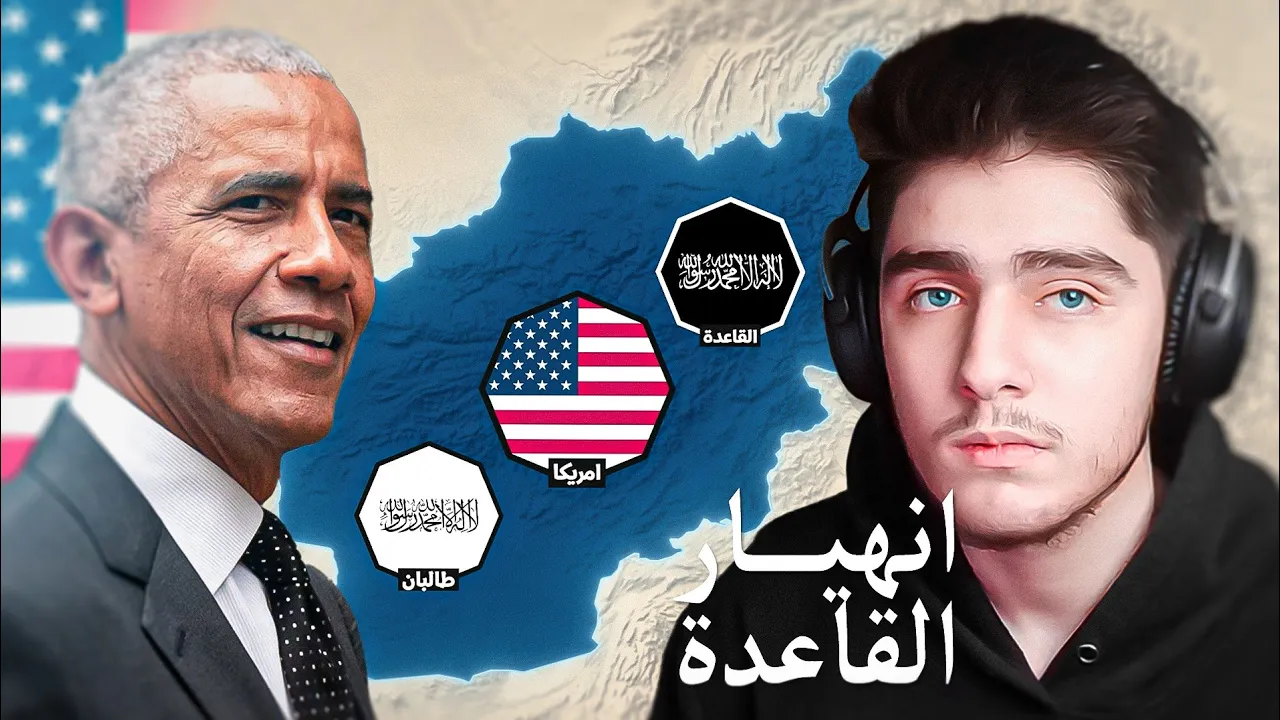
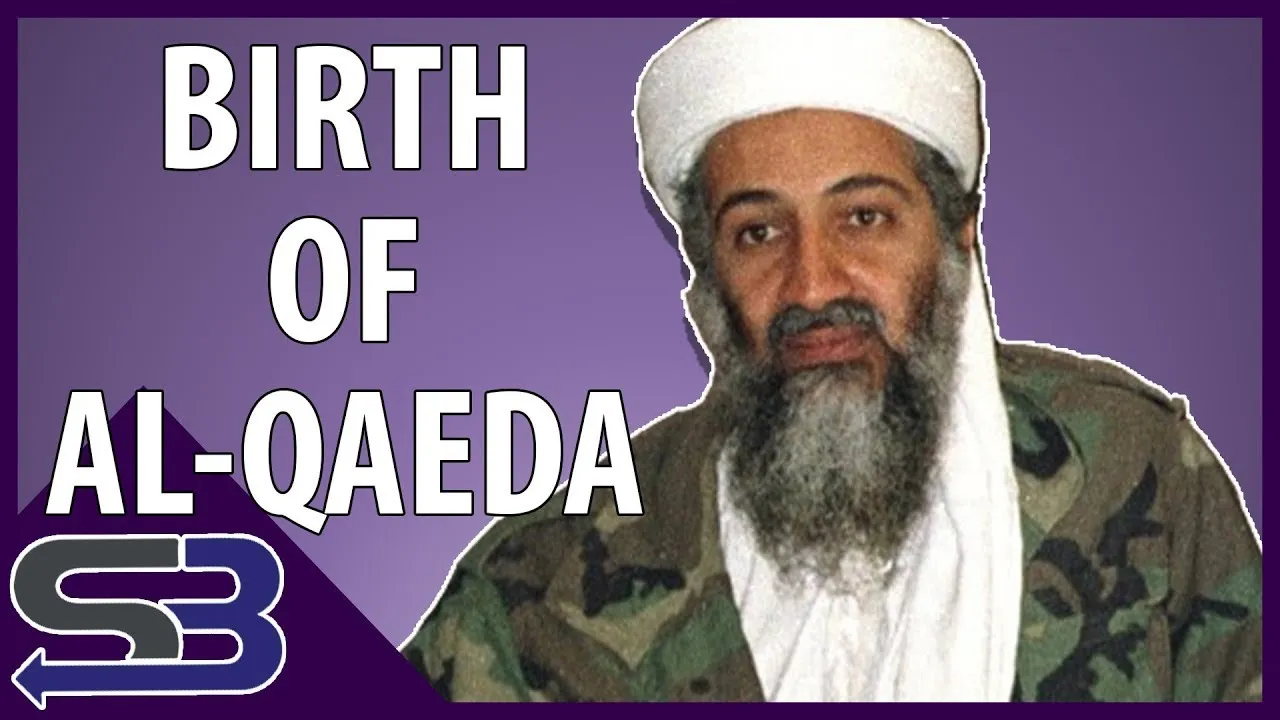

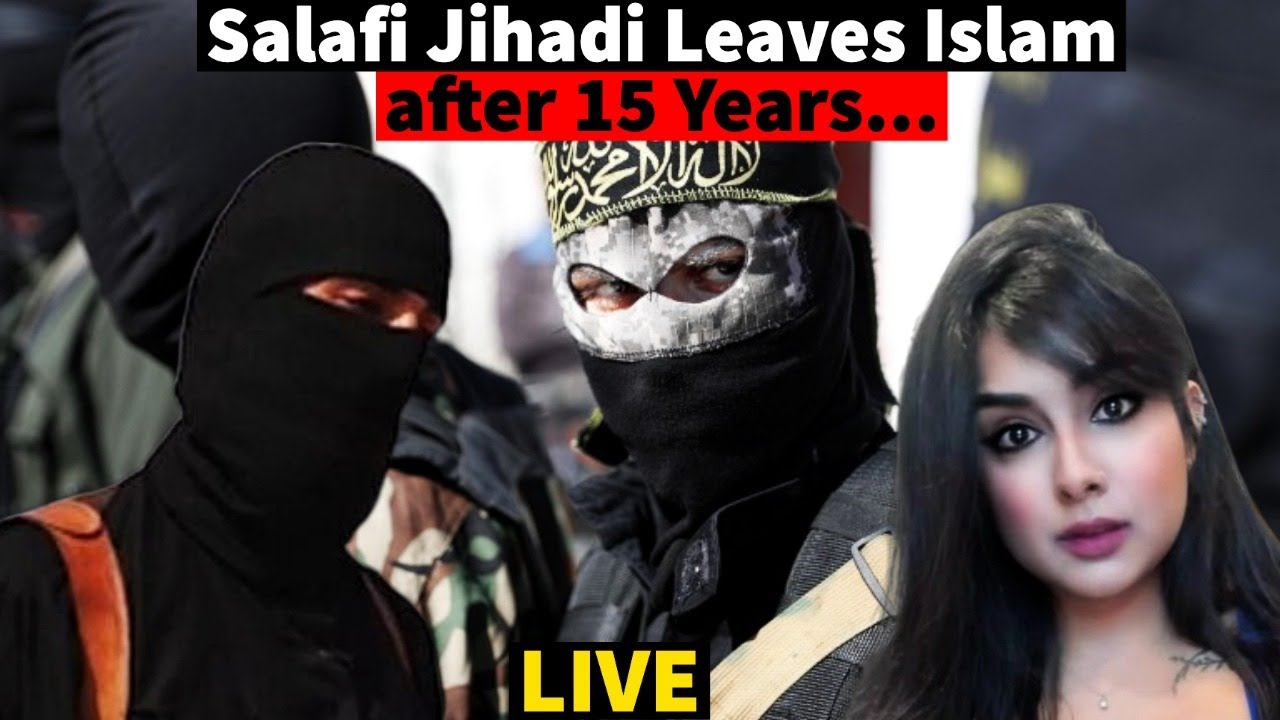


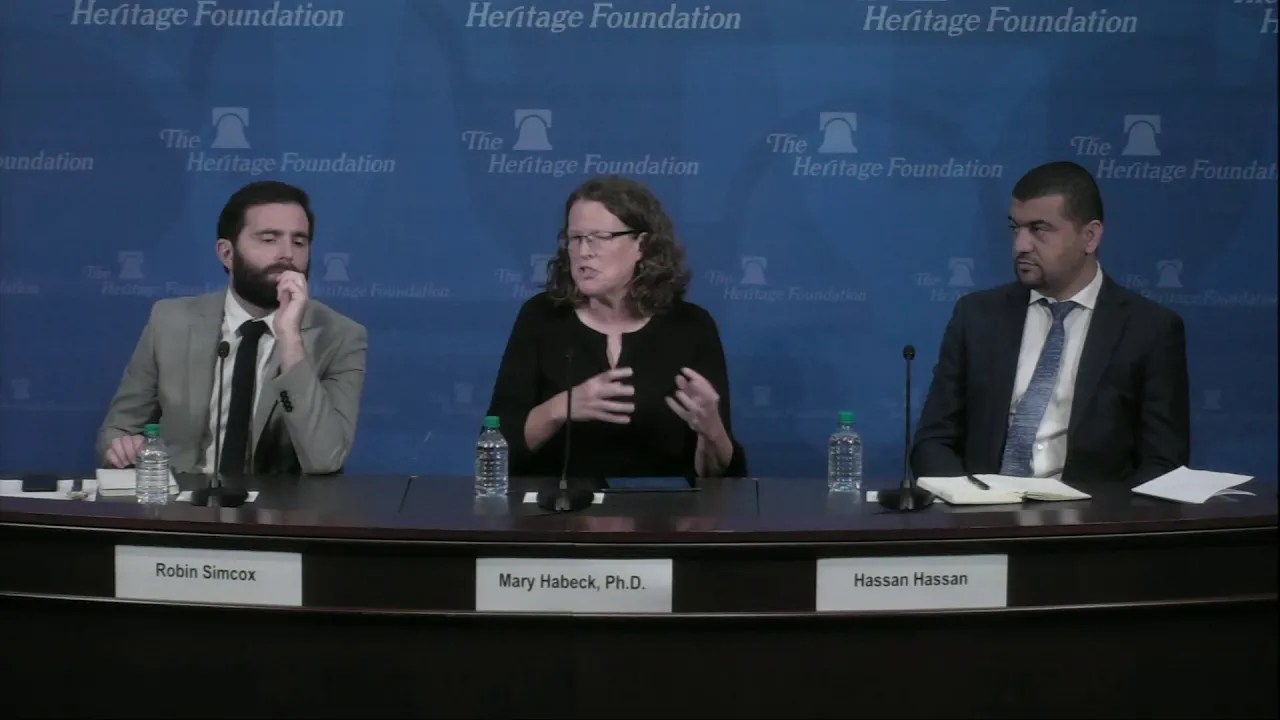










The Syrian Civil War has attracted thousands of young Western Muslims to join jihadist groups like Jabhat al-Nusra and ISIS, driven by ideological motivations including opposition to Western foreign policy, desire for religious identity, and attraction to the promise of establishing an Islamic state; these groups compete for both territorial control and popular support among local populations, with Jabhat al-Nusra emphasizing indigenous legitimacy and flexibility compared to ISIS's more rigid and brutal approach, while Western military intervention through airstrikes has complicated the conflict by potentially strengthening the Assad regime and deepening sectarian divisions.
Why Western Muslims Join Jihadist Groups in Syria | Analysis
Added:An understanding of the geopolitical origins and timeline of the Syrian Civil War starting in 2011.
The ideological and historical relationship between Al-Qaeda, its regional offshoots, and the rise of transnational militant groups.
The sociological concepts of identity, alienation, and 'push-and-pull' factors that influence radicalization in Western diaspora communities.
The basic distinction between mainstream Islamic theology and the extremist, political ideology of Salafi-Jihadism.
Analysis of Western counter-terrorism policies and the legal, ethical, and security challenges of managing returning Foreign Terrorist Fighters (FTFs).
An examination of modern deradicalization, rehabilitation, and disengagement programs employed by European and North American governments.
The subsequent evolution of the Al-Nusra Front into Hay'at Tahrir al-Sham (HTS) and its attempts at governance and political rebranding in Idlib.
The strategic use of digital media, encrypted communication platforms, and tailored propaganda in decentralized global recruitment campaigns.
177.9K views1.1Klikes25:00Original Release: 2015-03-04
[Music] it's almost 4 years since the Syrian Civil War began amid the optimism of the Arab Spring it's degenerated into a brutal conflict that has killed over 200,000 people and shattered the lives of millions more it's also seen young Western Muslims traveling to Syria to fight many joining competing groups such as is Isis and jabat al-nusra al-qaeda's Syrian arm for this exclusive people and Power report naib kajer went to find out why they're there and the implications for Global Security it's May 2014 in Northwest Syria it's the first of several visits here as I attempt to negotiate access to Al-Qaeda Syrian arm jaat danra it's one of the most powerful jihadist groups fighting the Syrian regime and I want to understand what is drawing young Western Muslims to join them an airplane has started to circle around the area again NRA and its allies are carving out a new Islamic State here to rival Isis self-styled calipat in the East and it's under heavy attack from regime aircraft senior nusra members are extremely cautious they don't use phones or email it takes three days just to pass on a message and all I can do is wait can hear [Music] it it's quite terrifying actually to live in this area eventually in December after several failed attempts and weeks of scrutiny from nusra security people I'm finally being taken to meet the Egyptian Australian nusra official abuan al- muhaj a former preacher in Sydney he's been in Syria for at least 2 years years and is on the most wanted list of Western intelligence agencies it's actually the first time that a high ranking member of jaat is going to talk to a western journalist I don't know the destination the place where I'm going to meet him I've just been told by uh by one of the NRA members that I'm driving with to blindfold myself and uh they told me to do it because of uh the security situation early on in the Civil War Al-Qaeda Syrian franchise jabad alra emerged as the most powerful and secretive Rebel Force but then in mid 2013 in a very public conflict on the Jihadi blogosphere Isis splintered from NRA's ranks and mounted a bloody challenge for control of territorian ideology abuan was a mediate between the two groups as they attempted to reconcile but afterwards sided with NRA I wanted to ask him what al-nusra was doing in Syria and why they were now in competition with Isis Jabra is the sole official representative of in Syria our main efforts may be local but they are part of a wider International Islamic movement all Islamic movements around the world want an Islamic State but the is group have defined themselves as the exclusive bearers of Islam delegitimizing the rest of the Muslim Community and its efforts are they interfering in back in Europe as I was trying to understand this I sought the help of an expert on Isis and al-nusra the main difference seems to be the way they treat others Isis just wanted to dominate and crushed any competitors so in that sense the Isis model was very uh successful initially but I think that NRA will be the winner in the long run on the one hand it wants to be islamist and it's worried that Isis has stolen that franchise on the other hand they don't want to be brutal they're trying to say look at we are more with the people we're more indigenous we're willing to work with you we're more flexible but this is still Al-Qaeda and along with Isis the US is targeting them with drone and air strikes last September America targeted an alra unit codenamed thean group that the White House said was dedicated specifically to plan and launching terrorist attacks in the west this is not a new war we all knew the attack was coming and their final justification to invade was arbitrary they claim that they are only targeting a group who have been tasked specifically with attacking the West look there's a clear disparity between what they say they do and what they actually do on the ground they said they formed the coalition to attack the is group then they went about targeting any group they suspect will not fall in line with US foreign policy and then serve them in the region serve their interests who did they tell look I'm not going to get into who they who they did and who they didn't Target that would be breaching security I'll say this much they hit Islamic groups from all over Syria from the borders of Iraq to the borders of turkey I went to investigate the sight of the first strikes for myself this is uh the boring areas of Syria man what is it the boring areas of Syria why is this place boring it's not green enough if there was no Jihadi I don't think I would ever come in I'm sitting here with emmer de gay who's a British foreign fighter and a part of Jabra and we are on our way to where his friend khil Kamara was killed by an American [Music] attack 22-year-old ammer is the last of four Young jihadis from Brighton in the south of England who came here secretly in 2013 as well as losing Kamar last year amir's two teenage brothers Abdullah and Jafar were also killed Amir had been fighting as a freelancer but he recently put himself on the international terrorist list by swearing allegiance to al-nusra looks like the hit came from this side in the front oh that's khiz that's definitely KH I remember that how long have you little been friends uh since 2009 that's about so you were friends from back then from Brighton yeah they say that they targeted people here in Syria because there were an imminent threat of an attack on America well for sure this uh this place wasn't know they were just uh militarily they were just normal soldiers here has KH ever told you that he had plans of going back to Britain or the states committing attacks no never it just makes things clear who their real enemies is ammer takes me to another bombed out building 5 minutes down the road where the leadership of the so-called horasan group is alleged to have plotted attacks against the West this is the place where the al-Qaeda veteran Abu Yu turki a Renown Sharpshooter he was killed together with other members of jabat alra there was a lot of confusion around who this horasan group actually is or if it even existed at all but what we do know is that many of those who died were part of a sniper unit that called the the Wolves a unit led by Al tur we bombed them on the first day when we bombed Isis to to lay down a marker and I think that Obama did it for a number of reasons first perhaps they were legitimately frightened of it but secondly they wanted to let the world know that they're not just bombing Isis who had chopped off American heads in Iraq but they're rolling this into the larger fight against Al-Qaeda terrorism and the defense self-defense so it had a big banner saying we're defending the Homeland whatever the truth about the horasan group it's young men like ahed who Western intelligence Services fear the most abuan makes the threat clear their choice is simple leave our lands stop interfering in our Affairs or face a Perpetual War they rob our resources they back tire they force regime change and they economically enslave our Nations I mean why why do they see me as a threat is it because they have uh guilty conscience is it because what they have done to the Muslims it's almost like they're indicating that we should be a threat to them today Syria is the world's number one Haven for international islamists but behind The Sensational headlines the civilian population has been forgotten millions of syrians still face bombs starvation and a freezing winter and vicious mafias have filled the vacuum where the regime once held power now you're going to struggle to work nice really much Aid worker tair Sharif shows me around a refugee camp that has just been devastated by a flash flood as you can see these are the people that are the worst hit look how thick the M can you see how thick the m is and most of these houses most of the tents I think they've already moved them but you can see look that guy's tent over there is completely flooded [Music] he's talking about many things corruption um exploitation he said now the camp managers here they're like gangsters they go around with guns so everybody's afraid of them so no one speaks out he was saying we're we're Muslims we this is where's the Islam it's among this population that the ideological struggle for serious future is taking place Isis and nusra are Waring over territory but there are also Rivals for popular support what does alqa want firstly we want to remove Bashar Assad and his regime and ensure that he is neither replaced with another dictator nor that auss Russian client government is replaced by a western client State the new government must be one which genuinely serves the interests of the people now what does that practically mean here we want to restore the right of the Muslim people to choose their leaders independently and to establish just governance through an Islamic system that we know as sh alnus are too Vari to let me film freely but in between my meetings with them I also spent time with their allies from the Islamic front Rebel Coalition who showed me how from subsidized Grocery shopsy and Clinics to this Islamic front representative giving out bread on the street they've already replaced the mechanisms of the Syrian state with their own social welfare and judicial [Music] system at this Islamic front Hospital in idlib the victims of a barale bombing had just arrived 60 people was injured in this attack and about 15 one was killed my people are killed by Bashar Assad and his regime because they called Bashar Assad just one thing uh leave we want to leave just leave we want to leave and no one answer us and I filmed a couple of cases at an Islamic front [Music] Sharia it's stability law order unfortunately is what people crave today and this more brutal kind of islamist party that can assert its authority over all the other militias is popular because people just want to know who boss and how to get things done and have some normaly in their lives I asked abuan about human rights on Sharia look every society needs a penal code and having said that I will not be apologetic about any aspect of Islam in the US for example after spending possibly decades in solitary confinement they will drag a man out of his cell strap him to a table and pump him with a cocktail of chemicals until he eventually Di but of course he can choose his last meal which somehow makes it all Humane now we have our penal code in which punishments are appropriate to the crimes committed and act as a deterrent for others Islam to us is whole and complete and that does include Corporal and capital punishment the Islamic front Rebels I met seem to agree what about people who are not religious in Syria no Islam we want Islam you think that the Assad rule represents secular law yes Al law the airplane is circling around this Village yes [Music] yes we heard a a big blast a bumb and they estimated that it was approximately 8 km from here two bombs there's a new blast around of my footage yes four 4 kilo kind of scary they it gets closer all the time you know [Music] abandoned by the outside world Syria Sunni Community seems to be solidifying around its religious identity So 20% religious minorities who of course don't want anything to do with Islamic rule but but amongst Sunni Arabs it's a language of justice and virtue that everybody understands back in Syria I was still trying to understand the ideology that draws young men from abroad to risk everything in this conflict what is your role in this revolution to fight in the path of Allah to remove the Bashar regime and to protect the Muslim the recent revolutions you know their aims is to remove the oppression and you know hopefully bring uh Implement Islam and the Islamic justice but then you find the West they would say is a threat to to to their uh superpower because as you can see the west and you know their choice of capitalism causes a lot of Injustice so people see the light of Islam and the justice of Islam that would cause the spread of it and that's something they wouldn't want can you tell me what happened recently uh with your brother yeah so his name was uh jaur and he was 17 years old and we were offered Behind Enemy Lines operation so uh he's dead now how did you feel when when you heard uh SP I felt with with calmness uh my legs shook a little bit but then you know the first thoughts I had was uh in Allah accepts him is the best of Mars no he was really young do you think he was mature enough to understand what he was going into he was young in age but not in in in wisdom nor in maturity you've lost two brothers now the first feeling that comes is that I'm I'm happy for them you know that they were killed in the path of Allah as Rebels took control of the north Muslims from all over the world flocked here some came to fight others came to build a new Islamic Utopia and others came to do Aid work while I'm hanging around waiting to meet the NRA Fighters I meet a Danish relief worker Alexander in a refugee camp near the border for tomorrow Alexander is making taking an extremely dangerous journey to deliver Aid to the Frontline city of Aleppo they I'm traveling with Alexander into Aleppo today because a British Jihadi who's fighting here has agreed to talk to me we are lucky it's cloudy government helicopters are smashing the city into Rubble routinely dropping explosives in the form of crude improvised Barrel bombs but today the cloud cover means they can't see to aim the front line is actually right there he starts to figure out a way to get past the snipers into the Frontline neighborhood of Salah [Music] [Applause] [Music] civilian families are still living in the midst of the heaviest fighting because this is the safest place to hide from the bombs they are so inaccurate just barrels filled with TNT and shrapnel that Pilots can't be sure of not hitting their own troops hey I just [Music] those still left here are mostly too poor or too sick to flee and it's impossible to describe how terrifying life is here underneath the bombs the British Jihadi IID has agreed to talk only if his identity is concealed he tells me that what he's doing is an act of solidarity with civilians who are suffering though he fights for nusra he hasn't yet sworn Allegiance but he justifies attacking the West according to geopolitical arguments every time we try to build Fair free or independent governments anywhere in the world they're subverted and overthrown by foreign powers for their own interests anyone should be able to understand why Al-Qaeda chooses to Target the international powers that are responsible for this elsewhere in Aleppo I asked people what they thought about the US strikes against [Music] America could have removed Assad whenever they wanted to but they didn't the bottom line is is that Assad is their best option in Syria at the moment because he serves their interest the best they don't want popular rule in the Middle East because Arabs feel for their brothers in Palestine and because America doesn't want an Islamic group gaining a stronghold or legitimacy in the Middle East because a strong Islamic Nation will never be subservient to foreign interests what was already a bitter sectarian conflict seems to have become more polarized since the Coalition began targeting nusra for many here this is evidence that the West is now siding with Assad the West has to realize that the Syrian people aren't fighting to establish a carbon copy of a western secular democracy they're Muslim people fighting to establish what they want an independent Islamic government call that what you will but it's not terrorism as the Syrian Civil War moves into its fifth year this part of the country is securely in the hands of the islamists whatever the response of the outside world it's hard to imagine a scenario that doesn't risk further deepening the sectarian divisions or driving more young men into an early grave
Up Next
84:12
Lebanon's Crises: Corruption, Sectarianism, and Resilience
@BestDoc
83.9K views•2025-07-05

26:22
Walking in the City: Urban Rituals and the Flâneur in Contemporary India
@PSBTIndia
1.9K views•2016-08-02

47:24
International Adoption Secrets: Sri Lanka-Norway Investigation
@aljazeeraenglish
290.2K views•2023-05-31

1:42
Game of Thrones Opening Credits: A Cinematic Analysis
@gameofthrones
46.3M views•2011-04-18
Related Study Plans & Knowledge Roadmaps
Structured learning paths in General & Interdisciplinary Studies
general-studies
Artificial Light: History, Tech & Human Impact
01The Pre-Electric Era: Fire, Oil, and Gas Lighting
02The Incandescent Revolution and Grid Electrification
03Gas Discharge and Fluorescent Illumination
+ 3 more learning modules
14h6 modules
Explore Roadmap
general-studies
Elevator Engineering: History, Physics & Cities
01From Hoists to Safety Brakes: The Dawn of Vertical Lift
02Hydraulic vs. Traction: The Engineering Physics of Elevators
03Modern Speed, Safety, and Algorithms
+ 2 more learning modules
12h5 modules
Explore Roadmap
general-studies
Rubber: Material Science, History & Geopolitics
01Origins of Natural Rubber & Mesoamerican History
02The Chemistry of Natural Rubber & Vulcanization
03The Geopolitics of the Rubber Boom & Colonization
+ 2 more learning modules
12h5 modules
Explore Roadmap
general-studies
Containerization: Evolution, Logistics & Trade
01Ancient Trade & Bulk Cargo: Amphorae to Barrels
02The Industrial Revolution & Cardboard Packaging
03The Containerization Revolution: Malcom McLean
+ 2 more learning modules
12h5 modules
Explore Roadmap