


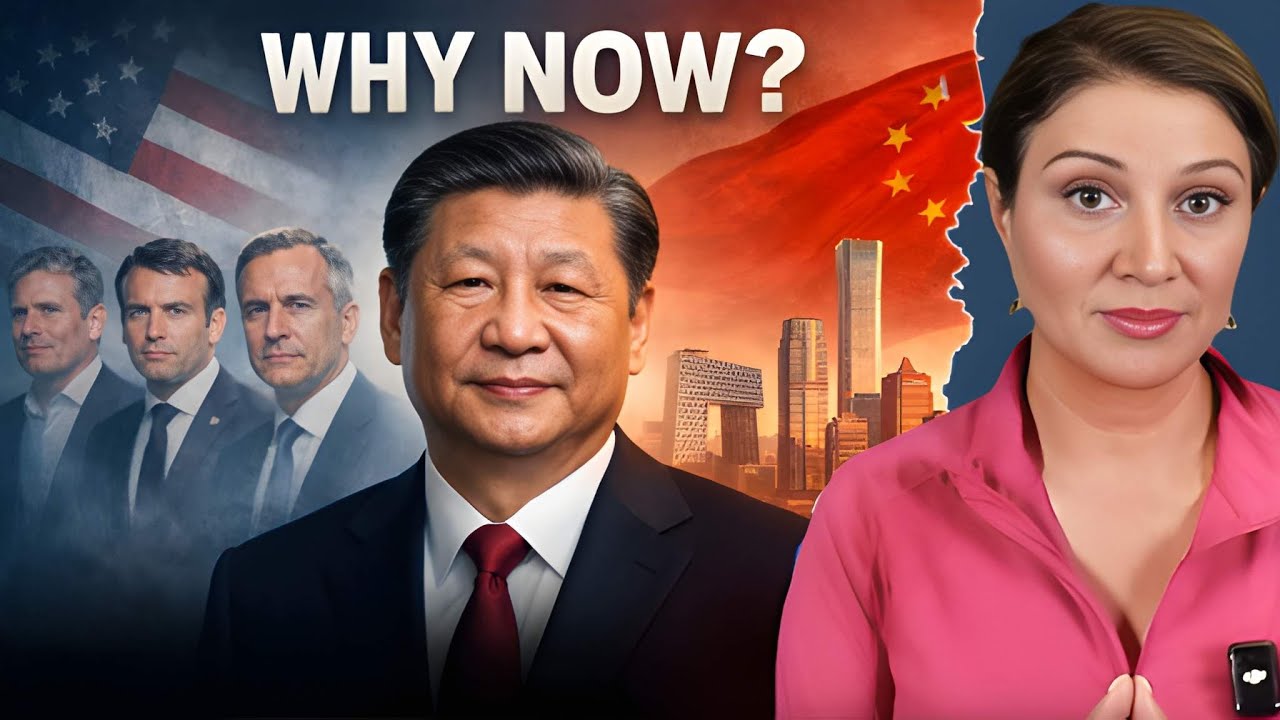





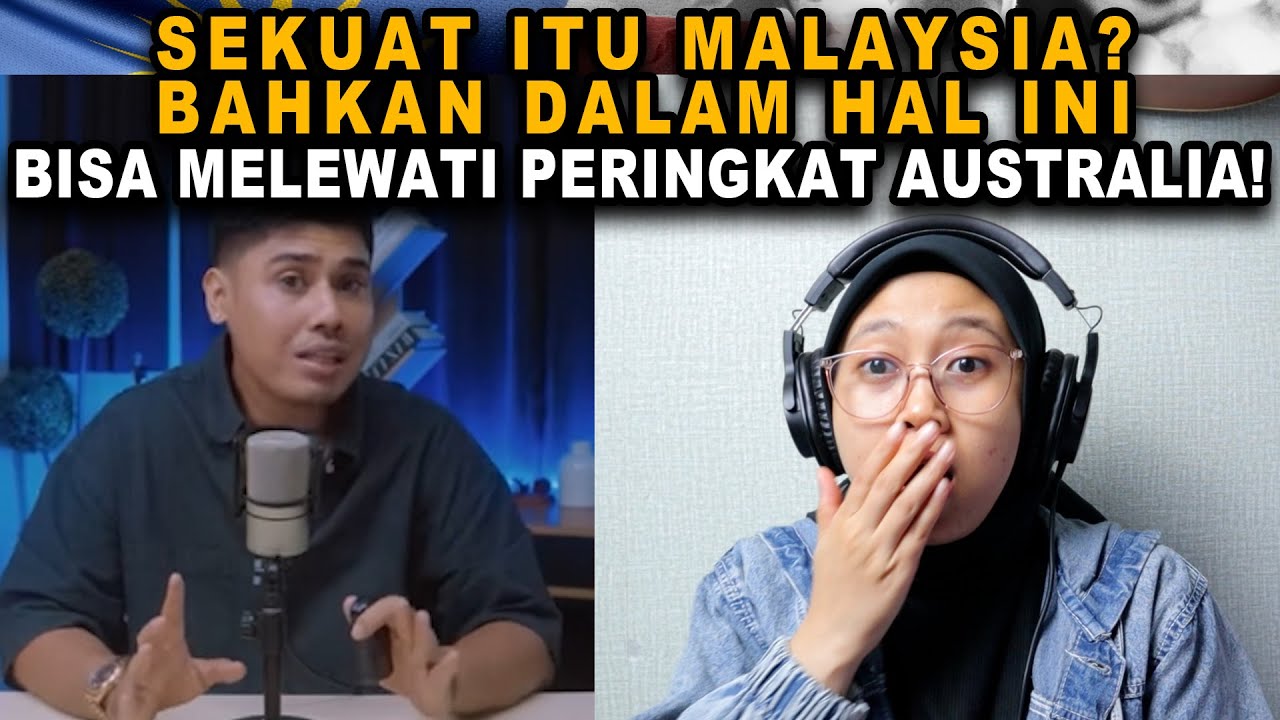


Malaysia's heavy economic dependence on China, as its largest trading partner, significantly constrains its foreign policy options, particularly regarding territorial disputes in the South China Sea, where Malaysia maintains a pragmatic, low-profile approach despite tensions; this economic reality shapes Malaysia's broader international engagements, including its participation in BRICS and its Middle East diplomacy, demonstrating how economic interdependence often overrides ideological or strategic preferences in developing nations.
Malaysia-China Economic Ties and Foreign Policy Dynamics
Added:Fundamentals of ASEAN's organizational structure, its consensus-driven decision-making process, and its geopolitical role in Southeast Asia.
The core economic mechanisms of China's Belt and Road Initiative (BRI) and its strategic infrastructure investments in developing nations.
An overview of Malaysia's modern political landscape, including its major coalitions, ethnic demographics, and recent leadership transitions.
The international relations theory of 'hedging,' specifically how middle powers navigate diplomatic and economic ties with competing superpowers like the US and China.
A comparative analysis of ASEAN member states' foreign policy responses to Chinese economic influence (e.g., contrasting Malaysia's approach with Vietnam's or the Philippines').
An in-depth study of the South China Sea territorial disputes and how economic interdependence with Beijing complicates Malaysia's maritime security strategy.
Investigation into Malaysia's diplomatic relations in the Middle East and how Islamic solidarity influences its domestic political alignment and foreign policy.
Critical evaluation of the 'debt-trap diplomacy' debate versus mutual development models concerning Chinese-funded infrastructure projects in Southeast Asia.
5.5K views106likes59:10Original Release: 2024-12-02
I elect you as I voted for you as my representative and thereby you must benefit me personally and my family you must either give me cash outright or at least some sort of uh material assistance uh right and uh for politicians to succeed in this sort of uh environment uh well you need to hand out cash uh this is not even I'm not even talking about vote buying is simply your voters coming to you and say I need cash otherwise I cannot survive right I mean even if you're ministers and even you're cleaners of the cleaners how are you going to give out all this cash right I mean you can say oh yeah use government resources there's also very limited government resources right so well you sometimes you would need to you you need to say oh okay sorry I I don't have that kind of cash but my friend businessman one he could probably give you a job or something like that then businessman one and you probably will have some kind of arrangement he will get some projects in order for him to create those jobs right so um I'm not trying at all to justify this sort of what I call collusion uh perhaps not exactly corruption but collusion right but uh that's realities in not only Malaysia not only sabba but uh you know uh in Kenya in Ghana in Rwanda and and so on so so it's a very common phenomenon in developing [Music] countries hello everyone welcome to another episode of kopam council with ADI and haiz today we have another esteemed guest here with us today that's going to be talking something that we always like to do which is current affairs both International and local but but like the last episode we're going to be using something different this time because we are in a new paradigm a paradigm that our prime minister is very confident and very he emphasizes a lot whenever he goes his initials and ironically it's his initials which is uh AI so what I've done is ask chat our good friend chat gbt to give us a bio of Our Guest today uh so if we get anything wrong then that can be corrected so without further Ado let me introduce our distinguished guests Dr o a sun a prominent political analyst and Senior fellow at the Singapore Institute of international affairs with his extensive expertise in Malaysian politics international relations and governance Dr o has become a trusted voice in Southeast Asian Affairs he has contributed to numerous Publications and media Outlets offering Keen insights and thought-provoking Analysis so if any of you are also glued to your television screen you would know that Dr o he is also quite prominent on channel news Asia where he gives all his breakdowns on um International politics or even local so Dr o before we start we just want to break it down for our viewers just to get to know you a bit better uh what got you interested in this field of study or into analyzing International politics well first of all I think AI did a very flattering portrayal of myself so much so I don't know whether I could live up uh to that uh I think since a very young age I have been uh very interested in uh well current affairs in general but uh international relations International Affairs uh in particular I still remember uh some of my parents uh friends uh you know when I met them as an adult um well they told me when they visited my house when I was very young I probably was in kindergarten and uh they saw me flipping newspapers uh even at that very tender age so I always had an interest on what's uh happening around us what's happening in society and by extension then what happens in politics and uh sometimes the politics of one country it's perhaps also influenced by what's the current trends going on around the world so that's what got me uh interested in all this uh International Affairs and politics okay so I think um we can just dive in this all right so let's get to the threat of the matter uh let's start off something that uh anticipated very heavily which is Malaysia assuming the championhip of uh asan next year 2025 what should be the top priority as the host nation well I think uh Malaysia's uh declare a priority would be for example sustainability and inclusivity but if you look at this sort of uh very Frankly Speaking broad ideas underlying them oh it's still the economy I think um even though the the pandemic it's like three or four years behind us or two years behind us uh but still I think a lot of ciz Asian countries are still reing from uh the adverse uh effects of the pandemic we are still trying to uh in a sense recover going back at least to the level of economic development that we enjoy before the pandemic so I think if uh Malaysia were to be able to play a more proactive role in this uh regard because Malaysia is one of the major economies in service Asia how could we for example when you talk about inclusivity right how can we include more of those uh countries which join asan later the cambodi the LA uh and even uh Myanmar and so on how could we make sure that um as the rest of Southeast Asia it's recovering that these countries are also uh being well included in in as we progress uh forward I think if we view inclusivity in that regards uh then uh it will be very meaningful then of course within every country every Asian country there are different stratas of societies right in Malaysia we will call them the so-called uh b40 M40 and now we have this category called the T15 I I wonder why it's not 20 but it's 15 but I think other countries in Southeast Asia there's similar categorizations how do we make sure that for example the b40 or the B30 uh they are also enjoying the fruits of Economic Development Across the board I think that is also what we mean by inclusivity yeah all right picking up on the when it comes to reeling from current trends like trends that have happened uh I think one of the things is that we're still reeling even from events that are happening now with the ongoing situation in Ukraine um you know changes in leadership having the most elections we in this year uh so I want to go with global here dror so we've seen a shake up in Global Leadership in the past few months the UK now having Kama Argentina having a weird episode with Javier M and obviously Donald Trump returning to the White House um what is your outlook on the current state of international Affairs well uh of course I think Donald Trump it's at the back of everybody's mind especially those of us who are commentators on International know uh developments and Affairs uh I think we are uh very ironically going to see perhaps a more uh or at least hopefully a more stable International outlook for the next uh few years now Donald Trump of course is a so-called disruptor he has many different ideas as to how to run America and many uh different ideas as to how to uh how the world should proceed uh but I think he's not somebody who is really out there to look for war if anything he has vowed to end some of these ongoing Wars such as those in Ukraine and also in the uh mid Middle East so um I think over the next few years as America looks uh inward uh I think we are going to see the econom economically we might be quite adversely impacted because uh many saice Asian economies such as Malaysia such as Thailand Philippines uh and Vietnam and Singapore and so on WE depend a lot on our economic interactions with the United States and if the United States under Donald Trump uh at least the economic sector is looking inward then is very difficult for us to for example sell things to the US then our economy will be impacted huh but uh conversely speaking uh I think Donald Trump is not very keen in for example this whole idea of uh of uh building alliances uh to encircle China and so on I mean he he he doesn't like the idea that China has trade deficit uh against us namely China um the deficits in favor of China but uh his focus on China is very economically oriented uh I don't think he he cares so much about the differences in ideology between China and us and thereby this constant pressure for sis Asian countries to So-Cal CH side whether you're with the us or we whether you're with the with China and and so on I think that kind of pressure would be lessened economically not so good in in terms of geopolitics I think it's looking up yeah all right because you mentioned about us I think we cannot mention us alone without China right so regarding Malaysia China relationship when it comes to trade Malaysia is very Adon we see Anar Ibrahim and the King himself went to China anir a couple of times already in the space of within two years and uh but when it comes to Southeast Asia South China Sea anir seems to be very um sort of like uh delaying and also using asan as a conduit to to to respond to China uh is this going to work in the long run uh well um it's not going to shall we say uh reach a final resolution uh but uh we have to go along as we act along I mean um because uh as you strongly implied uh economically we we are also very dependent upon China China is our largest trading partner right so when you are so economically dependent upon China it's very difficult to uh to be uh very gungho to be very antagonistic against China even on issues such as the South China Sea sovereignty uh disputes I think um since many many years ago and this cut across many premierships I mean from let's say Dr Mah's first term to Abdullah badawi naib and then wow whole through of prime ministers I think they they basically at the same approach namely when there are some runin uh with China on South China Seas uh typically we are rather So-Cal reticent about that uh we don't widely publicize it like for example Philippines [Music] does uh we try to negotiate with them we will launch protest but quietly and behind the scene and son only when it is really egregious really like huge ship raming into our some of our ships and so on then perhaps uh we will sort of disclose that oh yeah we did launch a protest with with China and so on and that's uh been pragmatic to to be blunt about it do we like to keep such a low profile I don't think so but uh well the economy is heavily dependent upon China so what can what can we do and of course um you know the prime ministers and as you say even the king you know we we visited China and tried to uh promote uh investments from China into Malaysia and so on okay when talking about the international engagements militia has always made over the years there's always this um crystalized idea where engagements are dichotomus which is always oriented between China and the us but sometimes there's also a third axis that uh colors some administrations for mahad was the look e policy and becoming a champion of the developing world and I think this time around with drahim is that there is this hyper focus on the Middle East so a tremendous amount of effort diplomatic effort has been made on buaya regarding the ongoing genocide and atrocities happening in Palestine and Lebanon committed by the Zionist state so this has placed Malaysia on somewhat of renewed front right towards securing leadership throughout the Islamic world so is there any chance that Malaysia can play a pivotal role in you know potential peace talks or even facilitation towards sensation of violence or even long-term stability even with the consideration that Malaysia does not officially recognize uh the state of Israel uh what do you think of this doctor well uh a country's uh foreign policy it's very often colored by economic concerns on the on on the one hand and also shall we say ideological uh Outlook right um this uh focus on let's say China in Malaysia's uh foreign policy is actually a rather recent phenomenon and that's because uh well China became economically very prominent over the last let's say one or two decades right and correspondingly uh because of inter economic interaction with China it's very frequent and it's large volume and therefore well we have to in a sense been very close with uh China but as you mentioned also the previously when uh uh Japan and Korea they were investing heavily in Malaysia we also had look is policy right uh we also became very close to them because well they are big economic Partners right and the US it's always there I mean uh the US Investments is not the biggest but it's always there so we also in a sense uh maintain um shall we say somewhat stable relations with uh the United States so economic concern it's one and your foreign policy will adjust accordingly the other one is of course ideological uh Outlook right um Malaysia it's a Muslim majority uh nation and uh therefore um matters which pertains to uh Islam with matters which pertains to religion uh typically would also color Malaysia's foreign policy and this is most uh prominently display in Malaysia's uh not having a diplomatic relations uh with Israel and it's uh very often championing the Palestinian cause on on in the international uh uh stage now but uh things uh could evolve uh very differently sometimes that's why I talk about the the trends in international Affairs uh I hesitate to call them Mega Trends because uh I don't know whether that that's patented but but let's say there are Trends right uh economically for example you see now even though China is still uh developing very fast well not as fast as before with double digit growth but still it's at 5% and so on but they are also signs of Chinese economy uh slowing down right so if China's uh interactions with us economically uh is no longer that strong but our interactions with some other economies uh it's getting more frequent and with larger volumes then perhaps uh you know our Attention our foreign policy attention will very naturally train to that particular Nation or even a region let's say it's the EU for example or if uh well no Trump I mean Trump wants to make America great again but not necessarily interacting a lot with foreign countries right so now I ideologically uh in terms of let's say um uh Malaysia potentially playing some role in uh shall we say moderating the Middle East conflict and so on um perhaps not in the short run uh they actually a lot of undercurrents going on in the in the Middle East for example um Israel's conflict with Hamas and with uh hasbullah and and so on um a lot of media Focus were of course on all this uh should I say atrocities been being committed uh but um I think some Arab countries are not necessarily unhappy to see Hamas and hasbullah been totally destroyed and I would even name well the most prominent Arab country namely Saudi Arabia for example or even the Egypt they I I don't think they are not happy to see Hamas gone totally gone and heah to to to accompany them as well so and if you remember correct if you remember uh last uh October uh sorry October last year before Hamas incursion into Israel proper um Israel and Saudi Arabia they were already very close to to establish uh establishing uh formal diplomatic relations I I remember BB talking about uh an exess of prosperity or something all the way from Saudi to Europe and and so on right and I think that's still going on uh despite uh what Israel has been doing in uh in the battle FS uh I think that's still going on and I think at some point in a very not so distant future uh Israel and Saudi Arabia they establish formal diplomatic uh uh relations uh already Israel with a number of G countries right so and and if that happens uh because Saudi Arabia had uh shall we say um a rather commanding C within the International Islamic community so I think many other countries will follow suit uh the pakist the indonesias Indonesia already has informal uh relations with Israel I think there some sort of Israeli trade office in Jakarta very correctly so um so and in Malaysia uh being also an Muslim majority country I think we also follow suit so I think events will overtake this uh while we are not so happy to view all these atrocities uh but um uh to be BL about it uh international relations International Affairs sometimes can be quite brutal huh uh a lot of undercurrents going on in in uh in in the Middle East and those undercurrents uh some are positive ones like this um R Rong between let's say Israel with uh let's say uh Saudi Arabia Israel already has foral diplomatic relations with uh with uh Egypt and with the I think turkey recently cut it something like they vow to to cut that sort of ties but again when he common interest when they common enemies sometimes you uh you walk together that's just the way it is around the world yeah perhaps uh this is maybe the last question about International relation not not for the entire episode just inter relations uh and recently you know you cannot mention Malaysia without bricks as well it becomes a trend as well becomes a buzzword what is the number one thing Malaysia looking for out of bricks uh to be very blunt about it I think it's to make China even happier uh because China yeah bricks uh it's a primarily uh supposed to be an economic setup right I mean economic cooperation and so on and because within the the bricks uh family China is the leading economy to much larger than any other economy within the bricks family therefore it is leading bricks and uh and and Malaysia of course would like to ingratiate itself further with uh China with the hope that uh you know just like with uh the Bel and row initiatives they have some infrastructure projects here well hopefully under bricks that also has some other projects which we could benefit from because if you look at Frankly Speaking if you look at other benefits of let's say interacting with other bricks Nations they are shall we say very politely not very strong economies right uh I mean interacting with Russ Russia Russia's uh Russia's economy it's about the size of the guangong Province in China only uh with uh let's say Brazil I don't know what we can do together so um and also within bricks you see for example China and India they are defin Ely not real friends there might be friends on the surface but not real friends right so bricks number one has a lot of U internal uh conflicts that it has to resolve and number two uh with the exception of China the other economies with bricks are really not doing particularly well so I could only imagine if so that we we could uh you know Avail ourselves of more investment from China so that means um our orientation towards bricks is still quite Beijing Centric I I I think so and that's by necessity if the United States uh well it's not likely over the next four years under Trump right but let's say uh in an alternative Universe the US uh it's really going out there having their own versions of uh belt and Roads and and so on and investing heavily in Malaysia in not just let's say one or two industries but many man Industries well then we accordingly reorientate our foreign policy to be more in favor of the US okay so I think we've already covered some International bases here let's go back to domestic situation with Malaysia so um this is something that came out fresh off the news so verie published their report and gave the madani government a degrade and improvement from F last year um is Sabri scored the highest point of five and anwa only at three points um what do you think of the sentiment publish is it uh has grounded in any kind of reality or uh is it really just well B by definition it's about uh clean elections and and so on therefore of course uh it uh focuses on uh let's say reforms and reform related initiatives whether they have been uh properly uh tabled and promoted and adopted and uh so on and if you solely judge from those uh criteria yeah then during the isma sa Administration shot that in May uh he he did uh uh I mean enact a number of those shall we say reform oriented policies right such as if I remember correctly uh anti- hopping law was adopted during his terms uh and then he reached out to the opposition to to support them uh with m and and so on these are rather Innovative uh reform oriented uh initiatives so uh bery accordingly gave him a very high score right uh even higher than let's say najib which some whom some said also had some reform initiatives um this current government Frankly Speaking even though is I mean let's well or at least the pH part of it the pakatan haran part of it they were elected at the back of expectations right that they are going to really push through a lot of reforms after they they empowers and and so on but of course now that uh they Empower for I think exactly two years because now there are celebrations going on I have difficulties uh getting the uh grab to come to where I am because I stay very near where they doing the celebrations [Music] traffic jams and so now well the celebrations aside um in terms of Reform initiatives been uh successfully pushed through and so on it's not there's not a lot to shout about I think that's why uh uh bery gave them not a very high score here but personally uh doctor uh what do you think of the madani after let's call it the m midterm review right like two years now uh and how do you see in next general election the Coalition maybe the configuration will it be maintained like this will they go as a coalition to the election or is just like okay we going on our own who wins we form a coalition again do you think that would be the case well to to answer the first part of your question uh I think midterm reveiew uh well I I don't know what's actually what what does d correspond to in terms of scores right but it will give them let's say about 70 points out of uh uh 100 uh because uh even though pakatan haran is supposed to be driving the reform agenda but um the reality is uh you have many other Coalition Partners right in order to form a ruling Coalition you have amno for example and amno has well shall we say very politely say very different political Outlook than uh than pakata haran it's already a miracle that these two coalitions previously you know really getting at each other and now uh they could rather harmoniously come together to form a government um there are some noises from from time to time from the lower Downs uh the lower down one of politicians from either side attacking each other but but at least the senior leaders uh who should know better uh they are not like attacking each other every every day right in that sense it's a I mean the the ability to keep a shall we say rather stable ruling Coalition that is no mean fit I mean that that that it's quite an achievement so we have to give that to Ana and to his Coalition uh uh uh uh Partners number two um well this country uh shall we say uh again if we talk about Trends and and so on there's a conservative uh there's a trend approaching to a more conservative outlook for the for the country right and a lot of this uh so-called reforms that anoa and his and his uh and his pH uh are supposed to Ina and so on they sometimes will run against this sort of um conservatism and as season politicians winning votes it's most important right uh so so therefore they slow down their reform the pace for of their reform a little bit knowing that their core supporters who are really gangho about reforms well they have no choice they still had to support pH because otherwise you'll be support you'll be supporting the more conservative side which is uh at least in their mind even vers right so uh in that sense I think he is doing the best he could uh under shall we say trying uh circumstances then going forward um well if uh the if the main characters within the ruling Coalition they are still in charge of their respective parties for example then yes and and assuming this uh the component well I wouldn't say component parties the different parties in this ruling coalitions they still win a lot of seats in the next uh general election yes then they are likely to uh once again come together as a coalition government but if they are let's say leadership changes let's say within amno let's say zahid hamidi uh for whatever reason is no longer amno president there's another amno president uh coming up and he or she may be uh shall we say they may take a liking to uh PN instead of pH right no then you could imagine amno just as it did uh during the what's his name the uh midin time they could just as well uh sort of align themselves with midin and with pass and and so on right so it really depends on number one uh who is in charge you know these different parties number two of course um before you start negotiating you need to win enough seats if you win only two seats yeah that's important but you know let me talk to the 10 seat holders first right so yeah so I mean in a way it doesn't change the fact that uh the opposition still is an attractive Prospect for a diminished amno as it is but let's try uh go to other considerations within this madani government because Saban sarak is also part of this Unity government framework so in recent years right sabba has been compared many times to Sarawak with the L being perceived this light years ahead in terms of development and political leadership so what is your assessment on the inroads made by sarak and its nent potential Visa Vis uh sabba and what does that spell for the current Dynamics within the unity government well uh I look at sarak uh I think in a similar streak as I look at Donald Trump namely in a sense very inward looking right what's in there for America and relatedly what's in there for sarak right uh and uh so if you look at Donald Trump what's good for America he will probably adopt he will probably let's say internationally he probably join right so the same with Sarawak Sarawak now uh is part of this ruling Coalition let us not forget after the general election two years ago their first choice was not pH it was PN right it's only when they saw the wind sort or not blowing in a certain direction then they quickly change uh their affiliation to be with uh pH so if sarak continues to be in my humble opinion inward looking andh I have plenty of Sarawak friends so I hate to say this U shall we say self-centered sarak Center I think I'm already using a very neutral term here right center right uh then you never know if they can get a good deal in terms of devolution of powers and money uh back and down to Sara then they might continue to stay with this Coalition uh if not they might as well you know go back to their old friends after all they were also part of the midin Coalition right so it it really depends I mean I'm being brutal about it in terms of the political uh game here now our home state our wonderful home state of sabba that's really wow wow and even though even though uh you know a lot of us are now in K and we are talking about the really clocks of the Malaysian politics but still in our home state it's still very much Wa West in the sense that um uh well number one uh politics is very personality Centric right if you are a politician worth your assult you are probably not going to stay within a party where you have a party boss you're going to go out there and have your own party right uh even if that party would have maybe only yourself as the Member of Parliament or State Assembly still I want to have my own party that's why you see a lot of this uh different uh parties going on in sabba each having you know a few seats let us be generous about it so I think after the next Sabah general election this sort of phenomenon I think is still going to persist namely different parties uh would win a number of seats each ranging from one to let's say 10 and let me be even more generous 15 I I think that's the most already that's really stretching already 15 and uh therefore in order to form uh ruling Coalition in the state of sabba you would still need to have all these negotiations right to form coalitions you know party a or and C instead of A and B but sometimes B may go to D and then there's this um uh tiny party with one seat you know they join the B and D setup and not thec setup and so on so you still see all these negotiations going on after the results sort of uh drip in uh at the night of the uh voting so so let's see what happens and who uh would be the next Sabah chief minister all right you already mentioned about sabba election let's go into the most juiciest uh news coming from sabba this month which is the graph Scandal the video was leaked by Malaya K whatnot uh what are the political implication of this to M especially M government because of course GRS is with M government and uh what your prediction again with the uh configurations in Saba because PKR Saba would use this as an excuse to not Ally with GRS but maybe let's say to warisan you know they they did it before would they do it again uh well if you uh listen to the coffee shop talks in we call our cof uh then I mean people get to be very cynical right is say what's new as as if that's that's news for sabba with the implication that such uh shall we say corruption and collusions have always been ongoing uh within the sabba political what always say sociopolitical context so it's not something which is extremely shocking to those of us who are sabahans we we knew that this this are ongoing it's just that well it happens to be be soal review um number two would it have a lot of political uh impact um probably within the urban populations uh and the urban voters are a little bit confused because last time it was clearer right uh you vote for pH you're voting for change otherwise you're not voting for change now pH is go government and then some other parties claim themselves to be advocating changes so it's very confused you really don't know who or which party you should support for the rural sorry for the urban voters and thereby such such uh political scandals shall we say might have some bearing on on on their mind but if you are Frankly Speaking talking about uh the rural or should we say the more remote uh remotely settled um uh voters is still uh what is euphemistically called development politics namely whether you know when it comes election time the resources quote unquote been distributed uh to my Village or to me personally and and that uh really counts uh during elections for the rural seats uh in uh in in in sabba now if you're talking about political configurations for example whether uh pH or or let's say pki in particular how they're going to align themselves in in in view of this latest Revelations and and so on I think PKR has a lot of homework to to do first number one um as I said you you need to uh be I mean as a party you need to be prominent yourselves be before you can talk about I'm aligning With A or B right so you need to have a lot of uh house cleaning to do for example uh I used to know that it was Dr Jeffrey kitingan who was PKR Chief at some point and then anali Abdullah and then uh my friend uh Christina Le Frankly Speaking I I I don't know who is the PKR Chief now I I I simply don't know I'm sorry I'm a political commentator I you know I might not have done my homework enough so you need to groom people within your own party who are a bit prominent you need to as a party do some ground Works organization Works to make your party I mean you know if there's another party for example this uh uh Peter Anthony party I I I can't even remember what's the name of the party but immediately I remember Peter Anthony and His Friends character himself is the not the party KDM I think it's called yeah and then he has his friends right and they have won a number of seats not not a few know quite a number right I mean how about you uh PKR I mean I know Christina has a seat I I I can't even remember who else has has a seed in uh in in in PKR so you first need to uh clean up yourselves I don't know how we are going to do itth I mean after you if federally you are the ruling party right you're driving the the nation's agenda but how come in sabba you are like uh I mean nothing is too much to say but I mean you are like uh you know not so prominent shall we say first you must make yourself politically relevant and prominent then you can talk about all I want Shafi oh I want haiji and and so on I think first they need to do that I think that's the irony because often times the Prime Minister has visited but in the capacity of PKR president to try booler the morale there um but of course that leads some criticism that he's pretty in favor instead of his Partners but a second thing I want to go back to when it comes to this whole clientalism and patronage politics right as more of a feature in sabba because the relationship between the politician and the communities is so intertwin with the idea of patronage that me have had this discussion before that politicians have no choice but to engage uh in such activities that were are deemed corrupted so uh that would be making the assumption that it's very hard to decouple from our political scene but what would you think in terms of yeah uh I I sort of mod moderated my view a little bit on uh on this I used to think many politicians are very evil they're very corrupt and and so on they collude with businessmen you know to enrich themselves I still think that's true to a large extent but uh also sometimes that's by necessity because uh I've been traveling around I mean for work attending conferences and so on in many other uh developing countries there that's why International Affairs sometimes you you you look at it from that angle and you look at your own domestic politics it gives you perhaps a better understanding you know I've been to countries in Africa uh especially uh to Ghana to uh uh Rwanda and to Tanzania and so on um and recently I went to a country which is sort of I think bordering between developing and develop that is Cyprus uh and and as I look at the politics in these countries uh they are not very different from what's going on here because they are by definition developing countries right therefore they are shall we say a lot of poor people and when people are poor then they and and it's a let's say it's a democratic country with vote with votings and and so on then of course uh well you would expect people you vote into office would improve your your your lives right uh in the more developed countries you can say oh po politicians yeah they should improve your lives but in a general way that gives you better infrastructure then you can work better and and so on but in developing countries uh people don't look at it that way uh I elect you as I voted for you as my uh representative and thereby you must benefit me personally and my family you must either give me cash outright or at least some sort of uh material assistance right and uh for politicians to succeed in this sort of uh environment uh well you need to hand out cash uh this is not even I'm not even talking about vote buying it's simply your voters coming to you and say I need cash otherwise I cannot survive right I mean even if you're ministers and even you're cleaners of the cleaners how are you going to give out all this cash right I mean you can say oh yeah use government resources there's also very limited government resources right so well you sometimes you would need to you you need to say oh okay sorry I I don't have that kind of cash but my friend businessman one he could probably give you a job or something like that then businessman one and you probably will have some kind of arrangement he will get some projects uh in order for him to create those jobs right so um I'm not trying at all to justify this sort of what I call collusion uh perhaps not exactly corruption but coll illusion right but uh that's realities in not only Malaysia not only Saba but uh you know uh in Kenya in Ghana in Rwanda and and so on so it's a very common phenomenon in developing countries until such day as our general income level you know uh goes up and we become sort of a developed country then perhaps this kind of phenomenon will lessen a little bit bit yeah just want to bring you back uh Dr again to Sarawak because recently sarak has been uh in courts with Petronas yes a lot of times and whatnot and then uh uh we can foresee that if Petronas win this battle it's just going to be business as usual but I think if Sarawak wins it will open a new uh president for other state like sabba Clan and tangu as well so do you think sabba especially sabba will follow suit if sarak win this well I think uh we in sabba have to be more proactive in terms of uh soal pursuing our rights and privileges under the Malaysia agreement 1963 right uh um Sarawak it's always in the Limelight uh for very aggressively pursuing such uh such uh such rights and Privileges and benefits uh in sabba it seems like only some very public-minded NOS uh pursuing that uh yeah and even bringing suits and so on so I think the least that uh the government the state government could do is to number one not object to such a suits and number two uh perhaps uh you know provide some assistance legal assistance uh well uh our friend ke uh what's his name ke sa right yeah perhaps should be more proactive in doing so and uh and and you know and if circumstances are appropriate the state government could emulate the Sarawak state government and and pursue similar suits because if you had two suits coming together then it's stronger case right then who knows kalantan and tanu hey those are opposition State somewh they may join you right and and and and don't forget Jo now um and and if this sort of we say uh entanglements with the federal government if they are more if somehow the results are more in favor of the states right then I think it's a very good development because then we are truly seeing a Devolution of uh the national powers to the various uh uh States I'm always very uncomfortable when I see two much power been uh concentrated or centralized right I like the the sort of American Arrangements where the states still hold a lot of Rights so you see I'm not even talking about Sabah and SAR being special I'm just talking about in general federalism yeah we we should have uh uh yeah we should have better practices in federalism yeah yeah so um that goes back to I think one of the strengths in SAR maybe you could disagree agree with me that sarok doesn't necessarily use ma63 they tend to look at what's on an ad hoc basis or they person and they articulate for that whereas Saba we still Meandering in the idea of ma63 so I remember I POS this question to Dr M back in 2019 says it is time for a new Arrangement and his reply back to me was are your leaders ready for a new Arrangement so well Dr mahat rets to you that are your leaders ready for it I I think it's really very uh ptin he has looked at politics for many many years right he he sort of knows the calibers of leaders everywhere both domestically and internationally right uh so uh in in in that sense uh I'm not disagreeing with with him at all uh and also there's another related Point namely you see even if you get back all these rights and privileges uh would you make good use of them right um I don't know I'm see because just now we were discussing about the rampant and the endemic corruption and collusion that's going on in sabba Imagine with more money pumping into this mess this sespo sorry this this swamp sorry this I don't want to drain the swamps this uh you know this this pool of of uh you know a lot of big fishes so on what will happen to to those uh fish feeds yeah yeah uh what do you think about the uh Saba new framework the blue economy uh do you think this is just another thing that they ought to do and then just never act on it or do you see a true potential in there well potential is always there right uh I think uh for example we are talking about uh using Wave to generate electricity energy and so on and of course sabat uh as all of us experience has a lot of brown outs and uh blackouts right right we need to have more stable electricity Supply so if we can really harness uh the potentials and the powers of uh the ocean and the Sea uh in terms of number one Energy number two uh to be um self-reliant uh self-sufficient in terms of food supply and and so on yeah why why notth but we perhaps would need a more comprehensive uh uh I wouldn't say planning because I I I have problems with Central planning centralized planning but I mean some sort of incentives perhaps right some sort of incentives uh you know for people to uh explore the potentials of uh the ocean and the Sea uh for the purpose of uh or at least these two come to my mind number one energy and number two uh uh food right but you know sometimes in Malay in general in Saba in particular when you talk about incentives and so immediately we are thinking about project who gets those incentives the the related persons right and so on yeah so that that's where the cynicism would seep in would come in yeah yeah so back to that cynicism right I think um I think we had this conversation years ago in clubhouses that we should be a bit more kinder to ourselves because we've embarked on this diplomatic Democratic experiment only in the last 60 years and Saba itself is also relatively new young as a Pol right so I mean can you say that we are just um how was this Growing Pains rather than uh really we're just going Falling Into Obscurity well of course uh you know recently I visited uh Cyprus right Cyprus got its independence in 1960 so it's actually between halfway between 1957 for for formulation of Malaya and 1963 formulation of uh of Malaysia right and Cyprus immediately descended into Civil Wars to the extent that nowadays they are uh they are cut in half essentially with the North and the South and so on uh whereas we in Malaysia after all these years uh we are still relatively peaceful despite some communal differences uh and so on uh we totally don't have uh you know any meaningful kind of uh violence uh uh civil violence uh going on so yeah we could sort of Pat our shoulders congratulate ourselves uh on that and uh but as a nation uh of course we strive for better right we try to be Singapore we try to be Korea to be Japan look e again and and if you look at it from that perspective of course we could do uh much uh much better and of course one key it's education or nowadays we talk about educational reform and and so on yeah okay Dr last question before ad ask his last question M uh we cannot let you go before we asking you about Singapore okay all right what do you think about Laurence swong as a the new prime minister would he shift uh you know ship it uh Singapore differently or do you think it's just going to maintain whatever Singapore has been doing in relation with Malaysia well at the risk of uh of losing my Singapore affiliation I would uh I can only say I hope uh the Singapore that it's uh under Lawrence Wong's guidance would be a Kinder gentler uh Singapore uh a more people Centric Singapore it's already very people Centric but of course Singapore has its challenges in terms of uh the differences between the very rich and the uh and the more hard to do huh so they have he I think has to resolve all this uh uh before every else if he were to win resoundingly in the next general election yeah okay we've uh jumped all over the place to be hly International Doo and then sa s some of Singapore is here um so uh we also want to try end this on the lighten not doctor so we're going to go very off tangent and go back to asking personal things about you if that's okay um so I mean the first question would be like uh you've traveled extensively around the world yeah what is your favorite uh holiday destination I would say uh Japan because it's very predictable right everything it's very well set out uh and and so on so uh you can even though you don't know the language you can probably go around Japan feeling safe feeling that uh you could sort of Orient yourselves everything and as I said recently I went to uh Cyprus I think uh as a holiday destination is it's uh quite quite nice I think sabba has a lot to learn from Cyprus uh for example there's this small castal town called paos with only 50,000 uh inhabitants but uh it's one of the major tourism destinations for many Europeans so I was thinking pafor pfor sounds like Belfor I say pafor can how come Belfor cannot I was really thinking about that you know I I was discussing with my wife to the extent you are you crazy or what so yeah I mean let's say Bel for could learn a lot from pafor for example you see everything I would internalize it and try to look at them in terms of international Affairs and politics but surely there's a spill over from Greece right uh yeah of course uh well the southern part of uh of uh uh Cyprus it's many Greek and the northern part many Turks and and so on and sometimes they are more affiliated with turkey and with Greece more than anything else yeah yeah okay so another personal question is um you know you travel obviously the you imagin particular images or particular Sensations when you travel uh for me personally is music so on that note what's your favorite type of music Dr well uh there's opera music uh which I like a lot all the pavares and Jos careras and pido Domingos and and so on that's one part of me that's mainly because my father like it and I sort of inherited that I even inherited a lot of those cassettes and so on from him uh but I also like uh musics uh from the late 1960s to let's say throughout the 1970s uh the Bonnie Ms uh the bgs and and so on I think they encapsulate a very colorful very vibrant uh decade so so I assume when it comes to because I know you can speak German right a little bit Vagner would be no issue for well Vagner those uh I say the last bit of classical uh music yeah uh and and and of course German operas as uh Vagner influence as well yeah how how about your French is it still I could probably uh order food in a French restaurant and ask for how much is a price and so on mainly because I used to work in Geneva in Switzerland and a fren speaking part of Switzerland uh I did not I think properly learn French academically but you need to survive right so you need to pick up soal Street French and so on yeah okay I think that is uh all the time we have with our guest Dr OAS who you know fished us with a lot of things that uh I hope that you as the viewers would take away when it comes to considering uh not just domestic affairs but International Affairs as well and how it interplays with nearly everything the surrounding us so before we leave off have you have anything else you want to say before we wrap up uh before we wrap up I would like to urge everyone to subscribe because a lot of our viewers are not subscribers so I think around about 70% are not subscribers so if you like the content that being put out by Dr o here right now and you want more of uh Dr o in the coming future is that okay right Dr so definitely so comment down below I want more of Dr o and then we will bring him back on the uh episode and if you like any of this content in shorter format you know 60 seconds less than that you should go to our Tik Tok and our Instagram tons there yeah with that said thank you everyone and goodbye for now
Up Next

11:38
Arduino Tutorial: Controlling a DC Motor with MOSFET Basics
@Arduino
48.1K views•2013-07-30
26:22
Walking in the City: Urban Rituals and the Flâneur in Contemporary India
@PSBTIndia
1.9K views•2016-08-02

9:49
FastAPI vs Flask vs Django: Choosing the Right Python Web Framework
@TechWithTim
302.5K views•2024-05-26

1:42
Game of Thrones Opening Credits: A Cinematic Analysis
@gameofthrones
46.3M views•2011-04-18
Related Study Plans & Knowledge Roadmaps
Structured learning paths in General & Interdisciplinary Studies
general-studies
Artificial Light: History, Tech & Human Impact
01The Pre-Electric Era: Fire, Oil, and Gas Lighting
02The Incandescent Revolution and Grid Electrification
03Gas Discharge and Fluorescent Illumination
+ 3 more learning modules
14h6 modules
Explore Roadmap
general-studies
Elevator Engineering: History, Physics & Cities
01From Hoists to Safety Brakes: The Dawn of Vertical Lift
02Hydraulic vs. Traction: The Engineering Physics of Elevators
03Modern Speed, Safety, and Algorithms
+ 2 more learning modules
12h5 modules
Explore Roadmap
general-studies
Rubber: Material Science, History & Geopolitics
01Origins of Natural Rubber & Mesoamerican History
02The Chemistry of Natural Rubber & Vulcanization
03The Geopolitics of the Rubber Boom & Colonization
+ 2 more learning modules
12h5 modules
Explore Roadmap
general-studies
Containerization: Evolution, Logistics & Trade
01Ancient Trade & Bulk Cargo: Amphorae to Barrels
02The Industrial Revolution & Cardboard Packaging
03The Containerization Revolution: Malcom McLean
+ 2 more learning modules
12h5 modules
Explore Roadmap