


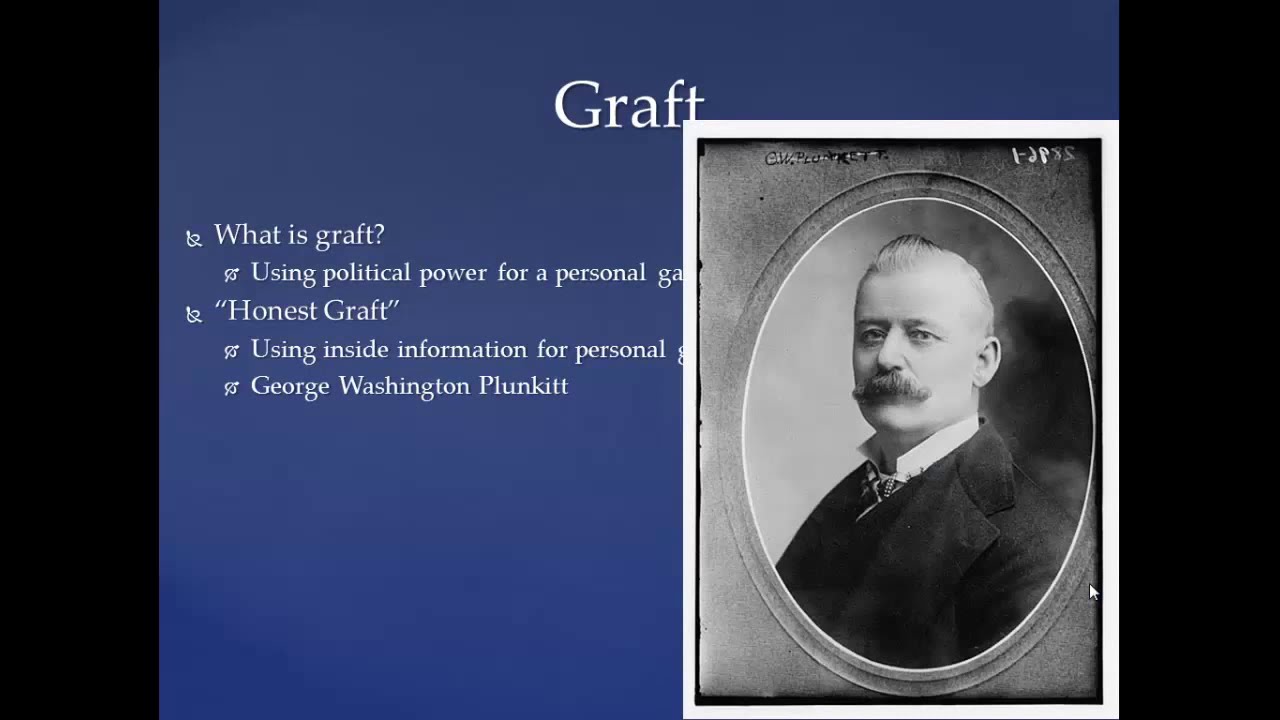


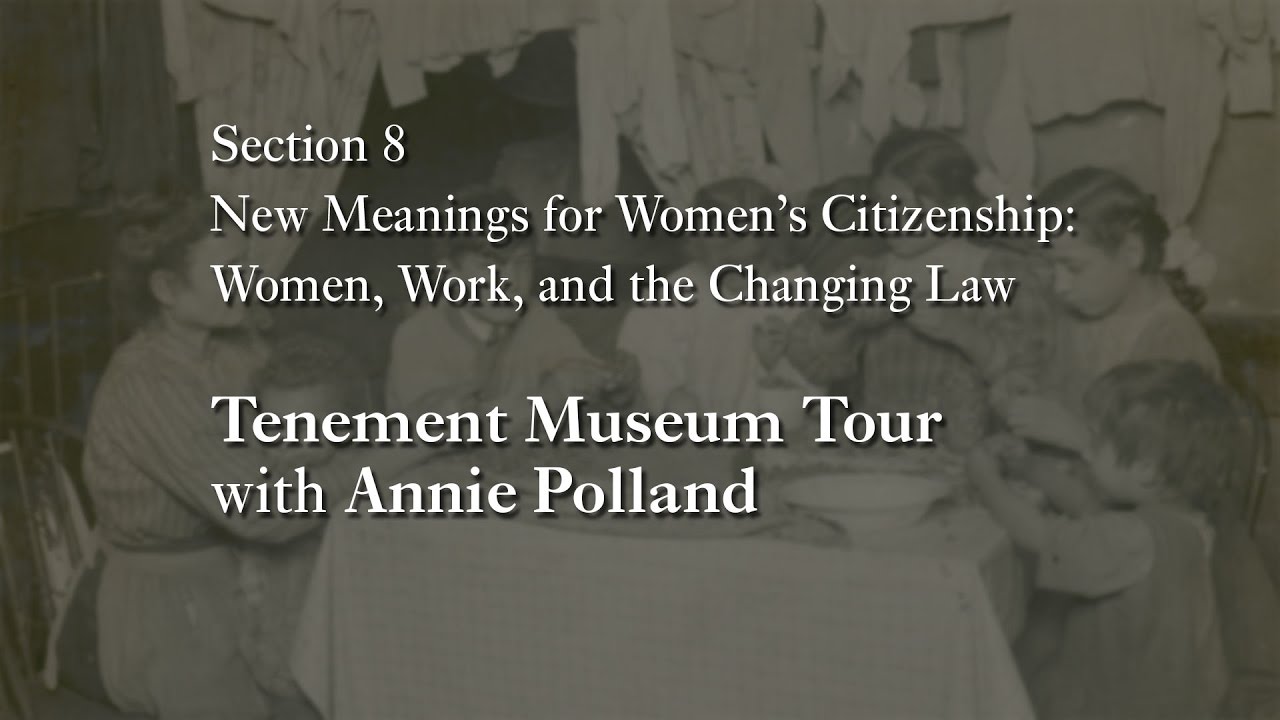





This documentary traces the remarkable political rise of Alfred E. Smith, an Irish-American immigrant who rose from poverty in New York City's Lower East Side tenements to become Governor of New York, demonstrating how immigrant communities can achieve political power and influence American governance through perseverance, organizational skill, and adaptation to changing social conditions.
Irish in America: Al Smith's Rise from NYC Tenements
Added:The history of Irish immigration to the United States during the 19th and early 20th centuries, including the social and economic integration challenges they faced.
The operational structure, patronage system, and political influence of political machines, specifically Tammany Hall in New York City.
The socio-economic conditions of urban tenement life during the Gilded Age and early Progressive Era.
The core tenets of the Progressive Era, particularly municipal reform, labor laws, and social welfare advocacy.
The 1928 Presidential Election, focusing on Al Smith's historic nomination as the first Roman Catholic major-party candidate and the sectarian opposition he faced.
How Al Smith's gubernatorial social reforms in New York served as a vital testing ground and precursor to Franklin D. Roosevelt's New Deal.
The realignment of the Democratic Party's voter coalition, shifting from a rural, southern base to an urban, immigrant-led northern constituency.
The broader trajectory of Irish-American political ascension in national politics, culminating in the presidency of John F. Kennedy.
266.3K views1.7Klikes1:27:57Original Release: 2011-09-29
[Music] major funding for this program was provided by Jefferson smurfit Corporation around the world we're known for our paper paperboard and packaging products and paper recycling we are proud of our Irish heritage through our association with Jefferson smurfit group funding for this program was made possible by The Corporation for Public Broadcasting and by annual financial support from viewers like you [Music] in [Music] in the 1880s over the Lower East Side of Manhattan over the tenements that housed the Irish of New York the signature work of the age was Rising the Brooklyn Bridge it was Irish labor that built it Irishmen who died in the East River mud but there was one Irish Bo boy from the East side streets who got to climb with his dad to the top of these towers even before there was a Road between them when the bridge was just a narrow catwalk of wooden slats swaying over River and City he was scared to death but he would never forget it he could see the great City whole even if he couldn't feel its future coming at him a time when the Irish would rise to run New York to rule it from the sewers to the skyline that boy on the bridge was Alfred E Smith and his story is the story of the Irish in New York he would stand at the peak of their achievement and from the high position he'd attained he would try to cross an even larger divide try to build a bridge between his people and the new country they chose that would be his most fearful Crossing but his story starts here at the base of this Tower where the bridge made the streets of his youth into chasms of Perpetual shade Al Smith's entire Boyhood was spent in the shadow of the Brooklyn Bridge his family had come and got off the because that's where the ship docked and they went to the first place they could get an apartment and that's where he grew up it was a Wilderness of tenaments stretching away from the Brooklyn Bridge it was the old neighborhood it was the fourth ward it was the very Heartland of the Irish in New York and of the Tam Hall [Music] machine it was with the exception of parts of Beijing and Kolkata the most crowded square mile on the face of the Earth you had Stables slaughter houses uh tanneries fat and Bone boiling factories that were very close to the tenements and the tenaments were places where disease was rampant my grandfather Tom told us many people would go to the slaughter house and they would buy the hot blood for a penny and they would drink the hot blood of the freshly killed cows because it was believed that was a cure for Te or consumption as they called it at that time and both my grandfather Tom and my grandmother Agnes Ward lost sisters to TB it's noisy it's filthy but it's also a place where Irish kids are seeing people of different ethnic groups they're hearing different languages for the first time it's a place where the whole drama of human life is being enacted on the [Music] street it was the biggest rudest and meanest village with its closeness Joys and suspicions RIT large to the land of opportunity it was but hard-hearted there were jobs but body breaking jobs there was nothing to stop the Irish from climbing and nothing to catch them if they fell on every block any year there were births christenings weddings and families sunk by injuries drink fights or fire fire was the dread of those tenaments they were absolute fire traps many women did garment work of various kinds in their apartments and so you had piles of fabric and feathers and all kinds of things that could catch fire very [Music] easily you had to get out as quickly as possible because it spread so quickly the horses would bolt out of the station and the Dalmatians would nipet the horses hops to keep them running but for little boys the fire engines were the most exciting thing in the world now at that time the great sailing ships would come in they'd all pull up to the pier so that their bow Spritz would extend over the street and the Irish kids would hang from the rigging of the bassets right over the street and alith used to do that he'd be watching the sailors come off the ships with their goods brought from all over the world he was most interested in the fact that they'd bring these animals from all sorts of ports and at one time he ended up with four dogs two parakeet a monkey and a goat on South Street and uh initially they were kept in the Attic until his mother said to him you've got to find another place Al's father taught him how to swim he tied a rope around the boy's waist and threw him into the East River that's how you learned no squawking and no bathing suit they wouldn't want it said they were putting on heirs Al's dad was known on those New York docks my grandfather's father was a very large man well over 6 ft tall he was a trucker and he worked six days a week well into the nights and then he'd have to be up at 3:00 or 4: in the morning the one exception to his workday week would be Sundays that was set aside exclusively to be with his family even the day of rest started early in fact with a Saturday night bath then in the morning you'd button on a clean collar for your glad rag just in time for Mass Sunday dinner was the one meal when all sat down together and welcomed friends nothing spoke better of a man and his work than a fine roast that could stretch for two or three more Al's father was proud to provide after dinner Alan and his father were out the door Sunday with the family had to include Foley you'd have to imagine Tom Foley's salon crowded Sunday afternoon there were no women there's my grandfather as small as he was and his father as large as he was sitting down at a table with Tom Foley um some of the other party regulars and they'd sit around and talk about local fourth district politics here was another measure of Al's father he could sit down with Foley big Tom as they called him and not just for his blacksmith bulk Foley was a proprietor a solid man and the district's tamon boss A Wheel in the biggest engine of power that the Irish of New York [Music] knew in the 1880s and '90s we are in the golden years of tamon Hall gold in more ways than one I might add the machine was organized very much like the Catholic church with the boss as the pope and then the district Leaders with Bishops uh and then the precinct leaders were the P Parish priests who were tending to the faithful tamon was a creature of its times a machine they called it awesome and modern but it still conducted business face to face and within the neighborhood jobs contracts money you gave out to family and friends that was the first rule take care of your own the bah were were simply functionaries in the vast Democratic party but in the neighborhood they were stars with their swell coats and Derby hats if your power stretched just a block and a half still a tam man was someone to be the precinct captains were the one who had the closest connection with the people and he was from the neighborhood they knew him they knew where he came from in Ireland or where his parents came from in Ireland they knew his background they had grown up with him he was one of us he knew everybody by by name by first name he knew their foibles he knew everything about them and if Patty mcweeney was thrown in jail for being drunk well he knew that Patty had a tendency a weakness as they called it you know or as they another way they described it just one fault he was a fine man but he just had one fa he might slip the cop $5 and get Patty out of jail Patty would come home and swear he would never take another drop he was circulating through the Ward all the time there was a wedding he always showed up at that and he never missed a funeral they'd be sitting in consoling the widow or the children and all of a sudden when the doorbell rang and the door opened up and there he was there was the local representative it was like stop everything everything went to a hush here he comes he's here and he go and pay his respects to the corpse and then he leave wouldn't stay too long just the fact that he was there was enough for the family and that sort of there was an an element of Pride that he came to my father's wake that meant something so come with me and I will treat you Dent I'll sit you down and I will fill your can and along the street all the friends I meet say there goes malun he's a solid man I control the tombs I control the island my constituent all and they ask every single person in this District remember Mary Moran what we did for you when you ran out of coal last winter and Mary Moran would tell John her husband John get out there and vote vote the straight ticket these W healers weren't about social policy or the fate of nations in this Village Washington was a Million Miles Away A place you'd hear about from newspapers if at all by age 12 Al Smith was a news boy shouting out the headlines to his neighbors Grover Cleveland takes over the White House gono surrenders and the great John L Sullivan shakes hands with the Prince of Wales the papers yielded Al a half cent each most of his earnings he carried home though sometimes he'd hold back a nickel for the Vaudeville show that was the people's entertainment and like politics an Irish growth industry the Stars Al watched on stage had come from the same tenaments he knew Maggie Klein was a shoe factory Foreman's daughter who ran away from home to join the theater up in the cheap seats of the news boys who were most devoted fans she swaggers onto the stage and she grabs it like a street fighter holding a corner against a nasty crowd and she starts to go in to throw him down mclusky the song about an epic boxing match was down that then MC davitz on the corner on the street H there was to be a priz fight and both parties were to meet to make all the arrangements make sure everything was right mclusky and the Negro were to have a finished fight so when she sings Throw down mclusky everybody in the house goes throw him down mclusky they rattle their seats they pound on the floor they sing along the news boys take their bundles of papers and they slam them down on the floor so you hear the sound of mcclusky's opponent hitting the [Music] canvas Vaudeville was magic acts cuning love songs and dancing bears it was the crudest ethnic humor Italian jigo Irish drunks and Hebrew misers played by and for the immigrants themselves but it was American modern hard knuckled brassy and fast there was these two wonderful irish guys named Russell they dressed up as servant women with little short skirts and they start beating each other over their head with brooms of course the audience sang the songs along with the entertainers and if they didn't like somebody they booed and whmo out would come the hook it was just a a a continuous pandemonium but soon there were no nickels to toss into a theater till before Al Smith turned 13 his father got sick too weak to truck his loads his friend Tom Foley got him a job on the Brooklyn Bridge but a year later even that was too much Alfred senior emerged from his house only once on Election Day 1886 when he walked to the polls to vote the straight Democratic ticket and then collapsed on his way home just before he was 13 years old Al Smith's father died and the family was penniless because the father had had an illness all his savings had been used up to pay for the illness there was nothing left for this family the only thing that permitted the family to bury his father was the help that they got from Tom Foley and in fact Tom Foley paid for the burial of his father Al Smith's mother's Choice was whether she was going to try to keep the family together or ask for charity in those days if you asked for charity the first thing that the state did was take your children away and put them in an institution anything was better than that and Al Smith's sister Mary remembers them com coming back from the funeral now Al was not quite 13 Mary was 10 years old and uh Mary remembers the mother saying I don't know where to turn and she remembers Al Smith saying I'm here I'll take care of you [Music] it was very common on the Lowry side for children to Begin work as young as 78 years old um sometimes [Music] younger my grandfather never knew his father his mother was left a widow at 24 with six children so she took in laundry to support the family but as soon as the boys could work they were newspaper boys in the city they were boot blacks they did everything to bring pennies into the family no one could count the children on the streets of New York in the 1880s they'd beg for work street sweeping Tool Cleaning fetching buckets of beer or a gang of Irish kids would fight the Jews for Turf for jobs they'd sleep on Steam grates over the under ground press rooms on Park Row and sell papers that came out at dawn Al Smith was lucky he had a home and his mother found work making umbrellas still that wasn't enough Al had to work the streets too he left school before he had actually finished the eighth grade and started a job as a truck Chaser earning about $3 a week he would take take messages and delivery orders from the company headquarters and run through these crowded streets of the Lower East Side trying to find the truckers that wasn't making them enough money so he went to work uh at the Fulton Fish Market what he did was unload these huge very heavy barrels of fish roll them up this long ramp into the fish market unpack the fish and then go back for another Barrel he started every morning at 4:00 in the morning and he worked till 5:00 in the afternoon and he did that six days a week of course he had dreams of something else at night he'd make the rounds of bowy theaters to see if they could use him in a crowd scene his Parish priest father Kean was always after Smith for charity plays Al was young but he never forgot a line and he seemed to grow and front of a crowd it was often said by people who knew him that he put the ham in Hamlet and he moved his way up to getting speaking parts and then taking on leading roles and he loved it when he would be in these plays they always had him play the villain and he played it so dramatically that the kids would hiss him as he walked through the streets the next day and he couldn't stand that cuz he liked everybody to like him Smith bought a scrapbook and carefully pasted in his reviews he rehearsed at night and played on weekends to warm Applause still Monday found him back in the sheds with the fish he was hefting and Hauling for six years tamon was the clear Road up for the Irish but Al was an Entertainer and small not much good in a fight the way the Irish climbed at the New York poles was more like gang war this was the age of dick kro he was the boss of Tam Hall the master of Manhattan but he hadn't got there by his wits alone as a boy kroer lived in a Shanty in what is now Central Park and he became the leader of a gang the tunnel gang the gangs were recruited to get out the Vault then would go around from ping place to Falling place it was time for the hospitals it was breaking of heads it was a assault in battery broken legs broken heads broken noses and that's how they control the vote Kooker made his name with a brawl at the poles in 1874 one of the opposition toughs got shot and Kooker was charged with murder he beat the charge in court but after that no one took on Dick Kooker kroer simply took over Tam Hall when Honest John Kelly died there was a vacancy there was a vacuum C people arguing no who's going to be our leader kroer just walked in and sat at the desk and well who's who's going to come and take this away from me he ruled as he rose but now the whole city was his Turf for tamon politics was business and Kooker wanted into every business from Mr Vanderbilt's railroad to the Draymond who picked up dead horses in the Sixth Ward let's say a man wanted a job as a policeman the first thing he'd do would be uh to see who he knew who knew the district leader very often some money might change hands in the 1880s the going price was $300 and then even after we got a job everybody on the public payroll had to pay one or 2% and higher jobs had to pay even more to Tam hall and then at election day all of the district leaders went to tamy Hall and they called this doe day and everybody was handed maybe 30 40 50 $100,000 to pay voters uh and to grease the wheels of Commerce not all the money went back to the streets boss Kooker ended up with a mansion OFF Fifth Avenue an Upstate farm for his racing ponies he summered in Europe rode to democratic conventions in his private Pullman car in his heart kroer hungered to be a gentleman what he became instead was a scandal he met a man he couldn't beat an uptown preacher named Charles Parkhurst Parkhurst gave the most famous sermon in New York City history against the police and tamon Hall but he didn't just rail from his Madison Square Pulpit he hired a detective $6 a night and toured the streets for evidence saloons after hours brothel a homosexual bar and everywhere policemen looking the other way the preacher capped his tour with a visit to a French circus girls unclothed playing Leap Frog on the stage his detective played the Frog Dr parus on the floor plainly frog with the [ __ ] well naturally every newspaper New York and we had dozens in these this was Sensational stuff they appointed a committee of the legislature and they got people to testify and the descriptions were shocking the police weren't just taking bribes they were collecting profits for the Tam leaders who had organized the gambling Rings the liquor trade prostitution how could decent people live in a city where everything was for sale now church folk were joined by good government types businessmen all the reading classes and newspapers that served them Kooker became the national symbol for everything wrong with boss Politics the cities and all the grabby Irish stealing their way to [Music] power my grandfather knew that if you want to get ahead in the fourth ward stick around Tom Foley cuz Foley could give jobs out and very good ones too for Al Smith like any easts side boy corruption wasn't the problem the problem was reformers goooo goody goody Protestants meddling in one of the few businesses the Irish had tamony would run on the slogan to hell with reform and they'd win along the way they picked up a new recruit in the fourth ward nobody ever said that Al Smith went into politics at the beginning to help his people politics tamy Hall was a way out and what he would do for Tom Foley he would wait around the saloon and hope that big Tom as he was known would give him a contract it was a contract it was a little errand for tamon H it was going to a police station and letting them know that they were enforcing the parking restrictions too strictly against the big campaign contributor it was going to a brothel and letting the know that there was going to be a police raid that afternoon so they should close up he didn't ask Foley if it was a job he'd rather not do uh he did it Smith was 22 when Foley found him a paying job serving jury subpoenas $15 a week wasn't much more than he'd earned as a laborer but if he played his cards right he'd never work with his back again he liked being known now as Tom Foley's man as he liked his growing stage Fame he'd gathered the neighborhood kids at the saloon and buy them all beer or sasparilla and Smith bought himself a swallow tail coat and with his new trademark a cigar clamped in the side of his mouth he had his picture made a bit of class that was the ticket a man in public life had to show some dignity [Music] stage Irishman portrayed the Irishman as a bumbling drunk illiterate ignorant ready to stop anything for a fight or a jar he was very childlike and childish totally erratic drank a lot sang very loudly uh fought uh at the drop of the hat and wept copious tears about his poor old Irish [Music] mother for all the power that the Irish now Hill power was a long way from respect every one of these routines ends in a Donnie Brook with people some in some cases literally being thrown out of the windows this was the image that the Irish had in the 1870s and 1880s but in theater as in politics the Irish were taking over they were theater owners now empresarios the brightest star of the day was Ned herck who got rid of his old Patty act and all the old world plays he put the Irish Americans on stage and gave them a human face if you want for information or in need of mert come over with me socially to Murphy's tenament where he owns a row of houses in the forest board by the dock where irelands represented by the babies on our block they're the whs and the failin from sweet on Lo they're sitting on the railing with the children on their knee all gossiping and talking with her friends all in the flock singing Little Sally Waters with the babies on our block it's good morning to L Lord sure now how are you today when Patrick Murphy ESU comes down the alleyway one devoted fan was Alfred E Smith even decades later he could while away a train ride of 2 or 3 hours with the song songs of haran's comic hero Dan Mulligan maybe in Mulligan's rise Smith recognized some of his own Mulligan was the focus of 10 straight hits as he stumbled up from hapless immigrant to Saloon keeper on the Lower East Side to solid Man Dan Mulligan's a man of the neighborhood he knows everybody on the street everybody knows him he likes a drink after work he likes to sit out on the stoop and talk to his neighbors everyone in the audience knew Dan as they knew themselves he joked with his friends about the Chinese he schemed against the German butcher lock Mueller he stuffed The Ballot Box and even jumped in himself to become a New York Alderman finally with his wife Cordelia hauling him by his new surge suit he climbed all the way out of the old neighborhood and landed up town on Madison a in Mulligan alley on his front stoop Dan Mulligan is completely at home but you take him up to Madison Avenue after he moves there you settle him into a fancy dining room in a suit that doesn't quite fit he's completely out of his element he doesn't know what to do the stage directions tell us that he can't even stand up straight he can't even walk right as though he was entered the whole new world puts the cuspidor on the table no no can't have that puts it down the floor puts his napkin in the cuspidor he takes a drink out of the Goldfish Bowl he grabs loaf of bread he breaks it across his knee he takes the uh little crumb brush and uh the wife Cordelia is watching and the next thing is he just start combing he's thinning hair with it that was another of hargan's inside jokes every Irishman knew it was the women nurses and teachers now who knew the world and its Finer Things it was the women who spurred their families up town for men respectability didn't come easy Al Smith knew he met a girl an Irish American girl whose family had started out on the lower e side but had done well in the world father was a contractor they moved up to the Bronx it's a big social step up to move from the Lowry side to the Bronx the duns were really what you'd consider lace curtain Irish Katie dun was a blue-eyed dark-haired very spelt young lady A well-dressed well educated well mattered and was very different from the other girls in the fourth ward and my grandfather saw this in her and uh rather than caught the girls down in the fourth ward he decided that this was the kind of person that was going to be his wife someday but definitely she was what you'd consider Uptown upper class material Katie was pleased to entertain him in the Parlor at her piano singing after the ball or say orava but not goodbye but her family wasn't happy not at all they'd given Katie education French lessons music manners the best and Al hadn't even gone to the eighth grade he was D's Dems and Do's straight from the New York [Music] docks now Al wasn't going to change that the way he talked was good enough to make a crowd in a theater cheer and now that Tom Foley put him on the stump to speak well Al could give a hell of a speech whether he knew the candidate or not you know what they said of alith his voice has trumpets in it and this even in the heart land because the fourth ward was the heartland of Irish eloquence in America even in a in in a district of great orators Al Smith was something very special in his 20s Al Smith could have gone in one of two directions in his life he could have gone into theater he had opportunities there he loved the theater he could also go into politics he loved politics and he had a knack for that as well but the stage wasn't respectable not in the duns view Al came courting for years before he understood his choice Katie or his acting then he didn't hesitate she was everything he wanted he decides to go into politics because for Al Smith politics is an honorable profession and he thinks it's appropriate for a life with a woman that might lift him up out of the world or the lower e side and take him to ever wider circles Alfred and Katie were married May 6th 1900 in a ceremony just as upright as the piano in The dun's Parlor when there was a tamon sweep the custom of the fourth ward was the housewives would go out to their Stoops and they would tie to the railings two brooms to symbolize the Tam [Applause] [Music] [Applause] sweep they would build bonfires the bonfires would be one in two stories high to hear my grandfather tell it he would be with all the other kids out stealing everything that they could burn vegetable stands would go on the bonfire they would run into restaurants they would steal tables they would steal chairs and said it would be so hot you'd burn just standing next to it one year after Al Smith was married Scandal finally sent boss Kooker off to Europe for good and that was Smith's chance the new boss at tamon was Charles Francis Murphy who brought to politics the new Vogue for respectability he wanted a new breed of candidate Tom Foley put Al Smith in as assemblyman second district he was popular after all hardworking With A Gift of Gab that was all around Irish though Smith could also play on his father's German or Italian Roots if the occasion came up he didn't need to campaign but but he canvased block by block and steamrolled his opponent 5 to one in his Triumph he told the morning telegram politics was easier than acting and as he'd been such a corker on stage it shouldn't be any trick in Albany to bask in the political Limelight he's uneducated young man very unsophisticated and now he is in the grand high ceiling chamber of the New York State Assembly he's one of the Junior assemblymen and he's a tam man tamon assemblyman was supposed to vote the way he was told and do very little else if he has an opinion nobody wants to hear it the first two years he's up there he does not give a single speech this is greatest of speech makers and every day on his desk are plump down another pile of the bills the legislation that is going to be taken up that day now this is a man who never read very much he used to say and I think he wasn't exaggerating much that in his whole life he only read one book cover to cover the life of John L Sullivan and of course legislation is very Arcane it's filled with paragraphs and subparagraphs and clauses and modifying Clauses Al Smith didn't understand what these thing anything in them and he's totally lost in Albany there was a strip of bars and body houses called the gut that's where tamy assemblymen spent their evenings of course Smith went along but when he left the saloon he would go back to his very cheap room in the boarding house was a rickety desk and on that desk would be piled the stack of bills that had been on his desk in the assembly chamber that day and he would start reading them he would start at the top and read his way through he would read about a bill authorizing some Dam in a little Upstate District you would read about some Highway construction project Upstate somewhere he could hear the singing and the rockus voices as the other assemblymen made their way home but he would sit there uh still reading the bill at one of his windows faced the capital and he could see the lights go out one by one he still read my grandfather realized that nothing in the fourth wood ever prepared him for this task it overwhelmed him and uh it wasn't long before he missed Katie and his kids and really wanted to go back home [Music] again New York was where the Irish could be comfortable after two sessions Smith couldn't think of anything he'd gotten done in Albany he was still seated in the back row he had a big family now and still no money he went to Tom Foley and said he couldn't make it bring me home the next day at breakfast Foley made him an offer I can make you the city building superintendent and without another word Smith knew he'd never have money worries again Foley looks at him and he says now you can have that job if you want it it's yours but if you take it you'll never be a really big man I think you can be a big man and in a week Al Smith comes to Tom Foley and says I want to go back Smith wanted that more than money to be a big man his first committee assignments weren't promising Banking and Forestry alas he'd only been in a bank once to serve a jury notice forests he'd never been in one but Smith was learning his trade every week for years he'd host a dinner corn beef cabbage and beer for three or four assembly friends upsters or even Republicans at keeler's restaurant Smith would hold court with stories of the tenement life jokes skits songs and late at night now he knew what to read the budget hundreds of pages thousands of line items no one read at all except Al Smith now silent Charlie Murphy starts to hear about alith and he asks to meet him and they have a long conversation with uh Murphy's people sitting on one side and at the end one of them comes over to Murphy and says that's a bright young man he's got a lot of ability uh it's too bad he's not a college man and Murphy says if he was a college man he wouldn't be Al Smith and Murphy starts to push Smith up the ladder after 8 years Smith's committee was Ways and Means Al had his hands on the money bills and from New York 14th Street headquarters tamony had more and more jobs for him we don't like that new business tax kill it we need some Upstate votes against that patronage reform whatever the machine needed Al Smith worked to get it done his name was back in the newspapers too they called him the henchmen of tamon Hall March 25th 1911 it's 4:30 in the afternoon someone walking by Washington Square Park saw smoke coming out of the ash building they then saw what looked like a bundle of clothing being thrown out the window and then in this moment of of horror people realized that it was actually a young girl who was jumping out of the window of the ash building to escape the fire she was Smoke was coming off her body and very quickly one after the other of these young girls started jumping out of the windows someone flicked a cigarette and it caught on one of those piles of Highly flammable fabric um and it started to burn very very quickly one young man went to pick up the fire hose and the hose was rusted shut people jammed against the door and as they passed out from smoke inhalation their bodies piled against the door and those who were behind them were unable to get out the door some tried to go in the fire escapes I think something like 30 young women died when one of those fire escapes collapsed Al Smith was to hear of the fire U many of those who were killed were his constituents in this crisis politicians couldn't get by with personal visits of condolence money to help with the burials everyone in New York knew the Triangle shirt waste fire killed 146 and those deaths could have been prevented in Albany the legislature proposed a panel to investigate some of of the most distinguished names in the state Al Smith signed on to that bill and added one name to the commission his own the factory commission trips were Smith's higher education now he was traveling with Blue Bloods Bankers labor leaders professors for the first time he could see the Smoky Great Lake steel mills primitive leather works in the Adera canaries where Farm children worked all the daylight up to their hips and waist Smith was really quite horrified I think like many people who came from the city he couldn't imagine that it was possible the conditions for workers in rural areas were actually even worse than they were um in the city they were in some Upstate Factory and they wanted to see the children under the age of seven where they worked and the owner of the factory said no I have no children under the age of seven and then they discover that he's loaded all the children into an elevator and put the elevator between floors so they wouldn't see them and the people on this commission watched Al Smith they watched his face when he sees this elevator full of children remember T Smith Who as a boy had to work so hard himself to keep his family together [Music] Smith's own hard experience gave him Authority that other Commissioners couldn't match on this terrain he'd found a place where he could Loom large in politics and as the investigation entered its second year there was another reason they all turned to him in Albany the Democrats had taken over and Smith was on his way to speaker of the house if laws and lives were going to change someone had to command the votes now reformers brought their ideas to Smith and he brought the ideas to 14th Street Mr Murphy Murphy was very sober quiet he never talked as a matter of fact his conversation consisted of three things yes no or I'll look into it and he used to have lunch at Del Monaco each day in a private room and I like this touch he ate at a table with four Tiger's head claws he just wanted to remind you that you were talking to the head of Tam Hall the Saums of tamony would meet at Del mono's with Mr Murphy at the head of the long table there were platters he keeped with oysters beer cigar smoke spatoon but younger men were talking now Mr Murphy of course just listened there was Al Smith with his reformers ideas a state fund to pay men hurt on the job shorter hours for women and children all the old Saums heard were goooo trumpets reformers Big Ideas came to nothing but Murphy heard different he heard votes and he looked down to table at the young man and he gave him the goahead to sponsor the social welfare legislation that he [Music] wanted there's a tremendous bond between Al Smith and Charlie Murphy Charlie Murphy is not a saint by any means he makes a fortune at politics but he also knows that if Tam is going to survive it has to help people's lives improve in material ways or else it's just going to become a dinosaur with Murphy's power behind him Smith was a legislative weapon braying orders gaving down the opposition always moving bills he'd eat at the rostrom and Shout out the vote with food still in his mouth when Republicans tried to exempt canaries from a bill requiring one day of rest Smith marched to the lecture I have read carefully the Commandment Thou shalt observe the sabbath day nowhere did I see the words except in canaries then he sat down the debate was [Music] over with the same skill he once used to block reform Smith now bent the legislature to his new agenda he rammed through 36 laws for the factory commission he would provide the new model for the American workplace people knew who Al Smith was now here was a man who was loyal to family Hall who was totally regular yet here was a man that the citizens Union who had once given him the lowest rating was now giving a very high rating here was a man who was getting favorable editorials in the New York Herald and Silent Charlie Murphy understood that perhaps this young man would be the instrument that would change the image of the Irish in America [Music] they would slap each other with these sticks and theyd use the exaggerated brogue you know oh Maggie Maggie and they might find a bottle of liquor in the Master's cabinet and theyd sneak a little bit of it and then they'd get tipsy and they start lifting up their skirts and dancing they were doing it as a joke but a lot of the people who saw it didn't see anything funny in at all especially I can tell you my family didn't because my grandmother was a domestic servant and she was nothing like that on the Vaudeville stage for 30 years John and Jimmy Russell had been cheered and well paid as slap happppy Irish servant girls but in this new century the Irish were living different lives and their image had to be different too wages for Irishmen were now equal to all other whites in America and with literacy levels of 95% no one could call the Irish dumb immigrants anymore not even the Irish themselves they want images out there that are going to acknowledge the fact that they are now teachers and nurses and politicians and policemen and judges in 1907 the sons and grandsons of the Irish domestics gathered 300 strong and packed a Russell Brothers show when the curtain came up on the men in drag they were pelted with eggs potatoes and r John and Jimmy Russell were stunned they didn't understand that the audience wasn't there for them anymore and there were booze and Cat calls and the audience told them no uncertain terms that it's over it's not funny anymore John and Jimmy Russell left New York ruined this wasn't about individuals a couple of jobs for the boys there were bigger issues at stake that's what Mr Murphy was showing at tamony Hall when he cut off the old malunes and their old ways Murphy decreed there'd be no more police graft no prostitution No gambling no Vice he didn't care how much it brought in of course there was grumbling even revolts but Murphy wouldn't bend now he was after a prize he couldn't get with Irish votes alone he needed every nationality every worker all the poor he meant to build a great movement and the face of that movement would be Al Smith in 1915 he had him nominated for Sheriff of New York City Smith won of course in 1917 Charlie Murphy had Alfred E Smith nominated as president of the board of Olden for the City of New York and of course alith won and in 1918 silent Charlie Murphy rested from the hands of the upstate Democratic leaders the nomination for governor and he gave the nomination for governor to Alfred E [Applause] Smith he West all all that day and evening trains were coming up from New York Long special trains filled with the people from the old neighborhood filled with the people from the fourth cour and they spent the night drinking celebrating of New York Boys and Girls Together me and may a roar tripping the light fantastic on the sidewalks of of New York it was the sidewalks of New York that Al Smith had just brought to the governor's mansion He was up from city streets and his inauguration was the Triumph of the Irish in America it was the complete integration of the Irish not just as a political power but as a force for political progress in America Charlie Murphy summons Smith to his country estate and Murphy says to Smith Tam is going to be asking you for a lot of favors but if we ever ask you for something that you think is going to keep you from being a good Governor tell me and the request will be withdrawn tamon he freed Smith from the demands of the organization he wanted him to prove that an Irishman could be a great Governor Smith went at the job like a dockworker saying what he meant and using muscle when something got stuck he decorated his office with two large spatoon he moved five kids into the Mansion along with a managerie of dogs cats rabbits and then chimps and a giraffe but the feature of his administration that Drew the most comment was his inner circle the Republican Robert Moses the blue blood reformer Francis Perkins and his number one adviser Mrs moscowitz he'd spotted her in the campaign a gooo who'd advise him from the Shadows they'd be Inseparable for 15 years I think my grandmother and El Smith were an Odd Couple she was Jewish she came out of the progressive year social reform the tamon guys didn't know quite what to make of her they didn't understand the perspective that she was bringing into ALS Smith's government they were probably rather threatened by her if you picture in your mind what is a scene at a typical tamon strategy session right this is a bunch of large I have to say they all seem to be red-faced large red-faced men many with big mustaches a lot of them with gold cap teeth uh a lot of them with big cigars and a lot of beer was being drunk and in a corner now is B MTZ always knitting not looking up just knitting and after he heard all the expletives and and all the ideas were flung around and so forth he turned to her and say what do you think Mrs M and she'd tell them what she thought and nine times out of 10 I would say I agree with her now they hated that they hated that that she was Jewish they hated that she was a woman uh another Jewish advisor of his was Joseph pascow who they called prasy they called her MOSI and they had this Diddy which they sang it was a ironic angry Diddy prasy and MOSI are the new brains of tamon H Smith and his Brain Trust were creating a new sort of politics it wasn't Irish Jewish or tribal in any regard it was based on the conviction that all the immigrants in fact all working people would rise together and with government's help in four terms as Governor Al Smith would pour a billion yards of concrete erect a million tons of steel but he would also change the focus of government with rent controls subsidized housing and hospital care limits on the price of power heat telephones there would be a 10-fold payke for teachers and equal pay for women teachers no one ever ruled Albany as he [Music] did still from from time to time Smith would jump a train and go back to the old neighborhood to walk across the Great Bridge and see his mother in Brooklyn Heights or to join the boys from the haragan club singing songs from The Dan Mulligan plays while a steamship carried them out to Jersey for the annual clambank and Smith would take in the new place too by the 1920s when Al Smith had taken over the governor's Chair George M Cohan had taken over Broadway 10 Productions in a single year I'm a yane dooodle Dy a Yan Doodle Do or Die a real life nephew of my Uncle Sam born on the 4th of July I've got a Yankee Doodle sweetheart she's my Yankee Doodle Joy Yankee Doodle came to London just to ride the Poli I am a Yanke dooodle it's one of the big Transitions and popular entertainment an Irish American a son of a group that was deemed unamerican unpatriotic in the middle of the 19 century is suddenly defining for all Americans what it means to be an American his girl is a Yankee Doodle Joy he is a yany Doodle boy born on the 4th of July now how American can you get the New York Dandy was high style high hat snap brim gray spats and the best stressed of all was Bo James a Tin Pan Alley songwriter turned politician and did pretty well he was the gaudiest ornament of the Irish Golden Age his honor James J Walker he's a fun mayor he pomed the Naro well of New York City he was a household name you could see him in the news reels he had like 150 suits each suit had two pairs of pants and so forth and uh uh was a legend Al Smith was Mr New York State and Jimmy Walker was Mr New York City AL represented you might say the moral side of the Irish the attempt to clean up Tam and Walker represented the Wild Irish the Wide Open City The Tam bosses that said you know let the good times roll New York was rolling in money and ambition so much of it Irish Joe Kennedy brought his bootleg and Hollywood Millions to Wall Street where he made Millions more F Scott Fitzgerald held court at the plaza at Madison Square Garden the champ Jack Dempsey Rule and when the money rained all the Irish went Wet contractors couldn't lay brick fast enough pave or wire or lay pipe enough in time for the Irish city inspector the Irish photographer from the newspaper Irish street car conductors were writing winners in the market some of their Brokers were Irish too even Al Smith got swept along when he'd come to town now he wouldn't go home to Oliver Street he take a couple of suits at the builtmore he had new friends Finance years reformers whispered that Smith had gone Swanky but the Irish loved him and Walker the bad boy they loved him more he was described as part Bo bruml part gutter snipe and Robert Moses describes Jimmy Walker coming into his office and there's this pile of mail on his desk and he says any in there and the secretary says no and he sweeps all the letters off the desk onto the floor he always had a smile on his face he was always dancing he always had a glass of champagne in his hand he he defied all of the Cannons of respectability and morality s and then he gave the Poli New York was America's champagne town the bubbler for the fact that champagne was illegal in Jimmy Walker's New York the rules didn't apply anything was for sale that's what turned Al Smith against him for Smith there was more than morality at stake after Mr Murphy's death in 1924 Al Smith was himself the boss of New York Democrats he was the most admired governor in any state and he meant to build a record that would ReSound across the country [Music] [Applause] we offer one who has the will to win who not only deserves success but commands it Victory is his the happy warrior Alfred E [Applause] Smith in his last years Mr Murphy had pushed tamy power past the borders of New York in Alliance with other big state bosses making deals with the right-wing Democrats of the South Murphy laid the foundation for the third great Irish institution in the new world first the church in America then the labor movement now the new Democratic party Southerners workers and immigrants together they would dominate us politics through most of the century on the steps of this Capital where 25 years ago I first came into the service of the state I accept my party's sumon within this building I Lin the principles the functions and the purposes of government and to know that the greatest privilege that can come to any man is to give himself to a nation which has readed him and raised him from obscurity to be a contender for the highest office in the gift of the people when n Smith was nominated a wave of enormous Pride swept through the Irish American Community it was almost like a Euphoria in l Manhattan they couldn't believe it that he would have the nerve to do such a thing it was one thing to to acquire a certain amount of political power in your own Irish neighborhood in the low E side when Al Smith went to Albany it was like my God we're almost at the top of the mountain now we were going to show the rest of the nation what one of our guys could do East Side West Side all through the USA they're saying he our mothers dream of having a son like him without a shame staining his name men are proud to be allowed to know and call him pal East Side West Side all through the USA Al Smith had never seen the vast territory he meant to govern and he was fighting a wave of Republican Prosperity but he was just as cocky as he'd been on his way to Alban a quarter Century before he' proven he was a corker at this game so what if the experts said he had no chance Smith had his drama to sell his boyhood in the tenements his rise through hard times it was the Log Cabin story for the Modern Age the way Smith saw it the immigrants and their children hadn't just become Americans now they were America but America was bound to become DRS DRS together a the most exciting thing of course when I was in the eighth grade and during the El Smith campaign was if daddy came home and told us at dinner time that the Smith campaign train was going to go through our town so on the big day we put on our Girl Scout uniforms and then were big crowds of people a lot of men and overalls and that kind of thing but I was a little bit embarrassed by him which I never confessed to my father because he he was so very New York he didn't seem quite well that's an awful word to use but refined to me um quite cultivated and he was so alien to that Minnesota Landscape [Music] the organ would begin to play the sidewalks of New York and out would come Al Smith waving his Brown Derby cigar in hand smiling a beaming smile at the crowd with his rolling walk partly a strut partly a role he would make a performers entrance this date thanks a lot for the audience thanks for the appreciation that was Al Smith in the heartland but of course the Heartland was not New York like Smith Herbert Hoover knew the country was going Urban but Hoover also knew the fear that inspired in small town folk that's why he was so busy reminiscing about the old Iowa farm where he'd wh away the afternoons near the old swimming hole Smith had had his background used against him before and always came out on top yes sir I'm a graduate of FFM he'd denounced with a VOD Vilan wink The Fulton Fish Market there's a hat that's well known in New York City on all of its sidewalks East Side West Side all around the town in the adjacent territory now if you'll remove that more becoming hat I'll put this one on and what goes with it he wasn't going to be an imitation wasp which uh some people you know were urging the Irish to become instead he said I am what I am and uh take me or leave me I'm an American and I'm an Irishman and the two are not in Conflict Jim FY told me this story FY was one of Smith's campaign managers and he came to Smith and he said Al look at the list of people on this train there isn't anything but Irish names we got to do something about this we're going have to see everybody else in this country so Smith said oh Jim you're right I'll take care of that so A week later Folly gets a new list he looks at it and it's all Irish names again so he goes back to Smith says I thought you were going to change this list he says oh I did look and seven of these guys are Protestants Smith's insularity told in his policies he'd never studied tariffs so he asked a couple of businessmen and came out with a high tariff policy that could have been Hoovers he even asked his business friends about immigration and then recommended that America move to close her doors to the world his positions didn't make sense with who he was maybe that didn't matter he was Catholic wasn't he people knew what that stood for there were a lot of rumors about Smith that he was involved in political corruption in League with the saloon Keepers and and that he had his hand out for bribes and things like that and he was portrayed as uh the personification of a big city evil someone who was tamy Hall ringing wet and a Roman Catholic we had a Protestant Minister he would get up in the Pulpit on Sunday morning and rail against the pope and uh tell us all particularly the young people that uh if Al Smith a Catholic were to be elected uh that the pope would be over the next boat and would take over the government of the United States Will Rogers tried to make fun of the issue and he said folks the pope ain't going to move over here if Smith's elected president he said I've been over there to the Vatican he said it' take him more than four years to move all that stuff how could the chief of the United States kneel to kiss the Pope's ring even educated Protestants thought a Catholic must have divided loyalty and the uneducated they waged their own [Music] [Applause] campaign Smith saw the fiery crosses burning in the fields by 28 the clan was was more abundant on its last legs but Smith's nomination revived it and it was clearly the religious issue more than anything else one of the places that Governor Smith had to speak was in Oklahoma City and by the time he arrived he felt that he was going to face a very hostile audience and indeed he did he met a very cold reception in the streets of Oklahoma City a sort of deafening Silence from the people in the sidewalks and the railway station and so on so he decided uh again against the advice of his counselors that he would scrap the speech he was going to give and make the main theme the religious issue there were about 30,000 people in the hall they were making a constant noise during the time that he spoke so that he felt that he could hardly even make himself heard his voice sounded angry defiant and defensive he said this shouldn't even be an issue he said no Catholic should vote for him because of his religion but anyone who voted against him because of religion wasn't a good American that didn't go down well my grandmother who was listening to the speech on National radio hookup back in in Albany uh called the hotel where she knew Al Smith was staying and left a message please call me as soon as you get in because she was afraid that he was being attacked there was so much hostility in the air and noise over the radio that he was convinced that his life was in danger Smith looked out at the Stony faces in the front rows and the air seemed to come out of him he could see there was no way to win these crowds out here it became clear to Smith really clear for the first time that there was nothing he could do nothing he could say no proof he could aduce that would convince them that he was fit to be president of the United States and that was a tragedy for Al Smith and he knew that there was nothing he could do to change [Music] it Will Rogers wrote uh I'm sending a wire to the pope unpack after Al Smith lost I was very sad and I was afraid if I went up Main Street people would meet me and Jer at me and taunt me for have for else miss having [Music] lost it was a feeling that it was my loss as well as his [Music] [Applause] [Music] my father told me a story about the day after the defeat there was a postman who lived on his block an Irish immigrant and he came out and he took down the American flag he brought into his house and he never flew it again it was a crushing blow that that left so many people totally confused but as the Irish Catholics always did they turned to their church and the church berated them for seeking Earthly goals rather than Heavenly goals you're not supposed to go for the gold here on Earth supposed to go for the gold in heaven and you shouldn't have even gone for that shame on you for the Irish Smith's campaign and its failure had brought shame Another Irish defeat to be nursed in Tales for a generation until a new Fresh Champion could lead them to the White House for Al Smith there was nowhere to go but home where his own shame was deepest while the aristocratic Franklin Roosevelt had swept into office as New York's Governor the man who'd handpicked him ran far behind it was devastating for him he was sort of like Mr New York he never forgot it uh it sort of GW at him for many many years he took it very hard he was embittered by it for the rest of his life so were many of his followers you know Smith summed it up by saying I I guess the time hasn't come when a man can say his beads his Rosary in in the white house he showed how far the child of immigrants could go in America and yet he showed how far that they they still had to go name is a kind of a secret maybe after I start some of the folks around my own age you'll know what the song is but you'll all know the CH are you ready Professor [Music] yes oh the night that I struck New York I went out for a quiet walk people that saw me they are all would say it's better by fire you'd go down Broadway but there was the bowry a blazed with lights I was out put to see the sight I had one of the devil's own nights and I never go Al Smith was 55 years old the prime of life for a public man he'd risen in his fortunes as he never could have dreamed home was now an apartment on Fifth Avenue his neighbors were Rockefellers Vanderbilts Smith's business friends were planning a building of 102 Stories the Marvel of the age and they asked Al to head the company with a title that became him president of the Empire State he would find the job boring his love wasn't the building but the Empire State itself Smith I mean Al and Mr Smith and Bob motus and my friends this day is notable not so much for the inauguration of a new governor as that it marks the close of the term of a governor who has been our chief executive for eight long years Mrs Roso and the delightful family of children I left as many animals as I could Governor Roosevelt won national Acclaim with new social welfare laws modeled on Smith's bills from years past then he climbed aboard the movement to clean up corruption in New York City of course that meant Tam [Music] the star performer in New York's biggest show mayor Jimmy Walker is getting a noisy reception as he arrives for his act after the Depression hit the Irish Golden Age looked todry in the hard new light investigation and indictment with the new growth industries like boss kroer 30 years before Jimmy Walker hied himself to the steamship pier and fled to Europe in disgrace the Irish Pauls were out of City Hall out of American esteem on the sidelines through the New Deal they were you know malun fine for packing the poles but you wouldn't want him in charge when Roosevelt wins the presidency Smith expected that Rosevelt would bring him into his administration particularly since as Rosevelt said practically everything we've done in the New Deal Al Smith did first in New York and he put out tenders to Roosevelt and Rosevelt made it very clear that he was never going to give Al Smith a job no man was ever given greater power by Congress and look at what we got when Smith turned against Roosevelt Republicans gleefully put him on display REM here was Al Smith on the stump attacking the Democratic party in which he'd spent his life slamming his own handpick successor railing against the very ideas that he' brought forth a decade before my grandmother saw in him increasing paranoia uh increasing drinking increasing irascibility he was cast a drift he became more bitter and uh the rich took him in and he he became an exile the story of the last years of Al Smith's life the life of the happy warrior the happy warrior of the political Battlefield are really a story of great sadness Smith would sit afternoon afternoon with nothing to do to man of incredible vitality and energy and he'd be sitting in a Big Easy chair looking out the window looking west across Central Park there'd usually be a big drink in his hand [Music] [Applause] [Music] my grandfather was living right across from Central Park Zoo and he would often take us over there and visit the animal cages when Robert Moses his Protege became Pok commissioner he built this beautiful zoo and decided to make of it a present to this man that he loved really above all other men Al [Music] Smith he's awarded this medal which makes him night superintendent of the Central Park Zo [Music] every night he would go over to the zoom the doormen at his building in the adjoining buildings got quite used to seeing at 11:30 or midnight this porchy figure in the Brown Derby big cigar sticking out of his mouth walking across to the zoo down the steps Vanishing among the [Music] ages have you ever been in love me boys or have you felt the pain I'd sooner be in jail myself than be in love again for the girl I loved was beautiful I'd have you all to know and I met her in the garden where the pretties grow she was just the sort of creature boys that nature did intend to walk right through the world me boys without the Grecian Bend nor did she wear a she on I'd have you all to know and I met her in the Gard where the prate is grow [Music] says I'm a pretty Kathleen I'm tired of single life and if youve no objection sure I'll make you my sweet wife she answered me right modestly and cted very low you're welcome to the Garden where the praties grow she was just the sort of creature boys that nature did intend to walk right through the world me boys without the grean bend nor did she wear a she all I'd have you all to know and I met in the garden where the prate is [Music] grow say iy pretty Cathleen I hope that you'll agree she wasn't like your city girls that say you're making free she says I ask me parents and tomorrow I let you know if you'll meet me in the garden where the prayes grow she was just the sort of creature boys that nature did intend to walk right through the world me without the Grecian Bend nor did she wear a sh I'd have you all to know and I met her in the garden where the pr is grow oh the parents they consented and we're blessed with children three two boys just like their mother and the girls the image of me and now we're going to train them up the way they ought to go for to dig in the garden where the prey is grow she was just the sort of creature BSE that nature did intend to walk right through the world me without the grean bend nor did she wear a Sheen all I'd have you all to know and I met her in the garden where the pra is RO major funding for this program was provided by Jefferson smurfit Corporation around the world we're known for our paper paperboard and packaging products and paper recycling we are proud of our Irish heritage through our association with Jefferson smurfit group funding for this program was made possible by The Corporation for Public Broadcasting and by annual financial support from viewers like you this is PBS
Up Next
10:04
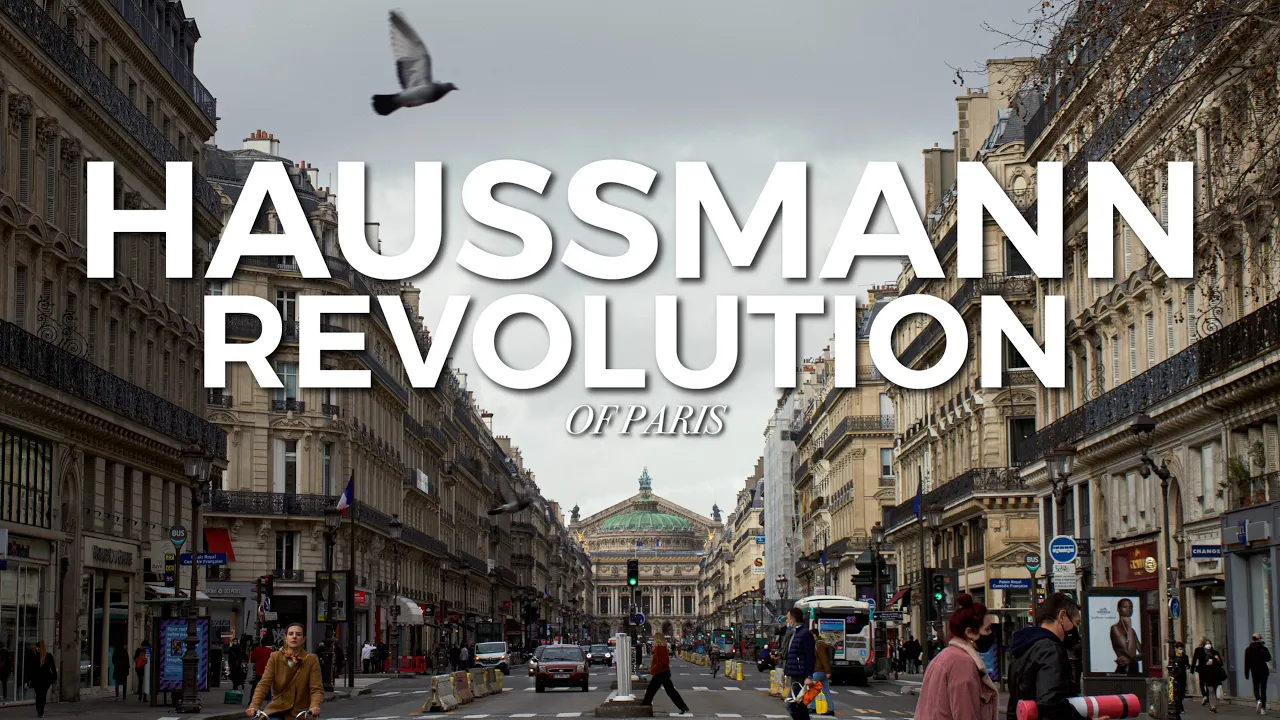
Baron Haussmann's Transformation of Paris: 19th-Century Urban Renewal
@AntonandSinan
1.4K views•2021-01-31

93:30
Zola, Baudelaire, Maupassant & the Transformation of Paris, 1852-1900
@SylviaSagona
5.6K views•2015-05-31
91:57
The Geopolitics of the Ukraine War and the Rise of Global Autocracy
@JordanHarbingerShow
468K views•2025-04-19

17:05
Understanding the Cold War: Superpower Conflicts and the Road to Détente
@OverSimplified
46.1M views•2019-01-24
Related Study Plans & Knowledge Roadmaps
Structured learning paths in History
history
Byzantine Iconoclasm: Theology, Art & Politics
01Foundations of Byzantium and Early Christian Images
02The First Iconoclasm: Leo III and the Crisis of Images
03Empress Irene, Nicaea II, and the Second Iconoclasm
+ 2 more learning modules
9h5 modules
Explore Roadmap
history
Iranian Revolution (Causes, Events & Legacy)
01The Pahlavi Dynasty and the Roots of Discontent
02The Spark of Rebellion and the Rise of Khomeini
031979: The Fall of the Shah and the Climax of the Revolution
+ 2 more learning modules
8h5 modules
Explore Roadmap
history
Mali Empire: Mansa Musa, Trade & Timbuktu
01Foundations of the Mali Empire
02The Trans-Saharan Gold and Salt Trade
03The Reign and Pilgrimage of Mansa Musa
+ 1 more learning modules
6h4 modules
Explore Roadmap
history
1947 Partition: Politics, Borders & Legacies
01Foundations of British India and the Divide
02The Political Negotiations and the Mountbatten Plan
03Drawing the Boundary: The Radcliffe Line
+ 2 more learning modules
8h5 modules
Explore Roadmap