





![[송국건의 혼술] 위기의 윤석열? 빨간불은 아니지만 경고등은 켜졌다!](https://i.ytimg.com/vi/TGyGb66hFjs/maxresdefault.jpg)














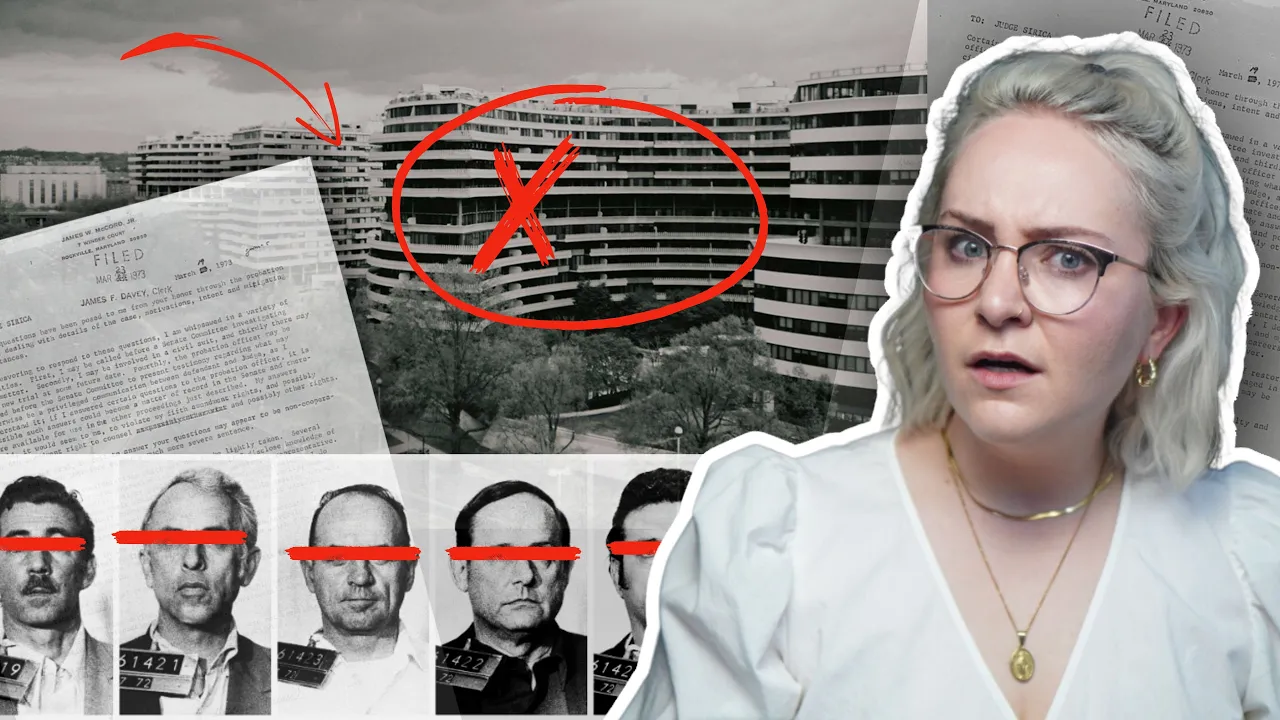




When political scandals emerge, powerful figures often employ strategic information release tactics to manage public pressure, such as releasing partial information while avoiding full disclosure, which can paradoxically intensify public demand for transparency and potentially undermine their political position.
Analyzing the Epstein-Trump Letter: Political Fallout Explained
Added:Understanding the historical background of Jeffrey Epstein, his criminal charges, and his documented social ties to various high-profile political and business figures.
Familiarity with the rise, core ideologies, and organizational structure of the 'MAGA' (Make America Great Again) movement within the contemporary U.S. political landscape.
Basic knowledge of political communication theories, particularly how 'framing' and 'spin' are used by political campaigns to manage crises.
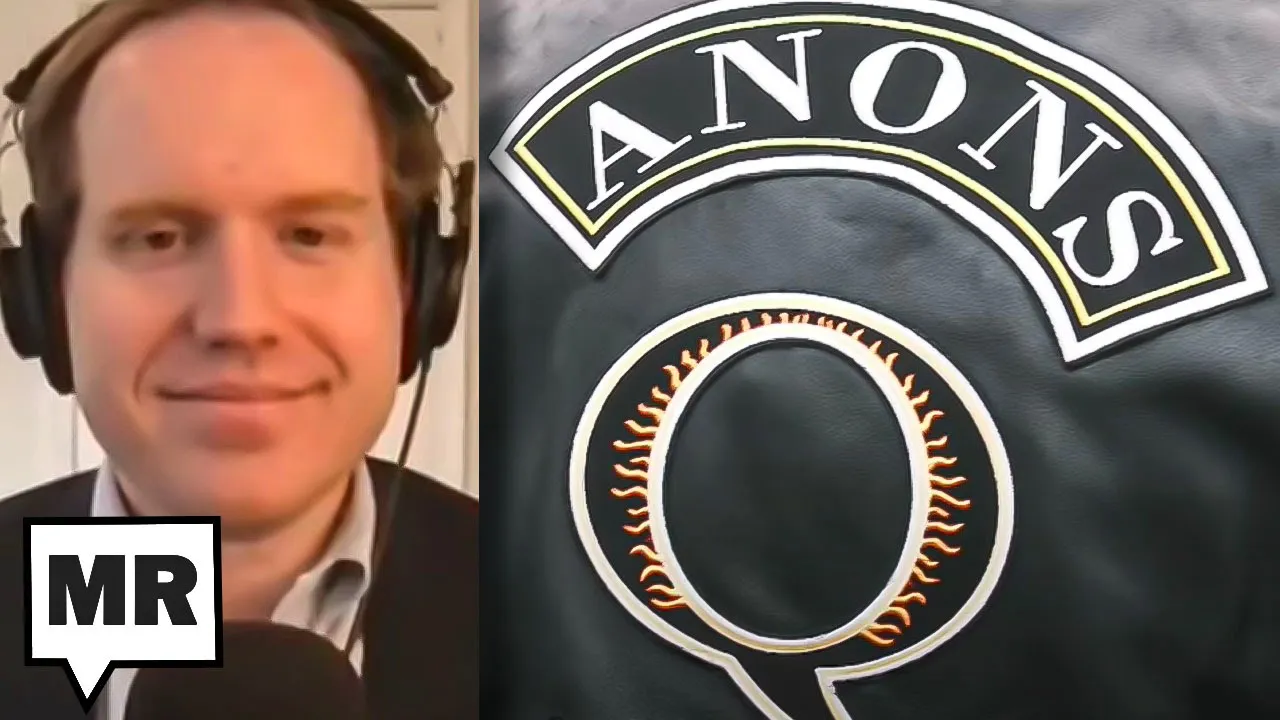
An understanding of the role of conspiracy theories (such as QAnon) and how they intersect with populist political movements and online communities.
Analyzing voter psychology and the concept of cognitive dissonance to explain how dedicated political bases rationalize or dismiss scandalous revelations.
Investigating the strategic use of political leaks and opposition research in modern electoral campaigns and digital media ecosystems.
A comparative study of historical political scandals (e.g., Watergate, the Clinton-Lewinsky scandal) versus modern, internet-era scandals to assess their long-term impact on political careers.
Examining the role of alternative media channels versus mainstream media in shaping the public narrative surrounding political controversies.
265.8K views11.6Klikes12:57Original Release: 2025-07-18
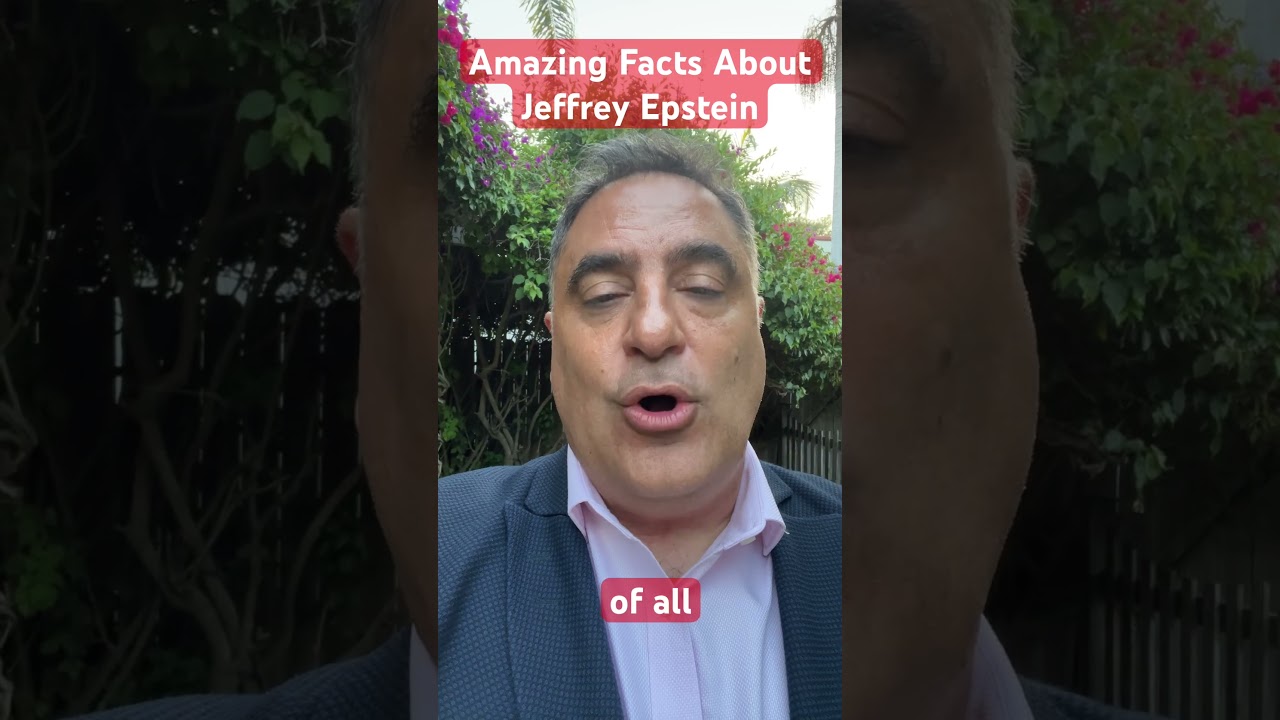
I'm new to the Epstein wormhole. We have been covering it and so far I've been at a loggerheads with a portion of my audience about the I seem to be more skeptical of the idea that Trump might be aile might be.
However, with this latest revelation, I'm coming to your side.
[Music] I know we've been covering this a lot, but it is my new autism hole. And finally, an autism hole that people actually want to click on. You have no idea how hard it was to get people to watch what was a lecture about the Byzantine Empire thinly veiled as a comedy show. And I do emphasize thinly.
As you may be aware, the Wall Street Journal just released a letter that could have been written by A1 Donald Trump to A1 Jeffrey Epstein. And it was all collected as part of a bunch of letters for his 50th birthday by A1 Glain Maxwell.
If you haven't read it, let's read it together right now. Voice over. [ __ ] Morgan Freeman's involved. There must be more to laugh than having everything.
The note begins. Donald says, "Yes, there is. But I won't tell you what it is, Jeffrey. Nor will I since I also know what it is." Donald, we have certain things in common. Jeffrey.
Jeffrey. Yes, we do. Come to think of it, Donald. Enigmas never age.
Jeffrey, as a matter of fact, it was clear to me the last time I saw you, Donald. A pal is a wonderful thing.
Happy birthday, and may every day be another wonderful secret.
I know that that letter is marred with the particular context of what we now know about Jeffrey Epstein. And that we know that that letter was written or if it even exists was written before what we knew about Jeffrey Epstein. So we are looking at it with that hindsight is a beautiful thing but not in this case but you know what I'm saying the expression in this instance. It really does sound like they're talking about a woman at the very least especially because it is written like the outline of a woman.
There's a breast shape in it. And how good is this? Donald Trump's signature is the pubic hairs. Why does he want to be the [ __ ] That's so unh him. Look, if there's one thing that is in his camp of denying it and saying, "This is outrageous. I never rap. This isn't my style." That's the one thing that I look at and think, "Yeah, I mean, you know, I always expected that Donald would be more of a boob man. Why is he the pubes?" I'll tell you what is Donald Trump's style, though. He's going to shoe them. He does for everything though. Remember when that VIT movie was released about Donald Trump's life and then his immediate response was, "That's it. I'm shooting everything." So that is completely unsurprising.
What is surprising is that this was in Rbert Murdoch's Wall Street Journal. I have my obvious gripes with Rbert Murdoch and the mainstream press in general. What I will say to them is that they are, and I know this from experience, very, very scared of getting sued, especially by someone who is notably as ligious as Donald Trump. I think there was a point when he first came in in his second presidency that he spent more time with his lawyers than actually governing. There was like a horse race of what meeting is he having in the Oval desk today. That's the guy who they are coming up against and they are putting this letter out. All I'm saying is they must have crossed their tees at the very least. And with all this pressure, he has been forced to act. He is calling now for all of the grand jury transcripts to be released, which you've got to say at this point.
I'm on board with the rest of you all.
Why would you be trusting of anything that this administration is releasing now? Especially because you have them saying we have the raw footage of Epstein's night in prison bed release doesn't show the cell has minutes missing from it is clearly doctorred footage. There could be rational explanations for it but that's the facts of the situation. Now they're coming out and saying these are the transcripts.
Are they? Maybe. Maybe not. Also it's not really what people are asking for anymore, is it? It's kind of just like everyone's saying, "We want X." And then Trump is saying, "All right, how about I give you why? That's what you want, right? I think that's what you want."
No, we want X. So immediately, it makes you suspect that the reason that Y is being released is because why is of no substance. Meanwhile, this is incredible. Politically, we could actually be seeing the demise of Donald Trump because we have we are witnessing something that mega seems to like more than Trump and that is being hunters.
I've never really thought about what the mega base is because it's just not my country. But if we were to just liken it to Australia, it's 2GB listeners. That's what it is. It's just AM talkback radio listeners all day sitting there being like, "None in my neighborhood. One's getting released. We should have their names." It's always that. Just like release the niche. Who are the This is the base. That's what they're really concerned with. This is why everything else that Donald Trump has ever done, they don't care about at all. This is the only reason that they want a president in purely just to know who Jeffrey Epstein hung out with. That seems to be their only motivating animus. And this is the How ironic is it that this is the one thing that Donald Trump can't deliver them as the most powerful man on earth. And we don't know the reasons for that. These letters, I I mean, you take from it what you will.
I'm taking it from what I will, which is that it's really really looking like the connection was they might have been a little more connected than just neighbors that hung out at parties every now and then. It really seems like at the very least that they've spit roasted a cheek before or maybe they've chucked a Mark Laam and done a hot car on one.
That's like the best scenario at this point, especially because there has just been so much vitrial from Donald Trump on True Social to his own support base.
I could tell you as somebody who just covers politics relentlessly. Yeah. The whole aim of the game is to [ __ ] on everybody else's base when you're [ __ ] on your own base in a Twitter that you invented for yourself.
Damn, that's defensive.
Holy hell, Donald. going out at them just being like, "You're all losers and stupid as well and you're in it with the Democrats." He's trying to create his own conspiracy theory real time, but I think this is it. We We have reached the limit that we have found the thing that is actually animating Mega. This is incredible. Like there's been so many books that have been written about this.
Who are they? What do they think? What do they want? I remember looking at journalists that would go into quote unquote mega land, which is just, you know, the flyover states. a journalist dare brace steps in Nebraska to be like what what do you people want? And I don't even think that they knew what they want until right now. It's incredible. I have not seen a shift in somebody's support base like this before. So sudden, so unexpected as well. I don't think that anybody was expecting one for Donald Trump to handle this so badly because if I was Donald or I was the Department of Justice or maybe it's just the thing that everybody that he has around him is a podcaster that just can't shut up and is constantly looking for headlines and you know clout and clicks. So he's just not around sound political minds that would have just said look if you've got a problem like this what you do is you just keep doing what everybody I've seen it all the time. This is what anybody, any bureaucrat, any politician, if they ever want to avoid something, and it's just genius. You just say this over and over again in a Senate hearing. You ready?
I'll take that on notice. That's it.
That's it. And then they say, "Hey, you took it on notice. Can you tell us about it?" That was like a year ago. They'll just go like, "Yes, yes, I'll take that on notice as well." And then they delay it for another year. That's what you should have done with this. Just say like, "It's a very complicated file, folks. We got a lot of things to look into. Lot of lot of very suspicious things. Very Bill Clintony.
You just keep saying that for 4 years and then a too bad that we've only got two terms. Apparently I could run for a third term guys. And then even if you do break the constitution like he is trying to do and get your third term. Do it and then say oh unfortunately I could do it to the fourth term until death. That's the smart play. You can see it with the experienced legislators of the Republican party now because they understand oh my god the base is shifting from underneath Trump. the the middle men that are constantly sucking to get their positions in the current administration to keep their seats in the Senate in Congress of endlessly just chanting that you know Trump can do no wrong to the MAGA base to keep getting elected right they are noticing this ground shift and so you are seeing them playing this very delicate game I've got to say actually it does show that it's it's a skill being a politician is a real skill they simultaneously have to say to the base I I think it should be released It's just outrageous. This This is really, really bad that it isn't being released.
And then also not voting for anything that gets it released, which also to the Democrats credit. I mean, I think we all know that they haven't been the most effective campaigning machine since the Obama days. This has litten them right online, hasn't it? Do you remember the wedge of them coming out and saying, "All right, motion to release the Epstein files." And then getting the Republicans on record voting against it.
That has to be the best wedge I've ever seen in politics. Wasn't that glorious?
Oh, the egg on their face. And then that old lady just saying like, I think it's just going to be appropriate for the time. Are you 100 years old? How are you still in there? Like, you should have retired 30 years ago. So old in this.
God, the Senate, it's just like our Senate is old, but Christ, the American Senate, it's like they're cryogenically frozen and then reanimated to go vote in the Senate. and they're frozen again to just to extend their life out. But anyway, that's happening there. And then the Republicans in both Congress and Senate now are doing two things that I think are very genius political moves, right? They understand that the pressure is on them hard like nothing else. This is kind of just like in the Soviet Union or something where you just have Chaiu just like living large and then all of a sudden he just like I'm giving him a chocolate and then everyone's like it's not enough chocolate and then they just raid the palace. This is sort of what's happening now, you know, just a more lame [ __ ] western version of it. But they have to play this tactful game.
Their first move is to sit there and say, "Okay, motion that we think things on the FC trial should be released, but we're not going to vote for it to being released." So that's their first thing so that they can go to their base and say, "Look, I'm on record saying that I think it should be released." And then also not pissing off their boss. So that's, you know, it's it's good politics. It's good politics. you got to give it to them. Then the second thing is, and I think this is another genius move, they are asking all their legislators to go home a couple of weeks early and they're hoping that by the time they come back for the next uh term of Senate and and Congress that all of this will have blown over. And who knows, maybe. But I have not seen fury like this in the American public. And this is a public that riots all the time and they're really pissed off at this.
This is like nothing else, right? Like this is just a very interesting sociological phenomenon that you know the destruction of their own government doesn't seem to annoy them that much.
You know, uh completely ekking out the middle class doesn't seem to annoy them that much. What? Some are getting away with it? No. That's the thing. That's the thing. Maybe as well. Maybe they're getting away with it. But honestly, I think that it's more to do with Msad stuff still. That's still my main overarching theory on this. And we will be discussing this on Redthread. We will be uploading the entire video of that on this channel here. But just go subscribe to Redthread. Also, I've got shows in Julong. I think we added another one into Womba. Brisbane's almost sold out.
I think CRA is sold out. That's for this month. Next month, I think there's some in Armadale and, you know, some of those other luer towns in New South Wales.
Anyway, thank you so much for your time.
I'll see you very very soon probably because every day every day something incredible comes out.
[Music]
Up Next

10:01
PMQs Analysis: Starmer's Political Crisis and Labour's Leadership Challenge
@anaboulterTV
26.4K views•2026-02-04

24:30
BRICS Pay and de-dollarization: A New Financial Order Emerges? | 55 chars
@DannyHaiphongYT
164.6K views•2024-10-22
7:33
Government Surveillance Methods: 10 Ways You May Be Watched
@BeAmazed
1.6M views•2017-04-09
10:19
Explaining the Saudi-Iranian Proxy Conflict in the Middle East
@Vox
18.2M views•2017-07-17
Related Study Plans & Knowledge Roadmaps
Structured learning paths in Political Science
political-science
Economic Statecraft: Sanctions & Chokepoints
01Foundations of Geoeconomics and Economic Statecraft
02The Mechanics of Weaponized Interdependence
03International Sanctions: Types, Implementation, and Efficacy
+ 2 more learning modules
12h5 modules
Explore Roadmap
political-science
Central Bank Independence: Politics & Policy
01Foundations of Central Banking and Monetary Policy
02The Time Inconsistency Problem & Inflation Bias
03The Delegation Model and Designing Independence
+ 2 more learning modules
12h5 modules
Explore Roadmap
political-science
Consociationalism: Power-Sharing & Stability
01Democratic Dilemmas in Divided Societies
02Introduction to Consociational Democracy
03The Four Pillars of Consociational Design
+ 2 more learning modules
12h5 modules
Explore Roadmap
political-science
Rebel Governance: Legitimacy, Economy & State
01Foundations of Rebel Governance and Statehood
02Establishing Political Legitimacy and the Rebel Social Contract
03Wartime Economies and Rebel Resource Management
+ 2 more learning modules
14h5 modules
Explore Roadmap