
















![[모닝포커스] 인사이드 아메리카- "LA는 고전 VS. 샌프란시스코는 부활" 명암 갈려/"상속 대신 노후 즐긴다"..'부의 대물림' 늦어져](https://i.ytimg.com/vi/IvSeOPHPcYw/maxresdefault.jpg)


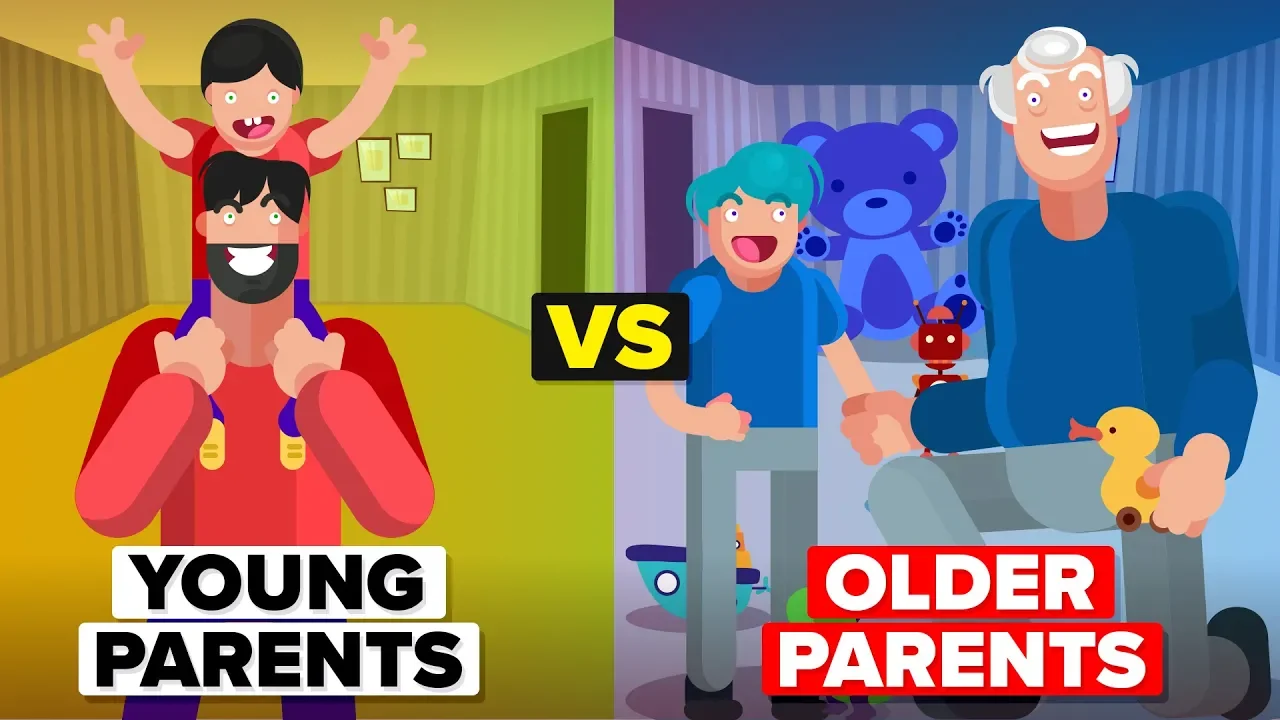
Advances in fertility treatment have made it possible for women in their 40s and 50s to have children, though this raises ethical questions about the wisdom and rightness of late motherhood, as demonstrated by real-life cases where women like Diana (48) use egg donation from relatives and Carol (47) conceive naturally after menopause, highlighting both the medical possibilities and the complex family dynamics involved.
Late Motherhood: Ethical Dilemmas of Pregnancy After 45
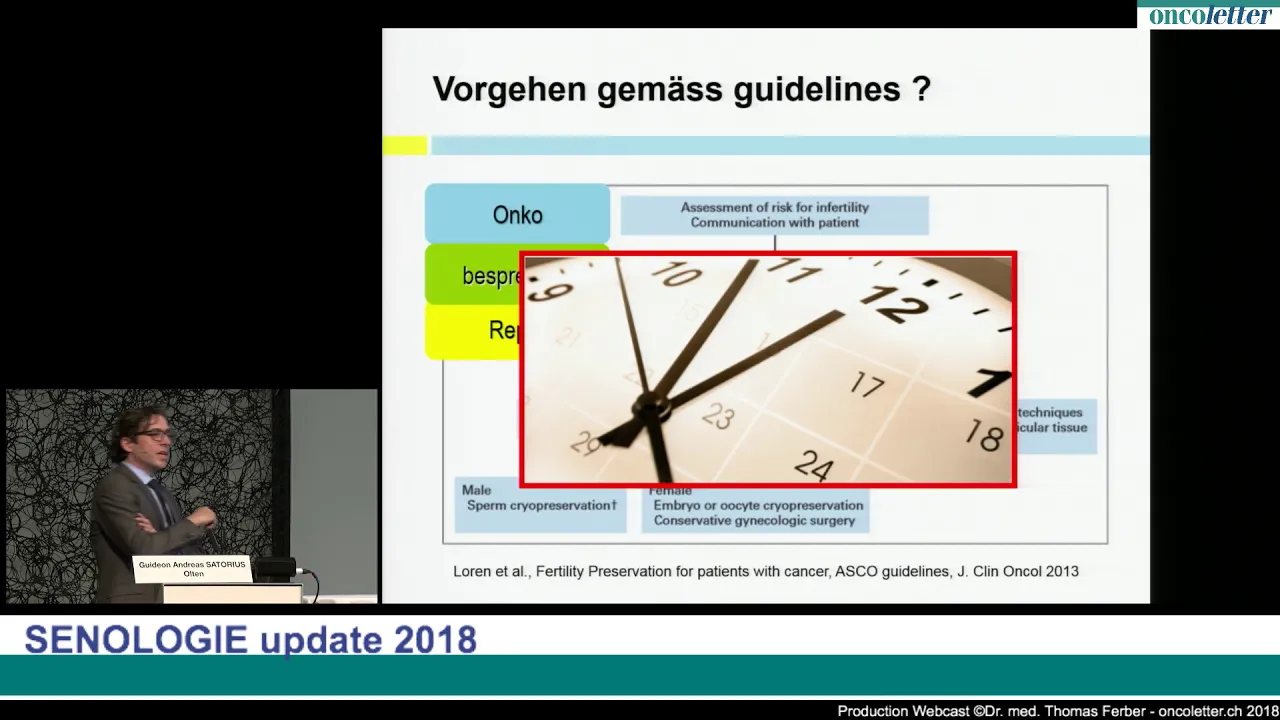
Added:Basic reproductive biology and the physiological process of female reproductive aging (ovarian reserve and fertility decline).
Fundamental concepts of Assisted Reproductive Technology (ART), specifically the mechanics of In Vitro Fertilization (IVF) and third-party egg donation.
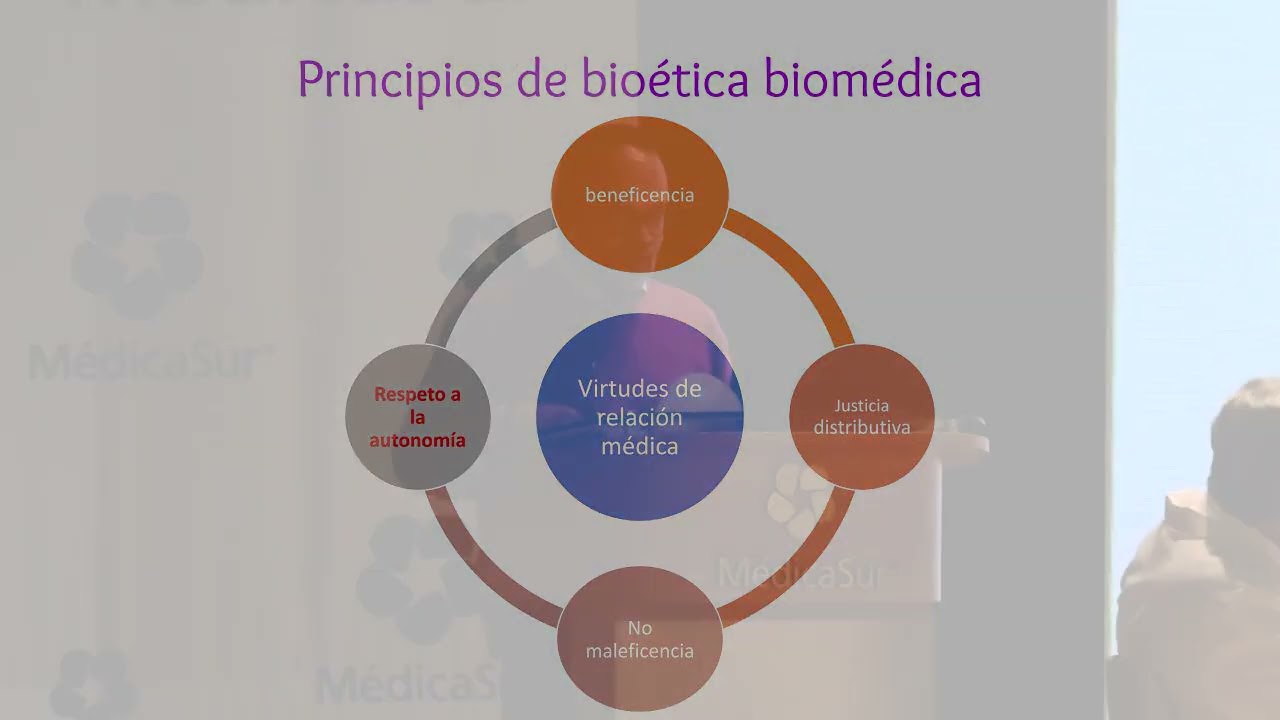
Core principles of bioethics, including autonomy, beneficence, non-maleficence, and distributive justice.
An understanding of modern demographic trends regarding marriage, career, and the postponement of family planning.
Comparative legal and regulatory frameworks governing assisted reproduction and maternal age limits across different global jurisdictions.
Advanced clinical and psychological research on the long-term developmental outcomes of children born to older parents.
The philosophical debate of 'procreative beneficence' versus reproductive autonomy in modern bioethics.
The socioeconomic implications of delayed parenting on generational wealth transfer, retirement planning, and eldercare dynamics.
213.7K views1.4Klikes49:40Original Release: 2017-09-22
[Music] Madonna's pregnant Iman's pregnant Cherie Blair's just had baby number four there are 50 percent more 40-something women having babies than 10 years ago suddenly 40 came along and I thought I haven't had any children yet but it hadn't gone out of my mind even though you're older you don't you feel exactly the same age inside it may not look it but is a late arrival always welcome I was just dumbfounded yeah the idea that I should go out with pregnancy tests at 46 can women in their 40s who want to baby rely on medical science for help you can have a 50 60 70 80 year-old pregnant the question is is it right and is it wise to would be absolute dreams [Music] tonight on real life we meet the old mums who would be pensioners at the school gates [Music] twenty-one-year-old Lauren is celebrating her birthday with her family among the guests are Lauren's aren't Diana her partner Simon and their daughter Rachel diana is 48 because of her age she has turned to Lauren to help her have a child she is seven months pregnant using an egg that Lauren has donated Lauren will be both cousin and genetic mother to the new baby Dianna's pregnancy will further complicate what are already labyrinthine family relationships her first daughter Rachel came from eggs donated by Lauren's sister Kirsty and Lauren are sisters rachel is my sister's Diana's daughter but Kirsty donated an egg so biologically it's Kirstie's daughter diana is both Rachel's mother and her great aunt while Kirsty is also Rachel's mother and cousin and Rachel's aren't is also her grandmother my sister's pregnant with the current baby it's due in about May the 20th so the babies will be half brother or sister and they'll also be cousins Diana didn't decide to have children until she met Simon in her mid forties after six months without conceiving she went to a fertility clinic to have a child she was told she needed donor eggs from a younger woman she decided to find her own donor to avoid a 5-year wait I suppose I spent a few months and you look at everybody you think can I ask her no not gonna ask her and you go and people shouldn't be over 35 so a lot of my friends who had children over 35 you can advertise i advertised I did get replies and that but nobody followed it through nobody came to be a donor and it was then eventually that I thought well how about my nieces and I approached my sister first cuz my sisters always been very maternal and into babies and things and I thought well I'll put it by her and see what she thinks I said well who were you thinking of and originally she said she was thinking of Lauren because Lauren looked like her physically but she said that the clinic preferred older you know because Lauren at that time was only 18 so I said yes I'd speak to Kirsty I spoke to Kirsty and it sort of went from there really I just say it is like donating blood you never know what your bloods like getting up to so it's just like donating part of your body I'd be curious about obviously what it looks like and to say that's about it really I still thought big truth like because in like a treat Rachel you've got something there it gets emotional because it's the baby and everything but they've donated a bit of their body well that's how I look at it and and we've used that part please it's please I carried her for nine months and I gave birth to her and she's my child and I don't feel in any way that she's not she wouldn't be here without me Carol and her husband Ken are the oldest parents at their daughter's school Jenny now six was born when carol was 47 and ken fifty Carol never resorted to fertility treatment even though she believed she couldn't have children when her period stopped at the age of 46 she thought she had started the menopause France said there's something matter with you she says you haven't had a period here losing your color and you know eating your food as I think you ought to go and have a pregnancy test and I I was just dumbfounded you know the idea that I should go up with pregnancy tests at 46 when I did Carol and Ken had been together for 16 years without Carol getting pregnant Ken already had two grown-up children from a previous marriage I wanted 12 children but it just didn't seem that we were going I were going to do it was a real tongue I love holding babies sometimes I'd have a hold of the baby and then go away and have a little weepy even Carol's pregnancy test proved positive ken who was already a grandfather would have to be told he was to be a father again I don't really know what sorta rest you know I expect him from Ken when I told him I didn't really think that it would be upset or annoyed I suppose it was in the back of my mind that maybe won't want me to be pregnant I think we're just about starting to make plans when we came and bought these bungalows for attainment purposes maybe in five or six years time we might start thinking about buying a caravan or something oh and another Vitelli had time to herself rather than it's both work when it was confirmed I was pregnant and things started to worry as the health of a baby the chances of a baby being 100% we worried that we were perhaps too old to bring up another family all these things had to be looked into and taken into account of whether we went on with this pregnancy he was together [Music] Carroll knew that the baby would be a similar age to Ken's grandchildren's six years on his daughter Jenny shares a ballet class with his granddaughter Shannon we did choose to after child and everybody matched that choice that they are going to go into this with their eyes wide open and I just hope that we can keep up with her I've got to wait did she have a short nose like that yeah the nose is yes Diana and her sister have already noticed a resemblance between Rachel and Rachel's genetic mother curse they turned up like that yeah so this is Kirstie when she was a baby there and it's how Rachel looks in comparison got one here when she was just born yes she'd got the same shaped face and turned up nose this pictures of stood against the Rachel stood the other day sort of banging on the window and curse used to stand and and do this and it's probably not so Jordan doing it but you could see the back of her head and the same shape yeah I think it's the curls on the back then do it because of the tangled family relationships the fertility clinic insisted that everyone involved in the donor process had to be assessed by councils some of the questions seemed a bit weird would I look at it as Simon's sperm making love to my egg would I be falling in love with him no it'll to be any chance I'll drill off with the child or something like that or would I want it and they were was born how to feel about Dyna smacking Rachel in front of me how do feel about Diana being an older mum I think it's going to come a time when she will want to know where her origins are I mean we're going to tell her anyway you're at the beginning but to say I can't tell you where you came from if they happened to have that strong desire to know what did my mother actually look like where where my genes come from then I think it's hard not to be able to tell them I'm sure she will at some stage in a fit of whatever say I'm going to live with Kirsty I'm not living with you and I'll say off you go then goodbye because he's got to want her and Kirsty we'll have our own children probably by then but it'll be like it'll be teenage years won't it she might decide our life's rosy I can do what I want it Kirstie's I can't my mother's no you just got to wait until the time occurs and then see what they do by the time Jenny is a teenager her parents will have become pensioners we thought well this child allowed to old people bringing her up and perhaps that was selfish of others to to want to bring a child up as we were when we were older and a lot of people say that now that we're doing it it doesn't seem that we're selfish she doesn't think that we're any different from many of the mother's parents nothing she does she never said anything towards I mean I have had people that say what does Jenny think but she doesn't I get one to my my mom to have a lover baby so I can never sister Alvar why not kip says it all oh I could talk to him at night before I go to sleep and then I say well I'm sorry suit out but I have another little girl our another little boy but a thing lots of all the children ask that question me over friends means look younger I keep thinking my dad is a Fitbit you only made one mistake that were nothing are you working it out year by year and saying well now that I'm gonna be 68 you know she's going to be 1 2 to 1 if you want to be going abroad with what can I said to her like you know I said to you some dives and saying or look at them on television there look at this happy third job oh yeah what's got this carry on here oh I hope you don't get involved in I can even sell out now you know at 57 not at 65 or 68 we are old-fashioned I were brought up with standards and she does what we expect of her even at this age she knows I just believe that as time goes on she'll get to know our standards and thoughtfully I'll live by them [Music] who's on this radio diana has only two months to go before her second baby is due horrible just sometimes have to keep just lying down and just go and have ten minutes wherever I am the hardest thing I find is being pregnant because then I feel tighter once the baby's here my energy levels are fine again then I could keep going I've always been very active and I don't see that stopping in fact I was running three miles a day before Rachel was born so I only stopped obviously once I've got pregnant so it's not any harder in the double-bogey to go running but the plan is to keep running again once they're born diana has adapted Rachel schedule into her working life she hopes you can do the same with the next baby when it arrives when the new baby comes then they'll obviously be two of them so Simon will take one and I will take the other to get them ready in time I will feed the baby first and then hit the same time scales is the plan [Music] Diana works as a lecturer in a higher education college before that she was in the RAF tired children never high on my list at all I didn't get in touch with my maternal feelings now I don't think I ever did until I had Rachel they didn't they didn't surface at all there was no time with my job or anything that I did that they would surface really in my 30s I was leading a single life in that you work comes first and everything after that very close second is the social scene that's what you care for you travel a lot you go on holidays a lot you spend your money on clothes and cars and and really live life and I hadn't been a mother and I hadn't had children and I did and maybe for the wrong reasons think yes I'd like to try motherhood because I haven't tried it and you can't send the back you can't change your mind afterwards but I'm not one to give up easily anyway so how do I handle a chill I thought gosh this is a major mistake then I'd have done the bit that I should do it for motherhood she'd have had me for the next 15 years and then I'd have moved on what she'd left home died definitely changed as well as people do when they have children and I think she's warned off by her sisters and all the friends that were all changed now I won't she said now I'll be the same but but if the changes were good the relationship with her and Rachel it's something to behold well I never thought I'd see that then all her friends said didn't think I'll ever see you with a baby Diana will continue to work up until the birth of the new child the baby will go into the crash at work just as Rachel has done since she was three months old I would like more time and whether I think but then I don't know I suppose all day with her I think she would miss when she she'd missed the other company of the other children from the beginning we've never changed our lifestyle whatever we've done we've tried to take along a feature in I don't think your life should revolve around a child providing she's happy and she fits in with what we're planning then I think that works I didn't ever think you know well motherhood be different just know it never crossed my mind to change to be a mother 45 year old Christine mold is a grandmother who wants to have a baby her two-year-old grandson is from Clare her grown-up daughter after her first marriage ended Christine met Simon on a blind date Simon 28 is 17 years younger than Christine they married four years ago we're very lucky I mean we've got something that I probably never had in my first marriage I mean we're really really close and it's nice to say that my age crap hasn't made any difference because I'm still living other part of fantasies I got married really young out she was only 19 when I first got married and had my first child when I was 22 and I want to have my church and have my life and you know and so therefore when I was older I could then sort of pursue my holidays and and career and things like that but as soon as I met Simon and it was a it was just one of those things I knew that I wanted a child with him and it was something if you like maternal I don't really know but it just because I'd had children it didn't mean I didn't want anymore and it was just something that was quite compelling really Simon didn't really force the issue at all I think probably it was my idea I'm sort of said to him shall we try and you know have a baby together I've always wanted little ones as long as I can remember it soon well I just brought it up never even bothered the same man until somebody said it first one took that as you say that lid off in them it all started from there in her early 30s Christine thought she didn't want any more children and decided to be sterilized if she was to conceive again she would need IVF treatment we decided we'd have three attempts and on the third attempt using my own eggs I actually did fall pregnant and that was about two exactly two years ago and everything was really really good wasn't it it seemed to be in that was that was it done but but not well we went for our normal routine 20 weeks and they yam picked up a an abnormality in the baby so unfortunately in a way it was decided for us because I think the baby probably would have died before it was born but we had a determination at about 24 weeks [Music] because you've gone past a certain amount of weeks through your pregnancy you have to deliver the baby normally so they just induce you like they would a four-term baby but so what we what we then did we would decide that they said said to us at the hospital that you can see the baby if you want to or you can just forget about it we actually looked at the baby and they do recommend that you name the baby because you were would have done you've actually delivered a baby so we did name her and we did actually have her cremated unfortunately you know she didn't survive but we've got our memory think about every single day and even couple years on there's not dare go past [Music] when we lost Jodi the next week I think Claire had little J so we were still grieving ours and there we were no granddaughter there for Chris and step ground jar for me last year only 600 women over 45 successfully had a baby a tiny proportion of a total births in the year having a late baby isn't easy I thought oh maybe a honeymoon baby where I'm with a honeymoon baby with from his parents absolutely magical and it didn't happen the first month didn't happen in the second and it went on and on and then it sort of and then it became a real nightmare really every time I had a period I thought oh no Warren and Jenny got married eight years ago ever since then they've been trying for children without success jenny is now 45 Warren is 41 you you see other people with their school runs and their school lives and they Thursday's a busy life it's it's full of you know rushing around a lot of our friends have their own families and their own little units and and so we do feel sort of slightly apart from all that because we don't have our little unit yet you must feel you're sitting on the sidelines don't you just waiting to join the game Jenny surrounds herself with children she works as a school secretary and volunteers to help at a nursery one morning a week have you finished it's the nurturing instinct it's just to have a child to look after into love and to bring out and to teach it's just it just seems like it's the natural thing to do it's just that we've got feel we've got so much to share and to give we do have five rooms upstairs that are ready in ways ready my thing I mean that two of them are for visitors to use when they come round I'd love to be ripping everything out of there and redecorating it and putting two three cots or whatever in there as a children's were most definitely yeah I'm just a big kid I really am I've got all my toys what with my models and my sebou tea oh and bits and pieces that I've collected over the years never been one to throw anything away but there it is Jenny and Warren have turned to private fertility clinics for help there's no NHS treatment available for women over 40 over the last seven years we've tried everything really that's available to try and help us to get don't try and help me to get pregnant we spent somewhere in the region of what thirty thirty five thousand oh it's something we probably spent about that much but then I think what we've both felt is I mean I work most of the money that I earn just goes into it an account that we just use for treatment there's nothing medically wrong with either Jenny or Warren the only problem seems to be Jenny's age they've had 12 unsuccessful fertility treatments but have decided to have another attempt I just wanted actually to look at your previous attempts on the screen here very quickly with you let me just get this quick because Jenny is now 45 she's been told her eggs are too old and her best chance of success is to try using donor eggs you see it is not how the Jennifer embryos did before because of course the major difference here is in the age of the egg an anonymous younger woman who is also going through IVF treatment has agreed to share her eggs with Jenny you know turn Jenny and Warren paying for the donors treatment the quality of the embryos were actually also apparently not bad at the time that was an eight seven eight so great - and great - but at the end of the day what really makes a difference or could make a difference is the age of the egg using a donated X the chances of pregnancy are 45% and the miscarriage rate is only 25 to 30 percent so out of every hundred who will try 40 will get pregnant and 30 perhaps will deliver and that of course is significantly different than using one's own the eggs at this age nevertheless eggs do not grow on trees you need donors to give the eggs it's a different genetic material so people obviously try with their own eggs as much as they can afford emotionally physically and financially but if that doesn't work then there's only other option available for them we're very very excited excited in what some ways because it's almost like playing a numbers game we've been playing three four or five thousand pounds ago where we've had a four percent chance of getting pregnant now all of a sudden we have a 25% chance so in actual fact is really quite exciting [Music] two hands a few months after Christine and Simon lost their baby they decided to try again because of her age Christine was now advised to use donor eggs she conceived after two attempts and is now five months into her pregnancy every day we think we'll we got to get to this stage in that stage and I think we've got to 20 weeks again and I'm sure everything is gonna be okay but since this has happened to us with Josette then obviously we're so much more cautious you hopefully lightning won't strike twice but I think you've always got it in the back your mind right I said this will just give you a nice little picture the baby little cold well don't know so here we are there's some lemurs there flew it around the baby hand nice picture the hand there the fingers well both size-wise it's okay it's absolutely perfect we do some measurements later on nice dad you seen movement to the baby's heart here beating beautifully there right okay that's it well done can you tell me wipe there I leave your wife it and then you go dig it up everything's going very well another point which in a couple weeks time and we'll work from there it's just something that we've just over so much look forward to over the last four years so it's now begin to become a reality I think we would just be the family that we've relied on tea today [Music] Jenny and Warren had you to start their treatment today but they've already had a setback their donor eggs have been fertilized but only one viable embryo was created Jenny's chances of getting pregnant have already fallen I'm fighting to stay optimistic I feel on Philemon a knife edge I really do but you're staying optimistic ya know I try it's a natural reaction to feel it's unfair but it's not a good thought to have is it really the older Jenny gets the more hangs on each attempt her clinic like most fertility units will only carry on treating her up to the age of 50 their own 45 I certainly don't feel 45 and so if I'm thinking about we've only got the next five years that does worry me a little bit you realize how long we've been marinate years married five years you know there's not a lot of time so it is a worry so as far as the embryo is concerned it appears to be a good quality amber on what will happen actually the one viable embryo is to be implanted in Jenny's womb okay it's a good joke game it's fun to the age oh they float okay just let you since you can see now is the ultrasound oh it's very nice no no hang on the clam right just put your feet down yeah now I really do wish you all the very best of luck I mean the the I mean as I said the Embry looks nice the transfer was rather easy and straightforward but it's a lottery alright and in two weeks if you come and we'll do a pregnancy test and just us cause our fingers for relief [Music] [Laughter] [Music] Dyanne Christian is 54 years old her husband Anton is 12 years younger Diane gave birth to her twins Daisy and flora two years ago it was only possible for Diane to have the twins through egg donation but she was forced to wait five years before the treatment became available you know I was actually 50 when I received a letter saying you're you're nearly that's at the top of the list was a waiting waiting for eggs do you still want to proceed and I was just so shocked and I'm I remember my next-door neighbor that was was Ron she said oh you wouldn't bother now would you and I knew as soon as she said it I knew yes I would I just thought maybe they'd forgotten how old I was I so I just rang up the next day and said you do know how old I am and they said yeah that's it and that's all right listen yes so I said well then I'd like to go ahead Diane already had a daughter Lois she was born 14 years ago when Diane was 40 I was so besotted with her that all I could think of was you know I've missed out all these years of not having this wonderful creature and just wanted to go and have another one I wanted her to have sisters or brother so that when I'm not around anymore she's got family soon as I'd had Lois I did get pregnant but I lost it at 12 weeks and I didn't get pregnant again and so I went to have more fertility treatment and it just it's such a slow process when you begin because it's like you know take these tablets have come back in three months and the time just goes by come and see the Ducks Diane was helped by the only fertility clinic in the UK that offers treatment to women in their 50s what I wouldn't certainly would myself would not have liked to have been in any older than I was I got my treatment in it when I was 50 I think that was as late as I would have did leave it name and it was difficult but the way things are today anything is possible I think if the charts is there and it's possible then if you want to go for it then you go for it Jenny and Warren have a difficult fortnight ahead while they wait to discover if the embryo implants has worked Jenny takes a week off work and stays at home Warren busies himself with his home improvements the barns that's really been the labor of love in the last two years building that barns to grander title I think for this why more like large garden shed but that's hopefully gonna be a player more hobbies room got plenty of room downstairs for parties and that sort of thing for children would be great we live in hope right how about don't know James Bond doesn't know that ash I'm not doing any whipping so I could do distort many flapjacks but there hopefully there be a crunch here oh my crunchy flapjack when I'm indoors with her every every ten minutes are sort of saying are you all right are you all right no I just don't seem to be in control so this is the only thing I can really stay in control with I suppose just doing this work we're both ultimately hope that it's going to work but I think there are lots of things that we keep to ourselves probably about sort of how much we're hoping because we don't want the other one to I suppose sort of feel too responsible or it's difficult to explain really it's just um just how much we're pinning our hopes on it I've got to go in thinking it's gonna be yes but in the back of my mind I'm thinking lot the horror if it's no because realising that we're getting to that sort of the last knockings as it were of Jenny's chances of having a go you know I'm realizing that my dream of having a family is probably ending and I don't particularly like the thought of that at all I mean other people might think are well you know I don't get divorce or split up and going but that's not that's never been my has never really been I'm like I want to live with Jen I know logically that it's not not um all up to me I know it's both of us and everything else but I think because it's my body that's somehow not doing the work that it should be doing um I do feel responsible for that Lucy I'm 41 so I feel as well decades our heads are plenty of time but Jenny hasn't I think it's more selfish to have them just because you think oh I better house that you know otherwise I'll be told I think it's a better reason to to have them when you want them because that's when you're going to give your time to them cuz I wouldn't have done when I was young I'd of I would have just thought they were stopping me from doing what I wanted to do lots of wrong reasons for having children you might have a child because you think you're gonna save your marriage or you want to trap somebody into getting married oh there's all sorts of wrong reasons for having Shawn I don't think being older is the wrong reasons I'd say we're about six seven o'clock at night when when you're really tired and they seem to have a mad hour or so and they're going to dessert when you'd really really like to just sit down and recharge your batteries but you just can't because they're demanding a new you've got to try not to get to across with them when you're feeling really tired you definitely start you know and get necks and pains and what have you but I don't feel any different so I don't feel like many different with them where's me slightly body is what the children will feel themselves when when when they're a bit older I mean Diane didn't have a problem with with the age difference but it might not it might work that way around that they they may have a problem when Diane is 17 the twins will be 19 quite a big age difference in that I hope they wouldn't think anything I had to think I'm an old grooving bum all right you know I'm a bit maybe different to the other mums lot oh I hope they think that's a lot to think I was a bit different to the other ones are you eight I mean I've always I've always liked to think I was a bit different and I'm hopeful carry on feeling like that I don't think I am sort of person that looks ten years hence I just get on with life today and I don't look to the future the two weeks wait are over and Jenny and Warren will find out today whether Jenny has finally become pregnant for me anything it is for Jen as well you do wonder you know where do you go from here if he doesn't work what do you do where you go what can he possibly do that they haven't done already no angry because I can't fix it I've always been able to fix things just taking a long time I fix Jane I'm afraid but it is it was only one embryo it was a good embryo and I know you will you know I feel sorry about this but it is more important but you don't give up and I am saying that to you was what really was real conviction we have five eggs yes one for eyes but at the end of the day it was only one embryo so the chances as I did explained last time are only that you're still up on the list because somebody have come up donated in your behalf so yeah so we will be very much prepared to give you another girl you don't need a bit of time away from this yes I mean in real terms any time as from eight weeks from now it is possible to have a little treatment that's good well thank you very much indeed I hope we I know [Music] you
Up Next

47:24
International Adoption Secrets: Sri Lanka-Norway Investigation
@aljazeeraenglish
290.2K views•2023-05-31

12:54
Triumph of Orthodoxy Icon: Byzantine Art & History Explained
@BenCallan
2.1K views•2024-08-06

9:49
FastAPI vs Flask vs Django: Choosing the Right Python Web Framework
@TechWithTim
302.5K views•2024-05-26

1:42
Game of Thrones Opening Credits: A Cinematic Analysis
@gameofthrones
46.3M views•2011-04-18
Related Study Plans & Knowledge Roadmaps
Structured learning paths in General & Interdisciplinary Studies
general-studies
Elevator Engineering: History, Physics & Cities
01From Hoists to Safety Brakes: The Dawn of Vertical Lift
02Hydraulic vs. Traction: The Engineering Physics of Elevators
03Modern Speed, Safety, and Algorithms
+ 2 more learning modules
12h5 modules
Explore Roadmap
general-studies
Rubber: Material Science, History & Geopolitics
01Origins of Natural Rubber & Mesoamerican History
02The Chemistry of Natural Rubber & Vulcanization
03The Geopolitics of the Rubber Boom & Colonization
+ 2 more learning modules
12h5 modules
Explore Roadmap
general-studies
Containerization: Evolution, Logistics & Trade
01Ancient Trade & Bulk Cargo: Amphorae to Barrels
02The Industrial Revolution & Cardboard Packaging
03The Containerization Revolution: Malcom McLean
+ 2 more learning modules
12h5 modules
Explore Roadmap
general-studies
Textile Tech: Evolution, Labor & Global Impact
01Pre-Industrial Textiles: Handloom & Cottage Industry
02Mechanization: The Spinning Jenny to the Power Loom
03The Factory System & Global Labor Transformation
+ 2 more learning modules
10h5 modules
Explore Roadmap