

















Chosen family communities provide essential safe spaces where marginalized individuals can express their authentic selves, find belonging, and support each other's growth, transforming personal pain into collective strength and reshaping societal perceptions of identity and community.
Sink The Pink: LGBTQIA+ Collective & the Power of Chosen Family
Added:Understanding the sociological concept of 'chosen family' and how it historically serves as a crucial support system for marginalized groups, particularly within the LGBTQIA+ community.
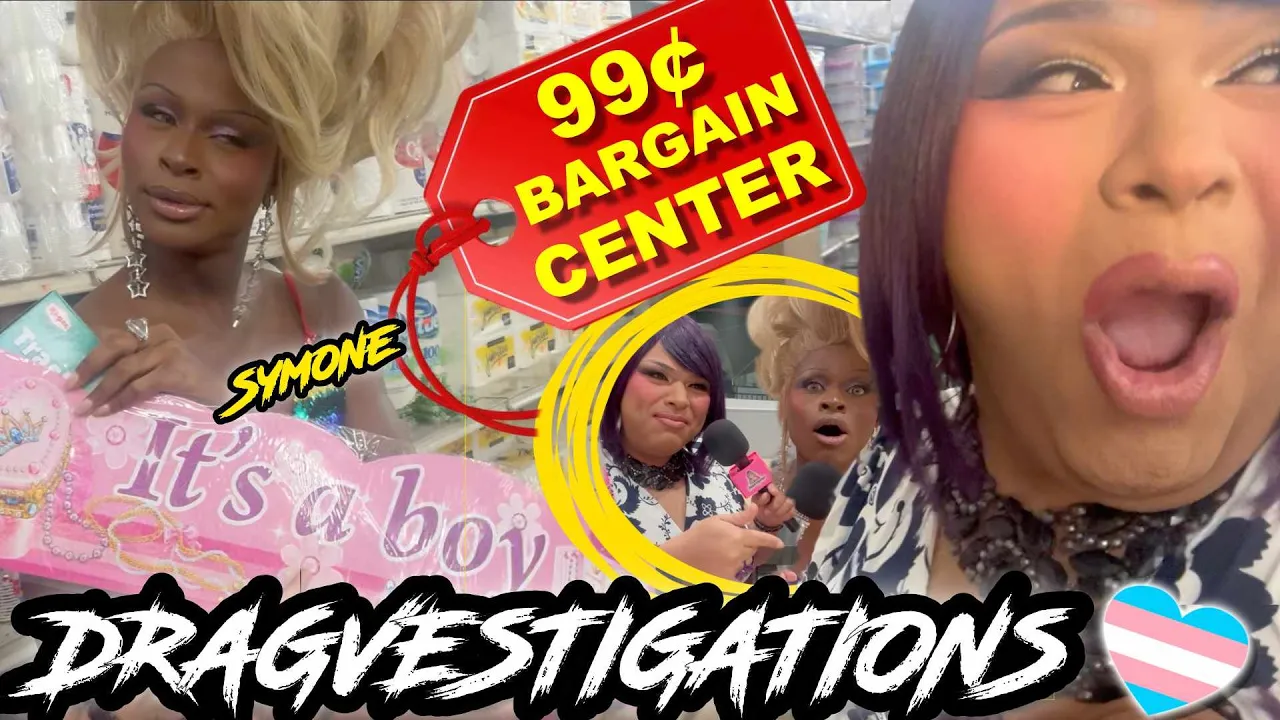
A basic history of drag performance, tracing its roots from subversive underground theater and ballroom culture to its role in political activism and self-expression.
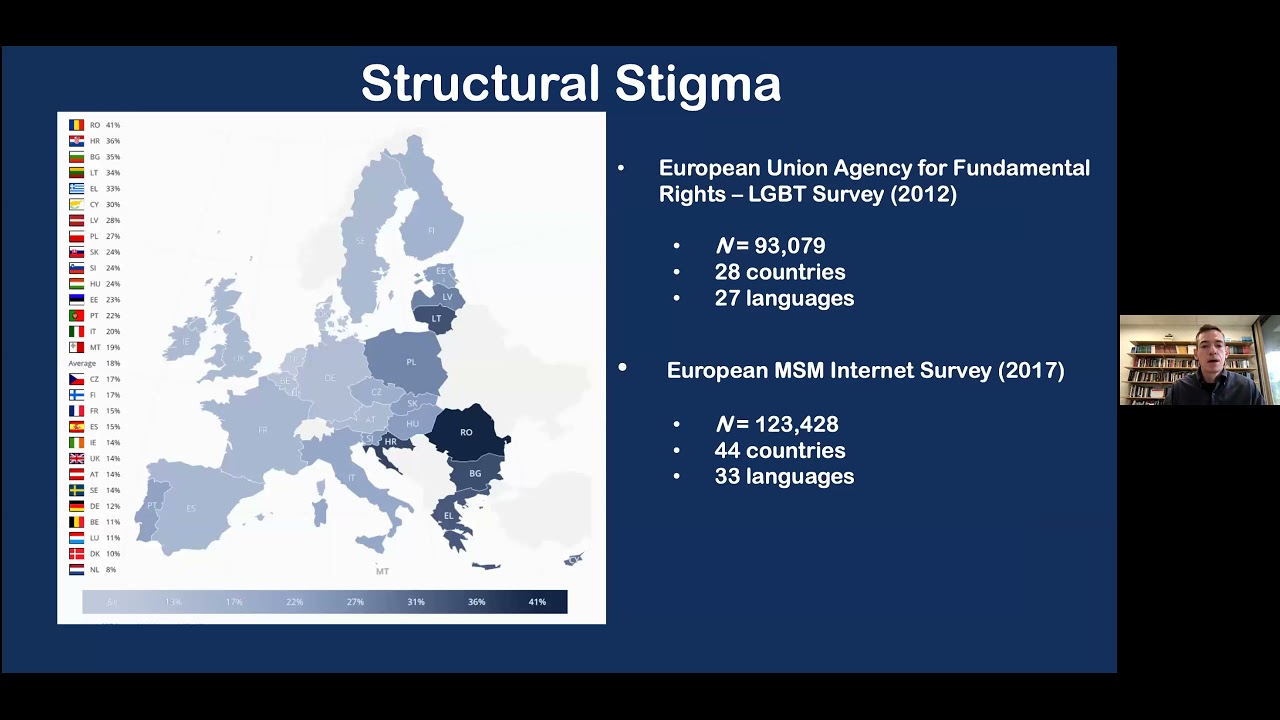
Familiarity with 'minority stress theory' and how social stigma and lack of societal acceptance impact the mental health and resilience of LGBTQIA+ individuals.
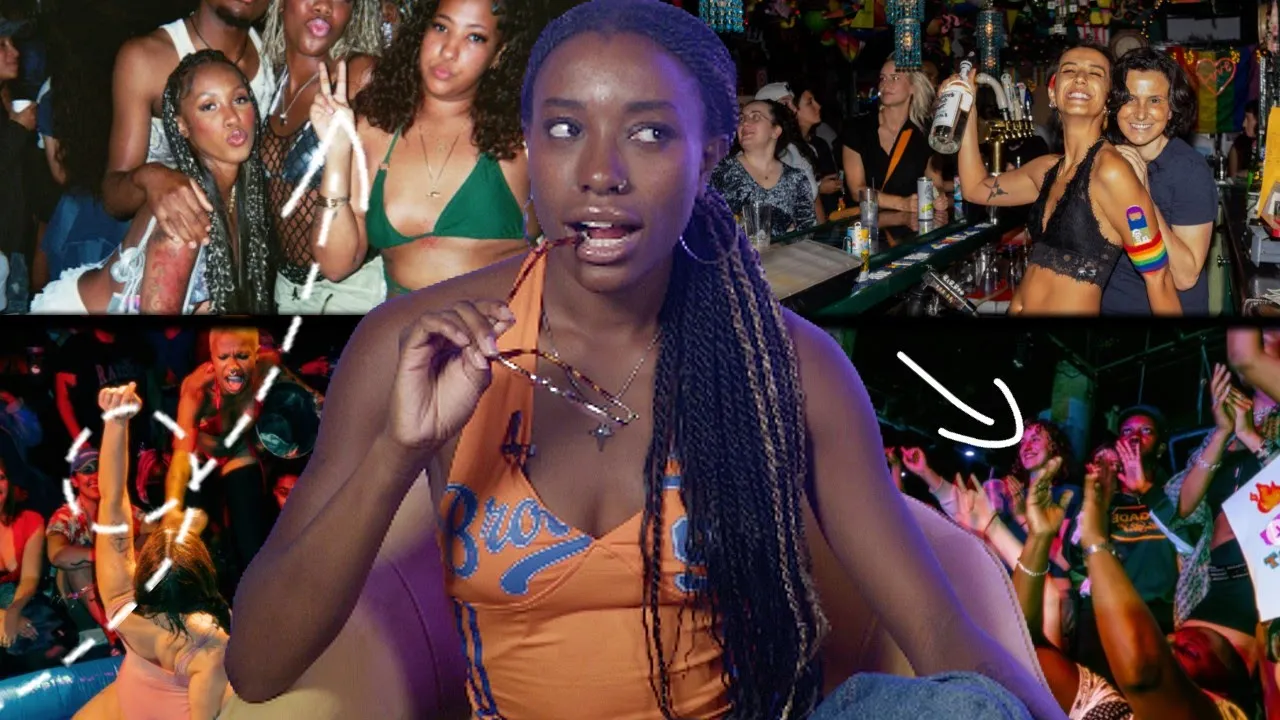
An understanding of the historical necessity of safe spaces, such as queer clubs and community hubs, in fostering safety and identity development.
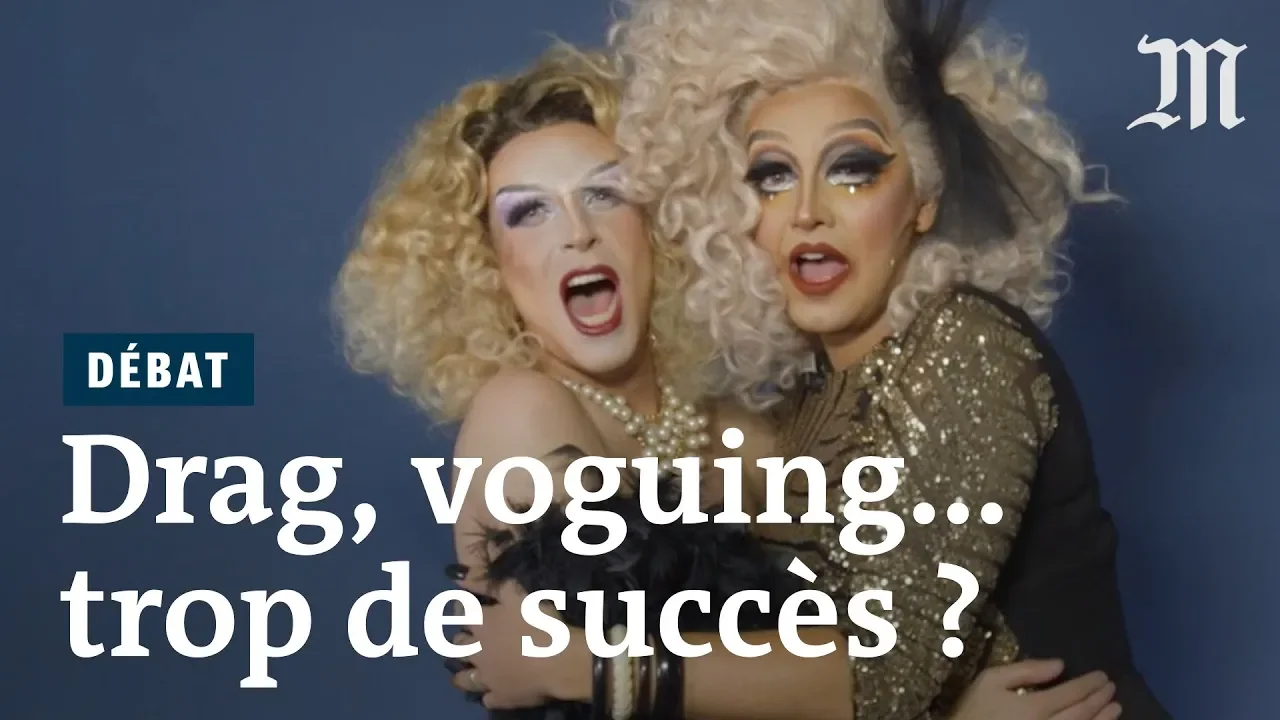
Analyzing the tension between grassroots queer collectives and the modern commercialization and mainstreaming of drag culture.
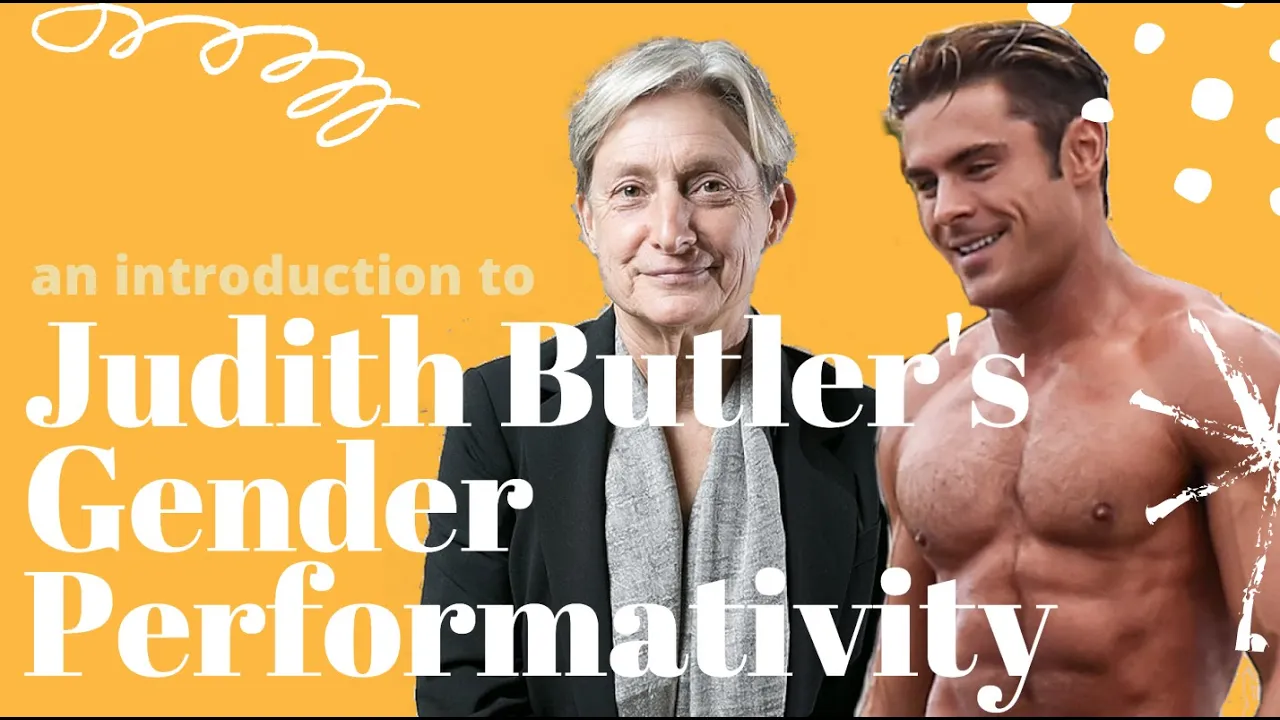
Exploring Judith Butler's theory of gender performativity to critically analyze how drag performances deconstruct traditional gender binaries.
Investigating the legal and policy challenges surrounding 'chosen families,' particularly regarding healthcare proxy rights, inheritance, and social welfare systems.
Studying 'queer geography' to understand how urban gentrification and the closure of physical LGBTQIA+ venues impact community cohesion and resilience.
66K views552likes4:24Original Release: 2022-06-10
Three, two, one - action I always describe Sink The Pink as the social misfits and broken biscuits. We're the kind of people that all come together that have been excluded.
I would say I started Sink The Pink because I needed it. I just couldn't find a place where I felt as though I could be fully myself. Me and my friend we just said right, life has got to be better than this and really simply we wrote a list of all the things that brought us joy in life and those things were a place where there was no rules we love dressing up, we like being ridiculous we just wanted to create somewhere that felt safe and Sink The Pink was born.
We're like one giant detention class of oddballs and rejects that then find each other and find power in our differences and not in the things that make us nice or normal. We don't want to be that, we want to be hot messy feral gorgeousness. There's a description!
The first time I went to Sink The Pink was a galactic feeling of - I didn't realize I needed this I didn't realize a place like this existed I think as queer people we spend most of our life trying to either fit in or trying to blend in and trying to be invisible so for me performing is basically like my inner child allowing it to be free and to do what it wants i grew up listening to kylie minogue i learned english to like i should be so lucky like as a northern asian queer boy you feel like you're alone when you find your family you can do bigger things together i think it's crucial that lgbtq plus people find those spaces where they can thrive where they can have relationships where they can succeed where they can be winners because those spaces in society are not really geared towards us we get on with it we fit in but do we want to fit in in life i don't a lot of us don't always come from backgrounds where we are necessarily fully accepted having these spaces where we can like uplift each other platform each other give unconditional love and support is like what keeps us safe gosh sometimes it's really great to create an illusion and and get people outside of themselves you know have fun be excited be stimulated forget the world performing is not just about me looking good i mean but it's you know it's about telling a story it's about telling your past telling your troubles your hardships and again telling your joys it's telling you nothing can ever be making that one little queer kid or trans kid or lesbian kid or whoever this child is just go i feel a part of something and i've done my job how do i feel about seeing the pain coming to an end oh i think the pain has not only impacted on my life but it's actually transformed who i am i feel like we've all somehow saved each other we're just in it together we've given each other so much strength you always want an end to the story life isn't got an end oh my god they have just changed the way people see themselves and change the way i've saw myself i feel very comfortable in saying it's changed the queer landscape in london and i think that's been brilliant you gotta see this beauty move i just need to open my legs a second like this beautiful don't know smoking mirrors all the way i can't say that oh i've forgotten what we asked
Up Next
5:39
Bowling Alone by Robert Putnam: Community & Social Capital Explained
@herdingtogether8822
13.1K views•2021-01-27

9:26
Georg Simmel's Metropolis & Mental Life Explained | Urban Sociology Lecture
@jaredbok3816
833 views•2023-07-01
19:23
How to Analyze Conversations Scientifically | Elizabeth Stokoe | TEDx
@TEDx
1M views•2014-12-04
9:41
What is Sociology? The Sociological Perspective Explained
@crashcourse
4.6M views•2017-03-13
Related Study Plans & Knowledge Roadmaps
Structured learning paths in Sociology
sociology
Disaster Sociology: Risk, Power & Recovery
01Foundations of Disaster Sociology
02Structural Vulnerability & Social Inequality
03Ulrich Beck and the 'Risk Society'
+ 2 more learning modules
15h5 modules
Explore Roadmap
sociology
Celebrity Culture: From Hollywood to TikTok
01Foundations of Celebrity Sociology
02The Rise of Micro-Celebrity & Digital Platforms
03Parasocial Relationships & Algorithmic Intimacy
+ 2 more learning modules
12h5 modules
Explore Roadmap
sociology
Hostile Architecture: Space, Power & Control
01Introduction to the Sociology of Space
02Social Control and Surveillance in the City
03Hostile Architecture and Defensive Design
+ 2 more learning modules
12h5 modules
Explore Roadmap
sociology
Loneliness Epidemic: Third Places & Isolation
01Foundations of Social Capital and Community Cohesion
02The Death of Third Places and Urban Space Erosion
03The Privatization of Leisure and Atomization
+ 2 more learning modules
12h5 modules
Explore Roadmap