




![Tere Bin Ep 10 - [Eng Sub] - Digitally Presented by Jhalak Beauty Cream - Yumna Zaidi - Wahaj Ali](https://i.ytimg.com/vi/qJ-OBntrIqc/maxresdefault.jpg)










Transracial adoption presents unique challenges where adoptees may experience racial isolation, struggle with identity formation, and face difficulties navigating their racial identity within predominantly white households; successful transracial adoption requires adoptive parents to actively engage with race and culture rather than avoiding discussions about it, as ignoring racial identity can leave adoptees unprepared to handle racism and create lasting psychological impacts.
Transracial Adoption and Racial Identity: A Critical Conversation
Added:Understanding the basic definition of transracial adoption, specifically the dynamics of placing a child of color with parents of a different racial background.
The sociological concept of racial identity development and how racial categories are socially constructed and perceived in contemporary society.
Fundamentals of developmental psychology regarding identity formation, belonging, and the unique psychological milestones faced by adopted individuals.
The concept of 'colorblind ideology' and its critiques within sociological discourse and critical race theory.
Exploring clinical and psychological practices designed to support adult transracial adoptees in navigating racial trauma and identity reconciliation.
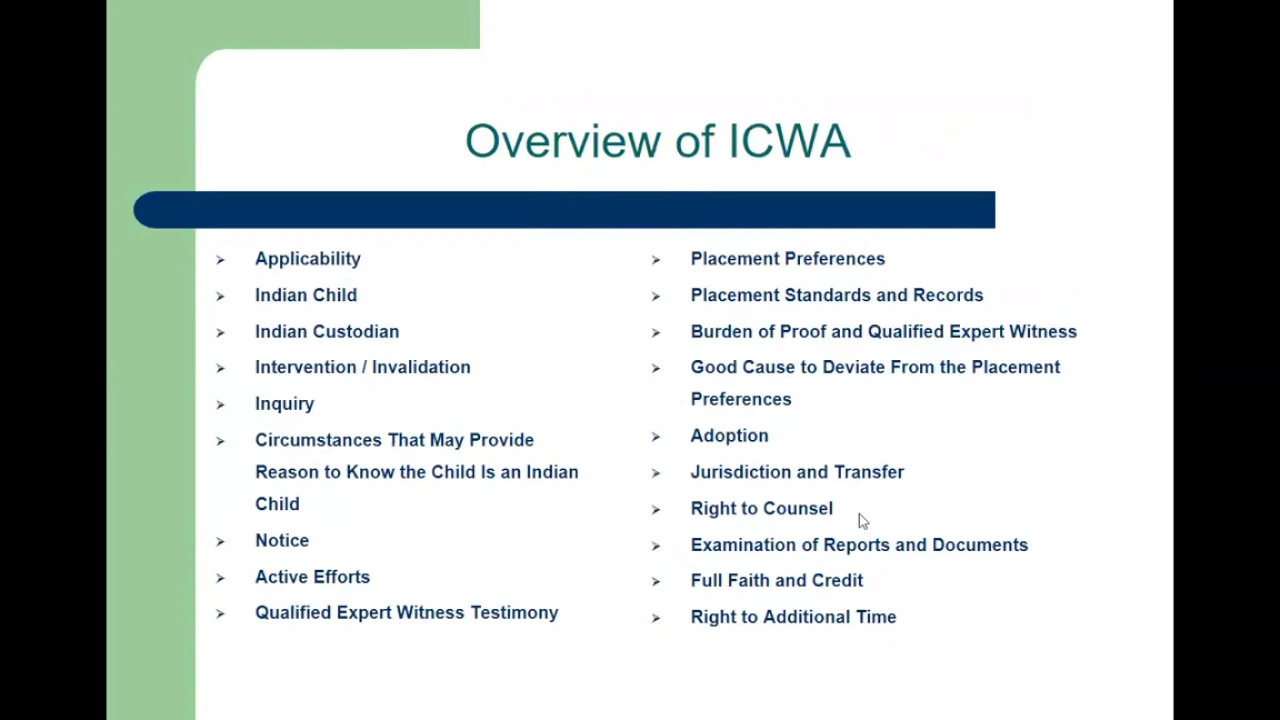
Analyzing historical and modern legal frameworks surrounding adoption, such as the Multiethnic Placement Act (MEPA) and the Indian Child Welfare Act (ICWA).
Investigating the global, socioeconomic, and geopolitical dimensions of international and intercountry adoption.
Evaluating evidence-based strategies for multicultural parenting and active racial socialization to better support transracial adoptive families.
84.2K views2.1Klikes55:18Original Release: 2022-11-01
hey welcome to beyond the scenes the podcast that goes deeper into segments and topics that originally aired on The Daily Show with Trevino this this is what you got to think about this podcast is all right you have to be a little hangry all right you go to the snack machine and then you put a dollar bill in that vending machine and you push that button B27 and them Hot Cheetos Target the little thing the thing and then them Cheetos fall down and then two bags of Cheetos come out the vending machine now you got an extra snack and you got extra hot Cheeto dust on your fingers and you didn't even have to shake the damn vending machine that's what this podcast is I'm Roy Wood Jr today we're talking about a topic that has come up quite a bit on the show transracial adoption and the experience of being raised by adoptive parents of A different race Travis covered this issue and interviewed my next two guests on the show so I'm excited to welcome them back to the Daily Show universe and have a more in-depth conversation with them about their first hand experience first up I'd like to welcome the author of the book all you can ever know Nicole Chung Nicole how you doing I'm okay Roy thank you for having me here I'm sorry for getting a little excited about Cheetos yeah like that's that's totally understandable that was great also joining us uh on the program is the author of surviving the white gays Rebecca Carroll Rebecca good day to you as well and to you Roy thanks so much for having me and hey Nicole it's great to see you always always lovely to see you too Rebecca now for those of you listening and watching who were not familiar with these two wonderful people stories now the both of you were adopted and raised by white parents Nicole we'll start with you tell us about your experience growing up in a trans-racial household and what were some of the challenges you faced growing up in a predominantly white Town sure so I grew up in a very small community in southern Oregon I usually tell people it's like not the part of Oregon you've heard of which is Portland um and it we were very far from like major Urban centers it was an extremely white area like I was probably the only Asian kid at my elementary school just to give you a sense and I did not meet another korean-american or become close to them until after I left home so it was kind of this extreme racial isolation I grew up in a really loving family um loving white working class family and you know I think until I started school right I was like aware of being different of being Asian not like the rest of my family um I had words like Asian and Korean I knew my birth parents had been immigrants to this country when I was born and then placed but um it wasn't something I thought about much in my day-to-day life you know and it wasn't until I started going out into the world out to school you know saying hey like I'm really the only person like me in these rooms you know that I really began to feel like um sort of out of place and then you know with school came experiences of racism like I started hearing anti-asian slurs um and being bullied by that at a fairly young age like seven eight years old and again the complication of this right is that I had been raised by really well-meaning loving white people who had been in specifically instructed not to talk to me about my racial identity who'd been told essentially assimilate her don't talk about race okay so like the judge who finalized my adoption as an example who My adoptive parents really did look to as an expert was literally the word he used was assimilate her um they asked social workers that they worked with they asked the adoption agency who did their home study how you doing all right you can take this Korean baby but don't you teach them none of that Korean stuff my mother was like I thought they'd at least recommend a book or something and no one did I mean so they were doing with they're told but of course they weren't prepared for the possibility that I'd encounter a Prejudice and our community no I'm I'm forgive me for a second my Alabama brain is just trying to process everything you just said to me now you what you're saying is that they were legislated how what happens if they they catch you eating some kimchi or some Korean barbecue do they take it back and reclaim you as a ward of the state like how could they even not to get ahead of ourselves but I just want to say because because it it needs to be said and it's such an integral part of what a trans-racial adoption is is that this country was founded on the premise of white people deciding what constitutes a family when families can be made how much they are worth literally when they can be torn apart or kept together and so given that that is what this country is founded on any kind of social construct racism sexism misogyny adoption which is a process of taking somebody else's child it's going to have remnants of that history okay so then let's talk a little bit about your experience Rebecca because you essentially came up in Oregon East that's right that's exactly right you know now New Hampshire you know I've only gone there for the primaries which is also very white as well but what was that like for you you know how similar was your experience growing up you know over there on the East Coast very similar um in that my family was quite loving um and very very idealistic artists Bohemian but I would the state was itself 99.1 white when I wouldn't my family moved there with me so I became the first black person in the town um as an infant and you know the only black kid through all of my um schooling and like Nicole you know started to experience you know it was sort of a um it was sort of a a paradox right because in my family I was quite loved and quite you know I was a very outgoing child and I loved to dance and be creative and a sort of a little bit of a star in my family but then when I went outside of my family into schools and the real world outside of the bubble you know I was not prepared I simply was not prepared and and like you know Nicole's parents although my my adoption was open and kind of a handshake deal which ended up as you can imagine disastrously um they were very well-meaning but they just didn't think about it they just didn't think about it and that again is a real you know problem with language around adoption and the way that we talk about adoption we're still using words like lucky and gift and grateful and gratitude and love is the only answer and all these kinds of things that we we as adoptees know just isn't true how did your family process racism when you came home and said today the girl called my hair this so they called me a black ass this or I'm sure teachers were saying some slick stuff that they shouldn't have been saying to black kids at that time in a place like that when you brought those issues home to your parents how did they handle that they didn't they did not handle that and actually at a certain point I stopped telling them because they didn't There Was You Know unintentional gaslighting right are you sure that's what you heard are you sure he called you a [ __ ] are you sure somebody tried to pet your hair you know and and I think that they again unintentional gaslighting I think that that for them it was like I can't imagine that you know nice you're our nice neighbors or or whomever or even our teachers would say something like that and then even if they did there was no language to process it no no contextualization no all their their reference point was Martin Luther King as so many white parents of black children at a certain level how does that colorblind approach do a disservice um to children that are in their children's racial home yeah if I could just answer your last question first like like Rebecca I knew I just felt it really wouldn't be understood I did once try to tell my family that I'd been made fun of for being adopted you know I didn't mention like the slurs but I said and this kid was like your parents didn't want you and like kind of their response was well everybody gets teased for something right and you know they gave me examples and I'm sure they were trying to empathize they were but um what that competition kind of told me at a young age was like as well-meaning as they were they expected these were going to be safe environments for me because they were safe for them and they thought there were few actual racists or bigots in our town because they were not among their targets ever and so you know they're sending me to these places and expecting them to be like safe environments and supportive and you know it wasn't the case and I did not know how to shatter that illusion for them I really didn't even at that age I was like it's my job here to like protect you in a way like you've always told me what really matters is the kind of people that we are and I was learning slowly that that was not true to everybody right but I didn't how was I supposed to educate adults in my life about that at the age of eight and nine and so I do think it did me a disservice but I will say I don't think My adoptive family was especially worked you know by those experts quote unquote experts who told them to essentially ignore my racial identity either because um it did it made these conversations a lot harder we had them a lot later um there could have been like a lot more openness and trust and um just support I think they loved me and they would have wanted to know how to better support raising a child of color in our in our town and the fact is like they were kind of failed by that system too even though the whole system as Rebecca was saying was essentially set up to cater to their needs as white adopters they were still not well served by it and I think about that a lot so if these families aren't given the tools that they need and they also possess a blind spot to some of the horrors in the world because they just straight up haven't witnessed them or haven't had conversations about them how much of a responsibility do adopt to families that are creating a trans racial home how much of a responsibility do they have to learning and educating and then trying to take down some of these systems of Oppression or it's just being a good parent shouldn't that be enough I adopted your ass what the hell else you want me to do every day right I mean that's unfortunately very common uh League I hope they don't say it like that with an Alabama accent but yeah um I mean I really feel like if if your reference point is your only reference point for black folks is Martin Luther King or if you don't have any black folks in your community or if you don't have any black art on your wall you should not be raising black children who become black adults and that's the other thing right is that when we're when we're little it's like you know everybody's cute and everybody's it's play time and it's fun and it's so and so forth but when I got grown and came out into the world as a black woman my parents didn't recognize me really and they didn't really know how to talk to me or how to interact with me and my child and my world um so you know I feel very very strongly that it cannot be intentional about Good Intentions it has to be about a real commitment to community and culture in a way that is not you know exploitative or that feels like appropriation but that's that's work right and for the most part which is why we have systemic racism is that it takes work you got to get out of your self and your privilege your power who wants to get out of their privilege and Power I mean it's got to be it's got to feel great too much work I mean you hear so much in adoption these days especially and much more so than we were growing up Rebecca about like celebrating a child's birth culture making sure they're connected to that um and you know honestly that I think of that I call that the fun part right it because it is it's something the family can do together it feels very affirming it is a lot harder to do what you're talking about um to really like Center that child's experience to really take a good hard look at your neighborhood your community the schools your kids will go to maybe like the religious community that you're part of and ask yourself what would it be like to be a child of color a black child an Asian child in this environment I mean it really needs to start from that very basic place um and I think I think that's just the hard part it's a real stumbling block for a lot of people because I mean again like one of the things about being white in this country is if you don't want to think about race in a way you don't have to um the problem is it shouldn't become your child's burden to make that evident to you you know and so that's that's something to consider like I I really agree with a lot of what you're saying now we talk about your relationship with with you and your parents and you and Society but what about your relationship with yourself you know when you come up as something you're essentially both black swans to a degree within your environments you know as a child and as an adult like was there ever a time that you didn't feel black enough or Asian enough like once you got outside of the white Pleasantville bubbles that you were raised in and you went to that first family function out of town or you went to that one trip to the mall and you saw someone who looked like you walked me through those moments where you didn't feel like when you felt a legitimate disassociation with your own culture again it's like a it is like a a paradox or an oxymoronic feeling which is that every time I saw a black image easy reader on electric company my first dance teacher was black it was it was I was drawn but I also it was such a disconnect because I didn't have any sense of of why I would belong to that person or that culture or that race and I and I do want to also say that no matter how how much we reintegrate you know even as adults in college you know I founded the first black student union you know I found my people I mean being in black community has been so enormously important to me as much as we try those formative years were white those formative years centered the perception the morals the Customs everything White I mean I sat at a table a a dinner table and everybody was white I went to school and everybody was white so I I feel like we've all had those experiences of of not being enough or not being whatever it is Asian enough or black enough or whatever and really trying to Grapple with that kind of grief because it is it's a it's a loss but also having to reconcile with the fact that we were in our formative years raised by and within a white-centered environment it's interesting I've one of the wildest questions actually that I get a lot as an adoptee author is like so did you basically think that you were white for most of your life and like the answer is no like I think right all I have to do is open my eyes right I always knew but because like Rebecca's saying white was the default it was like the world that I swam in all I really understood was that oh I am like not like this like it's like I was defining myself in terms of a negative I didn't know what I was I knew what I wasn't I knew I existed beyond the bounds of what was normal accepted like okay welcome um in my community and yeah that definitely it definitely left um you know scars not to be dramatic that I think we're hard to Grapple with until as you said Roy you sort of take your first steps out into the world you see what the rest of the world is like and then you're trying to reconcile like the distance between how you were raised and how the world is and I think what's also interesting about your experience Nicole is that to a degree you had even less representation on television I don't know how much you were allowed to watch TV in peruse the internet as a child but like even the imagery of Asians on television was limited there were yeah I would argue there were more black people on TV than Asians in varied roles it wasn't as diverse as it is now it wasn't as boxy and stereo typically as it is now for black people but I would imagine that to have been an issue as well so yeah we we have to take a break but let me ask you all this real quick when you got older and you started making the realizations and the connections of okay wait wait wait wait wait wait a minute I missed a lot of stuff about me growing up how did you all you know how in what ways have you tried to reconnect with your heritage over the years you know I know that there is a lot Rebecca that is lost because the base level Foundation software was never installed on the desktop but when you look back at your life are there any Milestones that really hit home for how you felt disconnected and you know and in what ways have you all tried to reconnect with your heritage I mean it's definitely the work of a lifetime I'll never feel like it's done uh the biggest most obvious way for me was when I became an adult when I was pregnant with my first child I decided to search for my birth family so as I mentioned they were Korean immigrants they had just moved to this country like a year or two before I was born and adopted so they were here it was a long convoluted bureaucratic process to search for them but I ended up finding them and reconnecting like the same month my child was born so it's like weirder Than Fiction in that sense and I wouldn't say it's been easy nothing about reunion or like open adoption I think is without its massive complications but it was really important to me to be able to ask these questions I'd had for a lifetime and hear like just to think about what my life would have been like if I hadn't been adopted if I'd grown up in this family if I've been raised in a Korean family and I've become really close to my biological sister who was raised in our our Korean family it's almost like seeing what like an alternate version of my life would have been like in a way I've joked that I never feel less Korean than when I'm with my birth family because there's just so many things that they they know and I don't but um but it has been really important to me obviously to regain that little bit of connection and understand where I came from Rebecca how did you reconnect with your culture because you know BT only gonna give you so much I um I leaned in I mean every opportunity I had um in terms of of you know black student union black student groups in college um after college I worked for uh I worked with the production company blackside which is known for eyes on the prize I um you know I leaned at my first five books are interviews with black writers and and um public intellectuals I just I inserted myself um and took the hits because there were definitely hits of like you're not black enough or what are you trying to do are you trying to um I was trying to reintegrate so so it was trial by fire a lot of a lot of the time but I guess I would say the main thing is was giving birth to my kid and um and seeing him now be as as black as he wants to be and it's you know I finally have that community and that's just it's mind-blowing and it's that is what I waited for you know when I when he was um when he was about four or five years old he saw a picture of me at four or five years old holding a frog and he said Mommy why am I holding a frog and there it was right that was the moment that I had been waiting for well this is beautiful after the break I want to talk a little bit about your books that you wrote about these experiences what inspired them and some of the feedback slash backlash that you may have gotten from people from uh writing these books this is a wonderful conversation about transracial adoption this is beyond the scenes we'll be right back let's talk a little bit about the books Rebecca I'll start with you now your Memoir surviving the white gaze let's just start off the top why you choose that title what what were the other titles that delivered some of the other white folks stop looking at me what the hell staring at stop looking before I come over there the the there was never another title um the the first time I heard Toni Morrison explain what the white gaze was I was in my early 20s and I was like okay that's it that is what I have been grappling with my entire life and I didn't have words for it and I knew that I wanted the title to be ongoing surviving because I will be surviving the white gays for my entire life um but that white gays as we've talked about earlier is the default it is the lens through which the world uh our world in America is established it is it is the way that systems are built and the way that laws are made and the ways that you know decisions on the spot decisions are made it all of it is the white gaze and so it's very real for me for me to have survived it not just within my upbringing but in the society with which in which I live you know what's interesting about your upbringing you know because for me I am to a large part the polar opposite of you you know I came up in Birmingham city schools predominantly black school systems black teachers I'd never had more than one white classmate until High School I did not meet my first Latino until the seventh grade black church black community blackity black black and there are a lot of people in that regard that I know who when I went to the black college I went to Florida in them there were a lot of black people that I know who their first interactions in a corporate or employed capacity was after college with white people and taking in all of this new information and stimuli about what it's like to be seen and perceived a certain way in an odd way I feel like you're upbringing Rebecca because it was from day one just White that you are hyper qualified to speak because you understand what it's like for adolescents to look at you versus an adult in a c-suite or somebody who's being passive aggressive and you know we talk about um passive aggressive workplace harassment as well so how much did that upbringing help you write this book you know as as uncomfortable as that was how much of an educational whiteness did you get from your childhood I'm very conversant in white people I'm very uh I am very well poised um to be a white person Whisperer although I declined that offer uh time and time again I think a lot about that and um the the numerous times that I've experienced micro macro aggression racism in the workplace and one which was so egregious that I um went to a lawyer and explained the situation and she said to me you definitely have a case of racial discrimination and my feeling was not Victory there's no victory in being right about racism and so in the same way that I can be conversant in white spaces it's not really it doesn't really feel great so Nicole your book all you can ever know walk me through the day that you sat and you decided yeah you know what what I went through wasn't cool I don't know what the solutions are completely but we have to talk about where we are at least today with this issue what inspired the book and also talk to us a little bit about the response you got when the book came out um I'll say that like the book was not the first time I'd written about adoption I still remember the very first like piece I ever wrote about it it was never published I wrote it like years ago I showed it to like three people I stuck it in a drawer it was terrifying to me to be it wasn't even just the vulnerability it was facing this like wall of of half truth and of comforting things that I told myself and that other people had told me for a lifetime so writing about adoption did not come easily to me and I sort of practiced for years before the book happened because you had to undo your own the own I don't want to say wall of Lies but the Comforts that you had built up for yourself about your existence within that system just the disclaimers right like the whole let me reassure you that my family loved me let me reassure you that like I was basically like a happy like well-adjusted child I don't even know if that's true by the way right but like that's it was like these are things they're they're the weighted expectations on adoptees starting as children is something that I don't think we talk about enough like from a very young age especially if you're a different race than your parents people notice people ask questions and like sort of lurking behind some of the questions apart from nosiness is like are you okay like are you really okay is your family okay um you know just tell me all about this because I don't understand especially maybe growing up in a super white area like like Rebecca and I both did so I I was like this spokesperson for adoption from childhood that I never asked to be but was always telling this story and so yeah to try to like reclaim that story to tell a different much more complicated version of it you know one that doesn't shy away from talking about race and the impact of racial isolation that was a scary thing for me and I don't know that I was worried about being attacked for it or backlash because I know you want to talk about that I was just like I've been telling myself this comforting story I've been telling other people this comforting story like actually going deeper into the truth it was actually very difficult but I wanted to because I had started to see and honestly was inspired by lots of other adoptees within the community like sharing their stories I knew the truth was more complicated I knew there were feelings and questions and like racism that I've been grappling with for a lifetime and I I just wanted there to be like more stories I'm always going to want more adoptee stories and understanding my adopting story and the fact that I don't have to choose between being Korean and then adopty like I am both um those are very very important to me and very affirming so that was kind of where the story came from did your family well Nicole first to you and then to Rebecca did your families read your books yes so my adoptive parents my birth father and my biological sister I'll read the book before did they read it or did one person read it and then gossip to the others and get it all wrong in a terrible game with telephone like that one time I talked about my daddy on a podcast and then everybody was checking yeah sorry I'm bringing up personal stuff Rebecca what about your family meet your family it was more like that um I sent a galley to my mom and she read it and said it was a gift and then told my dad my about some of the things I'd written in it and he felt uh that it was an affront and so she changed her mind about it and my siblings who are their biological children for the most part have been protective of them so it has not gone well okay so how much well I guess it didn't matter if you were even taking that into account when you wrote the book how your family might react to it but what about the regular real world uh reactions to it was it as harsh as you know some of the people in your family no and let me also add that I waited a very very long time I am not a young gal I waited a very long time to write this book and it and and I was seized by a moment to write this book which was when Mike Brown was shot and my son who was seven or eight years old asked if we were gonna get shot and I suddenly was so enraged by the way in which I had not been protected by the way in which I had not been given tools to be a black parent the way that I had to figure this out with my child and protect my child um so I I wrote it in part for them right wouldn't you like to know what it was like for your black family member to grow up in this white family and have these experiences not the case that said the response from the adoption Community adoptees transracial adoptees I'm sure Nicole has had some has been ferociously I mean just so hungry for this for stories about transracial adoptees and representation and that has been I mean just deeply deeply moving and and so critically important and and makes up to some degree for for the the rift with my family um but you know it that's also just dealing day in day out as a black woman on in these streets you know so it's there have been there have been some some less than kind things said uh it's a you know it's like a double helix it's like you're an adoptee and you're not being grateful and you're a black woman and you're being too loud no Nicole's already mentioned this to us but Rebecca to the whole Mike Brown point and we talk about trying to have a base of knowledge to pull from to to be a vessel to pour into our our children why was it important for you to find out who your biological parents were did you here's a better question did it go the way you thought it was going to go you know in terms of that Journey what did you expect and how did it on and how did it play out well it's two parts I didn't really have time to expect with my birth mother because I was 11 when I'm reunited with her which was way too early um and I was um deeply emotionally manipulated by her she's white um and uh has a lot of has a lot of caring qualities but also a lot of um appropriation black appropriation license uh that she takes and has taken we are estranged um I met my birth father when I was in my early 20s and it was very very um overwhelming his story was that I had been taken he didn't have any say in the matter he wanted me he had grown up himself in um in orphanages and and Foster system um and so he felt you know like I feel about my kid my kid it's like oh I have black family now I would like to keep you but his claim is that you know my white birth mother and her family cut him out because he's black did the question of why didn't you fight for me ever come up and forgive me if I'm if I'm no no absolutely he was you know he didn't really have the tools to fight you know he wasn't um he was not gainfully employed um he was all by himself he didn't have any squad or family and my white birth mother and her family were quite able to to cut him out of the picture either with the money or through the courts and being a black man and going against a white woman and right yeah yeah well after the break I want to dive into the way adoption is portrayed in Hollywood I'm very curious to get y'all thoughts on that because as far as I can tell with adoption like it's like it's like Different Strokes or the adopted kids gonna murder you don't you don't you bring home that weird child that child these murder babies we'll talk about that and also some solutions that families that are either thinking or have already created transracial homes can do I can't wait to hear that advice about that this is beyond the scenes we'll be right back beyond the scenes we are talking transracial adoption and two wonderful authors have been ushering us through their experience the cause and effects the positives and negatives of this and now we need to talk about you know the fact that you all wrote these books which means that you also avoid in the literary system where people are not being properly educated about the issues that you've faced your entire lives when the truth is that more often than not we just regular folks we get our we get our education from TV and movies you know like I would I'm gonna tell you what I know about adoption I know Different Strokes I know if a white man come save you now you know what's hilarious in The Different Strokes intro the white dude is riding around the hood and he sees the two dudes shooting basketball and he just goes get in the limo he just snatches him right up yeah no paperwork no nothing just come get your black kid what do you all think about the way medium pop culture portray adoption and what's missing from the mainstream conversation around adoption I think so often the trail of adoption is like when they have it they use it as a as a plot point it's usually like an obvious point of conflict and it's going to end with someone saying but you're my real family and that's what matters my real parents are the ones who raise me and that's like it like that's how like the episode of whatever Growing Pains or whatever sitcom I remember watching as a kid that's that was the resolution of the adopted kids storyline and I think like it's starting maybe to move away from that a little bit but there's still media and I think media portrayals are are partly responsible for the fact that yeah what what everyday people without connection to adoption know about it is basically that you're you're happy and grateful right and your family is your real family and you don't feel confused about that right and I don't think people realize the pressures that that creates one of the things that I really admire um about Nicole and and her work and approach to the issue and what what I try to emulate as well is that you know we're bigger than our adoption stories we actually are much more nuanced and multifaceted so there's a million stories in our adoption stories I and I think that the what happens in in film and television or in whatever representation is that it is it's it's it's one note it's very boring and and predictable and it's not just that that it that it lacks Nuance but then the conversations around it lack nuance and so I feel like we have to be willing to not just create stories of representation but to talk about them with transformational adoptees I mean that's the whole thing is that for the most part adoption transracial adoption we hear from we hear from the social workers the white social workers the white parents you know the the people who are facilitating these adoptions and not the adoptees we are the experts period full stop you know there's a difference too between it being like a story that Hollywood wants to tell like a great story and it being someone's lived experience and so yeah I would agree like um if you're making adoption media like you should have adoptees in the room if it's about transracial adoption you should have trans racial adoptees in the room not because of our monolith not because we all have the same experiences but because Rebecca's right we're we're the experts on that and then you know either either it's often like a very you know that sort of one note portrayal of it's fine everything's fine it's not complicated or they go completely the other direction and it's something sensationalistic like um you know you were joking before the break Roy but like I think about the number of times an adopted person comes back to like murder their parents in Agatha Christie adaptations and like you know it's always it's just it's like either we're suspect okay I'm quite be trusted I have all this baggage or like it's completely fine and like the adoption doesn't matter and there isn't enough Middle Ground I did not know that about Agatha Christie I don't think she wrote them that way I would have to go back and like check but like some of the adaptations update things and yeah they'll have someone's like you know child that they gave they gave up or gave away or abandoned like come back and like be murderous and like okay you know that's that's one take um yeah that's a choice what's interesting is that it both polar ends of the portrayal of the adopted child the parent is still the hero because they didn't deserve to be murdered or look at this good thing I did and and the and and it's the foster care system and it's like they I went into the foster care and they were fighting in the hallway and I pulled you out of that and then I brushed your hair and I gave you a haircut now look at you use a good acceptable negro to be in society so if you didn't brush my hair my parents except you didn't no one had told my parents about Asian baby hair and you know they kept trying to make it life lap for like the first two years of my life it was just like whoa I know I'm like no it just it's gonna stick straight up sorry so then to that point Rebecca when we talk about the story and the portrayal of the adopt T never being told what are some of the challenges that adopt these faces especially when we talk about mental health because at some point I would imagine there's issues of Abandonment and like why is that never seeded into the conversation and just and if you all want it talk a little bit about your own mental health struggles over the years and why you think that's not as big a part of the conversation around adoption I will say that abandonment is are I will speak for myself but I would is the central trauma of adoptees um there there is what's called a primal Severance right there's there's no way around that we are separated from the person whose body we came out of I mean that's there's grief around that I don't think our society is great at talking about mental health in general so like you know let's acknowledge that up front and I think um I I feel this as a parent too sometimes you're like well I do have like I want to make sure you're okay like thinking about you and making sure that you're okay is the thing that consumes me 24 7 as a parent but like in a way you don't know what you don't know and you're trying to gauge a lot based on like like offhand comments like things you overhear um I think my parents didn't know I was really struggling and I don't think they knew the reason because again I was not telling them that I was like hearing slurs at school but like when I was about eight or nine I started twisting and twirling my hair um like a nervous tick and um like I developed like a small bald spot and that was like their signal we don't know what's wrong but like something's clearly wrong um and I started seeing a therapist um like a sort of she specialized in playing art therapy when I was really young I mean I will say I give them credit for realizing that like I needed more help and support there were things I was not voicing to them that I had to talk about with somebody but I mean for all that I know I talked to the therapist I know she talked to my parents my parents and I for all the love and support like we still didn't talk to each other about these things we didn't talk about it until I was an adult and it wasn't just being adopted and it wasn't just being Korean it was like a it was a combination of a lot of different things you know that led to that that moment where they could tell I needed help but um you know that's just something I've been living with and I'm sure some of it was like like Rebecca was saying like um abandonment as kind of like that that first Central trauma for a lot of adoptees yeah and then just the impacts again of growing up and like seeing no one who looks like you and then experiencing racism and while being told race doesn't matter I mean how do you square those things as a child it's just kind of something that started pretty early so my story is further Complicated by the fact that I did reunite with my birth mother at a very young age she is white and problematic we had a very intense relationship and bond all I wanted to speak to the central trauma of Abandonment was her love and her to regain Her Shine and her attention um and uh and she had a very bizarre relationship with Blackness um and here I am trying to figure out my blackness and so at a certain point she wrote her own book and I agreed to help her promote it because that of course is a great package this was many many many many years ago after after we went on I think but it was good morning America I read about this in the book and I was talking with Joan London you may remember oh yeah about being a black a black woman and and how it's it's really important as a blacked up D to to use my voice to to help you know amplify and clarify my experience and what what might be a similar experience for others and afterwards my birth mother and I went to lunch and she said um you know I heard you say something today on the show and I really thought because of our Dynamic I thought she was going to say that I was hogging the air time that I was speaking too much that I was taking away from her shot she said I heard you call yourself black she said you came out of my body you can't just go around calling yourself black and that was a moment that tipped the scale for me and I came home that night and I was living with uh my best girlfriend who is you know chosen family um to this day and uh and I just felt I don't I wouldn't say suicidal ideation but I did also I did feel like I don't want to do this I don't want to feel this way I don't want to have this experience it's too much and she encouraged me to see a um a psychotherapist or therapist and and I I just sort of ran down this list of things that I had gone through including this comment from my birth mother and she was like okay you're clinically depressed and you need to be on medication right now um and that was really that was really both a relief and also kind of alarming because I had been living with all of this this sort of melange of of Abandonment and you know racial identity and security and trying to just navigate this white World consistently and constantly um so yeah that that was definitely a moment to the mental health part of this right how much of a role does the state and the adoption agencies and all of the foster homes play in educating the families hey look you getting the kid but you need to be prepared to help this child through a lot of stuff because as they mature they're going to make realizations about themselves and they're going to need some help how much is the toll on an adoptees mental health also ignored by the state and the adoption agencies themselves and what role do they have in preparing the parents for what the hell is going to be happening when they create a transracial home I mean I think the problem with that is really that even in the best case scenario of an adoption agency telling adoptive parents you need to be prepared you need to know how to do the hair you need to do this you need to do that white parents depending upon where they choose to live what their you know what their personalities are where what their own backgrounds are or how what their you know sort of um uh values are it's really easy to not do the things that they're told to do you know I think even if my and in fact somebody did say to my mom when I was younger you should you should find someone to help her with her hair she was like it's fine you know I mean because to her it was fun and for me it was until it wasn't yeah why is this Korean baby hair sticking straight up yeah let's just cut it down it just put some put some vo what was that that VO5 put some hot oil treatment I mean even in the best case scenario where you have an adoption agency that's trying to really educate prospective adopters um about um like trauma-informed parenting and like wear a lot of because let's not forget a lot of adopted kids are coming from really hard places um you know I was adopted like straight out of state care at the age of two and a half months um and so I didn't spend like a long time in like an institution or in foster care and like all these things can really obviously like affect kids for a long time I know that there is like required education training there's often not a lot of Coast adoption support for families or for birth parents and that's huge you know and ultimately like let's not forget adoptees we are not the the clients we are not really the people the whole system set up to serve like we are babies or children and people are making decisions for us even if they're doing that in the hope of acting in our best interest like it's adults making decisions it's adults being served um it's often like you know a doctor's needs that are being kind of centered in all this and so yeah if a white family doesn't know like what questions to ask even or what support to ask for that's going to be yet another barrier to them and ultimately their children getting the support that they need and we know from studies that a lot of white parents aren't comfortable talking about like race with their with their kids and so I don't know it's like it's like people don't think there isn't a problem and so they're not asking for the help that they or their kids might need I think also the way that it has been celebratized uh and the relationships that we see you know with with um celebrities white celebrities adopting black children and having this kind of image of isn't this wonderful and it really you know it see there is representation look at my black baby I bought it's really for us it's it's really cringy but I think for for most white folks it's like oh that's really great and again it's it's really easy I mean I I have talked with and met with many many white adoptive parents celebrity and otherwise who listen intently you know about oh okay well I'll do this and I need to do this and oh great okay it's more than more than a Serena Williams poster and take all these notes right and then don't actually do any of those things and or start doing them like start trying to collect black friends try to collect black community and black folks are like you know you should have done that first I'm not trying to be your black friend for your black child you know what I mean the funny thing is is that we talk so much about good intentions but the intentionality is not there if that makes sense do you ever Rebecca do you ever feel like um you know people want you to give them like a list like literally tell me the five things I have to do oh no no if I do those five things everything's gonna be fine that's my last question sorry no you've already kind of answer it like what advice is there not a checklist you know if I'm considering adopting a trans-racial child you know what do I do because if if it's not your job to help me tear down the oppressive system and I'm the white parent and you won't help me be my black child's friend how do I get black friends for my black child if the solution is not bringing them around white people until they're a senior in high school like what how what what are the hurdles for potential trans-racial adopt adopters I just I feel I feel like there has to be just as like a come to Jesus moment really like you you it's not a specific checklist there's not a way I mean there is I've I've been asked and I've given them many many times I don't think that is the answer necessarily although I think that those things are good to keep in mind um but I think that it's really are you willing to de-center whiteness you have a black or or Asian Korean different raised child in your house that means that that that race needs to be reflected as much if not more than y'all's taste and priorities I mean I will still meet a lot of people who want um the basic story of translational adoption to be comforting and simple and like kind of a savior story I remember being told many times by many different people it's like proof that love is really enough it like isn't antidote to racism like it's just it's incredible like the I mean again I talk about this a lot but the pressures that people will put on adoption and adopties um there's so many things and I think we've talked about some of them already like you need to before you adopt not after and not when your kid is 10 or 16 but before you even take the step you need to start really taking a hard look at your your community like what is the world and the life that this child what are you bringing them into and I don't say that to say like and then you should decide that you're terrible and not adopt but like you need to be able to be and if it's uncomfortable good if it takes work good if there's stuff you have to do first to be ready to adopt like that makes a lot of sense to me you know we prepare as biological parents we prepare in lots of different ways right to have a family so if you want to be a parent through adoption and particularly to a child of another race than you like these are just the questions and like the the interrogation that you should be able to do because you need to Center that child in their experience and what their life is going to be like and not think about like you are no longer just experiencing the place you live or your neighborhood through like your own experience um another thing I think is really important is that um this is kind of separate from the race but it's related um is that I don't think adoptees should ever be made to feel as though like they have to choose one family over another and this comes up in lots of ways like I've talked to so many adoptees who feel like we have to um almost Tamp down both our questions about our racial identities cultural identities and also like our questions about our birth families if we're not in contact with them um sort of like to protect the feelings or the Integrity of the adoptive family and I think you know if there's one big important message I think people should understand about adoption is that like both families are real I mean we're all real humans and um adopties shouldn't be made to feel as though they all always have to kind of like pick one family or only belong to one family or only think about or love one family versus the other um I think if that had been stressed more in my life that would have been it would have made certain things easier for me maybe not the racial component but other things I would say also the the last thing I would say about um adoptive parent potential adoption adoptive parents is do not recreate or create a microcosm of the worst Dynamic of racism in America which is to say we're the only one in the room we're we're the last person who is considered do you know what I'm saying do not create a microcosm of what we already see in the world in the in this country in the worst racial Dynamic possible well this has been an amazing conversation and I cannot thank you both for you know just sharing your journey sharing your traumas with the world and the effort to help bring some understanding I cannot thank you all enough Nicole Rebecca thank you for going beyond the scenes with me thank you Roy thank you everybody Rebecca be sure to look in the episode description for a link to watch Nicole and Rebecca's original interviews with Trevor play my theme music foreign [Music]
Up Next

62:57
Queering the Natural Family: LGBTQ+ Kinship in Italy
@uoftitalian
110 views•2023-02-17
54:57
Contemporary Sociological Theory: Micro, Macro, Integrative
@NaSESYNC
45.7K views•2016-02-17
19:23
How to Analyze Conversations Scientifically | Elizabeth Stokoe | TEDx
@TEDx
1M views•2014-12-04
9:41
What is Sociology? The Sociological Perspective Explained
@crashcourse
4.6M views•2017-03-13
Related Study Plans & Knowledge Roadmaps
Structured learning paths in Sociology
sociology
Celebrity Culture: From Hollywood to TikTok
01Foundations of Celebrity Sociology
02The Rise of Micro-Celebrity & Digital Platforms
03Parasocial Relationships & Algorithmic Intimacy
+ 2 more learning modules
12h5 modules
Explore Roadmap
sociology
Hostile Architecture: Space, Power & Control
01Introduction to the Sociology of Space
02Social Control and Surveillance in the City
03Hostile Architecture and Defensive Design
+ 2 more learning modules
12h5 modules
Explore Roadmap
sociology
Loneliness Epidemic: Third Places & Isolation
01Foundations of Social Capital and Community Cohesion
02The Death of Third Places and Urban Space Erosion
03The Privatization of Leisure and Atomization
+ 2 more learning modules
12h5 modules
Explore Roadmap
sociology
Sociology of Tourism: Gaze, Power & Heritage
01Foundations of the Sociology of Travel and Leisure
02John Urry and the 'Tourist Gaze'
03Staged Authenticity and Cultural Commodification
+ 2 more learning modules
14h5 modules
Explore Roadmap