Sociology of Tourism: Gaze, Power & Heritage
Learning Goal: Analyze the sociological dimensions of global tourism and travel, examining how the "tourist gaze" constructs exoticized narratives, how "staged authenticity" commodifies local heritage, and how the leisure economy reinforces neocolonial power dynamics.
- Prerequisites: Introductory Sociology (Recommended but not strictly required)
- Estimated Study Time: 14 hours
Module 1: Foundations of the Sociology of Travel and Leisure
This module introduces travel and leisure as rigorous objects of sociological inquiry. You will trace the historical transition of travel from an elite, exclusive ritual—such as the "Grand Tours" of wealthy European aristocrats and early religious pilgrimages—to the emergence of modern working-class mass tourism, spearheaded by historical figures like Thomas Cook and facilitated by industrial capitalism.
Recommended Videos

Why this video
This video is essential for tracing the macro-historical shift in tourism. It visualizes the transition of travel from a hyper-exclusive pursuit reserved for affluent elites embarking on "Grand Tours" of cultural capital to an accessible, industrialized global mass phenomenon that shapes cities, economies, and ecosystems worldwide.

Why this video
This historical segment illustrates that the social construction of leisure travel has ancient roots. By examining how wealthy, educated Romans traveled to Egypt to experience "mysterious" and ancient cultures, this video provides a foundational historical baseline for understanding the early elite desire to consume exotic history.
Why this video
This lecture traces the mechanical democratization of modern mass tourism. It focuses specifically on the role of Thomas Cook's organized railway tours in the UK and geopolitical shifts (such as Franco-era Spain leveraging coastal beaches for economic development) to show how states and entrepreneurs systematized travel.

Why this video
To fully comprehend how modern leisure became an industry, this episode offers a deep-dive case study into the expansion of Thomas Cook & Son during the 19th century. It unpacks how Cook's agency transitioned from local temperance-movement train excursions to a global international tourism empire, illustrating early globalization.
Knowledge Checkpoint
- Define how industrialization changed the social construct of "free time" and gave rise to the sociology of leisure.
- Contrast the class profile, motives, and structural limitations of the 17th-19th century European "Grand Tour" with post-WWII mass tourism.
- Explain the role of infrastructure (e.g., railways, Thomas Cook's early tour packages) in shifting travel from an individualized luxury to a commodified, group-based commercial activity.
- Describe how sovereign nations (like mid-20th century Spain) historically transformed national geography to capture tourist revenue.
Module 2: John Urry and the 'Tourist Gaze'
Building on Module 1, this module introduces the theoretical core of tourism sociology: John Urry’s concept of the "tourist gaze." You will examine how the tourist's eye is not natural or objective, but is constructed, filtered, and organized by social power dynamics and media institutions. Using Edward Said’s foundational theory of Orientalism, you will analyze how travel media, film, and literature construct exoticized narratives of the cultural "Other."
Recommended Videos

Why this video
This lecture provides an accessible academic introduction to John Urry's seminal theory. By analyzing visual signifiers, this video demonstrates how the "gaze" of the visitor is socially constructed, institutionalized, and actively directed toward specific curated elements of a landscape or culture.

Why this video
This concise video locates Urry's "tourist gaze" within broader sociological theory. It outlines how Urry adapted Michel Foucault’s concept of the "medical gaze" (power/knowledge) and placed tourism within the structural changes of post-industrial consumer capitalism.

Why this video
To understand how travel media constructs "exotic" destinations, one must understand Orientalism. In this interview, Edward Said explains how Western cultural production systematically represents the non-Western world as mystical, static, and interchangeable—an ideological framing that directly feeds the modern tourist gaze.
Why this video
This media essay analyzes a modern, highly popular cultural artifact to demonstrate how Western media applies an exoticized, Orientalist lens to foreign societies. The speaker unpacks how the Middle East is represented as a surface-level, luxury playground, flattening complex cultural realities to fit the expectations of the Western tourist.
Knowledge Checkpoint
- Define John Urry's concept of the "tourist gaze" and explain how it differs from everyday seeing.
- Explain how Michel Foucault's work on power, knowledge, and clinical gaze influenced John Urry’s theories of tourism.
- Connect Edward Said’s theory of Orientalism to the visual and textual strategies used in travel brochures, websites, and travel influencers' media.
- Identify how modern entertainment media (such as film or television) reduces complex geopolitics or foreign societies into safe, consumable, exotic "backdrops" for Western characters.
Module 3: Staged Authenticity and Cultural Commodification
- Prerequisite: Module 2 (The search for the "authentic" other directly stems from how the tourist gaze is constructed).
This module explores Dean MacCannell's theory of "staged authenticity." As tourists gaze outward, they seek "authentic" experiences away from the alienation of modern Western life. Consequently, host communities adapt by creating "front stage" environments—performative spaces, fabricated heritage, and commercialized rituals designed specifically to fulfill tourist fantasies—while keeping their actual everyday lives in "back stage" regions.
Recommended Videos

Why this video
This academic lecture clip defines Dean MacCannell's concept of "staged authenticity," specifically within the context of heritage tourism. It highlights how environments and rituals are deliberately manufactured to present an idealized "authentic" appearance to tourists.
Why this video
This extensive case study provides a stark, real-world analysis of how imperialist conquest systematically dismantled indigenous sovereignty, followed by the complete commercialization and packaging of Hawaiian culture (the Luau, Hula, and Aloha spirit) into a sanitized "front stage" experience for mainland American consumers.

Why this video
This segment showcases how tourists’ demand for a specific, eerie "authentic" cultural site led to the creation of a completely fake secondary island near the original, designed purely to maximize tourist numbers and capture economic capital under the guise of the real location.
Independent Study Gap Task
⚠️ Note on Academic Material: While the video pool contains excellent real-world case studies of staged environments (such as Hawaii Is Fake), it lacks a direct, deep academic breakdown of MacCannell's Erving Goffman-inspired "front stage" vs. "back stage" spatial dynamics.
To close this conceptual gap, please research independently:
- Search Query: "Dean MacCannell front stage back stage tourism sociology"
- Key Concept to Read: How MacCannell applies Erving Goffman's sociological theory of social performance (Dramaturgy) to explain how host populations protect their private lives ("back stage") by staging elaborate cultural simulations ("front stage") for visiting tourists.
Knowledge Checkpoint
- Explain the difference between Dean MacCannell's "front stage" and "back stage" regions in a tourist destination.
- Analyze why modern tourists feel compelled to seek out "authentic" experiences, and how this quest drives the commodification of culture.
- Using Hawaii as a case study, describe how historical imperialism paves the way for the commodification and performance of indigenous sacred traditions.
- Describe how physical space can be altered or duplicated (e.g., duplicate heritage sites, fake cultural villages) to satisfy the tourist gaze while preventing tourists from accessing authentic community spaces.
Module 4: Enclave Tourism and Neocolonial Power Dynamics
This module examines the political economy of the global tourism sector. Moving beyond cultural performances, you will analyze how global tourism physically structures space and wealth distribution. You will focus on "enclave tourism"—manifested clearly in "all-inclusive" resorts and cruise ship models—which acts as a physical and economic bubble. This architecture prevents tourists from interacting with the local economy while generating massive "economic leakage," where corporate revenues leave the host country in the Global South and return to the Global North.
Recommended Videos

Why this video
This is a comprehensive academic primer on the structural mechanics of economic leakage. It details how capital generated within host countries gets siphoned away by foreign-owned airlines, booking platforms, and global hotel chains, leaving host communities with environmental and social costs but minimal economic benefit.

Why this video
This video connects the economic structures of modern mass tourism to theories of neocolonialism. It highlights how foreign multinational corporations maintain infrastructural control and extract profits from local resources, maintaining an asymmetrical power dynamic that mirrors historic colonial extraction.

Why this video
This short debate excerpt introduces the exact definition of an "enclave economy"—described powerfully as "a small island of modernity surrounded by a sea of underdevelopment." It serves as an excellent theoretical concept for analyzing how mega-resorts physically isolate themselves from host societies.

Why this video
This segment features ground-level testimony from Jamaican craft artists and food vendors in Ocho Rios. It offers a stark real-world look at economic leakage (where approximately 80% of tourism revenue leaves the Caribbean) and illustrates how the "all-inclusive resort bubble" actively discourages tourists from spending money in local municipal markets.
Knowledge Checkpoint
- Define "enclave tourism" and explain how the physical architecture of an all-inclusive resort or cruise ship creates a socio-spatial "bubble."
- Define "economic leakage" in the context of tourism, and list three primary pathways through which tourist money leaves a host nation.
- Explain how neocolonialism operates in the tourism industry without formal political control by foreign states.
- Analyze how enclave tourism models impact local, independent micro-entrepreneurs (such as local restaurateurs and artisans) in developing nations.
Module 5: Deconstructing Voluntourism and Ecotourism
This concluding module critically evaluates the ethics and structures of modern "alternative" tourism. Specifically, you will analyze how voluntourism—marketed as humanitarian aid—often reproduces Western savior complexes, de-professionalizes critical labor, and creates structural dependencies. Additionally, you will examine how "ecotourism" is frequently co-opted through corporate greenwashing and the violent territorial displacement of indigenous populations in the name of ecological preservation.
Recommended Videos
Why this video
This comprehensive, feature-length video essay provides a brilliant, philosophically rigorous critique of the voluntourism industry. It unpacks how wealthy Westerners pay thousands of dollars to volunteer in impoverished regions, illustrating how this practice prioritizes the tourist's emotional validation and career capital over sustainable local development.

Why this video
This documentary explores the material realities of the multi-billion dollar voluntourism industry. It provides real-world investigative insights into how tourist-led construction and teaching projects can disrupt local labor markets, perpetuate institutionalization (such as "orphanage tourism"), and cause unintended social harm.
Why this video
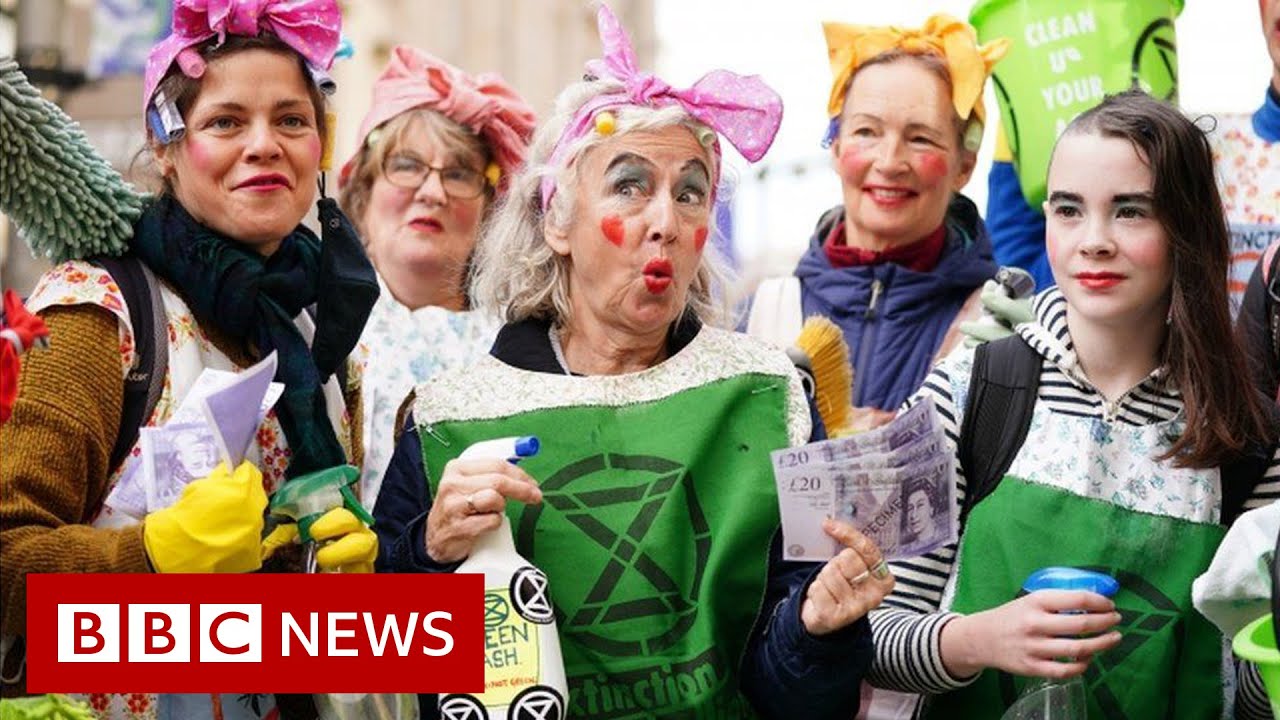
This concise BBC explainer defines "greenwashing"—the practice of making false or exaggerated environmental claims to appear sustainable. This serves as a vital foundation for analyzing how conventional tourism operations repackage themselves as "ecotourism" without altering their extractive practices.
Why this video
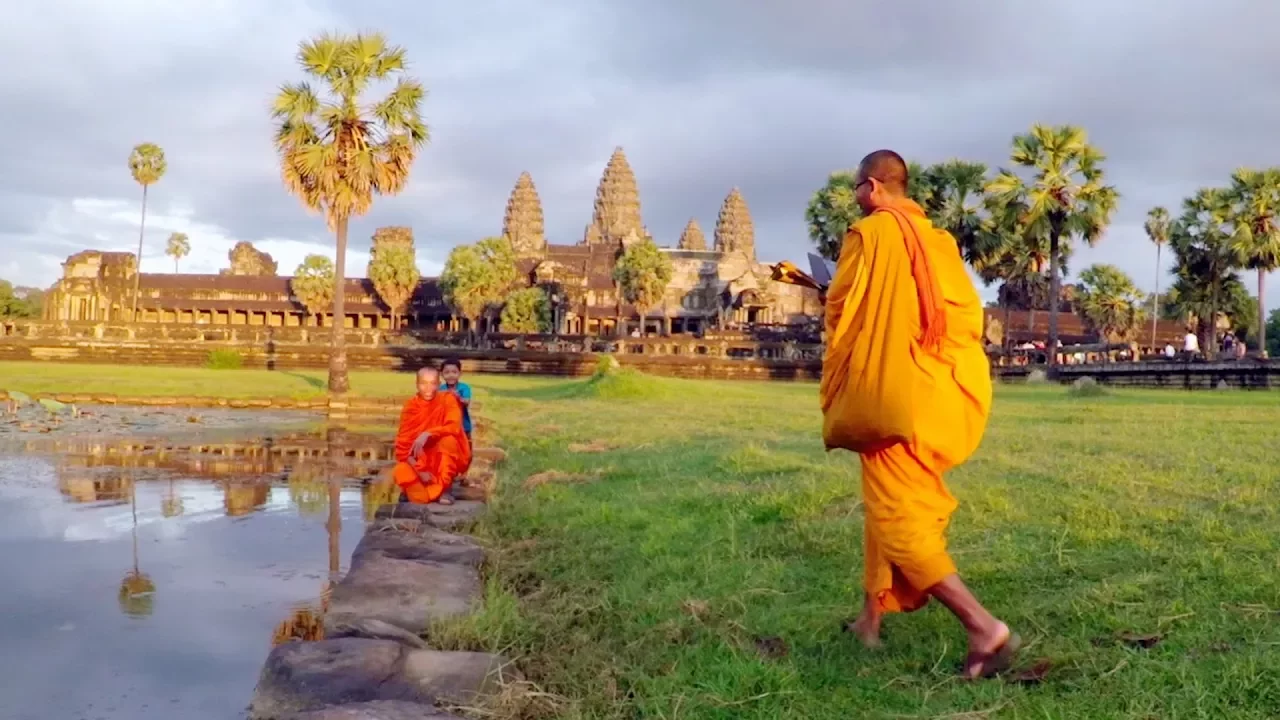
This documentary examines the tension between alternative tourism, heritage preservation, and the risk of fostering structural dependency in Southeast Asia. It serves as a strong visual and narrative case study for evaluating how alternative travel models either perpetuate or challenge historical unequal dynamics.
Knowledge Checkpoint
- Define "voluntourism" and identify how it can commodify poverty and humanitarian aid.
- Critically explain how voluntourism can de-professionalize essential tasks (like construction or child care) and negatively affect local employment.
- Define "greenwashing" and explain how it is used to market conventional mass tourism resorts as "ecotourism."
- Analyze how "fortress conservation" and ecotourism initiatives can lead to the displacement of indigenous or local communities from ancestral lands.
Course Map
Key People Index
- John Urry (1946–2016): British sociologist noted for his work on post-industrial society and the spatial/visual organization of modern tourism. He introduced the "tourist gaze," drawing heavily on Foucault's work on power and institutions.
- Edward Said (1935–2003): Palestinian-American academic and cultural critic. His landmark 1978 book Orientalism explained how Western societies constructed a patronizing, exoticized, and colonial representation of the East (the "Orient"), which remains central to how global travel media represents non-Western destinations.
- Dean MacCannell: American sociologist who applied Erving Goffman's sociological theories of front-stage and back-stage performative behavior to tourism studies. His work on "staged authenticity" explains how host communities adapt their cultural practices to meet the expectations of modern tourists searching for authentic experiences.
- Thomas Cook (1808–1892): An English businessman who founded the global travel agency Thomas Cook & Son. He is widely considered the pioneer of modern mass tourism, transforming travel from a disorganized, elite-only journey into an industrialized, packaged group commodity.
Final Self-Assessment
Complete this comprehensive self-assessment to verify your synthesis of the entire curriculum:
- I can trace the transition of leisure travel from historical elite "Grand Tours" and early pilgrimages to the democratization of working-class mass tourism under industrial capitalism.
- I can define John Urry’s "tourist gaze" and explain how visual travel landscapes are socially constructed rather than naturally objective.
- I can explain the relationship between Edward Said's concept of Orientalism and the exoticized marketing narratives used in global tourism media today.
- I can explain Dean MacCannell's theory of "staged authenticity" using the terms "front stage" and "back stage."
- I can evaluate a real-world case study (such as Hawaii) to demonstrate how historical colonialism directly facilitates the commodification of indigenous heritage for commercial consumption.
- I can define "enclave tourism" and identify its spatial physical manifestations (e.g., all-inclusive resorts, cruise ships).
- I can describe the economic flows of "leakage" and explain how foreign-owned corporations extract up to 80% of tourism spend away from host economies in the Global South.
- I can trace how modern enclave tourism models operate as forms of neocolonialism, even in politically sovereign countries.
- I can critically analyze why voluntourism frequently serves the psychological and professional needs of the Western traveler over the developmental needs of the host community.
- I can distinguish between genuine, community-led sustainable ecotourism and corporate "greenwashing" designed to appeal to environmentally-conscious consumers.