












![[이슈] 세계는 지금 '오버투어리즘', 관광객 늘자 떠나는 주민…관광객 막으려 관광세·도시입장료·가림막까지/2024년 5월 5일(일)/KBS](https://i.ytimg.com/vi/pRBf2-eliSg/maxresdefault.jpg)






Personal travel carries significant ethical responsibilities, as travelers should educate themselves about destinations, support local economies through conscious spending choices, and recognize that their decisions impact millions of livelihoods worldwide; while individual actions matter, systemic changes in the travel industry—such as improved aircraft efficiency post-pandemic—are equally important for sustainable tourism.
The Ethics of Travel: Personal Responsibility & Systemic Impacts
Added:Basic ethical frameworks, such as utilitarianism and deontology, to evaluate how individual choices weigh against collective consequences.
Fundamental concepts of environmental sustainability, specifically carbon footprints and the ecological impact of aviation and mass transit.
The basic principles of tourism economics, including the difference between localized economic benefits and 'tourism leakage' (where revenue leaves the host country).
Socio-cultural concepts of globalization and cultural commodification, particularly how global tourism affects indigenous and local traditions.
The theory and application of 'Regenerative Tourism,' focusing on design frameworks that actively improve and restore host ecosystems and communities.
Policy analysis of municipal and national regulations aimed at combating overtourism, such as visitor caps, zoning laws, and tourist taxation in places like Venice or Amsterdam.
Critical evaluation of greenwashing in the travel industry and the standards behind sustainable tourism certifications (e.g., GSTC criteria).
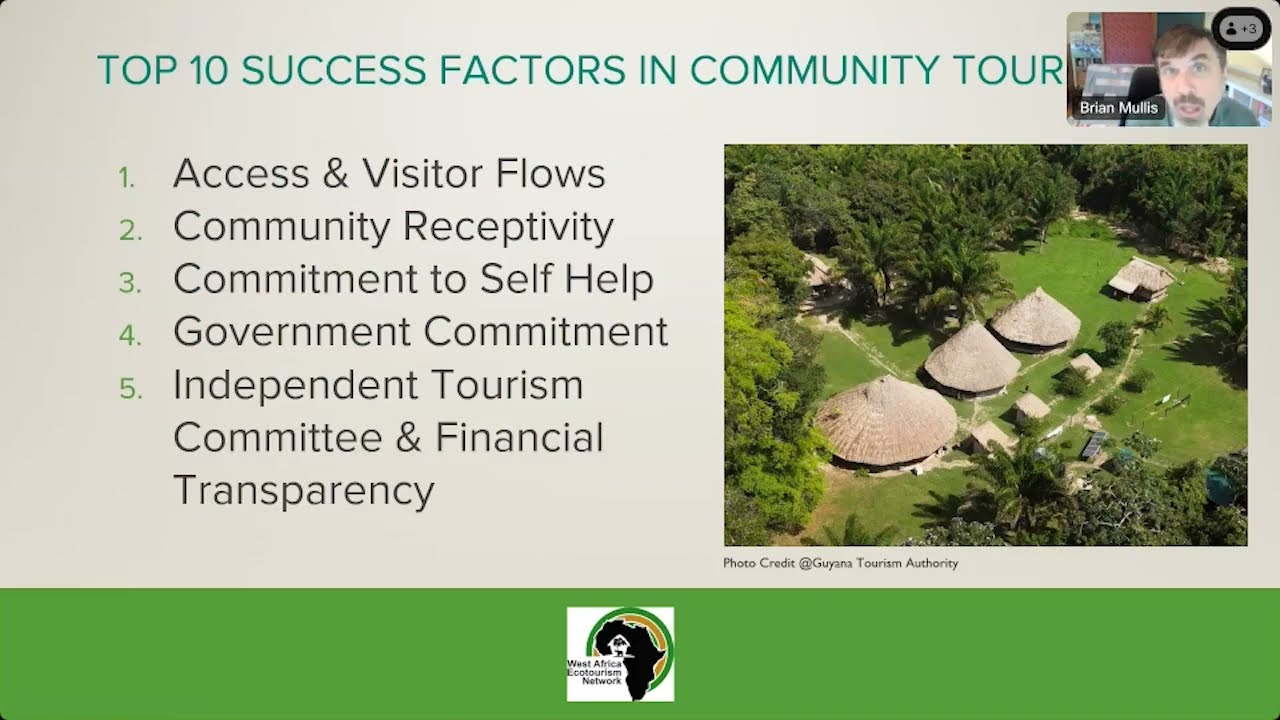
In-depth study of Community-Based Tourism (CBT) models that prioritize local ownership, indigenous sovereignty, and equitable wealth distribution.
105 views3likes59:57Original Release: 2022-11-17
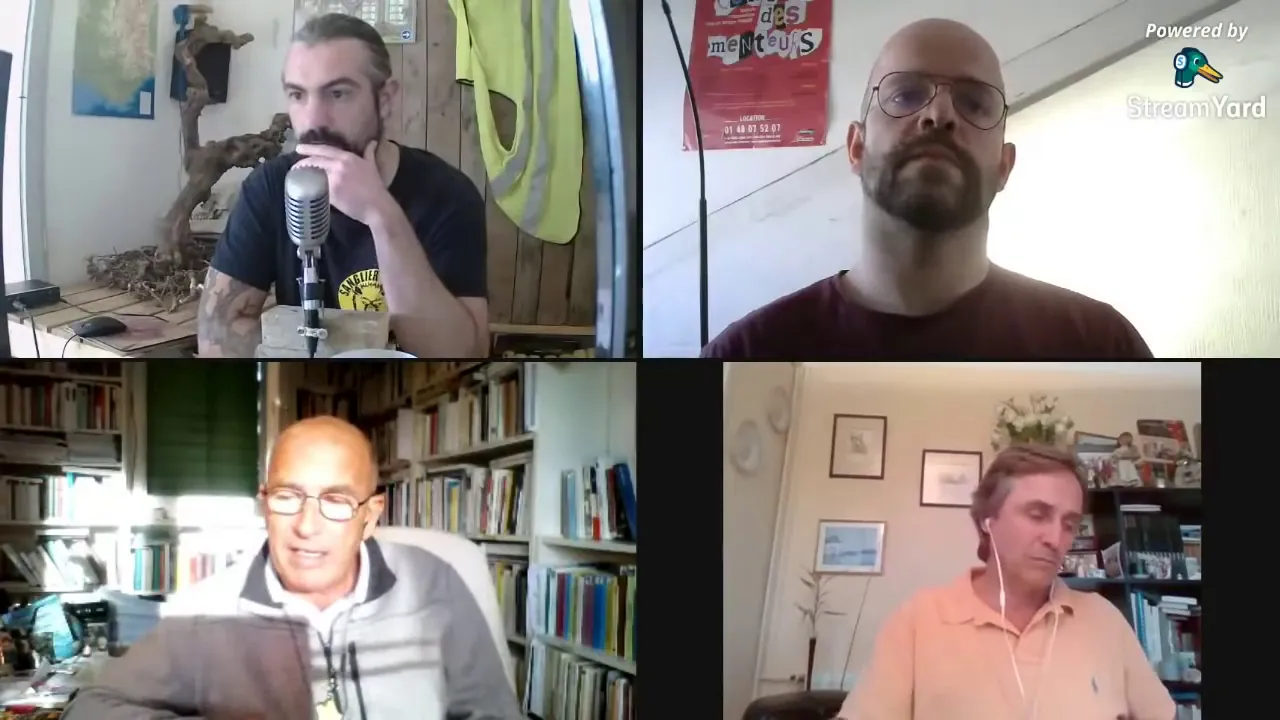
foreign welcome to Massey college and to this what I think is the second uh panel session on ethics here this fall and as we begin I would like to do the land acknowledgment Massey college is built on land where many indigenous peoples have lived it's on the treaty lands of the territory of the mississaugas of the Credit First Nation as well as the traditional territory of the Huron wendot Seneca and had anishinai peoples we want to acknowledge our duty of stewardship toward the land and the great privilege that we have to work on this land well today's topic is on travel and Tom axworthy and I were together in the summertime and we were planning these series of Ethics uh panels and we began to talk about how everybody is returning to travel and we thought let's do one on travel and I have to admit that initially our idea was that we would look at the big picture question we would talk about the Airlines and the airport authorities and how badly all that was going I mean it's almost become a national Pastime right to talk critically about the airline industry and the airports and so that's where the road we started and then we shifted and we said no let's take a little different tact we've uh in these sessions we've tackled things recently like artificial intelligence we've looked at codes of conduct for for government officials uh kind of bigger picture and we said let's put this at a more personal level and look at the issue of personal responsibility personal ethics in terms of travel and so as we look at that today uh I'm reminded of a lot of philosophers who speak about moral responsibility and Plato uh talked about three elements uh within moral responsibility one was knowledge the other was desire or intent and the other one was right action and I think those are reasonably uh good kind of focus for us in our conversation today and so I look forward to that my own background in travel is obviously like many of you I've done lots of personal travel but I've also over the last 35 years or so at least every second year taken groups of people on tours into the Middle East and into Syria obviously before the Civil War Lebanon dipped our feet into the north of Iraq Jordan Palestine Israel real obviously we go to do a little bit of pleasure but also to learn history and culture and also to look at some of the difficult issues within the region so I've had a fair bit of experience with that kind of travel as well but we have this morning or I guess it's no afternoon it's noon hour with us uh two people our third panelists couldn't join us and I'm disappointed Madeline was going to join us and she's a junior fellow here and I was really looking forward to her being able to talk with us because she does a lot of travel as part of her academic research and I thought in an academic setting that would have been a very interesting kind of conversation but we wish her well because she's not been feeling well over the last number of days but I want to introduce our panel uh Emily Chu as a University of Toronto grad a lawyer an associate with Paul wies Rift kind Wharton and Garrison we talk about people having the travel bug and this is the ultimate travel bug did you tell me I think I think in a note that you've been to 50 different countries a vote yeah so uh we obviously look forward to hearing about that and I'm intrigued and also I understand you made a a long hiking Journey from somewhere in South America all the way up to the Alaska is that that what you did that's right we uh hitchhiked from Argentina at the very bottom to the top of Alaska over six months fantastic that's the travel book and we as well we have uh Stuart McDonald uh Stewart is a business advisor and investor a focus on online and web-enabled businesses he is also uh the founder of expedia.ca and interesting to note that he began that uh in his house I uh when I first met Stewart and I don't you won't even remember this but um we met for coffee and I was asking what you do and you were talking about your business consultancy and I I asked you you know what your background was that brought you to that and you said to me I don't remember this I laughed so hard you said well you might have heard about it he said maybe not and I said well what he said Expedia uh and I said Stuart yeah I think I've heard about it but uh also uh he was the chief marketing officer for expedia.com in Seattle for a number of years and currently just of Interest as well uh he's with Sarah which is the Canadian registration Authority uh which has oversight a government appointment of the dot CA domain so very interesting backgrounds through it will bring to us and I'm going to turn this over to Emily and let you share with us some of your observations about travel and and about this whole dimension of kind of personal choice and and ethical kind of reality so thank you thanks Don I think first I'd just like to say that I am a lawyer by training and I practice as a lawyer but at heart I am a traveler and I go out every single i max out my vacation days to travel because I think travel is extremely important to me and is extremely important to a lot of people who have the great Fortune to be able to travel and I think that's why I'd like to start is that I think travel is a huge privilege but it's also an immense responsibility especially as a Canadian who is doing well much better off than a lot of the world and so the choices that we make and where we spend our money when we travel abroad is extremely important I think that goes back to something that you said Don about Plato is that when we travel I think we have the responsibility to educate ourselves before we go abroad and before we do that I try to read as many books as possible about the places that I'm going and I really try to look at it from a critical perspective as well so before I went to South America I would I read the open Banes of Latin America which is a book about American imperialism in South America so that you have a better understanding about what the history is there and why we can go to South America largely without a Visa without any problems and whereas the same people coming to Canada has a lot of problems trying to get in and the process of them applying to get visas in Canada is a lot more difficult than for us to just pay money and go visit South America I think that when it comes to traveling and boycotting I think you in an email you asked me to talk about that I don't think that boycotting entire countries is the right move to do unless in very specific cases where for example when you travel to Myanmar for example at a certain time all the hotels were owned by the military so you know that your money when you're spent there was going going to support what the military was doing in Myanmar but overwhelmingly the case is when you travel and the choices you make it can be a really great Force for good it's that you can make sure that your money is going to the local people and when you choose the places you stay you can do the research behind it you can stay at the small hostels you can make sure that you take public transportation you don't need to take a private car but even if you take a private car you're still helping the person who's driving so in any case I think travel is a huge Force for good I think one thing I think everyone should travel if they can and if they could didn't what I'd like to see personally is the government giving every young person like five thousand dollars and say go travel go to a different country and have fun um and I was greatly fortunate to be able to travel for six months hitchhiking mostly and seeing all the people that I've met in Central America and you know before I went to Central America at the Honduras is this great scary place you always hear about how dangerous it is in the news but then you go there and you're like wait a minute everyone there is so nice everyone will pick you up in the back of their truck and drive you to wherever you need to go if you're just hitchhiking and it's really really nice to see that everyone is so friendly and I think that it travel is just a Force for good but I think you have the responsibility and all the choices that you make while you're traveling to follow your own personal ethical Compass I think as well um and so to make sure that the hotels you're staying at are you know they're not run by the military for example if you choose to go swim with the sea turtles you want to make sure that's not done in like a large boat that will disrupt the breeding habitats of the sea turtles um and I think yeah I think Don that hopefully that's like a start to the conversation here I I'm intrigued by your starting which was exactly where I do too which is educating yourself and learning as much as you can and I think that's really an important factor one of the places I've been a lot over the years is turkey and I'm going to tell you that Turkish guides whether you take them for a day or for on a tour are probably the best I've ever anywhere I've ever experienced the amount of knowledge and training they have is just incredible they are though trained by the state uh and so you have to ask whose story are they telling you know and so that kind of I appreciate that comment about educating because you it's a good thing to know well in advance so what's going on and what's you know where the sensitive spots are so that's helpful Stewart Stewart could share any number of things with us well thanks Don I mean when just the topic itself you know the ethics of travel my goodness that's just loaded in multiple multiple ways and I'm going to start with the first question is I bet when everybody here and online hears travel it means something different to them people are thinking about different things when they think about travel but most travel is going to visit friends and family most travel is going to reconnect with loved ones most travel involves going to spend time and and and uh and money and share a meal with people that we care about the next big thing is people traveling for business and trade so going abroad going to other cities to develop business relationships to create trading environments that ultimately result in people potentially having jobs to be able to build things going to conferences meeting lots of people creating these sorts of bonds so you know when we talk about travel we're talking about a thing that is very very big and has multiple definitions um and it's easy to sort of think about well what are the right decisions when it comes to travel from an ethical perspective and try to sort of put that in a context but when you you have to think about it in terms of everything that travel means right so travel means the things that I just said most of it is visiting friends and relatives then is traveling for business purposes or trade purposes then you know it's experiencing another culture it's learning another place it's also relaxation it's recharging it's getting away from the snow it's all of these things that matter to people and all of them come with their own sorts of complexities and their own sorts of decisions and thought processes when you're thinking about it um the idea that maybe there's a right decision and or a wrong decision it really isn't that black or white when it comes to travel if things are all about Shades of Gray there are some things that you can do that are better choices there are some things that you can do that might be worse choices but it isn't like by doing this thing you've solved all the problems there are multiple things that are happening at any given moment and you can't just do one thing and say that it's done the other thing to remember is that travel and tourism on a global basis employs more people than any other category around the world in 2019 before covet had 330 million people worked in travel and tourism 10 percent of the employed population on the planet Works in travel and tourism so when we think about ethical choices and we think about uh what's the right thing to do and how do we direct our dollar and our time and what is it that we do and what don't we do we're also indirectly and very directly impacting the lives and livelihood of tens and hundreds of millions of people and through the covet crisis we saw that number collapse we saw more than 200 million people lose their jobs around the world and at this point coming into 2022 we still have more than 100 million people that have not returned to the workforce in travel and hospitality and tourism broadly speaking so it's a very very nuanced question it's not just by saying I'm going to offset my flight with a carbon credit therefore everything is good it's much more nuanced than that because travel is a Force for good in many many ways not just in terms of personal understanding and cultural understanding and education but also recharging connecting with friends and loved ones and frankly the employment and livelihoods of hundreds of millions of people around the world Stuart we were talking before uh and and I found it quite interesting and you were talking about kind of the uh early stages of this kind of mass travel industry and I think it would be very interesting for people who are listening just to hear briefly uh the little synopsis you gave me just before we began I was intrigued yeah I mean when we think about travel and in this context I'm thinking about kind of mass travel right so lots and lots of people going to places right as opposed to back in the early way back when it was a major major trip you know people would emigrate from Europe to North America and they'd get on a ship and they thought they would never ever go home they thought that was it they thought they would they were done right um the first package vacation the first idea of going in a group off somewhere was founded by Mr Thomas Cook there was actually a Thomas Cook and he was the first guy to sort of organize these group tours and these group tours first started going to from one part of the UK to another part of the UK as a small group and they would go off and this was a thing people didn't make these sorts of trips they would go off and they would experience whatever and then he started running trips to Paris and so he would take groups of people from the UK and they would go off to Paris in a group but what was actually happening here was the creation of a let's call it prepaid package tour somebody would pay the amount of money and Mr cook and his team would take care of everything and you would go on the bus and then on the boat and then you would make your way and you would go and you would look at the cathedrals and you do this and you do that and that was the creation of the package vacation Mass Market pacifications became um became a thing really coming out of the 60s and into the 70s and it was driven primarily well many things were driven by by regulatory environments and also just like technology has always driven change technology also drove change in the travel industry before there was a travel industry again this started in the UK predominantly and it came along with the with the normalization of travel by air so travel by air was something that was extraordinarily rare and extraordinarily expensive and you know small planes multiple stops very very expensive typically Airlines were owned by governments there were bilateral agreements everything was very very buttoned up and very very expensive and what happened at that time was the government of Spain saw the opportunity to try and and they they were Spain at the time was was under Franco it was a very um it was not a well economically developed place and they saw the Opera opportunity to kind of harvest the Bounty that they had with beautiful beaches in the south of Spain to try and create a destination and so at that time the creation of the first package tours that would take people by plane to the south of Spain from the UK began and uh a charter carrier called Britannia was created in that time and against the first it was all kind of stopped for a while because the the um the the government-owned airline wanted to charge really high rates for people to fly but that's where the idea of a charter flight came from because what a charter flight did was you left from the UK with people from the UK you brought them to Spain and then you brought them back they weren't they weren't competing against the the local you know the local carriers it was all sort of one one thing it was very and and they were able to do that off to the side and basically the idea of a of a vacation package with a flight and a vacation on a beach to recharge and enjoy was born and so that was that was really kind of coming out of the 60s and into the 70s and the other huge and that was driven by regulatory as well as technological change the other massive technological change that that that caused international travel to become available to almost anybody again thinking where it used to be extremely expensive it was all very structured uh pricing was was typically set there wasn't a lot of competition there were lots of rules and regulations um suddenly the Boeing 747 comes into existence the Boeing 747 allowed hundreds and hundreds of people to travel very long distances and that simply hadn't been possible before and so the emergence of the 747 just like more bandwidth has made more technology possible the bandwidth in travel was the emergence of the 747 which enabled people to travel very long distances and a lot of them in a plane and that was able to reduce the cost you also had the emergence of other carriers who started to fly people long distances things like Laker things like Ward air the emergence of of these sorts of of long-haul carriers using bigger aircraft to try and mass mass Market the idea of international long-haul travel Long Haul being going a very long distance typically over an ocean and uh and so then we end up in the mid 70s coming into the 80s with this idea that you can pay one price for a vacation that includes everything and go off somewhere and have that time and recharge and relax and experience and know that everything's being taken care of and also the idea that you can go almost anywhere and although it might not be really really cheap it's not beyond the reach of most people thank you I'm going to shift a little bit and I'm going to ask each of you I'm going to start with Emily to identify one or two of the things that you would see that we should be ethically concerned about when we travel in particular things I think today it's virtually impossible to not think about the environment when you travel and even just getting on a plane is just something that I think about but I think here in North America it's quite difficult as a compared to my friends in Europe for example where they have excellent long-haul trains that will take you to any country in Europe for a pretty reasonable price whereas for us we have to get on a plane to go basically anywhere because VIA Rail only services so far in Toronto and I think when we talk about and I don't think that there is like a necessarily a right answer to this because travel is so important and it does help an individual develop their own personal experiences it does contribute to the economy but you know it's undeniable that airlines are bad and uh in terms of their pollution and to the environment but hopefully things will get better as technology improves so I think that's that's one thing that I wrestle with when I think about traveling and where to go next is the carbon emissions and how to offset that and that is an individual it's very very hard to do um so for like short trips I try to stay locally and for long trips if I'm there I try to make sure that my stay is is long to reduce the amount of carb emissions of the flight I think another thing that I think about when I travel is is um I guess it's the history of the country and the West's involvement in that country so when I when we go to South America especially and we wonder for example why is Argentina's government not handling inflation very well and people have a very hard time with the cost of living there while it's it's not because of the incompetence of the government necessarily it's because of all the uh the I guess money that the West has flown in and basically put it in a form of loans that make it very hard for them to pay off over time and I think that's just something as an individual traveler to keep in mind and just to be open-minded when you visit a new country and and the people that you meet and that they're dealing with conditions way outside of their control but I think the individual people that you meet are just are lovely and they're wonderful it's interesting you you talk about uh it from that perspective uh i i juxtapize two experiences when I've been traveling uh one a number of years ago actually just on the eve of the first invasion of Iraq and I was with a group of people in Syria and we were in this lovely old hotel in downtown Damascus and uh we had to leave to catch a flight about four in the morning so the staff were there and they prepared box lunches for us and when we came through the lobby the staff and you know broken English said Canada you're from Canada and uh we said yes and they started a clap and we went what on Earth is this about and if you may remember some of you uh at that point in the lead up uh I think uh correction was a prime minister and one of his assistants that said something not very positive about bush in the United States who was the president and and they were very pleased because they liked the fact that Canadians were opposed to The Invasion and so that was an experience where where I come from uh it was kind of very positive however uh a couple summers ago my wife and I were in Kenya and we were there obviously you know we had a good time we went on a safari but we were also there and we spent a week in Nairobi primarily in cabera which is that massive slum it's just a million and a half people second largest slum in Africa and we were there because we're involved in an AIDS orphans program and we wanted to see the project and to meet people and it was interesting uh everywhere we went in Kenya to talk about being a Canadian because they they weren't unwelcoming but they saw us as westerners and their perception was that as westerners we had primarily abandoned Africa uh our foreign aid was down uh the Chinese were in and and being the much more gracious and benevolent people and in their perception and so they were they weren't difficult uh they weren't unwelcome but it was clear that their perception of this was was quite different uh so two very different experiences and it reminded me when you were talking about knowing who we are uh and where we're coming and and what they think about us is quite important store what are the obstacles well I just I want to kind of address what both of you were just saying the experience with Argentina where I've been and and it's fantastic um and your experience with you know Syria and kibera and all that sort of stuff um I think I think it's kind of important to to put on the table that the type of travel that you two are describing represents low single digits percentages of the travel that happens in the world probably maybe one percent of travel that happens in the Run of a year is going on Safari Maybe less than less than three percent of travel is a cultural exploration of South America the vast majority of travel is going to visit friends and family and uh traveling for business and then going to some kind of a resort or a hotel or a RV park or something like that that is what people do and so when we talk about the the ethics I think we also need to recognize that for most people that would what the the sort of depth of consideration that you guys are giving is well past what most people do when they're considering travel well well well well well well well well past and I'm not saying that that's right or wrong I think it's something I think that people being more aware and being broadly concerned um is absolutely important but I'm willing to bet and I know this from having sat on this side of the glass when Travelers have been doing focus groups you know people will go away on a vacation a package vacation in the winter and they'll come back and they'll be able to tell you what happened with the food and whether the beach was nice but they might not even be able to tell you what country they were in and there and the and they're more concerned about where they're going to be able to go for their thousand dollars for the week then whether or not they should be traveling to Cuba because of the Communist Regime it does doesn't hold anybody back going from Cuba because there's nice beaches and it costs a thousand bucks with air so I when we talk about ethics of travel I I think it's important to raise the conversation and I think it is more important for people to be aware but we have to understand that most people are starting from a base of just gonna go visit mom wherever she is and that's going to happen and that's that's the bulk of travel right and then it's I'm I'm gonna go somewhere because I've got a meeting or I want to drive some kind of business and I'm going to see some Partners I'm going to try and make something happen that's likely going to happen although in a post-covered world there's less of that now there's more of that happening via digital means but the need to connect person to person is still there and the rest of it I don't know that I don't know how realistic it is for people to think ethically about whether or not they should take their kids to Disney World if the kids want to go to Disney World they're going to go to Disney World they're going to find the way to go to Disney World they're going to either fly to Disney World or they're going to drive to Disney World but they're going to go to Disney World and you know maybe it's important to think about the good or the bad that the Walt Disney Corporation might be doing on the planet but I I really think we need to take people where they are and most people just want to do whatever the thing is and so trying to get people to be I'm trying to get people to be more thoughtful about their choices I think is good but then there's an infrastructure thing that can happen regardless of people's decisions and I think that that is really important the way that things happen in destination the way that waste is being managed the way that regulations are being enforced the way that carriers and and fuel companies and and aircraft manufacturers are looking at things like like battery operated aircraft and changing fuel sources and increasing the the making things better in terms of of carbon to passenger ratios and all that sort of stuff there are things that can happen regardless of people's choices that I think are happening but that needs to be accelerated and and so the the the because honestly having been in this in this business both corporate and and uh and Leisure since the mid 90s I find it unlikely that there's going to be a huge Awakening and people are suddenly going to start thinking differently about what it is that they do I think we should encourage that I think we should try and get people to think about it but what can we be doing at a system level to make it better regardless of what choices people make because they're going to go and visit mom and they're gonna go to Disney World it's gonna happen interesting I mean uh I started out by talking about how you know we talked about being you know our personal kind of moral choices but you're pushing us back to a systemic kind of understanding and that's an intriguing thought and and you've given us quite a list of things that need to be to be to be done in that area I'm just going to Stuart ask you just a little bit further uh in line with what I'd asked a little earlier um where are the boogeyman so to speak uh in the travel industry like what what are the things if we're going to talk about systemically what are the things that we should be looking at so I'm going to talk about travel as a source for good in multiple ways and travel as I won't say a source of for evil but problematic things associated that's a good way no but because because everything is like that right so um 25 years ago I went to uh the the the the the the coast of of of the Yucatan Peninsula south of Cancun in what is now the Mayan Riviera it's referred to and there was a small town called Playa Del Carmen and there were a couple of hotels and this beautiful you know beautiful beautiful beach and you know Cancun was a different thing can't like we could we could spend hours talking about Cancun and and the Mexican approach to building purpose-built developments for as an economic engine and you know within a certain radius of being able to fly in from North America and all these things so but but just park that for a second so Playa del Carmen sleepy little fishing town a few little hotels fast forward 25 years the entire area I mean there's a Home Depot in Playa del Carmen there is a six-lane highway there um they're uh you know that it is developed up and down now I say I use that as a specific example because you can say oh my goodness millions of people are going to that area every year that damage the environment with the construction that's happening along there the damage to the beaches the corruption behind the scenes the political stuff the drugs all these things it's just awful then I'll flip it and say millions of people have wonderful vacations in that part of the world tens of thousands if not hundreds of thousands of people have jobs that they wouldn't have otherwise there is infrastructure that simply would not be there sewage treatment fresh water highways electrical um all that is there because the demand has resulted in the need for it and it has been built out now that the should is is it wrong is it wrong that this is there well maybe it is but it is there and it does employ many hundreds of thousands of people and it has created an economic engine for a region that otherwise might not have had it so corruption damaged the environment um money that doesn't go into the destination you know when you buy a package holiday that money doesn't go to that hotel it goes to a management company based in the Channel Islands or Grand Cayman or whatever and the only money that makes it into the destination is the amount that's actually required to pay for the things that need to be paid for there but it does generate a tax base and it does generate infrastructure and it does allow for there to be education and it does allow for people to have jobs and sustain their families and be able to buy homes and things that we all take for granted so this is why it's nuanced right um there need to be systems and there needs to be oversight and there needs to be the ability to ensure that things are done as well as they can be but simply saying it shouldn't happen feels like that's also wrong okay anyway I'm gonna just I ask you you've Stuart's given us quite a shopping list of of things that one might first of all Stuart the first time I've ever talked about being in the one percent I would like to thank you for that but I never thought of myself as part of that one percent uh but uh Emily uh to be serious um long was which ones of those grab you that you'd want to be tackled you know here's a long list you've shared some of that a little bit earlier as well yeah I think first of all just to go on the personal responsibility part and it's like parents taking their kids to Disneyland I still think as it was your parent as a responsibility is to tell your kids that the person who's serving or who's person who's dressed up as Mickey Mouse probably isn't getting a living wage and I think just to like make that more public and more transparent I guess maybe that's that's what I wish for the the general Travelers is to have the information that they need to make the choices that align with their ethics is that I think there's a lot there's a lack of transparency in a lot of Industries and travel is just one of the many trans industries that lack transparency in terms of like if I spend a thousand dollars at a Sandals Resort how much of that is actually going to the person who's bringing me drinks or like the person who's taking care of my hotel room and I think Pro that's probably I guess just more information is needed I don't know if anyone will actually flip through that information because they'll probably picked the cheapest option at the end of the day but I think having that option and information there for the individual for The Regulators is probably the most important to have and I think as a personal level like just just tip your person appropriately when you're traveling abroad I think that's something that I don't really see when I travel with some of the West Young Western People is that they're like oh well you know they We already pay them that much why should we tip them anymore and I think like no please like your your salary makes a your tip makes a huge difference to them um just going to shift a little bit we have a few people here but anybody you'd like to share any observations or ask any questions yeah please hi um so I'm Noah Khan I'm a junior fellow here at Massey college and my question is related to cost um so I was wondering if you think and this question could go to anyone does the ethics of travel always have to come at a cost is it always juxtaposed to a greater cost whether it's to the individual or the the company whatever company it might be because I was thinking about Stuart as you were saying that cost is kind of the major factor if not you know relationships to to people that are thinking about what can I do with my thousand dollars so is there a way to I don't know find find a way around the idea that um that to be ethical cost more is is there possibility for that sure um I actually don't think that being ethical needs to cost more I think in many ways being ethical can cost less um the uh and and again I find us coming back to sort of at least in my mind I keep thinking about sort of practice vacation type things but we have to remember that travel is much more than that much much more in fact that's a that's a small part and that's sort of of the parts that are there it's probably the most avoidable but it's um it's still valuable you know relaxing and recharging and having fun um the making making informed choices I'd say is the case regardless of what it is we're buying when we're going into a store and you're picking something up are you thinking about where it came from are you thinking about how it was made are you thinking about the implication of the person that that was in the mind to make the can that your Coke is coming in I mean I don't know how deep people get on these things but when it comes to travel if if you want to make choices that are lighter on the earth and are are lighter on individuals um need to provide for you you can do those choices I mean there there is a growing but still very small but growing group of um of accommodation and experiences that are more tied to people's homes are small more environmentally composed places to stay um you know there's there's also more experiences that you can do in the outdoors that don't require any of this you know you can you can get in the canoe and you can take a tent and you can go somewhere and like there are people can make their own choices it doesn't it doesn't need to be that because people want to spend the absolute least amount it's going to drive a bad choice you can make good choices that are still less expensive but the reality is if people are looking for that kind of relaxation break getaway and you're starting in Canada and it's the winter you're probably getting on a plane and most people are are you know are not spending a whole lot of money for these sorts of vacations and the reality is most people the the average Leisure traveler only takes one of these trips every two to three years so they've got to save up and they go and it's going to cost them a meaningful amount of their money to go and they just want to have a good experience and so that's why I sort of think about structurally or systemically when that person makes those choices are we creating something that is going to deliver that in a lease in a in a reduced intensity way and also in a way that is supportive of the individual Community where the people are going and helping them provide for their for their families and create the livelihood and the infrastructure that they need for their Community to succeed I think maybe if I can jump in I think I think at the end of the day it's just changing preferences and I think the most ethical form of travel is probably also the cheapest and that you take public transport you hitchhike no one wants to hitchhike these days but you hitchhike because that's you know you're saving money you're saving the environment and you're like staying with locals Couchsurfing awesome I use it all the time um and it's all at the end of the day like basically free or very very cheap so I think and I think that's a very ethical way to travel is you're meeting locals you're not really doing too much damage to the environment and you're making sure your dollars go to the most local places but I know most people don't do that but I think maybe just you know just have the courage and the conviction to be like no I'm gonna go hitchhiking I'm going to go to like another country stay with the locals I think that that's that's the way to go or even if you're not doing that take the opportunity to leave the resort property and go and actually experience the place around you um I'm not I'm I'm not going to talk about cruises today I do I do believe we have some online questions uh uh okay uh this comes from Tom uh carbon offsets were mentioned by the panel do we know if it is a widespread practice how does it work is it expensive and is it something that Travelers should do I'm going to assume Stewart that you probably have some background in that yeah um so first off carbon Ox sets just to kind of give a definition of what this is it's basically paying an additional fee that ultimately results in some thing happening that should be is designed to reduce carbon as opposed to the thing that you're doing which is going to generate carbon and so that's the that's the the rough description of it um it's certainly better than nothing I'll say that it is better than not doing anything the problem is well there's a bunch of problems but but the biggest problem is you are taking a definite creation of carbon emissions and paying for a an indefinite generation of carbon reduction um like is the thing that that's being done would that have happened anyway are you paying to plant trees that would have been planted anyway if the thing that indirectly is being done if it does come to its total fruition we really don't know if that amount is going to offset what your what your flight or your trip actually ever was um so it's it's better than nothing because it does create this demand that creates money that can be spent on things that should be designed to reduce carbon and that's good um if you are going to do it my personal recommendation would be to look for something that that follows What's called the gold standard and gold standard is not and we think about oh it's the gold standard like a marketing phrase there's actually a thing called gold standard that that is um is kind of the Good Housekeeping seal of carbon credits and what they do is they make sure that the thing that's happening wouldn't have happened otherwise so it's a net additional thing um and uh and and I think that that in and of itself is good because the the question of whether or not there's going to be enough carbon removed to actually offset the carbon that you've generated that's a scientific question that most people aren't going to be able to know in our lifetimes but I sure feel better about knowing that something that is that wouldn't have happened anyway has a better shot of happening because there's this pool of money that's coming that might be able to afford it and we can we come all the way back to where Emily started us too which is uh uh clearly what you're encouraging is that idea of doing your homework like of knowing where it's going uh that's intriguing do we have other questions uh yes thank you my name is Sarah and I'm a senior fellow here at Massey and and I'm I myself you know I have found myself preparing to start traveling again and going through all these questions I travel a lot for work uh research and conferences and wondering if I need to go back to those thousands of miles again and just to continue on this theme of the carbon um footprint I'm wondering if there's like a resource that you can send us to whether online or book that would help us weigh these decisions if there's one good place to go to get this information and thank you this has been a wonderful panel great um yeah I would what can you maybe do yeah no I so gold standard is a thing so go there and learn more it's an actual website and so go there and learn more um and uh the the question is the question is the right one but but as as I as I've been trying to say it's actually not the only one right so the the idea of offsetting the carbon emissions of a flight is something that is very much front and center right now as well it should be and uh the the the uh aircraft manufacturers are working on battery operated planes they are working on uh other fuel sources there are things happening to at the system level that are already improving like uh I'll come back to to the question but just on the um on the carbon offset thing covet has obviously been awful it's just terrible in many many many many ways there is one small silver lining in aviation that has come out of as a result of covet a lot of people don't realize this when covet struck Airlines around the world grounded thousands and thousands of aircraft um in fact there are still many aircraft that have not returned to the skies some some areas are still the borders are still closed or they're just just um just returning now um but what happened with the grounding of these aircraft is that many airlines around the world chose to permanently ground their least efficient aircraft and so the aircraft that were real fuel pigs that were both expensive inefficient and the the least environmentally responsible aircraft many of them have been like taken out and so and not just kind of parked somewhere but uh you know for instance American Airlines in in the U.S they they got rid of some aircraft complete types of aircraft and when they and when and getting rid of an aircraft type is a meaningful step because it means they're getting rid of their spare parts the people that know how to fly those things and operate them and maintain them they were among those who were exited like those planes are not coming back and so as we return to travel and as travel starts back up again there are there are fewer aircraft in the sky than there were before the aircraft that are in the sky are more environmentally responsible than the ones that were there before because a lot of the other ones are just plain gone so some of the stresses and strains we've seen in the global in global Aviation over the course of the past 18 months has been a result of the fact that there are fewer planes in the sky um there are fewer seats available as things start to return but the planes that are flying on the whole are much more environmentally responsible much more efficient much lower emissions lower Carbon on a per passenger basis um more modern technology as opposed to like 20 25 year old aircraft that that you know could have been put out to pasture many many years ago they took that this opportunity to Simply cease flying those so this is some of the systemic thing that I'm talking about right the so to so to your point if you're going to a conference right now odds are the aircraft that you're going to fly to get there is is better for the environment than the one that you would have gone on in 2019 on average just by virtue of of of the aircraft that are still flying that's neat I'm gonna I'm gonna ask if you don't mind you a question uh because you're exactly when you described your beginning to think about returning to travel that's exactly where we started this whole conversation and you mentioned the carbon uh what other factors are in your mind as you think about returning the travel uh maybe my positions do you have the microphone I think sorry sorry yeah yeah maybe my position is a little special I'm um I'm a curator at a museum and I oversee a global collection so it's always been my practice to be going up to doing the research but I think with other events social events that have taken place during covid it's now more of a matter of bringing people here from these Source countries and actually having them come and study the collections and do the research so that's been I I I think you know a shift you know in my own ethics but that's within my own discipline about um who should be doing the traveling and who should be doing the research around these objects but that's maybe a very specific Museum one but I wanted to thank you too about thinking you know in terms of my travel and carbon footprint I was only thinking about that but yeah I travel to see family all the time and I never put that into the bin of the carbon footprint I just think oh well it's family so but I realize now that they're they're all tied up so did that answer some of your questions or yeah it does in fact actually it's you you raise something that we haven't talked about I don't know that we intended to or not but when you speak about it from your work perspective you're talking about from a business perspective uh that has had a huge change in terms of travel uh the decisions that the businesses are making about travel uh the the learning from being online uh and it's a very significant piece and um you know uh Emily I don't know in your work whether there has been much travel has there been in your work that as people tended to travel for their work definitely a lot less since covid because as I I work in New York law in Toronto so pre-covered we would travel quite a bit to New York or we would travel to clients office and um like in Alberta or BC because a lot of our clients are on mining companies and we do due diligence on their files but luckily now because of covid everything can be done for my bedroom and I think that's that's you know it's it's kind of great in a sense and that like these like small meetings were like really nothing is happening there's no like human interaction really people are sitting in an empty room with boxes basically that kind of travel that that has been eliminated and the only travel that happens in our job now are the big ones that wear that human uh connection actually matters and I think that's probably going to be the same for conferences and stuff is that a lot of people talk about how environmentally destructive conferences are but you can't replace Zoom meetings you can't replace human interaction with zoom meetings that just doesn't work but there is definitely a shift and I know a lot of my friends in Consulting right now they don't really travel as much for work because normally they were on the road for 250 days a year now almost all of that travel is canceled and Stuart of course you began there telling us that about your own experience in terms of yeah yeah and I mean the this is from a from an Ethics environmental impact perspective this is this is Meaningful from an industry and economic perspective this is also a huge huge question that hangs over the future of of uh of the travel industry um because those 40 or 50 seats at the front of the plane they they cover a lot of the cost um of the entire plane and the and so you know you might think oh well I'm going to London I'm going to spend a thousand dollars there are people up front that spend ten thousand dollars and you might think Who the hell's gonna pay ten thousand dollars well a lot of people do and that ten thousand dollars covers a multitude of sins within the the industry in terms of creating Revenue that is then spent in other ways and so the same thing is is happens when you look at at destinations hotels downtown hotels large conferences do we go do we go back to the days of hundred and fifty thousand person conferences we might not think about that again we talk about travel every single day there are conferences with hundreds of thousands of people coming from multiple parts of the world arriving in different places um if only 50 000 of them now travel then that's potentially better for the environment but what about the people that work in that world then our don't have those people coming anymore what about the what about the the the the the the people who work in the catering kitchens what about the people that do the audio visual um you know so there's still a lot as we come out of coved I think that the early emergence has been I'm gonna go visit Grandma from hell or high water I'm going back to the old country I'm going right or I'm I'm going on vacation I deserve it it's been too long I'm going the next thing that's still unclear is how often are business Travelers going to stay on Zoom versus getting on a plane to go somewhere both for the good and the bad of that thank you so an answer to your question was that helpful yes thank you like because that's a an area that we we you brought us into so I thank you very very much uh any other observation yes yes um so I've thought about a lot of things while you've been talking I consider myself a traveler I've traveled to some of the places some of you have been to and some of the places I need to get to but um there was one thing you mentioned Emily which was traveling local when you can and I think especially in the pandemic people have really seized on that um you know with fear of traveling in like not even the plane just the airport itself and all kinds of different considerations um and one of the things that we've seen um is like a proliferation of Airbnb which has its own sort of ethical conundrums and quandries which you know maybe you have some content and also we see like through Airbnb and through like local travel let's say specifically we can see in Prince Edward County um you know a huge shift in whether or not it's even affordable for people to live there anymore people who used to live there because that was where they chose to live and they could live there because they didn't have high incomes they could live places you know know for a year and then the and then because of Airbnb people are like I'm no longer going to rent my home for the year I'm going to actually just rent it week to week or whatever and that's better for me and they kick people out so I'm curious you know your thoughts on sort of taking all of these things into consideration and what that means for like the ethics of travel for you know let's say somebody from Toronto I'm going to respond to one to your point because I think traveling locally is a very interesting concept and uh Tom axworthy and I who have been organizing these back in September Tom and his wife Roberta my wife Brenda uh we've been talking for the longest time about wanting to spend a few days in Southwestern Ontario and look at sort of the roots of the Underground Railroad and so we did it we spent three days local I mean it's a two-hour drive we also had time to go to see the Canadian Baseball Hall of Fame which was kind of fun but um Not only was a great travel experience but we learned so much about that experience and so that's an interesting concept about you know uh how much there is to be offered locally you know and uh so I appreciate that I don't um anybody has any quick comment about that because we're drawing to a close anybody um so Airbnb or vacation rentals by owner um is a is a big Topic in and of itself um I I think that it can be a force for good in that it enables some people to have another source of Revenue it enables people to meet people from other places and it can be a more affordable and lighter way to travel the flip side is it's increasingly just a commercial thing um not just that people have things that they then might have rented out but are now doing by the day but you know Airbnb now owns a hotel in New York and there are companies who have bought multiple buildings and they just sell them via these platforms or directly or via other platforms so um it's a it's a it's it's very complex and probably a little too difficult to get into right now I think that like anything it's there's some good there's some good there um and looking to to take advantage of it in a way that's good as a user I think think like everything is important there's a flip side which is in many ways it's actually just a hotel that's selling a room that way yeah we're just about done and so Emily I'm just gonna just chat up and share some stuff I'm going to give you the last word uh any kind of last thought that you might want to share with us well now that covet is basically over I would just say go travel and go see the world and you know I think about the decisions that you make while you're traveling but definitely just get out there yeah where are you going next that's a oh I don't know for the first time in my life I don't know I really wanted to go to Mongolia but the flights there right now are difficult wow yeah well well Stuart and Emily I want to thank you both uh for your time today and for those who are here and those who are online we thank you and uh it's been a really interesting kind of conversation and so thank you very much thank you
Up Next

59:35
Sheila Hancock's Family History Journey, WDYTYA S2E2 (Genealogical Documentary)
@wdytyatv
188K views•2025-08-27

12:54
Triumph of Orthodoxy Icon: Byzantine Art & History Explained
@BenCallan
2.1K views•2024-08-06

9:49
FastAPI vs Flask vs Django: Choosing the Right Python Web Framework
@TechWithTim
302.5K views•2024-05-26

1:42
Game of Thrones Opening Credits: A Cinematic Analysis
@gameofthrones
46.3M views•2011-04-18
Related Study Plans & Knowledge Roadmaps
Structured learning paths in General & Interdisciplinary Studies
general-studies
Elevator Engineering: History, Physics & Cities
01From Hoists to Safety Brakes: The Dawn of Vertical Lift
02Hydraulic vs. Traction: The Engineering Physics of Elevators
03Modern Speed, Safety, and Algorithms
+ 2 more learning modules
12h5 modules
Explore Roadmap
general-studies
Rubber: Material Science, History & Geopolitics
01Origins of Natural Rubber & Mesoamerican History
02The Chemistry of Natural Rubber & Vulcanization
03The Geopolitics of the Rubber Boom & Colonization
+ 2 more learning modules
12h5 modules
Explore Roadmap
general-studies
Containerization: Evolution, Logistics & Trade
01Ancient Trade & Bulk Cargo: Amphorae to Barrels
02The Industrial Revolution & Cardboard Packaging
03The Containerization Revolution: Malcom McLean
+ 2 more learning modules
12h5 modules
Explore Roadmap
general-studies
Textile Tech: Evolution, Labor & Global Impact
01Pre-Industrial Textiles: Handloom & Cottage Industry
02Mechanization: The Spinning Jenny to the Power Loom
03The Factory System & Global Labor Transformation
+ 2 more learning modules
10h5 modules
Explore Roadmap