


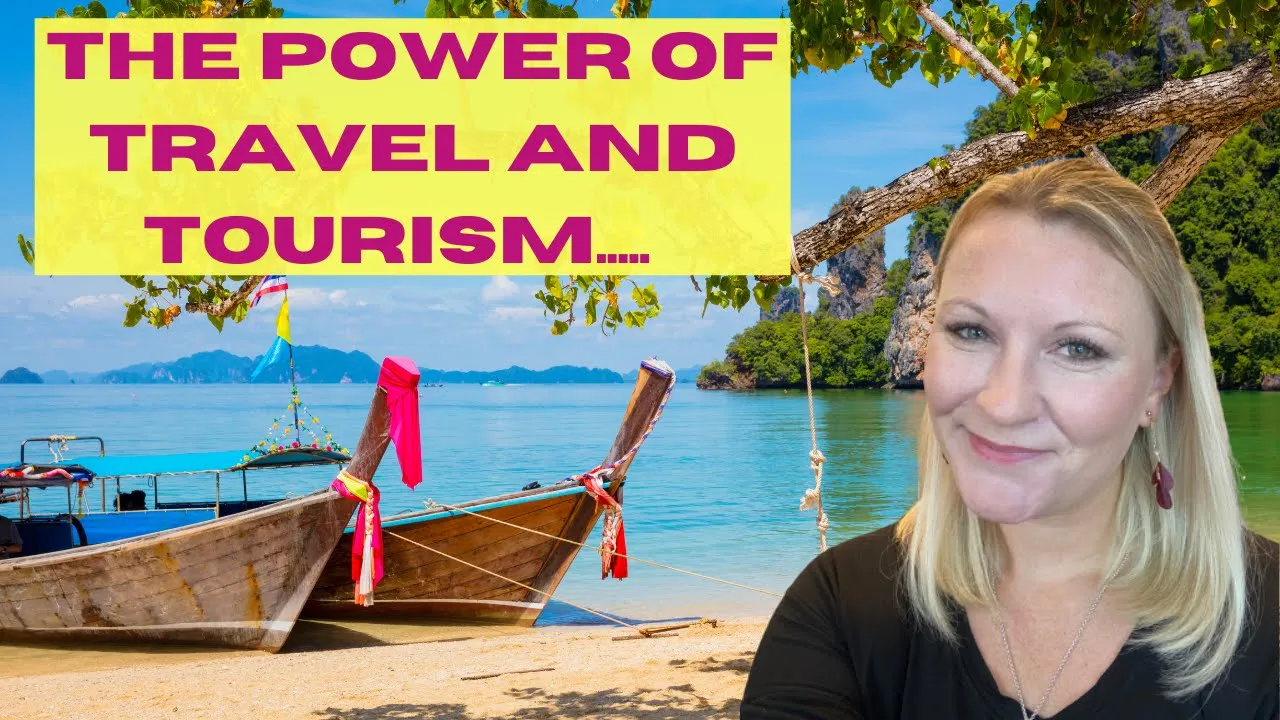

















Economic leakage in tourism occurs when money spent by tourists leaves the host country and flows to foreign entities such as multinational corporations, foreign employees, or imported goods, resulting in destinations receiving only a small fraction of tourism revenue despite welcoming tourists; this happens through mechanisms like foreign ownership (e.g., Hilton, Ryanair), foreign employment, enclave tourism (all-inclusive resorts), and currency conversion, and can be minimized by tourists choosing local tour operators, accommodations, and businesses.
Economic Leakage in Tourism: Causes & Solutions
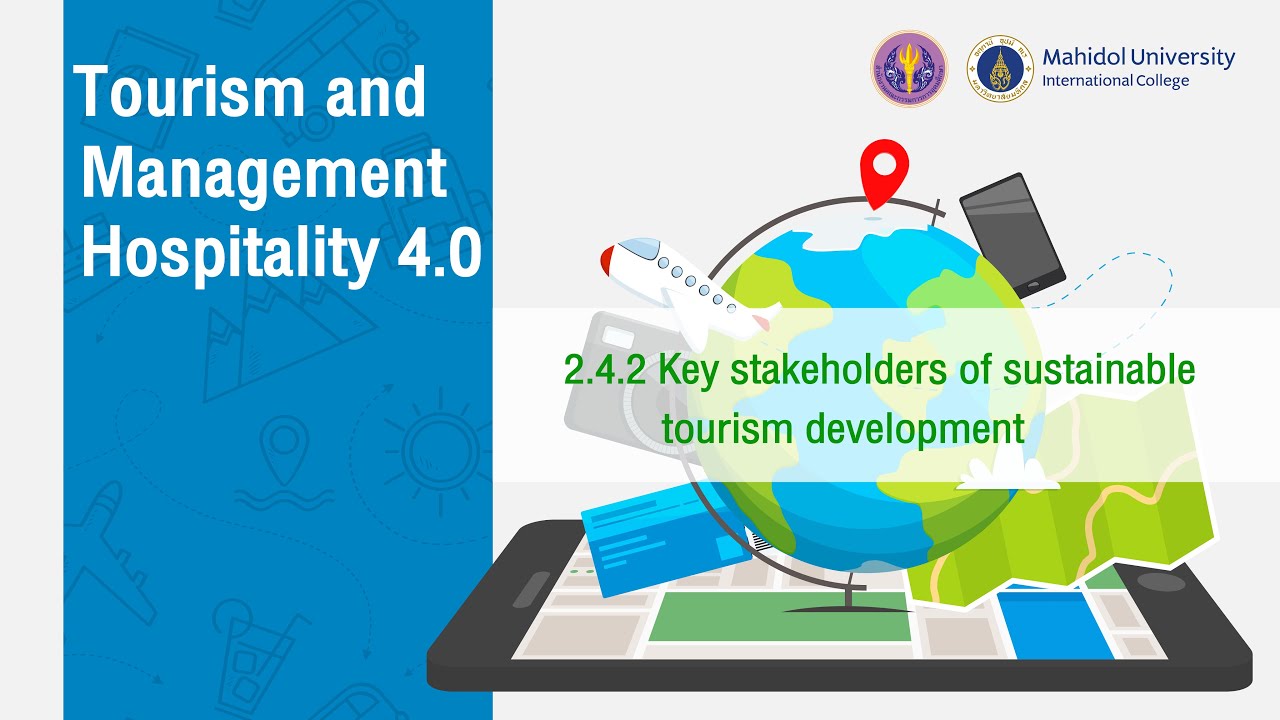
Added:The concept of the 'Tourism Multiplier Effect' and how currency circulates within local economies.
Basic principles of supply and demand in the global hospitality and travel industry.
The role of multinational corporations (MNCs), such as foreign-owned resort chains and airlines, in international trade and tourism infrastructure.
An introductory understanding of sustainable tourism development and its triple bottom line: economic, social, and environmental impacts.
Strategies for Community-Based Tourism (CBT) and how they empower local ownership to maximize economic retention.
Methods for measuring and analyzing economic leakage using input-output models and economic impact assessments.
Policy frameworks and government regulations, such as local sourcing mandates and tourist eco-taxes, designed to mitigate leakage.
The role of Destination Management Organizations (DMOs) in restructuring supply chains to prioritize local suppliers and micro-entrepreneurs.
7.7K views150likes10:19Original Release: 2022-03-11
one of the biggest problems that i see all too often in the travel and tourism industry is that we don't really know where our money's going we book hotels we book transfers we book tours but who's getting our money now this is known as economic leakage in tourism and it's actually pretty important and i'm going to tell you exactly why in today's video if you're new here my name is dr haley stanton and i'm here to teach you all things travel and tourism economic leakage is a major problem in the tourism industry destinations develop and grow their tourism industries with high hopes of making a big income from the various tourism-related activities however in many destinations this just isn't the case and i see this all too often on my own travels whether it's ryanair bringing the tourists to the area yet taking the tourist money back to ireland hilton hotel who take the tourist dollar back to the us or the imported minute made orange juice that is sold in shops and restaurants even though there are perfectly good oranges and orange juice that is made in country the reality is that economic leakage is everywhere you look but it doesn't need to be so what exactly is economic leakage well essentially it's the act of money leaving the host country and ending up somewhere else due to the international nature of the tourism industry along with the world that we live in becoming increasingly globalized and monopolized by the most successful multinational corporations known as mncs economic leakage is becoming more and more prevalent so essentially we have destinations that welcome tourists and we want to go there but why are they welcoming tourists when most of our money the tourist money isn't going to them economic leakage happens in a number of ways such as imported goods foreign employment foreign ownership currency conversion but why is this such a big problem and what can you as a tourist what can you do what can we all do most destinations choose to develop and grow their tourism industries with the aim of making money that's a given unfortunately the income that destinations receive from this tourism industry often isn't as high as they would like it to be and in severe cases the destination receives only a small fraction of the income from tourism and if you think about it it's actually quite unethical is it fair that we are using their beach their mountains their jungles whatever it is that we're going to visit and giving the hosts very little in return oh really is it fair that us as tourists we often drop litter and then we expect the host community to fit the bill and pick that up no and is it fair that we use up their water supply for our showers our swimming pools etc when in a lot of these countries water's often in scarce supply that's insane and is it fair that the price of real estate and therefore houses goes up because of tourism and drives out the local people yep they're getting little benefit from the tourism industry these are big problems and we can all do our part in making sure that we shop in a way where our money stays local and in reality the economic problems resulting from leakage go even further than this many destinations will give up their traditional ways of making money for example through farming in exchange for tourism they see dollar signs they think tourism is where the money is at but the reality is that they are often misled misguided or simply uneducated in basic economics to realize that this is in actual fact not always the case if managed well destinations absolutely can manage their income from tourism and minimize economic leakage but many tourism industry stakeholders do not have the experience or the education to realize this instead they welcome mncs with open arms they give the airline a ridiculously cheap deal to operate in and out of their airport they stock the international products that tourists are familiar with instead of using local products they employ the staff from overseas instead of training their own people they don't realize the impacts of their actions and before they know it they have a thriving multi-million dollar tourism industry that makes the destination very little profit it's ironic huh what's more is that if the destination did give up their traditional ways of making money in exchange for tourism then they no longer have the income from that industry either so in effect the destination may actually be worse off than they were before they developed their tourism industry so the most important thing that we can do as tourists is to think about where is our money going whilst this isn't something that crosses the average tourist mind it's very important for many people they'll hop on over to expedia or sky scanner to look for their holiday it's all organized for us it's so simple just get your credit card out and click book for most people that's the end of the road aside from working out how much spending money they need they don't think much more about money matters but the reality is if you want to be a more sustainable tourist minimize your negative footprint then you need to think actually where is that money of mine going one thing that you can do is to make sure that you book local if you book with a local tour operator local tour company or hotel you know that your money is going to a local business and think about the impact of multinational corporations mncs also known as transnational corporations are large businesses that operate in different countries they are very powerful organizations that are multi-million dollar businesses however the money that they make is most commonly returned to the country where they are based which is usually in western countries such as the usa or the uk so just in case you are not familiar let's look at a few examples of some of the biggest mncs in the travel and tourism industry hilton radisson travel lodge tui pizza hut kfc mcdonald's planet hollywood hard rock cafe starbucks costa coffee cafe nero now whilst some of those are not directly in the travel and tourism industry their products will be consumed by tourists we all want our cup of coffee in the morning of course and then there's foreign employment many organizations especially those that are foreign owned will choose to recruit staff from overseas instead of those who live in the local area organizations do have reasons for this to begin foreign staff are probably native english speakers whereas the local people might not be staff are likely to be familiar with the brand and the western customs and staff hired from abroad may already be working for the company and may have a more qualified cv than local people however there is a pretty famous saying and it goes like this you give a poor man a fish and you feed him for a day you teach him to fish and you give him an occupation that will feed him for a lifetime you see hiring foreign people is really just a short-term game it would actually make so much more sense to teach the local people how to do the job themselves they can teach the next generation then and so on and then we have enclave tourism enclave tourism is essentially tourism that's all encompassed by the holiday company or the tour operator tourists are encouraged to stay put within their resort or or enclave this is often associated with the all-inclusive holiday package whereby tourists purchase a holiday package and it includes everything from transport to food drink entertainment and more the tourists have no need to leave the resort and often they don't in cases of enclave tourism very little money reaches the destination within which the tourism takes place in cases such as the maldives or the caribbean there have been reports of as much as 95 of money made by tourism leaving the country via economic leakage and there are also wider examples of economic leakage have you ever heard of the butterfly effect this is when one thing happens which causes another thing to happen which then has a knock-on effect on something else if that makes sense essentially it demonstrates how everything is interconnected and how things may not seem important but they might have important consequences now the reason this is relevant is because it demonstrates how the tourism industry is in effect an economic system the different parts of the tourism system are connected in many different ways so if one part of that system is changed it will have a knock-on effect on other parts of the system so let's round off this video with some helpful tips and tricks on things that you and i all of us can do when we book our next holiday to limit this economic leakage book your holiday through a local tour operator use independently local owned accommodations use local transport options buy from local shops buy local produce and don't purchase imported goods now hopefully this video has got you thinking a little bit about where your money ends up and it is really important and if you shop local you often save money we all want to do that right but also you know that your money is going to the right place and helping the right people and if you want to learn more about the economic impacts of tourism and what you can do to help this is the video for you next
Up Next

15:16
The Strait of Hormuz Crisis and US-Israel Strategic Rift Explained
@Gametheory101
146.5K views•2026-03-10
5:07
Impact of Yuan in Indo-Russian Trade Amid Sanctions
@WION
261.9K views•2022-07-01
10:33
Behavioral Economics Explained: Rationality, Nudges, and Risk
@crashcourse
1.1M views•2016-03-12

113:18
The Age of Easy Money: Fed & Inflation | Full Documentary
@frontline
21.2M views•2023-03-15
Related Study Plans & Knowledge Roadmaps
Structured learning paths in Economics
economics
Sovereign Debt: Defaults, IMF & Restructuring
01Introduction to Sovereign Debt & Government Bonds
02Debt Sustainability & Credit Ratings
03Anatomy and History of Debt Crises
+ 2 more learning modules
12h5 modules
Explore Roadmap
economics
Market Design: Matching Theory & Gale-Shapley
01Introduction to Market Design and Price-Free Markets
02Two-Sided Matching & The Gale-Shapley Algorithm
03School Choice Systems and Mechanism Design
+ 2 more learning modules
10h5 modules
Explore Roadmap
economics
Impossible Trinity: Forex, Capital & Policy
01Introduction to Monetary Policy and Central Banking
02Exchange Rates and International Capital Flows
03The Mundell-Fleming Model
+ 2 more learning modules
8h5 modules
Explore Roadmap
economics
Healthcare Economics: Market Failures & Systems
01Introduction to Healthcare Markets and Market Failure
02Asymmetric Information and Adverse Selection
03Moral Hazard and Insurance Design
+ 2 more learning modules
12h5 modules
Explore Roadmap