






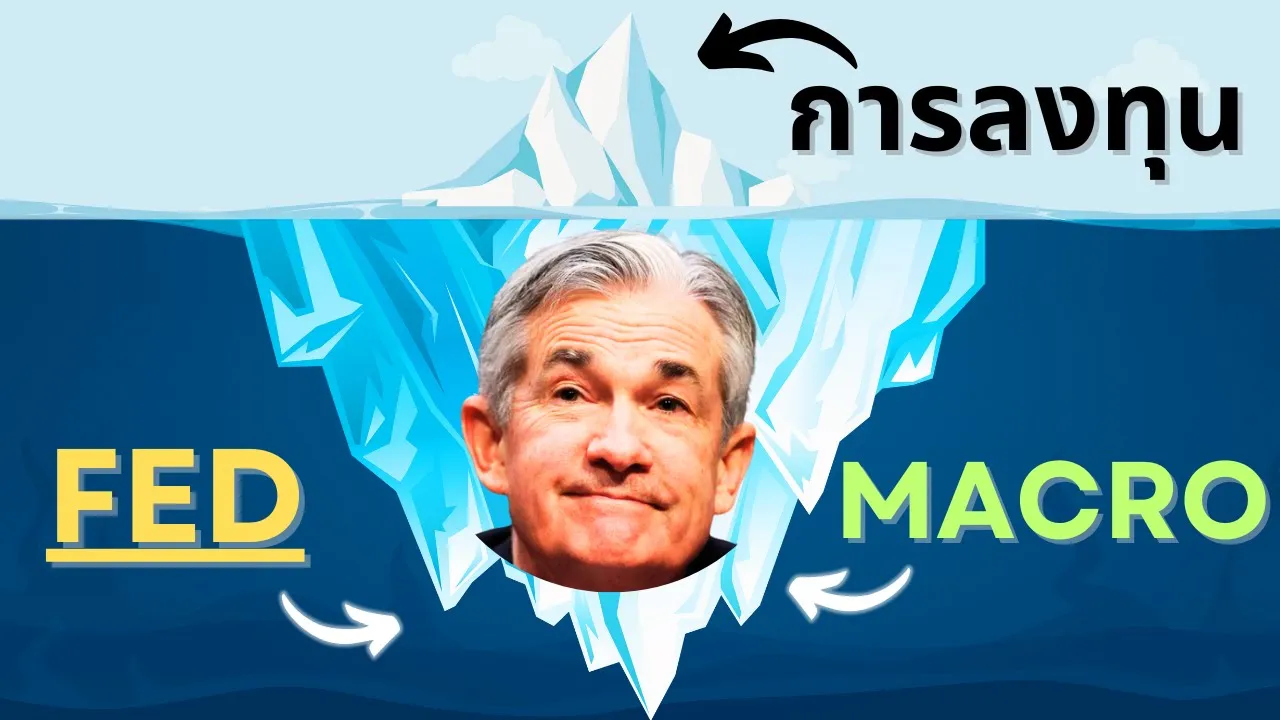










The Federal Reserve's decade-long easy money policy, beginning with quantitative easing after the 2008 financial crisis and continuing through the pandemic, created unprecedented economic distortions including massive corporate debt accumulation, stock market bubbles, and rising wealth inequality, ultimately requiring aggressive interest rate hikes that risk triggering recession while failing to deliver broad-based economic benefits to Main Street America.
The Age of Easy Money: Fed & Inflation | Full Documentary
Added:The definition and dual mandate of the Federal Reserve (price stability and maximum employment).
The fundamental difference between monetary policy (managed by central banks) and fiscal policy (managed by governments).
Basic macroeconomic concepts of inflation, deflation, and how interest rates influence borrowing and spending.
A foundational understanding of the 2008 Global Financial Crisis, which prompted the initial era of unconventional monetary policy.
The mechanics of Quantitative Easing (QE) and Quantitative Tightening (QT), and their impacts on central bank balance sheets.
The concept of 'moral hazard' and how central bank interventions can inadvertently encourage excessive risk-taking by financial institutions.
The relationship between prolonged low-interest-rate environments, asset price inflation (stocks, real estate), and wealth inequality.
An analysis of post-pandemic inflationary pressures (supply chain disruptions vs. liquidity injection) and modern central bank exit strategies.
21.2M views120.8Klikes1:53:18Original Release: 2023-03-15
[Music] Silicon Valley Bank has collapsed and federal Regulators have taken control try the theme any sort of contagion effect impacting Tech startups using customers in limbo raising concerns about the broader economy if we hadn't been driving our economy with Easy Money And then trying to really quickly undo that we wouldn't be having these problems now Americans can rest assured that our banking system is safe in a special Frontline investigation we're now facing a world of many potential outcomes the inside story of an age of easy money every Financial function had failed and we had to restore them do you think it was a radical policy I most certainly did think it was a radical policy the FED inject money into the official of our recent government stimulus programs when the FED changes to the primary engine of economic growth it's supposed to be our Democratic institutions that do that not the central bank and an uncertain future meaning for American families it's not just that we're getting more calls it's that the folks who are calling us are in Greater distress correspondent James Jacoby investigates how remote is the possibility that there could be much higher unemployment in the next couple of years I mean I wouldn't say it's remote now on Frontline it really is difficult to overstate how important this story is and how much it matters I don't know if I can safely say that we're at the bottom because of what we're looking back at this age of easy money the whole Wyoming his colleagues at the FED are under pressure to curb inflation how could they take a harder line or he could simply play his cars close to the best here we go he's on the move it's gonna be a tough crowd at Jackson Hole because of the fact that he made a call Simply last year that didn't age well now every year Federal Reserve holds an economic Symposium at Jackson Hole Wyoming in August it's sort of like the Oscars of the FED world and you know media comes from all around the world and the FED chairman gives a keynote speech that gets all the attention all eyes on Jackson Hole this morning he's giving a speech a speech is Central Banker to the world so Jackson Hall plays a very important role in the central bank community because you're basically bringing the central Bankers of the world and economists to a place to discuss critical issues so people look to Jackson Hall to see is there a reset the monetary policy the economy has slowed yeah we're likely in recession and perhaps going deeper into it are they going to keep taking us down this road are they going to keep slamming the brakes on Race raising 75 basis points until we've got job cuts across the corporate sector Central Bankers were saviors post Global financial crisis this time it was different the mood was more uh you know for the first time uh we're failing is Powell ready to risk recession this is the question sir Powell the floor is yours please call the podium Jackson Hole in 2022 was quite important thank you Peter and good morning everyone the market we're feeling in the summer that maybe the FED would have a pivot would stop raising rates and maybe start cutting them the market started talking about a Fed pivot market so maybe they'll they'll just ease up a bit the market is I think anticipating that they're going to Blink reducing inflation is likely to require a sustained period of below Trend growth and what Powell told them that Jackson always said listen inflation is still way too high is not peaking it's not going to fall fast enough and if you guys think that we're going to stop raising rates or even cutting them you're a bit delusional the U.S economy is clearly slowing from the historically high growth rates of 2021. I think the chair's objective is Jackson Hole was to deliver a very concise message that we know what our job is our job is to get inflation back down to two percent and we're going to do what we need to do to get it back down to two percent while higher interest rates slower growth and softer labor market conditions will bring down inflation they will also bring some pain to households and businesses these are the unfortunate costs of reducing inflation but a failure to restore price stability would mean far greater pain his remarks were remarkably brief for a Jackson Hole speech and that was by Design to deliver a very direct message and I think his message was very effective pain pain pain for American families what he calls some pain means putting people out of work Jay Powell is not messing around and that is when the market kind of reacts and says oh my God things are going to change restoring price stability will likely require maintaining a restrictive policy stance for some time if the FED puts us into a higher interest rate World it will change everything the financial system globally has been built around extremely low ultra low interest rates for 10 years all of these things that got built up over the last decade are going to have to be dismantled or changed we will keep at it until we're confident the job is done thank you we lived in a bubble in a dream and this dream in a Bible is bursting there's Rising interest rates in the U.S and many other countries are intensifying fears of a recession ever since that fed meeting at Jackson Hole we've been getting mixed signals about the economy is it down for recession or is it in a booming recovery an economy with such a strong labor market is not in a recession and the center of the debate are the actions of the Federal Reserve which seems to have our economic fate in its hands the FED is trying to stop inflation but is the medicine worse than the disease lately it's been raising interest rates at the fastest Pace in decades trying to Tamp down on inflation but for most of the past decade the Fed was keeping interest rates incredibly low trying to stimulate the economy creating what has been called an age of easy money tonight the economic alarms are blaring the past two years I've been investigating the fed and the far-reaching consequences of its Easy Money policies I'm game if you are I'm definitely game I've been speaking to current and former fed officials is that really the first time you're in a suit since covet from the waist down can I take my mask off Titans of Finance you were thinking what I was thinking this is the craziest Market I've seen in 40 years those who follow the decision making none of us think about this because it's boring but it's everything it touches everything and those who have been hit the hardest buy-in it's like choosing between your rent and your food they do not understand what everybody's going through the fed's Easy Money experiment traces back to pivotal decisions made over a decade ago in 2008. you know right now breaking news here stocks all around the world are tanking because when investors speculators and Wall Street Bankers nearly brought down the global economy okay with Wall Street shaken to its very Foundation today we're in the midst of a serious financial crisis decisive action the Bush Administration the president in Congress spent hundreds of billions of dollars to restart the economy but at the center of the rescue effort was the Federal Reserve Richard Fisher was the head of the fed's bank in Dallas at the time but the Federal Reserve does is provide the blood supply for the body of our capitalist economy and what happened in 2008 is all the veins and the capillaries and the arteries collapsed so every Financial function had failed it had collapsed and we had to restore them with the precipice of the Apocalypse we're on the edge of the Abyss we are in the most serious financial crisis in Generations there was nothing but Panic yesterday there's been Panic all week the bottom to America's Financial woes appear nowhere in sight the banks are still not lending to one another and as long as that's not happening the system remains stuck and imperiled [Music] in normal times the fed's job is to promote employment and keep inflation in check primarily by raising and lowering short-term interest rates making borrowing cheaper or more expensive but amid the crisis fed officials decided to do something they hadn't done in half a century they began dropping rates eventually to almost zero those massive rate Cuts have not been stimulating the economy with Americans still suffering and the banking system on the verge of collapse fed officials there at the time told me they felt compelled to go even further and then the question was what else can we do and the committee came up with the idea of quantitative easing quantitative easing what in the world is that quantitative easing that's just a Greek term to a lot of people a lot of people want to know what they're going to say about what we call quantitative quantitative easing or QE was championed by Ben Bernanke then the FED chairman the Federal Reserve is committed to using all available tools to stimulate economic activity and to improve Financial Market functioning UE was an experimental way for the FED to inject money into the financial system and lower long-term interest rates it's almost like Alchemy you can create money out of thin air if you're at the central bank so creating more money puts more money in the banking system put more money out there for the economy to take it and put it to work and to grow and to restore itself Federal Reserve has been putting the pedal to the metal so we're doing everything we can to support the economy and we hope that that's going to you know get us going uh next year sometime their Hope was that the new money would help Shore up the failing Banks and get them lending again it would become the heart of their Easy Money policies it was an emergency measure I mean the economy was imploding I mean no one would lend to anyone there was no ability to borrow the the economy was going to be a stop dead Thomas honig was the president of the Kansas City fed and initially supported the quantitative easing plan these are trying times and as you just heard there is much to be done as we try and work through this financial crisis when you have a crisis that's when you want your central bank to be willing to put cash in and so to avoid a major depression where everything just stops you provide the cash so I agreed with yes we need to provide this money on the expectation that once we got through the crisis we would go back to a more normal policy again you can tell me if I'm giving too long answers or what have you the task of managing most of the program went to Andrew hussar a former fed official who was then working on Wall Street I realized very quickly what I was being asked I was being asked if I would manage the largest financial markets intervention by government in world history the FED began creating hundreds of billions of dollars to buy things like mortgage-backed Securities and government bonds from Banks and financial institutions this was a five trillion dollar market this was the largest private bond market in the world and the FED had never once or before bought a mortgage bond in its history and basically in the fall of 2008 it announced that it would buy basically 25 percent of the entire Market within uh 15 months and that was your job to do that purchasing that was my job to think about how to get the program done many of these tools had not been tried before they were definitely like break the glass kind of tools like what are we going to do in order to restart the economy here Sarah Bloom Raskin joined the Board of Governors while QE was already underway as QE began it showed great promise we started to see that people's sense of um economic well-being was ticking up somewhat uh people were finding jobs people were finding homes the Foreclosure rate had slowed so there was a sense that something was working now how it was working was a different question altogether things are not as bad we're getting better and things will get better there's no question about it you know view it as like an experimental drug that actually is do doing some good things but nobody quite knows how or why at the moment the financial sector had begun to stabilize but there were early signs that not everything would go according to plan the banking industry Fat Cats still aren't lending money the big Banks aren't lending despite the money the Fed was pouring into the banks they still weren't back to lending the government's not doing anything to help small business and the banks are sitting on their butts and they're still not lending money instead they were taking a lot of the money and investing it themselves the banking sector is broken it is not lending to small business somebody's got to get the money there the government is the actor no it's not nobody you were injecting money into the banks more than a trillion dollars worth at that point and what were the banks doing with that money the fed's idea was the banks would be taking that money and and lending it effectively at lower interest rates what the banks were doing instead was that they were just investing in the same bonds that the Fed was buying they were taking that money and they were turning around and buying the same mortgage-backed Securities and other bonds why because the FED had made very clear that its goal was to drive up the price of financial assets and so Wall Street turned around and thought why would I go through the effort of making a mortgage when I can just press a button and buy you know Millions if not billions dollars of bonds and and ride that trade as the price of those those assets are very consciously being inflated by the Fed grew increasingly disappointed by the program and would eventually leave in 2011. they hadn't seen the benefits accrued to the average American and I wasn't seeing larger structural reform in favor of the average American I began to question whether it was my role anymore to be at the Fed were you seeing that the banks were gaming the FED that they were in some ways taking advantage of this program that was intended to help the real economy I think you could say they were gaming the fed or I think you could just say that they have a different mind and they're not part of the fed and they they have their own interests you know it's sort of like the esop's Fable of the Scorpion of the Frog you know on some level it's in their nature to do what's in their nature and they're in their Natures to make the most money possible in the quickest way possible and just because the FED wanted to do something and wanted to help the the average American it doesn't necessarily mean that Wall Street has the same interests 20 billion dollars worth of bonuses it is shameful are these Executives greedy for stupid personally I am stumped for an alternative word there will be time for them to make profits and there will be time for them to get bonuses now's not that time it's socialism for the rich by the end of 2009 the banks were back to making money and paying themselves record bonuses while the real economy lagged Washington low the money at Cut Rate so our thanks is they're going to stuff it in their pockets even as many Americans are suffering from unemployment and reduced wages people absolutely ought to be outraged I mean these guys just don't get it I mean the inflation rate was well below the fed's target of two percent signaling weak demand unemployment had shot up and foreclosures were continuing across the country homes household net worth had plummeted it really wasn't an inclusive recovery it was a recovery that benefited only portions of the economy I'm here to support all of the people who want their taxpayer dollars back and they included there was a sense that the banking sector the financial sector benefited primarily and not so much everybody else and that had a had a political taste to it which became the basis I think for a lot of anger and really set the stage for you know sort of the next chapter in our country's political history foreign demonstrators opposed to what they call out of control government spending begin a series of rallies this afternoon the resentment helped give rise to the Tea Party by the belief that government spending and bailouts had been out of control and ordinary people weren't seeing any benefits hedge fund Bankers uh bear Stearns they didn't build this country workers like us did the only political constant in 2010 was volatility and anger and there was a real loss of faith in the political and economic system and that manifestes the Tea Party Tea Party you're winning they were especially outraged by the 800 billion dollar stimulus package that President Obama in Congress had passed in 2009 to get the economy going again the entire principle of the Tea Party the entire platform was to stop Washington DC from intervening it was an agenda of no we've come to take our government back as Republicans swept the 2010 midterm elections aided by the tea party's growing influence we need to restore our fiscal sanity to this nation the prospects for Congress and the White House working together to pass another stimulus Bill were growing dim let this we don't Were Us [Applause] into the political vacuum step to the Federal Reserve was it palpable that the Fed was sort of the only game in town here yes the fact was we were carrying the load all by ourselves [Music] resurgent Republicans racked up huge gains Tuesday a devastating night for the Democrats that fundamentally changes American politics people are frustrated they're deeply frustrated with the pace of our economic recovery the FED wasted no time the day after the midterm elections they took a dramatic step another round of QE not just to stabilize the economy but to boost it what happened on November 3rd 2010 represents a step change in the fed's role in our economy when the FED changes from a central bank that manages the currency to the primary engine of economic growth in America whatever your philosophy is small government limited government big government that hires people to go out and build roads to stimulate growth whatever it is it's supposed to be our Democratic institutions that do that not the Central Bank you're basically saying that because our Democratic institutions are so paralyzed and there's so much political dysfunction that we as a society we as a country have become overly reliant on the FED to run things totally economic Affairs yeah I think one of the most important things to think about is that our Democratic institutions in America are becoming less and less capable and less and less effective I think that point is almost undeniable so what we're doing in this country is we're relying on our non-democratic institutions to take up the burden like the central bank and economic affairs which leads you to the surreal place where we are today where this Committee of 12 people is making these decisions that could very well plunge our economy into a deep deep recession and cause financial crisis in the early days of the Easy Money experiment Fed chair Bernanke promoted his plan saying it would create a wealth effect that boosting the stock market would make people feel wealthier and start spending again there's no doubt that there's quite a bit of opposition but he was met with some skepticism and concern that the decision risked causing runaway inflation he went on television to push back on the critics they're looking at some of the risks and uncertainties associated with doing this policy action what I think they're not doing is is looking at the risk of not acting care inside the FED itself Thomas honig was sounding alarms about the long-term consequences you are the one member of the FED that has been critical of zero percent interest rates why why 10. he argued against bernanke's plan at every meeting and cast The Lone dissenting vote eight times in a row it was difficult but this was fundamental and so I really did think that it was a wrong policy and I didn't want to be associated with it so I voted no did you think it was a radical policy I most certainly did think it was a radical policy and I think most people did it was meant to be radical and so my concern was we had come through a crisis and we provided the liquidity necessary to come through it and we're on the other side of that crisis the economy was recovering and yet we were engaging in a deliberate effort to have easy money what were you most concerned about if Easy Money continued I thought that it was unnecessary to do I thought it brought new dangers and when you keep interest rates at zero and keep pumping money into the economy you favor the debtor and you penalize the saver which you you are saving for nothing I mean you get nothing for that and if you're a borrower well life is good you borrow for nearly nothing and so you you actually encourage speculation you encourage an additional risk taking in fact that's one of the reasons they did quantitative easing was to encourage greater risk taking the stock market rally on Wall Street today pushes the Dow to its highest level in nearly nine figure includes activity fueled by recent government stimulus programs the fed's quantitative easing set off what would become the longest Bull Run in the stock market's history by Design QE effectively lowered long-term interest rates making safer Investments like bonds less attractive and riskier Investments like stocks more attractive eyes so it puts a floor under the market and it artificially pushes up prices and when I say artificial what I really mean is nothing changed at Apple or IBM or GE it wasn't like somebody you know invented the new new thing post 2008 but a lot more investors got bullish in the stock market so the stock prices of those companies go up but what's really happening nothing's changed nothing new has been invented it's a sugar high it's like drinking a Coke instead of you know having a a meat and potatoes meal oil up you've got gold up we've got copper up we've got stocks up stock futures are up all because of central banks and the stimulus they've been putting into the economics on Wall Street no one seemed to mind the stock market rally continued the old saying is don't fight the FED don't fight the FED don't fight the FED rule number one as a young Trader you're taught is don't fight the FED I don't know what the hangover is going to look like down the road with all this extraordinary stimulus but for now the markets love it don't fight the Fed don't fight the Fed the one institution that has a printing press in the basement and there's no limits to how much it can use that is what makes the FED such an influential player in the marketplace Muhammad alerian remembers it well he was running the largest Bond Fund in the world at the time and helped advise the FED on its QE experiment keep an eye on the treasury market he shared with them his concerns that the markets were becoming dangerously addicted to the fed's easy money to taper or not to taper his prediction played out in 2013 when after multiple rounds of quantitative easing totaling more than two trillion dollars Bernanke signaled the FED might start to taper off if we see continued Improvement and we have confidence that that is um going to be sustained than we could and in next few meetings we could take a step down in our pace of purchases I was on the trade flow I remember when Bernanke saying that he will taper first we had to figure out what does taper mean and the minute people realized what taper meant which is that that the FED would step back from buying all these Securities and even though the FED said is going to be gradual it's going to be measured Demarcus had a massive tantrum the Market's selling off after Federal Reserve chairman Ben Bernanke said at the center start tapering into it shows you how addicted the markets are the markets went into a fit became dysfunctional it was known as the taper tantrum they want candy and the minute you try to take the candy away they have a tantrum you have big Wall Street reaction right you have extreme volatility where Wall Street says whoa whoa no no no unacceptable and values plunge and of course the FED doesn't like that nobody likes that that's a that's a precursor to instability right but it put the FED in a real bind and chairman Bernanke had to go in a conference in Boston and say no no we're not tapering you can only conclude that um highly accommodative monetary policy for the foreseeable future is what's needed in the U.S economy every single time the FED would start talking about okay we're going to maybe taper back faster or we're going to think about raising rates boom stocks would correct because stocks wanted that easy money dopamine hit bernanke's successor Janet Yellen had better luck the following year she was able to pause the quantitative easing part of the easy money policy without a tantrum in part by suggesting she'd maintain the fed's massive balance sheet of assets it had bought and to keep short-term interest rates low MC reaffirmed its view that the current zero to one quarter percent target range for the federal funds rate remains appropriate the FED Justified its actions in part because the fear is about runaway inflation hadn't materialized and in fact it was running below its Target of two percent because economic growth was still low but yellen's partial easy money pullback didn't dampen concerns and criticisms about the ill effects of the fed's policies [Music] so you're doing a documentary on the fed and monetary policy we are trying to okay are we insane no no no I think it's a great idea okay Joseph stieglitz is one of the most well-known economists in America and a winner of the Nobel Prize the intention of the Fed was to stimulate aggregate demand he told me that while the FED had done some good he worried at the time that by stoking the stock market so aggressively it was exacerbating economic inequality the main thing I was concerned about was that the way they were trying to revive the economy was a kind of trickle-down Economics the way quantitative easing works is that it's a lowering of the interest rates that leagues stocks to go up and so who owns the stocks it's the people in the top not just the top 10 percent one percent one-tenth of one percent and so it increases enormously wealth inequality we had had increasing inequality really since the late 70s and this was putting that on steroids what sort of response did you get from Folks at the FED to what you were saying at the time our mandate is to do what we can to increase employment to use the tools that we have and that's what we're doing I heard a similar response when I raised these issues with the president of the Minneapolis fed Neil Kashkari in March of 2021 he was the only current fed official who agreed to speak to us fed has been on a mission I've been on a mission to put Americans back to work and help them get their wages up especially for those lowest income Americans and if it has had some effect on Wall Street to me the trade-off is well worth it if we can put Americans back to work so that they can put food on the table they can take care of themselves that is profoundly beneficial to society one of the things that we have seen in this country is a widening wealth Gap the question is what role if any of the FED has played in widening that wealth Gap well this is a great point and I'm glad you raised it most people who make this argument ignore the fact that for many Americans they don't own a house they don't own stocks they don't have a 401k the most valuable asset they have is their job so by putting people back to work and helping to boost their wages we are actually making their most valuable asset more valuable middle class economics Works President Obama today in Wisconsin fired up over jobs another 223 thousand added in June in fact by 2015 the employment numbers were improving dramatically the critics I spoke to said the fed's focus on jobs was missing the full picture I mean Neil Kashkari told me that a job is a great asset this may be I'm not so sure that's that's true for the folks working three jobs behind the counter at the supermarket sorry Neil I think that is an elitist Assumption of what labor income is good for Karen Petru is an unlikely critic of the Central Bank we've got we've got Pete here going down she spent her career inside the financial system down advising Banks and big investors Barker 2015 to 2020 was actually considered a time of recovery unemployment was getting to record lows and there was a kind of conventional wisdom that the economy was in a good place at that point in time so you disagreed with that I did because most Americans disagreed with that the majority of Americans said they were economically anxious significant percentages of people who were in The statistical middle class were skipping Medical Treatments because they didn't think they could afford them 40 percent of the United States didn't have four hundred dollars in a rainy day fund and they were at risk of imminent Financial Peril with a tire blew that's not that's not a good price what about this idea that there was record unemployment record unemployment was judged the way conventionally the FED chooses to judge it not by taking into account the people sitting out working because they couldn't get enough wages with their jobs to make going to work pay employment was fine so by at least some numbers wages weren't and people work to eat they don't work because some you know Noble ideal so just to understand what was wrong with the models that the Fed was using in order to judge the success of their programs Paul Krugman a well-known Economist is a great example you've got four guys in a bar each one of whom is making six sixty thousand dollars a year Jeff Bezos walks into the bar and he's making two gazillion dollars does that mean that the four guys in the bar are doing any better no it doesn't it's distorting statistics you have to look at how much each person has not at what the averages are to understand what's going on in the economy and when four out of five guys in the bar are not doing well the country isn't doing well [Music] [Music] the growing sense that the system was not working for the poor and middle class became a central theme of Donald Trump's populist campaign the America when you have a society with the middle struggling and the rich realizing like almost unimaginable gains it starts to corrode the Civic Foundation we have to clean up the country our country is a mess people start to feel like this cliche you hear all the time that the system is Rich like he says I think the system is rigged you know what he's just seeking what we're all thinking but he's saying in the public domain he's saying the political domain you know the fact that a huge portion of Americans were willing to vote for a president like Donald Trump who's like entire campaigns seem to be burning down the system we are going to that doesn't just happen in a vacuum we are going to fix our inner cities and rebuild our highways Bridges tunnels airport schools hospitals it was a moment of potential for the fed's Easy Money policies Trump promised to take advantage of the low interest rates and create jobs by investing in new infrastructure we will create millions of new jobs and make millions of American Dreams Come True but once in office the political paralysis in Washington only intensified Congress simply hasn't been willing to find the amount of money necessary to do it making big economic Investments all but impossible there just wasn't the political cohesion to push through these major programs and you saw a lot of op-eds by a lot of economists and even fed Bankers themselves after the first or second or certainly third and fourth round of quantitative easing they were saying please give us some fiscal policy meaning give us some government action to direct this money to the right places we can't do all this alone we can keep rates low we're trying to keep rates low here trying to keep confidence high but we can't make you spend on a bridge or or revamp a school are you saying that there was sort of a squandered opportunity here a hundred percent it was a missed opportunity we didn't use the cheapest money in memory I don't want to say in history but certainly in the last you know several decades we didn't use that opportunity to spend on the things that would have been almost free in terms of debt we really missed something that now will be more costly because now that interest rates are going up I still think for example we should do more infrastructure spending that we should revamp education but it's going to be more costly to do it now it's the largest I always say the most massive but it's the largest tax cut in the history of our country and reform but tax cut the Marquee legislative achievement to the Trump Administration would instead be a tax cut that further boosted the markets and deepened economic inequality Bill the jury is still out on whether it contributed to the economic growth that had started to tick up during the Trump presidency but to some inside the FED it seemed like an ideal time to pull back on the Easy Money experiment one of them was Jerome Powell [Music] it is my pleasure and my honor to announce my nomination of Jerome Powell to be the next chairman of the Federal Reserve congratulations James Trump appointed Powell in late 2017. Jay Powell is a profoundly competent smart guy who has spent his entire career at the Nexus of big money in big government in the years since the global financial crisis ended our economy has made substantial progress toward full recovery self-acknowledged Republican is a conservative he tends to embrace the deregulatory view of the economy and he's also a Wall Street guy who came up through the business of corporate debt and deal making the FED is seen continuing to raise interest rates uh going forward and I think the FED had already begun raising rates and reversing QE they'd call it quantitative tightening or QT Powell took off his eager to accelerate the effort the really extraordinarily accommodative low interest rates that we needed when the economy was quite weak we don't need those anymore they're not appropriate anymore once again the market threw a tantrum [Music] their worst December since the Great Depression the Global Financial system short circuits the decline will accelerate if Jay Pal doesn't walk things back the president threw a tantrum too I think the FED has gone crazy it's a correction that I think is caused by the Federal Reserve knew what it was doing that with lower rates and they would stop quantity the president has been attacking the Fed chair on Twitter very often for raising interest rates with the fed's decision to raise interest rates he suggested it would hurt somebody said the quantitative tightening was a killer should have done the exact opposite Powell would change course the Federal Reserve cut a key short-term interest rate today after raising it as recently as December you see this complete reversal and what a lot of investors and economists saw as a capitulation to financial markets financial markets don't like this so the fed's going to reverse course and that has defined chair Powell ever since then a tricky Balancing Act for chairman Powell he'll now face criticism that the FED has bowed to pressure from the White House or Wall Street or both sacrificing the central bank's precious Independence the fed blinked and the FED reversed course when the market was down sort of 20 percent and went from tightening policy to easing policy and it became very clear to the market that saving the stock market was now one of the FED mandates and I think that had really ominous ramifications for the future [Music] by 2019 the fed's Easy Money experiment had been going on for a decade the fifth shop isn't to help the president United States what it started out as an emergency measure to save the economy had become the status quo yes quantitative easing is there but it's a tool you don't want to overdo and it was deepening the concerns about how the Fed was fueling troubling trends taking advantage of the fed's low rates private Equity firms had been buying up huge swaths of the economy with borrowed money 110 128 000 multi-billion dollar private Equity Firm this is a bargain hunt concentrating wealth and ownership of everything from houses to hospitals across Blackstone we own a range of things so Sea World Busch Gardens bird-sized Foods Michael's stores Hilton and Waldorf what we like to do is come in by either real estate or companies we see an opportunity to grow something faster to invest Capital fix whatever that is is broken and then sell it the fed's policies had also been fueling a frenzy in Silicon Valley we work as an SoftBank group leading to all sorts of excesses Venture capitalists pumped nearly half a billion dollars into the food delivery startup industry Airbnb now valued at 10 billion dollars more than big hotel chains including Hyatt and Windham and enabling certain tech companies to disrupt and dominate entire Industries without ever turning a profit wework is saying it's total opportunity is three trillion dollars I mean that's three and a half percent of the entire world's GDP but perhaps the most destabilizing consequence to the economy was how the fed's low interest rates had been incentivizing public companies to take on more and more debt valuations are generally elevated especially corporate debt we have flagged the rise in corporate debt we have entirely too much corporate debt out there and now I saw numerous studies and reports detailing the extent of the debt and how even Marquee companies were becoming so leveraged their credit ratings plummeted the FED had hoped that companies would put all that borrowed money to good use and invest in their Workforce and their infrastructure but in reality it played out differently the BuyBacks find back stocks stock BuyBacks stock BuyBacks robbing the American worker and companies were often borrowing money to buy back their own stock making the remaining shares more valuable and the price is higher as a corporation you realize all that matters is the stock price so what do we have to do to increase the stock price and more often that is buying back the stock so it used to be the FED would lower interest rates businesses would then take on more debt they would use that debt to hire more workers build more machines and more factories now what happens is the Federal Reserve lowers interest rates businesses use that to go out and borrow more money but they use that money to buy back stock and invest in technology that will eliminate workers and reduce employee headcounts they use that money to give the CEO and other corporate officers big bonuses and then eventually issue more debt and buy back more stock so it's this endless cycle of things that are designed to increase the stock price rather than improve the actual company okay GE just authorized a 50 billion dollar stock buyback the numbers were astounding more than six trillion dollars in corporate BuyBacks during this easy money decade after the financial crisis 50 billion dollar stock buyback that makes a big deal big difference to the stock price BuyBacks were an embarrassment and so it's just another example of things that used to be viewed as kind of ooh you know just going mainstream Sheila bear a former top banking regulator was issuing public warnings at the time that the Fed was incentivizing bad behavior on Wall Street despite its best intentions so much because these interest rate this interest rate environment creates very strong economic incentives to do exactly what they're doing it's hard to create a new product it's hard to come up with a new idea for a service it's hard to build a plant and hire people and run the organization it's real easy to issue some debt and pay it out to your shareholders the goose your share price that's real easy to do but it doesn't create real wealth it doesn't create real opportunity it doesn't create jobs it doesn't improve the labor market but it's just another example of how these very low interest rates have really distorted economic activity and frankly been a drag on our economic growth not a benefit Warren Buffett likes Apple's BuyBacks well why Whitney's a shareholder in your buying back 100 billion dollars when you get an age of easy money like what we've seen you get a financialized economy that's really more in service to itself so most of what it's doing is buying and selling existing assets rather than helping real businesses and real people make real invest but one of the things that's so diabolical I would say about easy money and our financialized economy in general is that we're all in it we're all part of this Faustian bargain of pretending that there's something wonderful happening in the real economy when really it's just Wall Street going up but we all kind of want the market to go up because we're in it with our Pension funds and with our 401ks so everybody's money is kind of helping to push this whole cycle along [Music] even some of the largest beneficiaries of this trend told me it made them uncomfortable like legendary investor Jeremy Grantham in my career in America the percentage of GDP that goes to finance has gone from three and a half to eight and a half where in a way where like a giant bloodsucker and we have more than doubled in size and sucking more than twice the blood out of the rest of the economy and we do not generate any widgets we do not generate any any real increase in income we are just a cost when you say we you mean you and other members of the financial Community have been this kind of blood sucker on the economy is that is that what you're saying yes collectively we fulfill a completely necessary service but what we have done is created Lads upon layers of more and more convoluted expensive financial instruments and that's what makes all the profits for the financial industry and it's it's taken a lot of Ingenuity and salesmanship to make this happen and a lot of lobbying in Congress etc etc and we have imposed on the rest of the economy the idea that Banking and finance are utterly important at all times if if you do anything wrong to us the entire economy will collapse in ragged disarray corporate BuyBacks the elevation of corporate debt how is that viewed by you and others at the FED something we pay a lot of attention to but when companies are buying back their stock one of the things they're telling us is we don't have profitable places to invest and it's easier for us just to buy back our stock that's concerning in terms of the future of our economy but that's not because of the Fed so we pay attention to it it really matters but I in my view we don't it's not something we control Kashkari and others have pointed out that it's the job of Congress and Regulators to address some of these concerning Trends and when we sat down in 2021 he was quick to dispute the criticism that the fed's policies had really just been boosting financial markets and helping Wall Street we hear it all the time from Wall Street people that they basically that prices are are of that are completely untethered from some fundamental reality there is this idea on Wall Street that the FED kind of has our back and that because you may have well-intentioned policies that are trying to get everybody to work there is this side effect this unintended side effect of just kind of really um helping the rich that argument ignores the benefit to the poor and if you're sure if you're going to ignore the benefit to the poor then we're only helping the rich but of course that's an incomplete analysis when you actually sit down and say well let's go through the trade-offs of the choices that the FED has whether it's interest rates or it's quantitative easing it's not just about Wall Street it's not just about asset prices it's also about thinking about the men and women in America who are trying to find work and who want to have higher earnings and who deserve higher earnings if we are benefiting them by helping them find work and helping them have higher wages I will take that trade-off beyond the debate over the effects on Main Street there were increasing concerns about the risks on Wall Street what would happen to all those companies that had gone deep into debt and their investors if there was a downturn [Music] some of the most dire warnings were about a largely unregulated sector of the financial world that had become a key player in all the borrowing going on finance was getting bigger and bigger and riskier and riskier and then there was something else going on that was only noticed later on the risk had migrated to what we call the non-banks so the financial system that are not Banks and it had morphed it had changed and in doing so the ability to understand what was going on came down because the non-banks are not supervised and regulated as well as the banks the phrase that was used at the time was Shadow banking that there were banking activities happening but they were happening in the shadows in the shadows of the banks themselves these are the asset management companies these are the hedge funds these are not well regulated but suddenly become systemically important when it comes to Shadow Banks what was your big concern the core of the problem of the shadow banking system is that it's extremely fragile live menand who'd been an economic advisor to the fed and Treasury Department was warning that even though Congress had imposed regulations on big Banks after the financial crisis Shadow Banks were largely untouched and they were endangering the whole system anybody who's an investor in a shadow Bank who has their money in a shadow Bank instead of a real bank is going to have an incentive to withdraw in the face of any uncertainty so little economic shocks that cause asset prices to fall have the potential to trigger runs in panics and so what we what we've done is by allowing this Shadow banking system to develop is we've inserted a source of instability in our entire economic system that doesn't need to be there and that has the potential of throwing us all off course let me start by saying that my colleagues and I that potential instability posed by the shadow banking system was on the fed's radar are you thinking about potential risk bubbling up in the in the broader Shadow banking system you know this is this is a project that the financial stability oversight council is working on now and also the financial stability board globally is looking carefully at leverage lending and uh you know we're we think it's a it's something that requires serious monitoring but by the end of 2019 little action had been taken by the FED Financial Regulators or Congress to reign in the shadow Banks and other growing risks the system remained vulnerable to a shock it would arrive in early 2020.
a preliminary investigation into a mysterious pneumonia outbreak in Wuhan China has identified a previously unknown coronavirus when the pandemic hit it was so unlike anything any of us have experienced in our lifetimes already 45 cases have been reported in China including two deaths the victims are thought to have contracted the virus in a meat and seafood market we've been paying attention to what was happening in China for a few months there are new images out of Wuhan that purport to show the dire conditions in hospital I was calling my contacts Global businesses that had big operations in China to understand what their employees and staffs were seeing and we were all trying to learn as much as we can about pandemics and what it's likely going to mean major sell-off across the Europe this morning I think we all figured out very quickly the pandemic and the virus would drive the economy investors are spooked by the growing number of infections out that's what it hit us how widespread what would the health care response be it was maximum uncertainty and you were seeing that uncertainty manifest in financial markets what you have here uh concerns fears worries and deep uncertainties about what's likely to happen next people were scared investors were scared individuals were scared and they said you know what I just want cash Market's giving us the worst two-day Point drop ever in history I don't even want treasury bonds I don't even want corporate bonds I don't want stocks I just want cash and when everybody in the economy says I want cash at the same time that leads to potentially a collapse of financial markets all the weaknesses of the system that had built up over the years of easy money were being exposed Market functioning was starting to Cascade into failure 11-year bull market has ended stocks were just on a downward Free Fall you had credit markets seizing up people were selling anything that wasn't nailed down attention was focused on the highly leveraged Shadow Banks what we saw was a full-blown panic in the shadow banking system it wasn't something that you have when you have a pandemic you have a bank Panic it was you have a bank panic because you had some exogenous shock in the economy and you have these underlying vulnerabilities in your monetary system that you haven't resolved the FED responded to this new crisis with an old tool once again quantitative easing event 12 years ago it bought up hundreds of billions in debt from financial institutions we have seen the FED inject money into the economy in the last couple of days by mid-march they'd made more than a trillion dollars available to the shadow Banks and they cut interest rates back down to near zero what that trillion dollars of Securities dealers half a trillion dollars to foreign central banks bought two trillion dollars of Treasury Securities another trillion dollars of mortgage-backed Securities it flooded The Zone with new government cash to stabilize this system incredible effort from the Federal Reserve taking major action everything that Ben bernanke's fed had done over the course of the financial crisis of 2008. Jay Pell did that in a weekend the scary part is it wasn't enough the crisis continued and they had to intervene even further good morning we are here for you on this morning when the stock market has taken another dramatic Plunge at least the emergency rate cut failed to calm investors in fact it did the opposite Futures immediately dropped the five despite the fed's actions the corporate debt Market froze up and companies were unable to pay their bills putting the wider Financial system at risk there's just this corporate debt picture out there and we're just beginning realization that we have to lock down the list of closings and activities being suspended is growing from coast to coast in the White House Eric uland was the Trump administration's Point person dealing with Congress on the response every day and into the evening as we're going through and hearing more information and trying to explore the health side of this exploding virus crisis there's also an economic impact that is just getting larger and larger and more significant and so what's the impact on the community when suddenly you're telling it a significant amount of economic activity needs to slow or actually cease that's pretty dramatic 3.4 million people filed for unemployment last week you can't really compare this to the financial crisis or even 911 there's never been a time in history where the U.S government told the economy to shut down then we're talking about impacts on businesses from small businessmen who are the real heartbeat of our economy communities and and how to keep people employed what's the impact on Industries and significant economic sectors of the American economy but the policy response that we need to design and hopefully execute here inside this crisis is a lot broader than anybody conceived up to that point the motion is adopted in a rare moment of bipartisanship the Trump Administration in Congress would end up passing the largest economic stimulus ever all right thank you all the 2.2 trillion dollar cares Act which unlike after the crisis in 2008 was aimed not just at Wall Street but directly at individuals and small businesses as well you encourage your team to be bold be brave and go big and we certainly delivered today 6.2 trillion dollars you ain't seen nothing yet from what the FED is about to do part of the money would go to the FED which announced a new range of loan programs worth trillions and for the first time it began buying up corporate debt the Easy Money experiment went into overdrive a guy inside the Fed was telling me that what they were doing was not that sophisticated they were just looking at any part of the market that looked like it was on fire and dumping money on it we often talk about the Federal Reserve using a bazooka to tackle markets and the economy this is bazooka cannons and tanks all at once they are safe so this was huge this was the FED stepping in on an unprecedented scale and saying to the market we will do whatever it takes many of the programs that we're undertaking rely on emergency lending powers that are available only in very unusual circumstances such as those we find ourselves in today we will continue to use these Powers forcefully proactively and aggressively until we're confident that we are solidly on the road to recovery I don't think most people are aware that we came this close to a bona fide financial crisis yeah I think a lot of it is missed for two reasons one there was a lot of other stuff going on in the news at the time the other is the Federal Reserve did an amazingly good job at putting out the Flames of this panic and even though the panic in March 2020 was more severe along many metrics than anything we saw in 2008. the government's response was more powerful in certain respects and we're lucky that the government was successful or we could be living through a true depression [Music] everything has been thrown at this Market to try to keep it floating the Federal Reserve now getting into junk bonds it's a joke the market is manipulated you know they're printing trillions of dollars to pump up the value of publicly traded stocks in trying to keep workers employed in companies afloat the FED had also used its power to rescue some of the riskiest parts of the financial system like the junk bond market and this is just like a high-yield junk bond bailout I mean I don't yeah to the critics the Fed was rewarding the same players and practices that had helped make the system so fragile in the first place we've been trained to believe that the FED is on our side what the FED has trained us to believe is that if we make a bet in the market and we win we're on our own we get to keep the profits if we lose they will bend every effort and every dollar they can get their hands on one way or another to bail us out this is a symmetry of the most Splendid kind hey speeds go ahead and clap It Off please billionaire Bond investor Howard marks called the FED out at the time saying it was undercut in the way the free market is supposed to work there are negative ramifications to this one called moral hazard which means uh conditioning uh people to believe that if there's a problem the government will bail you out and if people really believe that then there's no downside to risky Behavior because if there's a problem it won't fall on you you'll get bailed out if you play it aggressively and and succeed you make money if you play it aggressively and fail you'll get bailed out we're truly getting to the points uh moral hazard and we want to live in a world do central banks themselves want to live in the world with their interventions are so Central to the Market Outlook and the market performance so has moral hazard gotten worse as a result of of this bailout there's no barometer of moral hazard so I can't give you a reading all I can say is that for the last year or so risk taking has been rewarded and that tends to bring on more risk-taking I don't think it's anything should be applauding this as for whether or not capitalism is just a call sign when CEOs are looking for bailout do you see moral hazard in what has just happened oh absolutely um I I think now you know the entire businesses Community is has had a taste of bailouts you know and and boy it doesn't work really really nicely uh yeah so I I fear that now the fed's stepping in not just to bail out Wall Street but the entire you know Corporate America is starting to be embedded into people's thinking you know people talk about the survival of capitalism but this is the biggest threat to capitalism and good times when anybody can make money you reap those profits and bad times the fed the FED just keeps stepping in you have this never-ending ratchet up the Market's never correct it's like a no lose Casino it is it isn't a loose Casino it's exactly right this is the second time in 12 years that you and your institution have had to funnel into the financial system trillions of dollars and there is the sense that the financial markets have a iron-clad backstop from the fed well I completely agree that it is unacceptable that 12 years after 2008 we had to do this again I am proud that we did what we did it was the right thing to do it was necessary but it is unacceptable as an American citizen that we have a financial system that is this risky and this vulnerable but what if any responsibility or countability does the FED have for the financial system having been so risky and so vulnerable to a shock well I think all Financial Regulators that have a have a seat at the table have a have responsibility for what was left incomplete after 2008 and where we go from here we need to use this crisis to finish the work that we did not finish after 08 with all due respect I just I wonder if you could be a little bit more explicit with me what will the FED own when it comes to the vulnerability of the system well I reject the thesis I actually don't think it's been the fed's monetary policy that has led to these vulnerabilities I think it's been incomplete regulatory policy that has led to these vulnerabilities thank you the coronavirus pandemic has left millions of Americans out of work the people have gone now without four or five or six or seven paychecks and starting to catch up they need food it's the most basic thing in the months following the fed's rescue we saw a troubling disparity have you got any income at the moment no no and we have kids too so as businesses were shuttered and millions of Americans were living on the edge the markets did indeed look like a no lose Casino thanks to the fed's safety net 25 the economy may be facing major hardships but the stock market is thriving the best quarter for the Dow in 33 years it surged 17 percent we ended up in a world where bad news was good news the unemployment rate is now a staggering 14.7 percent bad news for the economy was good news for markets why the midst of all the economic turmoil Wall Street actually closed out its best week in 45 years because when people saw bad news they said fed will have to do more and today the markets say bring on the next quarter and then over the next few months we saw one record after another in stock markets stock surging even as America enters its darkest chapter yet of this pandemic even after the initial emergency passed the Fed was pumping 120 billion dollars a month into the economy through quantitative easing on an indefinite basis the fire hose was simply turned on and left on the curb you know these Extraordinary Measures of 2010 literally become the daily operating procedure of 2020. the answer P 500 hitting another record high today after surging 55 the stock market didn't just regain all of its losses in a matter of months but started breaking new records that's green on the markets this morning Dow s p Nasdaq all of them over the next two years tech stocks would soar apple is now the first publicly listed U.S company to be valued at two trillion dollars Tesla Shares are soaring this company has just gone through the roof this year the stock prices wasn't quite terrible right now it's a seller's market and homes are selling fast the price of real estate would shoot up across the country the housing market has never been hotter and Corporate America would take on even more debt which investors gobbled up massive issue in for the richest Americans it was an extraordinary time Mark Zuckerberg has increased his wealth during the pandemic by more than 37 billion Elon Musk has added over 10 billion to his wealth just this week just gently earning over 50 billion this year billionaires now hold two-thirds more in wealth than the bottom half of the U.S population let that sink in for a moment now as I mentioned just the billionaires in the United States from March 2020 to February 2021 have grown their wealth by 1.3 trillion dollars 1.3 trillion dollars it's the burst of euphoria that typically brings these things to an end but even some of those billionaires were worried the Fed was fueling a dangerous bubble what it was doing it would not allow bubbles of this magnitude to take place smash the like button invest consistently but the Epic rise in the markets proved irresistible to millions of new small investors too so when a stock does well because of internal or external factors you secure the bag honey an app that's changing the way we do money all these brokerage platforms saw the largest growth of new users they'd ever seen because people said now is my opportunity I'm gonna invest my money in the stock market I may not understand what the fed's doing or how it works or what exactly is going on the S P 500 now on track for the best week going back since 2008 at one time I understand the FED takes action stock prices go up these people get rich and it became a very clear mandate for people if I want to get in on this economic recovery we're having I've got to buy stocks I'm going to take my stimulus check I'm going to put it in the stock market so they're online they're trading stocks they're buying and selling and putting money into these stock accounts they started creating their own Community welcome Declan Michael Lee uh so many people Bob Smith fed share Powell became a kind of cult figure Master of the money printer money printer go bird invest in these four tickers I'll put them right above and billions poured into so-called meme stocks this GameStop situation we will never encounter a setup like this again and new risky asset classes like cryptocurrency took on a life of their own Bitcoin Bitcoin Bitcoin has been on a wild ride it really is that there's just too much money people just have so much money and there's not really places to put it so what folks started doing is investing in these very speculative assets things like Bitcoin because they're just seeing ridiculous rates of return it doesn't really matter what the underlying value of the thing is just like it doesn't matter what the underlying value of a company is right as long as the stock price goes up you want to buy because the stock is going to keep going up and then you'll sell it's the greater fool theory of investing cryptocurrency cryptocurrency cryptocurrency cryptocurrency blockchain technology it's actually this is actually a very comfortable chair crypto was all the rage in Hollywood where actor Ben McKenzie saw celebrities pushing it on an unsuspecting public with reporter Jacob Silverman he began raising alarms crypto exchange is primarily were driving the advertising dollars here so you know it's not unreasonable to think that these folks got paid uh you know not just multiple millions of dollars but potentially tens of millions of dollars to to sell this stuff Bitcoin is a new kind of money it's cash into crypto what's up I'm getting into crypto with FTX you in history is filled with almost when you're talking about an ad like the Matt Damon ad that went viral and not in a good way what does he work one day he walks around a studio and points at stuff that isn't there and talks about how Brave you need to be to buy crypto it's a pretty easy paycheck fortune favors the brave I certainly understand how easy it is to get lured in to cryptocurrency especially when you see at least for one brief Shining Moment all of your friends and neighbors or people you follow on social media getting rich um of course you're going to try it how does the FED figure into this was there just so much money sloshing around that it just needed to go somewhere and crypto was one of those places where it just was like all right we'll throw it in there yeah you know when money is cheap uh people gamble it's just undeniable and fraud runs rampant you would hear even within crypto circles people started talking about Ponzi schemes uh in a non-derisive way saying well maybe we're doing kind of new types of Economics they're all forms of kind of irrational thinking and rationalization also that come together to help sort of conjure this illusion that there's value here until something pops it a number of serious investors like Jim chanos began speaking out it just became this orgy of speculation by by the first half of of 2021 anyone who wanted to raise money for anything could do so you know the amount of fraud we saw being floated on top of legitimate companies was really concerning uh particularly in in places like the crypto space which was sort of not being regulated people were were creating new coins or nfts and and selling them on uh to the to the public who was eager to get in on the latest fad and that that bothered me and you would draw a direct link between what the Fed was doing and the crypto craze well I just it was all part of speculation that was led to to people doing really silly things with their money uh at the end of bull markets at the end of speculative markets uh you know all kinds of of crazy schemes get floated to separate people from their money at least these are different questions not the same question over and over again was last time the same question question for 90 minutes I don't know about that yes trust me I have a tape of it oh yeah when I sat down with Neil Kashkari again recently I asked him how the madness and the markets looked to the Fed it kind of was Mania at the time the Fed was continuing to flood the markets with liquidity with with with with money did you not see all of that Mania as a sign of overheating that an indicator in the markets was telling you something about you know what was happening in the economy yeah I mean we see froth in financial markets not infrequently there have been other times we've seen booms in financial markets if we are going to try to raise interest rates to control excitement in the stock market the car who's going to bear the cost of that the people who are out of work today if we had said let's go raise interest rates to try to keep crypto down keep Bitcoin from going too high and we're going to keep millions of Americans out of work as the way to do that that strikes me as a bad trade [Music] I think interest rates and inflation are going to rise well above what the FED has projected as the markets were heating up so we're concerned that the fed's policies would fuel inflation prices are rising at the fastest Pace in more than a debt the Fed was doing I'm going to help the American people are hurting now the new Biden Administration was sending fourteen hundred dollar checks to many Americans I think it's bank accounts all over the country extending unemployment benefits tax credits and other relief programs you're going to be dealing with the most serious incipient inflation problem that we have faced in the last 40 years critics like former treasury secretary Larry Summers were publicly expressing concern that all the stimulus money from the fed and the government would boost economic demand at a time when Supply problems from the pandemic were still an issue people like myself like Larry Summers and other saw that that the massive stimulus it was unprecedented an order of magnitude greater than the one we had after the global financial crisis would lead to excessive demand overheating and inflation an unprecedented fiscal stimulus an unprecedented monetary stimulus we had bailout checks sent to everybody every household every firm every financial institution was too much and should that be more selective there really just was all this money being pushed out in the economy at the same time you've got the Federal Reserve they're pushing out another four or five trillion dollars into the economy and so Prices rose core CPI inflation is said to rise sharply over the next three months this goes back to your economics 101 textbook right when there's too much money chasing too few goods prices go up and that drives inflation higher it only took a few months for the warnings to come true it seems like everything across the board is becoming more expensive gas prices going up it didn't flinch housing and food costs it didn't raise interest rates or pull back on quantitative easing the quest to the economy and they had a word for the highest inflation in more than a decade transitory transitory transitory transitory now I know you believe this is transitory but everything's transitory life is transitory this inflation round is not transitory this is a very hot inflation environment and the longer the central banks wait the greater the risk I reacted quite strongly to the assertion that inflation was going to be transitory I remember warning at that time that we simply don't have enough evidence that it is going to be transitory transitory is a very reassuring term because I tell you don't worry about it it is temporary it is reversible therefore we don't need to change Behavior so yes we have inflation but don't worry what kind of evidence were you seeing this may be stickier inflation than it is transitory one what companies were telling us and companies were saying I am not so extransitory this is beyond the pandemic I was talking to CEOs and they were giving me a very clear message the same message that was in one earning call after another earning call they did not view the disruptions as being transitory why transitory why that word what did you think at the time well we saw a number of factors that we thought were conspiring to lead to high prices and that many of those factors would Fade Away over time so for example Supply chains we saw were getting gummed up but we also know that businesses were working very hard to ungum those up to untangle those Supply chains so we thought that they'd probably make more progress there than we expected The Business Roundtable for instance was coming out and saying polling their CEOs and saying look we're seeing inflation everywhere and what we're doing okay how does something like that land for you at that time I mean I take it seriously I don't dismiss it then I I map it against the data that we're seeing okay but I'll just say if we did not have an outlier view on inflation or the economy overall if you look at the consensus of forecasts among experts in America on Wall Street around the world they all basically had the same forecast which is inflation is going to be transitory it's going to come back down yes there were outliers but if you look at the consensus we were well within the consensus of the experts who study this any regret about not taking the foot off the pedal seeing what for instance the federal government was doing at that point in time well I think again knowing what I know now absolutely I put the same questions to Brian deese one of the chief architects of the Biden administration's 1.9 trillion dollar rescue plan were the inflation concerns at the time part of your internal deliberation about doing the the rescue act it was an issue that we were always aware of and focused on and weighing in the in the you know the weighing and balancing that you have to make when you do policy making uh in in the face of uncertainty you're saying that you knew that that could be a potential trade-off it was always a trade-off it was always a trade-off and the logic behind our actions was to get ahead of the pandemic help bridge for families and businesses and also ensure against the downside risks to our economy and I think if we look back now and recognize that the inflation challenge that the U.S economy faces is not unique it is a global challenge inflation is higher in the in Europe in the UK today than it is in the United States was there a concern at the White House that the Fed was running the economy too hot for too long that is a question that I will institutionally not answer why because one of the Hallmarks of our system is the independence of monetary policy making this has been something that you can't take for granted in our system that prior presidents have not necessarily honored but this present this Administration is quite committed to the proposition that the strength of our system one of the strengths of the US economy is the trust that people have in the independence of our monetary Authority and therefore we are make deliberate choices to not make comments on questions like that we're gonna begin tonight with the rough road to recovery for America's economy through late 2021 and into 2022 stimulus from the fed and the government would contribute to a rapid economic recovery as our economy has come roaring back we see some price increases but inflation continued climbing at the fastest Pace in decades hitting the poor and middle class the hardest you know these price increases be real impact on families and they're not going away anytime soon the people the FED it hoped its Easy Money policies would help the most [Music] this is the epicenter of this rise in inflation the highest inflation rate of any major city in the country housing no City had it worse than Phoenix which had the highest inflation rate in the nation when I visited St Mary's Food Bank the cars were lined up first thing in the morning every day my key team we get an email with the number of people who come through yesterday was a thousand seven households and it's not people it's households coming through they're feeding four or five people and it's like wow and that's five days a week they just don't have any other choice we're hearing that their budget is you know is being eaten up by all the impacts of inflation and it's either that or they don't have food for their children I'm a single mom so sometimes at the end of the month I need the assistance yeah his life has gotten a lot more expensive and being a single parent I can feel it like it's it's like choosing between your rent and your food it's like yesterday I spent 100 bucks just to get cereal milk and bread and eggs and that was basically it and some lunch meat that was a hundred bucks and that was our week's worth of food and that's not gonna feed six kids when did you start seeing an increase in people coming it was the end of February this year 2022. we saw a slight uptick didn't know if it was real but it kept climbing and it's climbed all through summer we thought that was a plateau and then at the end of summer it's continued to climb and here we are today with a thousand households coming through we've seen a 26 increase year over year in the number of people coming to us for help from 2021 to 22 yes and of that 18 of the people are first time people coming to the food bank is what you're seeing now actually worse than what you saw during the height of the pandemic it is worse now and it's worse because the food was more available during the pandemic we're seeing food availability going down what was once predictable doesn't appear to be predictable anymore and it's probably going to get worse before it's going to get better unfortunately what brings you here I'm just trying to get a little extra you know trying to stretch the dollar yeah it's not hard to spend 200 at a grocery store and only have a week's worth of food for two people you know have you been coming here a long time or have you this is more recent it's more recent since probably the last six months I've been coming here are you working are you uh yeah I'm working but it's just not enough [Music] we heard similar stories from credit counselors and their clients at a money management Counseling Center often when they say that they say I'm a good person I've always paid my bills before with the inflation they just have eaten away their savings you know people have told me you know I did the three to six months of savings for an emergency fund that's gone so you're saying that it's not just folks that you're seeing that have had chronic problems with with credit or or or these are there's a lot of new people that are coming to you now a lot of new people you know these are folks who had been making it before and were solidly middle class now and today are are struggling to make ends meet struggling to keep their utilities on struggling to stay in their their apartment or their home and are really in danger of falling out of the middle class like it's a it's a shrinking middle class problem how real are rent increases right now at a local shelter here in Phoenix we've seen an uptick of new families and individuals coming in that just could no longer afford where they were living because even where they were living there are rents increase 500 to a thousand dollars in one month sometimes clients have called me now and they're angry when they call they need our help but they're angry and I I understand it their shame and they're crying and and all of that but I was there I was one of them you know are your numbers up in terms of people that are seeking out help at the moment so it's not just that we're getting more calls it's that the folks who are calling us are in Greater distress because now instead of calling us because they're just behind on their credit cards they're calling us because they're behind on their credit cards and they're behind on their utilities and they're struggling with their housing payment they are facing greater economic challenges I think in more diverse economic challenges than what they faced just a few years ago it's a different world but I have to tell you I go to the store and I am just shocked I'm keeping my nose above the waves right now but I feel like that wave is a lot bigger than I thought and it's behind me and it's coming [Music] in the fall of 2021 with inflation at 6.8 percent well above the fed's two percent Target chairman Powell acknowledged it might not be transitory after all um so I think the word transitory has different meanings to different people to many it carries a time a sense of uh of short-lived we we tend to to to use it to mean that it won't leave a permanent Mark in the form of higher inflation I think it's it's probably a good time to retire that that word and try to explain more clearly what we mean it would be the start of a new phase in the easy money experiment committee is determined to take the measures necessary to restore price stability thank you I look forward to your questions over several months they'd raise interest rates good afternoon it's nice to see everyone in person for the first time in a couple of years in response to the rising inflation the FED would also pause quantitative easing and begin tightening at today's meeting the committee raised the target range for the federal funds rate we also decided to begin the process of reducing the size of our balance sheet but neither Powell nor any other fed official has explained with any Precision just how far the FED will go the Federal Reserve raising a key interest rate three quarters of a percent its biggest hike in nearly three decades the Federal Reserve has raised its key interest rates again in a move that seemed unfathomable to many just months ago has now happened twice in a row other events like the war in Ukraine Russia trains military facilities one after another lockdowns in China China has decided to put its Southern Tech Hub Shenzhen under a city-wide lockdown and companies raising prices a little bit of inflation is always good in our business we'd all send inflation even higher and accelerate the fed's moves which brings us back to Jackson Hole Wyoming in August 2022.
that annual meeting of central Bankers here we go he's on the Move where Jerome Powell signaled that he'd keep the FED on course he made a call Simply last year that didn't age well raising rates to try to combat inflation [Music] while higher interest rates slower growth and softer labor market conditions will bring down inflation they will also bring some pain to households and businesses how do you explain for instance to someone who is seeing their gas bills go up their food bills go up and groceries their rents go up how is it that higher interest rates and what you're doing with this very blunt instrument how do you say that that's going to help them with those issues in particular well one of the reasons prices are high is because there's too much demand in the economy and by raising interest rates for example we are going to slow down demand for housing people going out and buying up homes which eventually should prevent home prices and rents from continuing to climb that should benefit workers but things like gas prices that's not being driven by us I mean that's being driven by the war Russia invading Ukraine Saudi Arabia cutting back production big geopolitical forces so there's some pieces of this that we can directly affect some pieces of this are out of our control I mean some people have said you're kind of the interest rates are almost like a or a sledgehammer it's not like a scalpel can these problems be solved with a scalpel or you really do believe that you need to bring the hammer down to some extent well here's the thing I would love to be able to bring it with a scalpel and a year ago I argued that I thought many of these factors were transitory meaning you've got these one-time events they're going to pass and then inflation will come down so let's not bring out the hammer that was my view that didn't happen so now we have to bring the hammer because if we don't bring the hammer this thing can get out of control so to those who point to the fed and say you ran it too hot for too long and that was an epic mistake you say what I said Look Around the World other central banks adjusted more quickly than we did to their credit and unfortunately their economies are facing very similar inflation and so yes with the benefit of hindsight I wish we had tightened sooner but I'm not kidding myself to think it would have made a big difference in where we are in inflation today a month after Jackson Hole I caught up with business reporter Chris Leonard as the Fed was announcing another rate hike moving at the fastest Pace in 40 years good afternoon you raised its policy interest rate by three quarters of a percentage point it can be a little bit hard to understand because you hear okay the FED hiked rates today to three and a half percent what does that mean that my credit card rate is going to be a little bit higher or I'll have to borrow more money for a house he is talking about a fundamental restructuring of the financial system the the financial system globally has been built around extremely low ultra low interest rates for 10 years my colleagues and I are strongly committed to Bringing inflation back down to our two percent goal I think people don't appreciate the magnitude of what the FED did over the last decade and so this is going to be like a long-term thing playing out over time probably over like a year or two of shifting to a higher rate environment and then the correction that that's going to cause so he's talking about a huge adjustment that's not going to be an adjustment upward things aren't going to get easier things are going to get harder [Music] are blaring the Specter of this kind of economic upheaval has heightened concerns about a recession [Music] the jobless rate unemployment goes up good evening are we gonna let this Corporation stop workers from joining a union it's also raised fears of layoffs which has aggravated the organized labor movement Liz Schuler leads the largest labor organization in the country and has been urging the FED to slow down listen to your workers we met with chairman Powell and sixth Board of Governors um because I think the FED doesn't often get to hear from actual working people and and how they're seeing things in the economy what was your message for the FED when they started to raise rates that raising the interest rates is bad for working people that we think it puts the trajectory that we're on at risk in terms of coming out of this pandemic we know that we're in a consumer-driven economy right and if working people are not able to make ends meet they're not going to be buying goods and it's going to grind the economy to a halt we can't take aggressive moves that are going to throw people out of work and basically balance the economy on the backs of working people but I mean the FED is tasked with controlling inflation and and inflation is definitely bad for working people so why advocate for the FED to take its foot off the pedal well because the interest rate hikes they were implementing were happening quickly and we thought it was happening too fast um and also though their tools aren't necessarily going to impact the things like gas prices and food prices which is what most working people are worried about the FED doesn't ever want to say this out loud but their goal is quite literally to make businesses not want to hire people or to get businesses actually to lay people off the FED is estimated that the unemployment rate under their very Rosy projections uh by the end of this year would rise to four and a half percent there is no real way for unemployment to get from three and a half percent to four and a half percent without millions of people losing their jobs I understand the kind of the best case scenario being that you bring down inflation without unemployment going up and that somehow we avoid a recession but if employment does stay strong and inflation stays High then don't you have to basically hurt the jobs Market I mean isn't that the bottom line here we do have to we are going to have to keep raising rates until we get inflation back down that is absolutely true and one of the sources of optimism and it's you know it's mild optimism is when there have been recessions that have been caused by the Central Bank raising interest rates the good news is once inflation is in check and they reverse their policies the bounce back can be very quick so we're not trying to engineer a recession but if one were to happen I feel pretty confident that we could have a very fast recovery so how remote is the possibility that there could be much higher unemployment in the next couple of years I mean I wouldn't say it's remote it's hard to put the odds on it [Music] throughout 2022 the economy remains strong unemployment hovered near historic lows showing unemployment employment wages were on the rise we also saw some wage growth about five percent annually causing the FED to continue pumping the brakes to try to cool down inflation the FED has been raising rates in hopes on me isn't really slowing that quickly that riled Wall Street facing the growing possibility of a recession Wall Street spent another day in turmoil and you're probably feeling it in those 401ks stocks for the stock market and bond market it was the worst year since the great financial crisis in 2008. the NASDAQ down for four straight quarters for the first time since the.com bus in 2022 we've had this very unusual situation whereby you've made double-digit losses on both risky assets stocks and risk-free assets U.S treasuries that's not supposed to happen but there's been absolutely nowhere to hide that is a big issue for retirement plans pension systems no matter how well you Diversified your portfolio there was no risk mitigation in it at all it was all losses it was all losses U.S existing home sales plunged to a 12-year low in December you've seen a huge impact on the housing market the federal reserve's interest rate hiking cycle has put housing prices have started actually coming down for the first time in a very long time mortgage applications have decreased the crypto Market you've seen a number of companies wiped out crypto winter is here that is not unrelated to what's happened with the FED Sam hold on let's go from U.S regulators and potentially the Department of Justice he invested three million dollars into Luna and now it's worth a thousand you create these asset bubbles that is Bubbles in stock markets and bond markets and real estate markets and art markets whatever people invest their money in with borrowed money and then those bubbles burst and then that causes a downturn so Stephen pearlstein has been reporting on the financial markets and the economy for almost 40 years bubbles tend to be everything bubbles these days because if the source of it is cheap money then you can be pretty much sure that it's not just real estate or it's not just stocks or it's not just Tech and Telecom it's not just Bitcoin these things are connected by rubber bands with each other in a sort of way and what propels one propels all of them there's a famous line by investor Warren Buffett you know you don't find out who's been swimming naked until the tide goes out and almost everyone I spoke to repeated that line to describe what's been happening when interest rates start to rise and the tide pulls out as Warren Buffett would say you don't know who's swimming naked until the tide goes out you see who's swimming without a bathing suit when they tied these receding we'll find out who's wearing their swimsuits When the tide goes out what's amazing is that a lot of people and I would say I'm included in this think that there probably will be a bigger correction at some point but look when you when you say you expect there to be a bigger correction what does that actually mean I mean a lot of people are going to see this and get concerned about that obviously yeah yeah let me let me try and be honest but not scare people yeah that's possible so the markets were down 20 percent last year that seems like a lot and if we were in a normal Market cycle I'd say okay we're done you know we're probably at the bottom I don't know if I can safely say that we're at the bottom because of what we're looking back at this age of easy money not just even since the financial crisis but before that you know for the decades that rates have been going down and down and down and debt has been going up and up and up that's a long period of time where assets have arguably been artificially inflated and so is it possible that you could see a continued correction at some point it is possible now I'm personally not going out and selling my entire stock portfolio I don't want to scare people but I do want to say that I think we are in a once in a lifetime Financial transition and I think that everybody needs to sort of strap in for that and if you need your money in the next couple of years I would be more cautious than not in these early months of 2023 on Wall Street some have been betting that the FED will relent stop raising interest rates as inflation cools down because the higher it pushes rates and the longer it does the greater the risks and so the marketplace is saying the FED is going to go too far and it's going to be forced to reverse course that is really unusual we've got to a situation now where the markets dismissed what the FED is telling us it's a moment where there are many more potential outcomes some are fine a soft Landing some are not are hard landing and the truth is you cannot distinguish enough between them one of the most pessimistic voices is Economist noriel rabini who became famous for his accurate prediction of the financial crisis in 2008 we have had literally a few Decades of ever increasing bubbles that have been fed and supported by central banks and not only we have had bubbles but we've had bubbles that have been fed by excessive leverage excessive private and public borrowing and excessive risk-taking the party is over inflation is high as rising central banks have to increase interest rates that is bursting the asset bubble is increasing the amount of the debt servicing of everybody overboard like crazy so we lived in a bubble in a dream and this dream in a bubble is bursting and is turning into an economic and a financial nightmare if rubini's prediction of a debt crisis is correct then Jim milstein would be on the front lines of it he's known on Wall Street as the guy who countries and companies turn to when they run into trouble and need their debts to be restructured wouldn't a debt crisis actually be good for your business you know I'm getting a little too old for this too old for what this business no I I it yeah no it'll be it'll be a boom for the restructuring business but I just don't think it's avoidable at this point I think we're just you know the the bill has come due um and it it's gonna have to be paid how worried are you about what's happening right now I've never been more worried in the 42 years that I've been uh professional either as a lawyer bank or a government servant the American corporate sector has never been more levered in American history never had more debt an American households are just about as levered as they were heading into the 2008.
into the 2008 financial crisis whether it's student loans or mortgage loans or car loans or personal loans or credit card loans um you know we've borrowed a lot of money as a people and so the FED is absolutely right to try and get it under control by raising interest rates in slowing economic activity but the most highly leveraged players in our economy uh are are gonna are gonna come under real stress uh whether that's households or businesses or governments as interest costs rise are you basically saying that we should be preparing right now that there would be you know a bursting of this massive credit bubble it's happening right in front of us you know it may it's happening right now are you usually this Gloomy or am I just getting you on a bad day you got me on a bad day one of the concerns is that there's a kind of debt bomb out there both in the American economy as well as the global economy How concerned are you about a credit bubble popping we're looking at the the data we're not seeing evidence of such a popping we're not seeing evidence of delinquencies taking off it might happen in the future it might but I'm not seeing evidence of it households on average have very strong balance sheets the big Banks which can be very risky for the economy are well capitalized relative to where they were before 2008 so we're not seeing evidence of it yet you know can't rule it out so I guess the question though is how much disruption in the financial markets are you willing to tolerate now that they're adjusting to this new interest rate environment after more than a decade of of zero rates we live in a market economy and Market participants need to find a way to adjust to a changing economic landscape it's not the fed's job to bail out Wall Street investors if their stock portfolios go down obviously we need to keep systemic risk from spilling across the whole economy and when those events happen we are prepared to act but from in my view the bar of us act the bar from us acting should be quite High I mean the FED has come to the rescue several times and we've talked about this in the past of the financial markets that had grown vulnerable and brittle so are you saying I'm just again I'm asking what what degree of disruption would you have to see in order for the FED to intervene you know it's uh we're a long long way away from that I guess I would say it that way we are a long long way for any kind of disruption that would warrant us stepping in that way less than five months after that interview the FED would indeed have to step in in breaking news the U.S federal reserve has bowed out the Silicon Valley Bank which had collapsed over the weekend it enacted emergency measures to shore up the banking system after two Banks collapsed this is the biggest bank collapsed since the 2008 financial crisis there are important questions of how these Banks got into the circumstance in the first place ability in the system related to monetary policy if we hadn't been driving our economy for 14 years with Easy Money And then trying to really quickly undo that no we wouldn't be having these problems now absolutely not what should the FED do so uh for a long time I've advocated that the FED should be raising rates but even I believe now they need to hit pause they've gone too far too fast I need to hit pause and assess the impact on the financial system and the economy it's unclear what the FED will do next but just days before the bank failures Jerome Powell appeared before Congress to answer tough questions about the economy and we actually don't think that we need to see a sharp or enormous increase in unemployment to get inflation under control I'm looking at your shins do you call two you're not a sharp increase the hearing was a Showcase of partisan politics and government gridlock raising interest rates won't stop Senate Democrats and President Biden from over taxing overspending and it was yet another reminder of how in an era of political dysfunction we've become so dependent on the fed and on easy money to drive the American economy the economy needs to get back into balance and that will be painful and if we keep putting off the Day of Reckoning we'll just make the Day of Reckoning a bigger day of reckon how do you think we'll look back at this era of easy money unfortunately I think we may look back on it as something of a golden era because you know cheap and free money without consequences is great but in other ways we will think about it as a lesson for the future which is that it was a mistake I think that we're going to look back on this era as being totally exceptional historically and one where we didn't fulfill its potential we lost sight of something critical we lost sight of how we grow our economy in a sustainable and inclusive fashion the world of easy money went way too far way way too far let's do the other stuff that's needed the stuff that really promotes genuine durable inclusive growth and not this stuff that creates artificial growth we are capable of producing that none of that is in the hands of the Fed they don't invest in infrastructure they can't reform the tax system they can't help labor retraining this is a political problem [Music] [Music] foreign [Music] programs visit our website at pbs.org Frontline [Music] frontline's age of easy money is available on Amazon Prime video [Music]
Up Next
14:06
Federal Reserve Policy Shift: Economic Impact Analysis for Investors
@VincentChan
261.6K views•2025-12-21

21:53
Tiebout Model & Club Theory: Local Public Goods | Public Finance
@Vidyamitra
12.6K views•2016-04-14
10:33
Behavioral Economics Explained: Rationality, Nudges, and Risk
@crashcourse
1.1M views•2016-03-12

31:22
How the Black-Scholes Equation Revolutionized Finance
@veritasium
15.8M views•2024-02-27
Related Study Plans & Knowledge Roadmaps
Structured learning paths in Economics
economics
Intellectual Property: Innovation vs Monopoly
01Foundations of Market Power: Monopolies & Deadweight Loss
02The Economic Trade-Off of Intellectual Property
03Patents: R&D Incentives vs. Market Monopolization
+ 3 more learning modules
12h6 modules
Explore Roadmap
economics
Sovereign Debt: Defaults, IMF & Restructuring
01Introduction to Sovereign Debt & Government Bonds
02Debt Sustainability & Credit Ratings
03Anatomy and History of Debt Crises
+ 2 more learning modules
12h5 modules
Explore Roadmap
economics
Market Design: Matching Theory & Gale-Shapley
01Introduction to Market Design and Price-Free Markets
02Two-Sided Matching & The Gale-Shapley Algorithm
03School Choice Systems and Mechanism Design
+ 2 more learning modules
10h5 modules
Explore Roadmap
economics
Impossible Trinity: Forex, Capital & Policy
01Introduction to Monetary Policy and Central Banking
02Exchange Rates and International Capital Flows
03The Mundell-Fleming Model
+ 2 more learning modules
8h5 modules
Explore Roadmap