



























This video provides a detailed critical analysis of Sex and the City 2 (2010), examining how the film's attempt to address contemporary issues like wokeness, cultural appropriation, and relationship dynamics falls short due to inconsistent messaging, superficial character development, and problematic portrayals of Middle Eastern culture and gender roles, ultimately revealing the limitations of sequels that try to recapture the original show's cultural relevance years after its initial run.
Sex and the City 2: A Critical Analysis of Gender and Consumerism
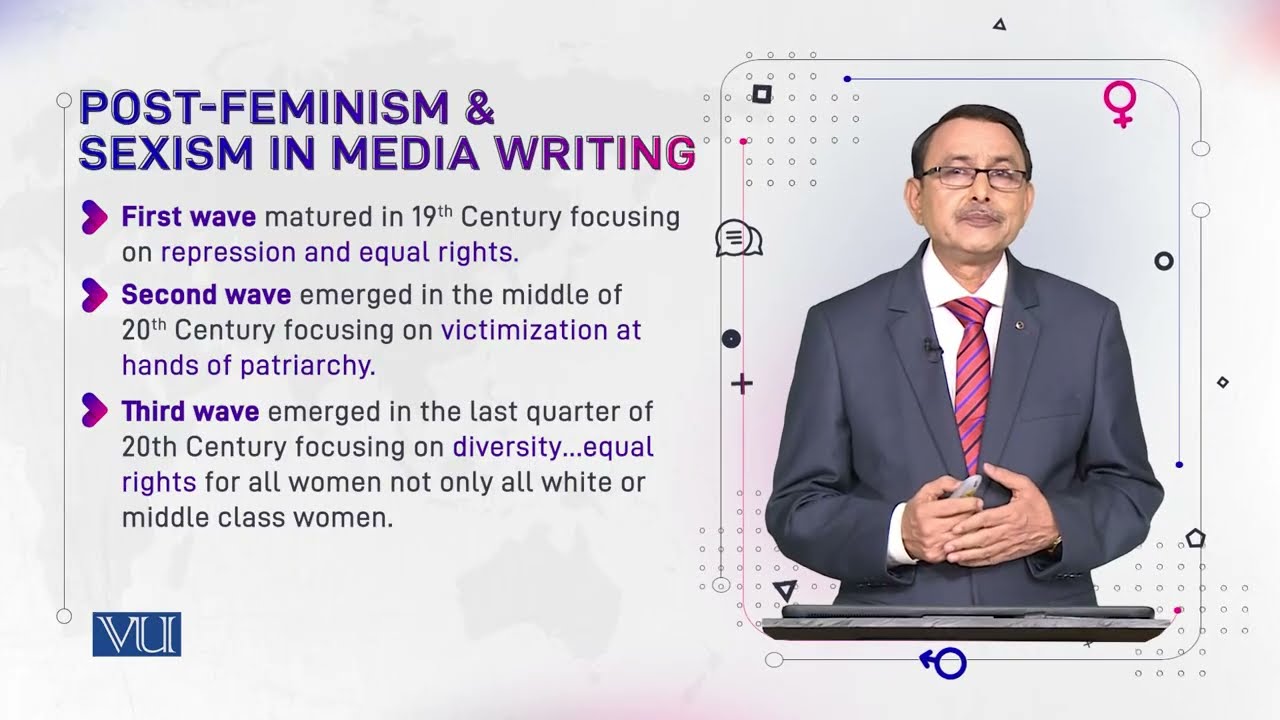
Added:Feminist Media Theory: Understanding how gender roles, stereotypes, and female representation are constructed and critiqued in popular culture.
The Concept of Postfeminism: Familiarity with the cultural shift that frames female empowerment through consumer choice, sexual liberation, and individual agency rather than collective political action.
Commodity Feminism and Consumerism: Knowing how advertising and media co-opt feminist ideas to sell products and associate liberation with material wealth.
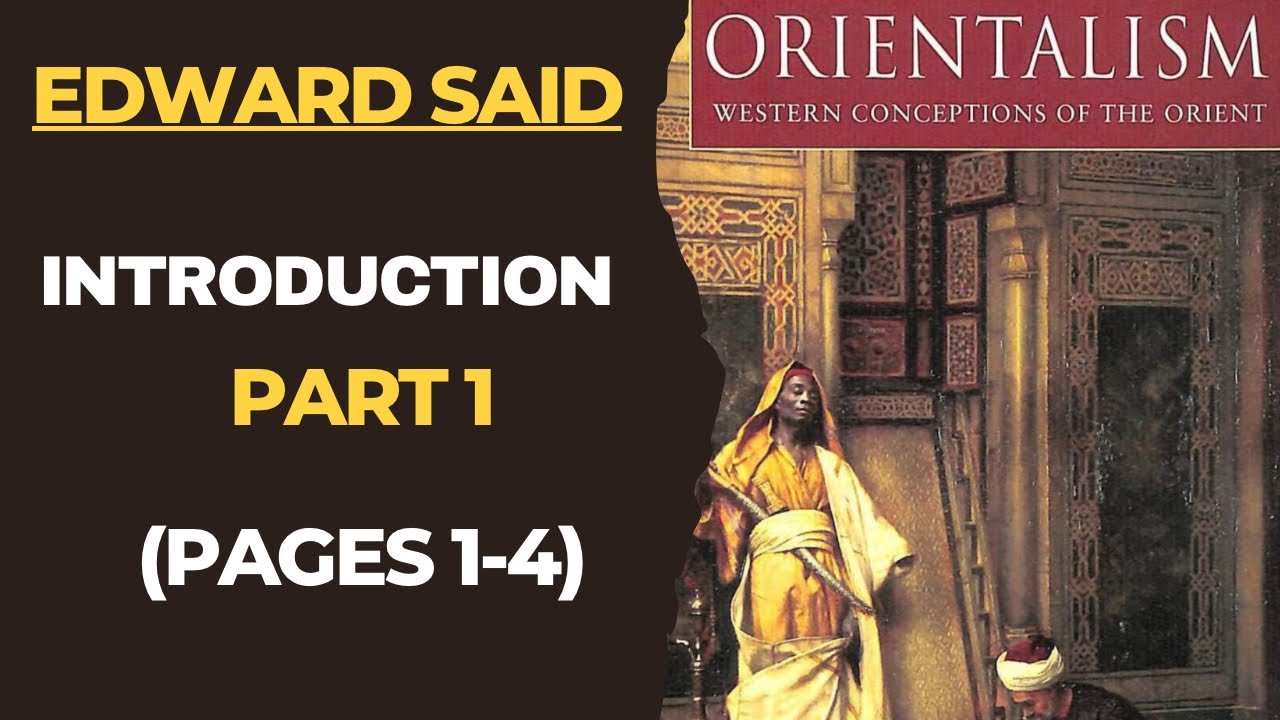
Introduction to Orientalism: Understanding Edward Said's concept of how Western media historically exoticizes, homogenizes, and misrepresents Middle Eastern cultures, which is highly relevant to the film's Abu Dhabi setting.
Neoliberal Feminism: Exploring how contemporary media encourages women to focus on self-optimization, individual career success, and market-driven empowerment rather than systemic change.
Intersectional Media Analysis: Examining how race, class, and sexuality intersect with gender in media, particularly looking at the exclusions inherent in wealthy, white-centric feminist narratives.
Comparative Textual Analysis: Applying these critical frameworks to analyze other consumer-driven or travel-centric media properties (such as 'Emily in Paris' or 'White Lotus').
The Political Economy of Media: Investigating how global media conglomerates profit from exporting specific Western ideals of gender, lifestyle, and luxury to international audiences.
1.1M views22.4Klikes31:36Original Release: 2024-02-18
When I was a kid, I wasn't allowed to watch Sex in the City, cruelly trapped behind the horrors of a conveniently early bedtime.
And so, as forbidden media, it inevitably fascinated me. Later, when I was able to watch it in full as an adult in a shiny free world, I thought it was okay. It was in some moments surprising, relatable, embarrassing, and very explicit, but it stank more of aspirational consumerism than anything else, which bought me because they were buying ugly heels instead of, I don't know, hit games for the PS2.
Like if Carrie bought an eyetoy into her fancy apartment, I would have been like oh, okay girl, but the outfits and stuff were just not particularly to my taste. I was more of a Tweed Blazer Enthusiast.
I watched Annie Hall once and kind of something happened within me but that's that's that's not relevant don't worry about that so was refreshing as it must have been at the time for women to have a TV series as Frank and as focused on a successful group of female friends speaking openly about their sexual problems with cocktails women walk around thinking we and their version of we is me and my dick totally at the show to an impeccable Modern Woman Like Me felt like less of a truly meaningful exploration of the female experience than it seemed to really want to be nevertheless I loved Miranda's sneering sarcasm, Samantha's Camp boldness, Charlotte's eternal sweetness, and Carrie's gentle nodding and smiling whenever the aformentioned women say and do stuff. Mmmm! Sex and the city was a show for better or worse that incapsulated the era and quickly entered the cannon of iconic television no sooner had Rick 9 plus entered the chat room that he got a message from his favorite onscreen pal Big Tool for you 4 years after it ended in the glorious year of 2008 they made a Sex in the City movie but by now it had become a bit dull the woman had their husbands almost and The Vibes had deflated we're going to gloss over that one though because it's 2010 follow-up Sex in the City 2 is really weird and it's weird in a way that makes me personally insane let me reveal to you it's esteemed Tale the movie is about the four women taking a trip to Abu Dhabi but it starts here at a gay [Music] wedding okay it's a gay wedding one of the biggest tragedies of this movie is that the first 20 minutes are really quite fun it lows you into a false sense of security you think damn okay Sex in the City too is good maybe it opens with Carrie reminiscing about the first time she met her friends Miranda's 8s fit here is transcendent she she looks good then we get to listen to a song about how this is Sex in the City so true that that is what I'm watching for Real uh this song immediately Delights me this is good stuff this is what this is what music is for this is what music is all about then we attend the wedding of Anthony and Stanford and it is so welld designed and beautiful they have swans they have an unbelievable able [Music] choir and then guess what Liza drop Liza's here thank you Liza Manelli she performs Beyonce Single Ladies and in this moment I'm in Bliss I'm thinking okay this movie rocks sing Ladi sing unfortunately this is the movie's Peak it has slayed too soon we must now begin our desent to hell Charlotte the gentle most uptight member of the group after a few minutes of the movie spraying the words gay wedding at us like a zookeeper hosing down the Hogs gay wedding gay wedding gay wedding gay wedding gay wedding will you please stop referring to this as a gay wedding tells her friends guys we actually need to be more woke I think you guys aren't quite woke enough for me right now it's a gay wedding I figured what's one more little bitch with an attitude guys shouldn't we be a little bit more PC Anthony her friend in one half of the gay wedding that is now about to happen says this can you believe this place it looks like the Snow Queen exploded an extremely not non-pc comment like a completely uncontroversial and non edgy comment and big hears that and it's like damn how was that for PC this guy this guy is so edgy take that Charlotte do not try to be more woke around me my name is Big this is the thing about sex in the city it presents a light edginess wherever it can and I guess in this case where it can't The Conspirator mockery of Charlotte as a concept is maybe the point everyone here is like Oh Charlotte you policeman you but you know she didn't do anything worthy of rebelling against here and indeed no one rebelled it's it's extremely limp why is this here I don't know this little sideways wink at something edgy is tragic in contrast with the original show too watching its first episode now is still so arresting and so direct it it still feels different and weird and Powerful there's not one woman in New York who hasn't turned down 10 wonderful guys because they were too short or too fat or too poor I have been out with some of those guys the short fat poor ones it makes absolutely no difference they are just as self-centered and unappreciative as the good-looking ones why don't these women just marry a fat guy why don't they just marry a big fat tub of lard you know we're looking carry in the eyes something was going on here something that very much included a jazz soundtrack but by 200 eight The Vibes are no longer CTIC they're just sad moments later Carrie gives her friends a lecture after they discover that Anthony is allowed to cheat St forgets the wedding of his dreams and I get to cheat whatever that means Carrie chides them for being a bit confused and uncomfortable with this comment because Carrie as it turns out is our true woke spokeswoman when it comes to cheating it's not really any of our business she loves to do it she loves to support it anyway obviously if they actually have an understanding it's hardly cheating but the movie leaves us pretty pretty unclear on what the situation actually is FYI Anthony's out there telling people he's a lot to cheat I know he hates the tradition so he pushes against it so he is allowed to cheat yes but only in the 45 states where we're not legally married okay but for real bro what is the nature of your sexual relationship please tell all your friends now I don't know what's going on and it frightens me Carrie notices that she's listed by her married name at this wedding and acts a bit weird about it. What? Nothing, I'm just surprised not to be Bradshaw your wedding Carrie can shrug this off for now because Liza is here though so we move sideways to begin Miranda's plot thread which is that she be on that phone hey I'm kiss in here I I have to it's from him at 19 minutes in we have the first sex of the Sex in the City 2 movie congratulations and Samantha's plotline is as you will already know if you have any familiarity with the show uh that she is interested in having sex it's bold it's groundbreaking it's crazy but for now it's normal the status quo is being established the other women have relationship problems and Samantha lives a blissful life of never remembering a man's name now it's time for our fourth woman to encounter her conflict and so here enters the cringiest plot point in history her nanny has big wobbling boobs and get this she's Irish I he it was quite the Glorious WD it was this is a hate crime interestingly the problem surrounding this is instigated not by Charlotte's own well-established neurotic sensibilities but by her friends simply choosing to ruin her life there ought to be a law against hiring a nanny that looks like that yeah the Jude Law their comments infect her with a mind virus known collo Leia's anxiety and she is instantly seeing adulterous images in her mind after Charlotte's friends laugh and joke we look over at all of their men and every single one of them is gazing directly at this woman's chest it seems it wasn't only the children that were captivated by Charlotte's Irish nanny and her Lucky Charms this plunges us into one of the true Dark Places of this movie because it presents these learing men barely containing their slobbering dog brains as if this is simply the natural way of things they couldn't possibly do anything else and in fact we will not even be discussing it ladies get serious please begin the castration ritual back at home starts to get a little bit pissed off big wants to sit on the couch big wants to stay at home big wants to watch TV damn that's sad it's 4:30 where should I make reservations any Cravings don't we have anything to eat here is this a bad time to say that I think Carrie has bad taste by the way this outfit is stinky let's just stay home okay Carry and big exchange anniversary gifts and his gift is a TV Carrie's very sad when she sees the TV me too girl that TV is too small you guys are rich why don't you get a big TV don't you want to see every pixel of nomeo and Juliet clearly you know so you can really enjoy the craft no okay back in the Miranda Zone Miranda's still on their phone sit down please and have some breakfast I can't Steve does not like his wife being on their phone so he says baby please please quit your job and spend time with me please you can stay home with me Life's Too Short go some place where they appreciate you until you find a better job you can be home and help out of run house and Miranda's like Steve I am a lawyer I'm a lawyer I don't really know why he's suggesting that she stops having a job it's sort of framed as this job in particular is bad and Steve seems way into the idea of her just not having a job at all instead of like maybe having a different job he's just so quick to jump to this stay home with me baby but never mind cuz her boss immediately has a sexism moment so she quits is there a problem I don't know no is there did you have something you like to say to me in private I don't know that it needs to be in private and now she can chill with her son and man as long as she wants Miranda's conflict is over as soon as it started where's now our first prize goes to Brady for his Mouse maze my son now she can have fun and Vibe forever yay meanwhile Charlotte experiences a sickening moment when she walks in on her husband spraying water on their Nanny's [Music] chest this is too much for me I have to pause I have to go get myself a special drink and take the hottest shower possible to blast the sticky sad feeling out of my body at this point don't let this stuff happen to Charlotte please she has my sweet little creature I cannot allow this I can't stand it she calls Carrie for advice do I have anything to worry about and it's genuinely hard to watch because it's like yes girl you should be worried and I am telling you right now that Charlotte and her husband literally do not discuss this once in the movie not even once this movie is about never communicating with men just kind of existing around them like a fine Mist Charlotte weeps in the cupboard overwhelmed by both the nanny situation and her two screaming little children and then the nanny herself Aaron saves her by swooping in to assume the workload yay thank you booby Woman This Moment is sort of nice Erin is a good woman big bouncing breasts or not but Charlotte remains a kicked dog never thinking of ripping her husband to shreds with her bare teeth not even once Charlotte not even just to try it Carrie talks to Samantha about her problem which is my husband likes watching TV you know the television and the ordering in it's just getting a little too Mr and Mrs married and it's funny seeing this directly after Charlotte's moment of absolute weeping despair just watch some TV like the rest of us carry just plop down in front of the TV and watch a classic Simpson set just watch dental plan Lisa needs braces okay it's fine it's okay but maybe I'm being too cruel to carry because in the next scene big actually does behave like a weird petulant baby boss the two are supposed to attend a movie premiere but Big's not in the mood because Market values have dropped today the market fell 100 points and now I have to get dressed up and go to some Hollywood thing a would a baby dropped his Market Val use he makes the mistake of being wildly passive aggressive about it and so Carrie makes him go after all well if you want to spend time with me we'll stay here at our home which you made so perfect this is somewhat undermined by what she says in the next scene together is this because I'm a bitch wife who nags you but I'm getting ahead of myself in a way Carrie is allowed by the movie to have the most interesting problem being bored of her husband of only one year by the way girl it is not looking good and so it's not about the TV it's about feeling that she's becoming dull and listless and tired and sick to death of this bloke nevertheless this TV moment feels so incredibly stupid especially when Dr depose with what the other ladies are experiencing come on girl you're sounding weird the couple fight and Carrie decides to spend a day or two at her old apartment which they just they still have for some reason they just they just have two apartments Samantha of course has no problems she swerves some agism is that maybe a little young and wears a youthful dress to the red carpet where she bumps into Miley Cyrus who is wearing the exact same thing in this moment we think uh-oh disaster uh-oh embarrassing but Miley is cool about it and everyone collaps because female solidarity is real and true and the real friends were the Miley Cyrus as we never met along the way sometimes a girlfriend is a girl you've never even met Samantha gets invited by some guy to visit the United Arab Emirates because that's just how she lives have you ever been to the United Arab Emirates no and I could kick myself and so our four women are dropped into the news that they are about to go on an exotic trip Hold On Tight please there will be turbulence before that Sweet Escape though Caren must swallow in one last sad scene with her sad husband it's just going to be you and me every night for the rest of our lives and I think that we are going to have to work on the sparkle for the rest of our lives do not think this couple like each other very much okay Carrie real question now why do you hate comfort and chilling why do you make life so difficult for yourself why do you refuse to dull the pain and instead only enhance it why not lie on the goddamn couch Carrie big comes up with the idea of only cohabiting some of the time because he liked when Carrie went over to her old apartment but Carrie finds US frightening marriage doesn't work like that I thought we were supposed to be making up our own rules it's interesting to me that because car's words and ideas frame everything we see in the Sex in the City Universe her inner World tends to be more heavily explored than the other ladies while Miranda Samantha and Charlotte can be the uptight girl boss the sex ha and the prissy romantic respectively are you saying you're just going to give up on love Carrie can take on these and any other kind of traits to operate as a fully rounded freak in this plotline Carrie is bored and annoyed in a sort of aimless way that's quite annoying to watch but that does speak to a real muddiness that can come up in our relation ships your weird mean behaviors can come from some kind of confusing emotional space that might be extremely obvious in retrospect but fully nonsense in the moment I think that could be really interesting and cool but the movie doesn't really do that much with it car's being extra but the deeper issue is a bit of personal existentialism who am I beyond this glitzy character who am I as a wife now in some way less a person and more a solid strange half to a man what have I lost still it disappoints me because because there are plenty of interesting ways to explore how the individual identity might be constructed and warped and shattered and mangled through a big relationship with a man or through the looming passing of time and its effects on your status as a sexy cool icon but the movie only offers a narrative Saran rep here we're not really concerned with thinking about much beyond the idea that sometimes women be worrying anyway damn it sucks when my husband is not horny dead the ladies are off to the UAE now where Samantha is immediately punished by having her HRT confiscated you got to be kidding me I am sorry it is just a UAE law but they're all natural they're made from yams ladies these are not frugs you cannot take estrogen and Abu Dhabi nasty girl so finally Begins the movie's problem for Samantha experiencing the menopause let's go without those creams and vitamins I will go ricocheting back into menop Miranda's main thing while on the trip is to become a brand new Abu Dhabi expert hey what's the hold up we got a lot of Abu Dhabi to do Abu Dhabi do she is the vector through which we will experience information about the local culture dates are the traditional welcome fruit of the Middle East I read that in one of these I am ready for your wisdom Miranda Read Wikipedia pages about Abu Dhabi to me now men and women do not Embrace in public in the Middle East she could do anything now that she's job a few interesting moments happen in our introduction to the concept of being in the Middle East one om Jal says that the rugby team have many many balls do they also bring their balls yes they have many many balls two the women worry that Samantha will be arrested for being horny hopefully this doesn't happen three Charlotte uses her maiden name York as opposed to her married name golden blood because she's worried about anti-Semitism um York what happened to uh golden blood it's the Middle East it's the new Middle East it's the Middle East we don't come back to this but it is a funny line to just include and four the women see and discuss a fully covered woman there she is the robes are called a bias and the veil that covers everything except the eyes is a neam certainly Cuts back on the botox bill so this place is exotic strange and restrictive to them they are at once excited to be here and Loosely concerned about how they might get arrested or hate Crim women are different here they wear these things women are required to dress in in a way that does not attract sexual attention it's fascinating and perhaps a bit scary but we pay it no mind right now except for some jokes a lift for every fry do not buy illegal fake watches by the way men may approach you with black market Mis watches if you engage them they will move you into a room and try to sell you other items it is illegal other than that you'll not have to worry people here are very honest which character will later fall victim to this dark trap place your bets now speaking of jokes Carrie bumps to her Sexy Ex Aiden at the market and there in the middle of old Abu Dhabi was an old love Aiden uh-oh this is the best Mirage that I've ever had damn me when I see the woman who cheated on me to get with her greasy husband I guess just a blissful experience they Embrace and Carrie absolutely has to indulge in a very funny joke is this allowed here very good Carrie Aiden says he has a meeting with some Abu Dhabi business BLS they don't cotton to the ladies at the lunches and car's like I knew I should have packed my burqa. Damn she's really doing her tight five right now and no one can keep her down. so Aiden invites Carrie to go for dinner and we return to the other women ogling men at the pool for a moment a brief glimpse of Joy although this alarms Samantha because she is for once not extremely aroused I have a whole pool of testosterone from Down Under And I'm not feeling anything down under since they're at the pool they must now discuss the bini Miranda I'm at the pool what am I supposed to wear how about a bini yeah they have him at the gift shop what if we wore that damn that would be crazy and then we're treated to an Arabian kns ass version of the sex and City theme [Music] shoot because the ladies are getting on camels now camel camel camel camel camel camel camel this on camels is where women are meant to be unfortunately Charlotte is desperately trying to get cell service to talk to her husband and make sure he's not spraying women again or worse can you hear me now Harry Miranda I'm so she cannot truly enjoy the camels and this is the powerful women's moral coming into play here if you make your life too much about your husband you will not be able to enjoy your camel and that ain't right the next thing they know after they're done with their camels is that car's book all about marriage has been slammed in the New Yorker until The Talented Bradshaw is better able to grasp the complexities of married life she would be better advised to explore the vow of silence Miranda takes this opportunity to vocalize a sort of thematic link that the movie is interested in men in the US pretend they're comfortable with strong women but really A lot of them would prefer us eating french fries behind our veils word Kong there we have it fellas the movie's thesis about women anyway forget that Carrie is going to cheat on her husband now and Charlotte knows it why are you having dinner with him honestly Charlotte was always my favorite Woman as a kid precisely because she's the only one who would say Carrie you shouldn't cheat on your husband Carrie it's wrong to do that Carrie I think you're playing with fire Charlotte has some semblance of morals and perhaps that's why she must be punished by car's cruel retort here oh my God now I'm fing with fire all right you've gone crazy seriously you're you're crazy in Abu just because you're worried about your marriage everyone's going to cheat so this is too much she breaks down for a while she's done and this scene makes me so sad she's just genuinely devastated by this exchange a Charlotte it's okay baby you okay yeah just really really tired I'm going to take a nap fortunately we get a really sweet moment from Miranda here who takes Charlotte out for a little drink and compels her to just let it all out she talks about how guilty she feels because her biggest concern and all of this was losing her nanny when I heard Samantha say that Harry was going to cheat on me with Aaron yeah my first thought was I can't lose the nanny this is probably the realest moment in the film just two women pulling the pain out of that chest I just feel like I'm failing all the time I'm not failing being a mother is hard oh my God it is so hard Miranda confesses as her emotional tribute that she misses her job being a mother is not enough I miss my job of course you do Miranda go get one Charlotte does a really cute laugh at the end of this convo and I hope one day she finds the strength to kill her stinky husband harrie and Aiden are having their ill-advised dinner together and Aiden starts talking about how his wife is so jealous and cautious of Carrie you know she always kind of kept one an eye on You The One That Got Away um that's epic bro anyway they make out and Carrie immediately starts freaking out because you know it's bad to cheat and so on she consults the ladies immediately and they will debate whether she should tell big with the reactions ranging from cheating is fine if it's just a kiss a kiss is nothing to I don't know if you should tell him because when I found out my husband cheated it was extremely painful now that I know it was only that one time yeah was the pain worth it I don't know yeah I don't know to um I don't know I'm drunk I don't know I'm a little drunk ladies please be serious but Carrie despite this advice calls up her husband and says um I'm sorry sorry I cheated on you my ex-boyfriend so sorry baby it didn't mean anything and it lasted only a second girl you lie that's literally Aiden it's big Aiden that's that's literally Aiden that's literally Aiden big hangs up time the C CH that's a that's that's it now that everything is crumbling for our women except Miranda who just wants to get a job again what could possibly be happening to Samantha she gets arrested for what you may ask kissing I've been arrested a little kiss we did not have sex we were just kissing oh Samantha you naughty woman because of this they are effectively kicked out of their hotel and have to rush to the airport to go back home however idiot Carrie realizes she's lost her passport she does know exactly where she left it though so they all head to the market grab that passport nice and easy and fuck off except that somebody gets lured into a fake watch selling Zone did you guess who it was it was Charlotte she needs a gift for her undeserving big bald man and so the women head into the counterfeit room where Samantha due to intense off flashes brought on by her lack of HRT pills gets so hot and bothered that she takes the wrong bag the men for some reason immediately assume this was intentional and they chase after her ripping her bag from her hands and causing a million condoms to fall out into the street men around her booing and jering and she starts screaming at them condoms condoms yes condoms the men are scandalize and a Benny Hill Chase sequence follows but the women run into a room of burer wearing women a Lial space where men cease to exist these women must feel a powerful kinship with the New York for as they immediately reveal their faces and dis robe to show that underneath their burkers they are wearing big fashion outfits return Yes yes the whole group bonds over this fashion moment and also the land marks of New York and it turns out that the women also love Samantha's Antics that was quite a show outside terrible so disrespectful yes I quite enjoyed it it's funny that for the New Yorkers to bond with the Abu dhaban we must see that they are in fact just like us it seems to counteract Miranda's earlier expression of solidarity and connection among women under different circumstances and culture to have them actually literally turn out to be the same reading the same books wearing the same clothes it might be trying to express a fundamental connection between all women no matter their circumstances but it falls flat somewhat by transforming these women into simple imitations of Americans they're like cartoons it's weird I was going to show you a clip from the documentary Four Sisters which I saw at Tiff last year really really good and touching and weird film but it doesn't have any kind of digital or physical release yet so I'll just describe the scene instead I know that's lower but but I don't have a choice there's no way to show you the clip boo so the two sisters who still live in Tunisia because they didn't choose to join Islamic State talk about their experience with modest dress and they describe it in terms of relative and changing beliefs about both liking work workers and finding them restrictive one thing that interests me is that from both perspectives there was an understanding of rebellion because attitudes toward modest were was somewhat politically volatile when these girls were growing up so wearing the veil and being more Pious could feel more rebellious when the government pointed away from that and then Vice Versa we also see the interplay between the sisters as they describe how they loved making fun of each other for their different approaches to wearing these clothes and that's pretty funny it's complex and interesting and vast and we see both the fun they had and flirting with the edge of the expectations placed on them and the fear they had about being deviant about being seen as disgusting distasteful hypersexual women it's a moment where I felt really connected to them and it's a lot more than we love wearing ugly tops under our robes obviously no one expects good good thoughtful introspection into the strange relationship between rich white Americans and Muslim women from Abu Dhabi from Sex in the City too but all the same it's a striking depiction it constructs these women as a strange version of our normative gang and it's kind of fascinating why do they love Suzanne sumers so much like what's up but the Abu Dhabi women of sex and City to serve another purpose how will our ladies get past the mob of angry men who are apparently still lurking and seething out side well baby it's time for the most incredible idea ever dreamt of an idea that has never before occurred to a white person can you guess what it is that's right it's time for a burka Escape oh clear this way inspired so the women see that the other women are like them and then they become them for the Japes of it all but this daring burka Escape is not quite as inspired as car's next move I have an idea hold this what you doing I don't know This Woman's ideas are too met she cannot be stopped her leg is out and her brain is unfathomably large so thanks to Big Brain Carrie they make it onto the Plane Carrie drops another astonishing oneliner do you have anything to declare yes I'm a mess and everyone goes home Carrie gets home to an unthinkable husbandless void nothing worse than that no big no TV make Carrie something something big does show up though to car's great belief and finally we get to hear his response to car's philandering ways what does he do he gives her a big ring damn girl cheat more I guess get get those adultery Jewels big is the only one of the husband characters who has any reaction to a single event of the film and that reaction is to respond to car's weird cringe Behavior by laying on the charm and promising to prioritize keeping that sparkle in their marriage on one hand this is dull and unsatisfying I want punishment and I want drama but on the other other hand big has done enough nasty business in this relationship over the course of Sex in the City and its first movie that you know it's sort of nice but I think the only conclusion I can come to is that I want this couple sealed in a perspect box and sent down to the Mariana Trench just throw them down there I can't I can't can't do this anymore we see that Miranda learned that she should um have a good job and not a bad job Miranda learned that at the right Law Firm where her voice was valued she was also fun at work I think she actually you know I think she knew that from the beginning but okay samanth that has sex in the in the beautiful land of the free and the most egregious of the movie's conclusions comes last Charlotte doesn't have to worry about her husband's fully actualized perv Behavior because guess what the nanny is gay and Charlotte learned that she never really had anything to worry about turns out her hot Nanny preferred the company of other hot nanes we're not going to pack that one don't worry about that and here's car's py collusion at last here's what we learned about relationships from the women of Abu Dhabi Carrie has learned that her marriages like a veil as for me I began to think of marriage much like the Real Housewife of Abu Dhabi's veil. You have to take the tradition and decorate it your way. Damn girl maybe the New Yorker was right to roast you cuz that is the most cringe thing I've ever heard um that's Sex in the City two. there is a lot going on I like the camel I hate everything else they should have just cut it off at Liza they should have cut it off there - we all would have been happy
Up Next
7:23
Analyzing Needle Drops: Tarantino's Use of Music in Cinema
@iamthatroby
685.2K views•2020-05-07

20:12
Unfriended (2014) Screenlife Horror Film Analysis and Review
@theboredcyborg
372 views•2019-08-20
4:55
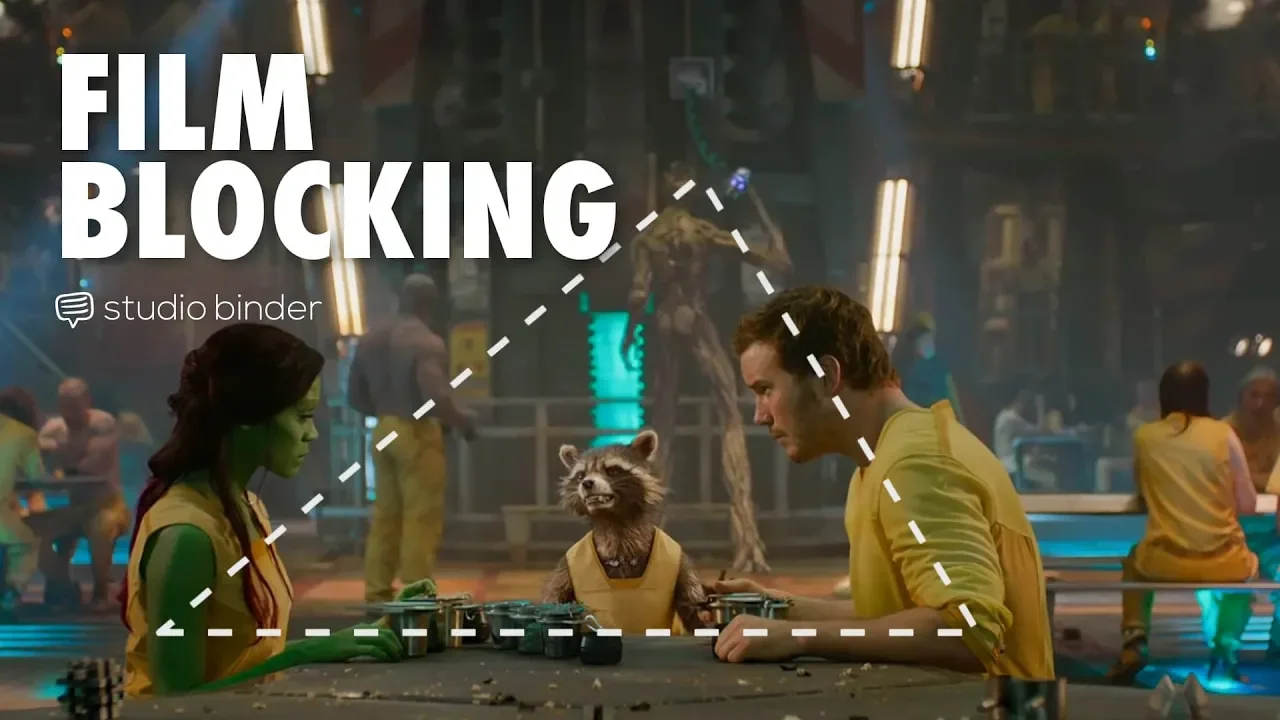
Film Blocking Techniques for Directors: Space, Shapes, Lines
@StudioBinder
1.9M views•2018-07-23

4:00
Evolution of Darth Vader: Anakin Skywalker's Animated Journey Across Star Wars Films
@TellItAnimated
13.4M views•2019-03-30
Related Study Plans & Knowledge Roadmaps
Structured learning paths in Film Analysis
film-analysis
Sensory Cinema: Foley, Haptic Sound & Texture
01Introduction to Film Sound and Foley Artistry
02Micro-Sounds, Textures, and Extreme Amplification
03Haptic Audition and Film Phenomenology
+ 1 more learning modules
12h4 modules
Explore Roadmap
film-analysis
Breaking the Fourth Wall: Mockumentary & Satire
01The Invisible Wall: Basics of Cinematic Illusion
02Looking at the Lens: Direct Address & Character Glances
03The Mockumentary: Satire, Realism, and Complicity
+ 2 more learning modules
12h5 modules
Explore Roadmap
film-analysis
Analyzing the Long Take: Cinema, Space & Ethics
01Foundations of Film Grammar: Montage vs. The Long Take
02Choreography and Mechanics of the Simulated One-Shot
03Phenomenology of Film: Real-Time Spatial Continuity
+ 1 more learning modules
14h4 modules
Explore Roadmap
film-analysis
Anachronistic Music: Period Drama & Subversion
01Foundations of Film Sound and the 'Needle Drop'
02Traditional Authenticity vs. Revisionist History
03The Rise of the Anachronistic Soundtrack
+ 2 more learning modules
12h5 modules
Explore Roadmap