Visual Barriers: Framing & Alienation in Cinema
Learning Goal: Analyze the implementation of frame-within-a-frame compositions, reflective surfaces, and architectural thresholds in domestic dramas to interpret how internal visual barriers symbolize emotional alienation and voyeurism.
- Prerequisites: None (Introduction to Film Studies level)
- Estimated Study Time: 12 hours
Module 1: Foundations of Mise-en-Scène and Visual Storytelling
This module establishes the foundational vocabulary of cinema. You will learn the core concepts of mise-en-scène and discover how directors and cinematographers construct 3D depth and psychological subtext on a flat, 2D screen. By understanding how space is blocked, lit, and bounded, you will begin to read the cinematic frame as an active psychological landscape rather than a passive window.
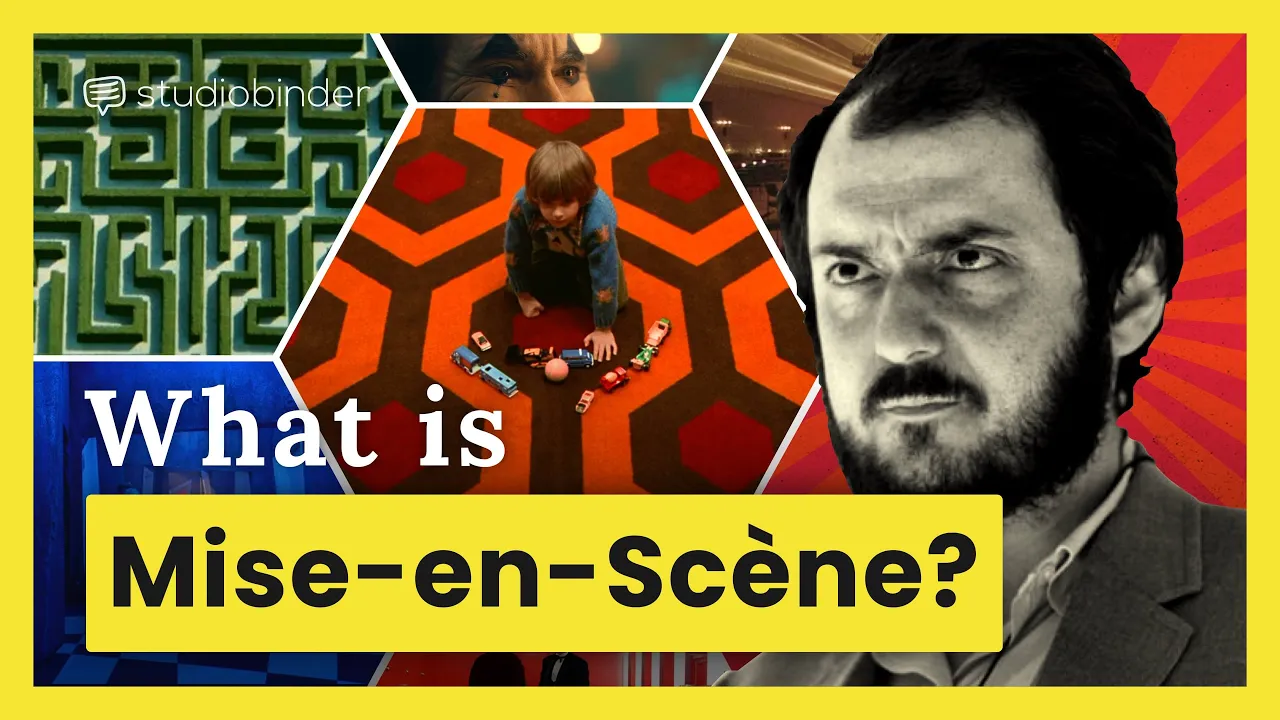
Why this video
This video is the premier starting point for mastering mise-en-scène. It dissects how every element within the frame—from set design and props to lighting, costume, and spatial composition—works in unison to communicate narrative depth. For our curriculum, it introduces the critical vocabulary needed to dissect how physical objects are arranged to project internal psychology.
- Identify the five key components of mise-en-scène.
- Explain how production design and set dressing establish a character's emotional reality before a single line of dialogue is spoken.
- Differentiate between open and closed framing and how they manipulate our perception of a character's freedom.

Why this video
This video transitions your understanding from general staging to the geometry of composition. It explains how compositional choices direct the viewer's eye, control emotional responses, and establish relationships. Understanding these geometry-based rules is a prerequisite for analyzing how "breaking" or "blocking" these rules with visual barriers creates cognitive friction.
- Define the Rule of Thirds, leading lines, and symmetrical framing.
- Explain how camera composition alters the power dynamics between characters in a dramatic scene.
- Discuss how empty space (negative space) can be used to suggest isolation.

Why this video
This concise guide introduces the physical choreography of actors relative to the camera—known as blocking. It shows how the physical distance and shapes formed by actors' bodies in space communicate emotional dynamics, serving as the primer for understanding spatial division.
- Define cinematic "blocking" and explain its role in visual storytelling.
- Describe how spatial distance between characters acts as a visual metaphor for emotional proximity.
Module 2: Frame-Within-a-Frame and Spatial Division
With the foundations of mise-en-scène established, this module explores how filmmakers deliberately partition the screen. By utilizing architectural elements like doorways, windows, partitions, and furniture, directors create internal visual boundaries. You will analyze how these "frames within frames" truncate space to symbolize entrapment, highlight emotional distance, and split characters into isolated pockets of the composition.
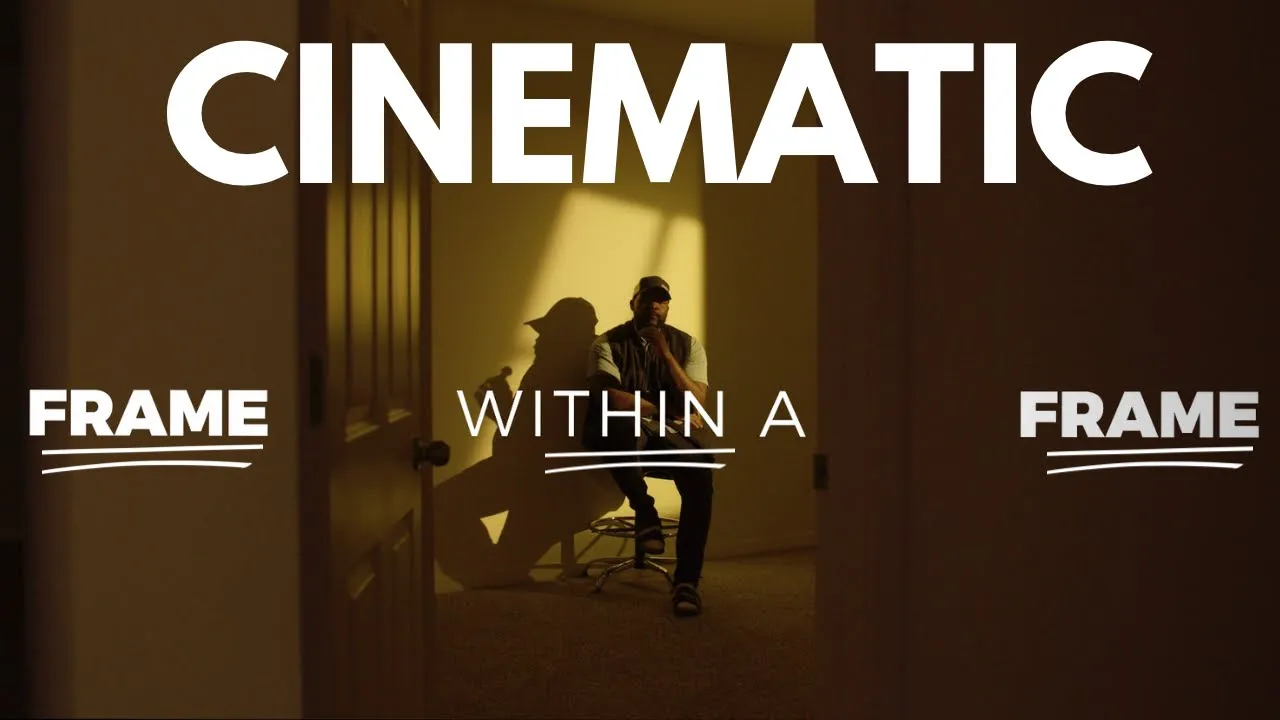
Why this video
This video explains the mechanics of the "frame-within-a-frame" technique. It walks through how natural or structural elements create physical and psychological boundaries around subjects, which is the foundational tool for establishing domestic isolation on screen.
- List three common architectural or environmental elements used to construct a secondary frame.
- Explain how frame-within-a-frame compositions add a sense of three-dimensional depth to a flat image.
- Analyze how a secondary frame physically constricts a character to symbolize a lack of agency or psychological entrapment.
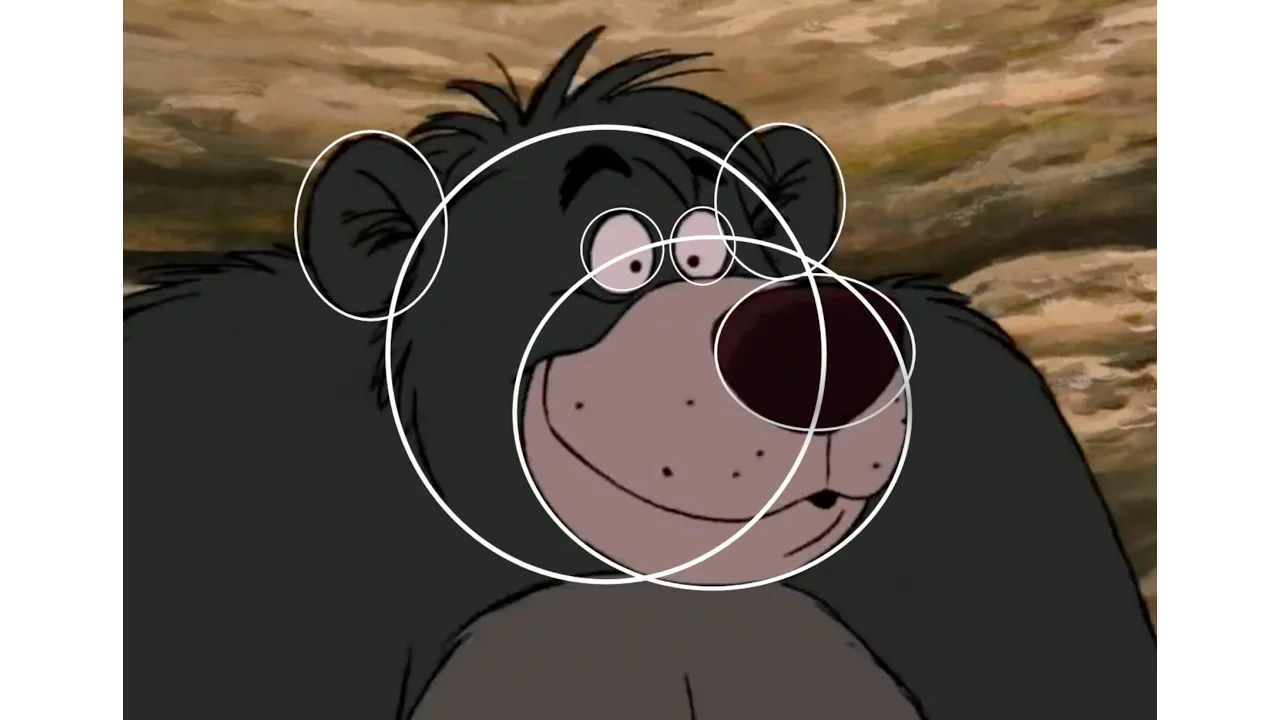
Why this video
This resource explores how basic geometric shapes embedded in composition manipulate viewer emotions. It connects internal rectangular frames directly with the subtext of psychological confinement, reinforcing the visual theory of structural entrapment.
- Identify how rectangular and square geometries are utilized within a frame to communicate themes of confinement and rigidity.
- Explain the psychological connection between sharp internal angles and character discomfort.

Why this video
This close analysis of a dialogue scene provides a masterclass in spatial division. It demonstrates how filmmakers place physical barriers—like kitchen counters, wall dividers, and doorframes—between characters during conversations to signal their deteriorating relationship and emotional gridlock.
- Describe how filmmakers use physical household barriers to split a single room into distinct psychological zones.
- Analyze how shifting character blocking across spatial boundaries mirrors the shifting balance of power or distance in a relationship.
- Identify the role of color palettes in compounding the sense of separation within a divided frame.
Module 3: Reflective Surfaces: Duality and Emotional Detachment
This module investigates the symbolic use of reflective surfaces—including mirrors, windows, and glass panels. Unlike direct framing, reflections introduce psychological distortion, represent fragmented identities, and highlight emotional detachment. You will learn how shooting through glass or capturing a character's mirror image externalizes their inner turmoil, presenting them as detached observers of their own lives.
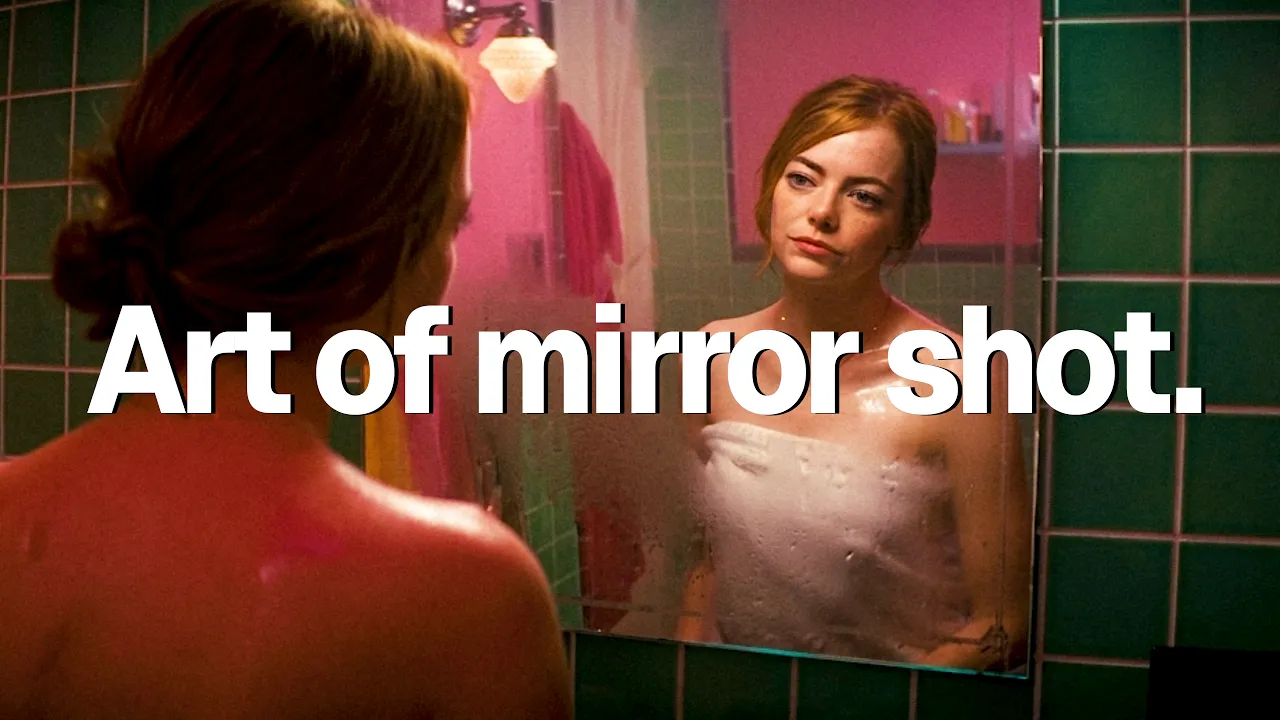
Why this video
This video essay explores the psychological and narrative weight of cinematic mirrors. It details how filmmakers bypass direct capture to show reflections, thereby signaling themes of self-confrontation, fractured identity, deceit, and existential detachment.
- Explain how a mirrored reflection can represent a character’s alter-ego, double life, or hidden psychological state.
- Describe the difference in dramatic meaning between a character looking directly at another character versus looking at their reflection in a mirror.
- Analyze how a cracked or distorted mirror visualizes a character’s psychological fragmentation.

Why this video
Featuring industry professional John de Borman, this masterclass clip discusses the real-world application of shooting through glass and using reflections as poetic narrative devices. It offers practical insights into how these setups layer complex emotional meaning over simple interactions.
- Describe how shooting through car windows or shop glass superimposes the external world onto the character's face, creating a visual sense of detachment.
- Explain how capturing a reflection allows a filmmaker to show a subject and their focal point in the same frame without cutting.

Why this video
Wong Kar-wai is a master of emotional alienation and melancholic distance, utilizing glass, reflections, and frames-within-frames. This video deconstructs his visual style, showing how moody reflections capture characters who are physically close but emotionally separated by barriers.
- Explain how Wong Kar-wai uses glass panels and mirror reflections to emphasize longing and isolation.
- Describe how shooting through reflective boundaries changes the aesthetic texture of a scene, creating a dreamlike or melancholic distance.
🔍 Independent Study Gap
Note on Reflective Surfaces in Drama: While these videos highlight the psychological utility of reflections, cinematic essays often focus heavily on sci-fi or blockbusters. To deepen your analysis of domestic drama, perform an independent search for:
"Mirrors and glass reflections cinematography visual metaphor"- Find and watch scenes from Todd Haynes' Carol (2015) or Ingmar Bergman's Persona (1966) to see how reflections are used to convey profound intimate detachment.
Module 4: Architectural Thresholds in Domestic Melodramas
Domestic melodramas rely on the home as a site of psychological confinement rather than safety. This module investigates how household layouts, tight corridors, staircases, and door frames serve as physical blockades that represent marital alienation, familial isolation, and societal pressure. We focus specifically on how directors like Douglas Sirk and Wong Kar-wai use domestic spaces to mirror their characters' internal traps.

Why this video
Douglas Sirk revolutionized the 1950s Hollywood melodrama by using highly stylized, artificial mise-en-scène to critique suburban domesticity. This video explains how Sirk used mirrors, windows, and heavy architectural frameworks to highlight the trapped, hollow existences of his characters.
- Define "Sirkian melodrama" and explain why artificial sets are crucial to its visual theme.
- Describe how Sirk utilized home interiors (doorways, stairs, windowpanes) to represent the domestic sphere as an emotional prison.
- Connect Sirk's use of vibrant but unnatural lighting with the thematic feeling of alienation.

Why this video
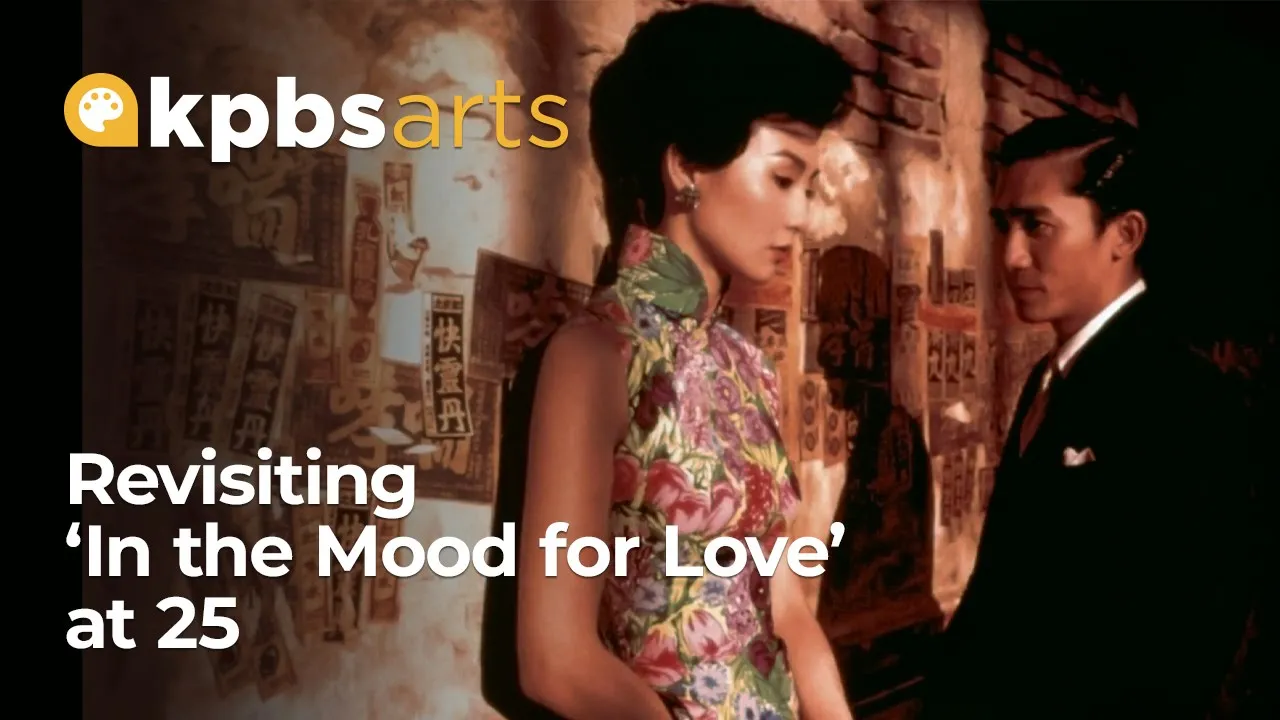
This short essay introduces the framing techniques used in Wong Kar-wai's In the Mood for Love. It illustrates how the film's repetitive camera setups and cramped hallways isolate its two main characters, trapping them in a visual rhythm that reflects their emotional stagnation.
- Explain how repeating specific camera angles in the same tight corridor mirrors the characters' emotional gridlock.
- Describe how the narrow framing of domestic corridors physically restricts character movement and interaction.
Why this video
This archival featurette highlights the paradox at the heart of In the Mood for Love: two individuals living as neighbors in extremely close quarters, yet remain profoundly lonely and isolated. It sets up the core theme of how architectural proximity can emphasize emotional distance.
- Explain the paradox of "crowded isolation" within shared domestic spaces as depicted in the film.
- Analyze how the layout of the apartment building acts as a physical barrier to the characters' intimacy.
🔍 Independent Study Gap
Note on Domestic Melodrama Analysis: The video clips for In the Mood for Love are brief. To fully grasp this module's concept, perform an independent search for:
"In the Mood for Love spatial isolation video essay""Douglas Sirk melodrama mise en scene visual barriers video essay"- Pay close attention to how Sirk's All That Heaven Allows (1955) uses window frames to simulate a television screen, locking the protagonist in a cage of suburban judgment.
Module 5: The Voyeuristic Gaze and Emotional Alienation
This capstone module synthesizes visual barrier techniques to explore the voyeuristic gaze. You will analyze how placing the camera behind glass, doorframes, and corridors positions the spectator as an uninvited observer (a voyeur). This setup emphasizes the unbridgeable gap between characters and highlights how visual barriers transform emotional alienation into a physical presence on screen.
Why this video
Laura Mulvey's seminal work on "the gaze" revolutionized film theory. In this interview, she discusses spectatorship, voyeurism, and the power dynamics of looking. Understanding her theories is critical for interpreting how visual barriers position us as voyeurs and how this dynamic relates to alienation.
- Define the "voyeuristic gaze" in cinema according to feminist film theory.
- Explain how classical Hollywood framing positions the audience as passive, invisible observers.
- Discuss how making the audience aware of their own voyeurism (through physical visual barriers blocking the view) can disrupt identification with characters.

Why this video
No director weaponized cinematic voyeurism more than Alfred Hitchcock. This video explores his precise camera placement and framing strategies. It outlines how Hitchcock made the act of looking central to his narratives, using physical boundaries to highlight the psychological chasm between the observer and the observed.
- Explain how Hitchcock uses windows, camera lenses, and binoculars as visual barriers that enable voyeurism.
- Describe the psychological link Hitchcock establishes between physical distance, spying, and emotional detachment.
- Analyze how a character’s obsession with looking through barriers serves as a defense mechanism against real intimacy.

Why this video
This video addresses camera placement, contrasting an observational, objective camera with an immersive, subjective one. It highlights how positioning the camera behind obstacles or outside a room creates a detached, voyeuristic viewpoint.
- Describe the camera placement choices that evoke a voyeuristic, documentary-style aesthetic.
- Explain how shooting through a doorway from an adjacent room affects the viewer's emotional connection to the characters.
- Analyze how this observational camera style visually communicates a character’s inability to connect with their surroundings.
🔍 Independent Study Gap
Note on Spectatorship and the Gaze: To deepen your exploration of voyeurism and alienation, perform an independent search for:
"Voyeurism and the gaze in cinema film analysis""Spatial isolation and architecture in domestic drama film theory"- Analyze how Todd Haynes' Safe (1995) or Chantal Akerman's Jeanne Dielman, 23 quai du Commerce, 1080 Bruxelles (1975) use a detached camera and clinical framing to construct a sense of isolation.
Course Map
Key People Index
- Douglas Sirk (1900–1987): A German-American director celebrated for his 1950s Hollywood melodramas (All That Heaven Allows, Written on the Wind, Imitation of Life). Sirk used stylized, artificial sets, complex mirror reflections, and architectural framing to critique the consumerism, repressed desires, and emotional alienation of suburban American life.
- Laura Mulvey (1941–Present): An influential British feminist film theorist. Her landmark essay, Visual Pleasure and Narrative Cinema (1975), introduced the concept of the "male gaze" and investigated how classical Hollywood cinema constructs patterns of voyeurism and spectatorship that objectify women and reinforce unequal power dynamics.
- Wong Kar-wai (1958–Present): A Hong Kong Second Wave filmmaker internationally renowned for his highly stylized, visually poetic dramas (In the Mood for Love, Chungking Express, Happy Together). Working with cinematographer Christopher Doyle, Wong frequently uses physical barriers, glass reflections, and cramped, recurring locations to express themes of unrequited love, temporal drift, and deep emotional isolation.
- Alfred Hitchcock (1899–1980): "The Master of Suspense," Hitchcock developed a highly precise style of visual grammar. His films (Rear Window, Vertigo, Psycho) frequently focus on the psychological mechanics of voyeurism, utilizing camera placements and physical boundaries to highlight the voyeuristic gaze and the emotional distance of his characters.
Final Self-Assessment
To complete this curriculum, you should be able to check off every item in this analytical assessment. Apply these questions to a domestic drama of your choice (e.g., Douglas Sirk's "All That Heaven Allows", Wong Kar-wai's "In the Mood for Love", or Todd Haynes' "Carol").
- Define Mise-en-Scène: Can you identify and explain the five key components of mise-en-scène in a given sequence?
- Analyze Blocking: Can you trace how the physical movement and positioning of actors relative to each other reveals their emotional dynamics?
- Identify Internal Frames: Can you spot at least three instances where a doorway, window, or piece of furniture acts as a secondary frame inside the primary camera shot?
- Deconstruct Spatial Division: Can you explain how a filmmaker utilizes household objects (like a kitchen partition) to split a couple into separate visual zones, illustrating their emotional divide?
- Interpret Reflective Metaphors: Can you analyze how a scene captured through a windowpane or in a mirror symbolizes a character's dual identity, inner conflict, or psychological fragmentation?
- Analyze Sirkian Artifice: Can you explain how the deliberate artificiality of set designs, lighting, and interior framing in a melodrama critiques domestic setups?
- Deconstruct Narrow Corridors: Can you demonstrate how tight domestic architecture (corridors, narrow stairwells) visually restricts characters to reinforce their psychological traps?
- Explain Voyeuristic Camera Placement: Can you identify shot compositions where the camera is placed behind glass or around a doorframe, positioning the audience as voyeurs?
- Synthesize the Gaze and Alienation: Can you explain how visual barriers transform the viewer's gaze into a voyeuristic act, highlighting the character's profound isolation?
- Write a Scene Analysis: Can you write a brief, 500-word analysis of a scene from a domestic drama, explaining how frame-within-a-frame compositions, reflective surfaces, and domestic thresholds combine to illustrate emotional detachment?