Wong Kar-Wai's filmmaking approach involves improvisational techniques where he writes dialogue on set and leaves scenes free of dialogue, creating space for audience imagination; his films explore themes of urban isolation and emotional suppression, where characters use external perfection to hide inner pain, and actors like Maggie Cheung and Tony Leung convey deep emotions through subtle expressions and eye contact rather than explicit dialogue.
In the Mood for Love at 25: Wong Kar-Wai's Cinematic Improvisation
Added:Deep Dive
Familiarity with Wong Kar-wai's signature aesthetic style, particularly his collaborations with cinematographer Christopher Doyle, characterized by vibrant color palettes, step-printing, and slow-motion sequences.
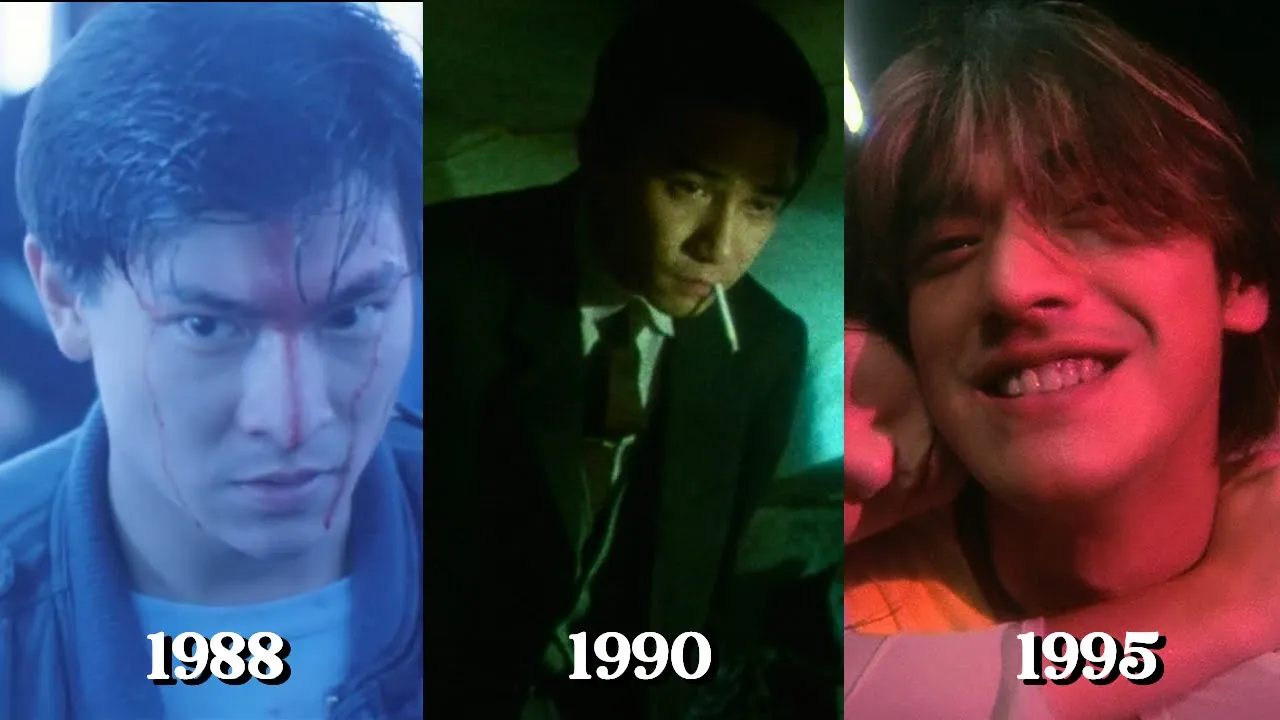
How Wong Kar-wai developed his distinct visual style
6.6K
Wong Kar-wai developed his distinctive visual style over his first five films (1988-1995) through collaborative partnerships, particularly with cinematographer Christopher Doyle, employing techniques such as step printing, bifurcated narrative structures, and deliberate color/black-and-white contrasts to create his signature aesthetic that defined Hong Kong New Wave cinema.
Click to watch →

杜可风:那个让王家卫成为王家卫的人|美国电影生拆解大师打光和摄影
1.3K
Christopher Doyle (Du Kong), a self-taught Australian cinematographer who collaborated with Wong Kar-wai on seven films, revolutionized Hong Kong cinema through his distinctive visual style characterized by handheld camera movement for intimacy, extreme wide-angle lenses and unconventional framing to create emotional tension, and innovative motion experimentation including step printing techniques that create dreamy slow-motion and blur effects; his lighting approach embraced Hong Kong's neon signs and practical sources to create atmospheric authenticity, while his philosophy centered on capturing human truth and experience through intimate, authentic cinematography that balances the familiar with the dreamlike.
Click to watch →
BFI at Home I Video Essay: The World of Wong Kar Wai
91.1K
Wong Kar Wai has developed a distinctive cinematic style combining the frenetic energy of MTV with the playful feel of the French New Wave while pushing boundaries in Hong Kong genre cinema. His visual language features shimmering landscapes saturated in striking colours and hazy neon lights, with languid sensuality interrupted by jump cuts and freeze frames. Technical innovations include undercranking (shooting at slower frame rates for faster playback) and step-printing (duplicating individual frames), disrupting the audience's sense of time passing. The subjective camera technique, where characters remain sharply focused while the chaotic world blurs around them, visually represents urban alienation. His improvisational approach avoids traditional scripts, preferring to write as he shoots and develop characters through collaboration. Key collaborators include cinematographer Christopher Doyle (seven films, bringing emotional sensitivity) and William Chang (multiple roles, understanding costumes communicate as powerfully as dialogue). This technical and collaborative approach creates dreamy atmospheres where characters appear lost in their thoughts while the world whirls around them.
Click to watch →
John Powers on the World of Wong Kar Wai || Sag Harbor Cinema Conversations
250
Two collaborators are essential to Wong Kar-Wai's distinctive visual style: Christopher Doyle as director of photography and William Chang as production designer, costume designer, and editor. Doyle brings wild energy and brilliance at capturing natural light, sharing Wong's eye for what to look at and how to frame it. Chang, whom Wong met before making films, creates virtually every visual element from costumes to hair and makeup, building sets precisely calibrated to Wong's needs. Their mind-meld understanding of each other's vision enables the extraordinary beauty that defines Wong's films, with Chang's contributions so integral that fashion critics requested pieces on the costumes from 'In the Mood for Love.'
Click to watch →

Le Monografie di Frusciante: Wong Kar-Wai (Aprile 2022)
42.4K
Wong Kar-wai's collaboration with director of photography Christopher Doyle began with Days of Being Wild and became one of the most significant partnerships in contemporary cinema. Doyle's work on Wong Kar-wai's films is characterized by saturated colors, innovative lighting, and a distinctive visual style that enhances the narrative. The collaboration represents a key element of Wong Kar-wai's filmmaking approach, where the technical and artistic elements work in harmony to create a unique cinematic experience.
Click to watch →
Deep Dive
A basic understanding of the plot and themes of the film 'In the Mood for Love' (2000), including its portrayal of 1960s Hong Kong, repressed desire, and nostalgia.
I'm ACTUALLY going to be in a Chinese video game
135.2K
In the Mood for Love is a 2000 romantic drama film directed, produced, and filmed by Wong Kar-wai. It is a co-production between Hong Kong and France. The film follows a man and a woman in 1962 Hong Kong who discover that their spouses are having an affair. The movie is 98 minutes long and is considered an extremely good film in the romantic drama genre.
Click to watch →

IN THE MOOD FOR LOVE (2000) Movie Review | Wong Kar Wai | Tony Leung | Maggie Cheung
11.5K
Wong Kar Wai's 'In the Mood for Love' (2000) is a cinematic masterpiece that explores unrequited desire through the story of two married neighbors in 1960s Hong Kong who discover their spouses are having an affair with each other; the film uses lush cinematography, elegant costumes, and a restrained narrative to create an aching sense of longing and yearning that defines its place as one of the greatest films of all time.
Click to watch →

TOP 100 Greatest Movies Ever Made (Ranked!)
125.2K
This beautiful, slow-burning story about feelings that grow in the quiet spaces between words follows two neighbors in Hong Kong who begin to suspect their spouses are having an affair. As they spend time together, they try to understand what happened without becoming the very thing that hurt them. The film is romantic but also restrained, like a love story made of self-control and longing.
Click to watch →

In the Mood For Love (Welcome to the Basement)
60.9K
In the Mood for Love explores the tragedy of repressed love through the story of Mr. Chow and Mrs. Chen, who discover their spouses are having an affair with each other's spouses. Despite falling in love and engaging in a non-sexual affair characterized by tentative handholding, they never act on their feelings. Mr. Chow moves to Singapore, leaving Mrs. Chen behind, because he knows he will never leave his wife and she will never leave her husband for him. This separation breaks everyone's heart, demonstrating how repressed desires lead to tragic outcomes. The film shows that staying with philandering spouses despite the opportunity to be together results in broken hearts and unfulfilled longing.
Click to watch →
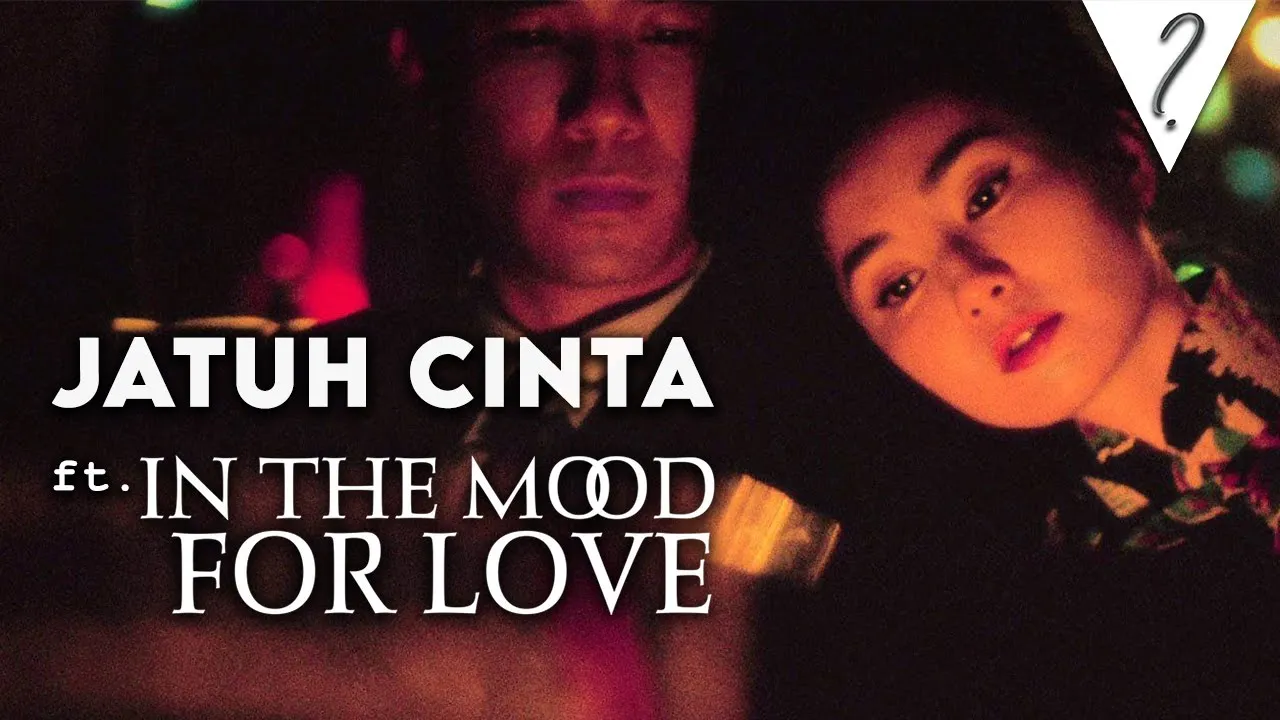
Filosofi "Jatuh Cinta" bersama In The Mood For Love
28.3K
Wong Kar Wai's In The Mood For Love explores forbidden love through two married couples in 1960s Hong Kong. The film uses visual storytelling techniques including Mrs. Chan's changing outfits to track time, deliberate ambiguity in scenes to reflect emotional confusion, and camera angles through barriers to create surveillance tension. Mr. Chow and Mrs. Chan develop platonic love without physical intimacy, choosing emotional connection over revenge. Their role-playing of each other's spouses helps them process betrayal. The film demonstrates that true love transcends circumstances, persisting even after separation, as shown when Chow still feels genuine connection years later.
Click to watch →
Deep Dive
Understanding the concept of cinematic improvisation, specifically how directors can work without a fully bound screenplay and rely instead on mood boards, music, and actor-led character development.
Cuando tu actor decide IMPROVISAR (...y queda aún mejor)
505.2K
Cinema is full of technique, design, and planning, but these moments remind us that a script also depends on risk, intuition, and the human spark that appears when no one expects it. Improvisation is the moment when an actor goes so deep into the character that a scene emerges from an indefinable place - neither from the script nor rehearsal, but from the soul of an artist. It's that instant when fiction becomes reality for a few seconds and characters seem to take possession of the moment as if they were alive, claiming their own story.
Click to watch →

🍿 10 IMPROVISACIONES que HICIERON historia en el cine – ¿RECONOCES TODAS?
75.4K
Directors can grant actors significant creative freedom to improvise, particularly for character development. In The Full Metal Jacket, Stanley Kubrick allowed Lee Ermey, originally hired as a technical advisor, to improvise insults and verbal abuse during filming. This approach creates authentic reactions from other actors who don't know what to expect, transforming a secondary character into the film's emotional core.
Click to watch →

Sebastian Silva and Cristobal Ross Talk to Film Students at W&M
1.4K
Improvisation in filmmaking requires knowing exactly what each character should achieve in each scene before allowing actors to improvise. Filmmakers must understand the specific outcome they want: what characters will discover, what they will say, and how they will react. Without this clear direction, improvisation can result in amateurish results. The best approach combines a solid screenplay with openness to improvisation.
Click to watch →
Léa Seydoux and Adèle Exarchopoulos Blue Is The Warmest Color DP30 interview
2K
The director employed 'controlled freedom' where actors were given space to improvise. Sometimes he was strict with the text, other times he would say 'forget the text' and encourage actors to be inventive. He would give minimal direction, sometimes just one instruction like 'you betrayed me' or 'you cheated on me.' Actors then had to execute scenes based on this brief guidance. This approach tests actors' ability to interpret and embody character motivations with limited external support, requiring strong internal understanding of the character.
Click to watch →

LIKE CRAZY Press Conference | Festival 2011
640
In improvisational filmmaking, actors must develop a complete understanding of their character so that everything they say becomes authentic to that person. The director explains that actors must trust the director's decisions while maintaining total understanding of who the character is. The process involves discovering what works best in each scene, where actors may reverse their original understanding of what a scene is about within 20 minutes. The director notes that scenes may change radically in how they are approached. The film was inspired by the director's own experiences in a long-distance relationship, with the actress writing much of the poem she performs in the film.
Click to watch →
Deep Dive
An introduction to the Hong Kong Second Wave film movement, which placed a high emphasis on expressive visual style and personal, reflective storytelling.

왕가위 영화의 효시 - "살수호접몽 (殺手蝴蝶夢, 1989)" 리뷰
1K
The Hong Kong New Wave was a revolutionary film movement that emerged in the late 1970s, characterized by young directors from television and overseas film education backgrounds who broke away from the traditional Shaw Brothers studio system. The movement is divided into two generations: the first generation (1979-1989) included directors like Tsui Hark and King, while the second generation (starting around 1989) included King and Wong Kar-wai. The movement shared common characteristics: location shooting instead of studio production, simultaneous recording, fast editing, incorporation of Hong Kong's urban reality, social anxieties, and mixed genres. King is unique among first-generation directors as he was influenced by both Hong Kong noir and European art house films, creating highly stylized visual works.
Click to watch →

Hong Kong New Wave Cinema
4.3K
The films of Hong Kong New Wave consisted of three separate waves: First Wave (late 70s to early 80s), Second Wave (mid 80s to early 90s), and Postmodern Wave (rest of 90s to early 2000s). The First Wave focused on crime, violence, and lost innocence, most relatable to America's mid-80s exploitation action genre. The Second Wave took an experimental character study approach with a bigger presence of romance.
Click to watch →

Streaming Passport to China | IMDbrief
2.2K
In the tradition of France or Italy, Hong Kong enjoyed its own new wave of filmmaking in the 1980s and 1990s that evolved and elevated the artistry of its style and storytelling. Director Wong Kar-Wai's two-part tale of lost lovers and love lost, Chungking Express, represents this movement and is now streaming on The Criterion Channel, demonstrating how Hong Kong cinema developed sophisticated artistic approaches during this period.
Click to watch →
How Wong Kar-wai developed his distinct visual style
6.6K
The Hong Kong New Wave emerged in the late 1980s as a distinctive cinematic movement characterized by artistic innovation and personal expression. Wong Kar-wai became an up-and-coming director within this movement, establishing himself through his debut film 'As Tears Go By' (1988). This film was shot by Andrew Lau, who later directed 'Infernal Affairs' (2002), which was adapted by Martin Scorsese into 'The Departed' (2006), winning Best Picture at the 79th Academy Awards. The New Wave represented a shift toward more personal, stylistic filmmaking in Hong Kong cinema.
Click to watch →

Wong Kar Wai at the Museum of Moving Image 2008 (Intro by Ang Lee)
64.7K
The Hong Kong New Wave was a transformative period in the film industry where filmmakers studied abroad (particularly in England and America) and returned to work in television, bringing new techniques and perspectives. This created a training environment where aspiring filmmakers could learn by watching films and working alongside established directors. The movement emphasized personal expression over commercial formulas, paving the way for innovative filmmakers like Wong Kar Wai.
Click to watch →
Prerequisite Knowledge
- Concept 01Familiarity with Wong Kar-wai's signature aesthetic style, particularly his collaborations with cinematographer Christopher Doyle, characterized by vibrant color palettes, step-printing, and slow-motion sequences.
- Concept 02A basic understanding of the plot and themes of the film 'In the Mood for Love' (2000), including its portrayal of 1960s Hong Kong, repressed desire, and nostalgia.
- Concept 03Understanding the concept of cinematic improvisation, specifically how directors can work without a fully bound screenplay and rely instead on mood boards, music, and actor-led character development.
- Concept 04An introduction to the Hong Kong Second Wave film movement, which placed a high emphasis on expressive visual style and personal, reflective storytelling.
Subsequent Learning
- Step 01In-depth analysis of Auteur Theory, examining how Wong Kar-wai's unconventional production methods solidify his status as an international auteur.
- Step 02An exploration of the collaborative dynamics between directors and actors, focusing on how Tony Leung and Maggie Cheung developed their understated, physical acting techniques under improvisational pressure.
- Step 03A study of the global legacy and cultural impact of 'In the Mood for Love' on contemporary filmmaking, fashion (specifically the revival of the Qipao/Cheongsam), and visual arts.
- Step 04Investigation into film preservation and restoration practices, understanding how 4K restoration projects maintain the original artistic intent of celluloid films for milestone anniversaries.
Style & Themes
Character Depth
Style & Themes
0:01Playing Section
- 1
Wong Kar-wai's improvisational filmmaking creates a unique, jazz-like atmosphere.
- 2
Isolation and loneliness unite the two central characters despite their circumstances.
The Critique of Scriptless Improvisation: Actor Strain and Narrative Overindulgence
While Wong Kar-wai's improvisational, scriptless approach in *In the Mood for Love* is celebrated for its organic atmosphere, it faces significant criticism from film theorists and industry professionals. Detractors argue that this method is highly inefficient and places an immense, sometimes exhausting psychological toll on the cast and crew. Lead actors Maggie Cheung and Tony Leung have expressed frustration over the grueling, multi-year shoot where they lacked clear character arcs or narrative direction. Additionally, critics contend that prioritizing mood and spontaneous aesthetics over a structured screenplay can result in narrative fragmentation, where coherent storytelling is sacrificed for visual indulgence. From a production standpoint, this chaotic methodology is often viewed as economically unsustainable, challenging the idealized myth of the auteur by highlighting the high human and financial costs of such unstructured filmmaking.
Deep Dive
In-depth analysis of Auteur Theory, examining how Wong Kar-wai's unconventional production methods solidify his status as an international auteur.

How Wong Kar-Wai Shoots A Film At 3 Budget Levels
208.7K
Wong Kar-Wai developed a distinctive directorial philosophy emphasizing character-centered storytelling and experimental visual techniques. Beginning as a screenwriter writing over 50 uncredited scripts, he found mentor Patrick Tam and wrote 'Final Victory.' His breakthrough came with 'As Tears Go By,' a low-budget gangster film breaking genre conventions by focusing on failed characters. He conceptualized characters first, then built stories around them, with locations serving as integral narrative components. His cinematographers introduced experimental techniques including step printing (shooting at 12fps and printing each frame twice), unconventional angles, and colored neon lighting. Wong chose 1.85:1 or 1.66:1 aspect ratios instead of widescreen. For 'In The Mood For Love,' he assembled collaborators including cinematographer Christopher Doyle, who employed detached cinematography using medium to longer focal lengths to create emotional isolation. His improvisational approach led to extended production timelines, with 'The Grandmaster' filmed over three years. Despite logistical challenges including film stock discontinuation, this method provided massive creative freedom to discover possibilities impossible to anticipate during pre-production planning.
Click to watch →
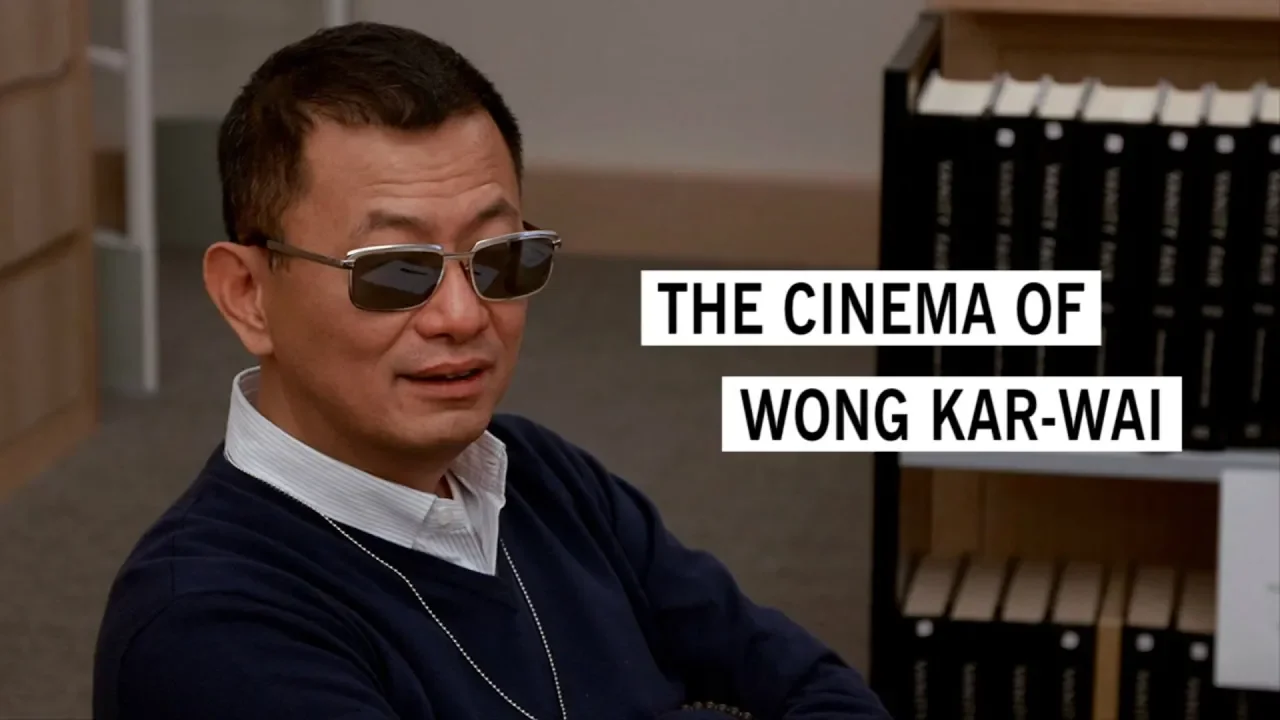
Ep. 1 - The Cinema of Wong Kar-wai
223K
Wong Kar-wai, a Hong Kong filmmaker and one of the greatest exponents of Chinese and oriental cinema, developed an unmistakable visual style characterized by shooting without finished scripts, creating atmospheres through a mix of colors, sounds, and lights to explore themes of love and loneliness. His films, such as 'Days of Being Wild' and 'In the Mood for Love,' use techniques like the steppe printing effect and focus on interior spaces to communicate character alienation and solitude. Collaborating with cinematographer Christopher Doyle and production designer William Chang, Wong Kar-wai created distinctive aesthetics that influenced acclaimed films worldwide, establishing him as a recognized auteur whose work tells experiences rather than traditional stories.
Click to watch →

How Wong Kar Wai Made Chungking Express With $0
828.3K
Wong Kar-wai's Chungking Express demonstrates that innovative filmmaking can emerge from practical constraints and creative experimentation; by embracing improvisation, working with limited resources, and focusing on atmospheric storytelling over elaborate productions, directors can create distinctive cinematic experiences that transcend budget limitations.
Click to watch →
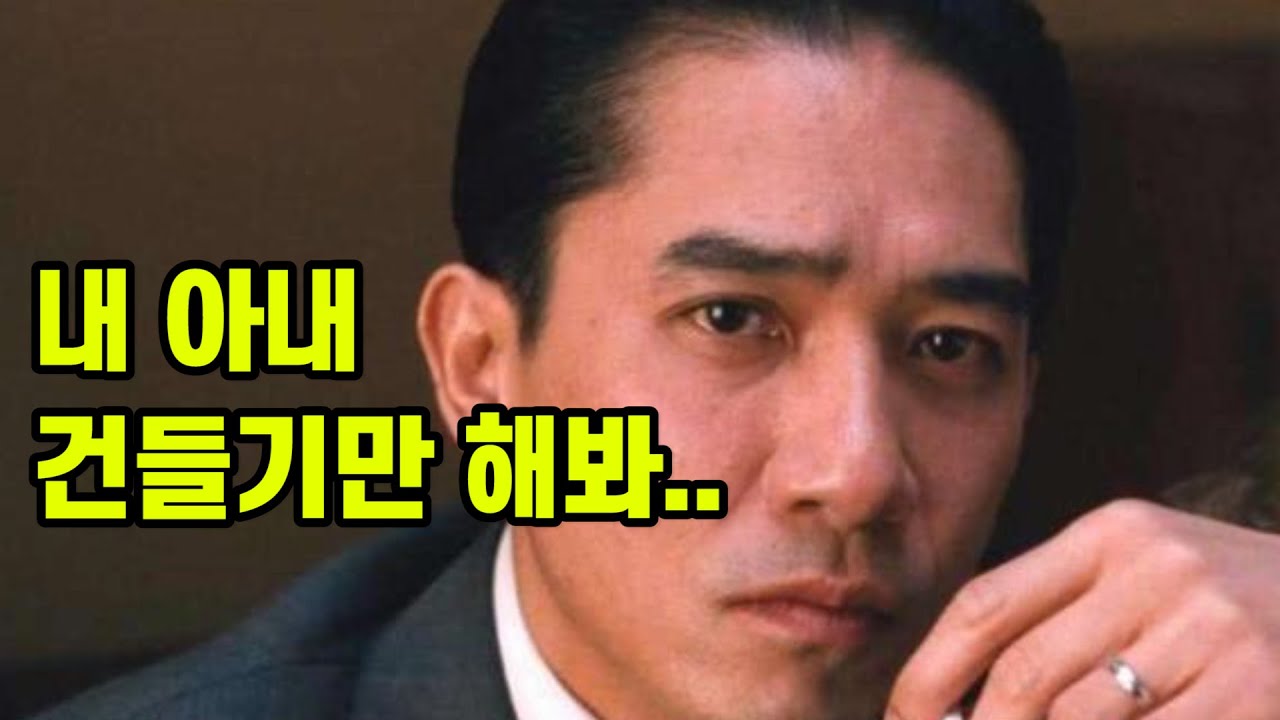
영화계가 놀란 양조위의 기적 같은 사랑
1.5M
Director Wong Kar-wai's unconventional filmmaking approach transformed Yang Chao Wei's career. In 'Chungking Express' (1994), Yang played a lonely policeman whose melancholic gaze emphasized isolation. The film's late global recognition on Netflix introduced it to younger audiences, leading to a sequel confirmed 25 years later. In 'In the Mood for Love' (2000), Wong's unconventional schedule kept actors in hotels for a month without scripts, forcing Yang to adapt to a gay character role. This led to Yang co-starring with Leslie Cheung, winning the Cannes Best Actor award. The film was ranked 2nd among the 21st Century's greatest films by BBC. Yang's non-verbal acting, particularly eating rice grains alone after Cheung leaves, exemplifies how subtle expressions create powerful character moments.
Click to watch →

Cine-Deathmatch su “In The Mood for Love” | Criticoni al Cinema
56.4K
Wong Kar-wai employs a Godardian approach to filmmaking, characterized by not having a rigid structure before production begins. He develops the film during the actual shooting process, which creates a unique and challenging production methodology. The film is shot predominantly at eye level for men, creating a visual perspective that emphasizes male dominance. The camera follows female characters at a lower angle, making them appear smaller and more subordinate. This technique creates a sense of the women being 'crushed' or dominated by the male gaze.
Click to watch →
Deep Dive
An exploration of the collaborative dynamics between directors and actors, focusing on how Tony Leung and Maggie Cheung developed their understated, physical acting techniques under improvisational pressure.

Wong Kar-wai's In the Mood for Love (2000) Analysis
360
The conception of Tony Leung's character changed substantially during production—from revengeful and cruel to more soulful, though the shadow remained. The cultural specificity contributes to wide international appeal—the film is very specific to a romanticized period with elements like Mrs. Suen speaking Shanghai and Mrs. Chan responding in Cantonese. However, the story of adultery, betrayal, love, passion, and desire is universal. Several scenes are role-playing or rehearsal scenes where characters imagine what their spouses might have done or said, exploring their feelings for each other in a safe way. The deleted sex scene between the main characters was cut before Cannes because Wong Kar-wai suddenly felt he didn't want to see them having sex. The decision creates ambiguity about whether they consummated their relationship. The costumes help actors get into character—Maggie Cheung felt uncomfortable in the dresses but this forced her to take smaller strides and sway her body more, helping her feel like somebody from the 1960s.
Click to watch →
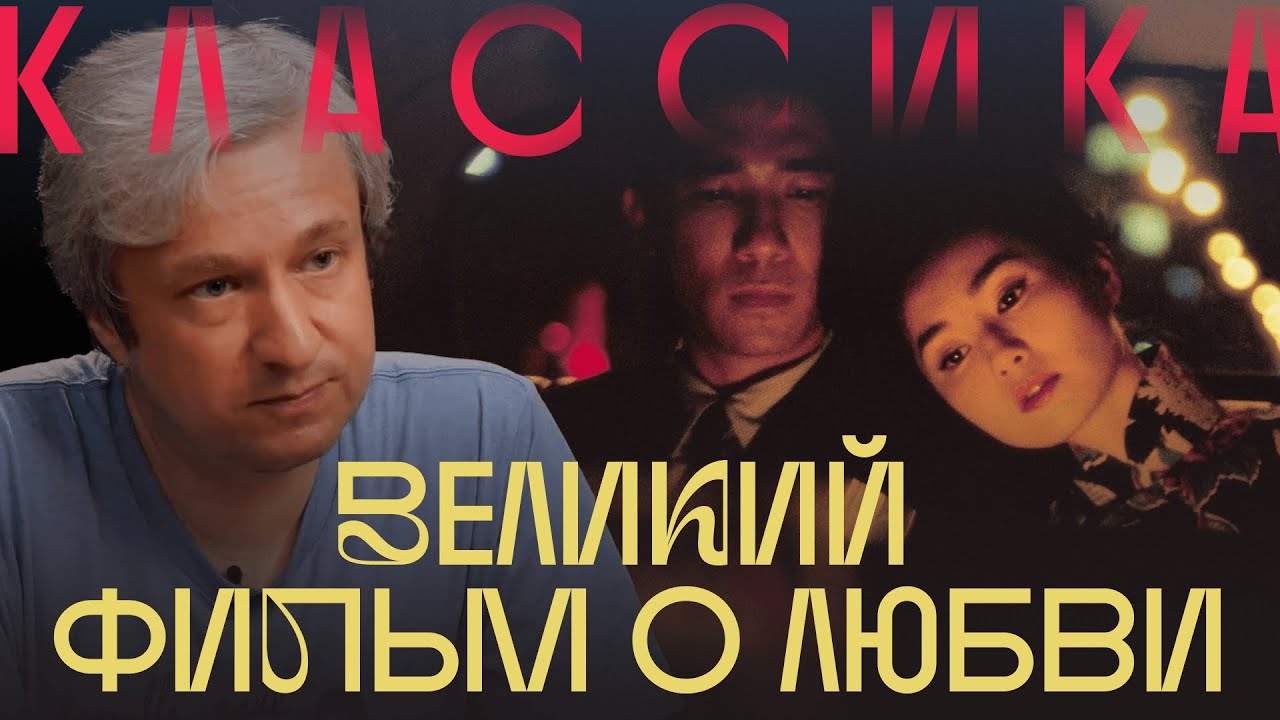
Самый красивый фильм. Антон Долин о «Любовном настроении»
156.4K
Tony Leung won the Best Actor award at Cannes for his role as Chow. Maggie Cheung, considered one of the most beautiful actresses in cinema history, portrayed Su Li-jen. She viewed 'In the Mood for Love' as the pinnacle of her career and subsequently reduced her acting work, believing the film's artistic achievement was her lasting legacy.
Click to watch →

Why In the Mood for Love Pushed Wong Kar Wai to the Edge
304.2K
Wong Kar-wai operates as a director who trusts actors' instincts rather than providing detailed instructions. He encourages actors to try different approaches, promising protection from failed experiments. Maggie Cheung, who had no acting background and began as a beauty pageant contestant, underwent a transformation in how she viewed herself physically during filming. Initially struggling with wardrobe restrictions and self-image concerns, she eventually embraced the role naturally after nine months of immersion. This collaborative trust enables creative risk-taking that produces authentic performances, demonstrating that successful acting partnerships require mutual respect and understanding of each party's working style.
Click to watch →
![[4K] 260402 침묵의친구 양조위 GV - 메가박스](https://i.ytimg.com/vi/5-cd_rdhOH8/maxresdefault.jpg)
[4K] 260402 침묵의친구 양조위 GV - 메가박스
593
The director explains his process for casting Tony Leung, conducting interviews without cameras to observe his authentic self. He discovered Leung to be interesting, truthful, humble, and wise. The director chose to offer Leung a role requiring silence and secrecy, depriving him of protective shields. The director trusted that this vulnerability would allow Leung to explore something interesting. For actors, exploring vulnerability and inner weaknesses is a journey of self-discovery that encompasses their entire career. The director believed Leung would excel at revealing his authentic self through this role.
Click to watch →
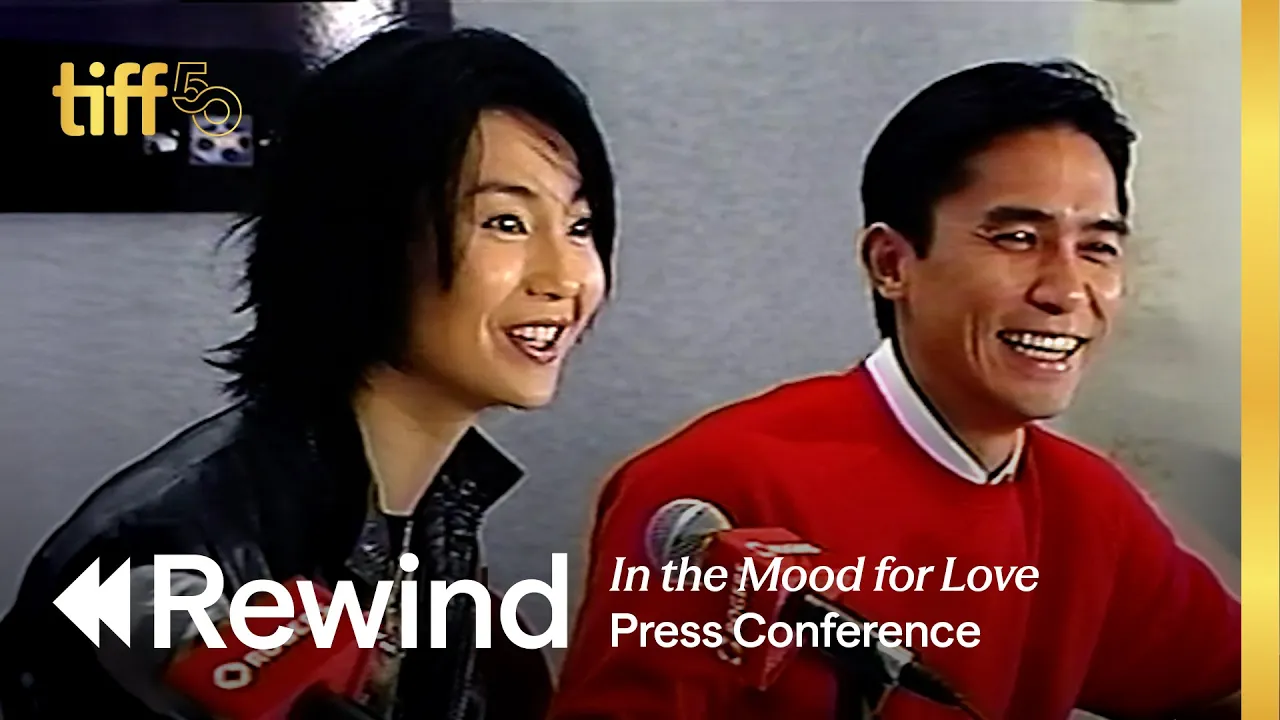
IN THE MOOD FOR LOVE | Press Conference (2000) | TIFF REWIND
22.6K
This press conference reveals how Wong Kar Wai's unique improvisational filmmaking approach transforms actors into active collaborators in character development, using period-specific costumes and restrained performances to create emotional depth; the actors discuss how the 15-month production process allowed them to fully embody their 1960s Hong Kong characters, with Maggie Cheung noting that after nine months in costume, the period details became natural, and Tony Leung explaining that working without a script requires trusting instincts rather than preparation, ultimately creating a more authentic and emotionally resonant film experience.
Click to watch →
Deep Dive
A study of the global legacy and cultural impact of 'In the Mood for Love' on contemporary filmmaking, fashion (specifically the revival of the Qipao/Cheongsam), and visual arts.

Why Qipao is So Elegant? The Story Behind Iconic Dress
362
China's reform and opening up (1978) allowed the Qipao to return, initially as formal wear for professionals. The 2000 film 'In the Mood for Love' revived global interest, with Maggie Cheung wearing 20 different Qipaos that captured Eastern femininity's restraint, grace, and sensuality. The Qipao became essential in modern Chinese weddings, with brides wearing dragon-phoenix gowns for ceremonies then changing to red Qipaos for toasts. Entering the 21st century, designers broke traditional boundaries: mandarin collars transformed into V-necks, decorative knots became abstract art, and silhouettes flowed into A-line or O-shapes. The Qipao remains the ultimate choice for special occasions, expressing Eastern elegance at weddings and international conferences while embodying 300 years of Chinese women's evolving journey from bound feet to global stage.
Click to watch →

TOP 6 ICONIC DRESSES that changed fashion forever!
27.2K
The qipao (also called zhongshan or mandarin dress) is one of the most easily recognized dresses due to its distinct style. Originating from Manchu women of the Qing dynasty, this Chinese-style wonder was modernized in its silhouette and gained extreme popularity both in China and worldwide during the fashion and culture heydays of 1920s to 1940s Shanghai. The qipao typically features a diagonal top, mandarin collar, detailed brocade fabric, and a side slit. During these decades, Shanghai's socialite girls began wearing it, and the city's fashion movies and music influenced audiences globally, making the qipao an internationally recognized symbol of Chinese fashion heritage.
Click to watch →
Wong Kar-wai's In the Mood for Love (2000) Analysis
360
In the Mood for Love uses visual language to show desire rather than telling—limited dialogue with much expressed through expressions, smiles, looks, and touches. Scenes in narrow staircases, tight doorways, reflections in mirrors, and hallways force characters into close quarters, visually building sexual tension. The film works hard to play up confinement, reflecting 1960s Hong Kong reality where living spaces forced people together with thin walls. In 2015, the Metropolitan Museum of Art held an exhibition called China Through the Looking Glass, with Wong Kar-wai as artistic director. Museum curator Andrew Bolton stated that In the Mood for Love perhaps has the greatest influence on designers, with no one having made the qipao look quite as beautiful as he did. Fashion designer Jean Paul Gaultier created a Chinese-inspired line for the fall 2001 Haute Couture collection. The film has been compared to Brief Encounter (1945) and Rear Window, with Wong Kar-wai admiring Brief Encounter for the longing and restraint.
Click to watch →

Qipao/cheongsam and knitwear in Chinese cinema
166
Costume design in Chinese cinema extends beyond visual aesthetics to represent history, politics, identity, and class. In In the Mood for Love, costume designer William Chang uses color symbolism (red for passion, green for emotional distance, blue for loneliness) and wardrobe coordination between characters to visually convey emotional connections. Mrs. Chan's wardrobe changes in color, fabric, and motifs while maintaining visual harmony, while Mr. Chow's minimal wardrobe reflects his reserved personality. The precise mid-century Hong Kong tailoring with narrow shoulders, defined waists, and floral motifs influenced by Shanghai couture and European textiles creates visual metaphors for character traits and social isolation.
Click to watch →

El qipao, la moda femenina en la película: In the Mood for Love
132
In Wong Kar Wai's film In the Mood for Love (1962), the qipao serves as a fundamental narrative device that reflects the protagonist's emotional journey, with 21 different qipaos used throughout the film to express her feelings through varying patterns, colors, and cuts, transforming traditional Chinese fashion into a visual language that conveys unspoken emotions and connects the film to broader cultural and historical contexts.
Click to watch →
Deep Dive
Investigation into film preservation and restoration practices, understanding how 4K restoration projects maintain the original artistic intent of celluloid films for milestone anniversaries.
Lost Forever: The Art of Film Preservation
159.3K
Celluloid film is not the world's strongest material and must be handled with extreme care. Any friction against the surface of moving film is likely to produce scratches that appear on screen as dark vertical lines. These defects can be removed using digital tools, which function like paintbrushes to erase imperfections. However, ethical considerations arise about whether restoration changes the film's original appearance. The guiding principle is to make films as good as the director intended without altering their fundamental artistic character.
Click to watch →
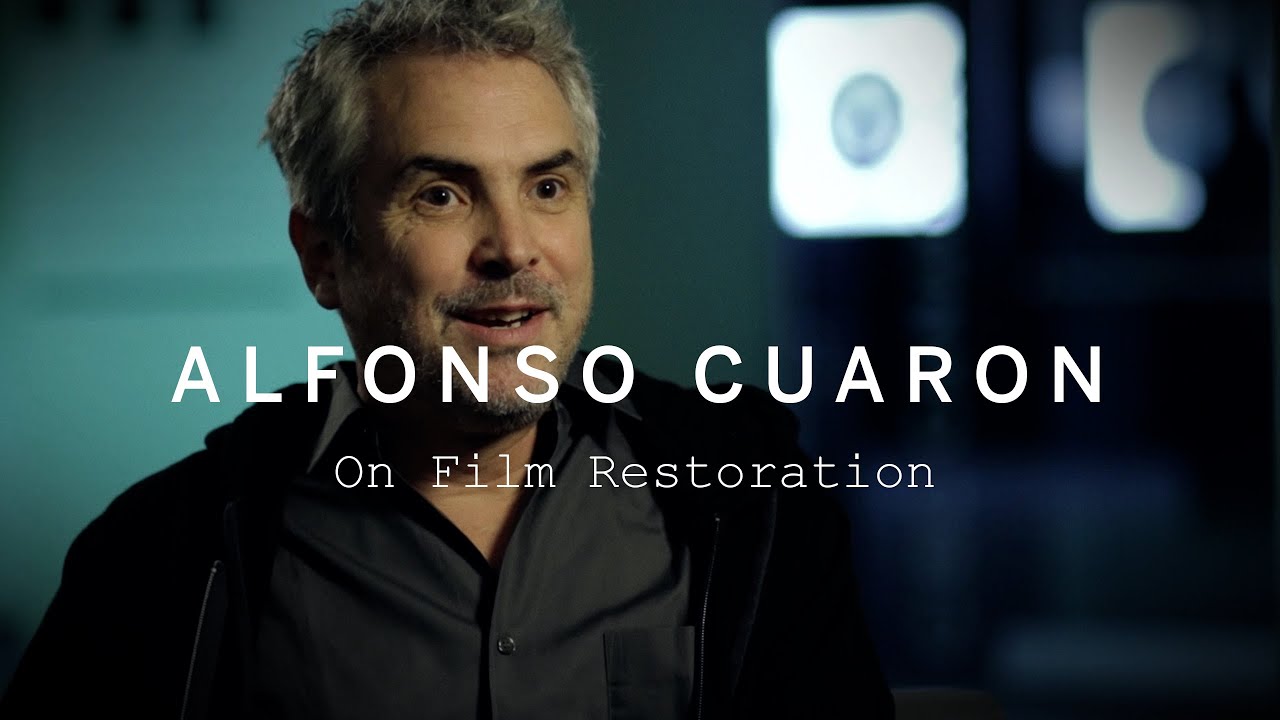
ALFONSO CUARON on Film Restoration | TIFF15
1.9K
Film restoration is essential because celluloid formats naturally decay over time, and digital formats become obsolete, making it crucial to preserve films in their original celluloid form to maintain the authentic texture, grain, and artistic integrity that new generations have lost appreciation for.
Click to watch →
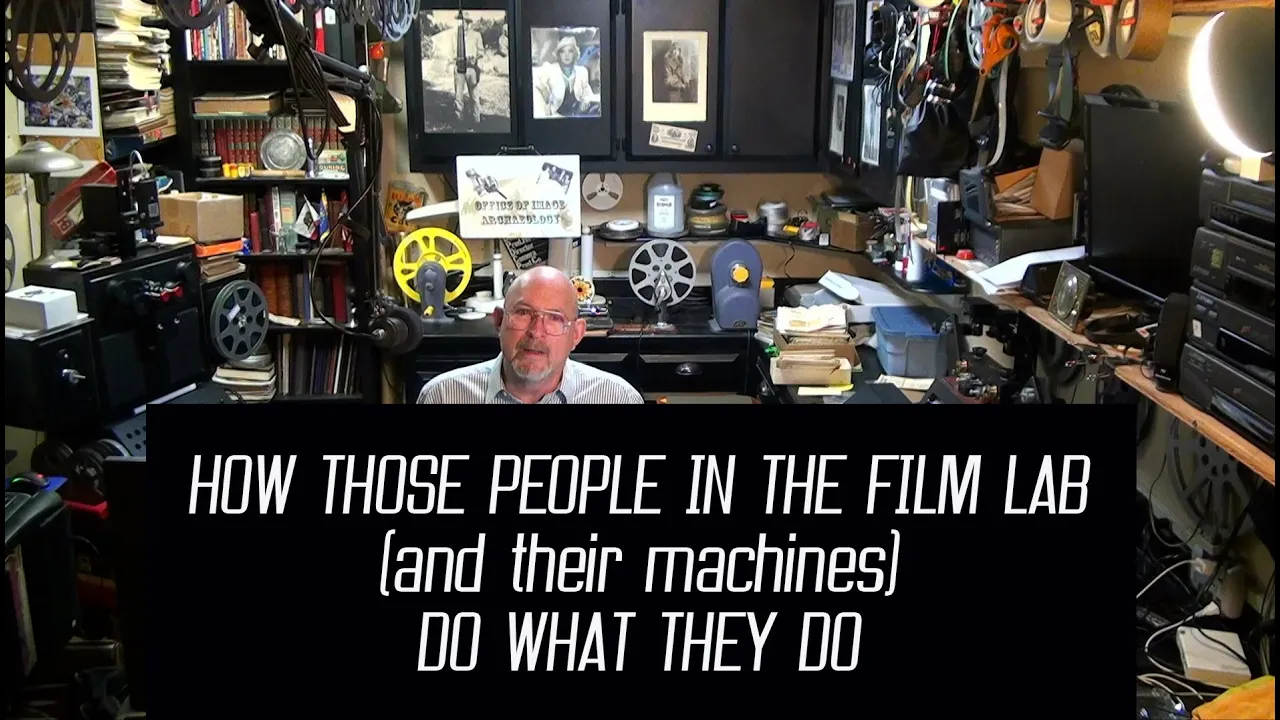
1974, HOW THOSE PEOPLE IN THE FILM LAB (and their machines) DO WHAT THEY DO
457
This educational video explains the complete workflow of traditional celluloid film processing in 1970s film laboratories, covering the submission process, color reversal development chemistry, work print creation, optical effects production, and answer print manufacturing, emphasizing the importance of clear communication between filmmakers and labs for successful film preservation and restoration.
Click to watch →

ORIGINAL STAR WARS 4K RESTORATION
340.2K
The restoration effort has been ongoing for 20+ years with the speaker always improving it. The restoration is about preserving the original film as it was made in 1977, not recreating it with modern technology. The restoration reveals that shots cut from the film for quality reasons actually had a whole life waiting for them that was never seen. The restoration shows that the original film was good enough to change how films are made, marketed, and influence culture.
Click to watch →

Conservar celuloide
13.4K
Traditional celluloid film should be stored in cool, dry, dark conditions with specific environmental parameters: for polyester film in black and white, maintain 30-50% relative humidity and 15-22°C temperature; for acetate and color film, keep temperatures between 0-7°C. Under ideal conditions, film can last 800-1500 years, but acetate film at 20°C and 50% humidity may deteriorate in just 50 years.
Click to watch →
Style & Themes
Character Depth
Style & Themes
0:01- 1
Wong Kar-wai's improvisational filmmaking creates a unique, jazz-like atmosphere.
- 2
Isolation and loneliness unite the two central characters despite their circumstances.
The Critique of Scriptless Improvisation: Actor Strain and Narrative Overindulgence
While Wong Kar-wai's improvisational, scriptless approach in *In the Mood for Love* is celebrated for its organic atmosphere, it faces significant criticism from film theorists and industry professionals. Detractors argue that this method is highly inefficient and places an immense, sometimes exhausting psychological toll on the cast and crew. Lead actors Maggie Cheung and Tony Leung have expressed frustration over the grueling, multi-year shoot where they lacked clear character arcs or narrative direction. Additionally, critics contend that prioritizing mood and spontaneous aesthetics over a structured screenplay can result in narrative fragmentation, where coherent storytelling is sacrificed for visual indulgence. From a production standpoint, this chaotic methodology is often viewed as economically unsustainable, challenging the idealized myth of the auteur by highlighting the high human and financial costs of such unstructured filmmaking.
Familiarity with Wong Kar-wai's signature aesthetic style, particularly his collaborations with cinematographer Christopher Doyle, characterized by vibrant color palettes, step-printing, and slow-motion sequences.
A basic understanding of the plot and themes of the film 'In the Mood for Love' (2000), including its portrayal of 1960s Hong Kong, repressed desire, and nostalgia.
Understanding the concept of cinematic improvisation, specifically how directors can work without a fully bound screenplay and rely instead on mood boards, music, and actor-led character development.
An introduction to the Hong Kong Second Wave film movement, which placed a high emphasis on expressive visual style and personal, reflective storytelling.
In-depth analysis of Auteur Theory, examining how Wong Kar-wai's unconventional production methods solidify his status as an international auteur.
An exploration of the collaborative dynamics between directors and actors, focusing on how Tony Leung and Maggie Cheung developed their understated, physical acting techniques under improvisational pressure.
A study of the global legacy and cultural impact of 'In the Mood for Love' on contemporary filmmaking, fashion (specifically the revival of the Qipao/Cheongsam), and visual arts.
Investigation into film preservation and restoration practices, understanding how 4K restoration projects maintain the original artistic intent of celluloid films for milestone anniversaries.
978 views14likes2:31@KPBSOriginal Release: 2025-08-26
[Music] In the mood for love turns 25 and it's only grown more intoxicating with age.
Hong Kong filmmaker Wong Carwai compares his films to jam sessions improvised on the spot.
>> I'm the band leader. I'm just keep everything in tune already.
>> He starts with just an idea and writes dialogue on the set as he shoots.
Sometimes he leaves a scene completely free of dialogue, says actress Maggie Chung.
>> But he's just constantly suggesting to the audience what's going on between them and it leaves a lot of space for the audience to imagine the rest. You feel you're an outsider that you're like peeping into the story of these two people.
>> In this case, two characters move into the same apartment building on the same day.
>> People seems to be very isolated. Even they seems like very close to each other, but they are very isolated. Tony Lung plays Mr. Chow opposite Chang's Mrs. Chan. These two strangers soon discover that their spouses are having an affair with each other. Even very early on when we did the scenes in a slow motion that we see each other in the stairs of the noodle stand, you know, we would look at each other but just kind of passing. You feel these two are very lonely people and what brought them together was the big crisis in their life and that other person is the only person that they can share it with.
For me, she is a deeply wounded person.
That's why she has developed into such a woman that she needs all that dressing up and that perfection in how she looks to kind of hide her sadness and pain and to look strong because she is so scared of being hurt again that she's reserving a lot of herself, not showing it to other people. And with Lung, you only need his eyes to express what's going on.
>> I think it's because of my own background that can express something through my eyes without saying a word.
Because I came from a broken family when I was a kid. I was very restrained and suppressed very much like the character in the mood for love.
>> In the mood for love is romantic but never sentimental. It sweeps you up in a rapturous style while exploring aching desires and the possibility and impossibility of love. Immerse yourself in this world while it's on the big screen at Digital Gym Cinema. Beth Akamando, KPBS News.
Up Next

68:36
Alfred Hitchcock's Voyeurism Trilogy: Film Analysis of Rear Window, Vertigo & Psycho
@nineteenthcenturycharitabl4315
196 views•2021-04-17

23:14
Visual Analysis Essay: How to Analyze Graphic Novels in College Writing
@nataliepleimann5941
1K views•2020-10-14
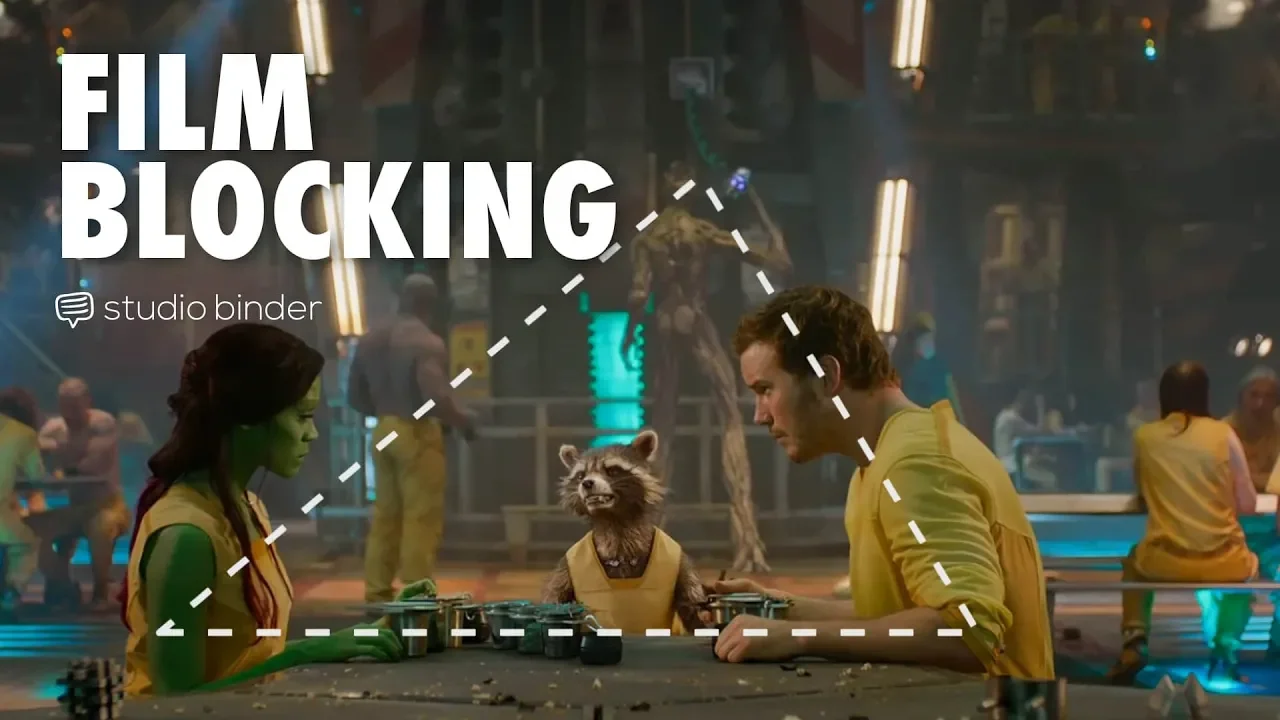
4:55
Film Blocking Techniques for Directors: Space, Shapes, Lines
@StudioBinder
1.9M views•2018-07-23

4:00
Evolution of Darth Vader: Anakin Skywalker's Animated Journey Across Star Wars Films
@TellItAnimated
13.4M views•2019-03-30
Related Study Plans & Knowledge Roadmaps
Structured learning paths in Film Analysis
film-analysis
Sensory Cinema: Foley, Haptic Sound & Texture
01Introduction to Film Sound and Foley Artistry
02Micro-Sounds, Textures, and Extreme Amplification
03Haptic Audition and Film Phenomenology
+ 1 more learning modules
12h4 modules
Explore Roadmap
film-analysis
Breaking the Fourth Wall: Mockumentary & Satire
01The Invisible Wall: Basics of Cinematic Illusion
02Looking at the Lens: Direct Address & Character Glances
03The Mockumentary: Satire, Realism, and Complicity
+ 2 more learning modules
12h5 modules
Explore Roadmap
film-analysis
Analyzing the Long Take: Cinema, Space & Ethics
01Foundations of Film Grammar: Montage vs. The Long Take
02Choreography and Mechanics of the Simulated One-Shot
03Phenomenology of Film: Real-Time Spatial Continuity
+ 1 more learning modules
14h4 modules
Explore Roadmap
film-analysis
Anachronistic Music: Period Drama & Subversion
01Foundations of Film Sound and the 'Needle Drop'
02Traditional Authenticity vs. Revisionist History
03The Rise of the Anachronistic Soundtrack
+ 2 more learning modules
12h5 modules
Explore Roadmap