Sensory Cinema: Foley, Haptic Sound & Texture
Learning Goal: Deconstruct the implementation of hyper-detailed Foley effects, amplified micro-sounds, and tactile acoustic design in sensory cinema to analyze how auditory textures evoke a haptic phenomenological connection between the viewer and the material world on screen.
- Prerequisites: A baseline understanding of film production terminology (diegetic/non-diegetic, editing cuts) and introductory cinematic theory.
- Estimated Total Study Time: 12 Hours
Module 1: Introduction to Film Sound and Foley Artistry
This module establishes the foundational principles of cinematic sound design, distinguishing between captured production audio and post-production Foley art. Students will learn how Foley artists physically perform and recreate material interactions (such as footsteps, fabric rustling, and object impacts) to build a credible, textured physical world on screen.
Recommended Videos
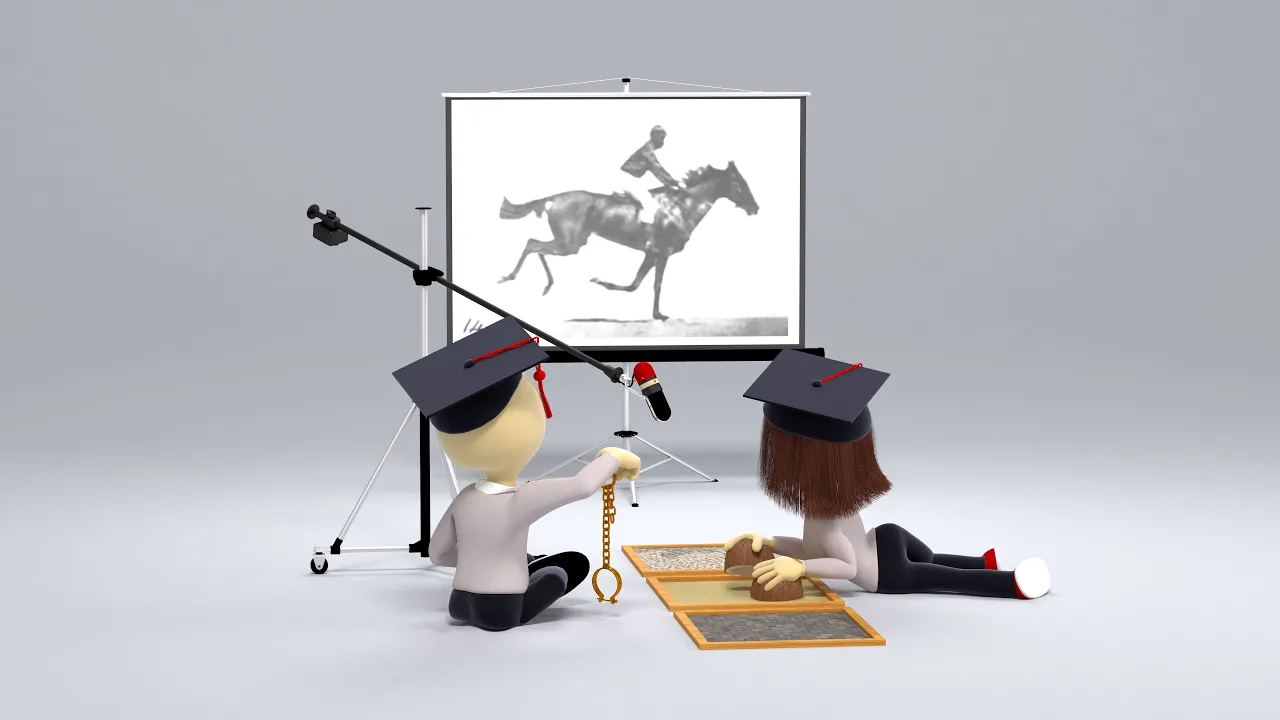
- Why this video: This video provides a precise categorization of Foley art into its three primary technical branches: footsteps, clothing rustle ("cloth"), and object handling/props. Understanding these distinct pathways is essential for dissecting how complex, multi-layered real-world materials are broken down and individually manufactured in post-production.
- Knowledge Checkpoint:
- Differentiate between the three main classifications of Foley: footsteps, cloth, and props.
- Explain why standard on-set production microphones are insufficient for capturing the subtle, intimate textures of physical interactions.
- Define how Foley synchronization establishes "synchresis"—the psychoacoustic link between a visual event and its corresponding sound.
- Why this video: This in-depth studio demonstration goes beyond theory to show the physical mechanics of a professional Foley stage. It details the material substitutions, mic placements, and real-time performance tracking necessary to replicate everyday textures.
- Knowledge Checkpoint:
- Describe the physical layout of a Foley pit and how different surface materials (gravel, wood, concrete) are utilized.
- Explain the performative aspect of Foley, focusing on how a sound artist must match the emotional weight and cadence of an on-screen character.
- Identify how microphone selection and proximity affect the perceived "closeness" and texture of a recorded action.
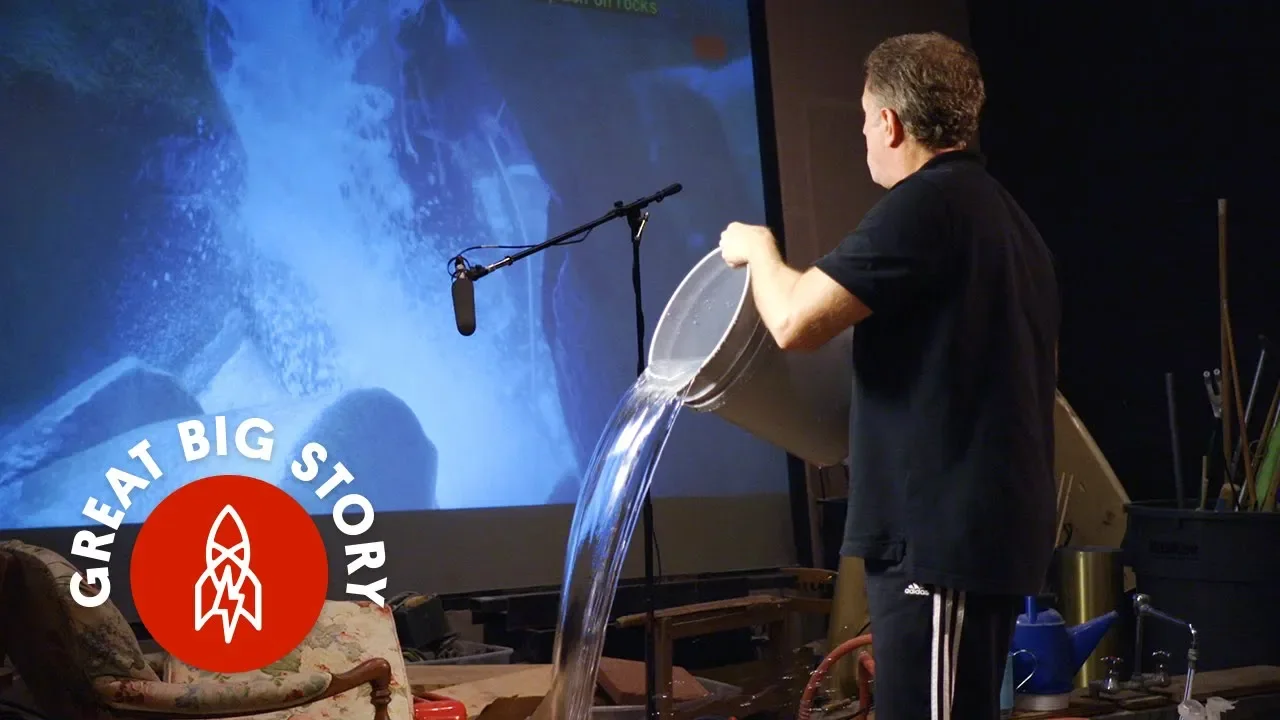
- Why this video: This video showcases the creative problem-solving and indexical substitution at the heart of Foley. It reveals how non-obvious objects (e.g., using frozen lettuce, celery, or old leather) are manipulated to evoke highly specific physical sensations that feel more "real" to the audience than the actual objects themselves.
- Knowledge Checkpoint:
- Explain why direct material substitution (using a different object to record a sound than the one on screen) is often more effective in cinema than literal recording.
- Describe how Foley enhances the narrative and psychological immersion of a scene without drawing conscious attention to itself.
Module 2: Micro-Sounds, Textures, and Extreme Amplification
This module transitions from standard Foley to the realm of hyper-detailed acoustic design. Students will examine the recording, amplification, and isolation of micro-sounds—such as skin-on-skin friction, whispers, and minute object textures. We will explore how sound designers use extreme close-up audio, specialized gear, and ASMR-like properties to bridge the gap between sight and physical sensation.
Recommended Videos
- Why this video: This video introduces how field recordists and sound designers move beyond standard sound libraries to capture custom, hyper-specific physical textures. It highlights the use of advanced equipment, such as contact microphones (which capture vibrations directly from solid objects rather than airwaves) and specialized field recorders, to isolate micro-sounds.
- Knowledge Checkpoint:
- Define the role of custom field recording in capturing tactile textures.
- Explain how isolating a sound from its environmental context changes the viewer's psychological connection to the material world.
- Describe the difference between capturing vibrations in the air (traditional microphones) versus capturing vibrations within materials (contact microphones).

- Why this video: By removing dialogue and ambient music, this video isolates the physical, tactile quality of Foley sounds. It serves as an excellent case study of how extreme close-up recording and acoustic amplification mimic ASMR triggers, directly engaging the viewer's physical, bodily response to textures.
- Knowledge Checkpoint:
- Analyze how the omission of environmental ambience and dialogue heightens a listener's sensitivity to acoustic textures.
- Explain the relationship between extreme audio amplification and tactile sensations (e.g., how the grain of soil or density of wood is conveyed through sound).
- Describe how ASMR-style recording techniques can be weaponized in cinema to generate physical intimacy or somatic discomfort.
![PhaseOne's Metal-Step Vol. 1 [INSIDE LOOK]](https://i.ytimg.com/vi_webp/jhe9uWHzEak/maxresdefault.webp)
- Why this video: This technical showcase highlights how handheld field recorders (like Zoom microphones) are utilized to capture raw, microscopic acoustic textures in non-studio environments, emphasizing the physical, materials-oriented focus of modern sound manipulation.
- Knowledge Checkpoint:
- Identify the challenges of recording highly resonant or highly absorbent materials in the field.
- Explain how sound designers manipulate the envelope (attack, decay, sustain, release) of a recorded material sound to alter its perceived weight and texture.
⚠️ Curricular Advisory & Search Recommendations: While the recommended videos demonstrate the application and performance of texturally isolated recordings, they lack deep, step-by-step tutorials on using DIY contact microphones or piezoelectric sensors. To master this technical aspect, students are highly encouraged to search YouTube for:
"contact microphone sound design foley tutorial""building a DIY hydrophone for sound design""how to record electromagnetic fields for film sound design"
Module 3: Haptic Audition and Film Phenomenology
This module introduces the theoretical framework of "haptic visuality" and "haptic audition." Drawing from Maurice Merleau-Ponty's phenomenology of perception and Vivian Sobchack's film theory, students will analyze how cinematic sound bypasses intellectual processing to evoke a direct, somatic, and tactile experience in the viewer's body. We will study how sound acts as a physical bridge, allowing us to "feel" the textures, temperatures, and weights of the on-screen world.
Recommended Videos

- Why this video: This short visual exercise succinctly defines and illustrates the core concept of haptic visuality—how cinematography and textured framing can trigger other senses, specifically touch, temperature, and material roughness. It serves as an immediate visual metaphor for how sound must function to evoke bodily responses.
- Knowledge Checkpoint:
- Define "haptic visuality" and explain how it differs from traditional, optical looking.
- Describe how visual texture (grain, focus, proximity) demands a corresponding "haptic acoustic" counterpart.

- Why this video: Vivian Sobchack is a pioneer of film phenomenology. In this lecture/conversation, she discusses her seminal theories on the embodied spectator, arguing that we do not merely watch movies with our eyes and ears, but experience them with our entire physical body.
- Knowledge Checkpoint:
- Explain Sobchack's concept of the "embodied spectator."
- Detail how film sound functions as a physical wave that literally touches the viewer's ear drum, forming a direct physical connection.
- Critique the traditional Cartesian split (mind vs. body) in film theory using Sobchack's phenomenological approach.

- Why this video: This video breaks down Maurice Merleau-Ponty's foundational text Phenomenology of Perception. His philosophy is the bedrock of haptic cinematic theory, establishing that our consciousness is thoroughly embodied and that all perception is cross-modal (synesthetic).
- Knowledge Checkpoint:
- Explain Merleau-Ponty's assertion that perception is an active, bodily engagement rather than a passive mental process.
- Define "synesthesia" in the context of phenomenology and explain how hearing a sound can evoke a physical sensation of touch.
- Discuss how the "lived body" acts as the vehicle for understanding cinematic environments.

- Why this video: This video essay links academic phenomenology directly to modern film practice. It analyzes how a shift away from indexical reality (physical film stock, natural soundscapes) towards fully digital, sterilized environments dilutes the spectator's physical, bodily engagement with the screen.
- Knowledge Checkpoint:
- Define "indexicality" and explain its importance in creating a believable tactile environment.
- Analyze how excessive digital cleanup and computerized sound effects can sever the haptic connection between the audience and the screen.
- Contrast "perceptual realism" with intellectual suspension of disbelief.
⚠️ Curricular Advisory & Search Recommendations: Film phenomenology is a deeply theoretical field that can be challenging to parse through lectures alone. To bridge academic theory with direct cinematic application, students should seek out video essays on YouTube using these queries:
"tactile sound design in film phenomenology""haptic audition cinema video essay""the tactile eye Laura Marks explained"
Module 4: Deconstructing Masterpieces of Sensory Cinema
In this final module, students will apply their technical foley knowledge and phenomenological frameworks to the works of sensory cinema masters. We will deconstruct the soundscapes of Andrei Tarkovsky, Lucrecia Martel, and Apichatpong Weerasethakul, analyzing how they deploy hyper-detailed Foley, prolonged silence, and acoustic isolation to craft immersive, deeply physical cinematic realities.
Recommended Videos
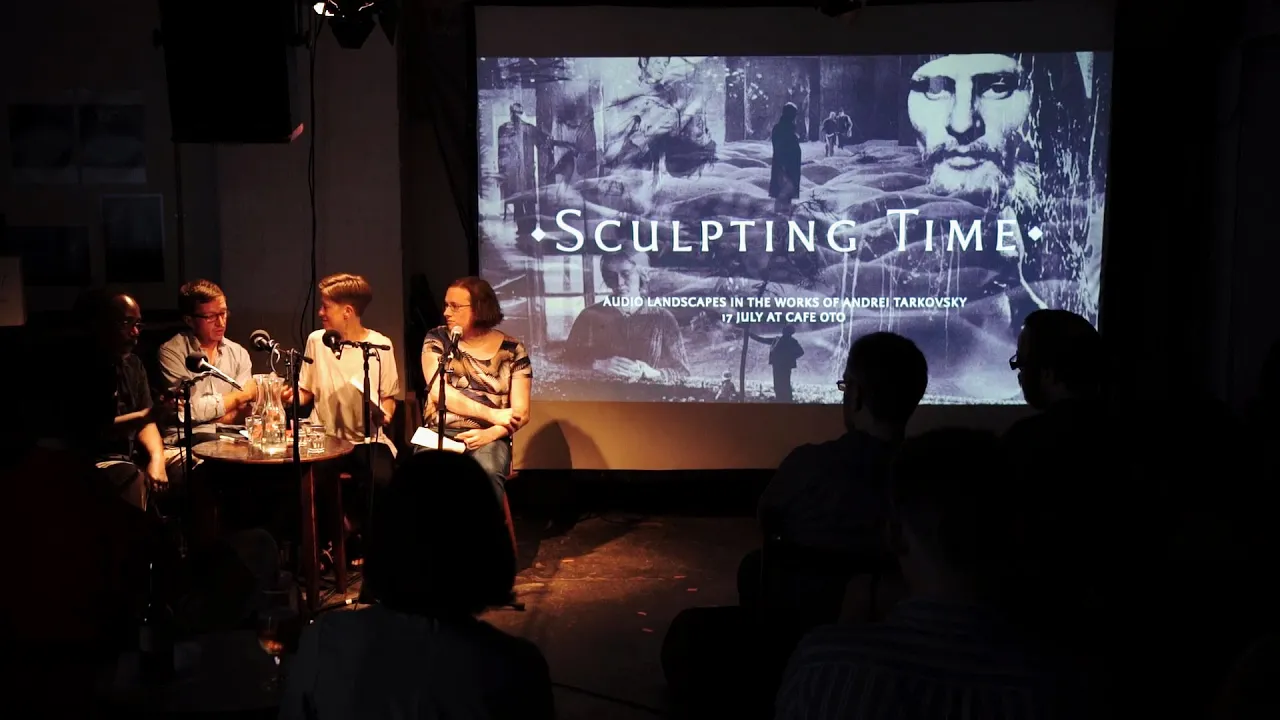
- Why this video: This extensive panel discussion explores how Andrei Tarkovsky rejected conventional musical scores in favor of localized, amplified environmental sounds (dripping water, wind, rustling grass). Panelists analyze how this sound design functions as "sculpting in time," grounding his poetic, spiritual images in an intense, earthy material reality.
- Knowledge Checkpoint:
- Explain Tarkovsky's philosophy regarding the elimination of traditional film music in favor of natural soundscapes.
- Deconstruct how Tarkovsky uses the sounds of water (dripping, flowing, stagnant) to denote memory, decay, and physical presence.
- Discuss how Tarkovsky's extended takes rely on detailed Foley to maintain a physical grip on the viewer's attention.
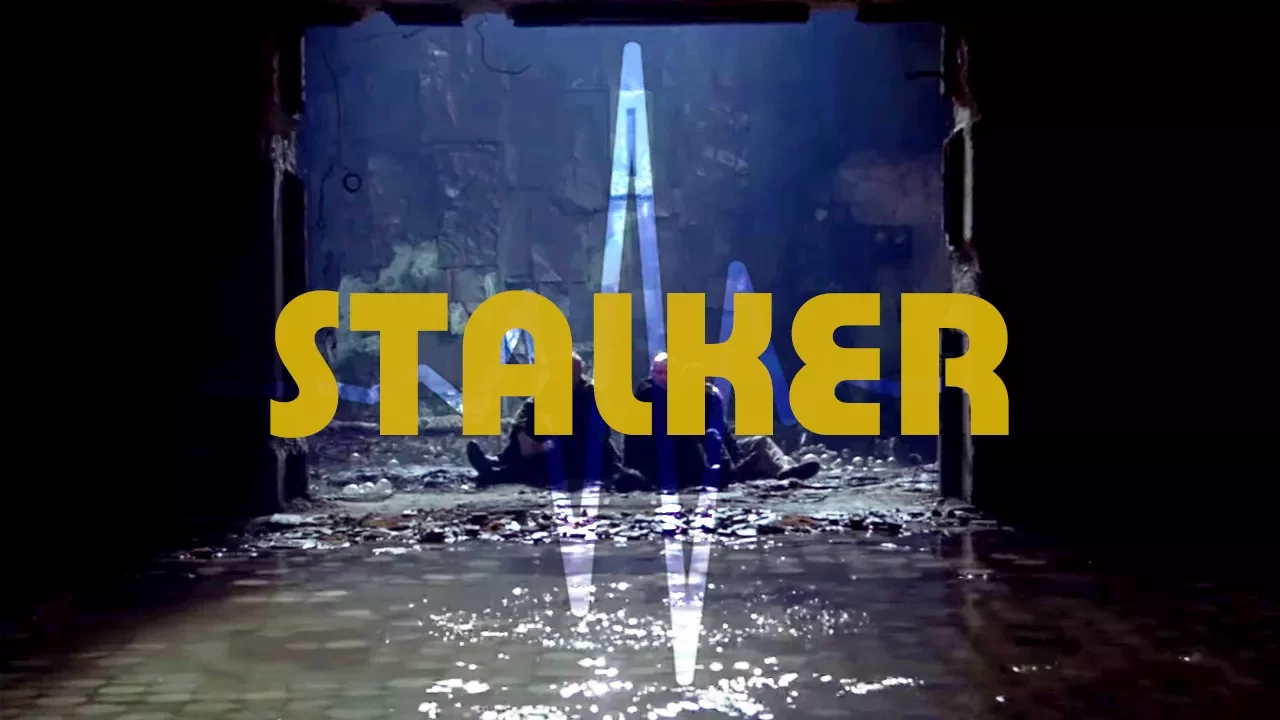
- Why this video: A focused, brilliant video essay analyzing the sound design of Tarkovsky's Stalker (1979). It details how the film utilizes expressive, non-realistic sound design—such as the manipulation of the famous trolley sequence—to transform a physical journey into an internal, psychological, and sensory passage.
- Knowledge Checkpoint:
- Analyze the "trolley sequence" in Stalker and describe how the shifting, amplified metallic sounds alter the viewer's perception of space and movement.
- Define how "acoustic silence" is manufactured in Stalker to create an oppressive, tactile atmosphere.
- Contrast naturalistic sound design with Tarkovsky's "expressive sculpting" of environmental audio.

- Why this video: Apichatpong Weerasethakul's masterpiece Memoria is entirely structured around a singular, elusive acoustic event—a deep, metallic "boom" heard only by the protagonist. In this interview, Weerasethakul and Tilda Swinton discuss how sound serves as a repository of memory and a primary agent of physical perception, radically reframing how a spectator experiences the theatrical space.
- Knowledge Checkpoint:
- Describe the creative and technical process behind engineering the "boom" sound in Memoria.
- Explain how Weerasethakul uses acoustic space and prolonged pauses to make the viewer highly conscious of their own physical ears and surroundings.
- Discuss the concept of sound as a "ghost" or a physical medium connecting past historical trauma to the present material world.
- Why this video: Lucrecia Martel is world-renowned for her tactile sound designs, often starting her scriptwriting process with soundscapes rather than images. In this Q&A, she discusses her subverting of visual dominance in cinema, using off-screen sound, low frequencies, and layers of naturalistic domestic noise to create a thick, claustrophobic, physical atmosphere.
- Knowledge Checkpoint:
- Detail Martel's method of prioritizing acoustic space over visual space during pre-production.
- Analyze how Martel uses off-screen Foley (e.g., footsteps on wet tile, ice clinking, distant thunder) to construct a sense of physical confinement and decay.
- Explain her concept of "subtractive editing" and how stripping away anticipated sounds creates intense physical and narrative tension.
Course Map
Key People Index
- Jack Foley (1891–1967): The pioneer who developed the physical performance techniques of post-production sound effects synchronization in the early days of talkies, giving the medium of "Foley" its name.
- Maurice Merleau-Ponty (1908–1961): French philosopher whose Phenomenology of Perception revolutionized Western philosophy by placing the "lived body" and cross-modal sensory experience at the center of human consciousness.
- Vivian Sobchack (b. 1940): Renowned American film theorist and phenomenologist whose landmark book The Address of the Eye established the framework of the "embodied spectator" and the bi-directional sensory relationship between film and viewer.
- Laura U. Marks (b. 1963): Film scholar who coined the term "haptic visuality" in her book The Skin of the Film, defining how cinematic images can engage the spectator's sense of touch.
- Andrei Tarkovsky (1932–1986): Iconic Russian filmmaker who pioneered "poetic cinema," treating film as "sculpting in time." He famously replaced conventional scores with hyper-textured natural soundscapes to achieve physical and spiritual immediacy.
- Lucrecia Martel (b. 1966): Master Argentinian director celebrated for her tactile acoustic design. She writes and shoots her films with an auditory-first focus, using layered domestic soundscapes to generate claustrophobia and bodily tension.
- Apichatpong Weerasethakul (b. 1970): Acclaimed Thai director and artist whose films (Memoria, Uncle Boonmee) use prolonged takes, naturalistic field recordings, and radical acoustic interventions to explore memory, historical spirits, and sensory perception.
Final Self-Assessment
Complete this self-assessment to verify your mastery of sensory cinema sound design and phenomenology:
- I can articulate the technical distinction between production dialogue recording and post-production Foley art.
- I can categorize any Foley sound into its correct structural branch: footsteps, cloth, or props.
- I can explain how extreme microphone proximity and amplification transform a micro-sound (such as a whisper or skin contact) into an ASMR-like tactile trigger.
- I can define "haptic audition" and contrast it with traditional, intellectually distant "optical" listening.
- I can explain Maurice Merleau-Ponty's theory of synesthesia and how it relates to feeling textures through sound.
- I can utilize Vivian Sobchack's "embodied spectator" model to analyze how sound waves physically interact with the viewer's body.
- I can identify the concept of "indexicality" in cinema and discuss how the sterilization of digital audio impacts a movie's realism.
- I can perform a structural scene analysis of Andrei Tarkovsky's work, showing how he substitutes musical scores with sculpted water, metal, and wind sounds.
- I can explain Lucrecia Martel's technique of "subtractive editing" and how off-screen acoustic design constructs spatial claustrophobia.
- I can write a short critical analysis of Apichatpong Weerasethakul's Memoria, deconstructing how it utilizes silence and deep resonance to alter the spectator's physical awareness of the theater space.