![Post-Production Explained — Each Step of the Post-Production Process [Stages of Filmmaking, Ep 4]](https://i.ytimg.com/vi_webp/qKPHNWEV5_o/maxresdefault.webp)








![A Better Way to EQ, Better Way to Compress & Better Way to Reverb [Podcast 004]](https://i.ytimg.com/vi/RCXgYDtex-8/hqdefault.jpg)







Foley is the art of creating and recording sound effects specifically for films, which are added in post-production since most sounds cannot be captured during filming; this technique originated from theatrical traditions like vaudeville and was pioneered by Jack Foley at Universal Studios in 1928, who developed the direct-to-picture method that remains fundamental to modern film sound design.
Foley Art and Sound Effects: A Comprehensive Film Guide
Added:Basic understanding of the filmmaking post-production workflow, specifically where sound design fits relative to picture editing and color grading.
Familiarity with fundamental audio concepts such as frequency, amplitude, decibels, and signal-to-noise ratio.
An introductory knowledge of recording equipment, including the differences between dynamic, condenser, and shotgun microphones.
The distinction between diegetic sound (occurring within the world of the film) and non-diegetic sound (added for dramatic effect, like the score).
Advanced audio mixing techniques for film, including the use of equalization (EQ), compression, and reverb to blend Foley seamlessly with production dialogue.
The process of ADR (Automated Dialogue Replacement) and how to synchronize re-recorded voice tracks with on-screen actor performances.
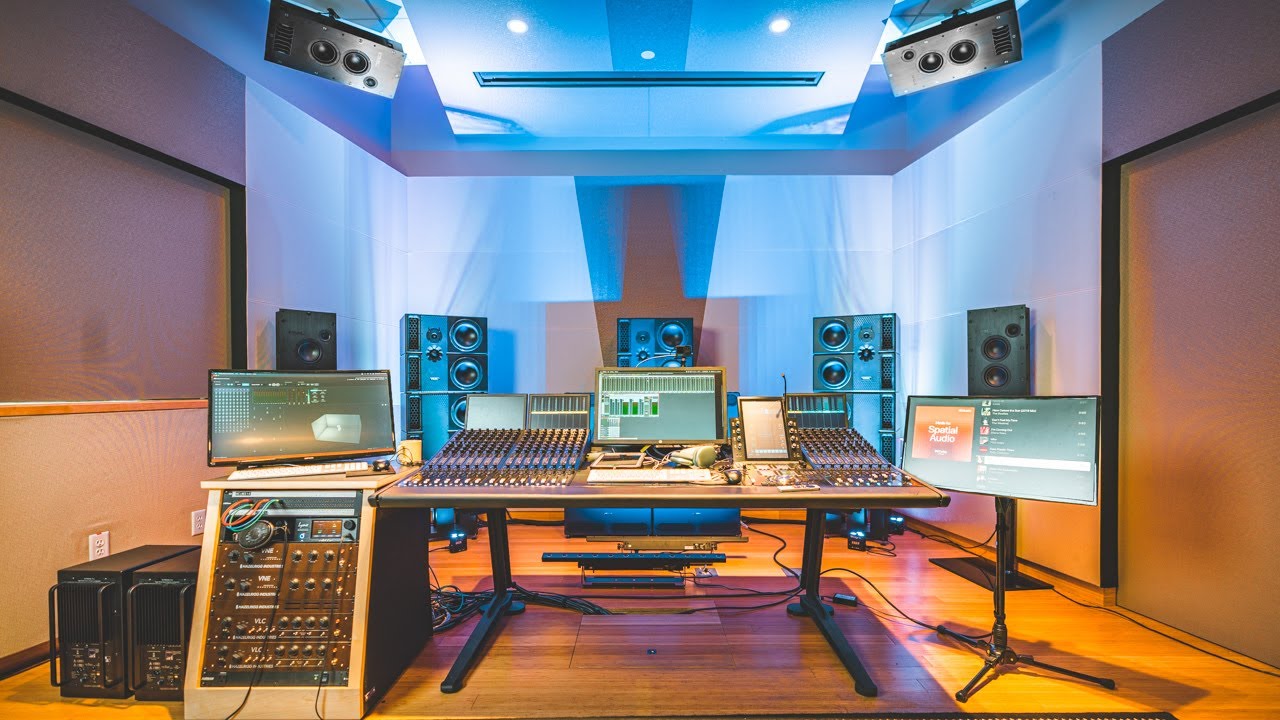
Spatial audio and multi-channel mixing, such as 5.1 surround sound or Dolby Atmos, to position Foley elements in a 3D acoustic space.
Sound synthesis and digital signal processing (DSP) to design complex, non-realistic, or speculative sound effects (e.g., sci-fi or creature sounds).
336.4K views4.2Klikes15:40Original Release: 2014-11-17
This FilmmakerIQ lesson is proudly sponsored by RODE Micorphones: Premium Microphones and Audio Accessories for Studio, Live and Location Recording Hi, John Hess from FilmmakerIQ.com and today we're going to dive into the world of sound effects and Foley.
I'm going to burst the bubble here, almost every sound you hear in a movie was not there to begin with. When shooting on location or on a set, it's simply not possible to accurately record all the tiny little noises that come from everyday life.
Let's do a quick experiment - try scratching your face next to your ear. Hear that? But when I do it the mic that's picking me up my voice can't pick up that minute sound.
During production, sound recordists focus on recording dialogue but even that can be rerecorded in the post production stage in a process called looping or ADR. So all those little sounds that make a scene feel "alive" - even stuff as simple as a scratch, are added in the post production stage.
These sound effects can be broken down roughly into three broad categories. There's the ambience - which is the background noise - a psychological cue for the space that the scene takes place in. This is sometimes recorded on a location - a good rule of thumb is to always record a minute's worth of ambience before leaving a location - this is to ensure you have something to work with that sounds like the original location.
But sometimes you'll need ambience that is different from what you recorded to create a new illusion - say to create the atmosphere of a bustling restaurant - these ambience tracks are available commercially from sound libraries.
Which leads us to our second category: Library Sound Effects. These effects can be purchased commercially or created "wild" that is a sound effect recorded that isn't tied to a particular visual. Often these are difficult to obtain, expensive, or dangerous to produce sound effects like gunshots, explosions, or glass shattering.
Then the third type of post sound effect is sound that is performed and recorded specifically for a visual in a film - this is called Foley. Foley itself can be broken into three rough categories - footsteps which is the sound of the movement characters on screen - and we're not just talking about human footsteps either. Cloth - the sound of the costumes as characters move about. And props - the sound of the objects in a scene.
What seems so obvious and common sense today with post production sound actually traces its roots far back into vaudeville - which in itself was influenced by the English Music Hall.
A form of theatrical variety shows, vaudeville was a powerful force in entertainment in the late 19th and early 20th century. Featuring live accompanying bands, it was common practice for the vaudeville drummer to highlight dance kicks or sight gags with a cymbal or snare hit on the drum set - Vaudeville is where we get the familiar rim shot at the end of a joke.
But by the 1930s vaudeville as a theatrical venue was starting to lose momentum, relegated to the Catskill Resort Borscht Belt in upper New York. What took its place were two new technological mediums - broadcast radio plays and of course, talking pictures.
Popular Radio variety shows borrowed heavily from vaudeville using sound effects to highlight gags.
But they didn't stop there. As radio began to incorporate more scripted content, producers relied more and more on sound effects to create a visual picture in the listener's mind as demonstrated in this promotional film from 1938 That's not to say radio was the only medium playing with sound effects. Large silent film movie houses also employed orchestras to underscore and provide sound effects for the actions on the screen. The tradition of underscoring movement in cinema with music, is actually still a powerful motif as you can see in any Saturday morning cartoon: But let's back up to the late twenties - to a very specific moment in film history - the transition from silent to talking pictures.
In 1928, Universal was getting ready to release a big budget silent feature of the Broadway musical smash 'Showboat" - yes a silent film version of a musical - it may have played well with audiences 5 years earlier but Warner Bros had just released Jazz Singer a year earlier and it was sweeping the box office. Audiences were demanding sound so Universal decided that it was time to get in on the sound movie game.
Using a loaned portable Fox-Case sound on film Unit on sound stage 10, a 40 piece orchestra and singers recreated the music of Showboat. But sound engineers still had some trouble getting the sync right for sound effects that went along with visual gestures. That's when one Universal employee came up with the idea of watching the film and recording live sound effects to go with the picture - His name was Jack Foley.
Jack Foley had a varied career from semi-professional baseball player, to working in a hardware store, to acting and directing in a small town north of Los Angeles called Bishop. In trying to get movie studios to use Bishop as a backdrop for westerns, Foley fell into the movie making business, first as a stuntman, then as a double then working his way up to assistant director.
But it was his knack for sound where he really made his name. Other films followed Showboat getting the Jack Foley treatment - he and his team would watch the film and perform all the sound effects at one time onto one track - as multitrack recording was still technology of the future.
But for the most part what Jack Foley did at Universal was kept a secret. Within a decade other studios began implementing systems for post sound effects, often hiring individuals that worked under Foley himself. Foley's technique was groundbreaking and incredibly influential.
The process was called direct-to-picture but didn't inherit it's creator's name until 1962 when Lucille Ball and Desi Arnaz built a stage at Desilu TV studios specifically for direct-to-picture recording and called it. what else, the Foley Stage. Since then the name of the inventor and the technique have been inseparable. Jack Foley died in 1967 and although he never cut a single frame of sound, the Motion Picture Sound Editors would award him a Lifetime achievement award posthumously in 1997.
Traditionally on a studio film, the sound duties are divided among three different mixing specialities. There's a Dialogue mixer, a Music mixer and a Sound Effects Mixer. Everybody would sit together with the director and do a spotting session - that is look at the film and figure out what parts need to be ADRed - a job for the dialogue mixer who may actually have a specialist just for that - what parts need musical cues - and what are the sound effects required.
From this spotting session the sound effects mixer can determine where library sound effects can be used and what needs to be done with foley. Cue sheets are created and given to foley artists to perform.
Now in the days of Jack Foley all the sound effects had to be recorded in one single take often by a couple of foley artists working in tandem like this: Even up just a couple decades ago, foley artists were limited to 16 or 24 tracks of audio.
But with modern digital audio workstations, there's really no limit to the number of tracks of audio that can be played back simultaneously.
Modern foley breaks of a shot into several different passes - breaking down footsteps, cloth and props into even smaller elements Professional foley is usually done on a specially designed sound stage with pits containing various types of walking surfaces to simulate different sounds. A variety of shoes and props are also available. There are lots of creative alternatives to common sounds like celery being used simulate the crunch of breaking bones.and of course the favorite half coconut shells for horse hooves.
But that's not to say you can't perform foley without all that. For this course I wanted to create a short film that was all told through foley sound effects. Shooting on location without having to worry about capturing sound let's you work quite quickly, like working in a silent picture where you can give direction in the middle of the take. I did record a minute of ambience just so I would have the sound of that room to work with in the mix.
I don't have access to a dedicated foley stage so I just used my editing bay. But there's no reason why we can't treat foley like shooting location audio.
The first step was to do a spotting session and make a list of all the sound effects I would need. Then I'll go down my list and record the sound effects using several passes.
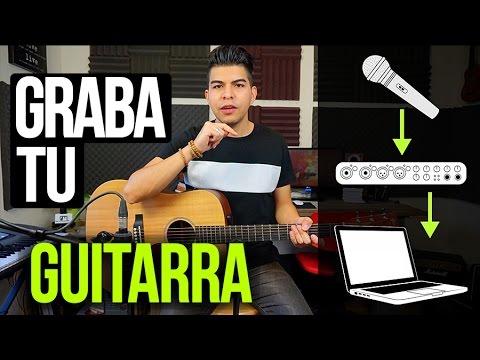
Using a RODE NTG-2 Shotgun microphone wired into my computer via a mixing board, I recorded myself performing the movements along with the motion on screen.
With foley it's not so much the sync that matters - because sync can always been fiddled with on the timeline - it's the feel of the sound effect - always try to get the most natural feeling sound effect.
We started our foley session focusing on recording the more subtle sound effects from the footsteps in the scene to cloth sounds of chair movement and page turns. Then we focused on the foreground elements. In the short film, a man is trying to read a book while all the people in the library are making annoying noises. This includes chewing gum, stirring iced coffee and even a head bang on a desk - which you can see took more than one take. All these sound effects were recorded using Adobe Audition's Multitrack editor which allowed me to punch in and record for specific moments in the film.
Putting all the foley effects together with the ambience gave me this little short film told all through visuals and sound effects.
Sound is a crucial part of modern film. For all the press that new cameras receive about improvements in picture resolution, dynamic range or low light capability, it's really the quality of the sound that elevates a picture from a home movie to a piece of cinema. Fortunately sound is something that can be and is quite often manipulated in post. Through the use of subtle psychological cues in sound design you can create whatever environment you want with sound effects and Foley. But none of that can happen unless you get out there and start practicing. Try, fail, and repeat. It's all on the path to making something great.
I'm John Hess and I'll see you at FilmmakerIQ.com
Up Next
18:15
Inside PhaseOne's Metal-Step Mayhem Vol.1: A Sample Pack Walkthrough
@Disciplerecs
16.7K views•2020-12-09

12:54
Triumph of Orthodoxy Icon: Byzantine Art & History Explained
@BenCallan
2.1K views•2024-08-06
26:05
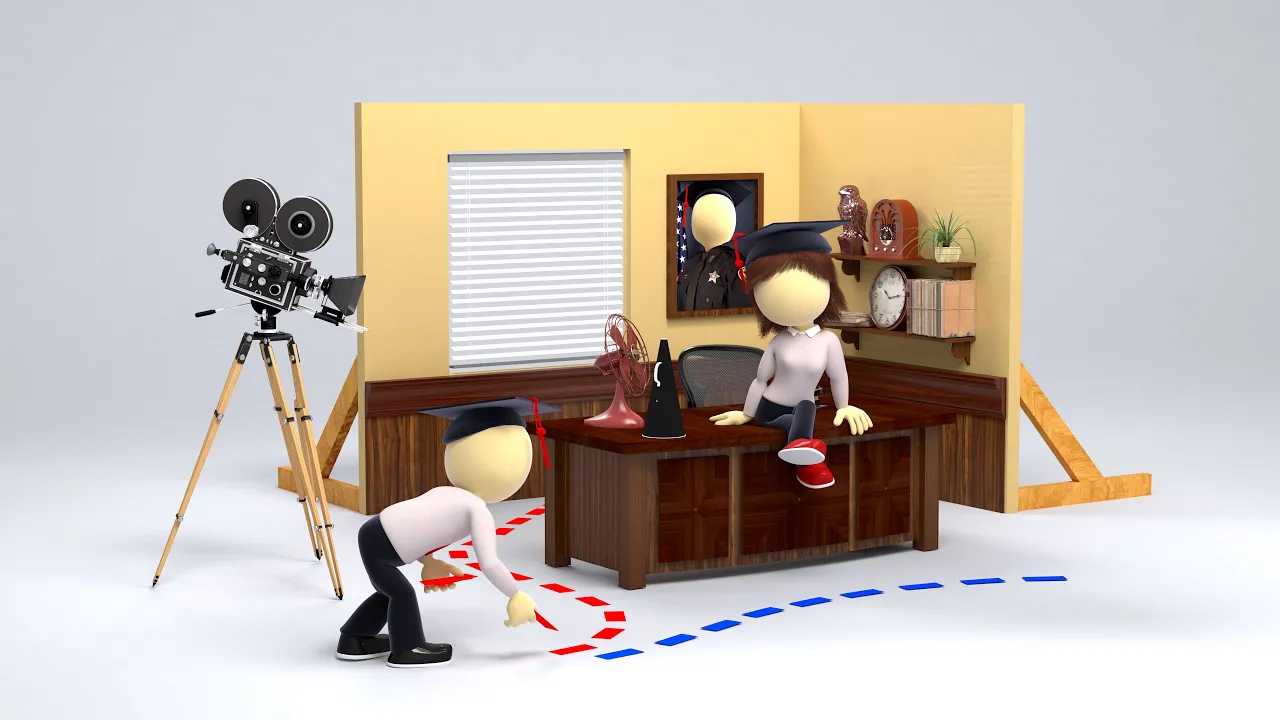
Staging and Blocking: How Directors Shape a Scene
@FilmmakerIQ
911.5K views•2016-04-04

1:42
Game of Thrones Opening Credits: A Cinematic Analysis
@gameofthrones
46.3M views•2011-04-18
Related Study Plans & Knowledge Roadmaps
Structured learning paths in General & Interdisciplinary Studies
general-studies
Elevator Engineering: History, Physics & Cities
01From Hoists to Safety Brakes: The Dawn of Vertical Lift
02Hydraulic vs. Traction: The Engineering Physics of Elevators
03Modern Speed, Safety, and Algorithms
+ 2 more learning modules
12h5 modules
Explore Roadmap
general-studies
Rubber: Material Science, History & Geopolitics
01Origins of Natural Rubber & Mesoamerican History
02The Chemistry of Natural Rubber & Vulcanization
03The Geopolitics of the Rubber Boom & Colonization
+ 2 more learning modules
12h5 modules
Explore Roadmap
general-studies
Containerization: Evolution, Logistics & Trade
01Ancient Trade & Bulk Cargo: Amphorae to Barrels
02The Industrial Revolution & Cardboard Packaging
03The Containerization Revolution: Malcom McLean
+ 2 more learning modules
12h5 modules
Explore Roadmap
general-studies
Textile Tech: Evolution, Labor & Global Impact
01Pre-Industrial Textiles: Handloom & Cottage Industry
02Mechanization: The Spinning Jenny to the Power Loom
03The Factory System & Global Labor Transformation
+ 2 more learning modules
10h5 modules
Explore Roadmap