Diegetic and non-diegetic sound are two fundamental types of audio in film, defined by whether the characters within the story can hear them. Diegetic sound originates from within the film’s world and includes any audio the characters perceive, such as dialogue, footsteps, environmental noises, or music coming from a radio or instrument visible on-screen. Even internal thoughts or narration heard by a character count as diegetic, classified as internal diegetic sound. This category further divides into on-screen (source visible) and off-screen (source unseen but still part of the film’s reality) sound. Non-diegetic sound, by contrast, exists outside the film’s world and is inaudible to characters; this includes the musical score, voice-over narration not tied to a character’s perspective, and certain sound effects added for dramatic effect. Trans-diegetic sound occurs when audio transitions between these two states—such as a character humming a tune that gradually becomes the full orchestral score—blurring boundaries between reality and fantasy to enhance storytelling. The video emphasizes that while audiences often focus on visuals, sound plays a crucial, underappreciated role in shaping emotional tone, suspense, and narrative immersion. Filmmakers strategically manipulate these sound types to guide viewer perception, signal shifts in mood, or disrupt realism for artistic impact. Examples from films like Dune, Tarantino’s works, and others illustrate how sound design serves narrative goals beyond mere accompaniment.
Diegetic vs Non-Diegetic Sound: Film Sound Design Explained
Added:Understanding the concept of 'diegesis'—the fictional world of the narrative in which the characters live and act.

Diegesis is a fundamental concept in narratology, literary studies, and film studies referring to the fictional dimension of a narrative. It encompasses the fictional world, diegetic time and space, and the events narrated within a specific dimension. The term originated from Plato's Republic, where it was distinguished from mimesis as narrator-driven versus character-driven storytelling. Classical theory divided drama (mimesis) from epic (diegesis). Modern narratology, particularly Étienne Souriau, defined diegesis as the set of events narrated within a specific space-time dimension, aligning with the Russian formalist concept of 'fábula.' Crucially, diegesis differs from narration itself, which constitutes the act of producing the report. This concept remains essential for understanding narrative structure across literature, theater, and cinema.

Diegesis is a storytelling technique that presents the interior world of a narrative through narration rather than enactment, where the narrator explicitly tells the story to the audience, creating a clear picture of the fictional world, character experiences, and narrative events; in cinema, diegetic elements are those heard or seen by the characters within the story, while non-diegetic elements are stylistic choices made by the narrator that exist outside the story world.

In film theory, diegesis refers to the story world or the reality within a film. The Mystery Man's shack and the Lost Highway Hotel exist outside the diegesis, representing backstage space where filmmakers operate. This is analogous to the Red Room in 'Twin Peaks,' which represents the backstage of a television series. The curtain animation when portals open between Fred's cell and the shack symbolizes the boundary between the fictional world (diegesis) and the real-world filmmaking process.

Diegesis is a narrative term referring to sounds that are canonical within a fictional universe. When a sound is diegetic, it exists within the world of the story and can be heard by characters. For example, in an anime or film, the sounds of punches, gunfire, and character dialogue are diegetic, while background music playing during a scene is non-diegetic and characters cannot hear it.

Diegesis refers to the imaginary world in which game events occur, with diegetic elements being those experienced by both characters and players, non-diegetic elements being only experienced by players, and semi-diegetic elements being experienced by characters but represented symbolically to players; in tabletop RPGs, mechanics should be diegetic or semi-diegetic to maintain immersion, distinguishing RPGs from story games which may use non-diegetic mechanics for narrative control.
Familiarity with the primary components of a film soundtrack: dialogue, sound effects (SFX), foley, and musical score.
The three components of film sound are: (1) Dialogue - the verbal component; (2) Sound effects - which define location, lend mood to environments, portray environmental impact on characters, and lend realism; (3) Music - which creates emotion, memory through leitmotifs, transitions between places and times, establishes interior life of characters, establishes setting and mood, interacts with narrative by reinforcing or foreshadowing, contributes to emotional experience, unifies disconnected images (especially in montage sequences), and encourages spectator absorption.

A film soundtrack consists of three main components: voices (including dialogue between characters, background voices, and voiceovers), music (which creates atmosphere and evokes emotional responses), and sound effects (which enhance realism and create dramatic impact). Each component serves a specific purpose in storytelling and helps convey meaning to the audience.

Film soundtracks consist of three main components: dialogue, music, and sound effects. Each component has its own editorial team and hierarchy. Sound effects editors handle the administration of personnel, while dialogue editors and music editors manage their respective elements. This organizational structure ensures coordinated sound design across all aspects of a film.

A soundtrack is the complete collection of all sounds that constitute a film or audio-visual work. It comprises three main components: music (also called musical score), sound effects, and ambient noises. The speaker emphasizes that while creators often focus on acquiring the latest drone or camera, they frequently overlook two equally important aspects: editing and the soundtrack.

A film soundtrack is separated into three distinct parts: dialogue (spoken words), music (melodic and rhythmic elements), and sound effects (non-musical audio elements). Each component serves a different purpose in creating the overall audio experience of a film.
The fundamental role of audio in visual storytelling, specifically how sound influences audience emotion, attention, and perception of reality.
Good audio functions as visual storytelling because the brain automatically visualizes sounds heard. The speaker references his radio teacher's principle that 'good audio is visual'—when listeners hear sounds, their brains generate corresponding mental images without conscious effort. This explains why audio-only storytelling can be immersive despite lacking visual elements, relying on the brain's natural tendency to construct imagery from auditory cues.

In film storytelling, audio is approximately 70% of the emotion while the visual component is only 30%. People remember the last time they heard something long after they forget the visual details. Sound evokes more emotion than photographs and adds multiple layers to storytelling. When creating films, pay close attention to sound design as it significantly impacts the emotional impact of the story. The combination of sound, color, and music creates a fully immersive storytelling experience.
Sound fundamentally transforms how we perceive images and emotions. A static image without sound evokes certain responses, but adding sound dramatically changes emotional impact. Sound provides spatial context, helping us identify settings like natural environments, cities, or interiors. Sound can complete visual information that images alone cannot convey. The principle of 'one image equals a thousand words' becomes 'one image plus sound equals a thousand words plus emotional depth.' Sound surrounds us while images are limited to what we see within a frame. Sound processing techniques enhance or alter natural characteristics, including muffled, strident, or reverberant qualities. Musical tonalities convey emotions: minor keys for sadness and drama, major keys for joy and optimism. Sound components include voice (dialogue, monologue, narration), sound effects, and ambient sounds. Each space has a unique acoustic signature that reveals its nature. When viewing static images without sound, viewers naturally ask questions about who, where, when, and why. Different sound combinations with the same image create vastly different narratives. The same visual can suggest a child watching something exciting, witnessing a serious situation, or experiencing something frightening. Sound reveals character emotions and situations not immediately visible. Sound creates emotional impact through contrast between visual and auditory elements. Sound characterizes characters through voice, with the number of voices and tone indicating frustration, protest, or agitation. Sound creates narrative tension and anticipation, building emotional responses in audiences. The principle of 'less is more' applies - sometimes showing only a close-up with sound is more powerful than showing the entire scene. Sound serves as a narrative device that can convey story elements without visual confirmation. Sound creates psychological states in characters, such as paranoia or hearing voices in their head. The way sounds are processed helps audiences understand character mental states. Sound creates historical or period-specific atmospheres by removing modern sounds like car horns and sirens. The absence of urban sounds combined with sounds like horse-drawn carriages establishes rural or historical settings. Sound creates character isolation when characters are surrounded by ambient sounds but cannot interact with them.
In film, while visuals dominate immediate perception and memory, audio functions as the true puppet master that shapes viewer experience. Sound design determines perspective—intimate vocal recordings place viewers inside spaces without visual representation. Key noises are isolated to tell specific stories, with sound guiding attention and emotion. This invisibility makes sound design powerful; viewers don't consciously notice it but feel its effects deeply.

Audio often trumps visual elements in storytelling because audiences can still understand narrative through sound even when images are poor. Ambient sounds ground viewers in scenes, and the brain extrapolates context from audio cues. Good audio makes films feel alive and immersive.
The distinction between on-screen and off-screen cinematic space.

Off-screen space (hors-champ) is the invisible area outside the camera's frame that remains hidden from the audience. The frame (cadre) creates a visual boundary between on-screen and off-screen space. There are two types: concrete off-screen space (elements that have appeared on screen but are now outside the frame) and imaginative off-screen space (never shown, relying entirely on audience imagination). Diégèse represents the fictional universe created by the film's narrative, encompassing all places, memories, and possibilities within the story's world. Extradiégétique space refers to real-world elements like film crew and equipment. Noël Burch identified six segments of off-screen space: the four frame edges, space behind the camera, and space hidden by set elements or characters. Off-screen space is defined by three elements: character entrances and exits, character gazes toward the off-screen space, and partially visible characters. This technique creates suspense and tension because the audience is not omniscient. Communication between on-screen and off-screen spaces occurs through reflections, mirrors, and windows. Off-screen space serves as a practical technique when filmmakers cannot or should not show something directly, as demonstrated in 'Dracula' (1931) and 'Benny's Video' (1992). The concept extends to visual art, as seen in Edward Hopper's paintings. From early cinema to today, off-screen space has become an omnipresent technique for transmitting emotions from fear to sensuality.

The distinction between in-camera (visible) and off-camera (implied) spaces is fundamental to cinematic language. Off-camera spaces can be articulated through entrances/exits, glances toward empty space, body parts outside the frame, or sound. A complete character weighs more than a body part, but fragmented bodies often create more presence and mystique. Mirrors generate off-camera spaces by creating implied environments outside the frame. Exclusion and inclusion, concepts associated with filmmaker André Bresson, use partial showing to generate tension and audience imagination. The implicit—what is not shown—is one of the most powerful tools in cinematic storytelling, adding subtlety and depth to narratives.

Off-screen space is a movie term that movies got from stage plays. In movies, off-screen space is a complicated and effective tool. Important things happening in the off-screen space stimulate imagination and make the story feel larger than what's on screen and more personally immersive. The stuff that's off the screen can feel more real than what's on the screen. In MGS3, managing off-screen space was a skill the game wanted players to develop, such as predicting the movement of guards walking off screen to memorize where they are later.
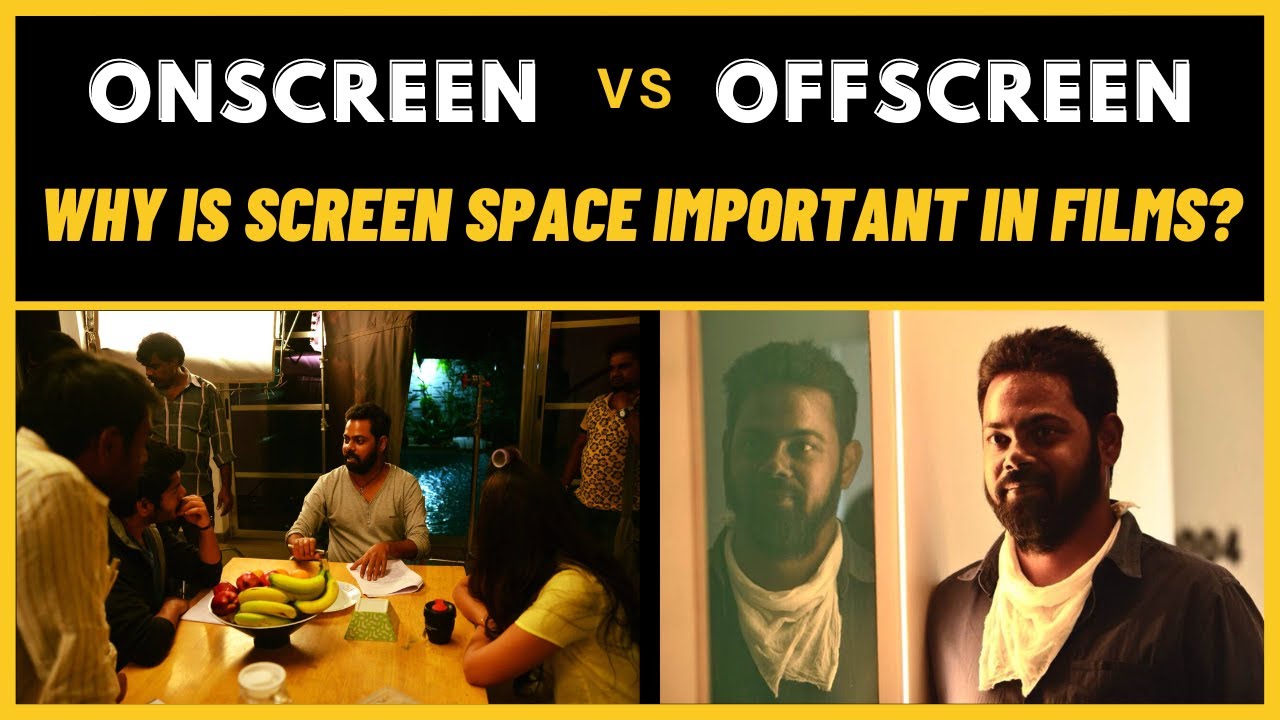
Screen space in film consists of two essential elements: on-screen space (everything visible within the camera frame, including actors, objects, and elements) and off-screen space (everything outside the frame that exists beyond what is shown). While on-screen space provides the visual content, off-screen space is equally important as it engages audiences' imagination, creates suspense and curiosity, reduces production resources, and supports narrative structure by allowing filmmakers to hide elements that trigger questions and emotional responses.

Filmic space is divided into 'espaço de campo' (space within the frame) and 'espaço fora de campo' (space outside the frame). The frame includes four borders and space behind the camera, while off-field space is 'flutuante' (floating) and draws attention to what is within the frame. Filmmakers use techniques like character glances, 180-degree cuts, and character exits to manipulate audience attention. Spatial composition creates visual hierarchy, with closer characters occupying larger screen space. The physical cinema screen shape (square or pyramid) imposes its own structure on visual presentation.
Prerequisite Knowledge
- Concept 01Understanding the concept of 'diegesis'—the fictional world of the narrative in which the characters live and act.
- Concept 02Familiarity with the primary components of a film soundtrack: dialogue, sound effects (SFX), foley, and musical score.
- Concept 03The fundamental role of audio in visual storytelling, specifically how sound influences audience emotion, attention, and perception of reality.
- Concept 04The distinction between on-screen and off-screen cinematic space.
Subsequent Learning
- Step 01Analyzing 'transdiegetic' or 'meta-diegetic' sound, where audio crosses the boundary between the characters' world and the audience's space.
- Step 02Investigating 'internal diegetic' sound, such as voiceovers representing a character's internal monologue or imagined sounds.
- Step 03Understanding the technical processes of Foley creation and Automated Dialogue Replacement (ADR) in post-production sound design.
- Step 04Studying the psychological impact of silence and sound minimization as deliberate narrative and atmospheric choices.
- Step 05Analyzing how specific film directors (e.g., Alfred Hitchcock, Christopher Nolan) creatively subvert sound conventions to disorient or immerse the viewer.
Core Concepts
0:01- 1
Explains diegetic vs non-diegetic sound basics.
- 2
Defines story world for characters vs audience only.
- 3
Origins of diegesis traced back to Greek philosophy.
The Transdiegetic Boundary and the Critique of the Rigid Binary
While the division between diegetic (in-world) and non-diegetic (external) sound is a foundational concept, prominent film theorists like Michel Chion and Robynn Stilwell argue that this binary is overly simplistic. They propose that film sound actually operates on a fluid spectrum, frequently occupying a liminal space known as the 'fantastical gap' or the 'transdiegetic' realm. For instance, a character's internal thoughts, stylized subjective audio, or music that transitions from a radio in a scene into the film's main orchestral score all defy categorization. Chion introduces concepts like 'acousmatic' sound (sound heard without its source being seen) to show how audio constantly crosses these boundaries to manipulate spectator psychology. Consequently, critics argue that strictly classifying sound as inside or outside the story world limits our understanding of how sound design truly functions to create meaning and emotional resonance in modern cinema.
Analyzing 'transdiegetic' or 'meta-diegetic' sound, where audio crosses the boundary between the characters' world and the audience's space.

Trans-diegetic sound crosses between the play's world and the audience's world, such as scene change music fading into on-stage radios or character sounds transitioning to scene music. The balance between diegetic and non-diegetic sound varies by era and play type. Historical periods featured more prevalent underscoring telling audiences exactly what to feel, while contemporary plays leave interpretation to the audience. Sound designers typically figure out non-diegetic cues last and collaborate with directors on transition music and overall feel. Sound should be treated as another character in the play.

Trans-diegetic sound in film refers to audio that transitions between diegetic and non-diegetic states, such as music that characters hear but the audience initially does not. This creates layered audio experiences.

Sound in cinema is classified into three categories: diegetic sound (sounds that both characters and audience can hear, such as dialogue and environmental sounds), non-diegetic sound (sounds only the audience hears, like musical scores), and meta-diegetic sound (sounds that create imagination, often used in flashbacks or moments of madness). This classification, proposed by Claudia Gorbman in 1976, helps filmmakers understand how sound constructs narrative reality and emotional depth in films.

Christopher Nolan's Oppenheimer uses music as its primary narrative device rather than visual spectacle. The composer introduces a 'late motive' - a musical theme that identifies with the character and delivers Nolan's message. The distinction between diegetic and non-diegetic music is crucial: the music Oppenheimer learns to hear exists in a meta-diegetic space, real only in his mind. This represents the difference between mechanical understanding (applying methods) and intuitive understanding (hearing the hidden beauty of mathematics). The theme contains 21 tempo changes in 2 minutes, symbolizing Oppenheimer's rapid intellectual journey. When he teaches his students, the music becomes deconstructed and incomplete, symbolizing that no one else has realized his discoveries. The composer introduces warning sirens that increase throughout the film, representing the catastrophes to come. The film references 'The Rite of Spring' - Oppenheimer is the sacrificed dancer, chosen because he alone hears the music. Like Prometheus, he faces no prison but a worse punishment: the realization of his actions' consequences and a cycle of solitary guilt.

Gérard Genette's narrative terminology framework analyzes storytelling through three interconnected dimensions: (1) Time, which includes temporal order (linear vs. fragmented), duration (relation between story time and text time), rhythm (pause descriptive, scene, summary, ellipsis), and frequency (simultaneous, repetitive, interactive); (2) Mode, which encompasses focalization (zero, internal, external perspectives) and distance (mimesis, diegesis, discourse types); and (3) Voice, which involves levels of narration (extra-diegetic, intra-diegetic, meta-diegetic) and temporal modes (anterior, posterior, intercalated, simultaneous). This systematic approach provides a comprehensive methodology for structural narrative analysis.
Investigating 'internal diegetic' sound, such as voiceovers representing a character's internal monologue or imagined sounds.

Talking out loud to oneself since childhood, pretending to be in a story, and making up dialogue or planning speeches for imagined conversations is not a sin. The priest explains that this is a part of having a prominent internal monologue and there is absolutely nothing wrong with it. Some people have no internal dialogue and just think without audible thoughts, which is completely up to the individual. The priest also addresses creative food combinations like a cheeseburger on a donut bun, explaining that the only sin is not eating such interesting food. He emphasizes that people should not be ashamed of their creative preferences.

The internal monologue narrator is in first person but instead of talking to someone else, the narrator talks to themselves. An example is 'I shouldn't have fallen in love with her or told her my secrets. Now I wonder how much I could reconstruct myself with everything she knows, if with just one look she could break my heart.' This is totally opposite to the internal monologue where the narrator speaks to someone else.
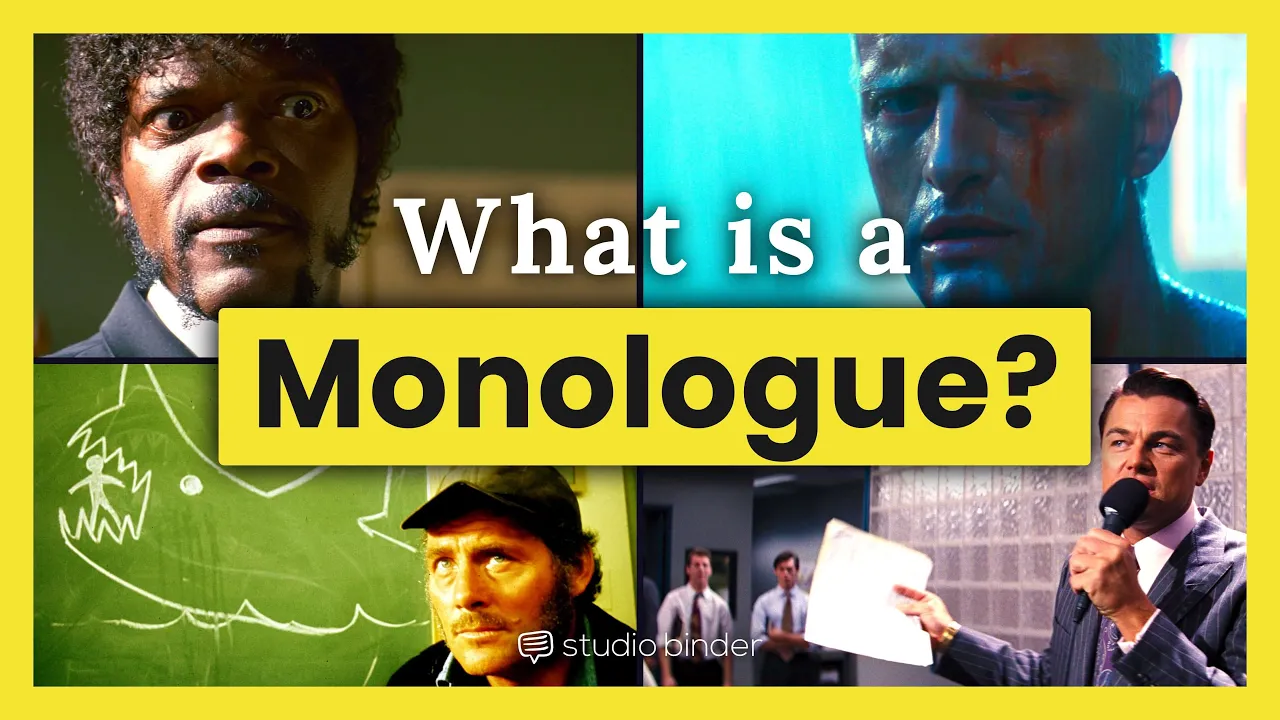
A monologue is a long speech by a single character, derived from Greek 'monos' (alone) and 'logos' (speech), unlike dialogue which involves conversation. Internal monologue reveals thoughts and feelings characters cannot or will not externalize, providing real-time access to their mental processes. This technique can shift between internal and external states depending on narrative needs, as shown in 'Goodfellas' where Henry Hill's voiceover transitions to courtroom confession. Writers should consider why characters choose internal expression over external communication and what they fear sharing or hope others might overhear.

An internal monologue, also called self-talk or inner speech, is a person's inner voice providing a running verbal monologue of thoughts while conscious, tied to one's sense of self. People with internal monologues experience two-sided conversations in their minds, hearing exactly what they're thinking and able to change voices when reading different characters. Approximately 91% of people report having internal monologues, while only about 18% do not. Those without struggle articulating ideas because their thoughts exist as jumbled information without specific words formed, making verbal expression more challenging.

Internal monologue, also called internal dialogue, is the voice inside your head that allows you to hear yourself talk without actually speaking or forming sounds. It differs from simply having thoughts; it involves literally hearing a voice that articulates your internal thoughts. Approximately 30-50% of people experience this phenomenon regularly, while most people only experience it occasionally. The video clarifies that this is different from hearing voices (which is a separate condition), as internal monologue is a self-generated voice that comments on one's own experiences and decisions.
Understanding the technical processes of Foley creation and Automated Dialogue Replacement (ADR) in post-production sound design.

ADR (Automated Dialogue Replacement) is a post-production technique where actors re-record dialogue in studios to replace unusable on-set audio caused by noisy costumes, wind machines, rain, and environmental sounds. Production involves three distinct scripts: the development script sold to studios, the pre-production script, and the actual script shot on set. Directors like John Kazden constantly rewrote up until the end, adding lines through subtle techniques. Sound design creates unique soundscapes for fictional worlds by making deliberate choices about environmental sounds. For stunt sequences, sounds are often exaggerated to enhance impact. Foley work creates sounds for elements like sword movements when on-set recordings are inadequate. Sound serves as a narrative tool, particularly when visual elements are limited, requiring designers to convey action through audio alone.
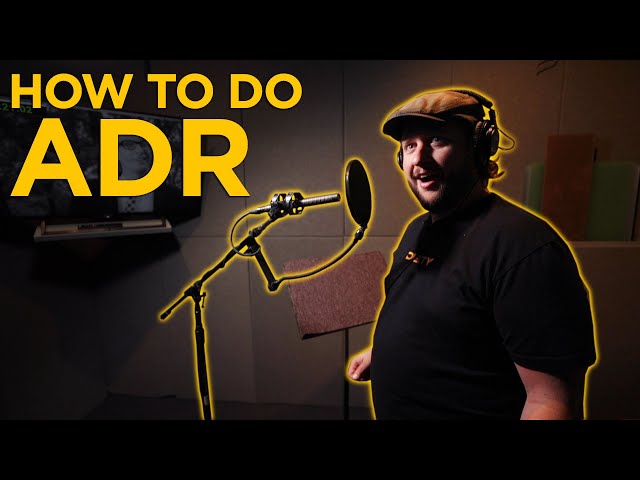
Automated Dialogue Replacement (ADR), also known as Additional Dialogue Recording, is a post-production technique used to re-record dialogue in films when the original production audio is compromised by technical issues, environmental noise, or performance problems; the process involves recording actors in a controlled studio environment while watching the picture with visual and audio guides (beeps), then applying audio processing techniques like EQ, reverb, and ambience to match the original recording's sonic characteristics.

Sound editing involves cleaning dialogue, adding temporary music, and incorporating story-relevant sound effects. Atmos tracks (buzz tracks) record ambient sounds like air conditioner hums for consistency when editing between camera angles. Sound design adds elements like sirens and bird songs. Foley artists record footsteps in sync with picture to match floor surfaces, typically taking 6-7 days for a feature film. ADR (Automated Dialogue Replacement) re-records unusable dialogue in a studio after the edit is complete, with actors matching their lip movements.

ADR (Automated Dialogue Replacement) is a post-production technique where actors re-record dialogue in a studio to replace original on-set recordings, while Foley artists recreate sound effects in a studio; this video demonstrates the process of re-dubbing a comedy video by having cast members re-record dialogue and recreate sound effects like birds and dogs, showing how professional sound design involves multiple layers of audio work including dialogue replacement and ambient sound creation.

Automated Dialogue Replacement (ADR) and Foley are complementary processes that restore audio realism after production recording compromises. ADR recreates dialogue in controlled studios when location recordings contain unwanted ambient noise, requiring actors to reperform lines while watching their performances on projection. Foley artists recreate everyday sounds (footsteps, clothing rustles) in controlled environments to replace or augment production recordings. Both processes face challenges: studio environments lack the interpersonal dynamics of actual filming, and removing natural acoustic information strips away subtle audio tells that make scenes feel real. Advanced Foley studios sometimes cast real locations to recreate authentic acoustic spaces.
Studying the psychological impact of silence and sound minimization as deliberate narrative and atmospheric choices.
Silence in film is not merely the absence of sound but functions as a deliberate narrative landscape that filmmakers construct. Sound designers sometimes remove elements from scenes to reveal underlying silence, allowing audiences to experience the temporal and emotional space between sounds. This sculpting of silence creates meaning and atmosphere that supports storytelling.

The narrator describes how the room irritated her physically, as if the sound of charcoal rubbing on dry lime remained in the air. The silence was like a needle on a record when music had ended—a neutral whine. This illustrates how silence can have psychological presence, and how the absence of sound can create tension. The narrator's irritation with silence demonstrates how silence can be as psychologically impactful as sound, and how the dynamics of observation and being observed can affect psychological state.
Minimization is a psychological manipulation technique that downplays the severity of your experiences, feelings, or pain in order to gain control, deflect responsibility, or silence confrontation. It doesn't deny what happened—it just tells you it wasn't that bad. And in doing so, it erodes your ability to trust your own perception of reality. You say something hurt you and they say you're overreacting. You express anger and they respond, 'It was just a joke.' You confront them about something serious and they sigh, 'I didn't mean it like that. You're too sensitive.' You cry and they coldly reply, 'Again?' What makes minimization so insidious is its subtlety. It doesn't scream—it whispers. It gaslights without completely denying. It allows just enough of the truth to pass through so the manipulator appears reasonable while stripping that truth of its meaning. It teaches you that your pain isn't valid unless someone else says it is. It teaches you to second-guess your emotional reality. Over time, you start shrinking your voice. You soften your words, question your instincts, and suppress your emotions before they ever leave your lips. Why? Because you already know the script. You already know your hurt will be met with dismissal. And so the silence becomes safer than the truth. Minimization is a favorite tool of abusers, narcissists, and toxic authority figures. It allows them to say, 'I didn't hit you that hard. I was just stressed.' It's not like I cheated on you. They shift the focus away from what they did and onto how you're reacting. Suddenly, the problem isn't their behavior—it's your response to it. This manipulation doesn't just cause emotional confusion—it creates emotional isolation. Because if someone you trust tells you over and over again that what you're feeling isn't real, eventually you start believing them. You start apologizing for your tears. You start saying it's fine when it's not. You downplay your own suffering to survive the relationship. But inside the wound festers because it was real. It did hurt and it was never just a joke.

Physical violence causes both immediate physical trauma and lasting psychological damage. When a person is physically assaulted, they experience acute pain, fear, and shock. However, the psychological impact extends far beyond the physical injuries. The absence of a protective response from a partner signals that the victim is not valued or believed, creating a psychological wound that may be more lasting than the physical injuries themselves. Minimizing physical violence by calling it 'slight' or 'accidental' is a dangerous pattern that enables further abuse. When perpetrators downplay the severity of their actions, they prevent victims from recognizing the danger they face and discourage them from seeking help. This minimization creates a false sense of security and prevents victims from taking protective action. The progression from emotional to physical abuse follows a pattern of escalating mistreatment, where the victim's own tendency to minimize the abuse compounds the harm.

El silencio pertenece tanto a quien actúa como a quien recibe. La escucha honesta abre la postura, baja el esternón y suaviza el cuello, haciendo que cualquier estallido suene orgánico. El roce con objetos (taza, borde de mesa) genera metáforas mudas: el personaje necesita sostener algo porque por dentro está soltando otra cosa. La geografía del encuadre ajusta el gesto al marco: en plano general la quietud es desafío, en primer plano es micrófono sobre el alma. La luz en media luz propone dos posibilidades que conviven, creando ambivalencia creíble. El tiempo emocional frente al tiempo del relato: un segundo alcanza cuando el actor crea densidad con micro temblores y retrasos. El silencio mal usado es manipulación; el silencio ético es servicio a la historia.
Analyzing how specific film directors (e.g., Alfred Hitchcock, Christopher Nolan) creatively subvert sound conventions to disorient or immerse the viewer.

Alfred Hitchcock's 'Rear Window' (Janela Indiscreta) uses energetic sound (diegetic sound that characters can hear) as a primary narrative device, rather than relying on non-diegetic musical scores, to create immersion, manipulate audience perception, and build tension through subtle cues like sirens and musical irony, demonstrating how sound design can tell a story by inverting traditional Hollywood conventions.
![#163 GRAZIE MAESTRO: Alfred Hitchcock al cospetto di Amleto: Intrigo internazionale [VOLUME 3]](https://i.ytimg.com/vi/37RkLZO7OvE/sddefault.jpg)
In the famous seven-minute scene where Roger Thornhill searches for the non-existent character Kharlan in an open field, Hitchcock deliberately subverts traditional thriller conventions. Instead of using dark alleys, rain, or enclosed spaces to create tension, he places the scene in bright, open countryside under clear skies. This inversion demonstrates Hitchcock's mastery of directing audience anxiety through spatial and atmospheric manipulation rather than relying on genre clichés.
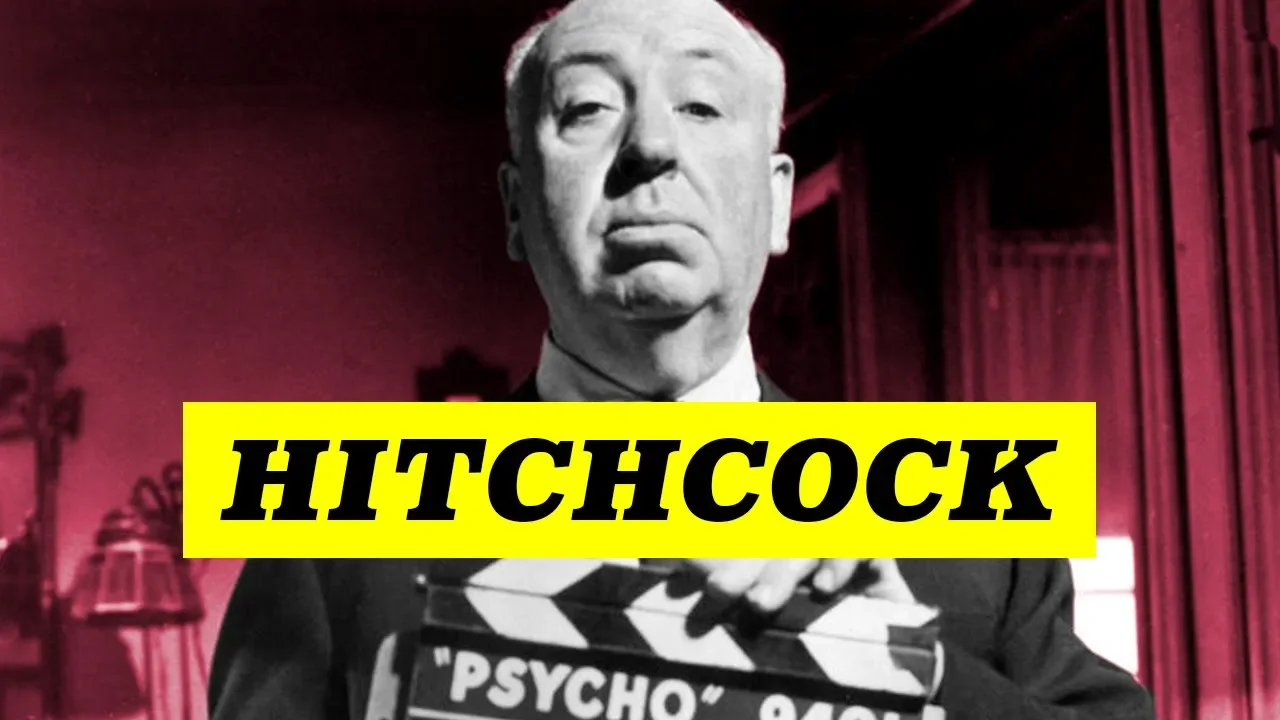
Blackmail (1929) became Britain's first sound film, presenting challenges with the German lead actress's accent. Hitchcock innovated by hiring another actress to speak lines off-camera during filming, synchronizing lips with the original performer. The Surtant technique using miniatures and mirrors solved lighting challenges in the British Museum scenes. Hitchcock felt he lacked original cinematic elements, reading books once and creating his own versions from memory. The Man Who Knew Too Much (1934) was his first attempt at multilingual versions, with the German version M praised for interior monologue and play-within-a-film techniques. The early 1930s brought failures with The Skin Game and Number Seventeen, threatening his career as audiences resisted his visual techniques.

In Blackmail (1929), Alfred Hitchcock pioneered the use of sound as a psychological tool, creating what he called a 'sound purée' where only the word 'knife' is clearly audible while other dialogue becomes indistinct noise, representing the protagonist's obsessive thoughts. This technique, combined with his innovative camera angles (slightly elevated to capture the character's psychological state) and the use of a shadow bigote to symbolize the villain, demonstrates how Hitchcock transformed sound from mere dialogue into a narrative device that reveals character psychology, establishing principles that would define his entire career and influence modern cinema.
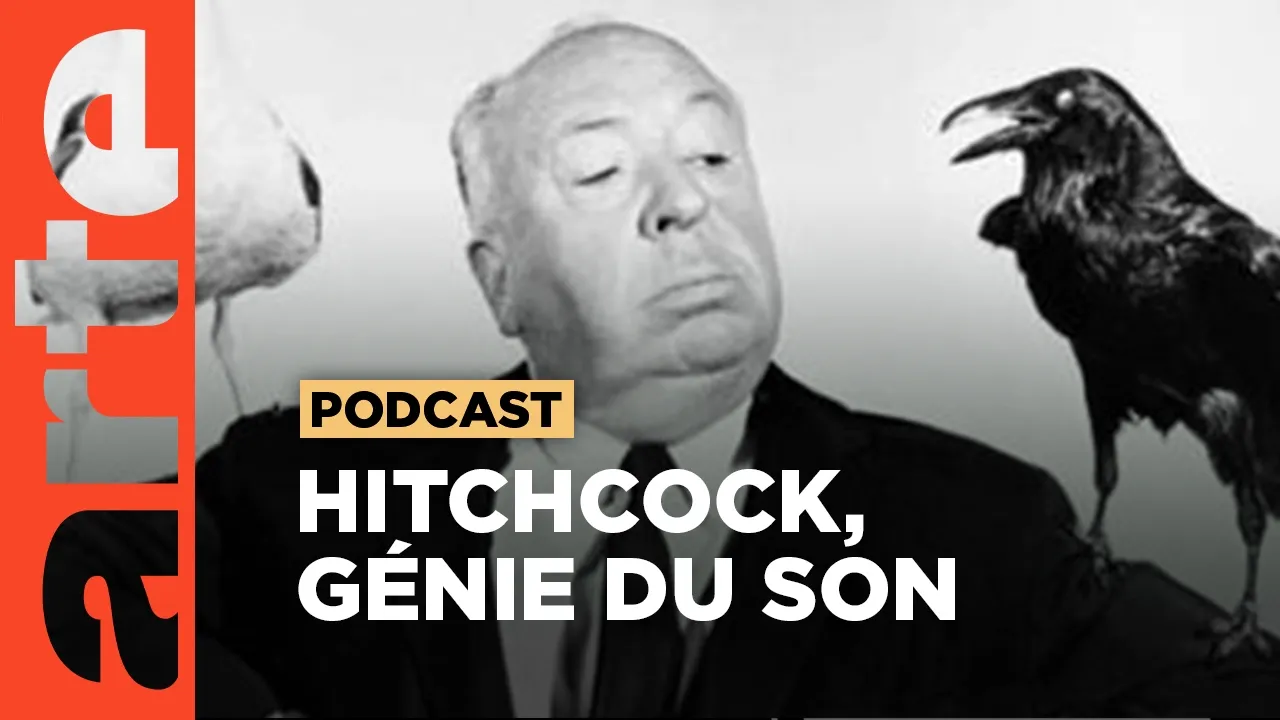
Alfred Hitchcock revolutionized cinema by treating sound as a deliberate artistic element rather than mere background, using both diégétique (produced by objects within the scene) and extra-diégétique (external to the narrative) sound strategically to create suspense, manipulate audience psychology, and enhance storytelling. His innovative techniques included using silence to generate anxiety, manipulating ambient sounds to control audience attention, and collaborating with composer Bernard Herman to create iconic musical themes that became integral to his films' emotional impact.
Core Concepts
0:01- 1
Explains diegetic vs non-diegetic sound basics.
- 2
Defines story world for characters vs audience only.
- 3
Origins of diegesis traced back to Greek philosophy.
The Transdiegetic Boundary and the Critique of the Rigid Binary
While the division between diegetic (in-world) and non-diegetic (external) sound is a foundational concept, prominent film theorists like Michel Chion and Robynn Stilwell argue that this binary is overly simplistic. They propose that film sound actually operates on a fluid spectrum, frequently occupying a liminal space known as the 'fantastical gap' or the 'transdiegetic' realm. For instance, a character's internal thoughts, stylized subjective audio, or music that transitions from a radio in a scene into the film's main orchestral score all defy categorization. Chion introduces concepts like 'acousmatic' sound (sound heard without its source being seen) to show how audio constantly crosses these boundaries to manipulate spectator psychology. Consequently, critics argue that strictly classifying sound as inside or outside the story world limits our understanding of how sound design truly functions to create meaning and emotional resonance in modern cinema.
Up Next

Fear Response Analysis: Reacting to Sinister (2012) Film
@RAZZLEMedia
190.9K views•2021-10-23

Visual Analysis Essay: How to Analyze Graphic Novels in College Writing
@nataliepleimann5941
1K views•2020-10-14
Andrei Tarkovsky's Filmmaking Style Explained
@StudioBinder
206K views•2025-02-03

Evolution of Darth Vader: Anakin Skywalker's Animated Journey Across Star Wars Films
@TellItAnimated
13.4M views•2019-03-30
Related Study Plans & Knowledge Roadmaps
Structured learning paths in Film Analysis