Analyzing the Long Take: Cinema, Space & Ethics
Learning Goal: Analyze the implementation of unbroken long takes and simulated one-shot sequences in survival and war cinema to interpret how the preservation of real-time spatial continuity affects the viewer's phenomenological immersion and ethical relationship to violence.
- Prerequisites: Introduction to Film Studies (familiarity with basic editing terminology, camera movements, and film style).
- Estimated Total Study Time: 14 hours
Module 1: Foundations of Film Grammar: Montage vs. The Long Take
This module establishes the foundational dialectic of film grammar: the tension between spatial construction through editing (montage/continuity editing) and spatial preservation through duration (the long take). You will learn how classical Hollywood constructed an artificial, "invisible" sense of time and space, and contrast this with how the uninterrupted long take transforms the spectator's perception of time, attention, and narrative gravity.
Recommended Videos
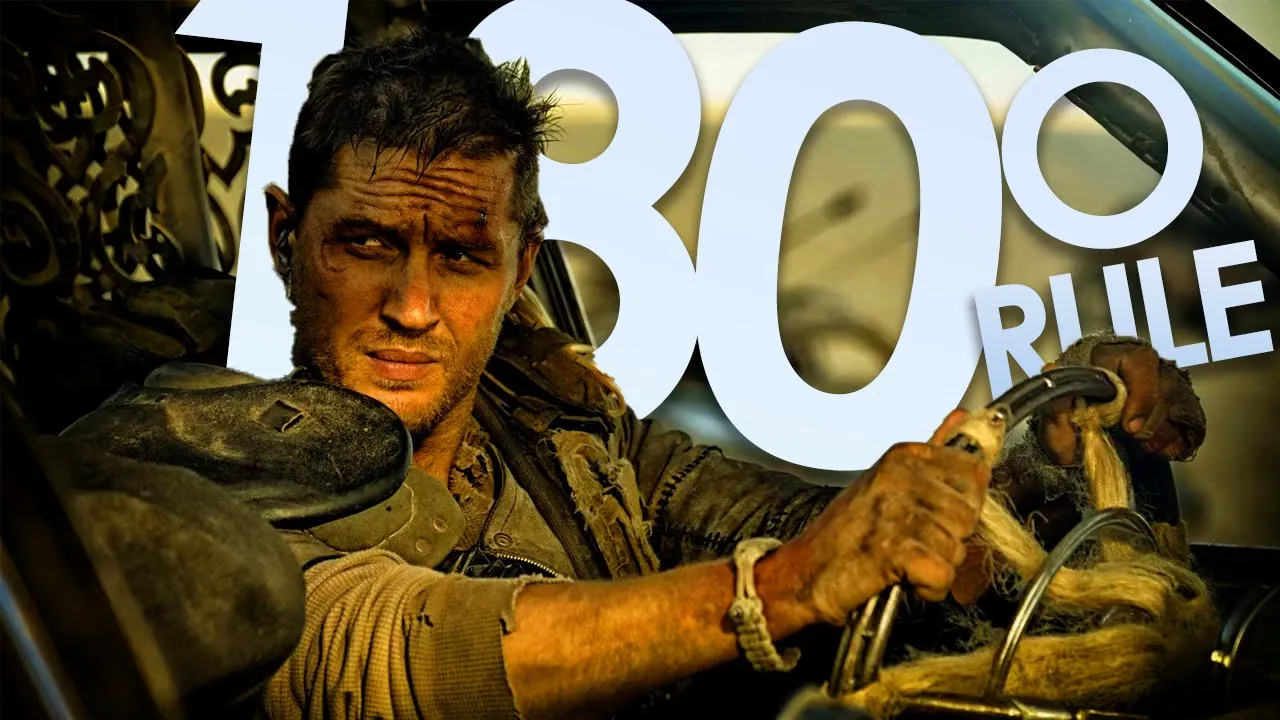
Why this video
This video provides an exhaustive, academically rigorous breakdown of classical Hollywood continuity editing. Understanding the mechanics of the 180-degree rule, match-on-action, and eye-line matches is essential. It illustrates how traditional cinema cuts up physical space to guide spectator attention seamlessly, serving as the perfect counter-model to the spatial preservation of the long take.

Why this video
This canonical compilation and analysis traces the aesthetic evolution of the long take across film history. Rather than treating the long take as a mere technical stunt, this video examines how master directors use extended duration to map physical environments, build excruciating narrative tension, and alter the spectator’s psychological relationship to the characters.
Why this video
This short but theoretically dense excerpt introduces a crucial philosophical concept: editing as an act of "mercy." By understanding the cut as a psychological release valve that permits the viewer to breathe, you will appreciate how the unbroken long take traps the spectator inside the uninterrupted flow of time, demanding a deeper psychological and physical investment.
Knowledge Checkpoint
- Contrast how "continuity editing" and "the long take" construct the spectator's sense of physical space.
- Explain the concept of editing as "mercy" and how its absence alters the viewer's somatic experience of suspense.
- Identify at least three historical motivations for employing an unbroken long take as outlined in the CineFix analysis.
Module 2: Choreography and Mechanics of the Simulated One-Shot
This module demystifies the technical illusions behind modern "one-shot" cinema. You will analyze how filmmakers transcend the physical limitations of camera equipment and film reels through mechanical choreography, invisible stitching, and digital visual effects to manufacture a seamless, uninterrupted reality.
Recommended Videos
![1917 - In Theaters December (Behind The Scenes Featurette) [HD]](https://i.ytimg.com/vi_webp/3hSjs2hBa94/maxresdefault.webp)
Why this video
This official behind-the-scenes look at Sam Mendes' WWI epic 1917 offers a window into the extreme mechanical discipline required for simulated one-shots. It demonstrates how sets must be built to exact stride measurements, how custom camera rigs (such as the ARRI Trinity) are handed off between operators and cranes, and why environmental lighting dictates the entire production schedule.

Why this video
A practical, breakdown-heavy tutorial illustrating the post-production and in-camera illusions used to fake continuity. By understanding techniques like color matching, whip-pans, object wipes, and digital stitching, you will learn to spot the "invisible" seams in films like Birdman and Rope, exposing the constructed nature of simulated spatial continuity.

Why this video
This video applies the concepts of hidden cuts directly to Alejandro G. Iñárritu’s Oscar-winning film Birdman. It dissects the film's specific spatial transitions, tracking how the camera exploits shifts in lighting, motion blur, and foreground occlusions to merge physically disparate sets into a singular, continuous stage.

Why this video
This brief but highly specific breakdown illustrates a modern action/survival film's deployment of "stitch points." By looking at a highly kinetic vehicle-to-foot chase sequence, it shows how dangerous stunts are partitioned into safe, manageable takes before being seamlessly fused using digital compositing (e.g., matching a shattering window frame).
Knowledge Checkpoint
- Define the term "stitch point" (or "invisible cut") and identify three physical camera movements used to hide a cut.
- Explain how camera technology (such as Steadicams and lightweight stabilized rigs) changed the physical limitations of the long take.
- Describe the choreography demands placed on actors and crew when shooting a sequence that cannot rely on traditional coverage.
Module 3: Phenomenology of Film: Real-Time Spatial Continuity
Academic Note on Video Coverage: While the YouTube catalog offers excellent visual overviews of the long take, it lacks rigorous video essays addressing classical film theorist André Bazin’s ontology of realism. To bridge this gap, this module pairs contemporary video analyses of time perception with structured independent readings to explore how real-time spatial continuity fosters deep phenomenological immersion.
Recommended Videos
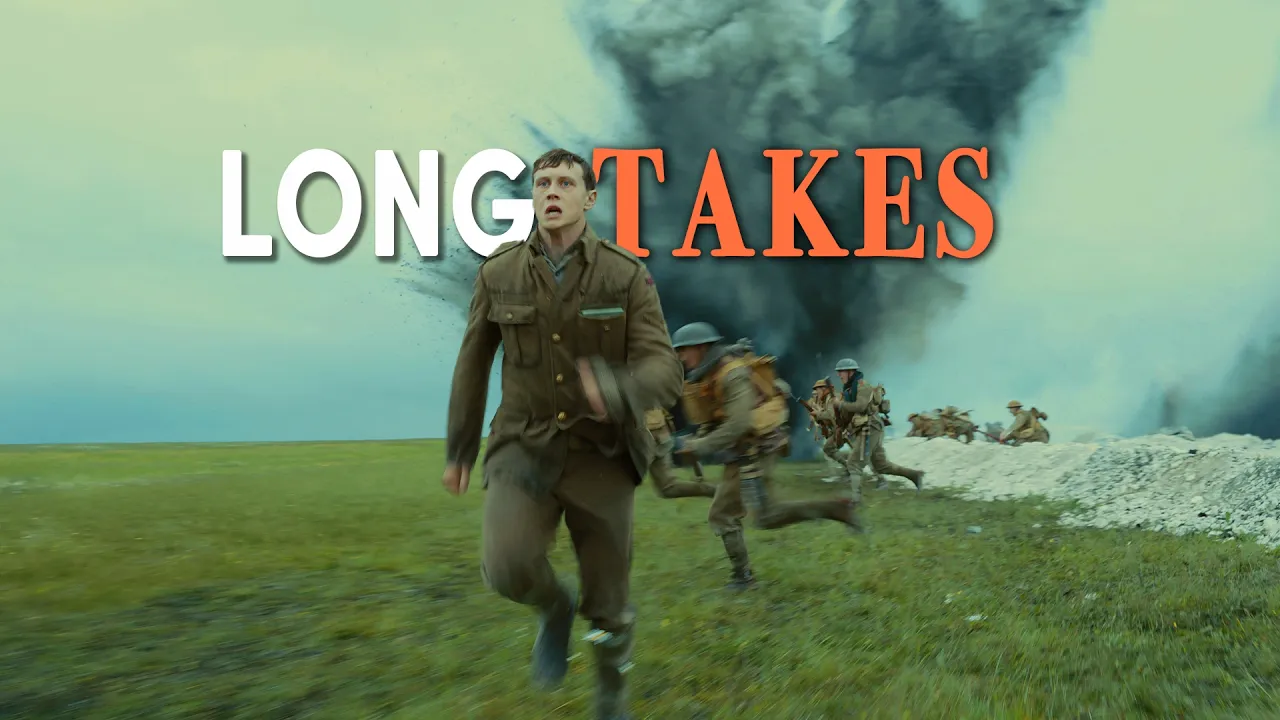
Why this video
This video essay serves as a phenomenological springboard. It investigates how prolonging a shot aligns cinematic time with our biological perception of real-life time. It explains how the lack of cuts prevents the viewer from escaping the frame, inducing deep somatic tension and an authentic sense of "co-presence" with the character.

Why this video
Phenomenology requires looking at the limitations of a medium's sensory grammar. This video critically analyzes the psychological trade-offs of the long take. By demonstrating what the long take sacrifices—specifically, the subjective interiority, poetic associations, and temporal compression enabled by montage—you will learn that spatial realism is a highly deliberate aesthetic choice with distinct narrative consequences.
Theoretical Supplement: André Bazin and Ontological Realism
To fully master this module, you must study the core tenets of André Bazin's theory of realism.
Bazin argued that cinema’s unique power lies in its ability to lay bare the reality of the world. Unlike montage, which Bazin claimed imposes a tyrannical, pre-digested meaning on the viewer, the long take preserves spatial-temporal continuity.
For Bazin, when a scene is shot in a single take with deep focus (mise-en-scène over montage), two phenomenological shifts occur:
- The Democratic Spectator: The viewer is freed from the director's totalizing hand. Without cuts forcing them where to look, they must actively scan the frame, choosing what to prioritize.
- Ontological Realism: The physical link between space and time is preserved. The event is not "represented" through fragments; it is allowed to unfold in its raw, continuous, and ambiguous state.
Independent Research Prompt: Search for scholarly articles or video essays using the query:
andre bazin film realism long take video essay. Read Bazin's seminal essay, "The Evolution of the Language of Cinema" (found in What is Cinema? Vol. 1).
Knowledge Checkpoint
- Define André Bazin's concept of "spatial-temporal continuity" and explain why he believed editing could destroy the "ontological realism" of a scene.
- Explain how a continuous camera movement alters the viewer’s cognitive relationship to the physical space on screen (i.e., the sensation of "being there").
- According to NowYouSeeIt, what psychological experiences are lost when a filmmaker rejects the use of montage?
Module 4: The Ethics of Violence in War and Survival Cinema
Academic Note on Video Coverage: Popular media analysis rarely interrogates the profound ethical tensions inherent in uncut violence. Most online videos treat action sequences merely as technical achievements. This module uses behind-the-scenes footage and film essays as case studies to critically evaluate the ethical boundary between deep empathy and the "gamification" of physical suffering in war and survival cinema.
Recommended Videos
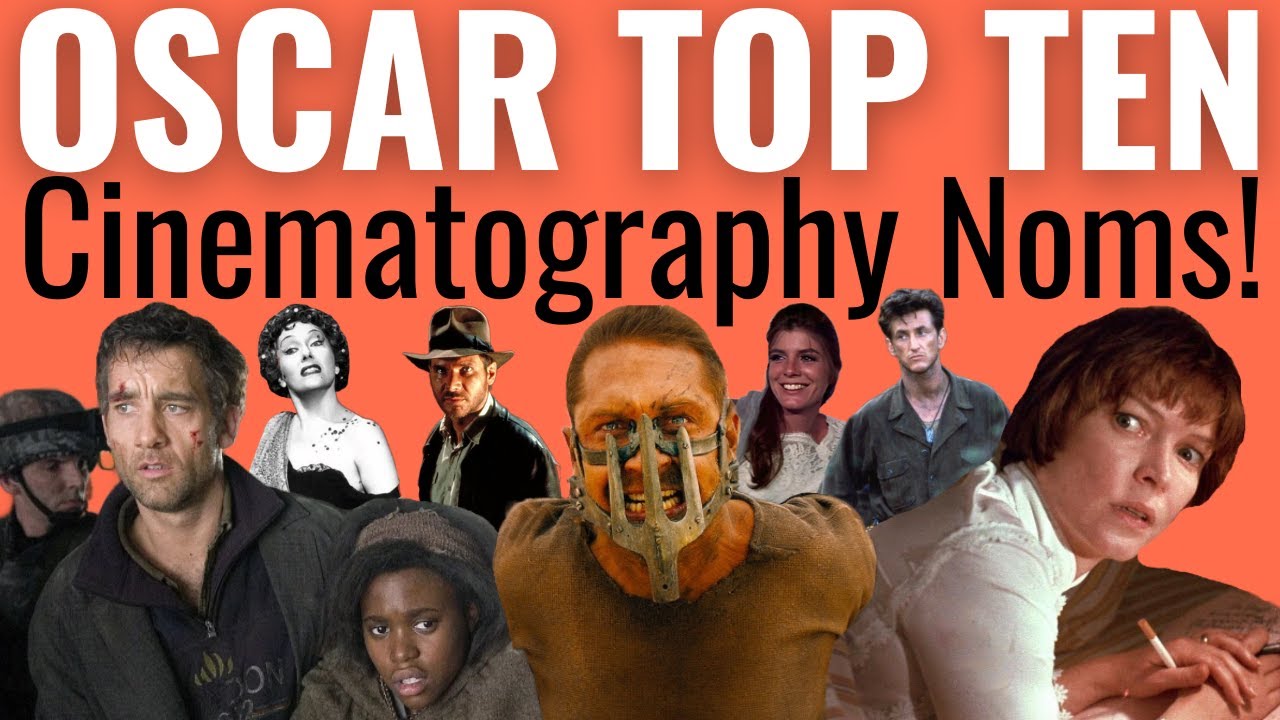
Why this video
This video analyzes Alfonso Cuarón and Emmanuel Lubezki's work on Children of Men. The film's famous refugee camp and car-ambush long takes are crucial to studying the ethics of violence. It highlights how the long take places the camera inside the line of fire, creating a visceral documentary-style realism that forces the audience to bear witness to chaotic violence without the protection of a cut.
![1917 | Exclusive Engagement Christmas, Everywhere January 10 (Extended Featurette) [HD]](https://i.ytimg.com/vi/m9kxAI9O7tA/maxresdefault.jpg)
Why this video
This extended featurette emphasizes the primary narrative goal of 1917's simulated single take: to bind the viewer's clock directly to the characters' survival clock. This alignment is central to our ethical inquiry. By forcing the viewer to experience every excruciating second of a soldier's journey across No Man's Land in real time, the film attempts to foster radical empathy—but it also risks aestheticizing historical trauma.
Critical Analysis: The Ethical Divide — Empathy vs. Gamification
The preservation of spatial-temporal continuity in survival and war films introduces a profound ethical paradox.
┌─────────────────────────────────────────────────────────────────────────┐ │ THE ETHICAL PARADOX │ └─────────────────────────────────────┬───────────────────────────────────┘ │ ┌────────────────────────┴────────────────────────┐ ▼ ▼ ┌──────────────────────────┐ ┌──────────────────────────┐ │ RADICAL EMPATHY │ │ GAMIFIED VOYEURISM │ ├──────────────────────────┤ ├──────────────────────────┤ │ • Preserves raw gravity │ │ • Camera mimics "third- │ │ • Somatic distress │ │ person shooter" POV │ │ • Bear witness in real │ │ • Violence as a showcase │ │ time without escape │ │ of mechanical prowess │ └──────────────────────────┘ └──────────────────────────┘
1. The Empathy Argument (The "Witness" Aesthetic)
Proponents of the long take in films like Children of Men argue that by refusing to cut, the filmmaker honors the terrifying gravity of violence. Because there is no cut, we cannot look away; we are locked into the duration of the threat. The blood splattering on the camera lens in Children of Men is a prime example of this: it acknowledges the presence of the camera, highlighting the terrifying vulnerability of a human body trapped in space.
2. The Gamification Argument (The "Voyeur" Aesthetic)
Conversely, modern continuous-take action/war sequences (such as the 12-minute extraction scene in Extraction or the sprint across the battlefield in 1917) face a severe ethical critique: the gamification of war.
When a camera floats effortlessly through windows, glides over explosions, and follows directly behind a protagonist's shoulder, it mimics the camera movements of third-person action video games (e.g., Gears of War or The Last of Us). In this mode, the spatial continuity no longer honors the tragedy of human suffering; instead, it invites the viewer to admire the choreography of death, transforming an ethical encounter with violence into an aestheticized, voyeuristic spectacle.
Independent Research Essay Prompt: Write a comparative analysis of the ethical positioning of the spectator in Children of Men (where the camera feels like an endangered journalist) vs. Extraction (where the camera acts as a hyper-kinetic, disembodied virtual entity). Use the query:
gamification of violence in modern war films one shotto seek out peer-reviewed cinematic analyses.
Knowledge Checkpoint
- Contrast how the "documentary eye" long take (e.g., Children of Men) and the "virtual camera" long take (e.g., Extraction) construct different ethical relationships to violence for the spectator.
- What is meant by the "gamification of war" in contemporary one-shot cinema?
- How does forcing the spectator to experience cinematic narrative in "real-time" alter their moral responsibility toward the events unfolding on screen?
Course Map
Key People Index
- André Bazin (1918–1958): French film theorist and co-founder of Cahiers du Cinéma. Championed ontological realism, arguing that the photographic image possesses a physical connection to reality. He prioritized mise-en-scène (blocking within the frame) and the long take over the manipulative, artificial construction of montage.
- Walter Murch: Renowned film editor and sound designer (Apocalypse Now, The Godfather). Known for his "Rule of Six" editing philosophy, Murch argues that editing is essential because it mirrors the physiological way humans process thought through blinking, warning that "one-shot" films strip cinema of its most powerful emotional tool: the cut.
- Roger Deakins, ASC, BSC: Acclaimed cinematographer who worked alongside director Sam Mendes to execute the simulated one-shot structure of 1917. Deakins revolutionized the use of lightweight camera systems and remote heads to allow the camera to glide through physically impossible spaces.
- Emmanuel Lubezki, ASC, AMC: Cinematographer famous for his pioneering work with long takes in collaborations with Alfonso Cuarón (Children of Men, Gravity) and Alejandro G. Iñárritu (Birdman, The Revenant). His approach relies on wide lenses, natural lighting, and deep focus to place the spectator in an intimate, somatic relationship with the environment.
Final Self-Assessment
Complete this comprehensive self-assessment to demonstrate mastery of the curriculum's learning goal.
- I can articulate the core technical and philosophical differences between Soviet montage, Hollywood continuity editing, and the long take.
- I can identify the specific point in film history where camera technology (Steadicam) liberated the long take from static or rigid tracking shots.
- I can watch a simulated one-shot sequence (such as in 1917 or Birdman) and accurately detect at least three hidden stitch points.
- I can explain André Bazin's theory of ontological realism and his preference for spatial-temporal continuity over montage.
- I can define the concept of the "democratic spectator" and explain how deep focus and the long take empower individual viewer attention.
- I can analyze how the physical feeling of "real-time" duration increases cognitive suspense and empathetic immersion during a survival sequence.
- I can identify the visual cues that transition a long take from a "documentary witness" aesthetic to a "video game / third-person shooter" aesthetic.
- I can write a critical evaluation of a war sequence, assessing whether its continuous camera work serves to honor human trauma or aestheticize violence for entertainment.