


![6 Ways to Edit Any Scene — Essential Film & Video Editing Techniques Explained [Shot List Ep. 10]](https://i.ytimg.com/vi_webp/FVR8zz8ci2k/maxresdefault.webp)
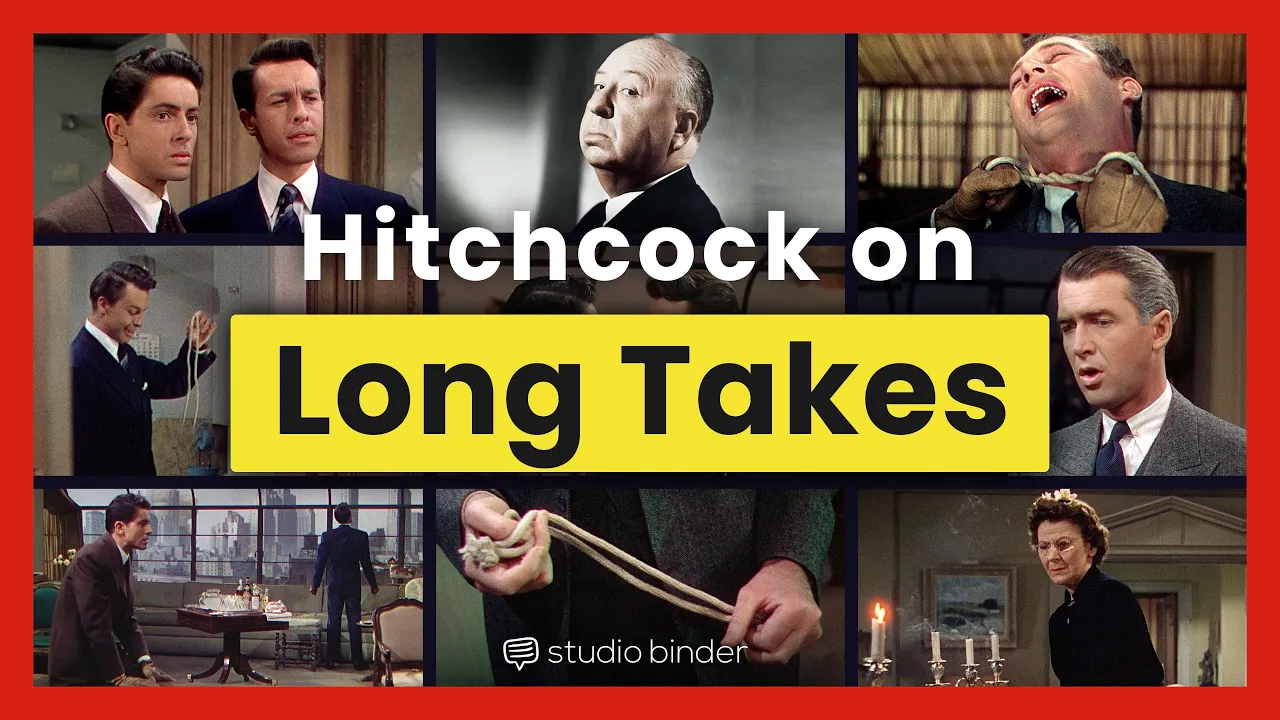







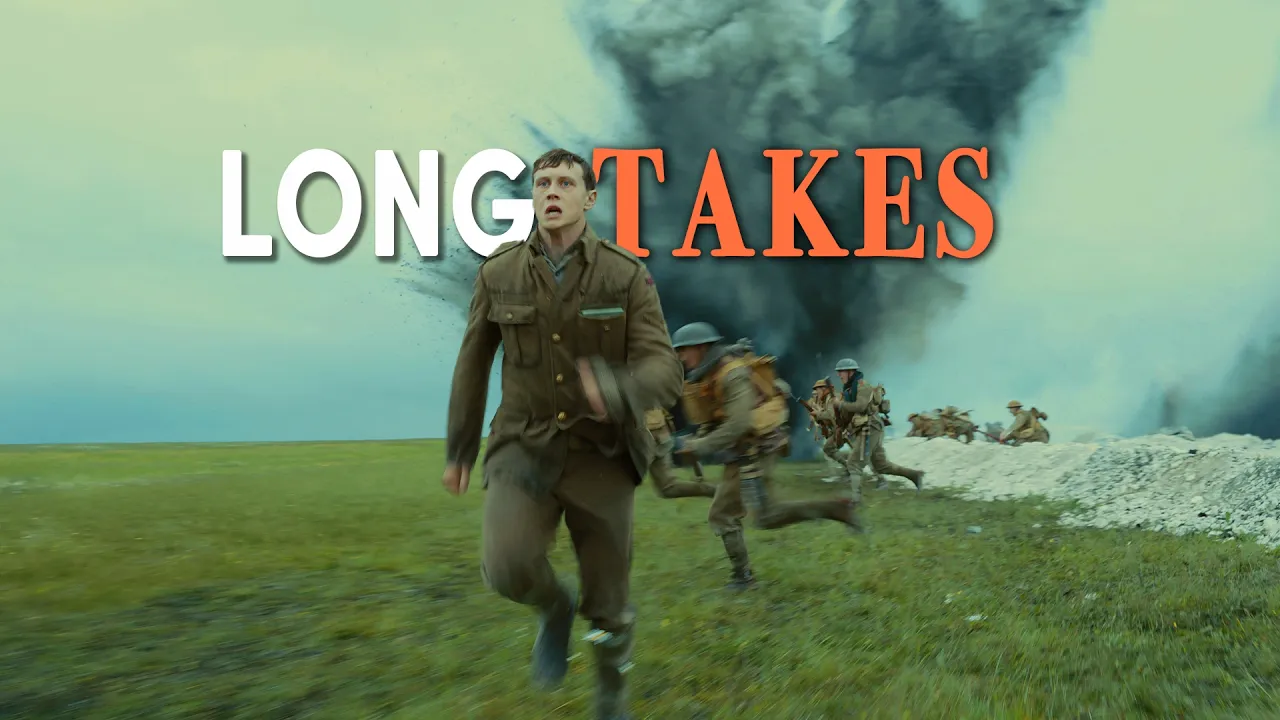




While long takes are visually impressive and push technical boundaries, they are limited in their storytelling power compared to edited sequences because they cannot create the same symbolic associations, thematic connections, or emotional intensity that effective cuts provide; editing allows filmmakers to guide viewers' attention, create juxtapositions, and establish symbolic meanings that long takes cannot achieve as effectively.
Long Takes vs. Editing: Limits of Cinematic Storytelling
Added:Basic understanding of the distinction between a long take (a continuous, uninterrupted shot) and standard film editing.
Familiarity with the concept of montage and how the juxtaposition of shots creates meaning and emotional impact.
A general awareness of Alfred Hitchcock's filmmaking style, particularly his experimental approach to real-time storytelling in films like 'Rope'.
Fundamental film grammar, including continuity editing rules (such as the 180-degree rule) and how cuts guide audience attention.
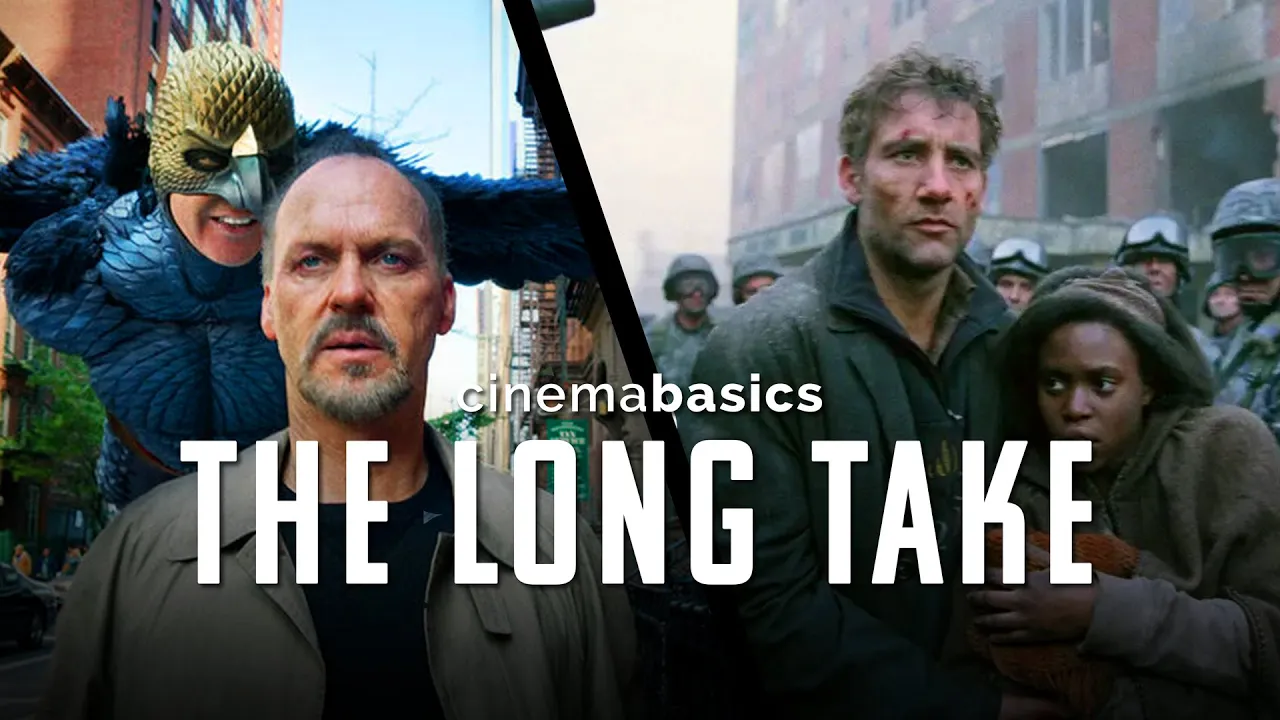
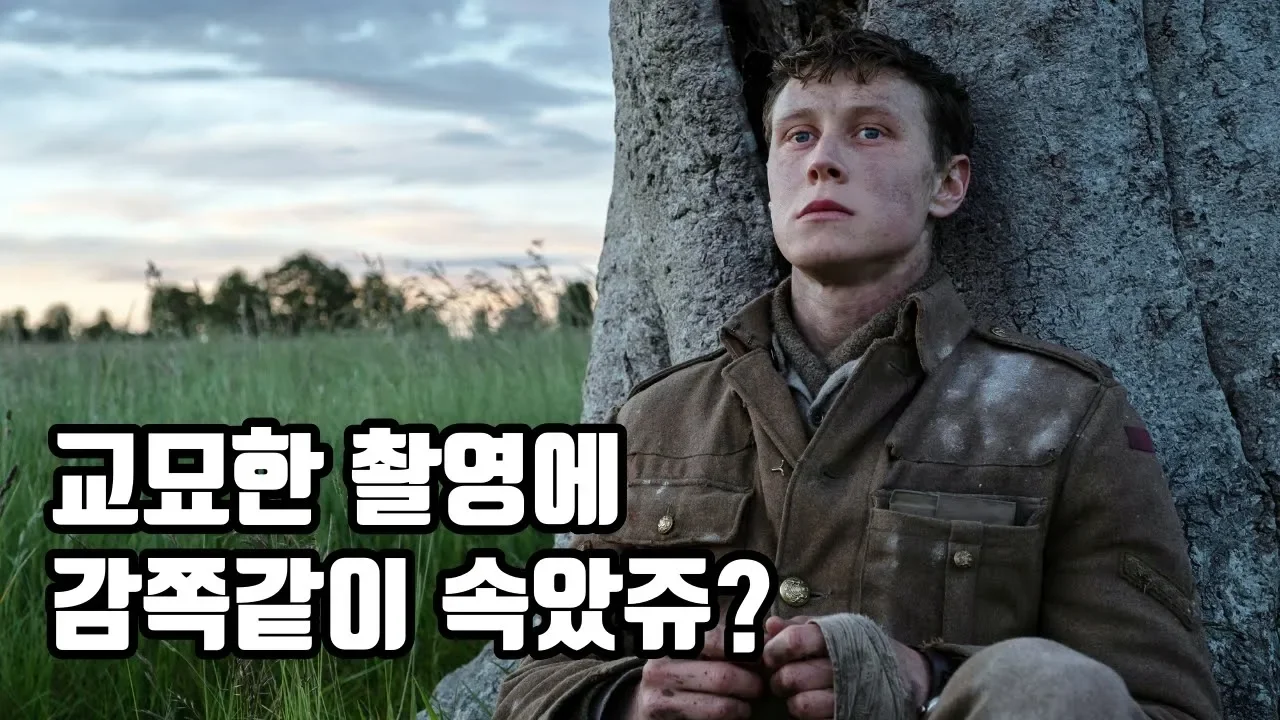
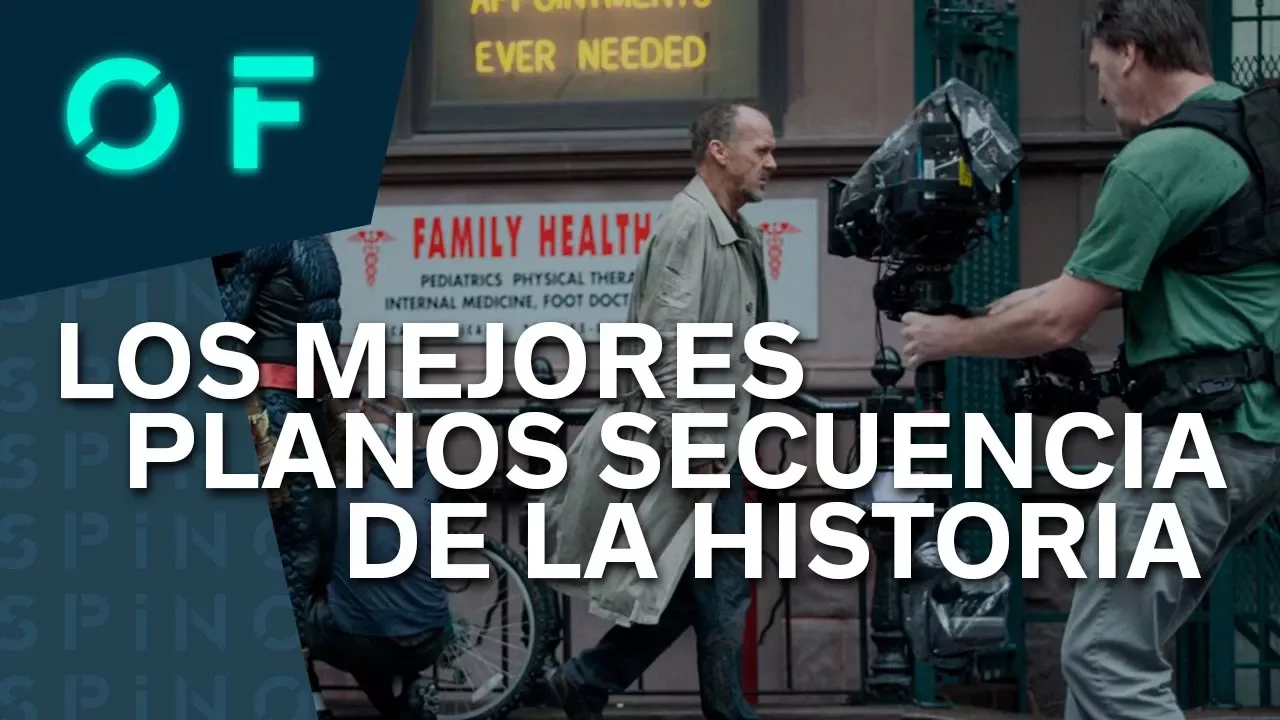
Analysis of modern 'one-shot' or simulated long-take films (e.g., 'Birdman', '1917') and the digital editing techniques used to construct them.
Exploration of André Bazin’s realist film theory, which champions the long take and deep focus over the manipulation of montage.
Practical study of blocking and camera choreography required to sustain narrative tension without relying on cuts.
The cognitive and psychological impact of editing pace on viewer engagement, comparing 'slow cinema' to rapid contemporary editing styles.
873.1K views18Klikes6:21Original Release: 2016-03-27
Pictures they make these days are all MTV, cut cut cut cut.
The opening shot of Wallace's Touch of Evil was six and a half minutes long!
- Six and a half minutes, Walter?
a three or four he way he set up the whole picture that one tracking shot my father was the key Griffin ish hey And what about Absolute Beginners? That was an extraordinary shot!
What the hell was that, I never heard of it.
Welcome to Now You See It. Aren't long takes awesome?
I'm talking about the huge ones, the masterpieces where all the technical camerawork, special effects and carefully choreographed movement pushes the boundaries of cinema as an art form and leaves us thinking: holy shit.
If you want to read more about how awesome they are, I recommend these three articles or even these ten. How about 25?
What I'm saying is we're all well aware of how long takes work.
They dazzle, they entertain, they push film to its limits; but I want to make a quick video essay that explores one way long takes might be limited in their storytelling ablities.
To start, let's hear from someone familiar who doesn't like long takes.
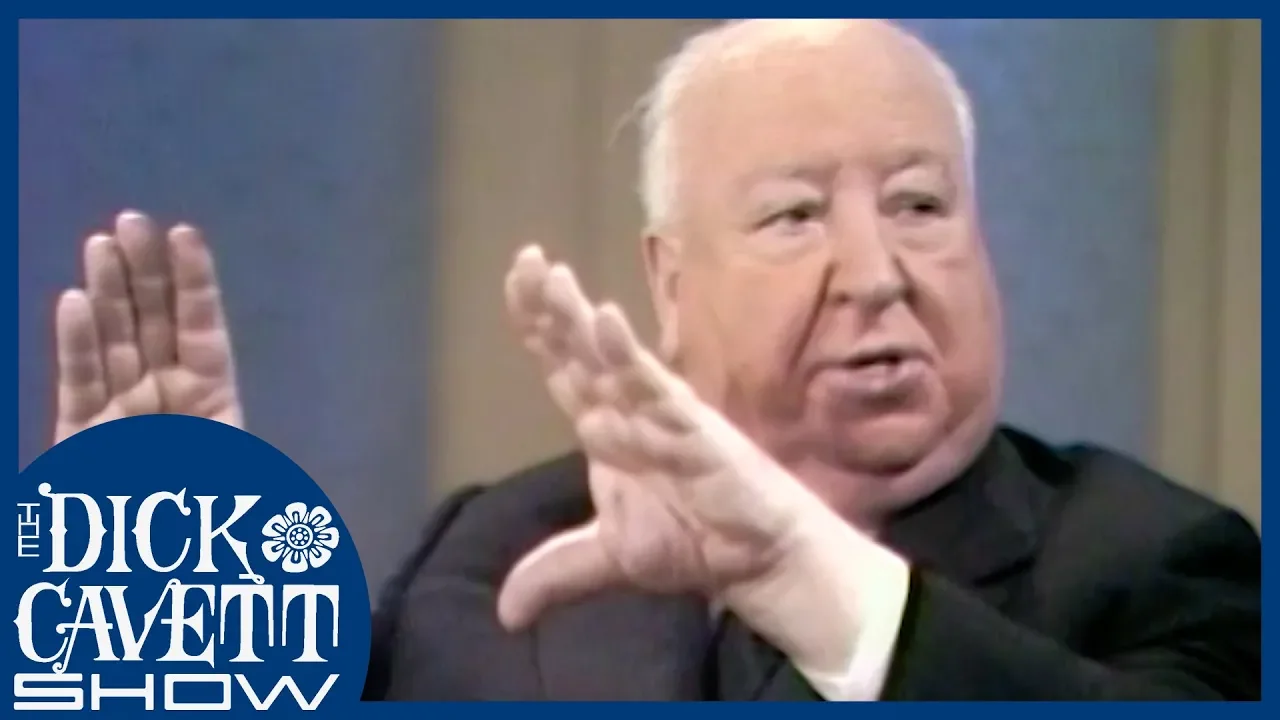
HITCHCOCK: I don't know why I really dulged in the stunt, I can only call it a stunt, in Rope.
Rope was Hitchcock's attempt at a movie taking place in real time in one long take.
Originally a play, Hitchcock kept every action and reaction in the frame and let the camera roll.
Cameras at the time could only film 20 minutes per reel, so he had to hide cuts inbetween scenes when he needed to.
The result is something Hitchcock didn't think was all that great.
He comments on what it was missing in a French interview with Truffaut, which explains the French translator in the background.
When I look back, of course, it's quite nonsensical, really, because I was breaking all my own tradition on reusing film and the cutting of film to tell a story.
Oh a lot of people think the cutting is will say montage or assembly he's taking a man from one place to another and jumping into a close-up of him which Griffith invented is true but to me goes much deeper so that's what long takes can miss editing in many ways Hitchcock was simply filming a play but even with something originally a play you can use editing to tell a story and Hitchcock thinks editing is a strong storytelling device that was missing with his movie how could rope have used editing to tell its story 12 Angry Men originally a teleplay and then a stage play also has a limited set and heavy dialogue but the editing tells us everything unlike rope which has no editing the beginning shots are wide and comfortable there's actually a six-minute long take in the beginning where conversation is light and everyone at ease in the early scenes most of the dialogue features multiple people that takes our relatively long and shots of single people aren't too close as the movie progresses intense scenes have super close ups of characters and the edits are much quicker by allowing the camera to cut quickly from close up to close up editing showcases the intensity of the scene what do you want I say is guilty not to mention the eerie overhead lighting the performances and the rain in the background the cuts are very important here to quickly and efficiently move from the action to the reaction as opposed to a long take where the camera has to either whip around or we see action and reaction at the same time which gives them both equal weight to the viewer but that's not to say filmmakers can't direct our eyes without using cuts on the contrary directors guide our eyes with the right lighting camera movement and frame composition the University of Edinburgh developed a visual tools that track I movement so they can show people a movie clip and track what they look at in this scene in there will be blood the person talking is important to the viewer according to where they're looking but I movement also shifts when someone moves to smoke a cigarette or starts leaving the frame there's lots of ways to direct the I like what's in focus where everybody is looking lights and geometry you may not notice it consciously but directors are telling you where to look especially in flashy long takes the long battle scene in the revenant is chaos but it's directed chaos you look from one person to another or at that specific arrow whizzing past the camera but according to Hitchcock a long take just can't beat the intensity speed and storytelling power of an effective cut cottingley implies severing something it really should be called assembly when clips are assembled together through editing they create a new story for the viewer if you cut from one clip to another your mind associates the clips with each other and creates the idea of course the classic example is the psycho shower scene but it works in a variety of movies in The Godfather Coppola cuts from the spiritual cleansing of Michael's son through baptism to the violent cleansing of mafia leaders one cleanses with holy water the other with blood and all this works you could write a book on what this editing choice means in the context of the film but one thing is very clear the editing is what establishes this symbolic connection and a long take just doesn't have the ability to thematically associate to different ideas in a way as effective as these edits montage means the Assembly of pieces of film which moved in rapid succession before the I create an idea I love long takes anybody can appreciate them for how beautiful they are but they are limited in their storytelling power they give us more choices in what to look at compared to cutting from face to face or object to object this has its advantages with more to look at we can be more overwhelmed more taken it back more amazed but a cut forcing us to look at one thing that can be intense has the kind of emphasis a big shot doesn't have so sometimes an edit works sometimes along take works it just depends on how you look at it what's the difference how long it takes suppose we do it in five minutes so what let's take an hour ball game doesn't start till eight o'clock if you wish this video was longer you're in luck because all time movies has a great video that focuses on how directors pull off these intricate long takes and sometimes long takes are hidden in plain sight watch Tony's house video on the Spielberg one or to learn more about that both these videos are in the description thanks for watching
Up Next
22:13
Top 10 Best Cinematography Oscar Nominations Ever
@TheAwardsContender
11.8K views•2025-07-25

23:14
Visual Analysis Essay: How to Analyze Graphic Novels in College Writing
@nataliepleimann5941
1K views•2020-10-14
3:59
Film Geometry: How Cinematographers Use Shapes to Direct Emotion
@NowYouSeeIt
2.4M views•2016-10-08

4:00
Evolution of Darth Vader: Anakin Skywalker's Animated Journey Across Star Wars Films
@TellItAnimated
13.4M views•2019-03-30
Related Study Plans & Knowledge Roadmaps
Structured learning paths in Film Analysis
film-analysis
Sensory Cinema: Foley, Haptic Sound & Texture
01Introduction to Film Sound and Foley Artistry
02Micro-Sounds, Textures, and Extreme Amplification
03Haptic Audition and Film Phenomenology
+ 1 more learning modules
12h4 modules
Explore Roadmap
film-analysis
Breaking the Fourth Wall: Mockumentary & Satire
01The Invisible Wall: Basics of Cinematic Illusion
02Looking at the Lens: Direct Address & Character Glances
03The Mockumentary: Satire, Realism, and Complicity
+ 2 more learning modules
12h5 modules
Explore Roadmap
film-analysis
Analyzing the Long Take: Cinema, Space & Ethics
01Foundations of Film Grammar: Montage vs. The Long Take
02Choreography and Mechanics of the Simulated One-Shot
03Phenomenology of Film: Real-Time Spatial Continuity
+ 1 more learning modules
14h4 modules
Explore Roadmap
film-analysis
Anachronistic Music: Period Drama & Subversion
01Foundations of Film Sound and the 'Needle Drop'
02Traditional Authenticity vs. Revisionist History
03The Rise of the Anachronistic Soundtrack
+ 2 more learning modules
12h5 modules
Explore Roadmap