















Long takes are extended continuous shots that enhance audience immersion by providing real-time continuity, building emotional tension through prolonged engagement, and revealing character relationships and spatial environments without cuts; filmmakers achieve these shots using various techniques including stationary cameras, handheld operation, Steadicam or gimbal stabilization, crane movements, dolly tracks, and combined camera movements, while overcoming technical challenges like wireless transmission, lighting consistency, and synchronization of camera and actor movements.
Long Takes in Filmmaking: Techniques and Impact
Added:Understanding of continuity editing and standard cutting techniques to appreciate how long takes disrupt traditional film pacing.
Familiarity with basic camera movements such as panning, tilting, tracking, and crane shots.
Concept of mise-en-scène and actor blocking, as long takes require precise spatial coordination between actors and the camera.
Basic knowledge of cinematography equipment, including standard tripods, dollies, and handheld camera rigs.
Advanced study of camera stabilization systems, specifically Steadicam operation, gimbals, and Technocranes.
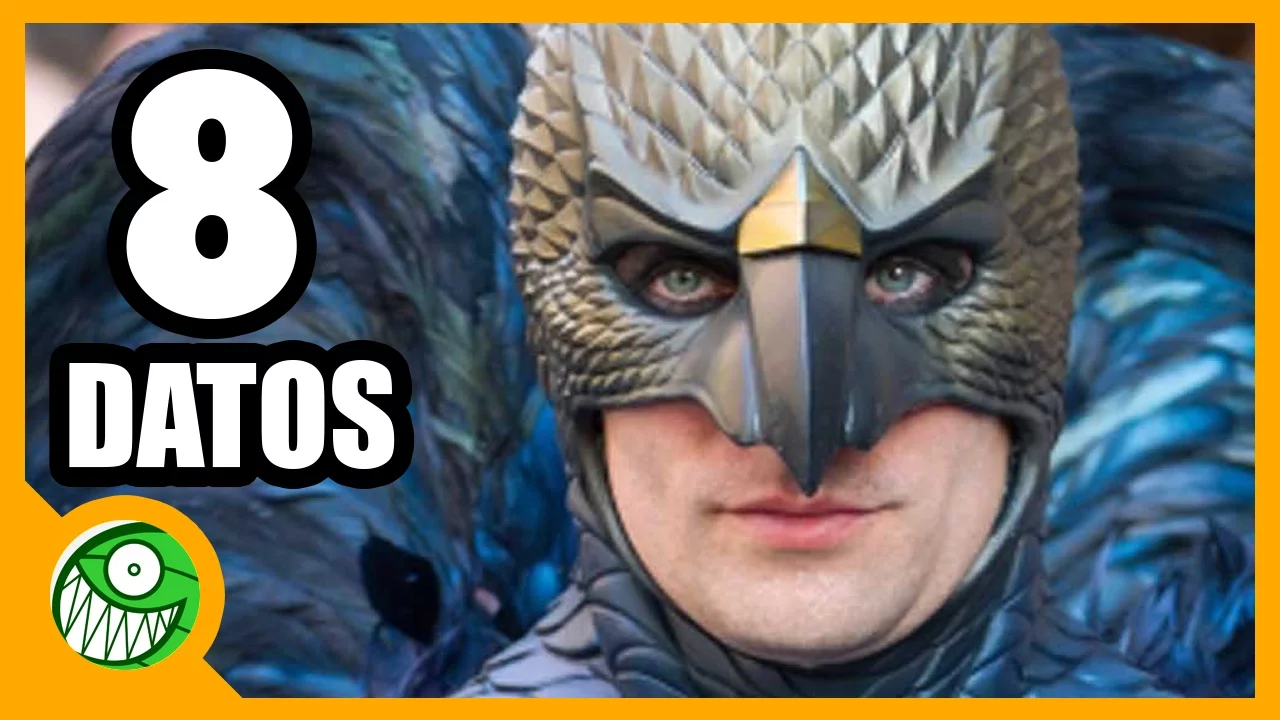
Analysis of 'hidden cuts' and digital stitching techniques used to create the illusion of a single continuous shot (e.g., in films like 1917 or Birdman).
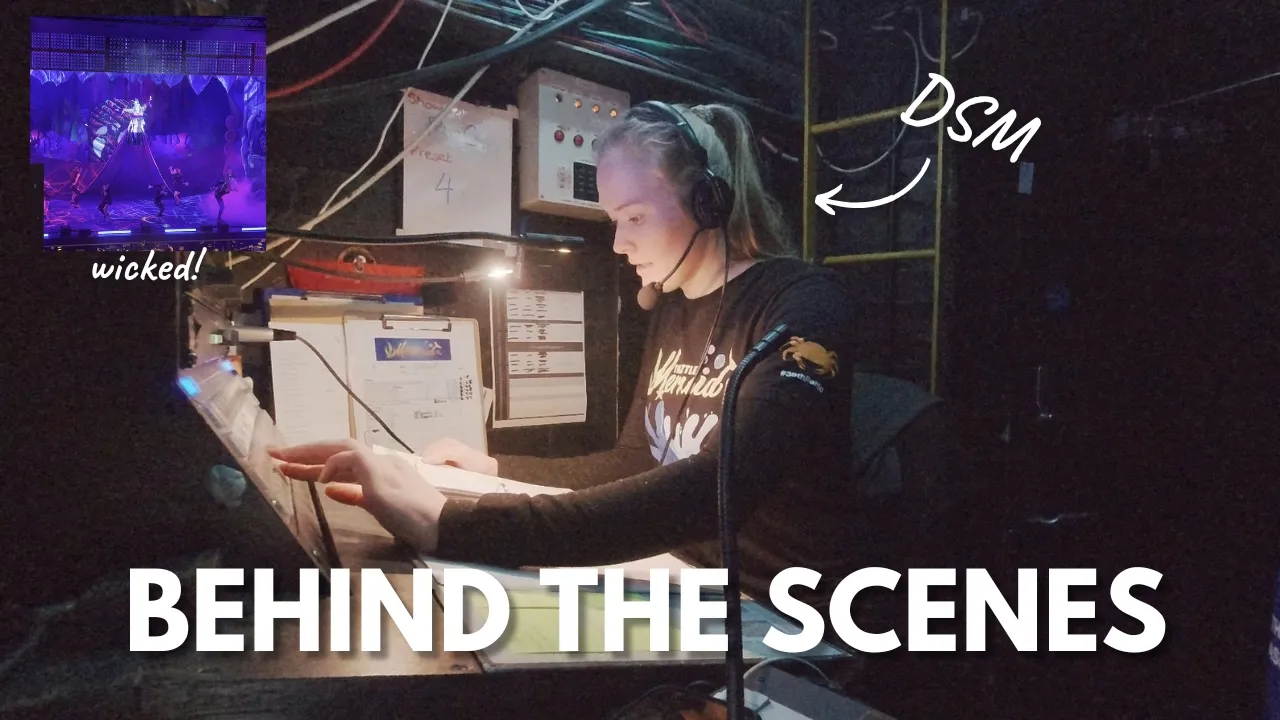
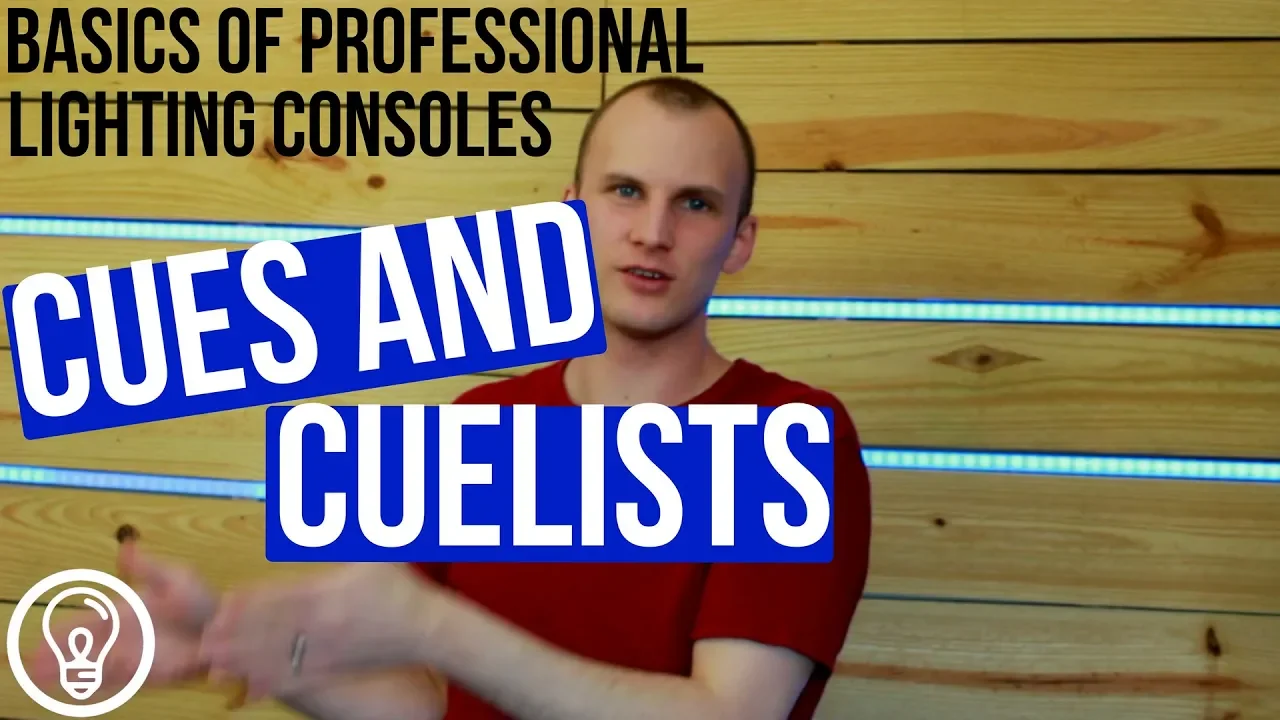
The logistics of directing and choreographing large-scale, single-take sequences involving complex cueing for lighting, sound, and special effects.
In-depth auteur studies of filmmakers renowned for their use of long takes, such as Andrei Tarkovsky, Alfonso Cuarón, and Alejandro González Iñárritu.
31.3K views1.2Klikes18:19Original Release: 2024-07-28
This video is sponsored by Squarespace - the one-stop shop for setting up your website.
If each cut in a movie can be compared to taking a breath, then doing a long take is like closing your mouth, pinching your nose and seeing how long you can go on one lungful of air.
On average, editors and directors will cut to a new shot around every 3 seconds. However, sometimes filmmakers prolong this by shooting and holding on a single shot for 3 minutes, 5 minutes or even an unbelievable 87 minutes at a time.
In this video let’s take a look at what makes long takes effective, why filming these shots can be challenging, and identify the various ways and pieces of equipment which can be used to pull them off.
If you’ve been on a film set you’ll know that sometimes even the simplest looking shots on paper, can be incredibly challenging to pull off. So, what are some reasons why filmmakers make their lives more difficult by even bothering to try ambitious long takes?
The longer a shot plays out in real time, the more of an immersive experience it provides. This allows audiences to engage with sequences with a sense of real-time continuity. This can feel a bit more realistically representative and true to how we experience time in real life, rather than movies which chop up actions into loads of tiny little pieces and fragments of time.
Like this famous 4 minute long take from Children Of Men, which plays out some lighthearted, human moments, before gradually ramping up the action into a tense, immersive chase sequence - which all takes place in real-time in a single shot.
“Part of the reason we chose to tell Children Of Men in very fluid, long takes was to take advantage of the element of real time.” For this reason, long takes are sometimes used in action or even dialogue sequences to make audiences feel engaged and like they are watching things unfold more viscerally in real-time.
At the beginning I compared editing to breathing - which can either be done with slow, deep, relaxed breaths which are spaced apart, with short, choppy, panicked gasps for air, or, in the case of long takes, by holding a breath for an extended period of time.
How filmmakers space out cuts has an unconscious emotional impact on audiences. Prolonging cutting - or withholding the audience from taking a breath - can be a great tool for building a feeling of tension, anticipation and intensifying emotional moments.
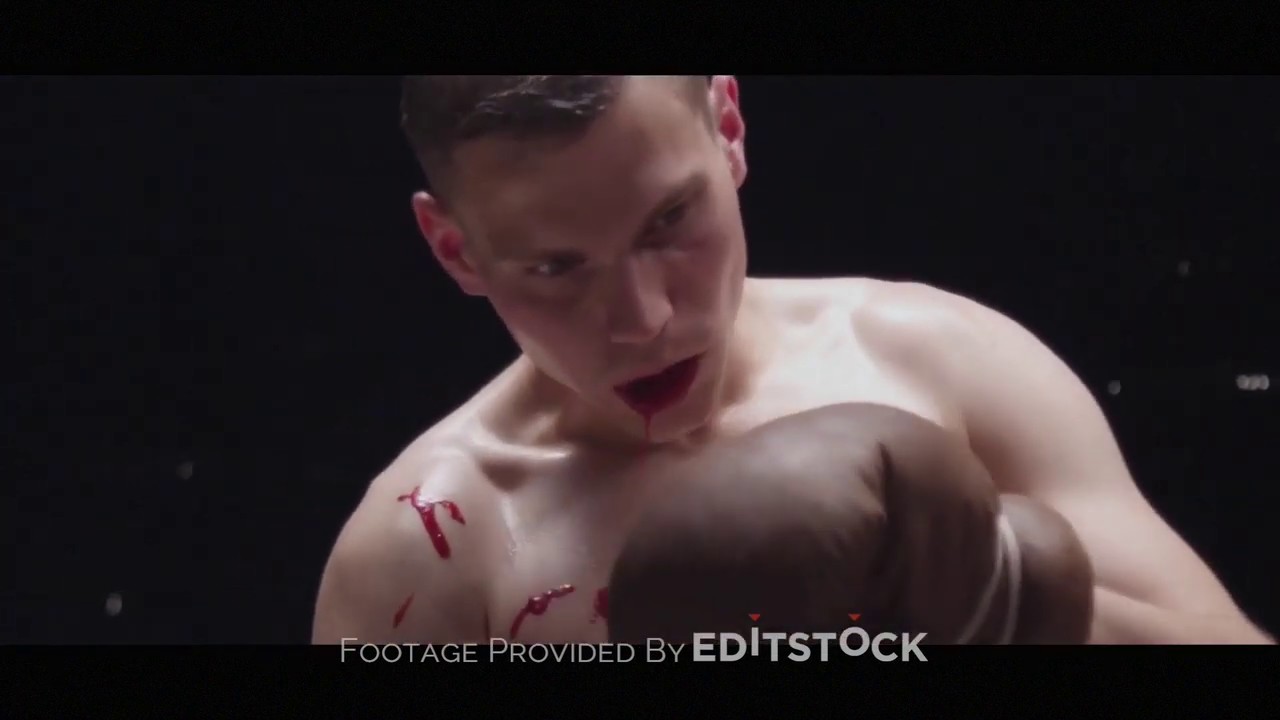
Hunger holds on a locked shot of a key dialogue scene between two characters for an incredible 17 minutes - intensifying the drama, giving the dialogue a real-time rhythm and locking the audience's focus in as the scene builds a powerful atmosphere.
“Once you cut away then you give the audience an excuse. It’s no longer real. It becomes a film at that point. But if the shot carries on then there is no escape. The audience, if they’re engaged with the story and engaged with the characters, are drawn deeper and deeper into that scene by not cutting. It actually heightens the emotional impact of the story, by giving you nothing else.” Another effect which long takes may have is to build the world of the story, the space it takes place in, and the characters which inhabit that world. By having the camera flow with characters through a space, it can both introduce the location itself to the audience as well as how different characters interact with each other, what their relationships are and the hierarchy or power dynamic that exists between them all without interruption.
Filmmakers can also use long takes to tell the story in one of two styles: a more subjective style, where the camera is latched mainly onto one, or a couple, of characters, as they move through a space, like this 4 minute shot from Goodfellas, or in a more objective style like the opening shot of Boogie Nights, where the camera flows from an establishing shot, into showing various different members of the ensemble cast as the camera progressively roams around a nightclub.
These two ways of shooting long takes are informed by the director’s overall perspective on the story. One contains voice over narration by and is mainly seen through the eyes of a single protagonist. The other alternates between various storylines and scenes between various characters and their relationships throughout the movie.
Now that we know some of the reasons filmmakers may have for wanting to shoot these extended shots, what are the different ways in which these shots can be pulled off?
The most technically simple long take technique is to film a shot from a stationary camera position which is either locked off, or operated based on the movements of characters.
These stationary shots will be filmed from a tripod head, which could be attached to various bases depending on the height of the shot required and the gear available. Most commonly this base support would either be tripod legs, a dolly which is locked into position, or a hi-hat for shots which need the camera to be positioned low to the ground.
The second, and probably most common way of doing a long take is by employing camera movement. There are a wide variety of ways to do this and it’s very situational depending on the quality of the movement, the position of the camera and what gear will be most practical for the operator and technicians.
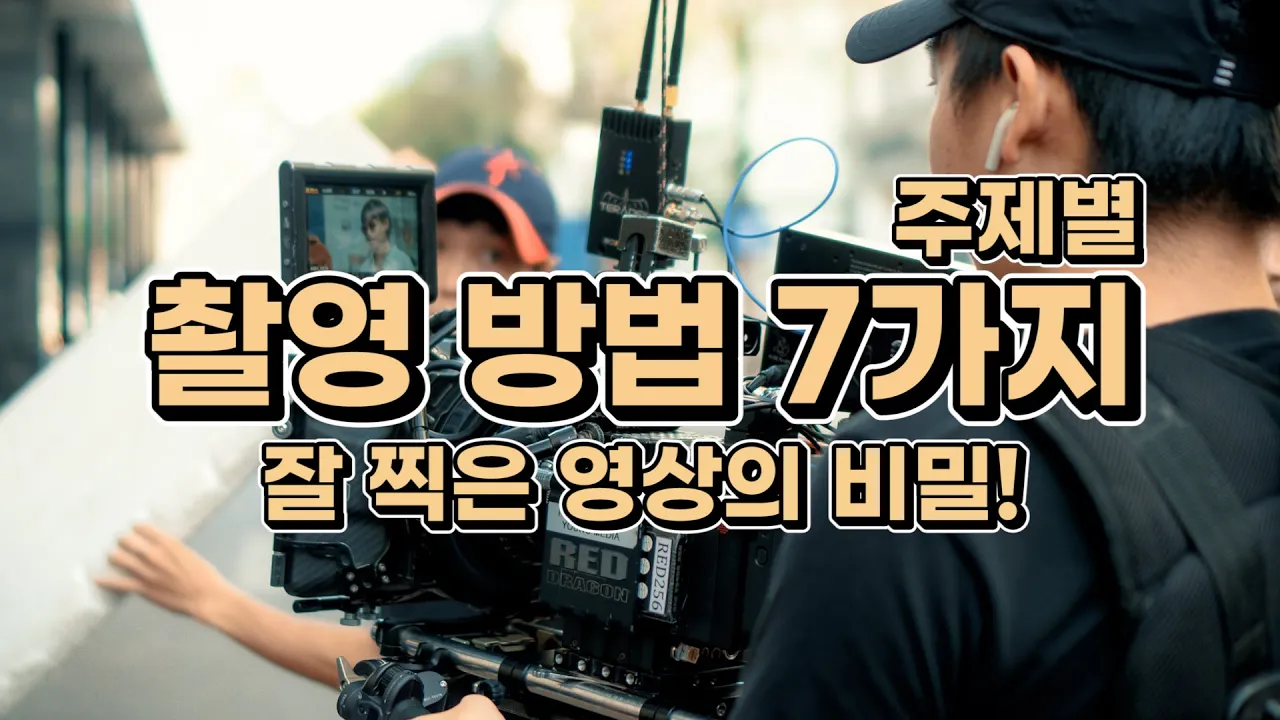
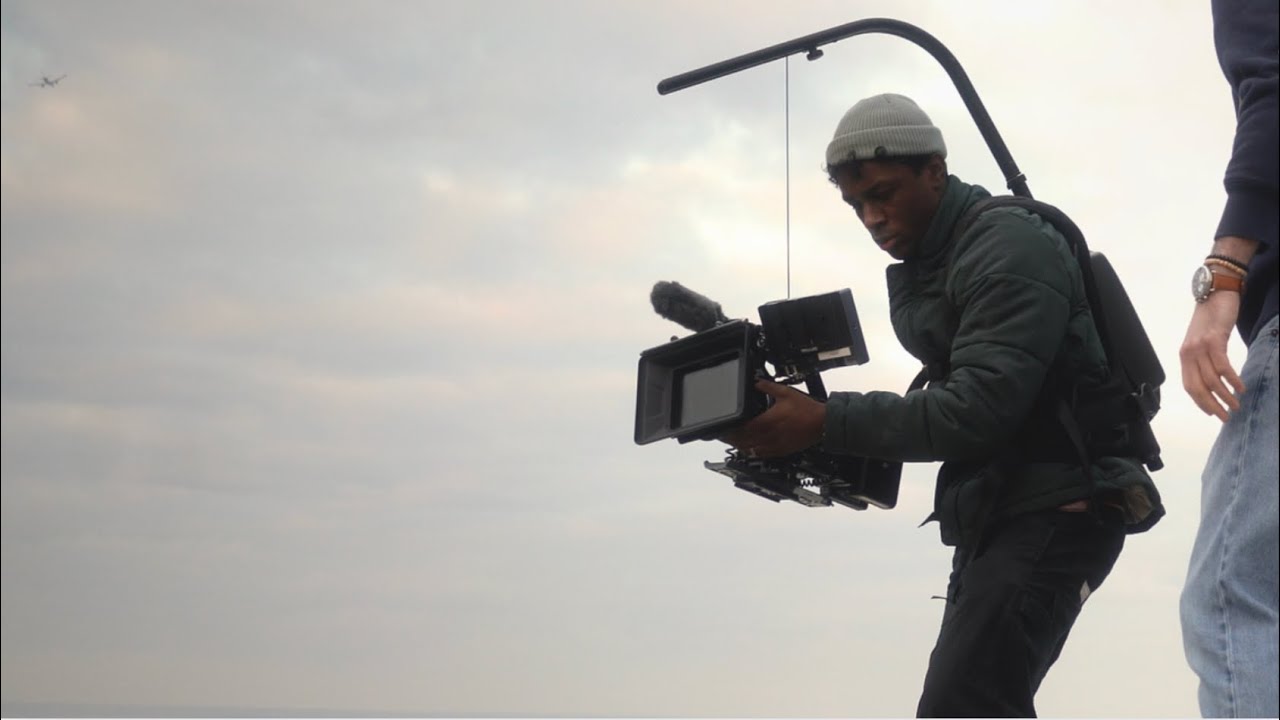
The method that requires the least gear is to film the long take handheld - most commonly by balancing it on the shoulder for increased stability, while being supported from behind by a grip to make sure the operator doesn’t topple over, trip, or hit an object when they are moving backwards.
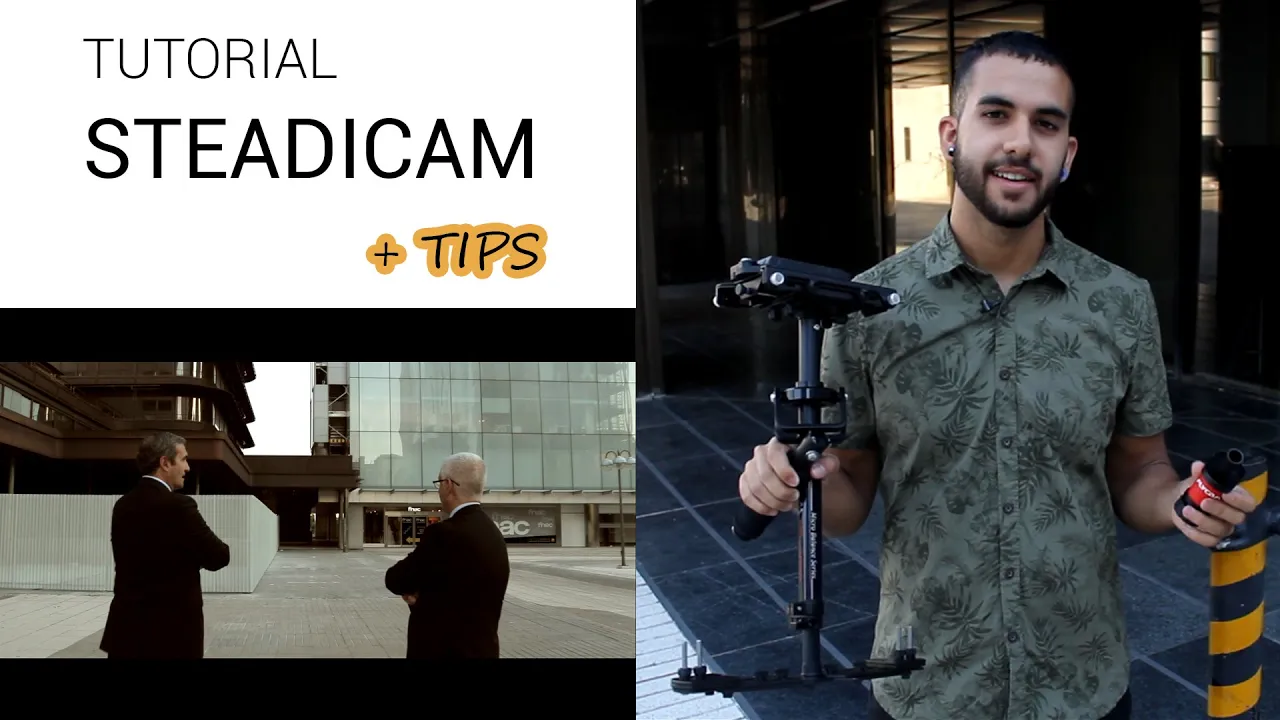
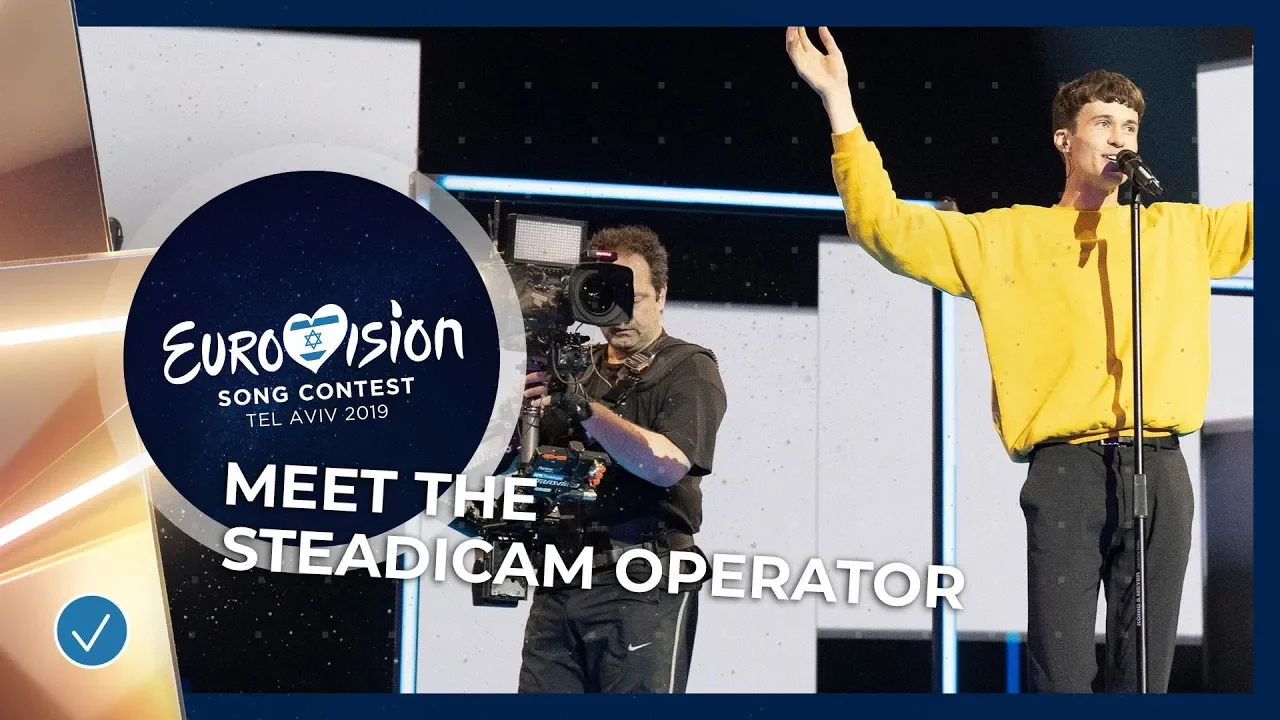
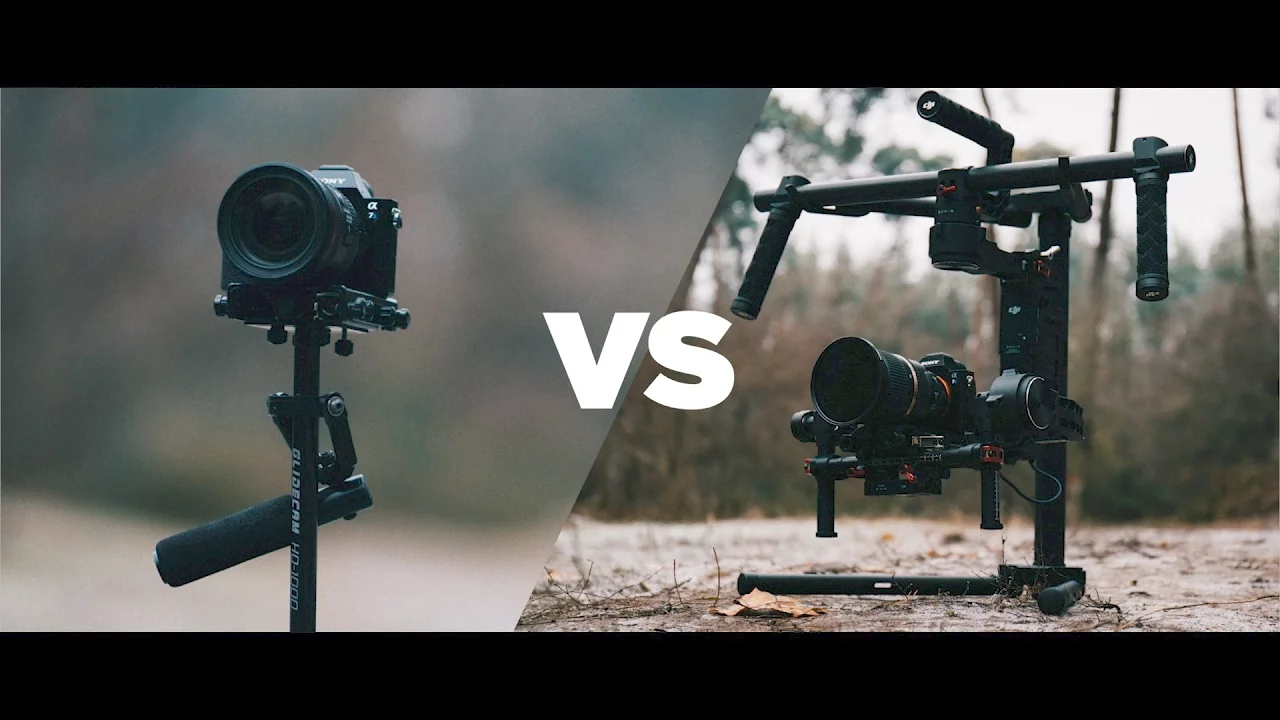
If filmmakers want the practical flexibility that comes from being able to move a handheld camera through various spaces at different angles but with movement that is more fluid, smooth and has a bit more stability, then a great option is either a Steadicam, a Trinity or a 3-Axis Gimbal.
For overhead long takes, a camera mounted on a remote head to a crane, a technocrane, or a cable-suspended Spidercam could also be used. This allows a camera to move pretty much anywhere vertically and horizontally within a dedicated volume of space. However, a large crane arm or overhead cabling will sometimes be limited by objects like ceilings, which means, outside of a studio, it isn’t always the best tool for long takes that need to move through an environment.
Another method that offers maximum stability is to commit to only moving the camera along one straight line. This can be done with the camera mounted on top of a tripod head on top of a dolly, which is pushed along a series of straight track lengths which are connected and levelled by grips.
Although this movement is supremely smooth it does limit the motion to one straight axis, unlike shooting handheld, with a gimbal or a Steadicam where the operator can turn corners, loop around and easily change their directional line.
An exception to this is if the long take is shot using a dolly in a soundstage or a location with a perfectly smooth, levelled floor where the dolly can be wheeled around without needing to use tracks to get it over uneven terrain.
Finally, some filmmakers who want to employ different kinds of movement within a single shot, such as starting with a jib which moves into stabilised movement on the ground, can be done by using combined camera movements.
But before we get there I’d like to thank our sponsor: Squarespace. If you want to get work as a filmmaker then you need a website. One of the best ways to create and manage one is at Squarespace.
Squarespace makes setting your website up simple and intuitive with their new guided system, Squarespace Blueprint. All you need to do is select from their custom curated layouts and styling options to build an online presence custom tailored to your style and needs.
Then integrate and connect your social accounts seamlessly to promote your brand and use their optimised SEO tools to get eyes onto your work.
So head over to Squarespace to get started with their free trial and then when you’re ready to launch your site, go to squarespace.com/indepthcine to save 10% off your first purchase of a website or domain.
A popular combined camera movement is called the crane step off. This is where a Steadicam operator starts by standing on a platform on a rideable crane to which they are harnessed. The crane is then jibed around or down to the ground.
At this moment grips will simultaneously unharness the operator and secure the crane to ensure the change in weight doesn’t cause the unbalanced crane to shoot up. The Steadicam op will then step off the platform onto the ground and continue the rest of the required motion, such as tracking with a character.
Another combined camera movement is a gimbal pass off. Depending on the situation the gimbal or stabilised head can be rigged onto a bar and attached to some kind of tracking rig, such as a Technocrane which does a telescoping motion or a cable rig that the camera slides along. Once the gimbal comes to ground, it can be unhooked from the first rig by an operator, who can then grab the gimbal off the bar and begin a smooth motion along the ground.
Some high budget filmmakers wanting a long take with movement in unusual spaces, can enter the world of custom grip builds, such as this 2-axis dolly rig from Children of Men which was built onto the roof of the car.
This rig could move an underslung remote head along a track both forwards and backwards and left and right. This was mounted onto the car’s cut off roof. While an operator, stationed on top of a space rigged onto the car’s roof, could also pan the camera around 360 degrees on a Sparrow Head inside the car’s interior.
The car was placed on a low loader platform that could be driven forwards and backwards by two low mounted professional drivers at the front and rear of the car, who sat out of sight of the camera.
Something interesting happens right at the end of the long take. The camera swings around, somehow exits the car door, operated with a handheld motion, and pans over without seeing any of the rigging gear or drivers.
How is this possible? The camera is hard mounted onto a remote head inside the car and cannot be easily detached?
I’d argue it was done with a technique called an invisible cut.
This is quite a widely used trick when it comes to long takes. The idea is to actually break these sequences down into a number of different shorter shots, which are more manageable to shoot, then stitch them together in the edit. These transitions are hidden by using invisible cuts, which, if done seamlessly, will mask that there was an editing point at all.
The easiest method of performing an invisible cut is by ending a shot on a block of solid, dark colour, cutting, then resume filming a new shot which starts on that same block of colour.
Some invisible cuts, like the ones in Rope, are quite easy to identify as they almost always involve tracking into a dark close up of an object.
However, when this technique is combined with a wipe it can hide the cut quite effectively. A wipe is where, unlike a regular cut, the second shot gradually moves across the screen, usually from side to side, until it takes up the whole frame.
If shot one ends with the camera tracking or panning quickly from side to side, and shot two begins with the same quick motion, and a wipe is then applied to this, sometimes with some added CGI work, this is called an invisible wipe.
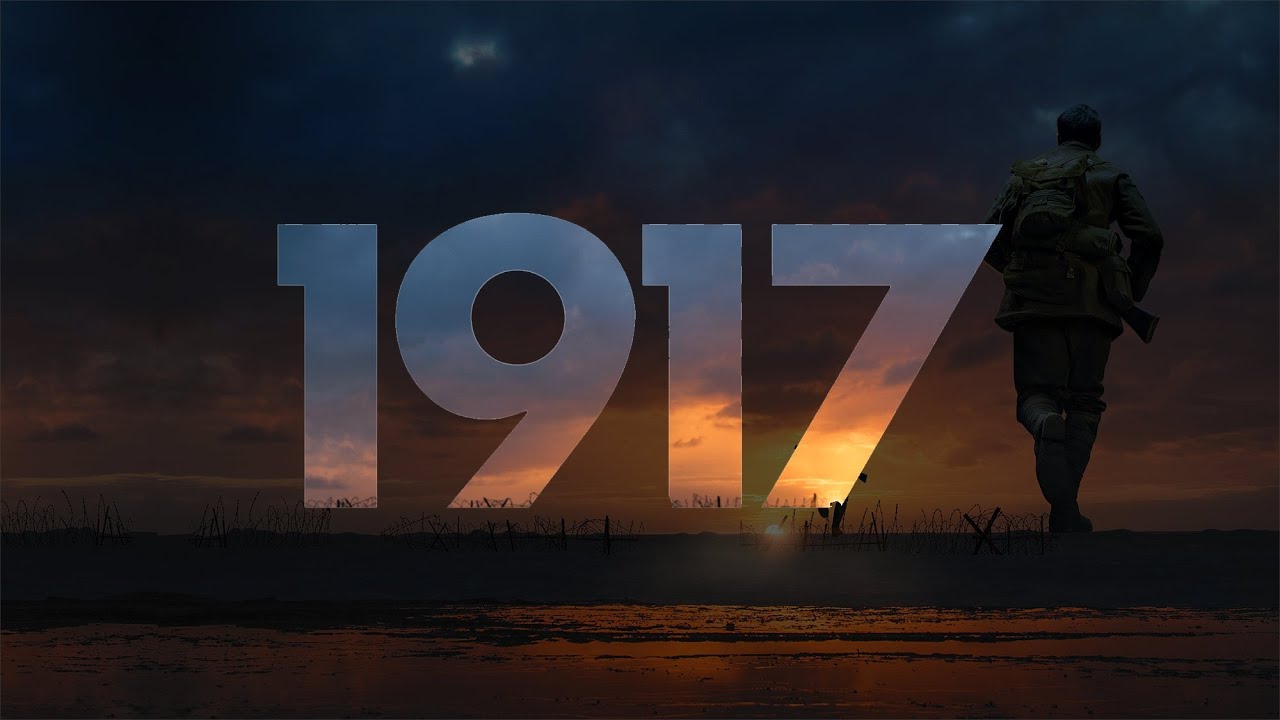
This technique has been used in movies such as Birdman, or 1917, to break up the longer takes into more manageable and easily filmable smaller shots, while maintaining the illusion that it was shot as a ‘one-er’.
Another reason that these invisible cuts were used to stitch together shots in movies from the past, was due to the running time of 35mm film cameras. Although it depends on the film gauge and magazine size, shooting on 35mm with a 1,000ft mag, gave around 11 minutes of run time at 24 frames per second.
So the longest that a single shot could be when shooting on film was 11 minutes, unless a special magazine was used, which could accommodate more than 1,000ft of film.
Nowadays digital cameras, which record onto large capacity cards or hard drives, offer a much longer running time than physical film did and have largely made this issue irrelevant.
However, there are still plenty of technical challenges which come with shooting long takes. One of those is wireless transmission. This is required both to transmit a video signal to a monitor for the director to review the take as it unfolds, as well as for the 1st AC to evaluate focus, and to then transmit a signal from the wireless follow focus to the camera to pull said focus.
In ordinary setups this isn’t a problem, however if the camera needs to move a great distance during a take away from where the monitor and focus puller is set up, then either a stronger transmitter will be required that transmits a further distance, or the focus puller and director will need to be close to the camera at all times during the take.
Another technical challenge is light. The more spaces a camera moves through, the more continuous lighting fixtures will need to be set up, to illuminate and balance the exposure levels, so that no area is too dark or too bright and so that the levels of natural light do not shift too much during shooting.
One way to aid with balancing exposure is to do an iris pull, where a motor on a lens’ aperture ring can be shifted during a take to either open up and make the image brighter, or stop down to darken it. If this is done slowly and subtly this effect will likely not be picked up by audiences.
It’s especially necessary when shooting exterior long takes, where the sun may go behind a cloud and darken, or come out and brighten half way through a shot.
Another consideration with lighting is to plan the lighting and camera moves so that there is never a light source between the camera and the subject, to avoid casting a camera shadow. This is why long takes through interiors will often rely on rigging light from a higher position on the ceiling, so that shadows will be cast straight down.
Once all of these technical challenges have been figured out the real biggest challenge is actually shooting the shot: by getting both the performance and blocking of the actors, as well as the motion of the camera operator to happen, simultaneously, in perfect harmony.
Hope you enjoyed the video. As always thanks to all of you for supporting the channel by watching, commenting and especially to those that get the videos early on Patreon.
Otherwise, until next time, thanks for watching and goodbye.
Up Next

2:04
Seamless Editing Techniques in Birdman: A Film Analysis
@HarrisonTheAvidEditor
8.9K views•2023-03-21

23:14
Visual Analysis Essay: How to Analyze Graphic Novels in College Writing
@nataliepleimann5941
1K views•2020-10-14

9:04
Hoyte van Hoytema Cinematography: Style, Gear & Philosophy
@InDepthCine
219.1K views•2020-05-28

4:00
Evolution of Darth Vader: Anakin Skywalker's Animated Journey Across Star Wars Films
@TellItAnimated
13.4M views•2019-03-30
Related Study Plans & Knowledge Roadmaps
Structured learning paths in Film Analysis
film-analysis
Sensory Cinema: Foley, Haptic Sound & Texture
01Introduction to Film Sound and Foley Artistry
02Micro-Sounds, Textures, and Extreme Amplification
03Haptic Audition and Film Phenomenology
+ 1 more learning modules
12h4 modules
Explore Roadmap
film-analysis
Breaking the Fourth Wall: Mockumentary & Satire
01The Invisible Wall: Basics of Cinematic Illusion
02Looking at the Lens: Direct Address & Character Glances
03The Mockumentary: Satire, Realism, and Complicity
+ 2 more learning modules
12h5 modules
Explore Roadmap
film-analysis
Analyzing the Long Take: Cinema, Space & Ethics
01Foundations of Film Grammar: Montage vs. The Long Take
02Choreography and Mechanics of the Simulated One-Shot
03Phenomenology of Film: Real-Time Spatial Continuity
+ 1 more learning modules
14h4 modules
Explore Roadmap
film-analysis
Anachronistic Music: Period Drama & Subversion
01Foundations of Film Sound and the 'Needle Drop'
02Traditional Authenticity vs. Revisionist History
03The Rise of the Anachronistic Soundtrack
+ 2 more learning modules
12h5 modules
Explore Roadmap