Anachronistic Music: Period Drama & Subversion
Learning Goal: Analyze the implementation of anachronistic popular music soundtracks and lyrical "needle drops" in historical period dramas to interpret how contemporary musical genres subvert traditional historical authenticity and establish thematic parallels with modern socio-political movements.
- Prerequisites: None (an interest in film studies, musicology, and cultural history is recommended).
- Estimated Total Study Time: 12 hours
Module 1: Foundations of Film Sound and the 'Needle Drop'
This module introduces the foundational audio terminology and concepts necessary for analyzing cinematic soundscapes. You will learn to distinguish between sounds originating within the film's world and those added externally for emotional or thematic emphasis. You will also define the concept of a "needle drop"—the deliberate integration of pre-existing, non-original songs—and examine how it carries cultural "baggage" that transforms the viewer's experience.
Recommended Videos
 Diegetic vs Non-Diegetic Sound: Film Sound Design Explained
| Channel | Duration | Views |
| @StudioBinder | 17:27 | 322,366 |
Why this video: This video provides an essential foundation in film sound design. It clearly defines the technical differences between diegetic audio (sound elements that exist inside the narrative world) and non-diegetic audio (background music, voiceovers, and extra-narrative scoring). It provides the concrete vocabulary you need to analyze how films manipulate soundscapes to shape audience perception.
 How Tarantino Masters The Needle Drop
| Channel | Duration | Views |
| @iamthatroby | 07:23 | 685,195 |
Why this video: This essay explores the artistic and narrative utility of the "needle drop"—the use of a pre-existing, commercially recorded song rather than a custom orchestral score. By studying the work of Quentin Tarantino, you will observe how a strategically timed pop/rock needle drop can subvert genre conventions, inject subtext, and establish a distinct cinematic energy that shifts the tone of historical environments.
 A Complete Guide to Pop Music Needle Drops in Movies
| Channel | Duration | Views |
| @patrickhwillems | 05:53 | 440,952 |
Why this video: Pop music needle drops carry significant cultural "baggage" because the audience often has pre-existing relationships with the songs. This guide examines how filmmakers leverage that shared cultural vocabulary to build immediate emotional resonance, illustrating how a recognizable pop song can instantly alter the narrative context.
Knowledge Checkpoint
- Define the core difference between diegetic and non-diegetic sound in a cinematic scene.
- Explain how a "needle drop" differs from a traditional original film score.
- Describe what it means for a popular song to carry "cultural baggage" into a film's narrative.
- Identify at least one way a filmmaker can transition a song from non-diegetic background music to a diegetic sound source within the scene.
Module 2: Traditional Authenticity vs. Revisionist History
In this module, you will analyze how historical period dramas have traditionally used symphonic, classical, and period-accurate musical scores to establish a sense of realism and historical authenticity. You will then study the rise of "revisionist history" in cinema, analyzing how filmmakers challenge these established historical narratives by disrupting traditional audio aesthetics.
Gap Acknowledgment & Study Guide
The video pool contains limited direct academic musicology analysis regarding the transition from traditional classical scores to modern revisionist histories. To bridge this gap, focus your independent research on how conventional Hollywood period films (e.g., historical dramas of the mid-20th century) constructed a false sense of "purity" through traditional classical orchestration.
- Independent Search Suggestion: Search YouTube for
"historical authenticity in cinema sound design"or `"traditional period drama soundtracks vs revisionist history."*
Recommended Videos
| Channel | Duration | Views |
| @baftaguru | 31:59 | 869 |
Why this video: This BAFTA session outlines the rigorous methodologies sound designers use to research and construct realistic, historically accurate auditory environments. It showcases how traditional films construct their credibility by carefully curating period-appropriate diegetic sound effects and acoustic textures, providing a baseline for understanding how anachronisms disrupt this realism.
 Ep. 160 | 2 Bears, 1 Cave w/ Tom Segura & Quentin Tarantino
| Channel | Duration | Views |
| @YMHStudios | 01:22:00 | 4,407,419 |
Why this video: In this conversation, Quentin Tarantino defines the philosophy behind his "Revisionist History" films (such as Inglourious Basterds and Once Upon a Time in Hollywood). He discusses how modifying historical events for artistic purposes allows filmmakers to challenge conventional historical narratives. This conversation offers key context for how visual and musical revisionism work hand-in-hand to disrupt historical realism.
 How Biopics Distill, Adapt and Distort Reality | A CineFix Movie List
| Channel | Duration | Views |
| @CineFix | 02:23 | 207,645 |
Why this video: This video essay categorizes how biopics adapt, condense, and distort historical reality. It examines how "anachronistic biopics" intentionally use wild artistic license, modern dialogue, and deliberate stylistic mashups. This stylistic playfulness turns obvious historical inaccuracy into a key element of the film's artistic identity.
Knowledge Checkpoint
- Explain how sound designers historically established auditory authenticity in period pieces.
- What is "revisionist history" in cinema, and how does it challenge traditional representations of historical events?
- Describe how deliberate artistic liberties in biopics can enhance their thematic meaning rather than simply detracting from their historical accuracy.
Module 3: The Rise of the Anachronistic Soundtrack
This module traces the historical shift where filmmakers began replacing classical or period-accurate orchestrations with contemporary pop, rock, and punk music. You will analyze landmark works such as Brian Helgeland’s A Knight’s Tale (2001) and Sofia Coppola’s Marie Antoinette (2006). You will investigate how these films use modern music to break down historical distance, making distant figures feel relatable to modern audiences.
Gap Acknowledgment & Study Guide
While the pool includes a brilliant deep-dive essay on "A Knight's Tale," it lacks a dedicated video essay focused purely on the musicology of Sofia Coppola's "Marie Antoinette" soundtrack. To supplement your learning, seek out essays explaining how the post-punk and new wave bands used in Marie Antoinette subverted the sterile aesthetic of Versailles.
- Independent Search Suggestion: Search YouTube for
"Marie Antoinette 2006 Sofia Coppola soundtrack analysis"or `"anachronistic music in period dramas."*
Recommended Videos
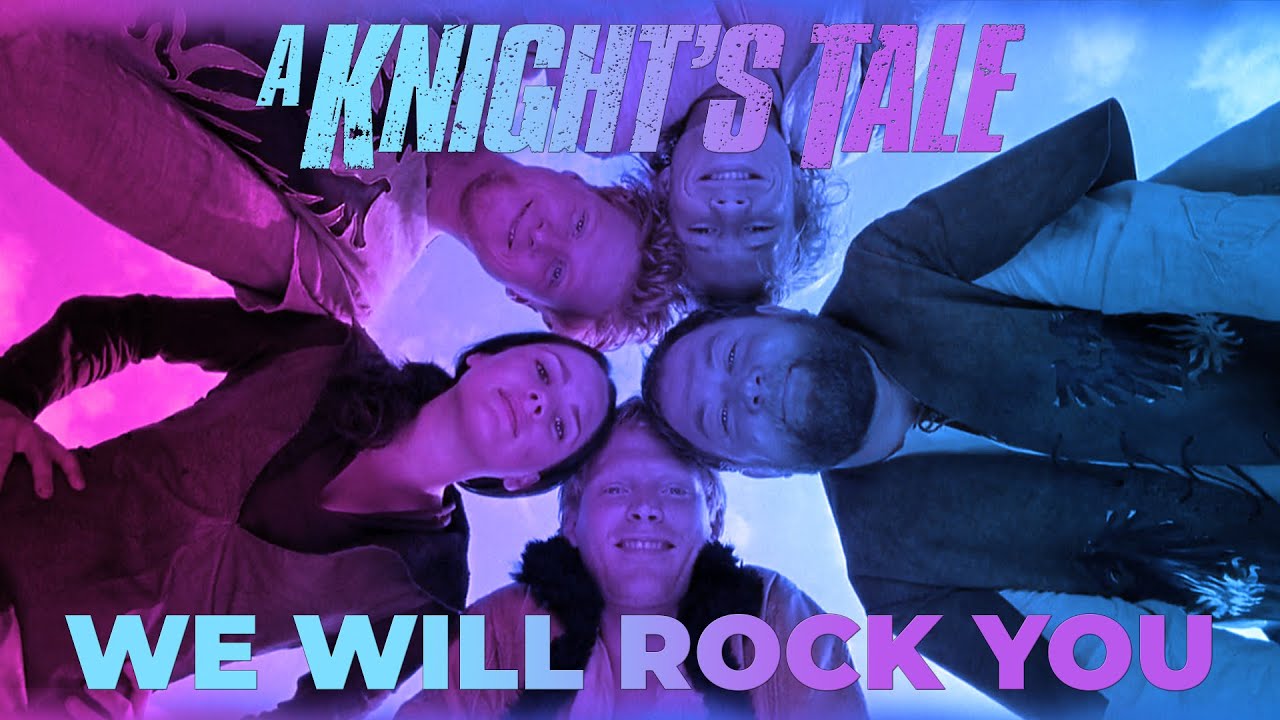 We Will Rock You - An A Knight's Tale Video Essay
| Channel | Duration | Views |
| @Ladyknightthebrave | 53:30 | 231,958 |
Why this video: This video essay is a comprehensive study of Brian Helgeland's A Knight's Tale (2001). It analyzes the film's landmark blend of medieval jousting and 1970s stadium rock (like Queen and David Bowie). The essay explains how these anachronistic elements translate the emotional weight of medieval class systems into modern, relatable socio-economic equivalents.
 WTF Happened to KIRSTEN DUNST?
| Channel | Duration | Views |
| @JoBloOriginals | 01:03 | 259,504 |
Why this video: This profile highlights Kirsten Dunst’s performance in Sofia Coppola’s Marie Antoinette (2006). It discusses how the film used a "candy shop punk rock vibe" to depict 18th-century court life. You will observe how post-punk and pop tracks were used to represent the court's isolation and youth culture, framing Marie Antoinette as a modern, misunderstood teenage celebrity.
Knowledge Checkpoint
- How does the opening scene of A Knight's Tale use Queen's "We Will Rock You" to explain the class dynamics of medieval jousting to modern viewers?
- What subcultural attitude does the post-punk soundtrack of Marie Antoinette convey about the French aristocracy?
- Explain how anachronistic music choices can bridge the gap between historical characters and modern audiences.
Module 4: Lyrical Needle Drops and Genre Subversion
This module focuses on how contemporary music genres—specifically hip-hop and classical-pop covers—subvert traditional class, gender, and racial power structures in period settings. You will examine the use of hip-hop as a narrative device in Lin-Manuel Miranda’s Hamilton, and analyze the classical-pop string arrangements of Netflix’s Bridgerton.
Gap Acknowledgment & Study Guide
The video pool provides excellent coverage of Hamilton's musical structure, but focuses primarily on clips and performances for Bridgerton. To analyze the musicology of Bridgerton's pop covers, observe how these arrangements retain classical tropes while carrying the lyrical themes of the modern pop songs they adapt.
- Independent Search Suggestion: Search YouTube for
"Bridgerton pop covers musicology analysis"or `"Dickinson Apple TV music and modern lens essay."*
Recommended Videos
 How Rap Works in Hamilton (Part 1)
| Channel | Duration | Views |
| @HowardHoMusic | 10:06 | 469,344 |
Why this video: This musicological analysis breaks down how hip-hop operates in the musical Hamilton. It details how hip-hop’s density of language, internal rhyme structures, and history of giving voice to marginalized communities serve as a narrative tool to represent the revolutionary energy of the American founding fathers.
![Duomo - "What About Us?" (Official Music Video) [P!nk Cover]](https://i.ytimg.com/vi_webp/uLUsoVIdFFk/maxresdefault.webp) Duomo - "What About Us?" (Official Music Video) [P!nk Cover]
Duomo - "What About Us?" (Official Music Video) [P!nk Cover]
| Channel | Duration | Views |
| @positionmusic | 04:53 | 266,343 |
Why this video: This video is Duomo's instrumental string cover of P!nk's "What About Us?", featured in Bridgerton Season 2. This track serves as a case study for how modern, lyrically charged pop hits are translated into instrumental classical arrangements. This adaptation allows the drama to retain its Regency-era aesthetic while layering in the emotional subtext of the modern song's lyrics.
 Ashton Kutcher Jokes Mila Kunis Is 'Cheating' w/ 'Bridgerton'
| Channel | Duration | Views |
| @AccessHollywood | 03:55 | 454,472 |
Why this video: This interview segment highlights Bridgerton's massive pop culture impact and introduces its signature musical format. It discusses the show's blend of classic string arrangements with contemporary pop songs, helping to explain how this style makes the historical fantasy elements of the show accessible to mass audiences.
Knowledge Checkpoint
- Why is hip-hop’s history as a counter-cultural movement crucial to its use in historical revisionist theater like Hamilton?
- How do the lyrics of P!nk's "What About Us?" shape the scene in Bridgerton where its string cover is played, even without the vocals?
- Explain how translating a modern pop song into a classical string arrangement helps bridge the gap between historical aesthetics and modern emotional themes.
Module 5: Socio-Political Parallels and Thematic Resonance
In this final module, you will synthesize your understanding of film sound, revisionist history, and genre subversion. You will analyze how anachronistic soundtracks serve as thematic bridges, connecting historical struggles (such as working-class uprisings, early civil rights fights, and feminist movements) to modern-day socio-political movements.
Gap Acknowledgment & Study Guide
The video pool does not contain direct academic video essays linking the Peaky Blinders soundtrack to modern class struggle. You will need to synthesize these connections yourself, using Steven Knight's commentary in Video 17 and your own analysis of how contemporary post-punk and garage rock tracks support the show's themes.
- Independent Search Suggestion: Search YouTube for
"Peaky Blinders soundtrack modern music analysis"or `"why modern music is used in period dramas."*
Recommended Videos
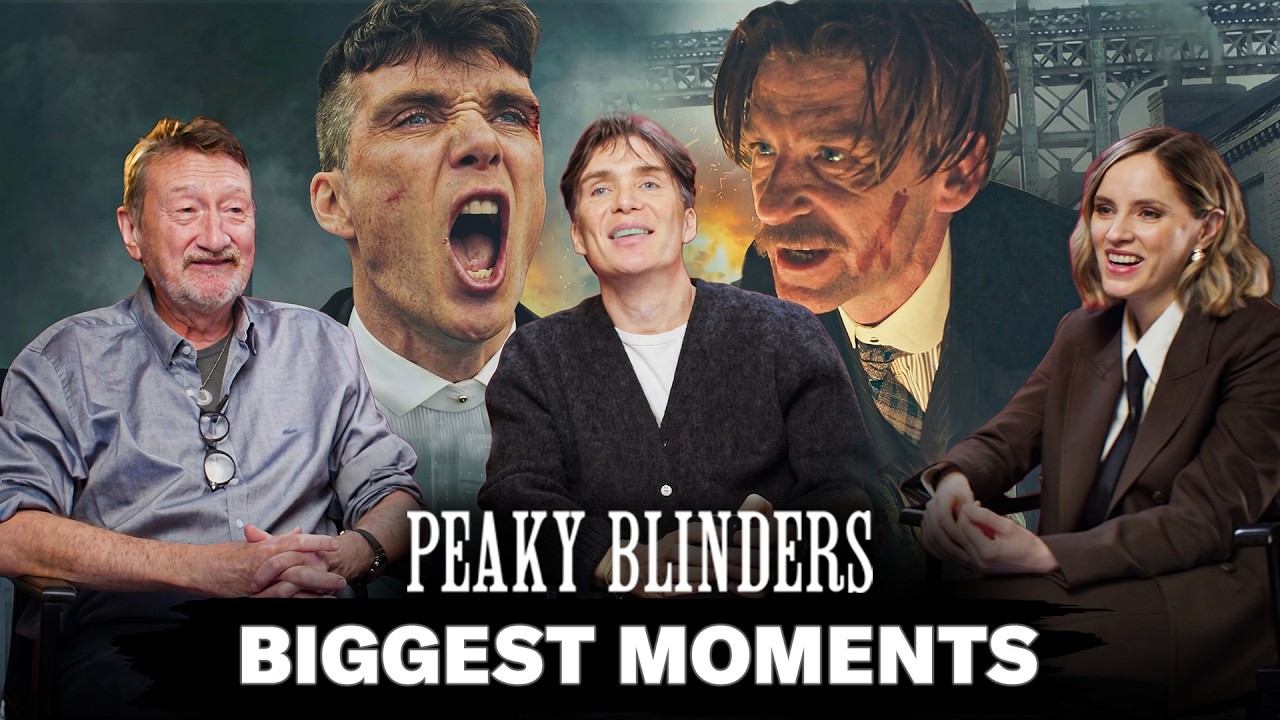 ‘Peaky Blinders’ Cast Break Down The Show’s Biggest Moments
| Channel | Duration | Views |
| @GQVideos | 02:07 | 245,797 |
Why this video: Series creator Steven Knight explains why he integrated contemporary garage rock and post-punk (e.g., Arctic Monkeys, Nick Cave) into a drama set in 1920s industrial Birmingham. Knight outlines how modern music serves as a direct emotional bridge, signaling to viewers that the historical characters' struggles with power, trauma, and capitalism are deeply connected to the modern world.
 House of Guinness Failed… But the Music Saved It
| Channel | Duration | Views |
| @TheLastMixedTapeIRL | 03:22 | 5,792 |
Why this video: This video argues that using modern music in period dramas can paradoxically create a more authentic emotional experience than strict historical accuracy. By examining the use of contemporary Irish rock bands (such as Fontaines D.C.) in a historical setting, the video explains how contemporary subcultural music can capture the raw emotional truth of historical periods.
 LAWLESS | The True Story of the Wettest County in the World
| Channel | Duration | Views |
| @AnnapurnaChannel | 00:14 | 1,376,685 |
Why this video: This video highlights how hiring modern musicians (like Nick Cave and Warren Ellis) to score a historical period film can serve a dual purpose. It connects modern audiences to historical themes of outlaw rebellion while using contemporary alternative music to emphasize the timeless nature of survival and defiance.
Knowledge Checkpoint
- According to Steven Knight, how does using contemporary rock music in Peaky Blinders alter how viewers perceive the historical distance of the characters?
- Explain the concept of "paradoxical authenticity," where modern music captures a historical era's mood more effectively than period-accurate music.
- Select a modern socio-political movement (e.g., labor rights, feminism) and explain how an anachronistic pop/rock soundtrack could connect a historical setting to that modern movement.
Course Map
Key People Index
- Steven Knight: Creator of Peaky Blinders. Knight is a key advocate for using contemporary garage rock and post-punk to remove historical distance, highlighting the shared working-class struggles across eras.
- Sofia Coppola: Director of Marie Antoinette (2006). Coppola pioneered the modern integration of post-punk, new wave, and shoegaze music in historical dramas, establishing a "candy shop punk" aesthetic that recontextualized French court life.
- Lin-Manuel Miranda: Creator of Hamilton. Miranda revolutionized theater by using hip-hop, rap, and modern R&B as primary narrative tools, framing the founding of America through a contemporary, immigrant-led musical lens.
- Quentin Tarantino: Pioneer of contemporary revisionist cinema (Inglourious Basterds, Once Upon a Time in Hollywood). Tarantino is celebrated for his expressive, stylized needle drops that disrupt historical realism to serve broader thematic and artistic goals.
Final Self-Assessment
Complete this comprehensive self-assessment to verify your mastery of the curriculum's core concepts:
- I can clearly define and distinguish between diegetic and non-diegetic film sound.
- I can explain what a needle drop is and how it differs from an original cinematic score.
- I can describe the concept of cultural baggage and explain how a pre-existing song carries outside associations into a new film scene.
- I can analyze how traditional period dramas use historically accurate music to construct a sense of realism.
- I can define revisionist history in cinema and explain how it differs from traditional historical biopics.
- I can explain how Brian Helgeland used stadium rock in A Knight's Tale to make medieval social structures understandable to modern viewers.
- I can describe how the punk/new wave soundtrack of Marie Antoinette subverted traditional notions of historical authenticity to highlight youth culture.
- I can analyze how hip-hop operates as a narrative tool in Hamilton, linking its fast-paced, rhythmic storytelling to revolutionary history.
- I can explain how instrumental pop covers in Bridgerton allow a scene to retain its period aesthetic while evoking the emotional themes of modern pop lyrics.
- I can discuss the concept of paradoxical authenticity, explaining how contemporary music can sometimes capture the emotional truth of a historical era better than period-accurate tracks.
- I can analyze how filmmakers use modern soundtracks to build thematic bridges between historical struggles and modern socio-political movements.