This video analyzes the hidden cuts in Birdman, a film that uses various techniques to mask cuts between takes, including changing lenses, batteries, and switching between camera equipment like steadicam, jib, crane, or dolly, as well as selecting preferred takes by the editor/director.
Seamless Editing Techniques in Birdman: A Film Analysis
Added:Deep Dive
Understanding of continuity editing and the standard rules of classical Hollywood filmmaking.

Editing in Egoyan's Adoration
206
The 180-degree rule maintains spatial coherence by keeping the camera on one side of an imaginary line separating it from the action. Crossing this line would disorient viewers like viewing in a mirror. Continuity editing is tricky to identify because it's the default and designed to be unnoticed. When continuity editing fails, as in Bohemian Rhapsody, viewers notice the absence of establishing shots, eyeline matches, and the 180-degree rule, creating a 'weird feeling' about the editing rhythm.
Click to watch →

Concepts of Editing- IV
151
The 180-degree rule is a fundamental principle in film editing that maintains spatial continuity by ensuring the camera stays on one side of an imaginary line connecting characters, preventing audience disorientation; this rule can be intentionally broken through techniques like showing character movement across the line, using dominant actions, or inserting shots to mask axis changes, while editors also use the 30-degree rule for camera movement, eyeline match for establishing relationships, and cause-effect relationships to create coherent narrative space.
Click to watch →

Week #5 Editing (Art 385)
150
Spatial editing maintains audience orientation through the 180-degree line rule, which divides the scene space into two halves. Cameras must stay on one side of this imaginary line to prevent audience disorientation about left versus right. Since movies are two-dimensional, the director and editor must ensure spatial relationships remain clear. Cross-cutting intercuts between simultaneous actions in different locations to create the illusion of continuous events. This technique, demonstrated in Alfred Hitchcock's Birds, shows how editors piece together separate actions to maintain narrative coherence and prevent audience confusion about spatial and temporal relationships.
Click to watch →
Warum dieser Regelbruch so wütend macht - Ärger um die Vierte Wand
49.6K
Invisible editing (also called 'decoupage classique' or 'continuity editing') refers to film editing techniques designed to be imperceptible to viewers. The 180-degree rule is a fundamental guideline that maintains spatial continuity during scene transitions. When violated, viewers become confused about character positions and directions, breaking the illusion of the film. Good action editing follows established patterns (establishing shots followed by close-ups) so viewers can maintain orientation without conscious effort.
Click to watch →

Film 101: Editing — Continuity, Cuts, Transitions
118
Film editing is the coordination of shots to create coherent narratives, relying on continuity editing principles that maintain clear spatial relationships and temporal flow; key techniques include the 180-degree rule for preserving character positioning, cutting on action to enhance continuity, cutaways for character insight, cross-cutting for parallel narratives, match cuts for thematic connections, and dissolves to indicate passage of time or thematic sequences.
Click to watch →
Deep Dive
Basic terminology of film editing, specifically the definitions of a 'shot', a 'take', a 'cut', and a 'sequence'.
Movie Terminology in Video Editing 📹 | What is frame, shots, scene, sequence, and act? 🌆
32.6K
In filmmaking, a frame is a single still image (24 per second), a shot is a continuous recording from camera start to stop, a scene combines multiple shots with unity of time and place forming a micro-plot, a sequence connects several related scenes through a common storyline, and an act represents the largest structural unit typically following the classic three-act structure (exposition, conflict/development, resolution).
Click to watch →

Film Terminology in the film set
664
This video explains fundamental film production terminology used on set, including call sheets (daily production schedules), call time (start of workday), pre-call time (early arrival for preparation), audition (equipment testing), action (start of scene), cut (end of take), rolling (begin recording), print (approved take), quiet (silence request), standby (ready for action), checking gates (camera inspection), mark (positioning reference), one more for safety (additional take), pickup (minor reshoot), blocking (actor movement planning), crossing (movement warning), reset (return to position), hot set (no modifications), martini shot (final daily shot), green screen (chroma key technique), practical (real-world effects), dailies (day's raw footage), ETA (estimated time of arrival), location scout (site selection), and wrap (end of day filming).
Click to watch →
Top 10 Films of the Decade | The 2010s
627
Some films use seamless editing to create the illusion of one large take. 'Birdman' has no apparent visual editing, with the camera gliding around the theater following characters and branching off into important plot points without cuts.
Click to watch →

Lightning Talk กับ สายสวรรค์ ขยันยิ่ง | ถอดความสำเร็จรางวัลออสการ์ พัฒนาวงการภาพยนต์ไทย | 28-02-58
570
Birdman employs a distinctive editing technique where cuts are so fluid that they appear as if the entire film was shot in a single continuous take. Despite numerous cuts, pans, and stops, the audience does not perceive the editing because the transitions are seamless. This creates an immersive experience where viewers cannot pause the film without feeling they are missing something, effectively eliminating the traditional 'breathing room' that audiences expect in conventional cinema.
Click to watch →
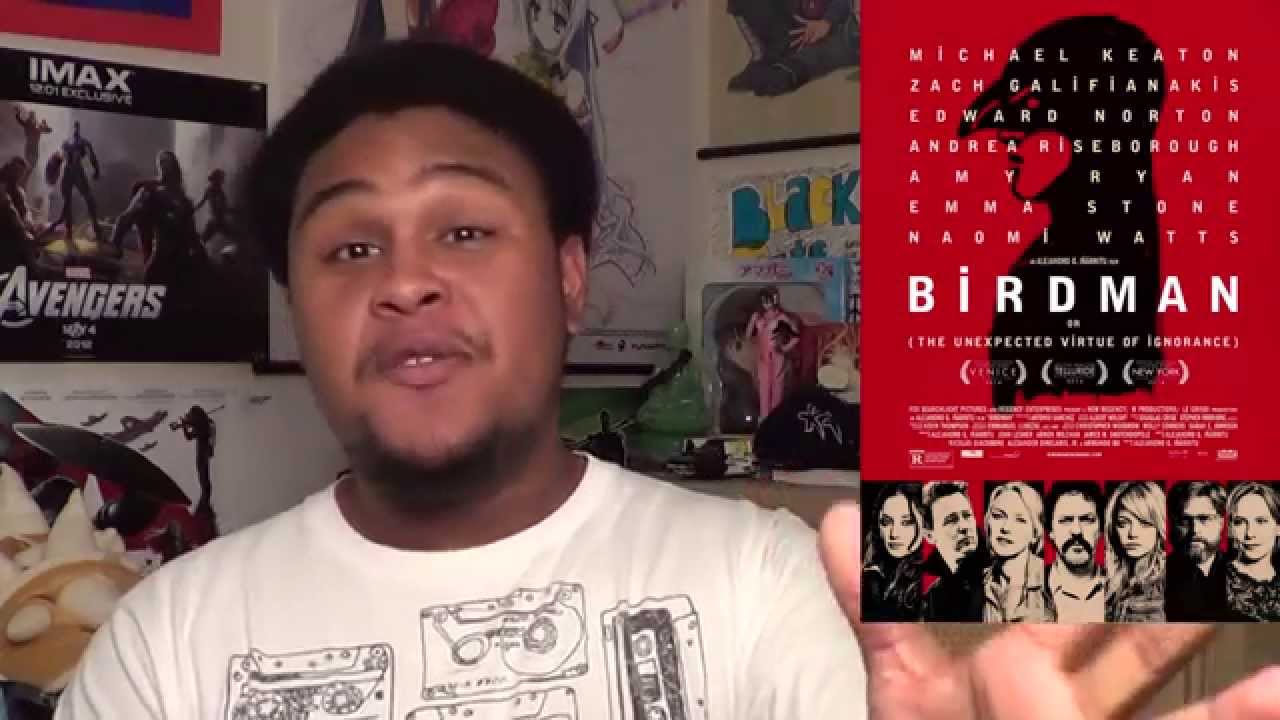
Birdman Movie Review
4.9K
The editing in Birdman is described as solid, with seamless transitions between scenes that are so natural viewers don't notice the cuts. The camera work follows characters in a way that creates an immersive experience, with the reviewer noting it reminded them of the scene in Goodfellas where Henry Hill enters a restaurant.
Click to watch →
Deep Dive
Familiarity with camera movement techniques such as whip pans, tracking shots, and the function of a Steadicam.
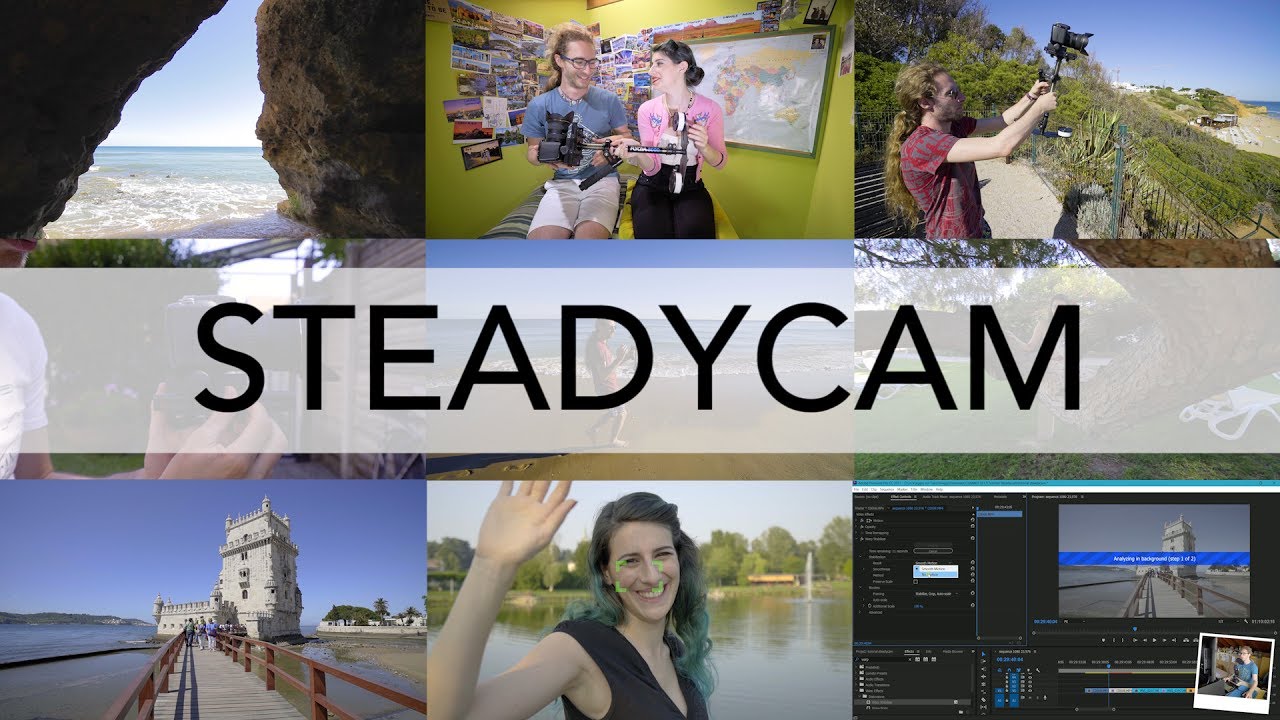
Come usare la STEADYCAM da ZERO a PRO!
49.3K
Steadicam mastery progresses through three levels: basic short walks (5-10 steps) where you exploit natural acceleration and deceleration for creative reveals; circular movements around fixed points requiring counterbalancing; and intentional camera movements like tilting down to show a beach. All movements must be smooth and gradual - abrupt movements appear unprofessional. Learning to counterbalance and make intentional movements transforms the Steadicam from a stabilization tool into a creative camera system.
Click to watch →

What Can Camera Movement Do?
2.7K
Camera movement in cinema encompasses various techniques including zooms (changing focal length during a shot), pans (horizontal rotation), tilts (vertical rotation), tracking/dolly shots (moving through space), crane shots (elevated perspectives), handheld and steadicam movements, and the dolly zoom (combining zoom and tracking). These movements serve three primary narrative functions: revealing new aspects of a scene, following character movement, and taking a character's point of view to indicate their perspective or subjective state. The choice between camera movement and cuts significantly impacts storytelling, as movement can convey thought processes and create kinetic experiences that cuts cannot replicate.
Click to watch →
Fixing Pokémon with Cinematography
363.6K
This segment introduces the fundamental cinematography principle that the camera should follow the movement of the subject. When the subject moves, the camera moves; when the subject stops, the camera stops. This technique, championed by Hollywood action designer Young Lee and Steadicam creator Garrett Brown, adds impact to filmed actions by locking onto what's moving. The video demonstrates this through examples from The Raid, showing how camera cuts, whip pans, and tracking shots sell impact. The presenter argues that Pokemon's failure to consistently apply this principle results in battles that feel foreign and lifeless compared to cinema and sports broadcasts.
Click to watch →
HOW TO MAKE A TRAVEL VIDEO - Top Things You Need To Know
180.1K
Whip pans are dynamic camera movements that create smooth transitions between shots. To perform a whip pan, start with a regular shot, then quickly whip the camera out of the frame in various directions (up, down, sideways, or diagonally). When editing, connect shots that move in the same direction. For shots that whip in and out, use manual focus and pre-focus on where the camera will land to maintain sharpness throughout the movement.
Click to watch →
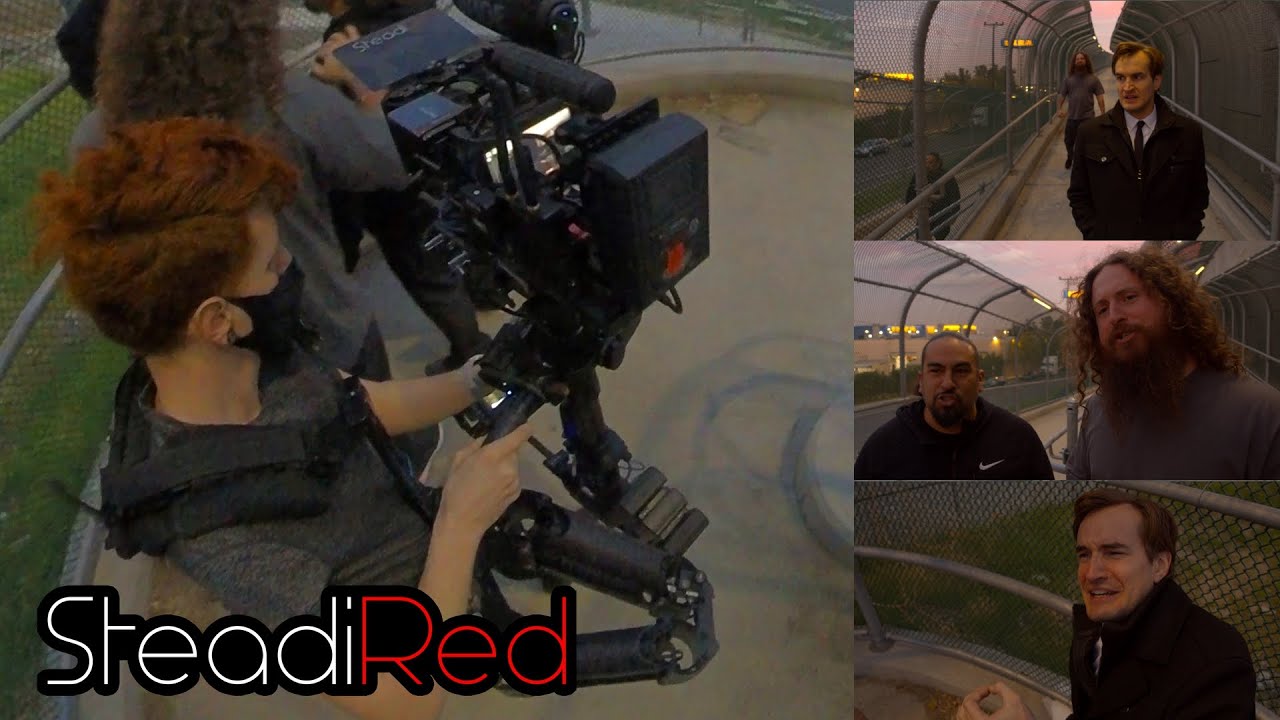
Drug Money - Behind the scenes Steadicam shot breakdown 30
5.8K
This video demonstrates advanced Steadicam camera movement techniques used in filmmaking, including maintaining actor positioning at screen edges to create tension, quickly pulling back to reveal stacked actors, using camera movements as narrative cues (such as losing the main character when a wallet is grabbed), and employing Dutch angles and pedestal shots to enhance dramatic moments like punches and character vulnerability.
Click to watch →
Deep Dive
An awareness of early cinematic attempts at the one-take illusion, such as Alfred Hitchcock's 'Rope'.

Speciale Hitchcock Nodo alla gola
650
Alfred Hitchcock's 1948 film Rope (Nodo alla gola) was his first color film and pioneering work in the one-take technique, where the entire movie was filmed as if in real-time without cuts, creating suspense through dramatic irony by showing the audience information that characters cannot see, such as the hidden body in the chest while characters discuss the missing person.
Click to watch →

Only One Hitchcock Film Is Lost. This Redditor Might Have A Copy.
19.3K
Alfred Hitchcock is considered to cinema what the Beatles are to music. Like the Beatles, Hitchcock was prone to doing experiments that ended up having mass appeal rather than feeling pretentious. Psycho was the first slasher movie, and North by Northwest was basically the first James Bond movie. In Lifeboat, the only set he used was a lifeboat. In Rope, which must be seen, it was shot to make it look like it was a single take without any cuts, something that wasn't technologically possible in those days.
Click to watch →
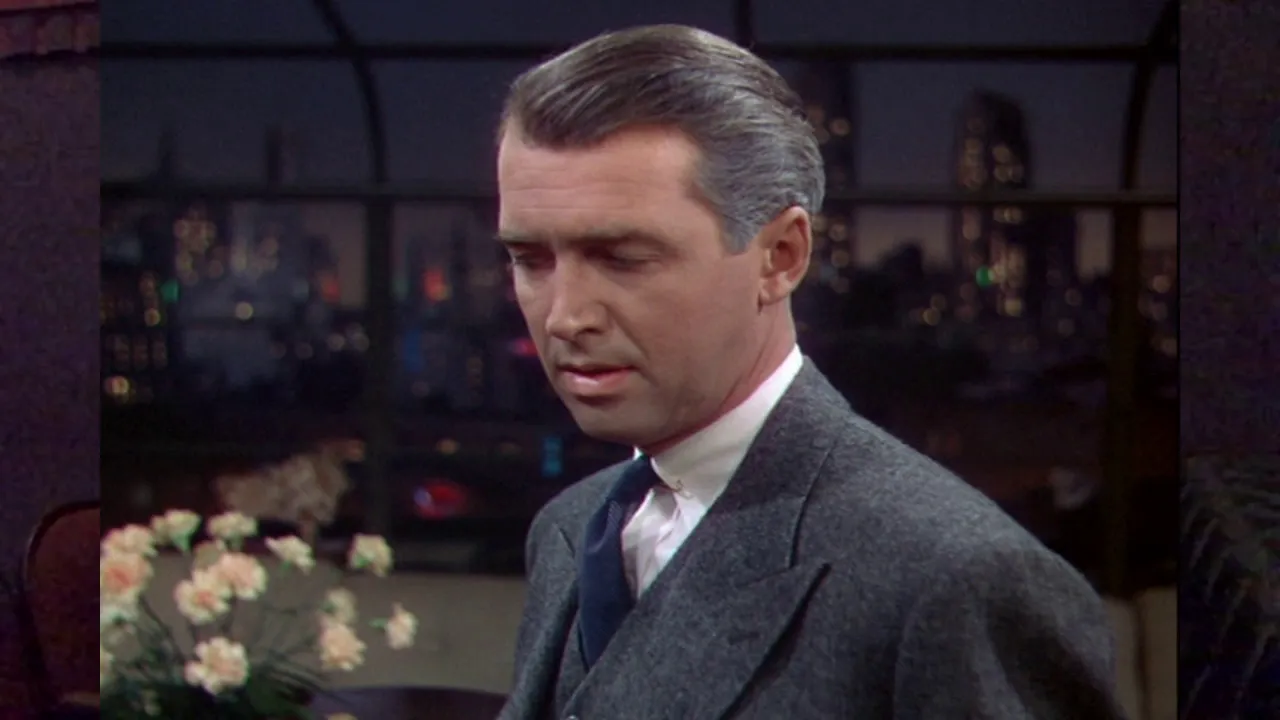
Dryden Theatre Recommends: Rope (1948)
241
Alfred Hitchcock's 1948 film Rope demonstrates pioneering one-take filmmaking techniques, using ten continuous tracking shots shot on 1,000-foot reels at 90 feet per minute to create the illusion of a single unbroken shot; Hitchcock employed special camera dollies, wild walls on rails, and a New York skyline background with 6,000 bulbs and 200 neon signs to maintain tension and simulate real-time passage, with transitions hidden in dark areas or clothing to preserve the seamless effect.
Click to watch →
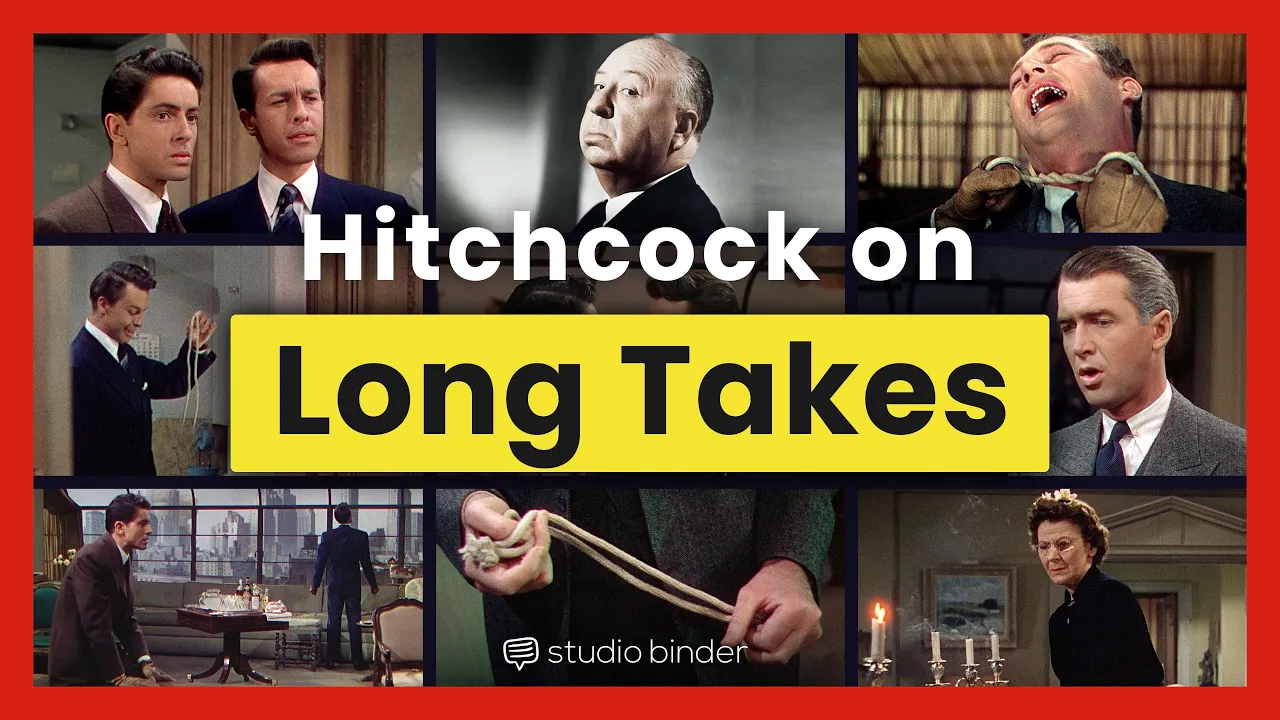
Alfred Hitchcock’s Long Takes — Directing Techniques from 'Rope'
132.4K
Alfred Hitchcock masterfully used long takes in his 1948 film 'Rope' by employing three key techniques: (1) repositioning the camera and characters to keep the image fresh, (2) varying framing from single shots to wide shots with multiple characters, and (3) using off-screen audio to expand the world beyond the frame; additionally, he created suspense through blocking and staging that gave viewers privileged information, and used both invisible cuts (hidden by character movements) and visible cuts strategically placed at moments of high tension to maintain the illusion of a single continuous take despite the film actually containing 11 shots.
Click to watch →
Patreon: Nodo alla Gola (1948) di A.Hitchcock - Mini da Alessio Marchi dedicata a Pietro Guercini
11.6K
Alfred Hitchcock's 1948 film 'Rope' (Nodo alla Gola) revolutionized cinema by pioneering the fake one-take technique, where the director shot nine separate nine-minute segments (totaling approximately 80 minutes) and used black objects at cut points to create the illusion of a continuous, real-time scene, demonstrating how technical innovation can serve both artistic and commercial filmmaking goals.
Click to watch →
Prerequisite Knowledge
- Concept 01Understanding of continuity editing and the standard rules of classical Hollywood filmmaking.
- Concept 02Basic terminology of film editing, specifically the definitions of a 'shot', a 'take', a 'cut', and a 'sequence'.
- Concept 03Familiarity with camera movement techniques such as whip pans, tracking shots, and the function of a Steadicam.
- Concept 04An awareness of early cinematic attempts at the one-take illusion, such as Alfred Hitchcock's 'Rope'.
Subsequent Learning
- Step 01Advanced study of digital compositing and VFX techniques used in post-production to seamlessly blend separate takes.
- Step 02Analyzing how a continuous shot affects narrative pacing, character development, and viewer psychology.
- Step 03Practical application of 'hidden cut' editing techniques (e.g., masking, whip-pan transitions) in modern video editing software.
- Step 04Comparative analysis of 'Birdman' (a simulated one-take) with genuine single-take films like Alexander Sokurov's 'Russian Ark'.
Unseen Potential
Theater Arrival
Emotional Turmoil
Unexpected Encounter
Honest Critique
Hospital Reflection
Sudden Distress
Lingering Aftermath
Unseen Potential
0:01Playing Section
- 1
People underestimate your abilities.
- 2
A pivotal moment of realization begins.
- 3
The narrative establishes core dramatic tension.
The 'One-Take' Gimmick: Criticisms of Continuous Cinematography
While the seamless editing of Birdman is widely praised for its technical virtuosity, a significant counterpoint from film critics and theorists argues that the 'one-take' illusion functions as a distracting gimmick that detracts from the film's narrative and emotional depth. Critics argue that by eschewing traditional montage—the art of cutting to establish rhythm, perspective, and psychological subtext—the film sacrifices a fundamental tool of cinematic storytelling. Instead of drawing the audience deeper into the characters' inner lives, the continuous camera movement can feel self-conscious and showy, constantly reminding the viewer of the filmmakers' technical bravado. Furthermore, critics suggest that this rigid visual constraint limits the natural pacing of performances and restricts the narrative's spatial and temporal freedom, demonstrating that seamlessness is not inherently superior to the expressive power of a well-placed cut.
Deep Dive
Advanced study of digital compositing and VFX techniques used in post-production to seamlessly blend separate takes.
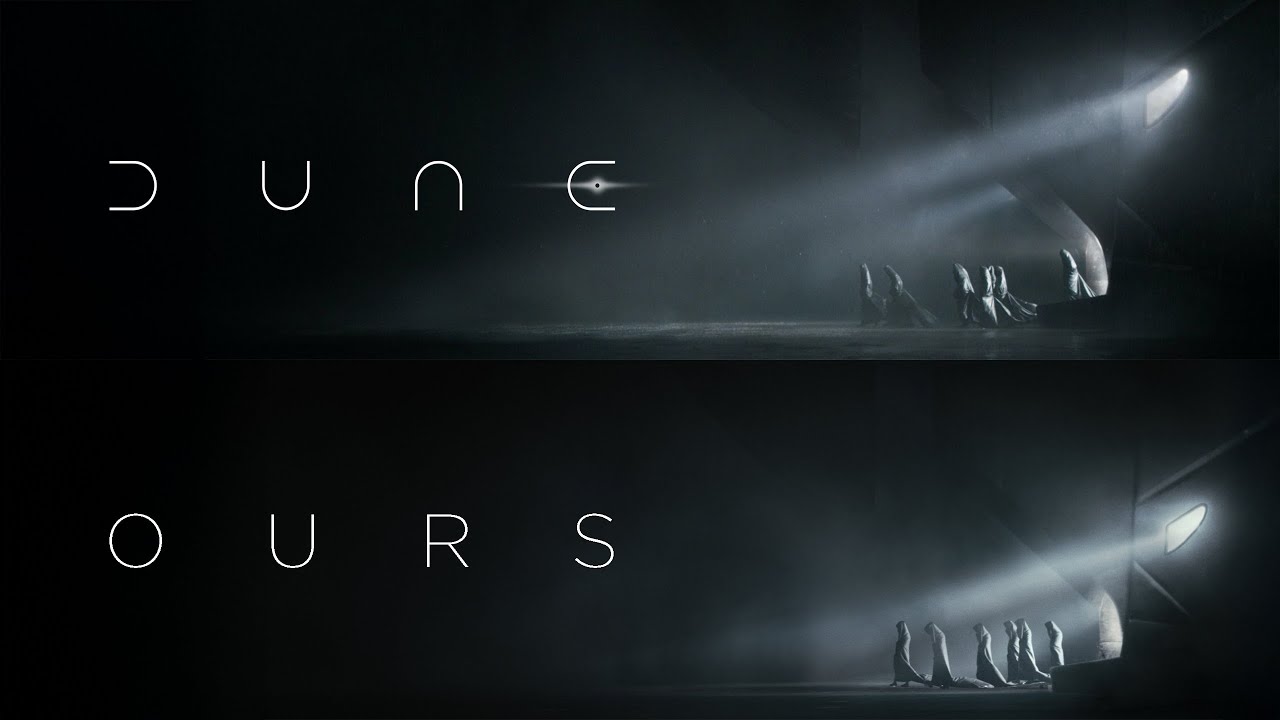
We Remade Dune VFX
185.7K
Creating complex VFX shots requires multiple compositing techniques. Green screen technology enables separating actors from backgrounds but requires perfect lighting and positioning. Rotoscoping involves manually creating masks around moving subjects frame by frame, though automatic tools exist with manual touch-ups needed. Digital props are created by applying textures to reference images, color grading to match footage, and adding lighting effects. Screen blend and foreground pass techniques help integrate practical and digital elements seamlessly.
Click to watch →

Titanic with a Cat (Behind the Scenes)
2.6M
Advanced VFX compositing involves multiple interconnected techniques. Rotoscoping traces character outlines frame-by-frame, with Content-Aware Fill replacing backgrounds. Camera setup in fixed positions enables single-take filming. Motion tracking software attaches elements from different takes, such as combining mouth animations from one take onto another. Lighting and shadow matching is crucial for seamless integration. When removing characters from shots, creators must preserve surrounding elements like body parts. The process requires patience, multiple takes, and attention to environmental details like reflections, fog, and shadows.
Click to watch →

Andreas Hem's Guide to Filming with Minimal Gear
46K
Creating complex VFX shots requires combining multiple techniques: freeze frame composites with tripod-mounted cameras, rotoscoping for subject isolation, jump cut compositing for pop-up objects, and screen recording integration in post-production. Key principles include shooting at lower shutter speeds (135-90 degrees) for cleaner edges, using overcast lighting for easier rotoscoping, and maintaining consistent quality through stitching multiple screenshots. The process demands significant time investment, often hours per subject, and careful attention to color matching, motion blur, and seamless blending of multiple footage sources.
Click to watch →
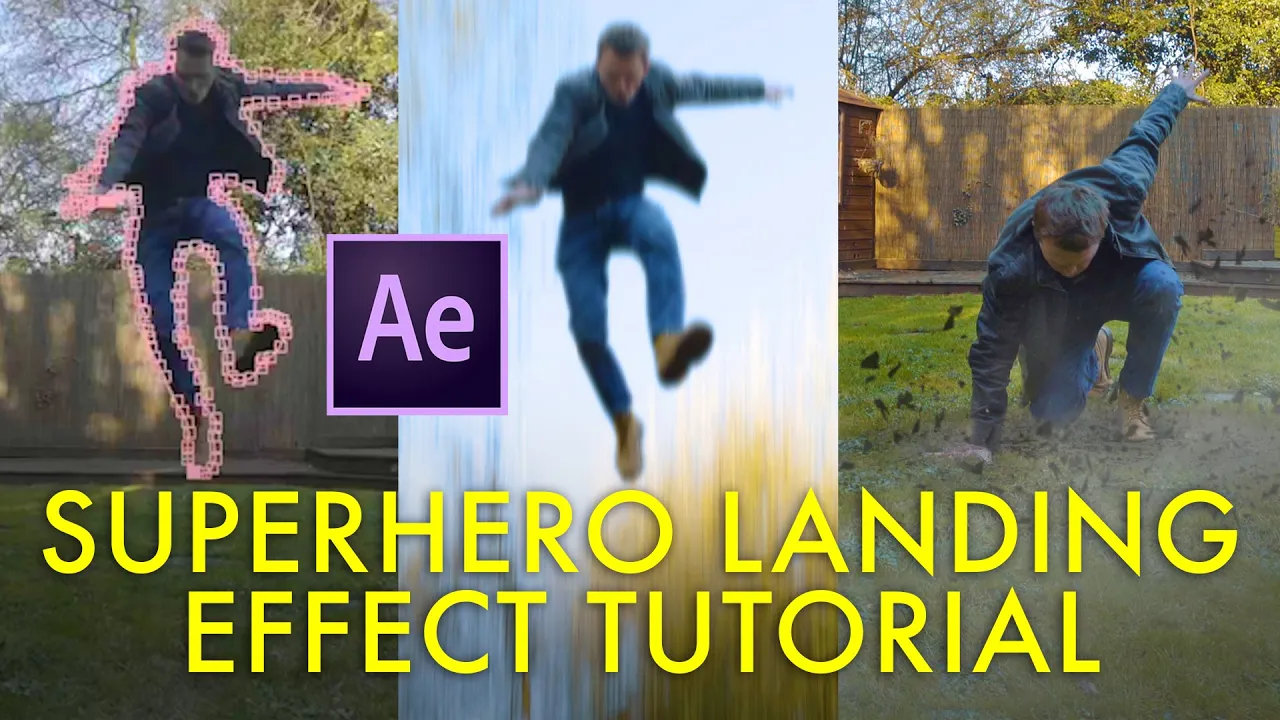
SUPERHERO LANDING effect tutorial! (After Effects)
2.7M
Professional compositing involves cutting out practical effects using mask tools and repositioning them over the main landing shot. Feather edges to disguise joins, especially around changing shadows. Create precise masks when objects cross paths with elements from different takes. Keyframe the position and scale of your cutout figure to start small and grow larger, selling the illusion of falling through air. Match backgrounds between shots by cutting out and blurring additional elements from the static shot. Add digital embellishments like ground impacts, shockwaves, and energy balls from resources like FootageCrate and Action Essentials, blending them subtly with reduced opacity. Apply color correction to enhance the final look.
Click to watch →

My Wave Transition Break-Down! (Surf to Clouds)
653.1K
Advanced compositing combines manual masking, luma keying, and track mattes to isolate and integrate elements from different sources. Duplicate layers to preserve originals, apply corrections selectively, and animate masks frame-by-frame for continuous coverage. Extend backgrounds using flipped duplicates and apply Gaussian blur for natural depth effects.
Click to watch →
Deep Dive
Analyzing how a continuous shot affects narrative pacing, character development, and viewer psychology.

How to Write Rising Action - Mastering Pacing, Character Development and Plot Structure
1.2K
Audiences want characters who are so good they inspire admiration and so bad they inspire hatred—the dramatic dichotomy provides satisfying conflict that real life lacks. The Matrix films demonstrate effective rising action: starting simply with Mr. Anderson working his job, meeting Trinity, and gradually escalating through increasingly intense action sequences. The final hotel lobby gun battle felt earned through proper buildup. The first Matrix's ending, where Neo stands back up after being shot, created powerful collective audience reaction. Contrast this with later Matrix films that failed to deliver comparable impact. The streaming era has created a perfect storm reducing story quality: increased content volume forces studios to accept lower standards, shorter production timelines reduce polish, and fewer passionate creators fight for projects. Before streaming, limited distribution meant studios could be selective and pick the best projects. Now, with thousands of potential productions, quality control suffers.
Click to watch →

Boring Video Fix: Your Pacing is Lying to the Viewer
1.1K
Video pacing communicates emotional promises to viewers—fast cuts promise excitement while slower pacing promises depth—and effective videos should match their pacing to the intended feeling while incorporating one intentional breath to create warmth and intentionality.
Click to watch →

Pacing a Webcomic
15.7K
Pace is an illusion of speed in a story, not a quantifiable measurement. It is a feeling that can be altered through various techniques. Good pace means a story moves at a speed readers don't find overwhelming, confusing, or boring. Bad pace leaves readers behind or is too slow, causing them to skip pages. Pacing operates at multiple levels: overall pace, scene pace, page pace, dialogue pace, and panel pace. The four key elements controlling pace are size (larger elements slow pace), detail (more information requires more thought), rhythm (variation creates flow, repetition creates boredom), and engagement (audience perception affects perceived speed). Writers should review their goals when stuck on pacing, as understanding purpose guides pacing decisions.
Click to watch →

Impromptu Discussion of Pacing and Narrative Drive
1.9K
Pacing and narrative drive are essential elements for engaging audiences in long-form storytelling; narrative drive engages viewers through concern (emotional investment in characters) and curiosity (intellectual interest in what happens next), while pacing manages excitement over time through rises and falls to prevent overwhelm, with effective episodic structures creating specific climaxes that drive forward rather than relying on distant payoffs.
Click to watch →
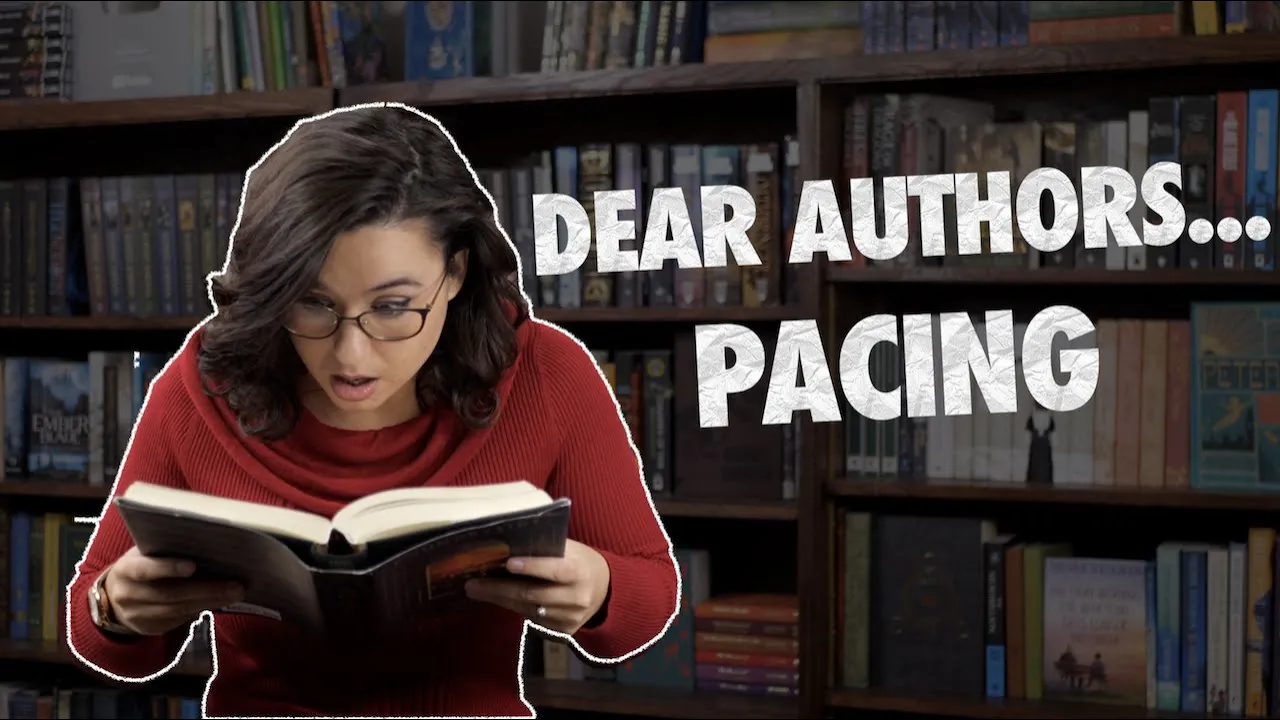
Dear Authors... Pacing
87K
Effective story pacing requires balancing forward momentum with moments for reflection, where fast-paced stories should still allow readers to breathe and process emotional beats, while slow-paced stories should maintain constant movement through character development and subtle details; the key is that pacing should serve the story's needs rather than being inherently good or bad, with authors avoiding false tension and information dumps that disrupt reader engagement.
Click to watch →
Deep Dive
Practical application of 'hidden cut' editing techniques (e.g., masking, whip-pan transitions) in modern video editing software.
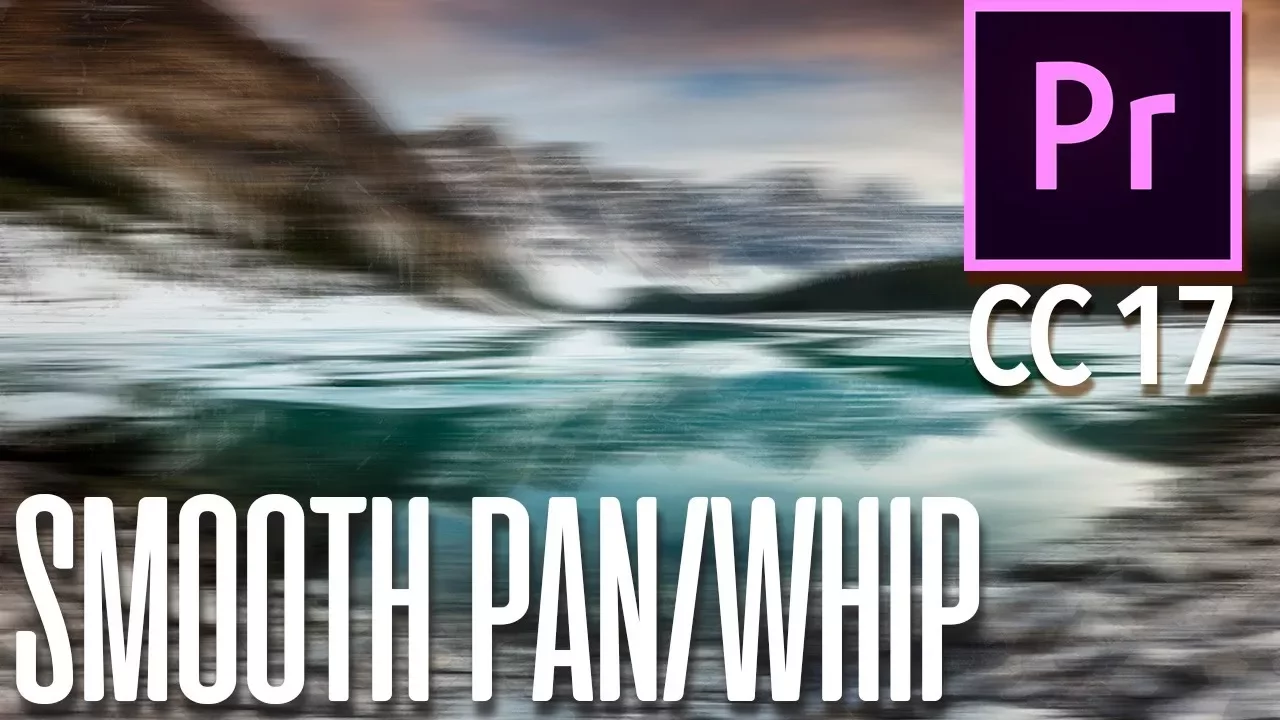
Transiciones: Smooth Whip/Pan | Tutorial Adobe Premiere Pro CC 2017
239.8K
To create a smooth whip/pan transition in Adobe Premiere Pro, create an adjustment layer at the video cut point, apply the Duplicate effect with Count set to 3, then apply the Transform effect with Scale at 300%. Create keyframes to animate the position from left to right (or vice versa), and enable maximum shutter angle for motion blur. The keyframe positions should form a 'mountain' shape with the peak at the video cut point, creating a smooth panning effect.
Click to watch →
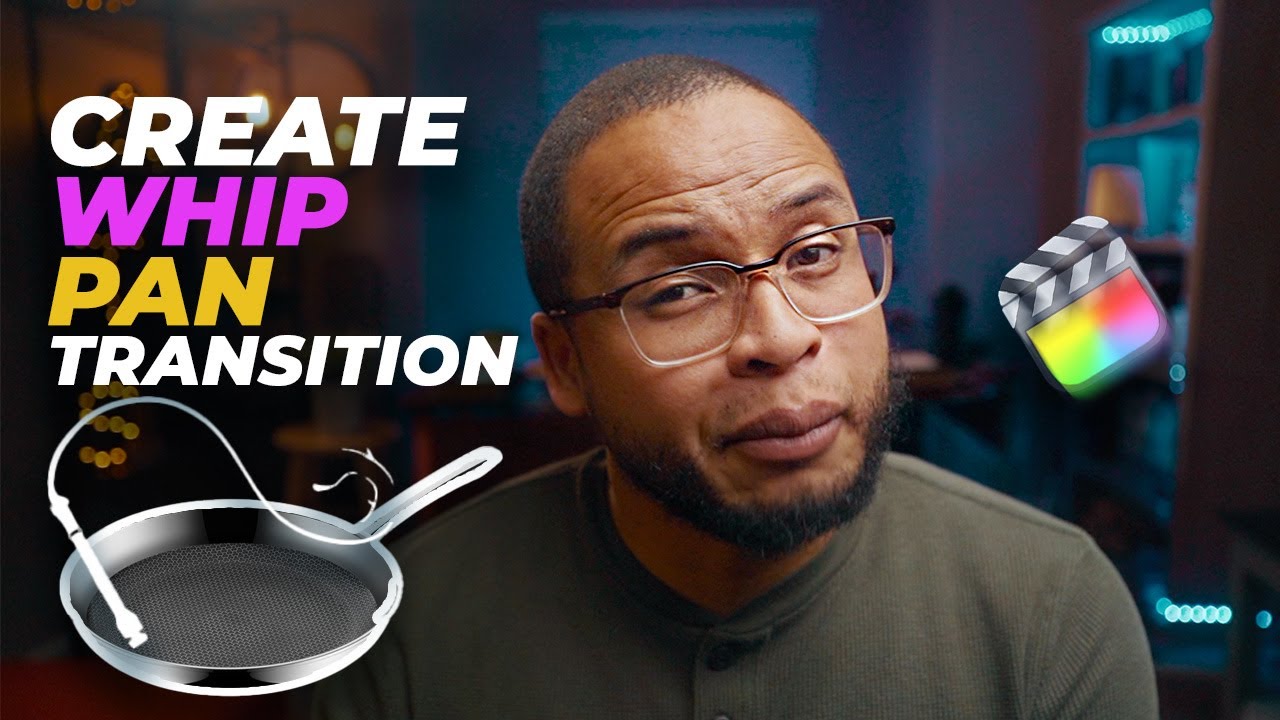
How to Do a Whip Pan Transition in Final Cut Pro
4.6K
A whip pan transition in Final Cut Pro is created by scaling up the clip (around 120%), positioning keyframes for position, scale, and anchor at the transition point, then animating the position across the frame; the transition speed is controlled by adjusting keyframe spacing (closer together = faster), and the effect is enhanced with directional blur (starting at 0 and ending at 60) and speed ramps using the retime editor.
Click to watch →
横にブン!ってなるトランジション -Whip Pan Transition / Premiere Pro CC 2019
75.1K
A whip pan transition creates a dynamic horizontal camera movement effect by duplicating and mirroring video clips, applying keyframe animations with ease-in and ease-out interpolation, and adding motion blur to simulate realistic camera panning during scene transitions.
Click to watch →
How to Create a Whip Pan Transition in Adobe Premiere Pro CC (2018)
59.9K
A whip pan transition in Adobe Premiere Pro is created by animating an adjustment layer with the Offset effect to move footage horizontally while applying Directional Blur to simulate motion blur, with keyframes eased in and out to create a smooth, realistic camera whip effect that transitions between stationary shots.
Click to watch →
FREE Whip Pan & Zoom Transitions for Final Cut Pro
31.1K
Whip pan and zoom transitions are video editing effects that create dynamic scene changes by simulating camera movement; whip pans involve rapid directional camera movements (up, down, left, right) while zoom transitions involve magnifying or reducing the frame size, with advanced versions offering customizable zoom points and motion blur for smoother transitions.
Click to watch →
Deep Dive
Comparative analysis of 'Birdman' (a simulated one-take) with genuine single-take films like Alexander Sokurov's 'Russian Ark'.

Кино без склеек. Зачем?
394
'Birdman' (2014) directed by Alejandro González Iñárritu and 'Russian Ark' (2002) by Alexander Sokurov represent two distinct approaches to one-shot cinema. 'Birdman' portrays the chaotic behind-the-scenes world of theater production, with characters experiencing personal and professional chaos. The film is praised for its exceptional screenplay, well-developed characters, and outstanding performances. 'Russian Ark' is recognized as the first true one-shot film in cinema history, taking place entirely within the Hermitage Museum where characters from different time periods interact. While technically revolutionary, its narrative is described as complex and somewhat confusing.
Click to watch →

FILM che hanno CAMBIATO IL CINEMA! | Frusciante ft. Dario Moccia e Victor
396.1K
Alejandro González Iñárritu's Birdman (2014) created the illusion of a single continuous take through sophisticated editing techniques, demonstrating how modern filmmaking can manipulate audience perception. Unlike Russian Ark, which was genuinely shot in one take, Birdman used multiple takes that were edited together to appear seamless. This approach raised important questions about the relationship between technology and artistic authenticity in cinema. The film's success proved that audiences respond to the illusion of continuous narrative, even when they are aware that the technique is artificial. This distinction between genuine one-take films and those that merely simulate the effect represents an important development in contemporary filmmaking aesthetics.
Click to watch →

단 한 번의 실수도 용납되지 않는 영화 원테이크 기법 I 원쇼트 영화 5선
84.6K
'Birdman' (2014) directed by Alejandro González Iñárritu is a famous one-shot film that won the Academy Award for Best Picture. The film follows a former superhero actor trying to revive his career through theater. Despite being marketed as a one-shot film, it actually consists of two shots with a visible cut during a scene where the protagonist falls and loses consciousness. However, the film was created with the spirit and intention of one-shot filmmaking, demonstrating that the artistic approach matters more than strict technical adherence.
Click to watch →
Birdman en 30 segundos
472.9K
Birdman (2014), directed by Alejandro González Iñárritu, won the Oscar for Best Picture by pioneering the use of a single continuous shot throughout the entire film, eliminating traditional cuts and creating an immersive theatrical experience that revolutionized modern filmmaking techniques.
Click to watch →
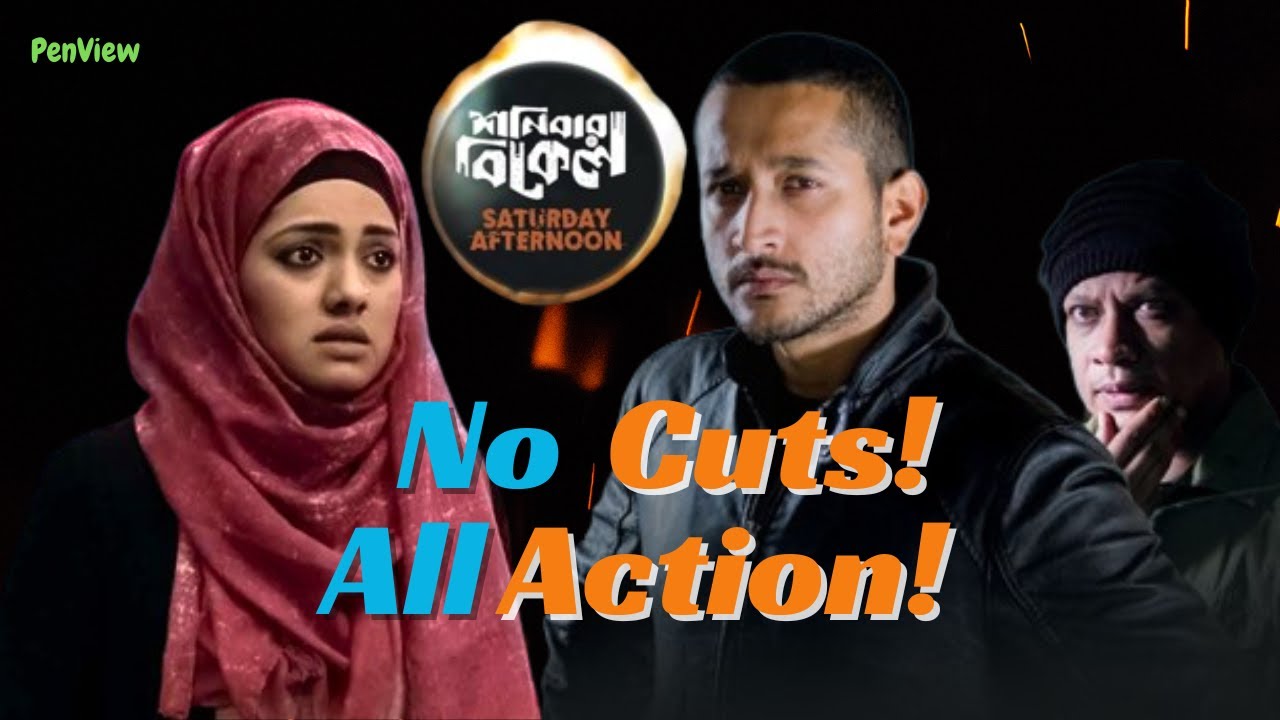
Saturday Afternoon: Decoding One-Take Cinema. | PenView
509
One-take cinema, exemplified by films like 'Saturday Afternoon' (2019), 'Russian Ark' (2002), 'Rope' (1948), 'Birdman' (2014), and '1917' (2019), uses seamless continuous shots to create immersive storytelling experiences that elevate the cinematic experience by maintaining uninterrupted narrative flow and spatial continuity.
Click to watch →
Unseen Potential
Theater Arrival
Emotional Turmoil
Unexpected Encounter
Honest Critique
Hospital Reflection
Sudden Distress
Lingering Aftermath
Unseen Potential
0:01- 1
People underestimate your abilities.
- 2
A pivotal moment of realization begins.
- 3
The narrative establishes core dramatic tension.
The 'One-Take' Gimmick: Criticisms of Continuous Cinematography
While the seamless editing of Birdman is widely praised for its technical virtuosity, a significant counterpoint from film critics and theorists argues that the 'one-take' illusion functions as a distracting gimmick that detracts from the film's narrative and emotional depth. Critics argue that by eschewing traditional montage—the art of cutting to establish rhythm, perspective, and psychological subtext—the film sacrifices a fundamental tool of cinematic storytelling. Instead of drawing the audience deeper into the characters' inner lives, the continuous camera movement can feel self-conscious and showy, constantly reminding the viewer of the filmmakers' technical bravado. Furthermore, critics suggest that this rigid visual constraint limits the natural pacing of performances and restricts the narrative's spatial and temporal freedom, demonstrating that seamlessness is not inherently superior to the expressive power of a well-placed cut.
Understanding of continuity editing and the standard rules of classical Hollywood filmmaking.
Basic terminology of film editing, specifically the definitions of a 'shot', a 'take', a 'cut', and a 'sequence'.
Familiarity with camera movement techniques such as whip pans, tracking shots, and the function of a Steadicam.
An awareness of early cinematic attempts at the one-take illusion, such as Alfred Hitchcock's 'Rope'.
Advanced study of digital compositing and VFX techniques used in post-production to seamlessly blend separate takes.
Analyzing how a continuous shot affects narrative pacing, character development, and viewer psychology.
Practical application of 'hidden cut' editing techniques (e.g., masking, whip-pan transitions) in modern video editing software.
Comparative analysis of 'Birdman' (a simulated one-take) with genuine single-take films like Alexander Sokurov's 'Russian Ark'.
8.9K views124likes2:04@HarrisonTheAvidEditorOriginal Release: 2023-03-21
these people don't know what you're capable of [Music] front of the theater 10 minutes let's go walk where are we going oh so is that what tonight was the vacuum wrestling with complex emotions they have coffee here [Music] all right why what are you doing here he's such an [ __ ] hey apart from that I thought that was a pretty fun crowd Mike is so honest [Music] by the time we got to the hospital when we talk about love [Applause] oh [ __ ] [Music] and then it's heard [Music] [Music]
Up Next

6:21
Long Takes vs. Editing: Limits of Cinematic Storytelling
@NowYouSeeIt
873.1K views•2016-03-27

23:14
Visual Analysis Essay: How to Analyze Graphic Novels in College Writing
@nataliepleimann5941
1K views•2020-10-14
4:55
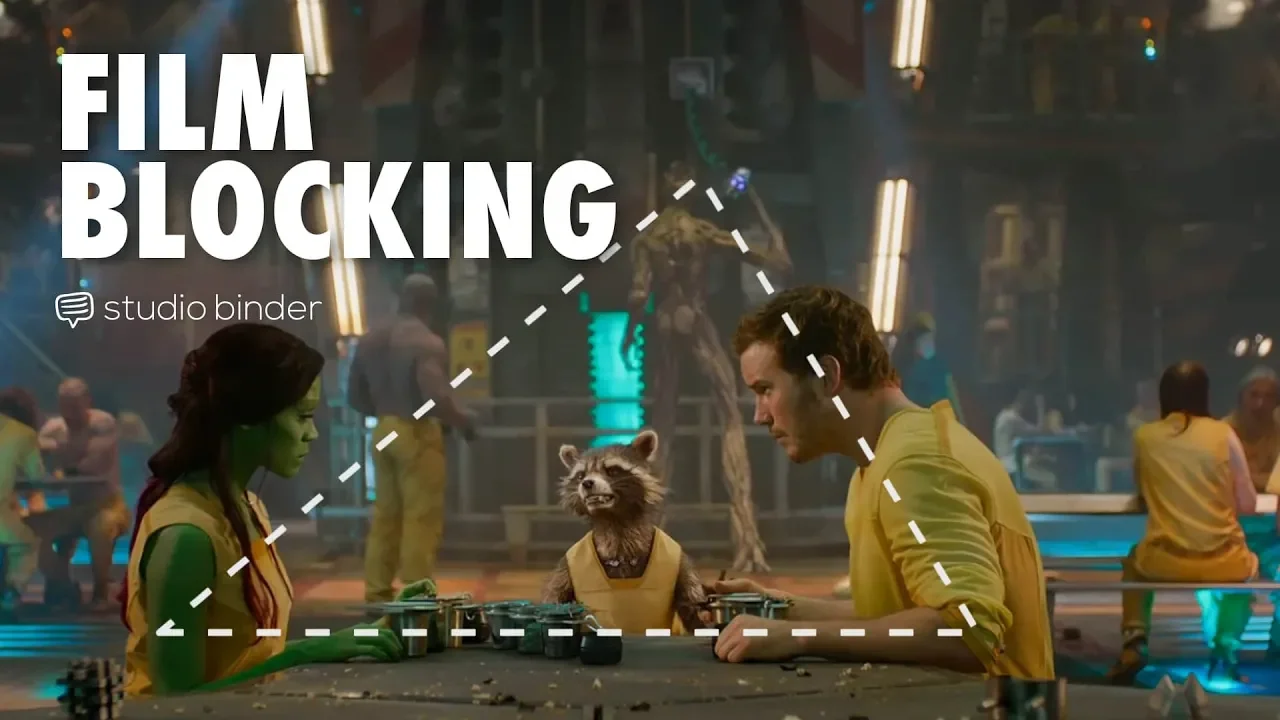
Film Blocking Techniques for Directors: Space, Shapes, Lines
@StudioBinder
1.9M views•2018-07-23

4:00
Evolution of Darth Vader: Anakin Skywalker's Animated Journey Across Star Wars Films
@TellItAnimated
13.4M views•2019-03-30
Related Study Plans & Knowledge Roadmaps
Structured learning paths in Film Analysis
film-analysis
Sensory Cinema: Foley, Haptic Sound & Texture
01Introduction to Film Sound and Foley Artistry
02Micro-Sounds, Textures, and Extreme Amplification
03Haptic Audition and Film Phenomenology
+ 1 more learning modules
12h4 modules
Explore Roadmap
film-analysis
Breaking the Fourth Wall: Mockumentary & Satire
01The Invisible Wall: Basics of Cinematic Illusion
02Looking at the Lens: Direct Address & Character Glances
03The Mockumentary: Satire, Realism, and Complicity
+ 2 more learning modules
12h5 modules
Explore Roadmap
film-analysis
Analyzing the Long Take: Cinema, Space & Ethics
01Foundations of Film Grammar: Montage vs. The Long Take
02Choreography and Mechanics of the Simulated One-Shot
03Phenomenology of Film: Real-Time Spatial Continuity
+ 1 more learning modules
14h4 modules
Explore Roadmap
film-analysis
Anachronistic Music: Period Drama & Subversion
01Foundations of Film Sound and the 'Needle Drop'
02Traditional Authenticity vs. Revisionist History
03The Rise of the Anachronistic Soundtrack
+ 2 more learning modules
12h5 modules
Explore Roadmap