





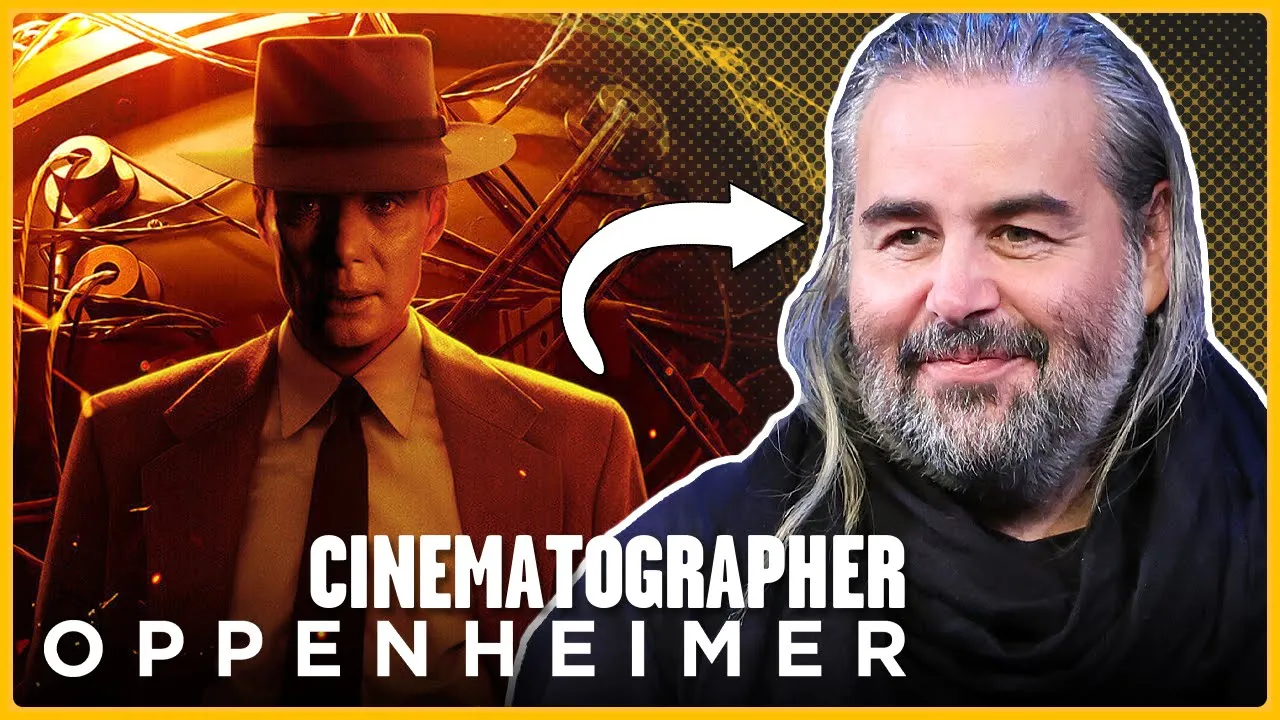


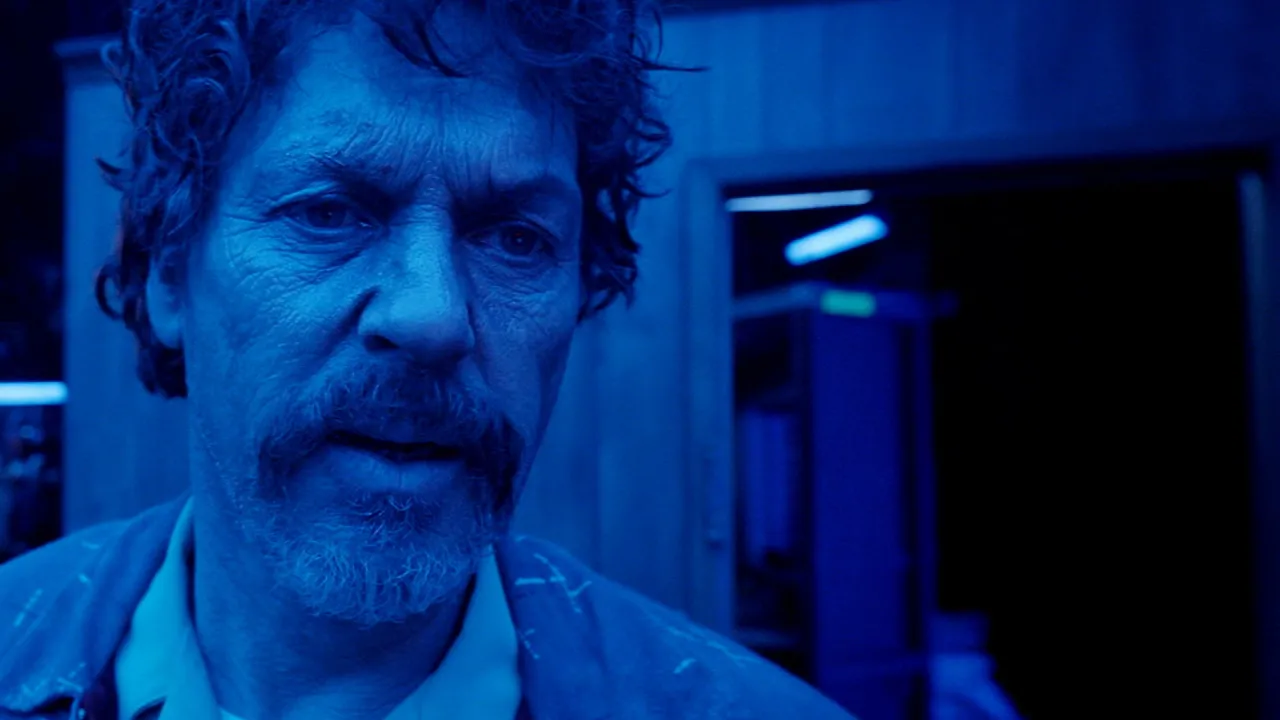




Hoyte Van Hoytema, a Dutch-Swedish cinematographer known for his collaborations with Christopher Nolan on films like Interstellar and Dunkirk, employs an enhanced naturalism approach that combines intimate, character-driven cinematography with blockbuster storytelling; his technique prioritizes practical in-camera shooting over CGI, utilizes large-format film (including Imax 15-perf 65mm) for visceral perspectives, employs vintage glass lenses with soft focus characteristics, and applies naturalistic lighting using diffused large sources to create immersive, grounded images that feel authentic while maintaining epic scale.
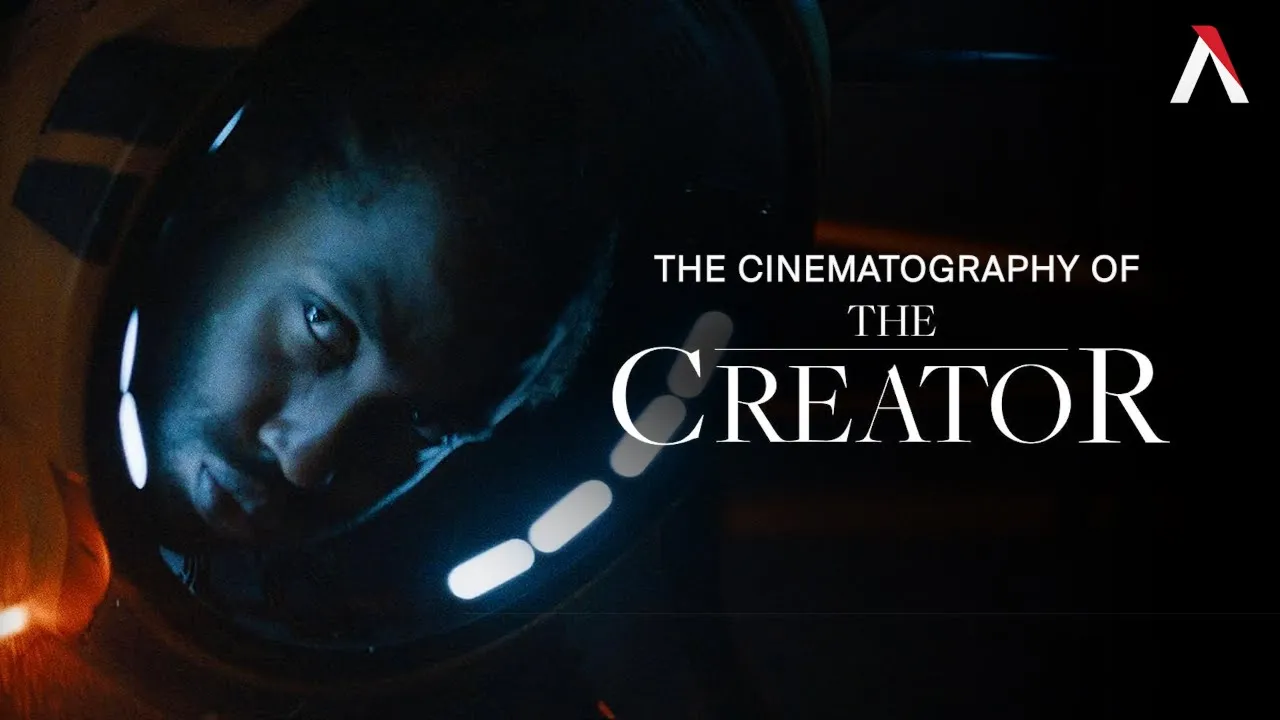
Hoyte van Hoytema Cinematography: Style, Gear & Philosophy
Added:Fundamental principles of cinematography, including the exposure triangle, depth of field, and camera movement techniques.
The technical and visual differences between digital sensor formats and analog film formats (specifically 35mm, 65mm, and IMAX).
The concept of 'motivated lighting' and naturalism in visual storytelling, as opposed to highly stylized or artificial lighting setups.
Basic knowledge of camera systems and lenses, particularly anamorphic versus spherical lenses and their aesthetic impacts.
In-depth study of the collaborative relationship between a Director of Photography (DP) and a Director, specifically analyzing van Hoytema's partnership with Christopher Nolan.
Practical exploration of low-light and natural-light cinematography techniques using modern digital or analog gear in student or indie projects.
Advanced analysis of large-format post-production workflows, including color grading for photo-chemical film versus digital intermediate (DI).
A comparative study of van Hoytema's tactile, analog-first philosophy versus the rise of virtual production and LED volume-stage filmmaking.
219.1K views9.4Klikes9:04Original Release: 2020-05-28
When I think of blockbuster films I usually think of action, explosions, stars and big set pieces. Far away from the world of personal films with contained storytelling. Hoyte Van Hoytema is able to tread the delicate line between the two: producing intimate, naturalistic cinematography which simultaneously tells big blockbuster stories.
Today I’ll be looking at the cinematography of Hoyte Van Hoytema by analysing his style based on his cinematic philosophy and the technical gear he uses to achieve his look.
Van Hoytme is a Dutch-Sweedish cinematographer. After growing up in the Netherlands and studying at the National Film School In Lodz he began living and working as a cinematographer in Sweden.
He progressed to shooting larger and larger movies for a collection of well known directors such as Thomas Alfredson, David O. Russel, Spike Jonze, Christopher Nolan, Sam Mendes and James Gray.
At its core, Van Hoytema’s cinematography is based around enhanced naturalism. He creates epic images full of dynamism, character and texture which are still based in reality.
A good example of this is his approach to shooting VFX work. Whenever possible he prefers to capture things in camera without too much VFX in order to maintain as much naturalism and original texture from the negative as possible. At times, such as a car chase scene on the moon in sci-fi space epic Ad Astra, where plenty of VFX was required, he still found a way to shoot as much of the effects in camera as possible.
“Doing it all in CGI would have been boring, and usually doesn’t look convincing enough in a film that is effectively shot mostly on real film. We wanted to maintain the quality, feel, and texture.” Therefore he used a 3D rig with 2 cameras that were both able to capture the same image simultaneously. 1 35mm camera and 1 modified infrared Arri Alexa. Overlaying the 2 images, they used the infrared image from the Alexa, which rendered the sky and its reflections black, and used the colour elements for the rest of the scene from the 35mm negative.
Shooting this large budget chase scene as practically as possible gives it a more naturalistic look rather than just shooting elements against a green screen and building the entire scene with VFX.
His lighting is also naturalistic. It’s motivated by realism and softened to give it a sense of heightened reality. He likes side lighting characters, where half their face is lit and half in shadow, this motivates where the direction of light is coming from and gives close ups more depth.
His camera movement is fairly traditional and as such provides the audience with engaging, familiar camerawork that is not alienating or takes viewers out of the story. A large part of Van Hoytema’s approach to photography is creating images that are as immersive as possible.
The gear that he uses informs how he is able to create such immersive engaging cinematography.
He has an affinity for shooting on film over digital, although he has shot digital on his commercial work and on some films such as Her. He likes the cinematic texture that shooting on film gives him.
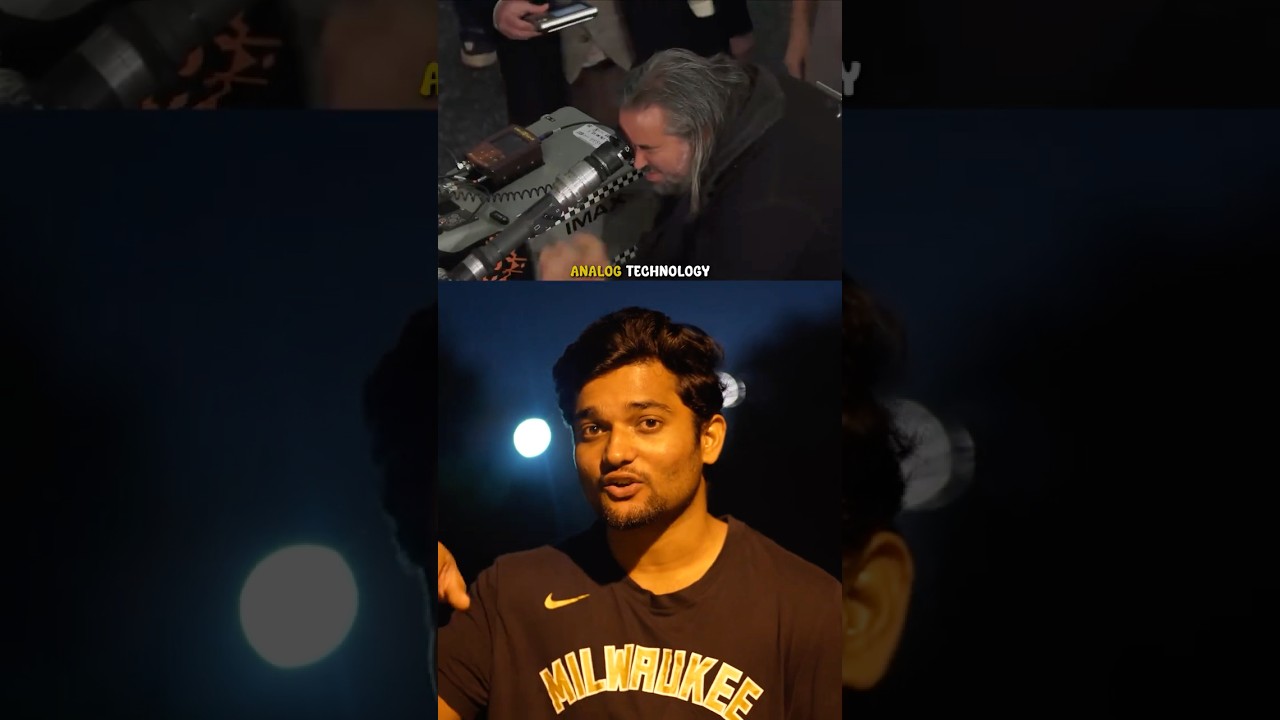
Van Hoytema also loves shooting large format film when possible for the visceral perspective it provides, a love he shares with collaborator Christopher Nolan. He’s shot Imax with Nolan on Interstellar, Dunkirk and the upcoming Tenet. On shooting Imax on Interstellar Van Hoytema mentioned: “The Imax image is 1.43:1, so it’s more of a square. Because of the size, the experience is more visceral than observational, so you end up composing much more in the center of the frame. You can stay wider while getting the same effect as a close-up” Over the years he’s shot large format with cameras such as the Imax camera which shoots 15-perf 65mm, providing an enormous camera negative. For 35mm work he’s used the Panaflex Millenium XL. And digitally he likes to shoot Arri, using different variations of the Alexa such as the Mini or the Classic.
“To a certain extent, I am always trying to come up with something new in my own eyes, but work methods are like tics,”One gravitates towards what feels safe” This approach applies to his choice of lenses. He’s shot on a variety of lenses over the years which includes standard as well as customised cinema lenses. Most of his lens choices however are rooted in a specific look: older glass with a level of vintage softness and beautiful out of focus fall off around the edges of the image.
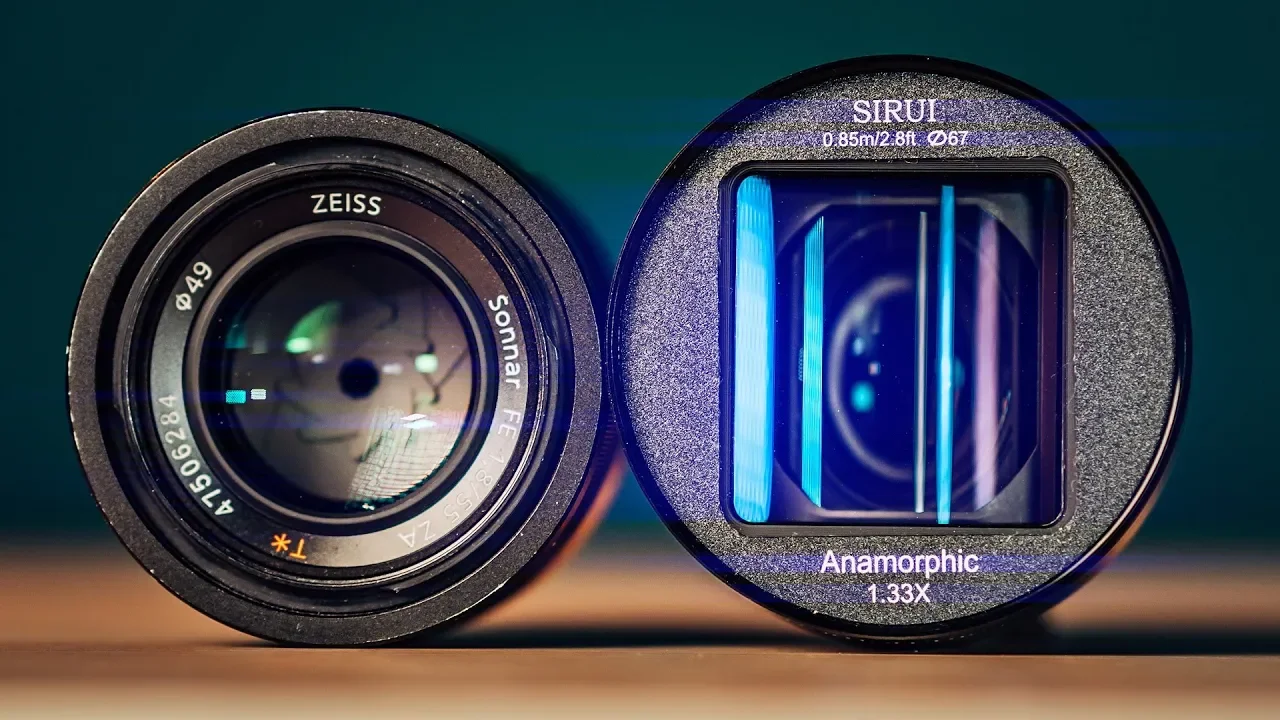
He enjoys shooting anamorphic or spherical depending on the project and has used lenses, such as a variety of Panavision anamorphic glass, such as C-series, D-series and E-series anamorphics some of which were specifically tuned by Panavision for warmer flares. He uses converted Hassleblad still lenses for his Imax work as they are able to cover the full negative without vignetting the image. Other spherical lenses include Zeiss super speeds, or vintage Cooke Speed Panchros with the coating removed which softens up the image and increases flares.
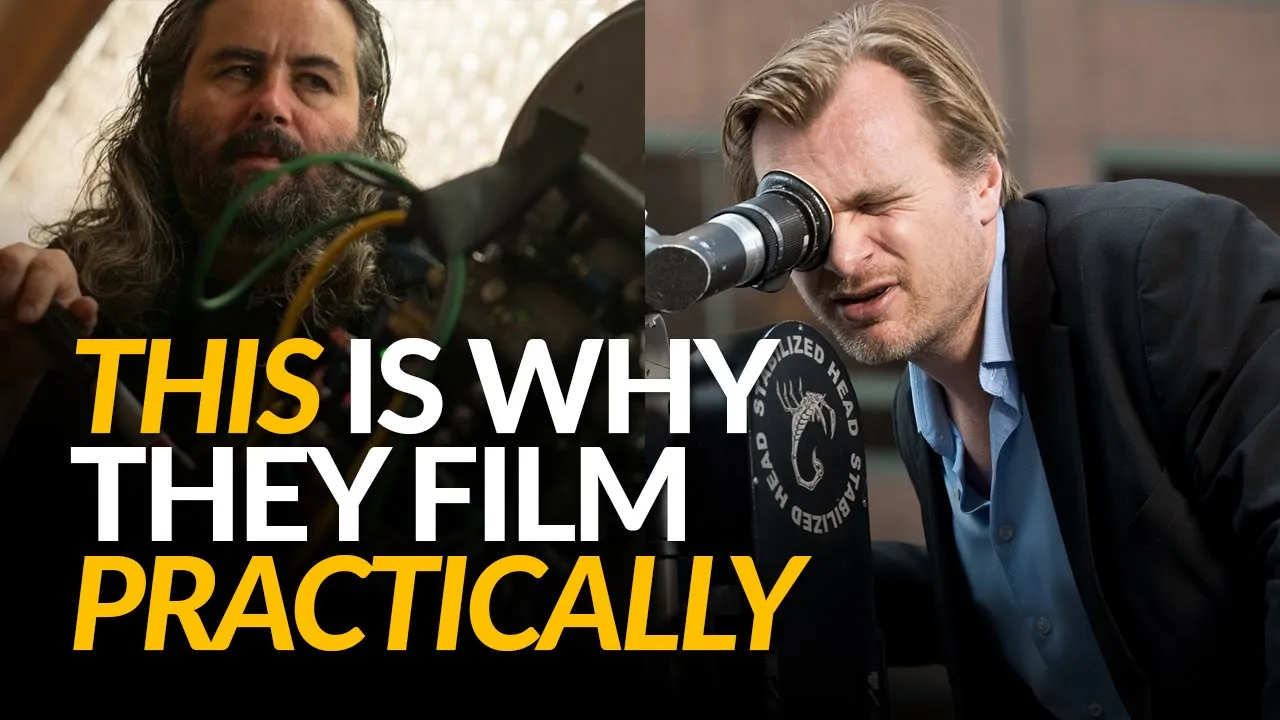
He loves handheld and has shot in this style over his career to create a more subjective, engaging experience. On his work with Nolan he has even managed to shoot handheld with the enormous and heavy Imax camera, which was previously unheard of.
Another type of grip rig that he likes to use that provides a visceral perspective are hard mounted rigs. This is where a camera is rigged in a locked off shot to a moving vehicle such as a car or a plane or even an actor. He mentions how doing this on Interstellar, created a kind of Imax Go Pro effect.
“It let us [capture] visceral angles that are normally only possible with a GoPro camera, but in 15-perf 65mm!” A lot of his naturalistic lighting style is created by pushing large sources through diffusion.
For example he likes to light through windows, supplementing the natural light and creating light that will stay continuous throughout a scene regardless of what the sun does during a take. He likes to use large HMIs such as 18Ks, pushing them through half or full grid textiles to soften the light. To get them to a warmer daylight colour temperature he likes to add a ½ or ⅛ CTO gel as well as a ¼ Plus Green gel “to emulate the bounce that natural light gets from all the plants or trees” He is a fan of using colour in his lighting when it can be motivated. Such as on films such as Her or Ad Astra. As long as the coloured lighting is believable and motivated by practical light sources such as in a space ship.
Through all of these practical techniques, Hoyte van Hoytema creates cinematography that is epic, yet immersive and grounded in reality. He notes that at times his images can even be seen as ‘unromatic’, his technique is “not always the prettiest or most polished way of doing things,”“but it gets us closer to the truth.” And that’s the key of keeping his style consistent over time. He may shoot large movies with huge set pieces but that doesn’t mean his photography is ever wild or out of control.
Through prioritising truth and naturalism over being showy, the films he shoots, no matter what their scale, remain classic, intimate and immersive experiences.
Up Next

6:02
Lady Bird Cinematography Analysis: Greta Gerwig's Visual Style
@AngusDaviesDP
4.4K views•2021-01-19

23:14
Visual Analysis Essay: How to Analyze Graphic Novels in College Writing
@nataliepleimann5941
1K views•2020-10-14
18:19
Long Takes in Filmmaking: Techniques and Impact
@InDepthCine
31.3K views•2024-07-28

4:00
Evolution of Darth Vader: Anakin Skywalker's Animated Journey Across Star Wars Films
@TellItAnimated
13.4M views•2019-03-30
Related Study Plans & Knowledge Roadmaps
Structured learning paths in Film Analysis
film-analysis
Sensory Cinema: Foley, Haptic Sound & Texture
01Introduction to Film Sound and Foley Artistry
02Micro-Sounds, Textures, and Extreme Amplification
03Haptic Audition and Film Phenomenology
+ 1 more learning modules
12h4 modules
Explore Roadmap
film-analysis
Breaking the Fourth Wall: Mockumentary & Satire
01The Invisible Wall: Basics of Cinematic Illusion
02Looking at the Lens: Direct Address & Character Glances
03The Mockumentary: Satire, Realism, and Complicity
+ 2 more learning modules
12h5 modules
Explore Roadmap
film-analysis
Analyzing the Long Take: Cinema, Space & Ethics
01Foundations of Film Grammar: Montage vs. The Long Take
02Choreography and Mechanics of the Simulated One-Shot
03Phenomenology of Film: Real-Time Spatial Continuity
+ 1 more learning modules
14h4 modules
Explore Roadmap
film-analysis
Anachronistic Music: Period Drama & Subversion
01Foundations of Film Sound and the 'Needle Drop'
02Traditional Authenticity vs. Revisionist History
03The Rise of the Anachronistic Soundtrack
+ 2 more learning modules
12h5 modules
Explore Roadmap