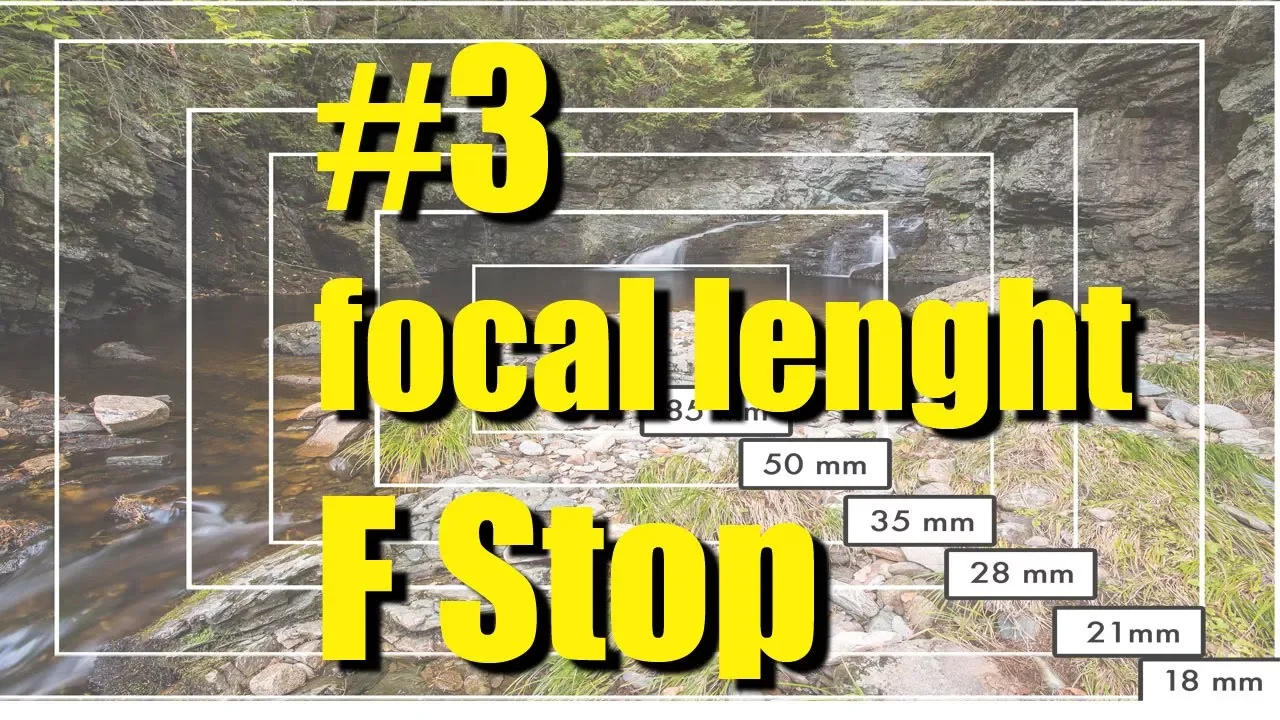

















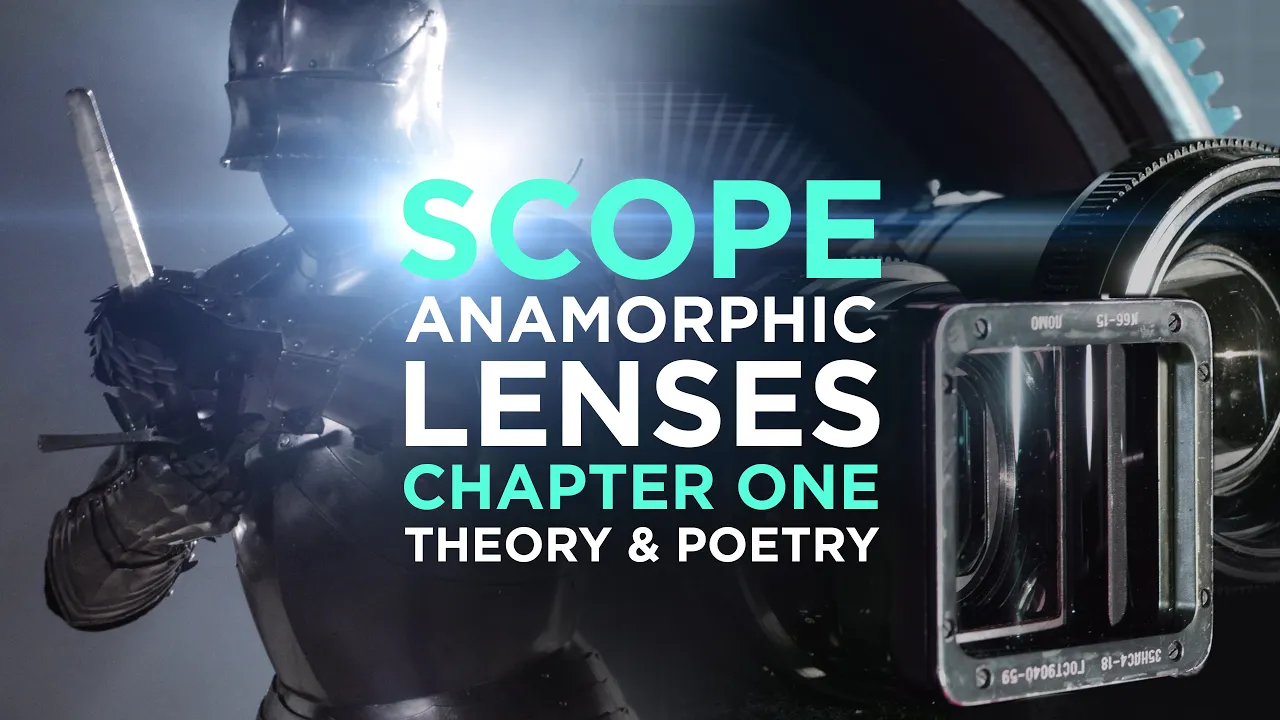

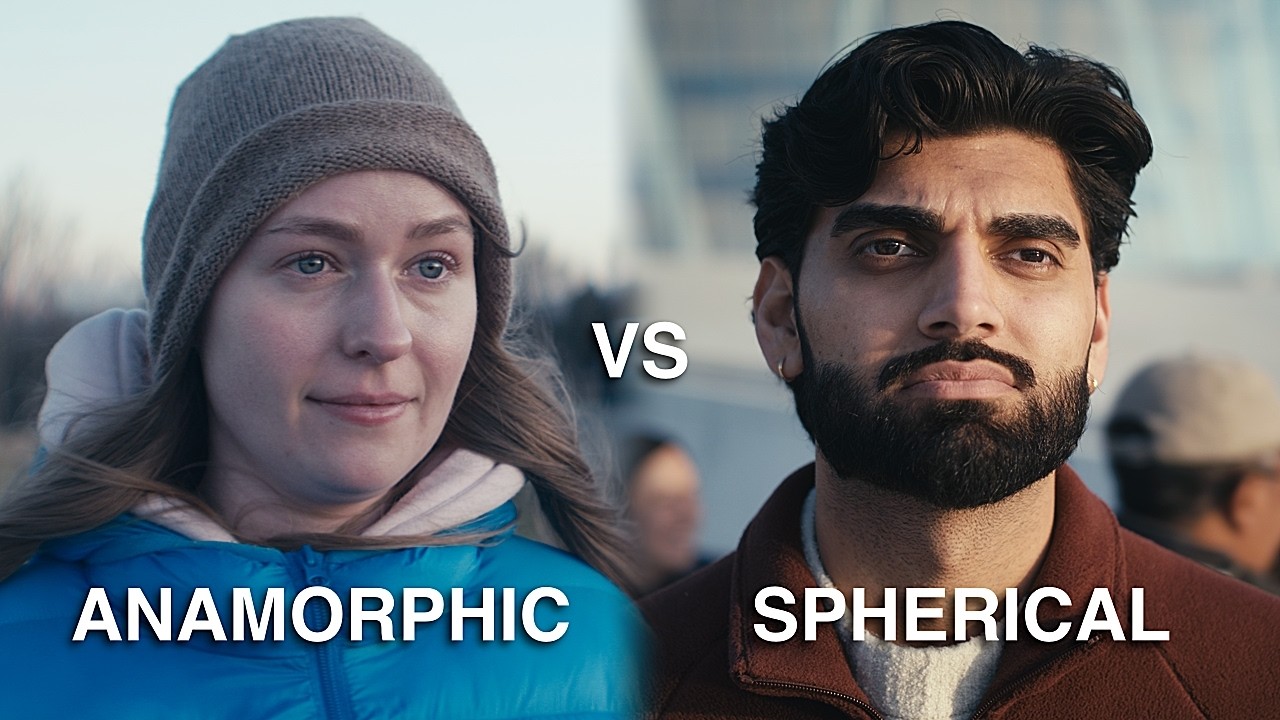


Anamorphic lenses use cylindrical elements at the front to compress the image horizontally onto a standard sensor, producing wider aspect ratios (2.35:1-2.39:1) with distinctive oval bokeh and dramatic lens flares, while spherical lenses use circular elements for more natural circular bokeh and sharper images; these technical differences allow cinematographers to influence audience interpretation through visual storytelling choices, as demonstrated by directors like Terrence Malick using spherical lenses for immersive realism and Barry Jenkins using anamorphic lenses for dreamlike nostalgia.
Anamorphic vs Spherical Lenses: A Cinematography Comparison
Added:Understanding of basic camera optics, including focal length, aperture, and how a lens projects light onto a sensor or film plane.
Familiarity with standard aspect ratios (such as 16:9, 4:3, and 2.39:1) and how framing dictates visual composition.
Basic knowledge of key cinematography terms such as depth of field, optical distortion, and the aesthetic concept of bokeh.
An understanding of how digital camera sensors and traditional physical film formats capture images.
The technical post-production workflow of 'desqueezing' anamorphic footage using non-linear editing software (NLEs).
Analyzing historical and modern cinematic masterpieces to identify how directors use anamorphic or spherical lenses to enhance narrative themes.
Advanced study of lens design mechanics, specifically the differences between front-mounted and rear-mounted anamorphic elements.
Evaluating the practical and financial trade-offs in pre-production between shooting native anamorphic versus cropping spherical footage to achieve a widescreen aspect ratio.
2.3M views85Klikes9:15Original Release: 2020-06-27
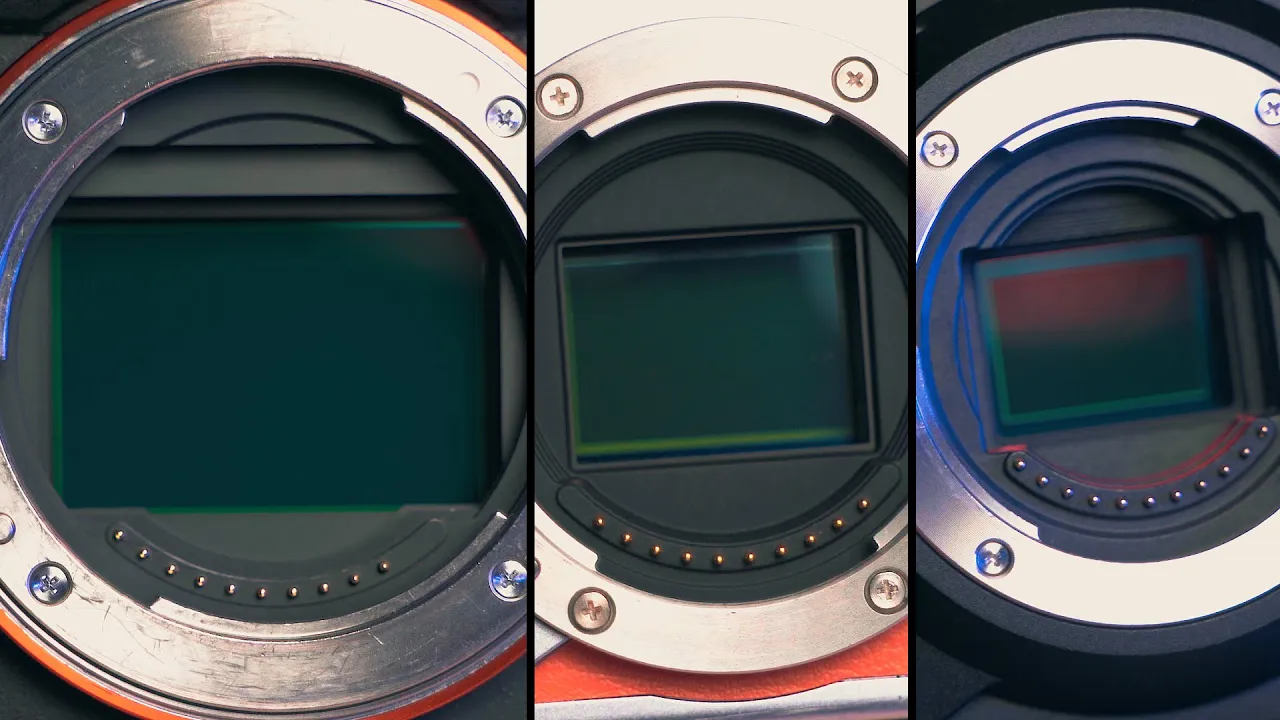
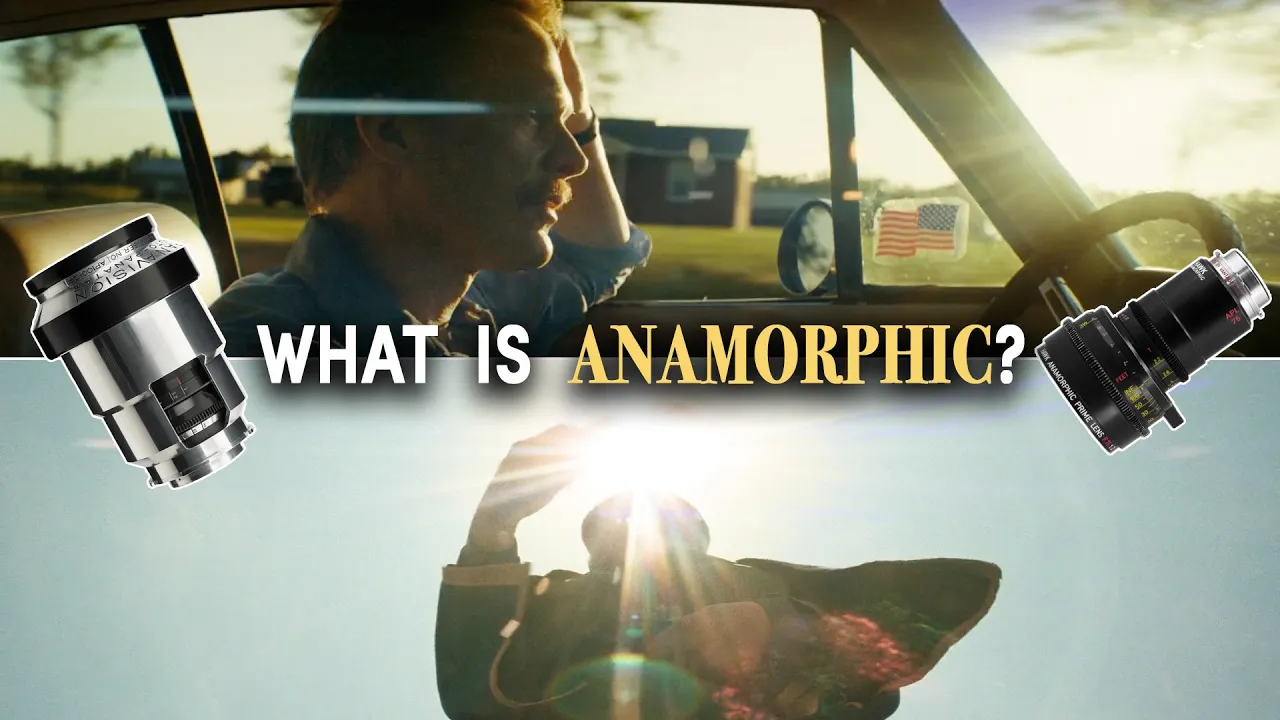
[Music] if you've spent any length of time educating yourself in cinematography concepts it's likely you may have heard the phrase anamorphic before I'd say that most people who watch movies are even aware of it on a subconscious level as filmmakers though it's our job to take practical concepts and understand the subconscious effect that these concepts have on the audience today I'll be going over one of these concepts the differences between anamorphic lenses and spherical lenses I'll break down the basics look at the differences between them and use creative examples from films to show how choosing between these two lens types can affect how the audience interprets a story to understand the anamorphic format we first need to understand the spherical or super 35 format the inside of every lens is made up of different pieces of curved glass which we call elements spherical lenses are so-called because their lens elements of circular when light passes through spherical lenses and hits the digital sensor or film stock it produces irregular uncompressed image anamorphic lenses are different the elements at the back of an anamorphic lens our regular spherical elements however they are added cylindrical lens elements at the front of anamorphic lenses which appear oval rathbun circular when looked through when light posts through anamorphic lenses and hits the sensor it produces an image which appears squeezed this image is then d squeezed before it's presented to an audience let's go over some of the variations in image characteristics between these two formats the most prominent difference which is achieved by shooting with anamorphic lenses is that they provide a widescreen aspect ratio traditional spherical aspect ratios or more square common super 35 aspect ratios are one point three three two one and one point eight five two one anamorphic lenses produce an aspect ratio which is wider such as two point three five to one or two point three nine to one although some DOP such as Roger Deakins for example prefer to shoot with spherical lenses then crop the top and bottom of the image in post in order to get a widescreen aspect ratio another prominent characteristic of anamorphic lenses is the bokeh that they produce bokeh is the soft out-of-focus area of an image because of their circular glass elements spherical lenses produce bokeh which is circular anamorphic lenses with a curved cylindrical elements have oval-shaped bokeh moving on to the more subtle yet important differences in the image of the distortion flares and sharpness of the lens as spherical lenses of less glass for the light to pass through and of simpler mechanics they tend to produce sharper images with minimal distortion across the entire image anamorphic lenses can usually be identified by the reduced sharpness increased distortion and what we call a fall-off which is where the closer we get to the edges of the image the more distortion softness we get this results in what some describe is paint li image characteristics they also produce more dramatic lens flares because they have more glass inside them when light hits an anamorphic lens it bounces around in interesting ways creating beautiful lateral flares some people like them some don't those are the differences in the way the image looks but it's also important to consider the practical difference anamorphic lenses are expensive not only due to their rental price but also because of their other cost implications for the set because anamorphic lenses are far more complex and difficult to construct they cost far more to purchase and to rent out the spherical lenses are usually faster meaning that they have a lower T stop such as t1 point 3 2 t2 and therefore let in more light anamorphic lenses usually have a stop of between t 2.8 and t4 meaning that they LED in less light this means that two light sets when using slower anamorphic lenses more powerful light sources are required this means spending more on lighting also because anamorphic lenses a wide screen it means that they reveal a lot of the set this means that more is to be spent in production design the narrower the shutters less that there isn't frame that needs to be dressed finally anamorphic lenses usually provide less options spherical lenses usually have more focal lengths to choose from and anamorphic lens sets which are traditionally built around 40 50 75 and 100 millimeter focal lengths a popular spherical lens set like the Cook has four Prime's has 18 different focal lengths to choose from ranging from a 12 more up to a 300 millimeter lens if you're interested in learning more about focal lengths a link of video in the description I made on this concept [Music] to illustrate some of these differences let's take a look at some practical examples of folds and the lenses they were shot on to see what effect it provides to films that were shot with very different aspect ratios lenses and approaches to framing are there will be blood Sharan C and E series Panavision anamorphic lenses and the lightest shot with a spherical portion alone boltar lenses both films are thematically linked to the idea of obsession but their visual approaches informed by their lens choices opposing robert else went opted for a widescreen 2.4 to one aspect ratio the width of the image gives a sense of scale to the vastness of the landscape of the food he frames characters alone in a frame with emptiness on each side which builds a sense of loneliness into the frames jaren blush key went a different route he chosen almost square one point one nine to one aspect ratio he describes his approach to framing in the lightest I found the square format and a moderately wide lens to be a very effective portrait format it was the perfect balance between person and environment it frames the vertical lighthouse even better isolates our two characters even more and truly traps them together when they do share a frame his approach therefore use spherical lenses to compress the frame while Alfred used anamorphic glass to expand it the image characteristics of lenses or serve a psychological effect this can be seen in the Tree of Life shot and spherical Aries ice master primes and moonlight shot largely on Hawk V light anamorphic s-- in the Tree of Life Chivo wanted to create a fully immersive image that used wide-angle lenses yet which maintain maximum sharpness and clarity Master Prime's are very sharp precise spherical lenses with minimal Distortion this gives the images in the film a vivid naturalistic immersive and lifelike clarity James Laxton shot moonlight different intention he usually shot wide open on anamorphic lenses which increases bokeh and fall off this gives the images in the film a dreamlike nostalgic quality which supports the telling of this personal and at times experimental coming-of-age film and finally let's have a look at what practical differences the two types of lenses can have by looking at Barry Lyndon which is shot on different spherical lenses notably a Zeiss planar 51 F 0.7 Barry Lyndon was shot at a time when film stock speeds were still very slow which made filming in low-light situations impossible differ for Kubrick's desire to shoot night scenes not only with naturalistic candlelight John Alcott employed a lens developed by Zeiss for NASA's moon landings with the lowest aperture in film history the spherical lens allowed more light onto the negative which allowed Alcott to shoot night scenes with only natural light these are just a few of the ways in which a cinematographers choice of lenses is able to affect the way story is interpreted to increase our understanding it's important to educate ourselves in the gear used in phones and to be conscious of the effect that it has on your viewing experience although the point of filmmaking is to be sucked into a story to the point that we forget it takes a fair understanding of technical knowledge combined with an artistic application to be able to dare suspend the disbelief of the audience thanks for making it to the end of this technical breakdown of anamorphic and spherical lenses if you enjoyed this video please like and subscribe it really helps the channel to grow and if there any examples of the way lenses are used in films that stood out to you I'd love to hear about it in the comments until next time thanks for watching and good bye [Music]
Up Next

95:56
Matt Reeves on The Batman: Filmmaking, Noir, and Legacy
@ReelBlend
179.4K views•2022-03-04

12:54
Triumph of Orthodoxy Icon: Byzantine Art & History Explained
@BenCallan
2.1K views•2024-08-06
12:05
Essential Lighting Concepts for Cinematographers
@InDepthCine
418.2K views•2020-11-08

1:42
Game of Thrones Opening Credits: A Cinematic Analysis
@gameofthrones
46.3M views•2011-04-18
Related Study Plans & Knowledge Roadmaps
Structured learning paths in General & Interdisciplinary Studies
general-studies
Elevator Engineering: History, Physics & Cities
01From Hoists to Safety Brakes: The Dawn of Vertical Lift
02Hydraulic vs. Traction: The Engineering Physics of Elevators
03Modern Speed, Safety, and Algorithms
+ 2 more learning modules
12h5 modules
Explore Roadmap
general-studies
Rubber: Material Science, History & Geopolitics
01Origins of Natural Rubber & Mesoamerican History
02The Chemistry of Natural Rubber & Vulcanization
03The Geopolitics of the Rubber Boom & Colonization
+ 2 more learning modules
12h5 modules
Explore Roadmap
general-studies
Containerization: Evolution, Logistics & Trade
01Ancient Trade & Bulk Cargo: Amphorae to Barrels
02The Industrial Revolution & Cardboard Packaging
03The Containerization Revolution: Malcom McLean
+ 2 more learning modules
12h5 modules
Explore Roadmap
general-studies
Textile Tech: Evolution, Labor & Global Impact
01Pre-Industrial Textiles: Handloom & Cottage Industry
02Mechanization: The Spinning Jenny to the Power Loom
03The Factory System & Global Labor Transformation
+ 2 more learning modules
10h5 modules
Explore Roadmap