






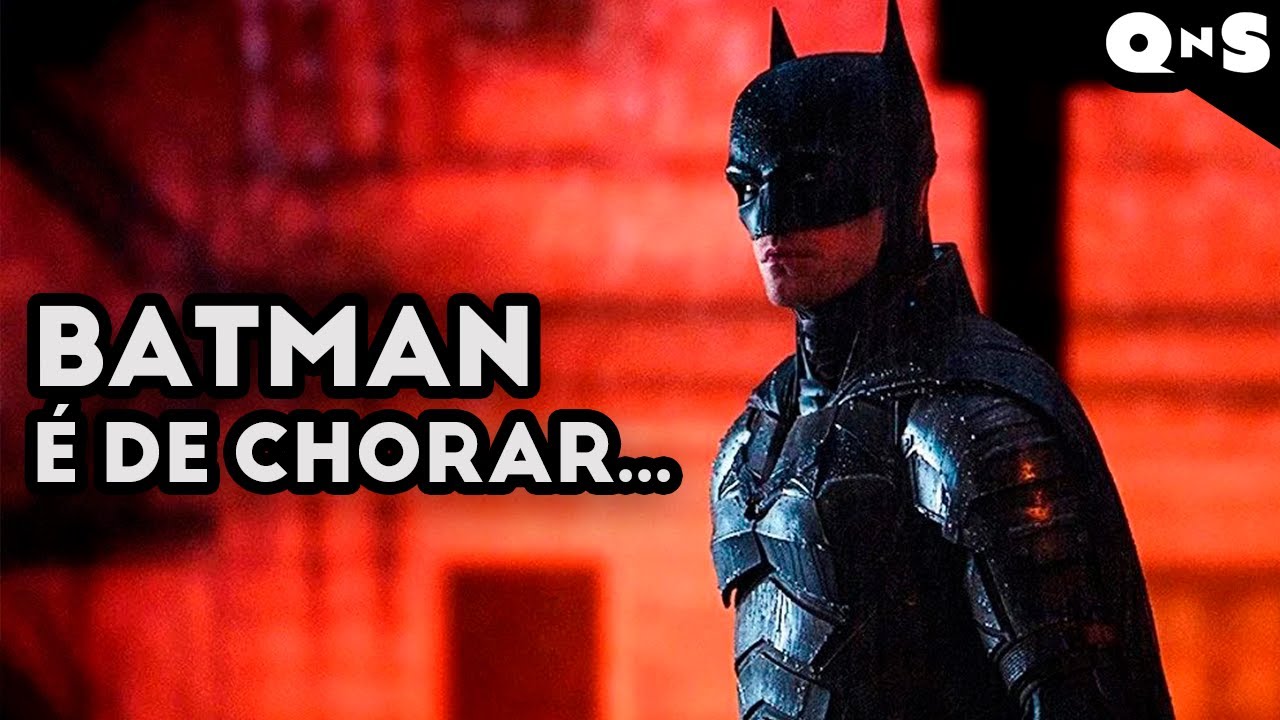








Director Matt Reeves explains that in his interpretation of Batman, the character exists first and inspires villains as a response to him, rather than villains flocking to Gotham because it already has corruption; he chose not to show the murder of Bruce Wayne's parents because he wanted to recontextualize the origins by having the Riddler describe Gotham's history, which would naturally touch on the Waynes, allowing the audience to see Batman as an imperfect, driven-by-trauma figure who is more compelled by his shadow side than he even understands, making him a flawed, complex character rather than a straightforward hero.
Matt Reeves on The Batman: Filmmaking, Noir, and Legacy
Added:The defining aesthetic and thematic characteristics of classic Film Noir and Neo-Noir cinema, such as chiaroscuro lighting, moral ambiguity, and the cynical detective archetype.
The literary and comic book history of Batman as the 'World's Greatest Detective,' specifically key story arcs like 'Year One' and 'The Long Halloween' which emphasize street-level detective work over superheroics.
Fundamental concepts of cinematography and film language, including framing, camera angles, color palettes, and how directors use visual composition to convey psychological states.
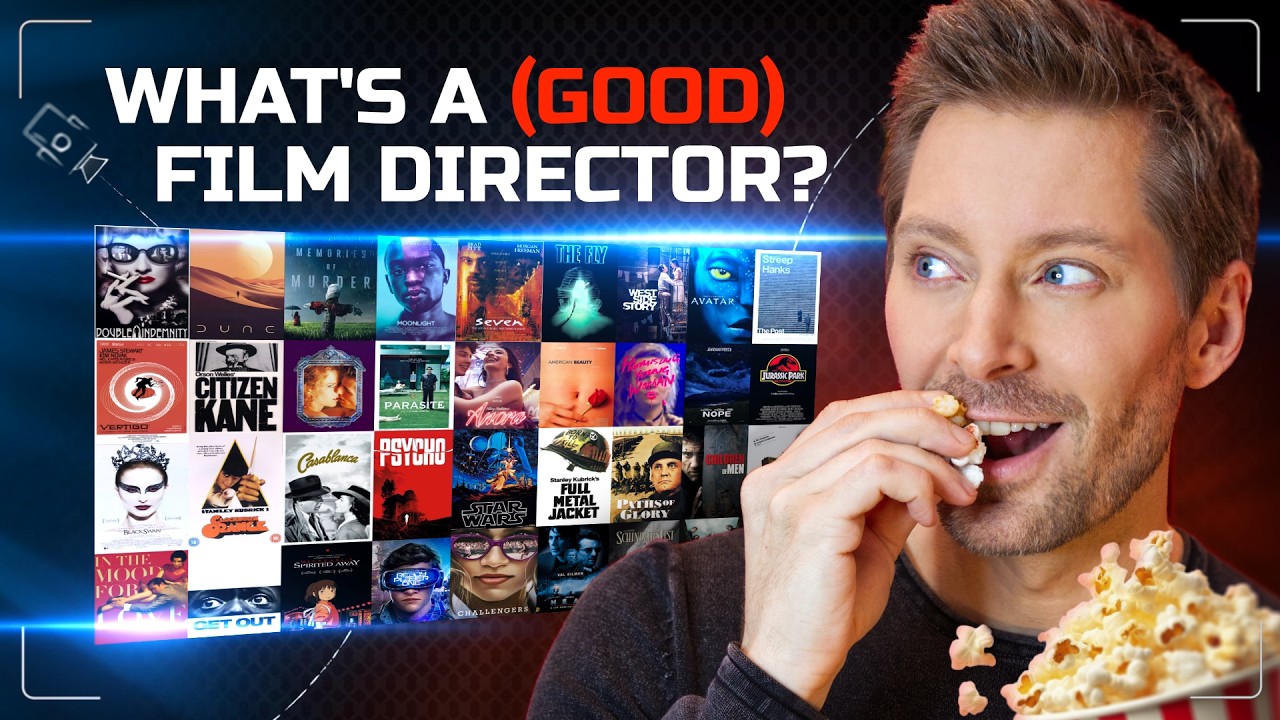
The concept of 'auteur theory' in cinema, where a director's distinct creative vision and thematic preoccupations override traditional studio conventions.
A comparative analysis of directorial styles across the Batman cinematic history, contrasting Matt Reeves' grounded noir realism with Christopher Nolan's systemic realism and Tim Burton's Gothic expressionism.
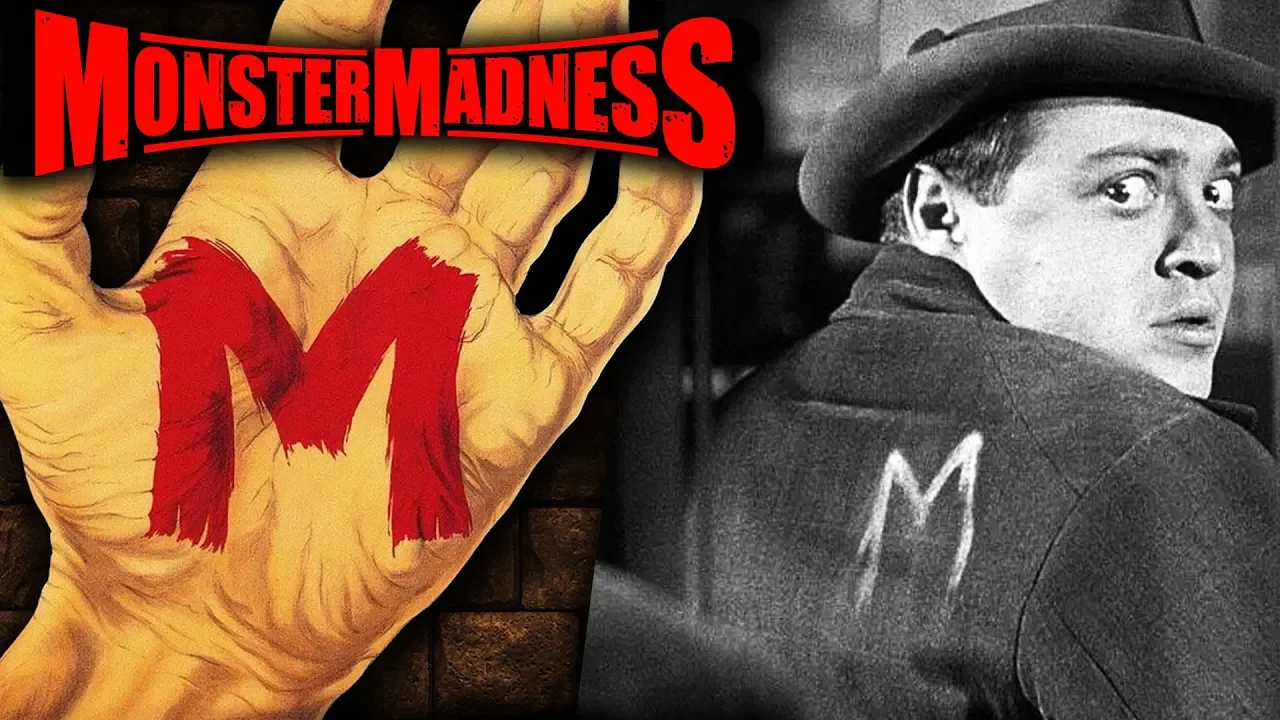
An exploration of German Expressionism and its profound historical influence on American Film Noir, looking at early masterpieces of shadow and psychology like Fritz Lang's 'M'.
Advanced analysis of modern cinematography techniques, specifically studying the use of custom anamorphic lenses, low-light digital sensors, and LED volume technology in capturing dark, atmospheric films.
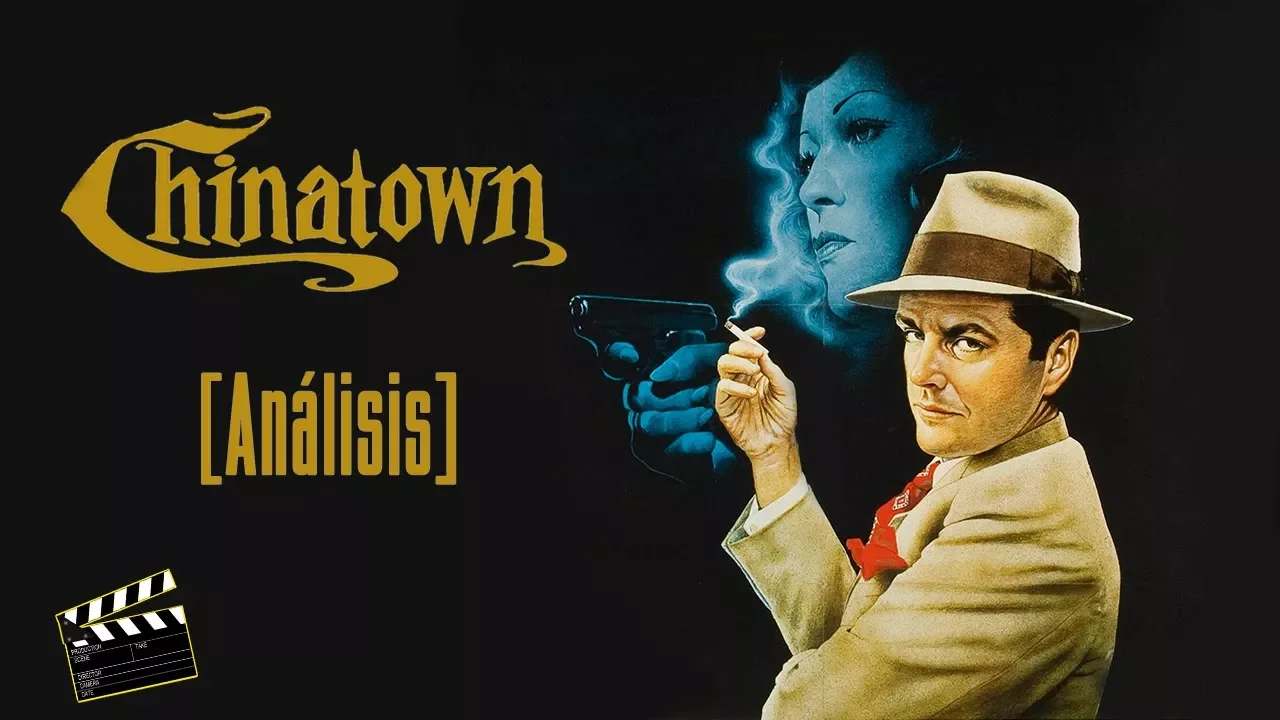
Thematic studies of the 'obsessive detective' archetype in crime cinema, analyzing how films like 'Chinatown', 'Se7en', and 'Zodiac' subvert traditional narrative resolutions.
179.4K views4.5Klikes1:35:56Original Release: 2022-03-04
[Music] hello blenders and welcome welcome to episode number 205 of real blend a podcast that holds a grudge and never ever forgets on this week's show we're talking about uh sag has come and gone the batman batman hits theaters and director man reeves is on the show for a very exclusive fun we're off the rails already i am sean o'connell you managing editor here at cinemablend [Laughter] while you're while you're catching no no no no this is this is good i'm going to keep this in i want to keep this in okay keep going so people have to understand we do this podcast once a week yes and and please whoever's editing this jeff leave this in um we are on a text thread all day long and like we're sending each other jokes and bits and all this stuff like that and then sean will just like come out the gate with like something that we were laughing about like two days ago or something and it's so inside but and i'd do it just to get just to get you guys reactions to it really this whole show is just for the three of us so uh anyway i'm sean o'donnell managing editor here at cinema blend joined as always by kevin mccarthy of fox 5 in washington dc hi kev how are you hey sean how are you doing today i was wondering uh well so first of all we you did gloss over this because we were laughing so hard we have reeves on our show today yes we do yes and obviously we're all big fans and we're gonna get to that shortly um but as you know cloverfield to planet of the apes and everything um we're just excited to have him on and if you're at all into filmmaking um we get into some really cool stuff about vr and how he was directing it's it's awesome so enjoy the interview today and if you're not into filmmaking i also asked questions why would you be listening to this show if you're not into filmmaking that's basically what we talk about that voice you heard is jake hamilton of fox 32 in chicago nobody told me it was white shirt today i didn't uh you went to well i mean that i feel like it kind of goes with the the theme of today which is kevin and i on one side and sean on the other yes if you're friends with ryan reynolds wear white you wear a white shirt and if you are not where the color i'm wearing this is like a navy blue to give perspective uh we just we uh so we're recording this right after we just completed the uh adam project junket and i'll just use this opportunity to tease that we are gonna have sean levy on the show again next week uh he was on for free guy it's an excellent conversation um and the movie has ryan reynolds and um that'll be coming out next week so we'll get into that we can call him friend of the show almost sean sean's awesome man and like or as i call him rob um but no but sean shawn sean is awesome this show really has turned into one giant inside joke like yes yeah yeah you'll know when you hear the interview which is you'll know why yeah yeah and if you're watching us on youtube uh to see the wardrobe that we are sporting and and these two handsome gentlemen uh thank you for joining us please head down give us a like and a subscribe because we are over 6 000 subscribers and we are now climbing really really fast for audio listeners if you want to join us in video form head to youtube.com backslash real blend uh podcast real blind podcast and join the fun of course we're available all the different places where you get your audio podcast needs met and i want to know if you guys have signed up for real blend premium if you think this show is off the rails you can pay five dollars a month for for four more episodes of pure insanity uh forget the thing we're recording this week because we're down gabe gabe is off on vacation we're being joined by one of our really good friends jeff macobb uh he has terrible internet so he might not pop in here um but gabe has a why why does he pay him more so that he can have better internet we do pay him a lot but he has really um debilitating uh uh habits that keep him spending his money on companies his internet's so bad he can't even defend himself right yes exactly he chooses to spend on other things besides and for people who are long-time listeners our show jeff is has had a presence on this show whether you know it or not uh jeff is actually in the room for my ryan john or for our ryan johnson uh real blend interview for knives out jeff recorded that um so jeff has been jeff's jeff's ingrained in our show if you haven't listened to ryan johnson's interview it's available on uh wherever you get your podcast one time uh when we were in los angeles jeff was on as a guest but i forget what we talked about and i forget what episode it was he did join us and he came to uh he came to the uh jeff you came to tarantino right yeah oh yeah yeah i've been around you've been around let's let's just say while i can chime in that uh i love you guys happy to be here hey jeff i was just curious if you ever considered um adding the word salad to your to your name oh my god oh my god oh jeff salad completely no completely all right well i'm going to follow up that gem with this uh matt reeves is joining the shoes to talk about his blockbuster film the batman circle we circled matt uh as a want to get on the show guest uh right when his name was attached to the project and so we want to thank the people at warner brothers for helping us pull this off always helping us pull it off yeah they're terrific to this show they're really really supportive and um and they got us matt reeves so without further ado matt reeves on the real blend podcast talking about the batman there has always been a really interesting paradox pertaining to batman for me and i think this is one of the first movies to really attack it i wanted to get your opinion on it because i'm i'm guaranteed that you thought about it whether batman exists uh because gotham has so many colorful villains or whether the villains flock to gotham because batman exists oh well you know in my sort of deep dive at the beginning before i wrote i just i read so many comics and i think that the thing that stuck out to me the the the vein um that sort of resonated the most to me was the idea that it's the appearance of this vigilante who's masked who gets called the batman that inspires the rogues gallery because of you know their kind of a response to him and so in my view i mean that's in a lot of the comics i didn't make that up that's actually in a number of comics and to me the thing that made sense was that what batman is doing is really bruce's reaction to the trauma of his childhood in a way where you know you think of like a superhero movie and you say oh well somebody's out there trying to do something good for the city and while that's true especially in this movie the notion is that as he begins it really is it's the only way he can make sense of his life you know he can't get over what happened and so he's kind of driven in a way that doesn't really make sense to be honest it's a kind of crazy mission that he goes on and it's a compulsion you know he he sort of loses himself he's got um you know when you're masked you can kind of lose yourself and there's an individuation and i did a lot of reading about mass and the idea of tapping into the shadow side and i think he's not he would probably tell you he was doing it to improve the city but the degree to which it's personal um is beyond i think even his understanding at this point what's driving him and how close he comes to the line you know one of the reasons that i chose the riddler in this story aside from the fact that i was thinking of serial killers that were inspired from like you know the long halloween uh jeff loeb tim sale comic i just wanted to do a story like that and then that made me think of the zodiac but it wasn't just that it was also the way in which there were two sides of the same coin you know in a way the riddler doesn't have a problem with that line he crosses it but batman comes dangerously close to crossing that line and it's because he's not fully in control and i think that that that keeps it very um active but anyway longest answer ever to say in my view uh chicken and egg batman comes first wow very cool thank you you know matt as we told you this is a film podcast so our entire audience loves filmmaking and and how scenes are done and i wanted to take a deep dive with you about the penguin and batman car chase because it is an incredible scene i know earlier we talked a little bit about um the practical effects that you used for the jump of the batmobile into the fire but the shots in that particular sequence especially even when like colin's like i got you i got you like that frantic shot and the way greg set up that camera was incredible can you walk us through the practical nature of that sequence because it is an incredible scene and for our audience talk about the practical effects in terms of the batmobile going through the fire nuts well i mean you know the way that i like to work is i like to board as much as i possibly can and in this particular case you know this is the first movie where james chinlen designed the sets in 3d and so before they were ever built i could put vr glasses on and we could walk into the sets so we walked through those sets and i was like this is incredible because i could read through the scenes and we could say oh you know what this set doesn't quite work because of this can you make this subtle change and then to just be able to be in that gothic world that he was creating i was realizing wait we should i could shot make here and so in prep i was able to get put the lenses on so greg you know tested all these lenses and i i said i wanted to shoot the movie anamorphic and we had shot let me in anamorphic and i wanted to use that style and we wanted to bring in this level of sort of texture and visceral grit and visual grit and greg deliberately sought out the most technically flawed anamorphic lens as you could possibly have because i was really obsessed with um the kind of 70s filmmaking that was kind of like in the vein of this this the tone that i thought sort of was our movie that was kind of like you know the french connection or like uh clute like these neo noir films and they were you know that were shot you know many cases anamorphic and those lenses of that at that time were they were rough they did not you know the whole idea was to get the widescreen experience but in order to do that the elements came together in a way that there were a lot of really really beautiful imperfections and so we wanted to pull as much of that in as possible and once we kind of tested the range of lenses i had them take those focal lengths designed to those lenses like we had one you know we didn't have an 80 or an 85 we had an 88 because there was something wrong with it and literally the camera house said to us you don't want these lenses and we were like yeah yeah no we do we like these lenses and um you know greg is really a master at all that because he's really i remember when we first met that i was talking to him about a shot that he um had done in bright star which i'd seen and he was like going oh well in that one i had a toilet um paper holder and i was holding the lens elements and he was getting there's an incredible shot where you see some needle point and the thread and it's this beautiful macro shot and i asked him about it because i was obsessed about i'm obsessed with macro shots and he said yeah well that one wasn't really a lens as much as it was me holding the elements and a a toilet paper holder so we were doing all that and once i had those sort of that list of of lenses that we liked um we brought them into vr and then i could go in with an operator who knew how to use that and i could say okay put on the 88 or put on the 44 and then i could go and shot make so the first thing i did when we were doing the batmobile chase was i had rob alonzo who is our stunt coordinator i said here's what i need to know i said i want to know everywhere we could possibly put a hard mount where can i put the camera on this car and he took me through every single possible place and we took we had scanned in the route and we could play on a kind of um loop what the path of the batmobile was and i could look at the shots in vr before we ever shot them and i set all of these shots basically beforehand and we made this crazy storyboard that were made of screen grabs from vr from the lenses that we had found and and so it was it was an incredibly involved process and then um we then we did had you know greg sent his team to do r and d and all of this and they were like wow if we use a really small body we can actually get a camera here and we had so we had a whole palette of places we could put the camera and we put it everywhere i wanted it to be a practical thing that felt like um a 70s chase like like the french connection or bullet i wanted hard mounts because when the car shakes i wanted the camera to shake and i wanted it to feel solid and locked to it and so we found all those shots and then you know one of them was like that the one in particular you're talking about with the upside down i was like well this all i'm into this very hitchcockian point of view of putting the camera in the subjective point of view of the characters so you can put the audience into that experience and so i thought it would be great at the end of all this kind of propulsive french connection sort of craziness to suddenly be in the penguins point of view as he's lying upside down as you have this kind of mythic appearance of batman sort of with fire raging behind him and and all of that was found in in vr and then we just went out and shot it so it was a and then greg wanted to do stuff to make it messier still he'd say like gee if i put this um filter of silicone on and we let the lens get wet like then the lens will get wet and we just we wanted this thing to be so visceral and i think you know i have to say that it was it was an incredible team that put together like i said dom two earlier when i said i wanted to jump the batmobile through fire he said that doesn't have to be cg we'll do it and we did that and so that shot you're talking about with colin that is a shot so there's a shot you can do that's kind of a 50 50 where you take the camera and you put a mount off and you bring it off sideways so that you can see half of the frame is the driver and the other half is what what's behind him so we looked at that shot in vr and i was like this is what because i always wanted to have that feeling you were with them and so i said okay so when those trucks flip i think it'd be great to actually see colin so you never have the sense that we put him in some process thing so that actually is colin giving that performance in that moment when the trucks are falling so when he goes like i got you i got you like that was just gold that was a take he's i'm back somewhere else they're under because you're doing a thing where you're flipping a truck and you've got the you know you're doing explosives and all this stuff and i'm talking to colin in an earwig and i'm looking at stuff on a monitor they're out there in the freezing cold and i'm back on the stage because we're doing this in such a way that that scene's being shot after i'm shooting other scenes on the stage because it has to be shot at night outside so they're outside and i so my day is like double long and i'm there talking to colin over over he's got an ear wig and he's driving he's in their car and and and he's driving the car in that scene the camera's in that position they've got everything in place and we're talking about that moment and i said look this whole thing is about snatching defeat from the jaws of victory i want to see you connect to that thing and he just launched into that take and i was dying laughing and that's the one that you know is in the movie we did i think we did maybe one other take but yes there was all that stuff was super limited and and the the point was to make sure that everything felt as real as possible as practical as possible and in those places where it is cg because there is cg stuff it was all done from the point of view as if you could only do it with a camera so i never break and i started this you know back on cloverfield but i did it all through the apes films i never do a cg shot where you break the laws of reality meaning you'll never see a shot from me where the camera is a bullet or something like that because or like moves through walls because then you start going oh that must be a cg shot i want to do something as if you only have the technology that would have been available if you were shooting it practically even though in some cases the shots are full cg i mean the work that weta did so weta who did the apes films with me they did this sequence and i have to say the work they did is astonishing they added all of the rain like we did wet downs but they added all of the rain they did all the stuff with the um the stuff with the trucks falling on him and all that kind of stuff that the work they did was astonishing and i'm not surprised because they're an incredible incredible group but it was uh that that was the that was an army that helped us to pull off that scene and um the really some of the best technicians and artists in the world and and it was a it was really thrilling to see it come together my favorite scene in the movie so thank you so much for breaking that down that was awesome yeah could you could you come on our show every week because you're kind of the perfect guest for this show as much as you do in this movie that i love there's something that you don't do which i also love which is uh not killing time showing us the the murder of uh of the waynes oh yeah um and clearly we've seen it a thousand times before how many different ways can we see pearls drop in slow motion so to what degree do you just go look we don't need to see that again and is there any part of you that goes but like i want to do my take on it like i want my shot did not want to touch it no absolutely right i mean the thing about it is is that look it's been done brilliantly and and you know you can't come here's the thing you come into a batman movie with a level of excitement and a level of terror and the terror is there have been great movies and you're entering into a history that goes back more than 80 years into the comics like people have their version of batman in their heads they're going to compare your version to that you're really just a custodian for a character someday somebody else will get the mantle and they will take batman and they will do what they think is right with batman and so you're terrified and for me one of the things that was very clear i was like well we can't do that again like that just didn't seem like the thing to do what i wanted to do though is i wanted to find a way to recontextualize his origins i wanted to touch on the origins without seeing the origin tail and so i wanted to take batman and make him be an early days batman an imperfect batman and a batman who was more driven by his shadow side than he even knew like if you would ask people about batman they would say like oh he's trying to fight to make the city a better place because of what happened to him as a kid but truth be told he doesn't have a choice at this stage at this stage he's doing it because it's the only way he can think to make meaning of his life it's the only way he can cope he's sort of um compelled to do it it's like an addiction and so he goes out night and it's a kind of crazy thing to do right he's taking the law into his own hands and he's going out and he's he's revisiting the death of his parents in a certain way every single night and so obviously he's not completely in control and so i wanted him in this story to start a bit out of control to be moving in a mode of vengeance and have the story be an awakening for him and the way in which i wanted to touch on the origins is that i wanted the riddler to just be describing the history of gotham and that that history it would have to touch on the wanes because the waynes are the foun are you know one of the founding families of gotham and i thought you know what's interesting is in a way batman bruce is kind of stunted he's stuck at that time of being ten there's certain ways his image of his parents is the image of a ten-year-old's he idealizes them he he see and this is this fight is in some way for them and he'll never be able to bring them back but there's there's no human being that could live up to the image that he's created from those 10 year old eyes and i wanted this story to shatter that i wanted him to start to see the grays i wanted him to see his origins and understand that his parents were human and flawed and and still the parents that he loved but but kind of take him and shake him to his core so that he could even question the nature of what he was doing at that moment was it even the right thing to be doing to be batman so in that way i wanted to get into the origins but i didn't want to see that scene i didn't want to go into crime alley and see the pearls on cement it had been done fair enough uh matt one of the things i loved the most about this movie is that of course we've absorbed all the other batman films the way that you have but there are there are so many times throughout the course of this movie where i felt like i was seeing something about batman that i hadn't seen before cool it's pretty this you make a decision to to put your camera in his point of view and we feel the eyes of the police staring at him yeah uh and not trusting him right and for the first time ever uh it made me feel uncomfortable and really start to question why bruce does this oh that's cool and so can you talk about like maybe tapping into the paranoia that exists in the other people around batman like again for the first time i actually felt like oh yeah it's really weird that this guy's doing that that's so cool no that's exactly right it's funny that's the first scene we shot too like we shot we started that's the first time you know that i saw on you know as we were filming rob in the bat suit and everybody's staring at him like what are you doing here and that conception you know here's the thing when you try to do i wanted to ground this thing and i thought okay i want to do the world's greatest detective version of this character i want him to be brought into this sort of crime story but i wanted it to seem real and so the idea that you would be in a room with a bunch of forensic cops and beat cops and all these people there'd been the murder of this high profile figure like the mayor and a guy walks in in a cow with a cape that's a little insane right like you'd be like what is this guy doing and so i thought you know in this iteration because it's the early days the only person the only person on the gcpd who trusts batman is gordon and gordon is taking this crazy leap because he senses somehow that they have this connection and there was an origin story actually that i had written into the script at one point but there wasn't room ultimately but my feeling is that even gordon as when you look at year one the idea is that there's an event that sort of made gordon realize oh this is a guy i think i might be able to trust but that meant that when gordon makes the crazy leap i mean it's not just batman's sort of uncomfortable decision to be brought into this thing it's gordon's move and gordon is basically doing something insane he's bringing a masked vigilante a guy who's outside the law a guy who is wanted by the law into this crime scene because this murderer is leaving correspondence to the batman and he has a feeling that this guy has some instinctive ability that might be able to unlock what that's about and see what that is and so that meant the idea of walking through that gauntlet of having all those cops looking at you with utter contempt and rage like oh you oh okay and because for multiple reasons i mean the idea that he is acting outside of the law but also the idea that he is um clearly in some way trying to root out corruption and and obviously this is a very corrupt police force in gotham and so there there are there are myriad reasons why they would not trust this guy why they'd hate this guy why they'd love to bring him out behind a dumpster somewhere and give him a you know a beating um and so the the fun of that was to put the camera in batman's shoes and to see what it would look like and what was so interesting when i was talking to rob about doing that scene because i was like okay we're going to do a crime scene you're going to walk in it's going to be like it's a serial killer scene except you're wearing a cowl and a cape really weird and so to try and find the real way to do that what was so great is rob was like i knew that that um that jeffrey had to bring him in that gordon had to be the reason he was there and that everyone would be looking at him with contempt and i love the guy the forensic guy who's got the flashlight and he's like you know it was all this blit from his head and he goes no and he tries to come over to show the hand and he kind of walks into this wall that is batman he's kind of like awkward he's like uh excuse me and like that the humor would come from the idea of how weird this was and so you know what we talked what i talked about with rob was he was like you know i am so embarrassed as batman to be walking in my suit and be looked at by these guys the whole point of the suit is that i'm in the shadows so now i'm being looked at by these guys i don't want to be looked up by these guys he goes so i think i've got to block them out and he said i think the way to do that is i think i come into this scene and i'm feeling all that and i block it out and i'm kind of like a shaman i walk in and i he he talked about it almost as if he had a kind of spiritual connection to this idea of the crime like that he was so he had to block something out with such sort of force that his he's kind of very instinctual and connected to detail and so instead of looking at their faces he's only focusing on the details and so that's the way he moved that actually determined the way he spoke and moved in the scene and that was the first scene we were shooting with him as batman so that was part of the exploration of like how do we take this guy and make him a ghost in the scene and so that was all part of the exploration oh it works incredible i love that stuff um you know matt i want to get your perspective on this because i found this i love this story uh and uh rob's talked about this before he was shooting tenet um and he he basically lied to nolan had to leave the set on the day to go do his screen test for batman and nolan knew exactly where he was going before he i think rob was like i had a family emergency but he was like no one's like no you're going to the batman auditions i think the warner brothers had to like there's such a history there that i think there's no way and obviously tenant was a warner brothers movie so it's not like they go like oh gee you know what if chris finds out that would probably be pretty bad if you hadn't told him so obviously rob was in an awkward position but i'm sure that the way he found out was probably from from warner brothers you know they had they had they needed to let him know because you don't want to go behind chris nolan's back so you know especially since they were just about to make this movie together so yeah so i'm sorry i interrupted you what were you going to say oh no no that was that was the question was more of like your perspective like when he came to screen test for you uh you you knew he was shooting tenants so like had you and nolan communicated at all about about your batman film and his batman was kind of like no we hadn't i mean i'm a huge admirer he's an incredible filmmaker i i love chris nolan um and i you know to be honest we don't we don't really know each other i just know his work and and um and i have great admiration for it and um you know obviously i was when i think about the the when i talk about the terror um i talk i i that you have in approaching a batman movie a huge part of that i mean certainly it's because of uh of burton and the history of things but also for me it's also very much because of chris nolan i mean he you know he had a high bar you know to try to clear to try to come up to to try to even come close to meeting i mean i think that the dark knight is is an incredible film and i was haunted by it and by by heath ledger's performance and just the conception of that version of that character so yeah i mean you know i i was aware that he was doing tan and i thought that was really cool in fact i was a little you know i just i wrote this with let me tell you actually how how it really affected me i wrote the story i wrote this script with rob in mind i wanted him to be my batman i had no idea if he was going to be batman and when it was announced that he was cast by chris intended i was devastated because i was convinced that if he was going to choose because he'd been doing all of these um these these art films and he'd been working with all these interesting filmmakers one of them a really close friend of mine good time and he did um lost city of z with my friend james gray who's one of my best friends and i was like you know he might only if he's going to do a blockbuster will it be batman and would he do more than one and so when he did when he's doing a blockbuster with like one of the definitive batman filmmakers i thought okay so there goes that he's not going to want to be batman i had no clue you know and so it was really exciting when you know my partner dylan happened to have a general meeting and i asked him kind of like on the sly i said look you got a general meeting but we're writing this for him like this is what it you know if he doesn't want to do it i don't know what i'm going to do and then i was like i'll kind of feel it out i'll just kind of see how it goes and what was cool was chris brought it i mean i'm sorry that was that rob brought it up and so when rob brought it up dylan was like i think we might have a shot he seems like he might be into batman i was like all right cool so i thought that there was a chance so that was one of those things where it was a really crazy thing where he was doing the screen testing that time in my mind there was no question that rob was going to blow it out you know and we was going to do that but you have to do it because they've all done it right like you do the screen test you put them in the suit you do that whole thing but knowing that he was coming and sneaking away from tenet to do that was there was a particular vibe to that that was kind of cool that's awesome that was cool i'm really glad that we were just talking about christopher nolan because whenever you direct a batman film whenever there's a new batman film coming out we as fans automatically really want to know what tim burton thinks we want to know what christopher nolan thinks we want to know what zack snyder thinks yeah because you're associated with this franchise forever so so as a director when you decide you've got to mention jumping into this world yes of course yes yes um to what degree do you have to accept that if you're going to dive into the world of batman this isn't just one or two years of your life it's not 10 years of your life it is the rest of your life because from here on out when someone else takes over batman yes they're going to want to know what does matt reeves think like you have to accept you will be asking or they're going to say oh my god he was the one who messed it up like no matter what you do you're part of a lineage saying that i promise you i know you're not but what i'm saying is when you're entering you're going like look this is some serious stuff because whether you like it or not you know if this was a flame out it is the most high profile flame out you're doing it with a character that's been around for over 80 years with movies that people love with a character that means so much to everyone i mean like you know i would tell you when i was writing i would see people suddenly you start you know you start focusing on different things depending on the thing you're doing i know when i'm editing i start thinking about cutting and when i'm you know when we're mixing i start thinking about sound you become attuned to these things when i was writing i was noticing that when i walked down the street everyone seemed to have a batman baseball cap on or like somebody with a baby batman onesie and you go like oh this is trouble there are too many people invested in this it's not like you can just do this and then you know hope people don't notice there are nolan movies in which like the batman symbols just scattered like before we ever did batman begins i think there's one and following and one in memento yeah yeah so like even in like previous nolan movies there's batman symbols in there what was he doing um yeah you know i don't see any you didn't see any apes onesies when you were walking around you know the apes onesies these are few and far between you know i it's like i love that franchise and those movies um and they're you know they have some great fans but batman is another thing you know batman is like that goes way way back and no i don't think i saw any caesar onesies so i would buy that i would buy a caesar one i totally would i'm not saying i think it's right but i do think uh you know that it's uh you're aware of it when you get into it and you think you know it's a cool idea to think that somebody look that's the cool thing you get to be a custodian for a while of this character who's so beloved and you you got to give it your all you have to do that and the idea that someday that might be something that somebody some future director is going to look back and go like oh yeah you know matt was one of the people who did it and i admired this part but i got to find a way to make it my own i mean that was the thing the challenge is that you have to find a way to make it different from what everybody else did it couldn't be like everybody else's that had done it yet it had to be you know my version of it and that that's scary that's really scary because you could do that and go like hey yeah it's different and we don't like it we have one minute left i have to geek out with you before you go because i think one of the best shots in the whole film is that dark hallway the oner as he's fighting and the gunfire is lighting him up it's so freaking awesome can you talk about real fast how you lit that how you shot that is it an actual one okay it's not an actual one first of all i can tell you that the genesis of it i wrote it that way in the script and i was i don't know i guess i'm kind of fascinated with that idea because it was something that i actually did in war with a cg character right so the soldier comes in into the tunnels and the and when they're looking for caesar and rocket attacks this guy and he the scene is lit by these muzzle flashes and it's a very brief scene and i thought what if we take that because in this story you know that batman can see into the night and that he's wearing these contact lenses and i thought oh this would be interesting how is he going to save selena i thought well what if he kills the power so the only one who can see is batman and how do we know that that will be in this point of view and the only way we'll know is that they're taking shots at this guy coming like a horror figure and the only time you can see where he is is that each time one of the muzzle flashes goes off you'll see him getting closer and closer and beating somebody and it goes black and in and out and in and out so this was my conception for it and when i was talking to rob alonso who you know was my my stunt coordinator and he did second unit and he's awesome he's actually he's really responsible for the fighting style because he was a fighter himself and so when i wanted to get into the psychology of the character i talked a lot rob about what i wanted and how you know it had to come from character so i was saying you know in this scene i want to do this and what i thought because i was using my same vfx super from the apes movies dan lemon and i knew enough about how this works to know that i could take a cg batman and have them all shooting at a cg batman and do all of that and i thought okay so so i could do this the way i did rocket we could do mocap and i thought i would do i thought i was going to do it just like apes and what was so interesting is rob alonzo goes no no we don't need to do that he goes we could do it all for real and i was like you're kidding me he goes yeah he goes we'd have to break up that shot into pieces like i wanted to do it in one piece and just feel them coming out of the elevator getting closer closer closer closer and he said but i can do it i think i can do this for real and so he we did it for real he got he got the guys to train and they were really careful with those guns and these were like you know the absolute best um sort of what they do and what you're actually seeing is a scene that was lit with the muzzle flashes and it was i can tell you was broken into three shots and um and we broke them you know we broke them into these little you know these little sections and so one thing had to go the other whole thing was very carefully choreographed and we had the whole thing planned out and then we just kept doing each piece until the piece worked and once we had the piece worked we said okay that's piece one now piece two now piece three and then dan lemon took it and they did some adjustments so that we could get you know the bullets as they ping off of the sides of the building i mean the sides of the entire interior and um as they as they ping off of rob's chest and all of that but we did do it practically damn damn that's awesome shot is so badass oh cool that's one of those things i have to say that when we tested the movie you know you have i was terrified because i thought oh my god we're doing this detective story and people want to see a batman movie what if they come to the movie they go like why did you do this we want batman and what was so cool was that that part of the movie the the detective part the audience loved i was terrified i thought at that point by the way the movie was much longer than it is now it was way over three hours and i thought this is suicide but what was super exciting was not only were those scenes resonating the detective stuff but when the batmobile chase happened when all that stuff people loved batman man and they erupted in that particular scene when batman came out of that elevator and all that stuff happened the crowd went wild and i was like okay this is pretty cool yeah yeah it's gonna work um we are out of time completely and we would love to keep talking to you forever so all right well we'll figure out the running time i just i'll need some oatmeal but it's gonna be good we record on wednesdays so we'll meet you back here next week is that okay that won't work i'm sorry matt this was a blast thank you so much yeah thanks guys i really appreciate it was fun all right as i mentioned at the beginning of the interview we thank warner brothers very much for setting this up we thank matt reeves for coming on the show and talking about the batman and it's something we're gonna be talking about over the next couple of weeks because we avoided some spoilers uh i did get in a really good question for an answer about um a cameo character uh that i am keeping out and we will run on the cinema blend shortly after the movie is out i've realized in doing um we did a spoiler-free uh review of the batman and if you mention that robert pattinson is in the movie people think it's a spoiler it's always such an interesting thing because all of us yeah we always we always post our interviews the three of us we post our interviews in advance and i don't think any of us really have any kind of a reputation for posting spoilers but i'm always amazed at two things one the small insignificant detail people will tag as a spoiler sure and then also this attitude of like those people who who classify those small insignificant details of spoilers are also the first people to go eat up every batman video that comes up on the internet like it's just like whenever i want to avoid like a a movie you know spoilers for movie coming out i tend to try to mute stuff on my on twitter i try to avoid social media i don't actively go on youtube and watch other people's videos about that topic so i don't understand this idea i'll use spiderman no way home as a recent example because you guys remember i got sick and i was not able to make it to the premiere so i had a window of like four days where sure people had seen it and i needed to avoid it like the last thing i would do is click on someone's interview package right just for fear that anything would get out you know some different mention a key detail yeah like they like and sure like maybe something that's that's and we've talked about this on the show so maybe something that's not a spoiler to me is a spoiler to you okay then don't click on my video yeah like oh like go avoid it like like watch the movie first and then go do a deep dive yeah it's a spoiler alert matt reeves directed the batman yeah i'm sorry batman is in the background why would let's get to box office predictions for this movie um which is i think really difficult to land on for this reason it's it's it's highly anticipated and the the recent performances of uh spider-man no way home and also uncharted which um even i think the studio would tell you over-performed yeah by their expectations prove that people if there's a movie in theaters that they really do want to go see they are willing to come now this is a three-hour movie which we talk about all the time cuts into the number of different times that you could air it or screen it um but i wonder if these multi multiple screen you know multiplex 2025 screen theaters are going to have it on on almost every screen possible yeah you know it's the only it's the only thing that's big i mean uncharted already had its solid two weekends i mean obviously yeah and one of the cool things about uncharted is that it really showed that holland is a star outside of spider-man um and you know but i mean i guess you could argue uncharted was a big game so people would would yeah i don't think the average person knows that right but it made a lot of money and like holland obviously had the number one number three film uh in the first weekend um but with batman batman's interesting to me because and we'll dive into this in our review this is a very dark film this is not for kids whatsoever um in my personal opinion and i think that and i'm not saying you can't take your kids to see it but i'm just saying it's not really a movie that like spiderman no way home even even though it's dark there's definitely a kid friend a kid or young older kid friendly aspect to that film even though it deals with dark territory um batman is strictly basically seven and zodiac with batman in it um so you know and i don't know how that's gonna play with kids or repeat viewings with of the film um but box office is fascinating because we see tracking come out way early um sometimes i saw tracking for this movie that was like 125 million or whatever it was for the opening weekend and you know and then we've kind of gone back and forth in the text thread i think jake found out link the other day that the film was uh tracking it possibly over a hundred million for opening weekend um to be honest with you i have absolutely no idea um i think well you got uncharted you you won with uncharted i'm gonna go with i'm feeling like 97 million on this specifically like the other day i said 130 and then and then i started thinking about it a little more and i was like okay all right hold on a second it's really dark um it's long and it is doesn't really have the kid angle on it i don't think and and i i do feel that parents are going to read reviews for it and a lot of reviews are going to talk about the dark nature of it and i don't know that's going to you know maybe parents are gonna go see it first i mean at the end of the day when i saw the dark knight nolan's dark knight that felt like an r-rated movie that felt like heat um and so reeves film feels like an r-rated zodiac or seven so i don't know tonally even if the previews uh would parents would see that and go that's a little heavy um i'm gonna go 97 that's where i'm feeling i am going to go to the number that you were floating earlier which is 130 okay i think it's i think it's going to do extremely well yeah um i think that while everything you just brought up is correct and i don't see you know families or kids supporting it i think the popularity of this character is through the roof and i think even the people who who are online talking about how much they hate it and and maybe support another version of it they're still going and and i do think all i know is when i came out of that movie and we'll talk about this in the review a little bit later i immediately wanted to go see it again now i started press screening and had to wait but if you see it on friday night and you love it you can go back on sunday and i don't think i don't think a lot of people there are going to be some people who honestly do want to do that so i think this is going to be one of those movies where like no way home did 260 million dollars you know if can batman do half of that yeah i think batman can do half of that and it's an interesting point weirdly enough though and this this is a this is only based on pure feeling so when no way home was coming out think about the week leading up to no way home and then think about the week leading up to the batman they're definitely both very hyped but there's a very gigantic difference in terms of the hype for both of those movies and i'm not saying that batman doesn't have hype it definitely does but no way home was in a in an astronomical different category like it was there was a a sense beyond for that film no pun intended like that was genuinely like that you had to see that movie you had to see it in theaters you know the build up the possibility of andrew and toby um yeah with this movie there's really not anything crazy spoiler that i feel like people would like is there anything in the batman that people are waiting to find out yes no oh you think what i'm not going to say i can't say no no no i mean that i don't think that's a spoiler question there is a question that everyone a lot of people have asked me i don't know what that question is okay do you mean to say it and then and then if we need to cut it out we can cut it out let's clarify that we're not giving yeah i'm not answering the question but everyone has come up to me and asked one question which is does the joker show up okay yeah then we'll leave it at that and then that's a legit question yeah it's not a spoiler because it's not a spoiler to ask that question because even when you were talking to um joaquin people yeah yeah for joker we were like oh is batman gonna be yeah he's batman yeah yeah right yeah but it's nice you're saying that's not like on the level of toby or andrew showing no sure i totally yeah i understand that okay so kevin's at 97 i'm at 130 million jake where are you for opening weekend you know i think i'm going to split the difference and say 115. i mean the reviews are really solid we haven't even gotten to ours yet but but and granted not that this is the the be all end all of of things but really positive word of mouth um and yeah it's it's uh i i do think yes spider-man is a little bit more family friendly and i think it also had the benefit of coming out during the holidays when like things were kind of like people's like work lives and school lives were kind of starting to slow down so they had a little bit more free time and and um so i think they had that going for i think we're still very much and you know people are back at work people are back at school um i i think if it opens anywhere close to 100 million or anything over you've got to be astronomically happy with that if you're warner brothers it's the first time 100 million for a three hour dark first time batman that's that's more film noir than action blockbuster be happy would take that to the bank i think we're all in that 100 million dollar camp now i found this really interesting so i was looking at rotten tomatoes just now and we'll dive into our reviews later in the show but batman currently has an 87 percent um jackass forever has an 86 percent just want to give that perspective for a second okay um you know the best thing i will say yeah it is a good movie the best thing that batman has going for it is is not even so much that it could open huge it's really got no competition for the month of march it has the opportunity to own march so even if it opens at you know 100 million dollars this weekend weekend two could be a 60 million dollar weekend sure which you know it's it's so like it's got it's got nothing but but leg potential moving forward a legacy character this is a huge character there's i mean at the end of the day people are gonna go see a new batman movie there's no there's no question um but i mean the question then becomes when we'll get into the review is when does a batman film become too dark like i read an article today about like just like how dark this character has like become over the years obviously with nolan's films and um snyder and and uh it's just gotten darker i mean this movie is like this movie's on it is very dark like really but it doesn't it still doesn't answer the question if he's wearing hockey pads or not i know that's the special question hey guys i don't mean to i don't mean to take the uh the conversation off the rails but this has now become a a bit for the show now uh we now have another cast member joining oppenheimer oh wait wait jake save it oh you got to say that you got to save it yeah no i didn't see it but we do the oppenheimer oppenheimer cast uh update after the ad broke excuse me i'm so sorry kevin kevin has joined the cast there's two new ones that since since we last uh did our show like every week we're going to give you guys a little uh is it is one of them this guy it tastes the one that you're talking about because i came out today and there's another one that came out a couple days ago okay on the other side of the break we'll update you on the oppenheimer cast all right as promised jake is about to update us on the latest edition additions uh to christopher nolan's oppenheimer cast sooner or later the three of us are going to get casted yeah i'm waiting for that date we're going to be the only ones that aren't but today it is it's jason clark jason clark has been added to the cast of oppenheimer oh interesting but isn't it strange i mean at this point though you have to imagine there are only so many like lead characters so it's gonna be a point where like we're seeing all these big names but i feel like each one at a certain point these guys are only going to be in the movie for like maybe five or ten minutes like it not every single one of these people can be a lead in this movie i mean it could be it could be 10 hours long it's nolan man in nolan we trust man yes uh who was there the name that you heard kev you heard another second name i don't think this name was on our list last week with david dasmachien uh from uh no oh yeah from dark knight you gotta add it after the fight yeah yeah which is cool because he posted on his instagram that uh he auditioned for dark knight in chicago like years ago and obviously he had a memorable role in the dark knight it was small but it was memorable i mean like like that was probably his face was so like the david's face is so interesting um as an actor but like even in that world of batman it was even more interesting to play with in terms of like what his character was dealing with when he was what he was doing but now that he's kind of like taking on a a bigger role hopefully an oppenheimer he's an amazing actor and obviously he was great in suicide squad recently and um he's great in dune i mean this guy's like living like the crazy you can see him being like the next great character actor he is a comic book junkie too like every time he does interviews every time a new project rolls around he was an ant-man obviously the ant-man franchise um he's a junk he loves it he loves that stuff so i'm i'm so happy for him because he keeps getting great roles i just love how like he's such an interesting actor like he really when he's on screen there's a presence of it to him that i just love he's phenomenal absolutely um okay let's get to these the sag awards which just were handed out on sunday so it's tuesday when we're recording this but friday when you're all listening to it uh so the sag awards were the previous week and we want to talk about if they shape the oscar race and how so and interestingly enough i think that um two of the winners feel like they are locked in and that would be will smith and ariana devos ariana dubose yes those two seem like the ones who they've been front runners in their category getting a nod from the screen actors guild which is the actor's body and that's the same body that votes for the the oscars uh puts them in the in in stronger status the one that shocked me uh coming out of this was the supporting actor race because the person who i thought would be the front runner which would be cody smith mcphee for his uh performance in the power of the dog and he ends up losing to troy kotzer for coda um and then kota wins best ensemble so now it wasn't competing against power of the dog uh and i was a little bit i guess i'm surprised i didn't realize the power of the dog wasn't a sag ensemble yeah no nominations so um and of course there were only five and there's 10 for best picture so best picture could check out a totally different way um but coda winning completely surprised me i did not stay up to watch the show uh got up monday morning and checked the results and was stunned to find out uh that koda and not that i don't think it deserves it i think it absolutely deserves it but it's fantastic to see it getting the recognition that it deserved were there any uh big time shocks coming out of you justine yeah i mean but that race is the most up in the honestly it doesn't matter really who won that category that night i felt like it would have been there was a part and i i wanted chastain to win but there was a part of me that kind of wanted god to win just to like throw the whole race up because you guys know that none of the five oscar nominees and best actress are nominated for bafta so bafta a bafta win isn't going to help that's not going to help clear things up it's the most nuts that that category has been in in years um so i'm very curious to see what's what's going to happen there i also know the code the kota win was great too because i feel like i'm kind of in this weird boat now where like no pun intended because the movies about fish fishing well the characters are on fishing boats um but i i i kind of i kind of want to see this movie win now um i feel like it like it's such a great film um i mean power of the dog is obviously still i believe considered to be the front runner yeah well i mean i think the problem is that and i get that these sort of these sort of rules are made to be broken but like and and i get what you're saying i i i'd be curious to see if this affects critics choice voting which the three of us are members of if like maybe more people are willing to go hmm that's interesting but like coda not having director editing really any kind of technical nomination it's only got three best picture um screenplay and supporting actor and it just now granted it's very possible it goes three for three and then you know okay yeah but these are the awards that you want to win right now right they're the ones oh 100 as we're all starting to vote now this momentum yeah like the momentum like coda coda has that like i don't know i feel it i feel a good vibe with it i was happy to see it win it was a great story that it won um it was historical that it won uh troy's speech was incredible um you know speeches are a bit you're you're spot on that speeches can can make someone right now you get up there and you make an impassioned speech like an in like a sag or a golden globes or something like that and the speech goes viral like will smith's speech for the sag whenever he was up there i was like oh that's done he just won the oscars the one thing he said in that and will smith said in the speech which i thought was fascinating he kind of gave away the idea that the movie had to get final approval from venus and serena or the serena for from the williams sisters um he said they wouldn't put their name on it unless until yeah until they saw it i mean the movie was already gonna happen but they wouldn't come out and support it unless they approved of it which makes which was interesting because they cut to they cut to the table and you saw like a bit of a almost like an embarrassed reaction like like like oh like we weren't supposed to tell people that like i didn't read it though i read it i read it as like damn right i'm we're not gonna let you tell our father's story yeah i read that as like like something they were proud of oh no no i'm not saying they weren't proud of it i thought that maybe the way i read that moment was that like it be will smith basically said we're not gonna put our name they're not going to put your names on it unless you approve what we made sure and i don't know i don't know that he i don't know that they wanted that out there i mean i didn't know i never saw that like in print or in any of his interviews but like that makes sense to me that's not something that like super surprises like honestly i feel like i would do the same thing like i'm not gonna like i tell you what you make the movie about my dad i'll watch it and if if i approve of how you painted him then i will sure i'll get out and promote it but i'm not gonna do it if i mean that that doesn't seem out of the ordinary to me i just thought it was cool there's a photo that stemmed from that win uh which you know sometimes you see like a random shot of people altogether and you were like oh that's a renaissance painting that's the commentary because there's so much weird stuff it was will smith meryl streep uh lin-manuel miranda and venus williams yeah just to for him together and i mean you'd kill to have a photograph with any of those people and the fourth i'm just randomly hanging out was was really really funny um you know the one thing about koda too before we move on is that um you know this is the we talk about this all the time you don't want to be the front runner so early right so people are being told the whole time like oh it's power that i'll go as power dog and what if you're iffy about power the dog and coda wins sag and you haven't watched it yet right so you go oh all right wow that actually won let me throw it on and then right now as you were saying around the voting time you go oh this is better this is good it's because i'm finding are you finding a lot of people are watching it right now i'm finding like a lot of people in my newsroom are coming up to me going bosses yeah yeah but they're watching it right now because like sean said everyone's talking about it right now like forget the fact that we were talking about it in august now is the time we're like not like quote unquote the average moviegoer is is finding it on apple tv you know what's interesting too you just said something about speeches and it's i kind of like the way this season has shook out and that we didn't have a globes and the um critics choice has been pushed back so we haven't seen sometimes you get to the oscars and you feel like the person has given the same speech seven times and we haven't had to see like this is will smith's first time honestly standing up and taking an award on a telecast wasn't that kind of weird like to think that like we've never seen will smith accept an award like that before in his entire career do you ever wonder like it's funny you bring up something interesting that i've always actually been curious about um like so let's let's say somebody has like a long uh awards run they win everything right bafta sag they win the globe they win the oscar yeah um do you think there's some kind of like uh sit down before all the awards season starts and says all right we're gonna save this piece of information for this speech [Music] but if you don't win the oscar if you don't win the oscar though and you left and you held on to the best thing yeah yeah and you haven't given that part of your speech yet i mean that's that's the risk that's it but i remember remember when brad pitt went on his run for hollywood all of it remember all of his speeches were incredible yeah um and then it came out i think i think it came out that like fincher was helping him with his speeches [Music] that's why they were so that's why they were so incredible there was a comedian just recently i'm sorry who said that he like he got hired by ben stiller when ben stiller was making the the talk circuit uh like the le the um not letterman god that's how dated i am uh and he was just writing interesting stories for him yeah like ben would tell a story from his past and this guy would sort of punch it up and then ben had that to tell i guarantee that happens someone told me the other day another person who does what we do and does the junket someone told me that they were doing an interview and a person started to tell the story and then like 10 seconds into the story pauses and goes ah no i'm going to save that for graham norton really yeah that's right wow i've had moments where like i've done an interview with somebody and they've given me something really good and then like i'll be under embargo and then i'll see the story on or you see like a better punched up version of it right like there have been times where like someone's told me a story and then i see them on fallon and they tell the same story but they just tell it so much better to foul than the animated like they care again like it's interesting we work in a very weird business like i um i interviewed uh uh jennifer garner and mark ruffalo the other day for adam project and they were telling me a great story about 13 going on 30. and but we have to hold our interviews until monday i believe um and so now i'm like okay they're probably going to tell this story to 25 people between now and monday yeah they've got the red carpet and they've got the national show okay let me ask you guys something do you think now we're going down a self-serving role road do you guys think and i i think the answer is yes to this question before i even ask it do you guys think that like producers for the late night shows do a deep dive on our stuff to try to find because there have been there have been times where like i've watched your interview sean or your interview kevin or even my interviewer or other people's interviews and we've gotten like a really good like nugget i'm like oh my god that's such a great little piece and then the late night host will almost bring up that specific thing that's happening where i just go like did your producers like see that in my interview or in kevin's interview or you know i mean that's true i mean i guess they i'd imagine they've got teams you know even an intern yeah exactly someone thinks like fallon or kimmel is looking at my stuff but i think they've got teams of people whose job is to go look up to yeah because why would they come up with their own interviews they're only there they only get 20 minutes on a national stage why would they come up with their own questions well but that's the thing they're doing it every single day with different people there's no way they can keep track of i'm sorry what do we do they have to keep track and we don't do it like not the one not though not on that level it is kind of insane to think about like when they have like three guests yeah and then like and then it's not like it's live to tape we're not saying it's not we're not saying what we do is not hard i'm just saying but that is a that is an interesting gig like you can't watch everything there's no way you can watch everything there's no way people are prepping stuff for you they have to be there's it's possible there's no way we can barely keep straight like the other day on monday and i i think people like hearing this behind the scenes stuff i think it's interesting um on monday uh yesterday actually um jake and i and sean i think we all had like four different projects we were covering so on my desk i have like my sam jackson notes i have my adam project notes i have my fresh notes and then i have my sean leaving notes for adam project and then like i'm sitting there interviewing samuel jackson on my computer and i'm thinking to myself okay what am i going to ask uh ryan reynolds tomorrow and it is and again there's no complaints i'm not digging ditches you know i'm very happy with what i do for a living but it is like i don't think people really realize how like the juggling sometimes it's kind of insane that's why i don't it kind of makes me appreciate the late night guys because that is crazy like like like two major a-list guests five nights a week each night plus a music act and i think you can notice the the interviews when they are reading questions that were handed to them too yeah i think you can get a sense of you know the one the one thing i like about late night sometimes is i'll watch like fallon or somebody do an interview and i'm not knocking anybody i actually like fallout i like i don't like i love kimmel i don't like the fallon bit he does where he gets actors to slide phrases into other people's drunken interviews and i think that is unbelievably disrespectful and i hate that he does that and as someone who does interviews even though there was a thing he it's a thing that he like gets actors to like hey while you're doing press for your movie say something about like buttermilk like work buttermilk into your interview and then they'll do a montage of them doing junkets with all of us saying oh yeah you know i had a glass of buttermilk the other day and it's just like that i think is the most unbelievably disrespectful it's like dude you get 20 minutes with these people on a national stage we get four minutes and like to like make the most out of for our livelihood and you're going to take our time i think that is unbelievably disrespectful and i hate falling that he does that well i mean okay all right well that aside um my only thing that i don't like about late nights sometimes is that you can tell the story is that they that they already know what they're gonna talk about yeah like you'll you'll you'll see somebody like like they'll like bring up a topic that is clearly like a serve too okay we've already discussed this and i get it and that's just how it is i mean but like we all operate in different realms and different areas it's the same way sometimes i find people are disappointed when i explain the junket process to them like i think people really do think sometimes that we are friends with a lot of these people and we sit down in a room and just catch up and talk and i'm like no i'm one of like 80. why did you leave after four minutes jake that's my favorite that's my favorite when someone comments on a junket interview that's like why didn't you talk to them longer and why did you get up and walk out at the end i'm like that's just that's because i chose it they offered me 30 minutes with tom hanks but i said no four's enough is listening gabe is listening to this uh show after the fact and he his arm is twisted oh my god i forgot that we probably should move on but i find this interesting i think people are interested i honestly want people to tell us if that last 10 minutes or so was interesting to you if it wasn't it's definitely interesting let us let us know tweet us all right this week in movies uh drive my car is hitting hbo max the uh the acclaimed drive my car and uh kev i'll take the bullet for you as well too i haven't seen it yet have you watched it so i have the screener i'm watching it it comes out it comes on hbo max tomorrow yes and i'm gonna watch it so yes i have a screener for it and i didn't want to like like what for people out there this is minutiae but we'll get sent links sometimes and what we'll have to do to watch the movie is either watch on the computer which i don't really prefer because again this is i'm not trying to complain it's just more of like a viewing experience and giving the film the the respect yeah exactly and so when you when you when you airplay these to your tv it usually condenses the aspect ratio or it's like so when i found out it was coming on hbo max this weekend i literally said okay i'm gonna make a point to watch it and and i will say this and and we are a movie show i do feel like we we all should have seen this movie and i'm i i'm i'm seen it either um but one thing we explained on the podcast when the oscar nominations came out is this there are always one or two films that come out of the nominations that we had not been exposed to or had had you know had worked on or covered um and you know but in this particular situation i wish i had seen drive my car prior to the nominations but we're gonna watch this weekend and actually the good news is none of us have voted for the cca yet yep so we're all gonna be um in line with the voting time that comes around cause we're all gonna watch it okay uh fresh is dropping on hulu and i'm going to take a cue from jake and not tell you guys any details about this um but i will say that it is um highly original and has a lot of really interesting things to say about modern dating um and it's just so hard i don't want to give anything away from it the the closest comparison is like like from dusk till dawn like wouldn't you have loved to watch from dusk till dawn not saying they're vampires in it because there aren't vampires in it but like wouldn't you have loved to watch from dusk till dawn not knowing what it was about and if and if you answer yes to that question then don't look up what fresh is about correct just press play on it um it stars sebastian stan and daisy uh whose name is escaping me but i'll tell you she's from normal people she's amazing um let me look her up uh do you want to get her i want to give she is daisy edgar jones thank you very much she's she was terrific in this yeah and she's also from normal people uh which had uh paul who was actually in the lost daughter who we all interviewed for the lost daughter um that show is available on hulu um i haven't seen the whole thing but from what i've seen of it uh it's pretty amazing so and she's a really great actor do we all highly recommend fresh i highly recommend foreign yeah i really really loved the first two acts i honestly think it went a little off the rails for me in the last act it didn't it didn't i don't say it ended on a down note but i it didn't and there was a point where i was like oh my god i love this movie and then by the end of it i was just sort of like okay i i liked that quite a bit but um but still 100 absolutely recommend recommend it for sure i mean it's definitely it's definitely like i told we had mimi cave on and she'll be part of a bonus episode or um i believe she's our interview next week so people have a chance to go to watch fresh on hulu this weekend and prep for her our interview with her dropping next week cool so mimi cave directorial debut uh interview next week on real blend i liked it too i thought it was it was it was interesting gave me american psycho vibes and i love american psycho and she does strike a really interesting tone if you do watch the movie and you're curious about how they made the food look the way it did um well you can tune into our interview next week because there's some pretty wicked stuff great dancer all right let's get to the the big one the big dog of the week um matt reeves filmed the batman uh jake i will throw to you to start uh how do you feel about how matt reeves uh reinvented this character uh and his world for the three hour uh feast that is the batman uh i really loved it i mean i think we're at a point now where because we have gotten so many different batman films and interpretations of not just the character but the city of gotham and and obviously his iconic villains that my my first and foremost question going into a batman film is is this an interpretation that i've never seen before um and i think this absolutely is the way i've been comparing it kevin said it perfectly it's it's one-third uh fincher's zodiac or fincher seven uh it's a one-third french connection and it's one third of batman film um i i it's not what it is not is the big extra action extravaganza of of nolan it's much more a detective film noir with spurts of action throughout but there's long periods of time where there there is no action now there's a lot of batman but it's batman in these quiet film noir moments um i really loved this vibe i really loved this feel it felt like even though it's a character that i've it's been a part of my life since i've been aware of pop culture and my consciousness but i've never really felt like i've seen him presented this way um every angle of it i just thought oh that's a cool choice i liked i liked that um and it's also a movie that i think is um i think a lot of people are going to walk out of the theater not entirely sure how they feel about it and i i cuz i i feel like it's a movie that's going to grow and grow because honestly the more i think about it the more i know i i loved it walking out but the more i think about it the more i do like it um you know the question that i hate is like oh how does it compare to nolan's films and it's just like well they're different animals like yes they're both batman and and i think nolan's movies are probably a bit more accessible easier they would be more casual for me to like throw on you know on a saturday afternoon if i wanted to like just watch you know a little bit a little bit of batman but i could see myself like preparing to watch the batman on a friday night like on monday go okay friday night i'm gonna pour whiskey and i'm gonna sit down and i'm gonna watch the batman like that like you gotta like prepare yourself for it because it's it's a lot it is a lot of movie it is so much movie like that's the thing so much i hope that made sense i hope that i hope my ramble made sense oh absolutely yeah and what i think one of the reasons why i love it um as much as jake does is that it's the interpretation of gotham to me is just as fascinating as as we've seen on screen before because i think matt reeves is interested in all of the different avenues that the movie can go down so um when it would detour and spend time with colin farrell's penguin or uh carmine falcone played by the great john turturro or got into some of the back and forth between um arthur played by andy circus and and robert pattinson's batman i was enthralled it didn't matter where it went i was i was interested in where it was going because i thought each of the different threads that he picked up and pulled uh were really really fascinating what blows my mind is that this is a character who over the years has sustained adaptations and translations from so many different filmmakers and they find new ways in like you're exactly right in the fact that nolan's films are completely different animal um the every single interpretation of batman so far has been different burtons has been different from schumacher's and schumacher's has been different than nolan's and nolan is different than snyder and now snyder's different from from reeves and and i think each of them have something really really great about them even schumacher's like their aspect of schumacher's batman i really enjoy for sure definitely um so i'm blown away that that we can go into a project like this like i made a a comment and someone called me on it too when i posted something positive about the batman of like i said i think we're getting close to a point of batman over saturation like there's so much of this character and yet for three hours i was riveted by what i was watching and so um and i went back i went back and i had an opportunity to go see it at another press screening here in charlotte and that was you've seen it twice i've seen it twice wow and uh by the end of the second time i was like all right that's enough i'm done now i got everything i wanted to get out of it um because it's long it's definitely long it's a sit um but the first time through i was completely riveted in every aspect of it and the second time through it's weird the second time through i did see some of the seams um and places where and i think a lot of this is due to um kovid and the way kova hit that production they had to shut down for a while when they did get back up and running they were limited in the number of things that they could do um and so i can't talk about some of the specifics without spoilers but there are definitely scenes that i watch where i'm just like i think you cheated a little bit here to get what you needed to get sort of thing and would he have shot it differently if he had the opportunity to maybe blow it out but um but i yeah i loved it and i think matt reeves is to and i really i i can't wait to see where he goes with this i hope he continues to make you know one or two more movies uh in this franchise because i really want to see where he's going with it kev where are you at yeah so this is this is an interesting film for me to talk about because like like shawn and jake are both on the lovett side i'm more on the really like it side like it's which is totally fine no totally fine but i say that not not in like just because the internet is so like oh if you didn't give it a six out of five then you hated it and that was the thing when the social reactions came out yesterday like i knew that i was sitting on like a four out of five um for the film i knew i didn't like i knew i didn't like blown away love it but i knew that i liked a lot of it and i loved some of it um and so like i prefaced my review by saying like listen like we live in a day and age where where if you just like a movie these days you somehow hate that film and i think that we are i don't really like where we are right now in terms of like film twitter and culture like in terms of that in the sense of like everything has to be the best thing of all time or the worst thing of all time better than this better than that um if you come out the gate with the greatest batman movie of all time like you know they're i feel like we need to we need to and i'm guilty of like i i am a very exaggerated individual i i i am very over the top with with you know because i'm i get excited i'm an excited person so when i see something that blows my mind i'm gonna be like full force like dune blew me away and i was all into it um but at the same time there is some times where you want to sit back and think about it and scale it back and actually just kind of like uh you know break it down a bit now with batman i there's a lot that i love i'll start off with who i love and then i'll go into what i didn't love um what i loved about it is greg frazier and michael jacquino oh my god some of the greatest batman shots of all time yeah frasier i don't think that's an exaggeration yeah fraser's cinematography is absolutely astounding um i think the batmobile chase uh on the highway at night with the rain with penguin is outstanding one of the best batman scenes ever created michael jacquino delivers one of the greatest scores of his career i mean this score is outstanding it is a it is a living breathing character in this film it is it is really the the to me the driving force emotionally outside of the performance is it really is something that is ingrained in this gritty world and like greg the way he shoots this film it's it's gorgeous it's beautiful it's dark it's gritty it's riveting it's immersive cinema this is truly visceral and immersive filmmaking there's no doubt about that when the film works it really really works like i love the opening every action scene is incredible there are even the non-action scenes there are scenes that i really dug my biggest problem with the film is it it feels long and at the end of the day like there's a difference between a movie being too long in length or feeling long three hours is not that bad i mean titanic was three and a half hours whatever it was infinity of war was 240 uh i think uh end game was three something i want to say or close to three oh yeah i think 302 or something like that like there's like okay infinity war is the example i'm gonna use here that was like 235 237 240 whatever it was that movie feels like it's 45 minutes long yeah that movie goes by instantaneously every scene there is no fat on that movie whatsoever it is trimmed down exactly it is one of the most relentlessly paced and edited films i've ever seen it's incredible um the batman does sit in scenes for a long time um and i got to a point where i just got tired of watching jeffrey wright reading clues um over and over again um and at the end of the day i'm totally cool with the zodiac and seven thing it's awesome it's a great concept but i don't know if you guys could disagree with me on this this film could lose 30 minutes easily it's interesting because i i picked it up on more on the second time through scenes that that held long too long and and your criticism about them reading clues and sort of revisiting stuff and i was like it didn't bother me the first time through not a little bit on the second and three i was like all right i can't understand what kevin's talking also also the script is a little to me a little on the nose um at times uh and again these are very very persnickety nitpicky things that i just i i i again it's so interesting because if you just cut to this part of the review you go oh this guy hates the movie no i really like this film a lot um it just doesn't really it just didn't like if i'm looking at batman i'm putting begins dark knight bvs ultimate edition zack snyder's justice league and burton's batman maybe batman returns over this film oh that's interesting and i'm not batman returns i'll take that back but keaton's batman and everything else i mentioned i prefer um i still think affleck's the best batman of all time now i want to say one more thing before we move on pattinson is phenomenal great casting for batman um the i'm vengeance scene was the moment that i realized he was great i knew he was gonna be great i wanted more bruce wayne it's a very heavy batman film very very very heavy batman film um paul dano phenomenal's the riddler uh you know that's the thing is like there's so much that i love about this movie but the overall i'm just like it's good it just it's not the dark knight and i also i want to disagree with you guys just one bit um on nolan i don't think nolan's films are as accessible as you said um i think that at the end of the day nolan made heat with batman so reeves made seven in zodiac with batman um yes this is much darker and it lingers a lot more but i i think dark knight is a crime drama just masked in a batman film it's heat that move the opening of dark knight is literally the shootout yeah but saying that it's it's remind you of a popular action film from 20 30 years ago doesn't mean it's not i mean it had the biggest opening of all time whenever it came out i'd say that's fairly accessible i'm not saying i'm not saying it's money and box office doesn't equal accessibility i mean the batman's good if but if the batman does 130 million this weekend would you argue that film is now accessible i would say that batman is accessible other than i'm asking you though do you think matt reeves batman is an accessible film to general audiences uh one of the first things i said whenever i got out of the batman is i'm curious to hear what average moviegoers average batman fans think of it because i think i think our modern generation today when they think of batman they think of a nolan film and this isn't this isn't that this is uh you know but also you have to keep in mind that the very first appearance is far from it though no but i mean but i mean the very first i think it's actually very i think it's real far i think no one tip tip the tipped it like nolan was like all right we're going into like real genre filmmaking we're gonna dark night batman begins we're gonna get dark and then obviously snyder got really dark and reeves got darker that's just fascinating though could anybody swing back the other way because prior to nolan so the fun batman people forget like the 60s batman is what kind of defined the character for generations and they would make the argument that they didn't make campy but like they didn't seek out to make a campy batman like to them like like that was serious batman in the 1960s batman's just a reflection of an era you know it's just sort of like you know i thought you know so it kind of it's hard to say what direction batman's even going to go in because it depends on what direction the world goes i guess lego batman was the swing back towards sure so this is actually fascinating this brings me to an interesting point i actually think that nolan found the sweet spot right he made a great genre film that played with crime like heat but he also made a film that was arguably accessible as jake was saying in terms of that in terms of like being a film that broad audiences could enjoy and be entertained by um you know that that i would i would argue nolan found that that balance between blockbuster and genre filmmaking i really do i think there's that's why dark knight and batman against are so incredible because they play with this concept of okay larger audiences are coming to this like people who like seven in zodiac that's not a ton i mean like in our world of film and as much as we love film you don't walk down the street and ask somebody and they're gonna go i'm a huge seven fan like like those are some really really dark films no they are they should be fincher's one of the greatest of all time but the batman is definitely this one is a lot more less success accessible than well we're going to find out how popular it is when the box office comes rolling in and we get our predictions it's good it's fantastic where are you guys out on your ratings you guys aren't like 10 out of 10 are you i mean it's so weird because i i never really whenever i do ratings i never really do like i never do five like out of five unless i'm with you guys so for me a five out of five is different than a ten out of ten in a weird way i'm much more like even like i like i would say five out of five but i wouldn't say 10 out of 10 if that makes any sense like 10 out of 10 sounds like that doesn't make any sense i know which is why i don't like the whole like but i do feel like the out of five thing like shawn and i are only a half a point off from each other and sean is in is in is in more of a lovett camp than i am but what's funny about this movie and i'm finding especially with this discussion yeah the discussion we're having right now i'm finding that we're really not that far off from each other we all really like this film you do you do a thing that that that always makes me laugh every time is like it it feels like sometimes you get nervous that you don't like a movie enough oh no no that's what i'm saying and you two and if we like it more than you you are because i think the last time you did you did this thing where you said like where you were like we're all kind of the same we're all kind of the same we're all kind of hollywood no the point i'm making is that like i find that the difference between someone who loves this movie and likes this film it's fascinating that we're only a half a point off from each other that's what i'm saying is interesting but ratings are also subjective too like right you know like it's all you know like you're four out of five and my four out of five could be completely different things in the same way that like 10 out of 10 to me feels different than a five out of five i also think like each year you should only have one or two ten out of tens right like if you have more than that which is why it's a weird thing honestly i i always loved that i always loved the star rating like four stars because like ebert ebert used to throw out four stars all the time because right yeah it was a bad movie no no i will not i will not stand up are you kidding roger ebert is is the best person who ever put pen to paper when it comes to film criticism we are here because of roger we are we are literally doing a show right now because of audrey like no you think he was gracious with his ratings in his in his last five to 10 years of film criticism yes in his last five to ten years of film criticism he became softer and he he more appreciated almost everything he was watching as opposed to being very critical of it here's what i would argue i think ebert i think well first of all rodriguez the greatest critic of all time in terms of arguing that's not true i know i know i know but we wouldn't be here doing the show if it wasn't for him but my other point being is that like i think ebert maybe in his in his older age got to a point where like and that's the thing about film criticism like at the end of the day i i don't walk into a film wanting to destroy it or take it down you know what i mean like and when you actually understand the full process behind filmmaking and kind of what goes into it you know and i'm not giving bad movies a pass but i to me there's always something good you can find in a film and i i try to be i you know there are movies i obviously don't like and i'm gonna give bad reviews to but i also don't i don't not love the that he got maybe maybe a little more as you say gracious in terms of like appreciating the art form of a film even if he didn't love the movie he like eber was brilliant at finding things that made you appreciate the movies more sure like i would like his reviews would actually i like that's kind of like how i've always wanted to be as a critic is i want someone to watch my review of the dark knight and go oh my god i remember kevin not airing the movie but i want them to watch a shot like the truck flip and i want them to think in their mind oh i heard that that was actually practically done because then it gives you a deeper appreciation for the filmmaking the whole point of a film critic is really to assist the audience in their journey with that movie and ebert did that for me and like regardless if he got if if he got more more gracious quote unquote over his career we also have to account for like what he was dealing with in the final five years of his life like if that gave him a new life perspective then i mean about it yeah we are off the rails uh let's move on to the one game this week great which is hashtag ava duvernay blend um did anyone not pick selma please take it away um i picked when they see us which is an incredible uh limited series uh about the central park five um it's one of those and this is such a a cliche when you hear this sort of thing but it's one of those things that is horrifying that it happened then and you watch it and it took place uh a while back um what a couple of what maybe 15 20 years ago no no i thought it was i thought it was the early 2000s i don't know okay um it's terrifying because you could read that headline today and wouldn't be surprised um it's it's a horrifying like anxiety inducing uh series that is just the right length uh i'm glad that they gave it the time and the respect and the dedication to not try to squeeze it into a 120 minute film um every it tells the story of these kids they were kids and the impact that that this had on them and it's it's um it's it's horrifying and it's but it's so well done and it's so eye-opening it's it's one of those things that it's i wish we could put it in front of everyone and make them see it um and and make them realize where this sort of action comes from and this was this isn't just an isolated incident this is you know this this particular incident um became famous and we all know about it and now is is you know it's it's etched in stone because of the work that ava did uh but it also makes you wonder how many of these happened on a daily weekly basis that we have absolutely no idea about that no one did no one made mini series about if you've never seen it i can't recommend it enough it's it's a beautiful beautiful beautiful piece of work and honestly if it ends up being the best thing she's ever done she should be incredibly proud of that because it is pretty awe-inspiring have you raised your hand too were you going in a different direction no i i did selma and i and you know and obviously jake's choice is great as well yeah i also love selma like there's no not to take away from selma no not at all i mean selma is just it was it was it was just powerful as such is the word i would use for it and david yellow just really embodied i mean it was an unbelievable performance um and i that movie was a was a big moment it was it was a big deal and it was in a lot of people saw it and a lot of people were affected by it and i what i loved about that movie was how differently people viewed it depending on your life experience whether or not you lived through certain time periods or not everybody came at that film from their own life experience or what they perceived that story to be um and some of that's how we perceive that man right that's the fascinating thing about cinema is like is we come at these films and these stories and they really can dig dig you into a deeper dive into someone's life you know we've all learned about martin luther king jr over the years in in in school and everything that we do in terms of like entertainment media and whatever and any type of movies or shows that but when you see a film that is dedicated really to personalizing um him in a way that i hadn't seen prior um you know and again this is we have seen films and and and obviously know a lot about the man um in in the history books but there was something that ava did with this story that kind of really opened it up for me in a way that i hadn't experienced before and it wasn't that i obviously i already very much appreciated and and and knew about the story and the history i just feel like the movie kind of gave me an emotional edge to it that i may not have found without ava's voice and it's not that she taught me anything new it was that she gave me a viewpoint into a feeling an emotional connection to someone that i had read in history um but to see it brought to screen the way ava did was it was particularly special it was it was a it was a big movie it was a big moment it was it was it was culturally extremely important and i'm just happy that the movie exists and i think that's obviously that's a that's a legacy film for her that's a film that that will always be with her and and mentioned with her so for sure yeah i mean that's exactly why i picked it as well too kevin in that it's a genre of film that i don't necessarily love because the the standard examples of them either feel like in other people's hands well either it's so dry that it feels like homework right and you're kind of trudging through it or it has that glimmer that sheen of artificiality that comes with right you know hollywood and and you can see oh this is phil and the blank famous person trying to be a historical figure yeah and when an oscar so david yellow was just he was such a revelation you know in that part he was him but also and it's interesting that jake picked a documentary because i think it speaks to the way ava when they say this isn't a documentary filmmakers oh it's not oh i thought what was the she did the 13 the thing yeah she yeah she did the thirteenth but when they see us is is it something that's an actual show yeah it's an actual yeah yeah but i think she has an eye for you know that sort of realism that comes with documentary storytelling and i thought like with selma i honestly felt like we were standing in in the place at the time you know like she opened up that door that way and that's what i think kevin was getting at in that you know it's not that it was teaching you different things but it it approached it in a way yeah that is very unique to her you were living in this almost yeah but i don't know why she doesn't i wish she made is was was a little bit more like um i was she had more films i'm i'm not quite sure maybe she's producing a lot i think she produces i think she she to quote jack lemon i think she she sends the elevator back down a lot like she you know she's at a point in her career where i think she is now lifting up other voices that need to be heard because i think she has such a unique voice and i would love for her to keep going uh in it with additional features but i had to pick selma because i remember being so blown away by yeah by how that how that movie played out and the announcement of david yellow as a talent to pay attention to because that's like you said you know one of the most difficult roles i would assume in to be able to try to pull off as martin luther king jr and he just he does it seamlessly what you said is exactly kind of what i was trying to say in all the words i said it was all like john put it perfectly was which is basically is you're sitting in what feels like documentary footage of martin luther king jr like like to a point where like that's i think i think i figured out where you're going with that because when you're watching the film it's as if you are watching someone's real footage of these real moments and it's not like it's like shot jarringly like a documentary but like you almost feel like ava has transported us to the time to the moment and you're sitting in it and you're watching found footage that has been unearthed after all these years um and you're there and and david is him and and it's like whoa it's like there's a i want to watch it again cinema cinema really does in a weird way can help humanize people even more um and i say that because like you know when you think of martin luther king jr like that's a monumental person right like it's almost as if they're not even a human being it's like they're so they're so ingrained in our culture like they're so big but then when you have a person who plays them and grounds them and gives them that like real real life that real human experience that's what david did i also think to a certain degree sort of growing up seeing the same black and white footage of someone yeah yeah kind of puts this chasm between you and them and to a certain degree a distance where it makes you forget that they're human beings that they're people and and we have to remember that a lot of this stuff didn't happen as long ago as you think you know it's it's that there you know um there was a a post when betty white passed away that um was that came up that basically was like hey just a reminder like martin luther king if he were still with us today would be younger than betty like like he should still be with us and you know he's of an age where he should still be alive sure and you know i think these movies kind of have the ability to sort of humanize them in a way that removes that chasm that the same black and white footage that we see over and over again not not that i mean it's good we should have that it's that's invaluable footage but it's a reminder that like they're more than that clip that you saw in sixth grade over and over again for sure you forget you because they're a person yeah you you really do you forget like that person was like a normal person who was just walking through life that just happened to do this extraordinary these extraordinary things for next week uh we're going to play hashtag penny marshall blend great amazing films of the wonderful penny marshall so make sure you get your choices into us either at realblend summit blend.com or use the hashtag pennymarshallblend um make sure to drop us a review on apple podcasts and please leave us a rating on spotify as well too if you leave us a review we'll be able to read it right here our next premium episode which we're going to record right after this is the 1999 oscars in review controversial year uh some interesting films that were up for debate at that time and again you can get access to this and all of our episodes of revlon premium at cinemablend.com backslash real blend premium you can follow us online all during the week to find out some of the things that we are sharing at jake's takes at kevin mccarthy tv at sean underscore o'connell at gabe kovach and that real blend gabe hope you're enjoying your time off sorry we wandered a little bit uh jeff i hope you're still with us no it's uh it's screaming us to rap for an hour oppenheimer hockey pads oh my god qb yes [Music] you
Up Next
22:27
Cinematography Breakdown of The Creator with DP Oren Soffer
@impatrickt
418.4K views•2023-10-05

26:22
Walking in the City: Urban Rituals and the Flâneur in Contemporary India
@PSBTIndia
1.9K views•2016-08-02

9:49
FastAPI vs Flask vs Django: Choosing the Right Python Web Framework
@TechWithTim
302.5K views•2024-05-26

1:42
Game of Thrones Opening Credits: A Cinematic Analysis
@gameofthrones
46.3M views•2011-04-18
Related Study Plans & Knowledge Roadmaps
Structured learning paths in General & Interdisciplinary Studies
general-studies
Artificial Light: History, Tech & Human Impact
01The Pre-Electric Era: Fire, Oil, and Gas Lighting
02The Incandescent Revolution and Grid Electrification
03Gas Discharge and Fluorescent Illumination
+ 3 more learning modules
14h6 modules
Explore Roadmap
general-studies
Elevator Engineering: History, Physics & Cities
01From Hoists to Safety Brakes: The Dawn of Vertical Lift
02Hydraulic vs. Traction: The Engineering Physics of Elevators
03Modern Speed, Safety, and Algorithms
+ 2 more learning modules
12h5 modules
Explore Roadmap
general-studies
Rubber: Material Science, History & Geopolitics
01Origins of Natural Rubber & Mesoamerican History
02The Chemistry of Natural Rubber & Vulcanization
03The Geopolitics of the Rubber Boom & Colonization
+ 2 more learning modules
12h5 modules
Explore Roadmap
general-studies
Containerization: Evolution, Logistics & Trade
01Ancient Trade & Bulk Cargo: Amphorae to Barrels
02The Industrial Revolution & Cardboard Packaging
03The Containerization Revolution: Malcom McLean
+ 2 more learning modules
12h5 modules
Explore Roadmap