


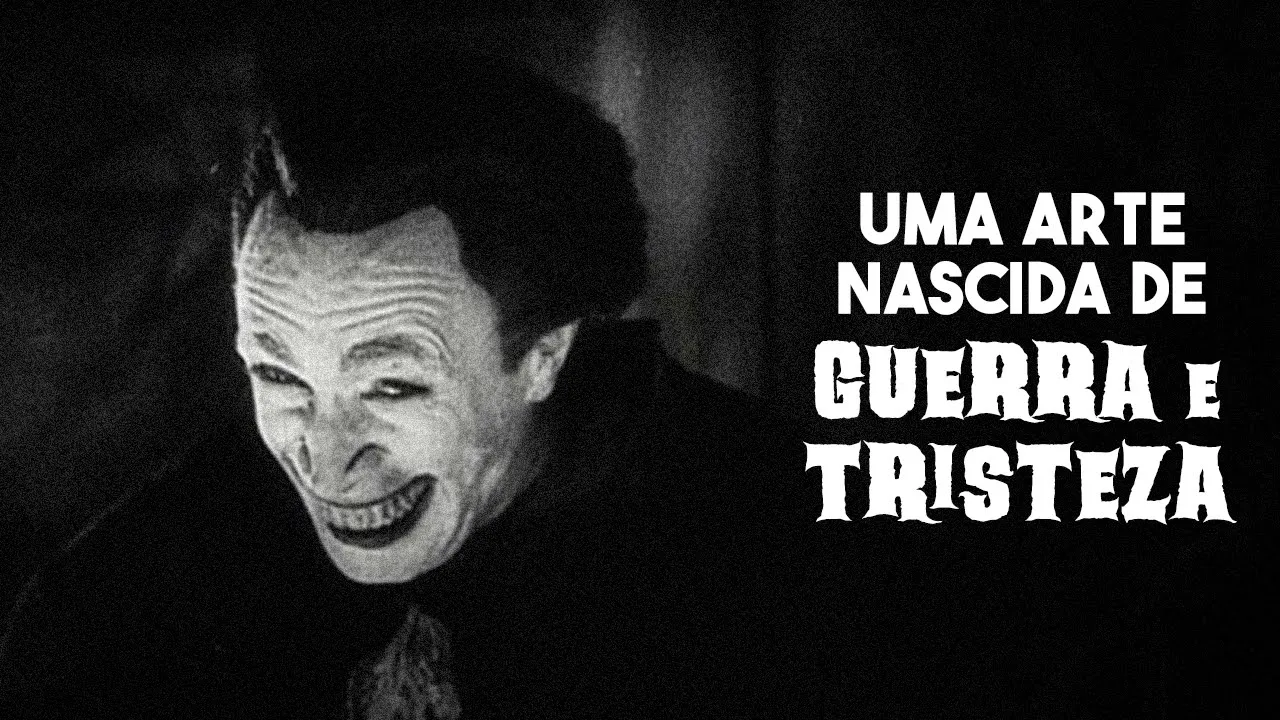
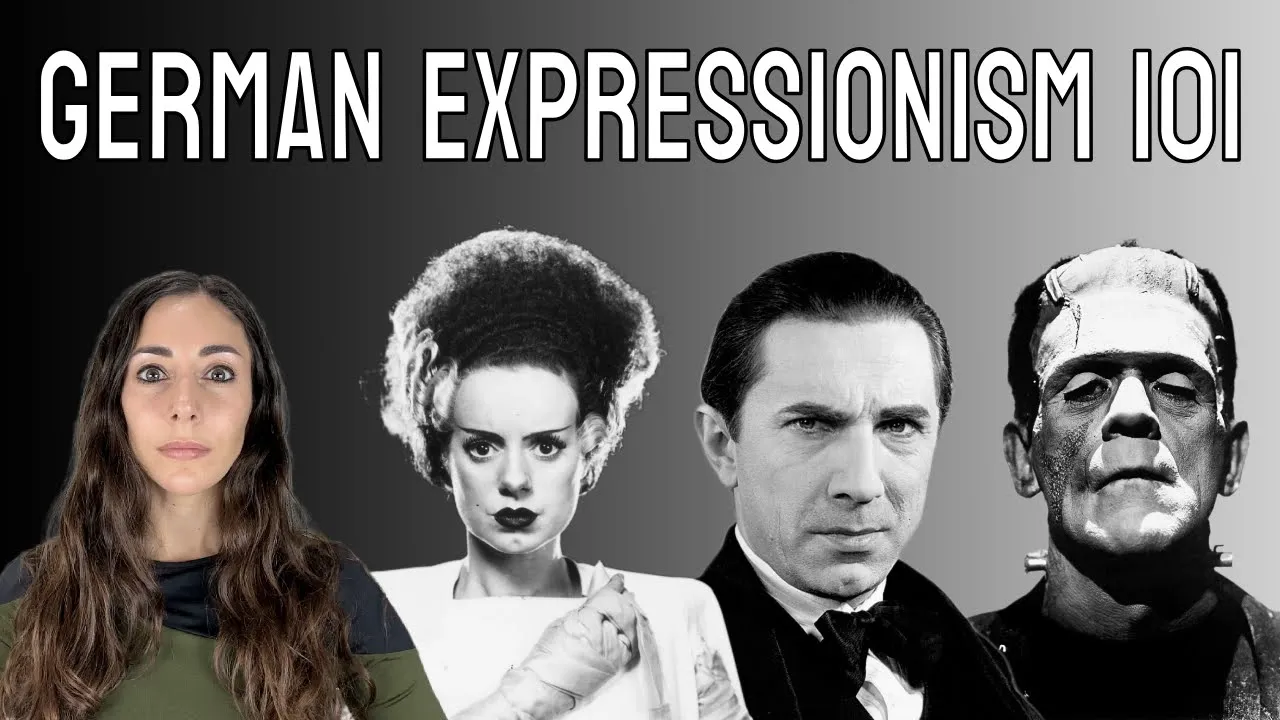




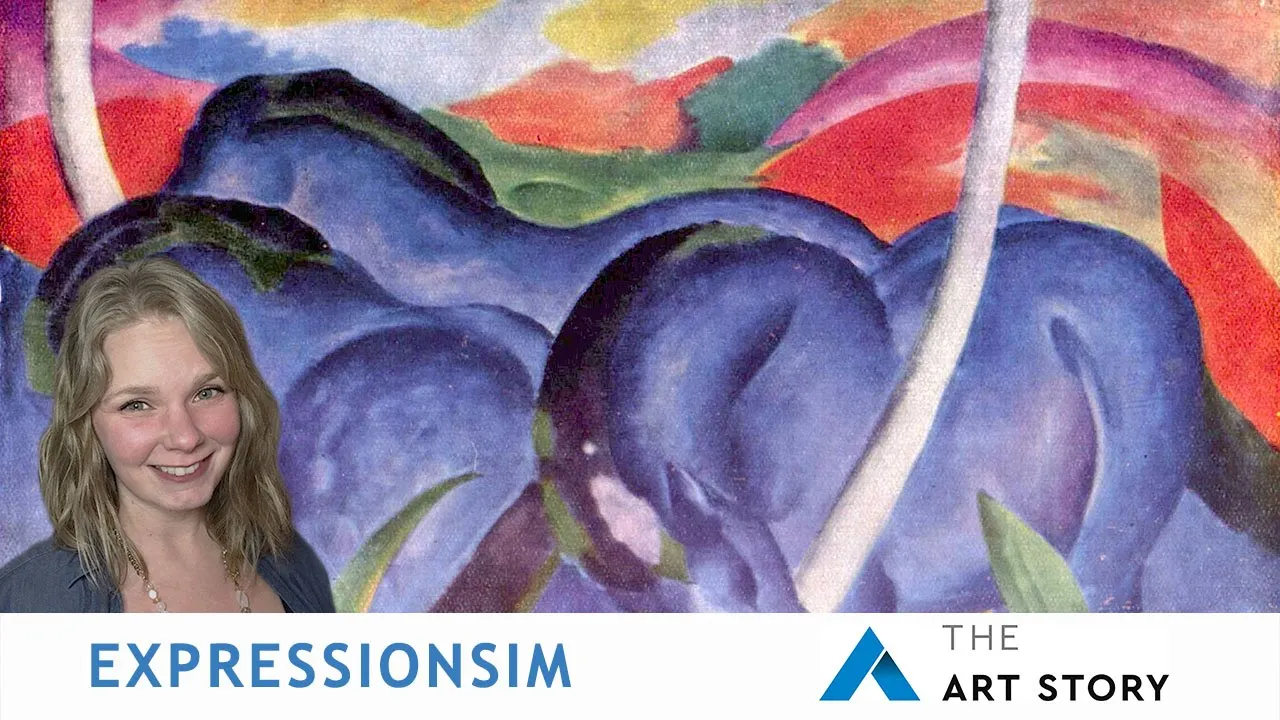










German Expressionism is a film movement that emerged in 1916 Germany during social and economic turmoil, characterized by using warped environments, distorted sets, and dramatic lighting to externally manifest characters' internal psychological states such as anxiety, madness, and dread, rather than depicting reality objectively; this technique profoundly influenced later genres including film noir and continues to appear in modern cinema through directors like Tim Burton, David Lynch, and Joel Coen, who use exaggerated or warped environments to express characters' subjective emotional experiences.
German Expressionism's Enduring Influence on Film Style
Added:The historical context of Weimar Germany (post-WWI), which fostered the psychological disillusionment and anxiety that birthed the Expressionist movement.
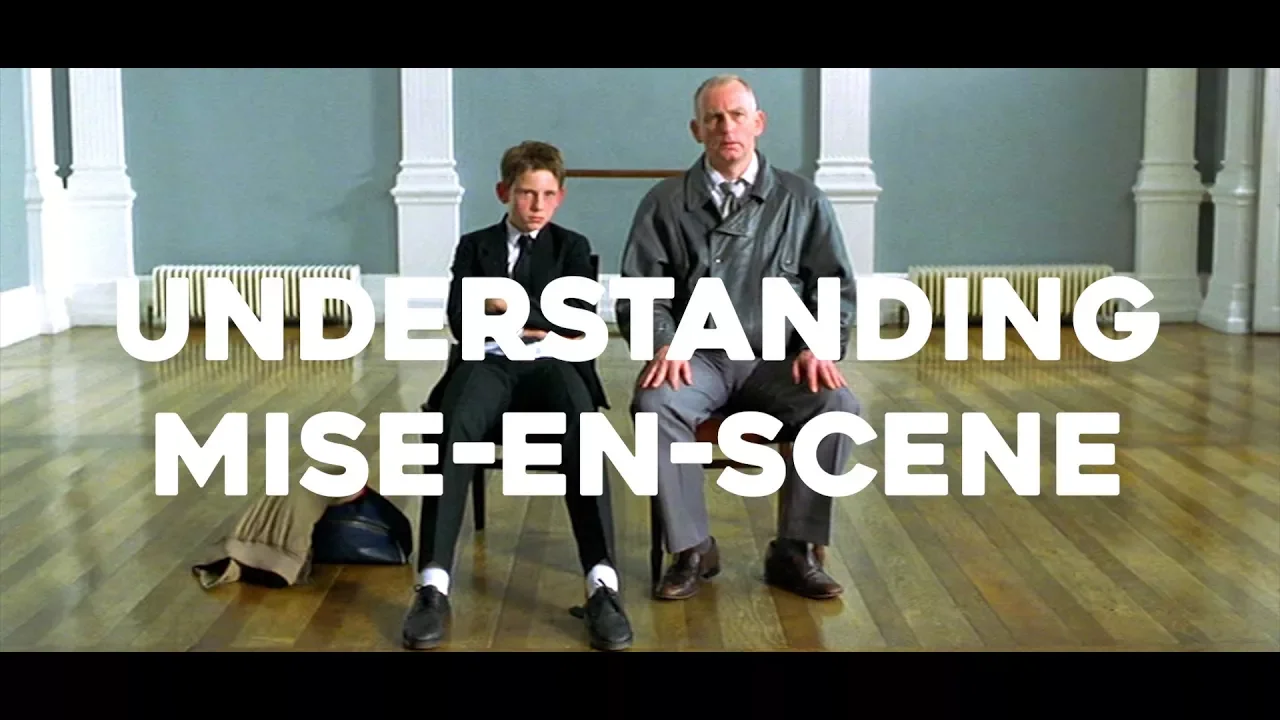
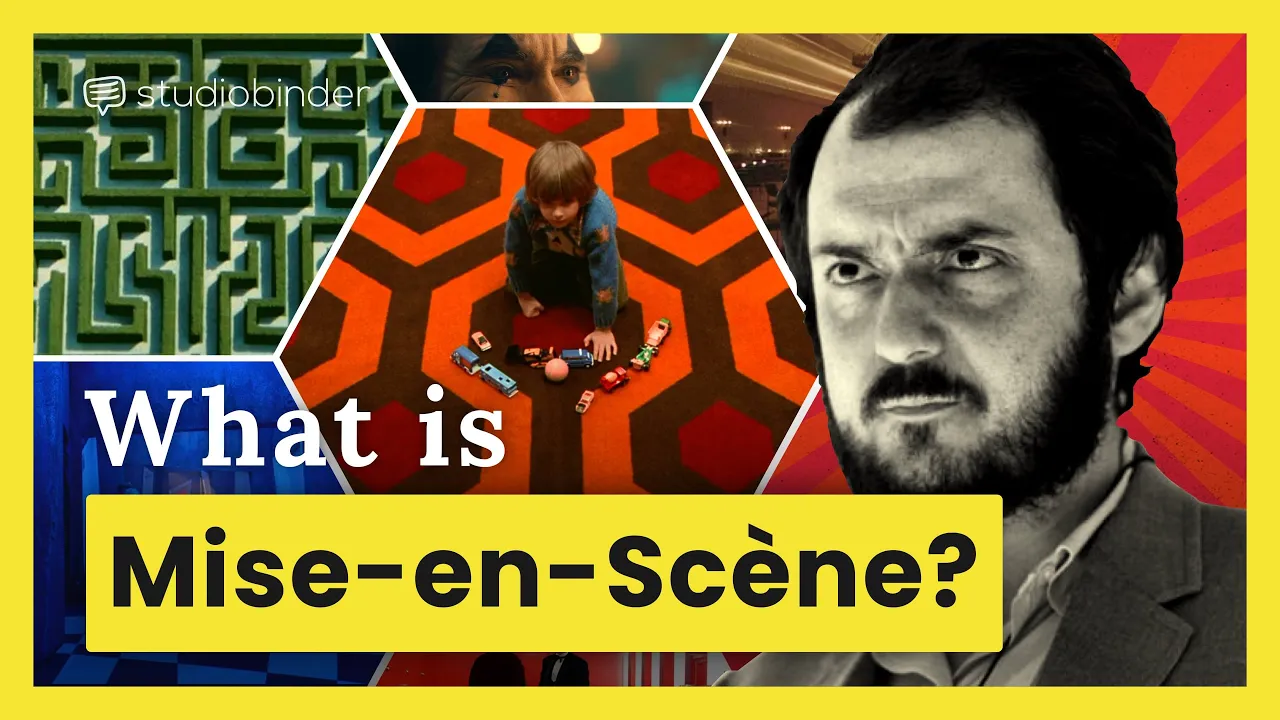
The concept of 'mise-en-scène' and how filmmakers use set design, lighting, and composition to convey narrative and emotional meaning.
The fundamental artistic principles of Expressionism as a movement, specifically how it prioritizes subjective emotional experience over objective reality.
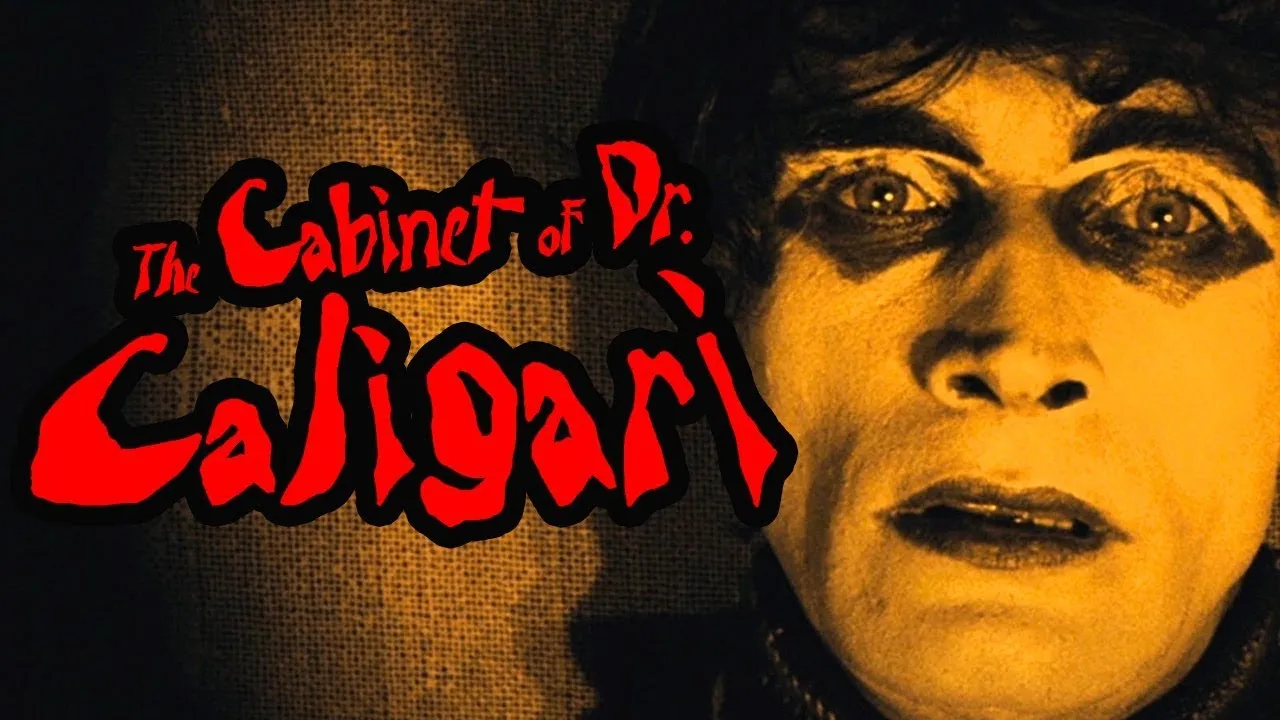
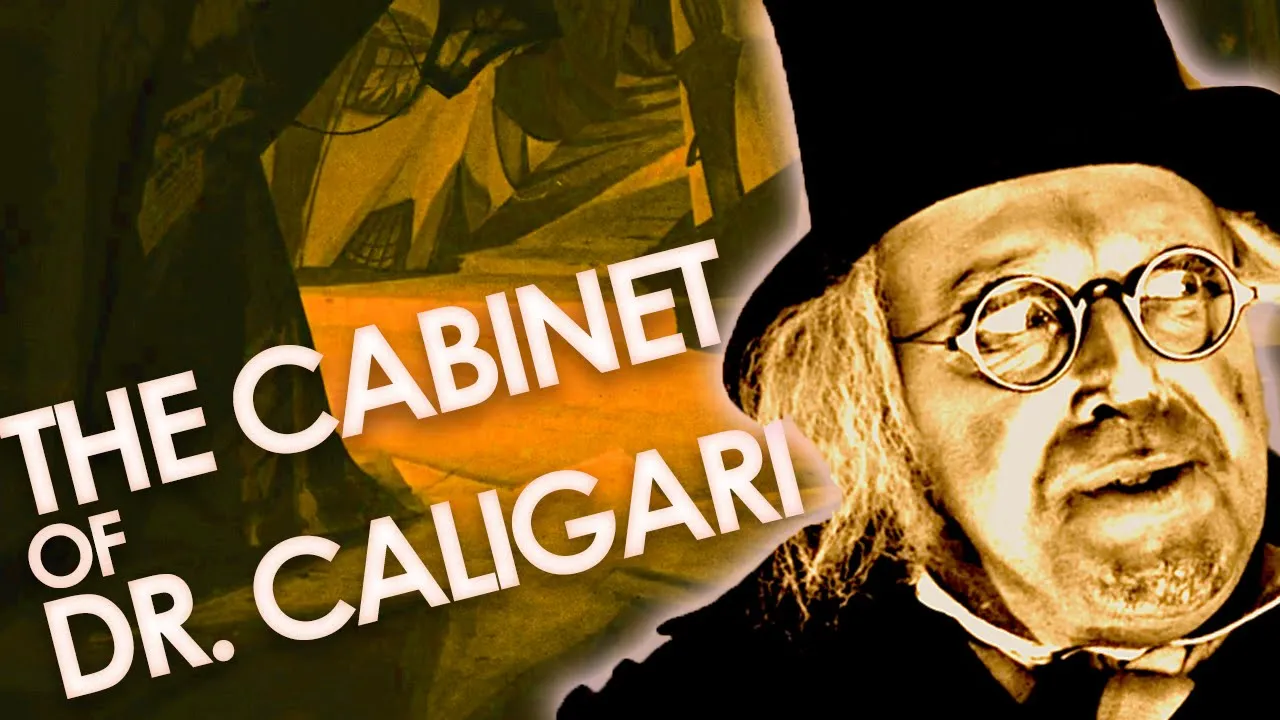
Familiarity with seminal silent German films of the era, particularly 'The Cabinet of Dr. Caligari' (1920) and 'Metropolis' (1927).
The historical migration of German filmmakers fleeing Nazi Germany to Hollywood, and their direct role in establishing the American Film Noir genre of the 1940s and 50s.
Advanced cinematographic techniques, specifically the technical mastery of 'chiaroscuro' (high-contrast light and shadow) and forced perspective set design.
Auteur studies of modern directors heavily influenced by German Expressionism, such as Tim Burton, Guillermo del Toro, and David Lynch.
The theoretical debate in film studies between Formalism (stylized, constructed reality) and Realism (documentary-style truth).
781.3K views40.5Klikes13:00Original Release: 2022-02-22
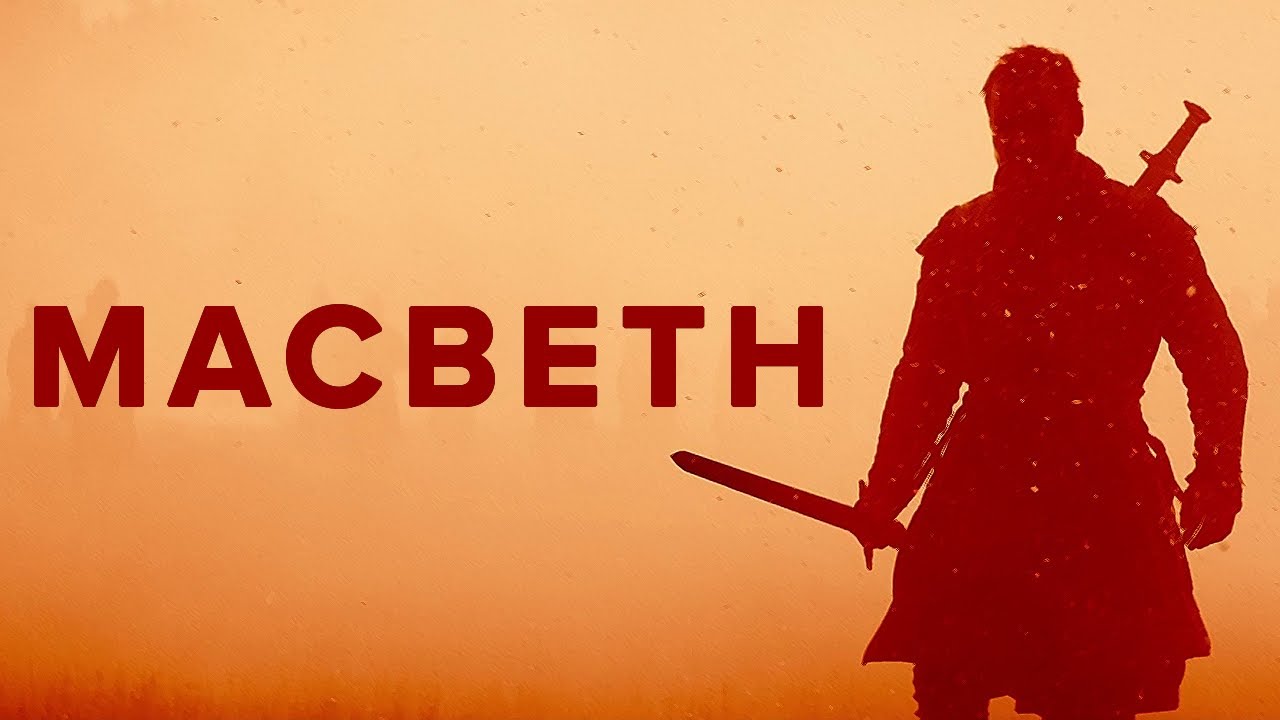
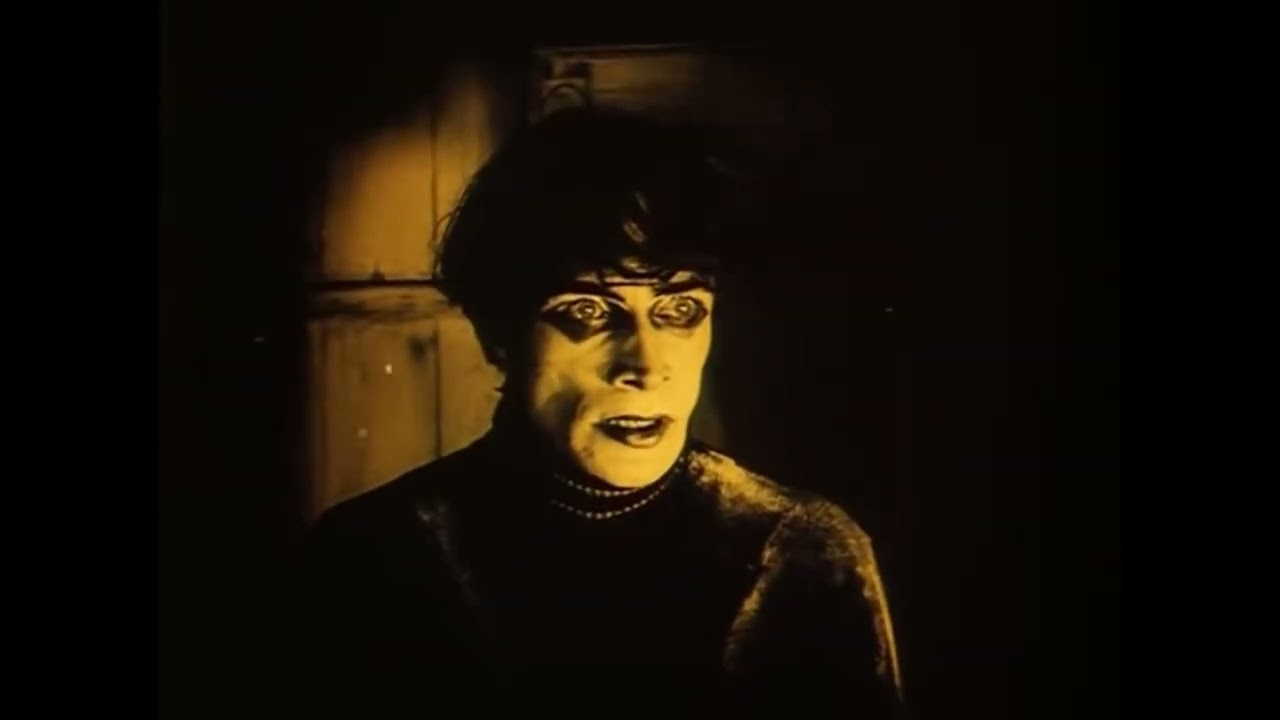
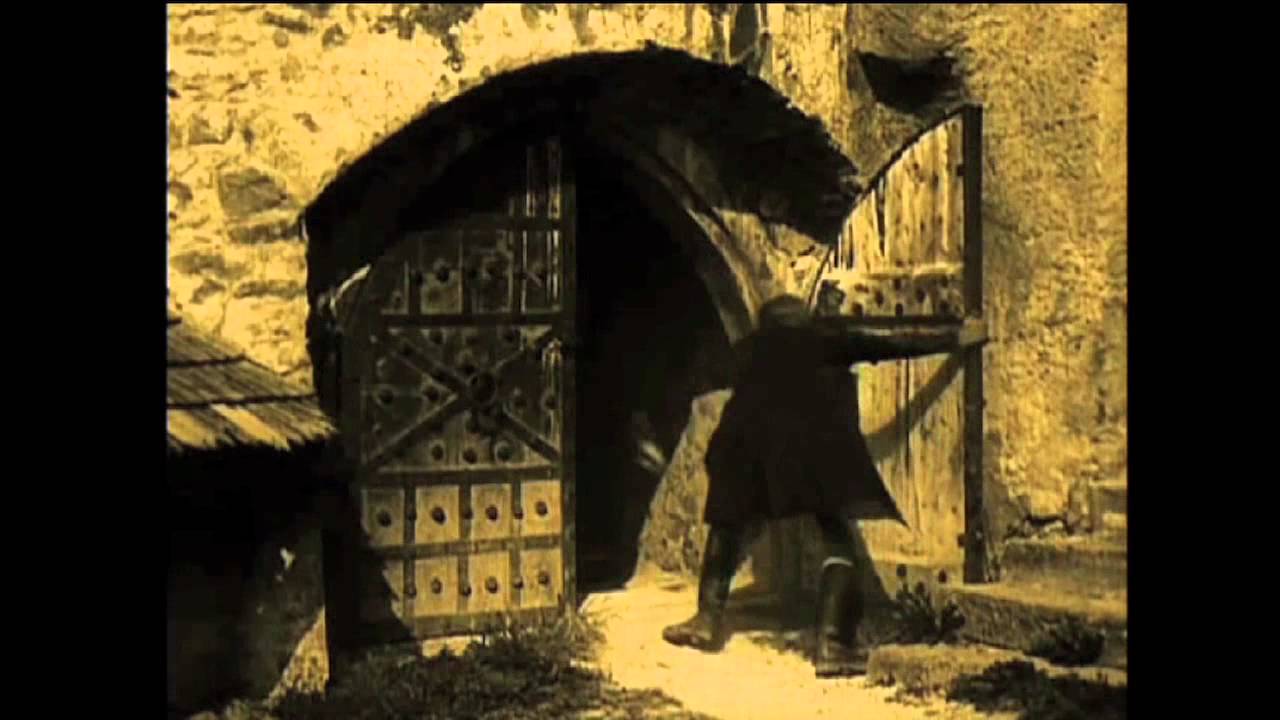
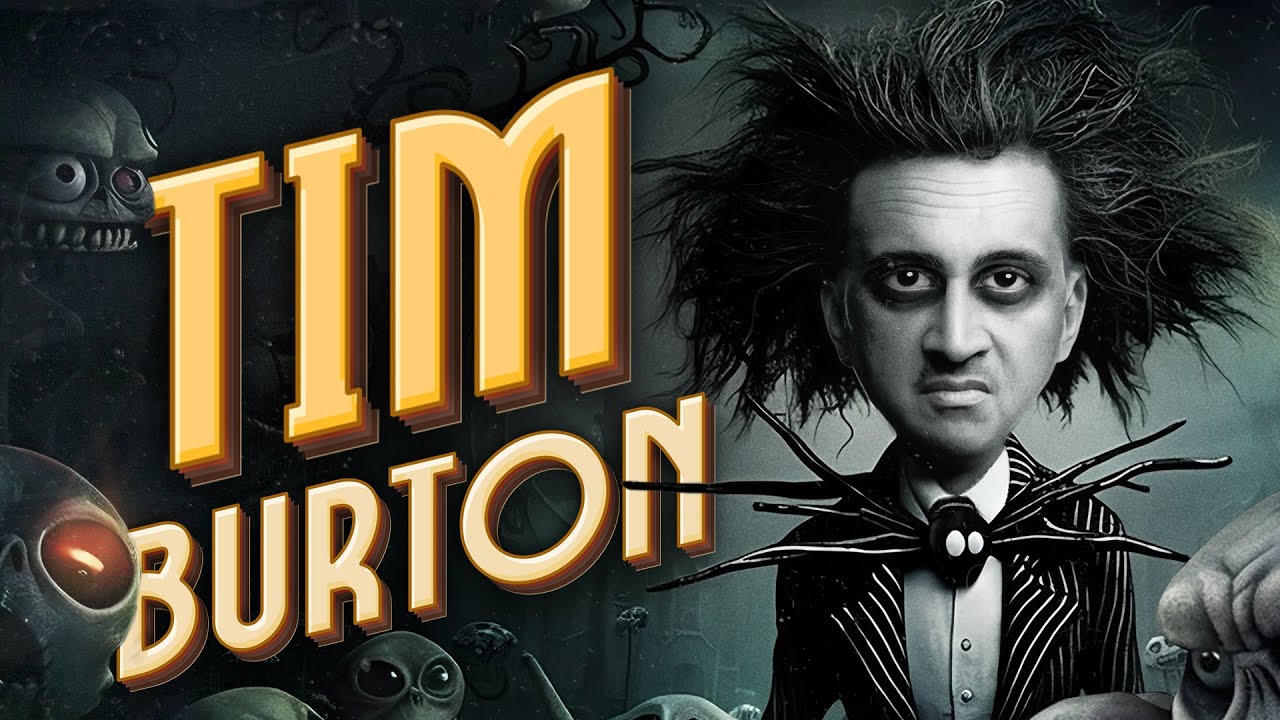
[Music] in the screen by edward munch it's a scream directed at nothing in particular and it doesn't seem like a scream for help or someone who has been startled but something deeper something dreadful there are figures behind the subject who seem undisturbed it doesn't seem like a scenario that seems to warrant a scream and yet there the person is screaming but what makes us so sure in this painting that the scream is about something deeper and more dreadful is the painting's form the way the environment the face and the body of the subject seem to warp the painting has a kind of dreadful destabilizing wobble of horror and when we look at it we think the subject must be feeling that way it's almost as if the emotions of the character are too much to be contained and bleed out into the world around them this same kind of thing can be seen in the tragedy of macbeth the latest of many screen adaptations of macbeth in the first film directed by joel cohen without his brother it's a visually bizarre film to hit screens in the year of our lord 2021 in the film macbeth's madness doesn't just come forth in his utterance or actions it appears vividly on screen doorways tilt and don't quite line up the environments shift around him the landscape of the film is unapologetically unreal the characters inhabit a realm that is shaped by their internal psychological state and it's as if they inhabit the landscape of their own mind and we get to peer inside it's an incredibly unique looking film but when cinematographer bruno delbanell started to paint shadows onto the sets themselves he didn't just come up with that harebrained idea on his own he was actually borrowing a technique from a 100 year old movement whose mark on cinema has been deep and which extends widely into film and tv to this day this video is sponsored by curiositystream get curiosity stream plus nebula for 26 off an entire year today in 1916 germany banned all foreign films which led to an explosion of domestic filmmaking that was uninfluenced by a lot of outside sources at that time the country was in social and economic turmoil the kind that would make it vulnerable to being captured by a horrifying authoritarian spirit in just a few more years and it was in this environment that german filmmakers turned to an artistic movement called expressionism to help them tell their stories on screen [Music] these early expressionist films dealt with feelings of anxiety oppression insanity and misery and these themes weren't just portrayed in the plot they were built into the lighting and the sets it isn't just the characters who have gone insane but almost the environment itself the city in the cabinet of dr caligari is like a warped funhouse version of a city in nosferatu the exteriors are daunting and shadowy and interiors are unwelcoming in metropolis perhaps the most influential early sci-fi the world is imposing oppressive and overwhelming expressionism is a relatively simple idea express interior experiences externally in the environment that surround the subject and in the style of the work itself and the german films of this era are incredibly stylistically provocative and bold they were unlike any other stylistic movement that had come before in film and looking at them now they're still striking to look at there's a single several second shot from the touch of evil that i think about maybe more than any other shot in any movie here it is [Music] there's nothing inherently unnatural happening in this shot nothing that like actually defies physics but it's sinister the world seems to warp it's like the wall is closing in the physicality of what's happening in the shot feels like an expression of the terror of the character that's being approached while that one shot in particular has lodged in my brain for some reason there are many such shots in touch of evil the environment is chaotic slanted in constant conflict and forcing itself in on the characters when the nazi regime began rising to power in germany many of the great german expressionist filmmakers like fritz lang fled to hollywood and their work and style left their mark but there was one genre in particular that borrowed heavily from the ideas that had been developed in expressionist cinema and that was film noir i've already shown some examples from touch of evil but the most iconic noir double indemnity is a perfect example of this in these scenes while the characters plot murder the environment is dark and prison-like seeming to close them in and hide them in shadow as if to convey their psychological state the third man also does a great job of illustrating how the expressionist approach to portraying a setting influenced film noir this is a different kind of expressionism though than german expressionism perhaps one that was more palatable to american audiences the environments don't bend to defy physics but they're structured or lit in such a way that they're still exaggerated and warped they're not impossible but they're definitely not reality either and the way in which the environments depart from reality is where the internality of the characters is being expressed there are of course a few modern films that draw a direct line from the german expressionist movement the tragedy of macbeth is the most recent film to clearly adopt a neo-expressionist style tim burton is most often cited as a kind of neo-expressionist filmmaker but i see flavors of expressionism in terry gilliam's work guillermo del toro and david lynch's i think lynch's expressionism gets overlooked because lynch's work is often both expressionist and surrealist and the surrealism steals the show especially in his later work but while a film like eraserhead has surrealist elements its environment and the landscape that surrounds the character seem to me to be distinctly expressionist but it's the subtler more muted use of expressionism that begin to appear in the film noirs that has spread far and wide into film and tv to this day from apocalypse now to train spotting there are many films where scenes or portions of the film seem to exist in a space that isn't quite reality where the architecture sets lighting and general atmosphere are heightened and this heightening or shifting of reality is a reflection of the character's psychological experiences while last year the tragedy of macbeth was explicitly nodding to expressionism the humans uses it in a more subtle way to portray the character's anxiety about decay and aging it's almost as if the apartment the film is set in is sick or diseased [Music] since season one euphoria has been making the term neon noir rattle around in my head but i couldn't quite place a finger exactly on why the show has none of the plot elements or stereotypical characters of war films but what are these stunning shifts in lighting and evocatively lit environments that often appear in euphoria if not an external manifestation of these characters internal feelings euphoria feels like a noir not because of its content but because it harnesses expressionism like the classic noirs did while expressionism has been an incredibly influential force in film i feel like the echoes of expressionism and film and tv don't get recognized as such in part because it's been a century since the movement and unless you've gone to film school or are a hardcore cinephile you probably haven't seen many of the original german expressionist films some of the directors working now who are using these techniques may not even be drawing direct influence from the german expressionists but simply from the many films since then that were inspired by them but german expressionism brought to screen an idea about how you could approach lighting and set design and this idea was so revolutionary that it became such a part of the fabric of film that now i think it's almost invisible to us the movement became just another technique and her review of taxi driver pauline kale argues that scorsese's portrayal of the city is an expressionist one scorsese may just naturally be an expressionist scorsese's expressionism isn't anything like the exaggerated sets of german directors he uses documentary locations but he pushes discordant elements to their limits and the cinematographer michael chapman gives the street life a steamy rich pulpiness it wouldn't be hard to say almost exactly the same thing about how euphoria portrays high school often when a modern film or show uses expressionism as a technique people just say it's stylized or surreal but you can be heavily stylized without being explicitly expressionist and surrealism is its own unique way of bending or warping reality usually it's a language of dreams or the subconscious while expressionism is a language of subjectivity projected outward in film and tv i think the two can often look like each other or even be used in the same work but they have different uses and effects and it's easy to look at films like blade runner and blade runner 2049 and simply imagine that the worlds they portrayed are stylized visions of the future which in a sense they are but they are also both direct descendants of both film noir and metropolis one of the renowned works of german expressionism and in metropolis the city isn't just a portrayal of a possible future its design is an external manifestation of anxieties about the present in germany in the 1920s you can read the cityscapes in blade runner films as an imagining of the future but you can also read it as an expressionist portrayal of our present environment where all the worst elements become exaggerated to a distorted extreme despite the fact that it flies under the radar expressionism is there if you look for it and it may even be gaining in popularity the coen brothers have made many films that draw heavily from noir or are just noirs but why now in 2021 did joel cohen feel compelled to return to noir's predecessor more directly the german expressionists projected an internal anxiety and discomfort outward but i think it's kind of a two-way street edward munch in talking about his inspiration for the scream said he painted it after he sensed a scream passing through nature on an evening walk for much the scream isn't just a feeling but something he sensed outside of him expressionism blurs the boundaries between subjectivity and the external world and how we feel affects the way we see the world around us but the world around us also affects the way we feel when the environment seems more off balance crooked littered with shadows or unreal perhaps that's when artists start looking for ways to express that there's a lot more nuance in depth to the history of german expressionism than i had time to go into in this single video and if you want to learn more i highly recommend you check out this episode of crash course film history on curiositystream all about german expressionism you can watch the full episode and the rest of the film history series when you sign up for curiosity stream today using my link you'll get curiosity stream for only 1479 for the first year curiosity stream has a huge library of documentary and educational content which by itself is totally worth it but this deal gets even better when you sign up for curiosity stream you'll also get nebula for free as part of your subscription nebula is a streaming service where myself and a bunch of other great creators post all of our videos early and without any pesky ads or sponsorships i even have a few videos that are exclusive to nebula and i plan to add some more soon including some coverage of the oscars this year this bundle is a really great deal so click the link in the description for 26 off when you sign up for curiosity stream plus nebula go to curiositystream.com thomasflight or click the link on the screen today thanks for watching if you enjoyed this video you'll probably enjoy my video about why david lynch's movies are the way they are you can watch it here
Up Next

15:41
Film Analysis for Beginners: The 5 Key Elements Explained
@TheMediaInsider
320.2K views•2023-10-24

23:14
Visual Analysis Essay: How to Analyze Graphic Novels in College Writing
@nataliepleimann5941
1K views•2020-10-14

25:25
Cinematic Perspective: Subjective vs Objective in Film
@ThomasFlight
297.2K views•2023-12-19

4:00
Evolution of Darth Vader: Anakin Skywalker's Animated Journey Across Star Wars Films
@TellItAnimated
13.4M views•2019-03-30
Related Study Plans & Knowledge Roadmaps
Structured learning paths in Film Analysis
film-analysis
Sensory Cinema: Foley, Haptic Sound & Texture
01Introduction to Film Sound and Foley Artistry
02Micro-Sounds, Textures, and Extreme Amplification
03Haptic Audition and Film Phenomenology
+ 1 more learning modules
12h4 modules
Explore Roadmap
film-analysis
Breaking the Fourth Wall: Mockumentary & Satire
01The Invisible Wall: Basics of Cinematic Illusion
02Looking at the Lens: Direct Address & Character Glances
03The Mockumentary: Satire, Realism, and Complicity
+ 2 more learning modules
12h5 modules
Explore Roadmap
film-analysis
Analyzing the Long Take: Cinema, Space & Ethics
01Foundations of Film Grammar: Montage vs. The Long Take
02Choreography and Mechanics of the Simulated One-Shot
03Phenomenology of Film: Real-Time Spatial Continuity
+ 1 more learning modules
14h4 modules
Explore Roadmap
film-analysis
Anachronistic Music: Period Drama & Subversion
01Foundations of Film Sound and the 'Needle Drop'
02Traditional Authenticity vs. Revisionist History
03The Rise of the Anachronistic Soundtrack
+ 2 more learning modules
12h5 modules
Explore Roadmap