![01 - 💢CURSO DE CINE💢 🎞️[APRENDE DESDE CERO] 🎬"DIRECCIÓN 1"🎬](https://i.ytimg.com/vi_webp/cfwarcIofu0/maxresdefault.webp)
![그렇다면 좋은 액션이란 무엇인가!😡영화팬이라면 꼭 봐야할 액션에 관한 영상! [액션 뽀개기 1부] 격투액션](https://i.ytimg.com/vi_webp/A2HqgoQRUBE/maxresdefault.webp)









![ESSENTIAL DAVID FINCHER [blood, fire, ice]](https://i.ytimg.com/vi/Bb28TvKTslI/maxresdefault.jpg)









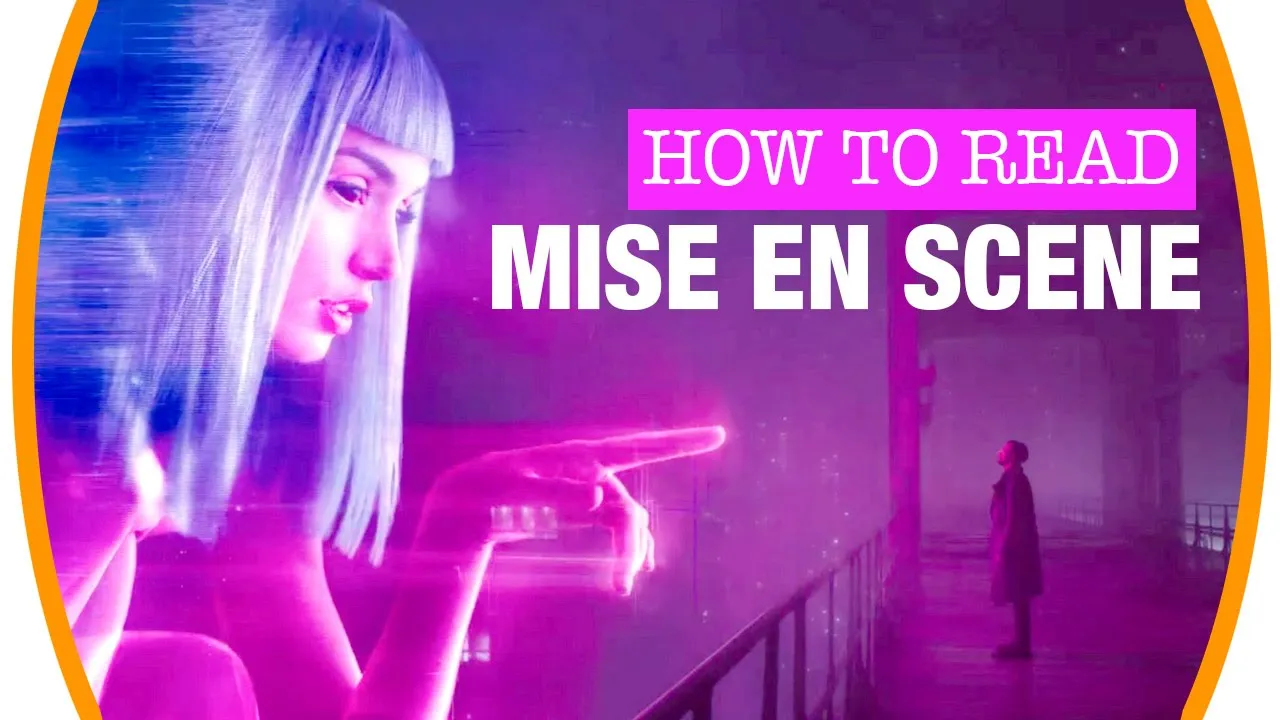


Mise-en-scène is a French term meaning 'placing on stage' that encompasses all visual and auditory elements in a film scene, including production design (props, set design, costumes), cinematography (lighting, camera framing, composition), blocking/staging of actors, and sound design/music. French film critic Andre Bazin championed it as a fundamental filmmaking approach, contrasting it with montage-based storytelling. Directors use mise-en-scène to create meaning within single shots, with two main traditions: naturalistic (realistic, familiar worlds) and theatrical/expressionist (exaggerated, stylized worlds). A master filmmaker like Stanley Kubrick demonstrates how every element—production design, cinematography, blocking, and sound—works together to create powerful visual storytelling, as seen in The Shining where a single shot conveys isolation and vulnerability through carefully arranged elements.
Mise-en-Scene Explained — Film Theory & Visual Storytelling
Added:[Music] when we see directors on set what are they often doing pointing looking through the viewfinder or making this hand gesture why because the director's job actually begins long before this moment okay here we go in fact a rolling camera is the final step in designing arranging and framing each shot it is the last piece in a puzzle called misonser what's your name san isn't just a fancy theoretical concept it is the essence of filmmaking and something every director does whether they realize it or not this is what is misonsen if you haven't yet subscribed or enabled notifications you might just miss out on the big picture let's get started [Music] translated from french misonsen means placing on stage a theater term for the process of deciding what to include in the scene and where it should go on the stage one of the biggest champions of mizonsan was french film critic andre bazan bazan divided filmmaking into two basic approaches mizonsan and montage montage filmmakers create meaning from the combination and juxtaposition of multiple images [Music] while mizon sand filmmakers concentrate on storytelling in a single image [Music] if i want i can go to court a father has a right to consider this infamous shot from citizen kane that property is just as much my property as anybody's now that it's valuable the wide angle and deep focus allows us to see each character and their performance the blocking staging and composition shows us who has power and who does not signing my boy away at any bankers i want you to stop all this nonsense and the uninterrupted take allows us to interpret all of these dynamics ourselves at our own pace without editing traditional definitions of mizonsan are limited to everything we can see but sound design [Music] and music can also be crucial pieces to the overall mison sand okay i'm confused this can be a tricky concept to understand so here's an analogy misonsan can easily be understood as a math problem instead of two plus two equals four it's these elements equals one shot each with their own part to play in the overall meaning of a shot does this mean that everything we see is part of the miz on sand yes everything so now let's put them to practice there are two basic traditions in miss onsen naturalistic and theatrical with naturalistic mizonsan the world in the film is meant to match our own it should be familiar and realistic [Applause] with theatrical mizonsan we are presented with exaggerated worlds unintended to be normal think of tim burton's expressionist mizonsan the exaggerated sets [Music] costumes props these elements draw our attention because of their uniqueness and strangeness but that doesn't mean a filmmaker like david fincher's miz onsan is any less considered or effective so whether you're dealing with a grounded domestic drama [Music] or a hyper stylized fantasy film the mizon sand should align with those visions so what does it look like when it all comes together [Music] let's do an exercise the shining is bursting at the seams with fascinating miz onsen [Music] if you haven't seen it it's about the torrance family who move into the empty overlook hotel as caretakers for the winter oh and it's a horror movie here's johnny and this shot is one of the most unsettling in the entire film we've imported this scene into studio binder to see how stanley kubrick turned this one sentence into one of the most unsettling shots of the entire film with all the elements of misonsen in mind pay attention to how they are used and what they convey [Music] [Music] starting with production design we first see props and set design namely the toy vehicles and the carpet [Music] as the camera zooms out the carpet is revealed with a striking and intense design [Music] this theme of mazes that runs throughout the shining is once again used to make dany seem trapped and surrounded the sound design and soundtrack also bring contrast to the mizonsan [Music] we hear two things dany's vocalization as he plays with his toys and ominous swelling from the musical score [Music] how about the cinematography the lighting is high key and even nothing menacing there until you remember that this is a horror film where we expect shadows and darkness [Music] dany is shot in a high angle and center-framed with deep depth of field and a slow zoom out finally the cherry on top of this shot is the blocking danny is seated innocently playing when a new prop is introduced all of this adds up to making him appear isolated and vulnerable something is terribly wrong someone or some thing is watching dany even if you don't know what comes before or after this moment [Music] the mizon san in this one shot is full of visual storytelling it is designed in every way to be unsettling so here's a challenge on your next project take a single frame and consider the entire miz onsan what do you see think of the perfect shot for that moment and how each of these elements will contribute this can be a daunting task to begin how to start that's why preparation is so important like breaking down a script into its elements generating storyboards to bring them all together and sharing your vision with department heads studio binder is designed for this type of preparation next time we look at the role color plays in misonsan and in the work of stanley kubrick we've only scratched the surface of ms onsen if you're ready to explore the big picture all you have to do is subscribe and click the bell see you in the next one you
Up Next
German Expressionism in Film History Explained
@crashcourse
554.4K views•2017-05-26

Visual Analysis Essay: How to Analyze Graphic Novels in College Writing
@nataliepleimann5941
1K views•2020-10-14
Andrei Tarkovsky's Filmmaking Style Explained
@StudioBinder
206K views•2025-02-03

Evolution of Darth Vader: Anakin Skywalker's Animated Journey Across Star Wars Films
@TellItAnimated
13.4M views•2019-03-30
Related Study Plans & Knowledge Roadmaps
Structured learning paths in Film Analysis