

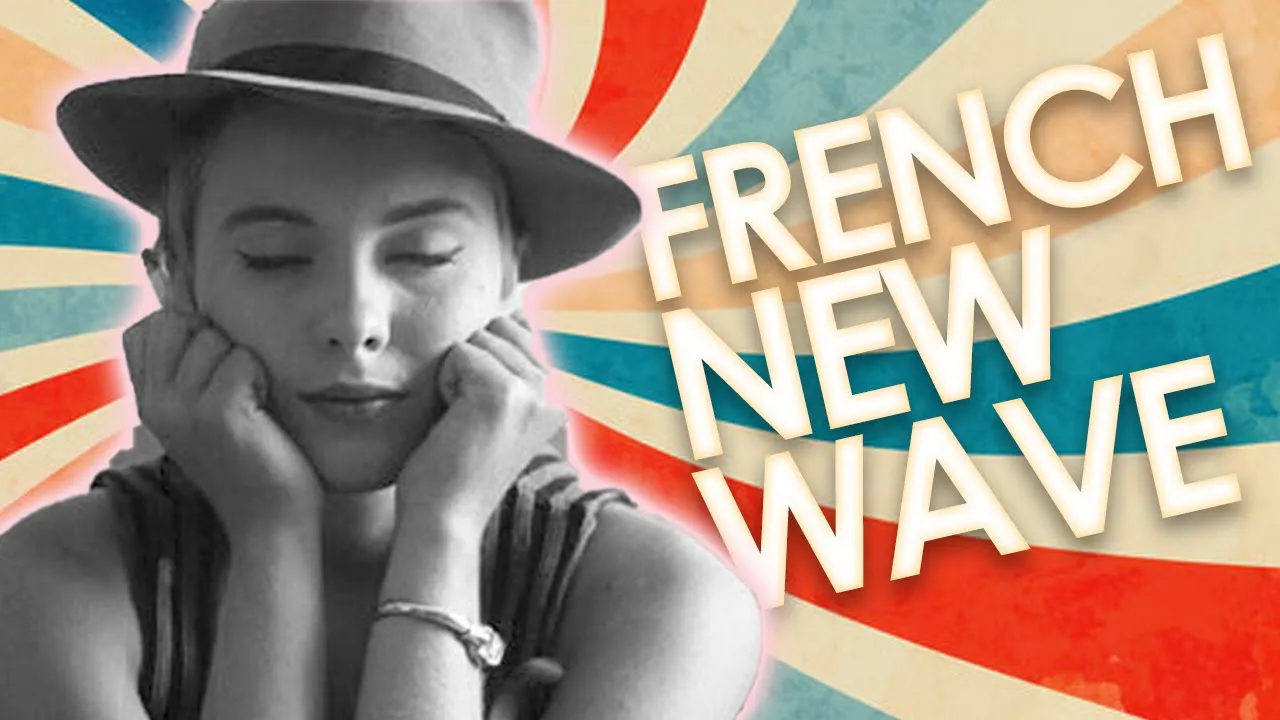

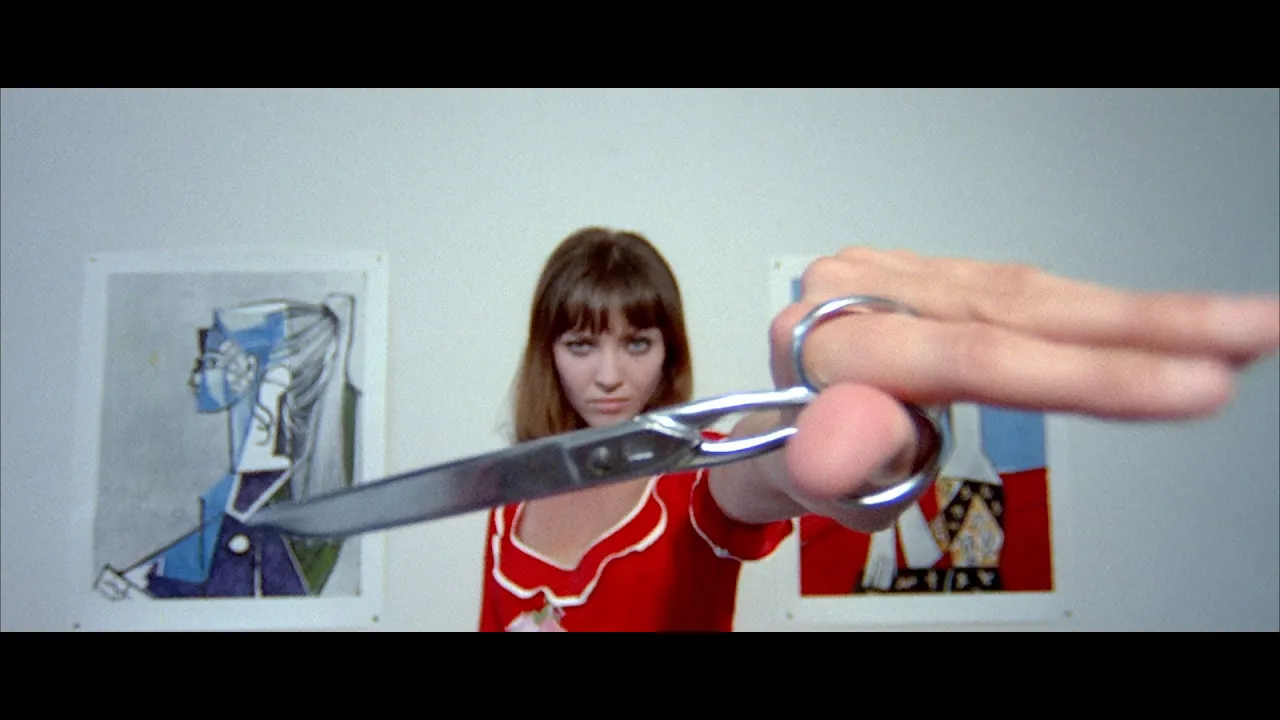












The French New Wave (late 1950s-late 1960s) revolutionized filmmaking through four key innovations: Auteur Theory, which established the director as the primary creative author with a distinctive visual style; low-budget filmmaking that democratized cinema by proving great films could be made without major studios; naturalistic visual styles using handheld cameras, natural lighting, and location shooting; and experimental narrative techniques including jump cuts and fourth-wall-breaking. These innovations fundamentally altered how movies are made and continue to influence contemporary filmmakers across all genres and platforms.
French New Wave's Lasting Influence on Modern Filmmaking
Added:An understanding of Classical Hollywood Cinema conventions, particularly continuity editing, the studio system, and traditional narrative structures.
A basic historical overview of the French New Wave (La Nouvelle Vague) movement of the late 1950s and 1960s, including key figures like François Truffaut and Jean-Luc Godard.
Familiarity with foundational film terminology, specifically concepts related to cinematography (handheld cameras) and editing (jump cuts).
An introductory concept of 'Auteur Theory' and how it positions the film director as the primary creative force or 'author' of a film.
Analysis of the 'New Hollywood' era (late 1960s to 1970s) to observe how American directors like Martin Scorsese and Francis Ford Coppola adopted French New Wave techniques.
Exploration of modern low-budget, independent filmmaking movements, such as Denmark's Dogme 95 or the American Mumblecore movement, which share the Wave's minimalist production philosophies.
In-depth stylistic case studies of contemporary auteur filmmakers (e.g., Quentin Tarantino, Wes Anderson, Wong Kar-wai) to trace direct visual and narrative homages to the French New Wave.
Practical application of experimental editing and non-linear storytelling techniques in film analysis or creative video production.
157K views7.4Klikes11:47Original Release: 2022-05-29
This video is sponsored by Sonata, where you can find the best royalty-free music to set the tone for your videos. Check out Sonata by using the link in the description.
“He immediately talked about, kind of, the French New Wave portrait of youth type films.” “The beginning of Jules and Jim, the first three or four minutes, which influence the style of Goodfellas and Casino and Wolf of Wall Street and so many.” “Godard was so influential to me at the beginning of my aesthetic as a director, of, like, wanting to be a director.” Throughout the decades, there have been many defining film movements in cinema.
Some have had a longer lasting impact than others. Out of all of them I’d say one of the most influential of these movements was the French New Wave, which took place from the late 50s to the late 60s. Its impact can still be seen to this day.
During this time various directors emerged who made films that could broadly be classified by their similar philosophy and approach towards experimentation and style.
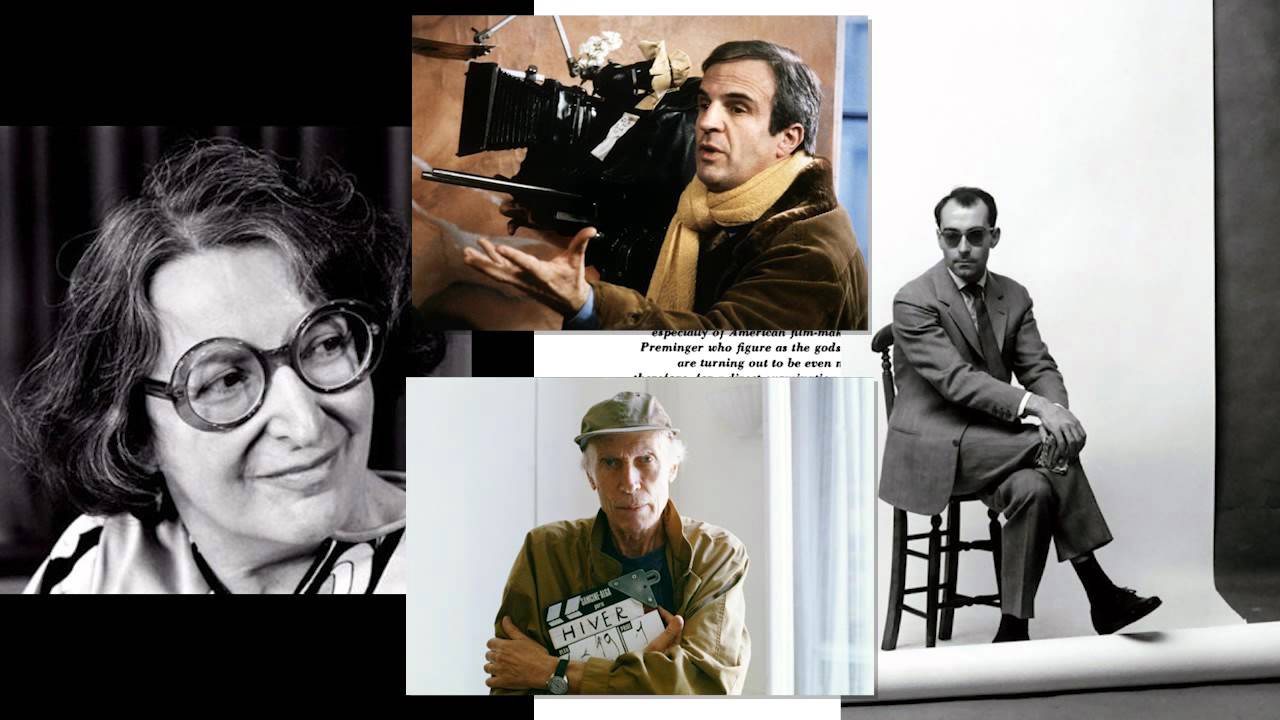
Many of these directors began their careers as film critics and cinephiles who wrote for the magazine Cahiers du Cinéma where they rejected mainstream cinema and came up with a sort of film manifesto that encouraged experimentation and innovation.
In this video I’ll outline four things from this film movement that are still present in how movies are made and thought about today, which were responsible for altering the course of filmmaking forever.
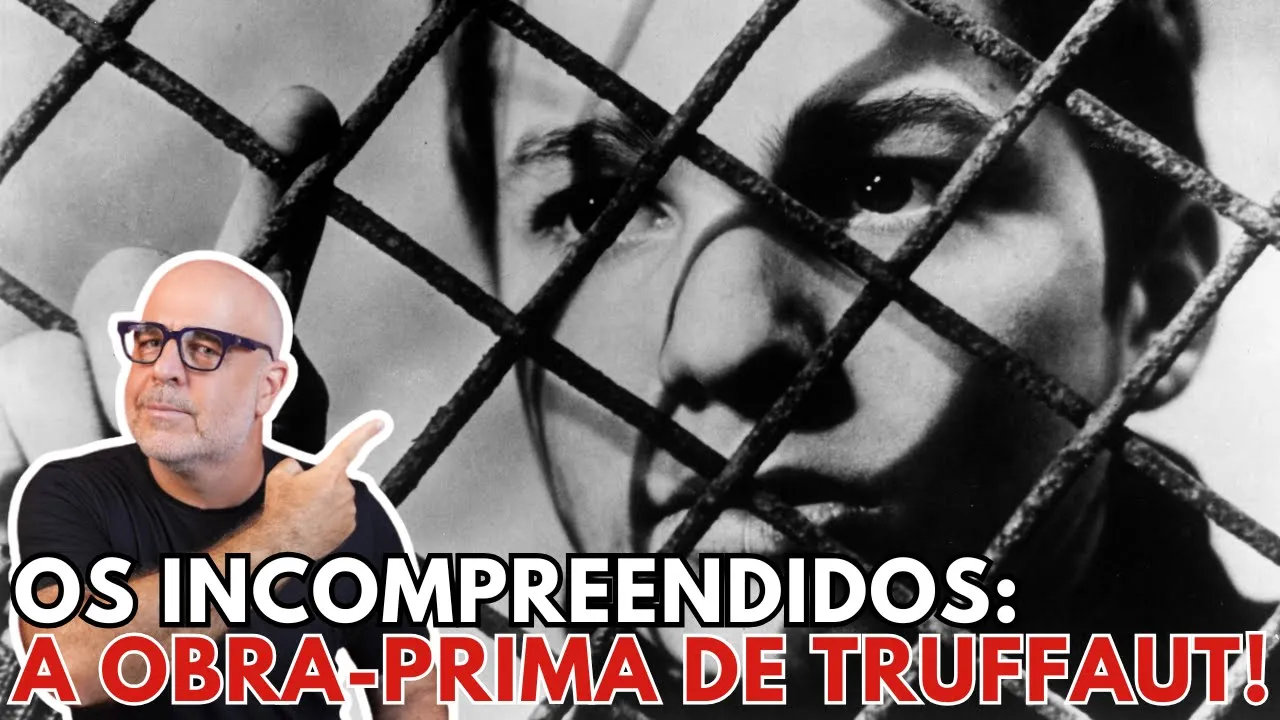
“An Inquisition-like regime ruled over French cinema. Everything was compartmentalised. This movie was made as a reaction against everything that wasn’t done.” In 1954 director Francois Truffaut wrote an article for Cahiers du Cinéma called ‘A Certain Tendency of the French Cinema’, wherein he described his dissatisfaction of the adaptation and filming of safe literary works in a traditional, unimaginative way.
Up until then movies were largely credited to the actors who starred in them, or to the studios and producers involved in their funding and creation.
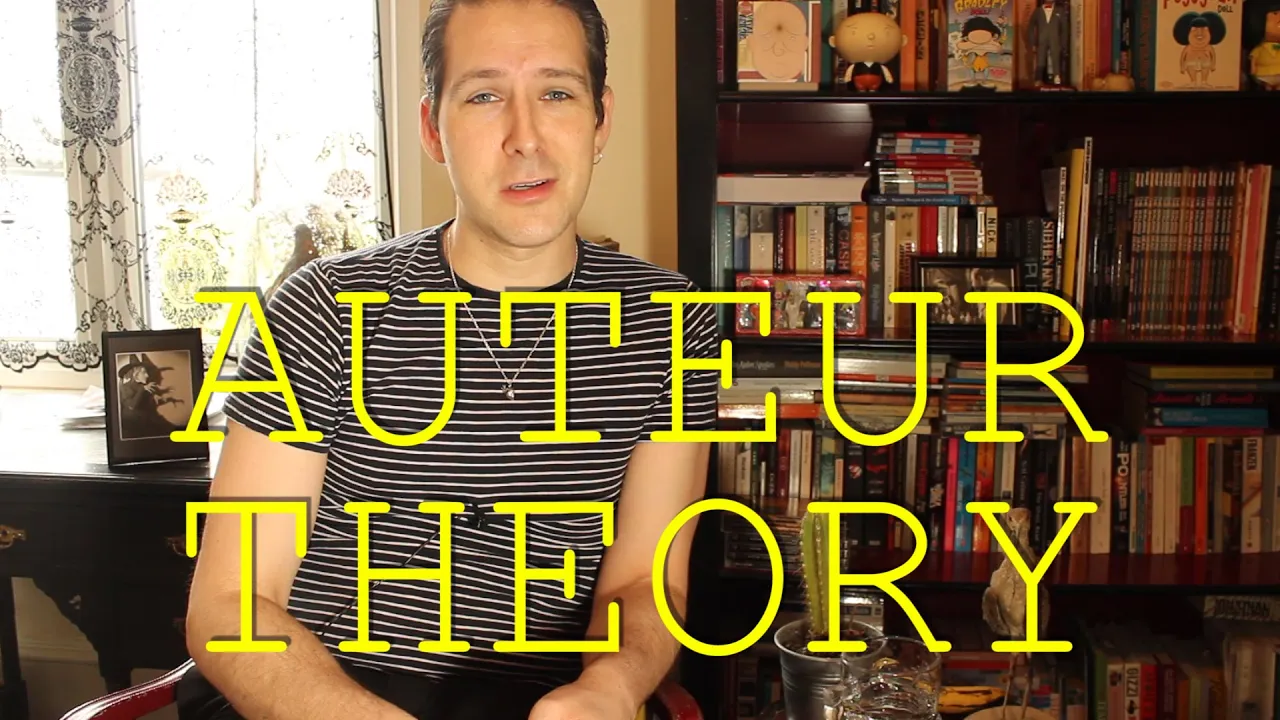
Instead, the cinema of the French New Wave put forward the idea that the real ‘author’ or ‘auteur’ of a movie should be the director. They should be the primary creative driving force behind each project by creating a visual style or aesthetic specific to them.
Their themes, tone, or overall feeling from their films should also be consistent and identifiable across their overall body of work.
If you could glance at a film and immediately tell who the director behind it was - that was a sign it was created by an auteur.
A film by Quentin Tarantino will have ensemble casts, non-linear storylines, chapter divides, mixed genre conventions and pay homage to the history of cinema.
A film by Wes Anderson will have fast-paced comedy, childhood loss, symmetrical compositions, consistent colour palettes and highly stylised art direction.
This idea was revolutionary as it encouraged directors to tell stories through their own distinctive voice, rather than acting as craftsmen that followed the same rules and chiselled out each film the same way for a studio.
All it takes is watching a few trailers or the credits in a film to tell that auteur theory is still alive and well. Many movies use the name of the director as a selling point, even more so than the actors in some cases.
If we turn to short form filmmaking, a huge number of directors of commercials or music videos get hired by clients and agencies because they want their film told in a specific style associated with that director.
You hire The Blaze to direct if you want a character-focused, wildly energetic, passionate, personal journey told with a fluidity of movement.
You hire Romain Gavras to direct if you want a carefully coordinated, composed, concept driven set piece.
But this French New Wave idea of the director as an auteur is just the first thing that had an undeniable impact on how cinema today is created.
One of the tools that filmmakers can use to shift emotion, tone and create a distinctive aesthetic to their work is through their selection of music. This is something you can easily accomplish thanks to the sponsor of today’s video: Sonata.
Sonata is a website that provides a high quality selection of music that you can download and use with an unlimited licence for all your film projects. Whether you’re making short films, videography content or YouTube videos. That’s why I use Sonata’s music in my videos.
You can find the right track easily by using their filtering tools that can categorise the music by genre, mood, themes, instruments and other criteria, which cuts down on time spent browsing. I also like looking through their playlists to find music for my videos.
So if you’re looking for great, affordable music for your videos, starting from $9.99/month then I’d recommend having a look at Sonata.
You can check out Sonata by getting a 30 day free trial using my link in the description which you can cancel anytime, and still use any tracks from that trial period! So go check it out today.
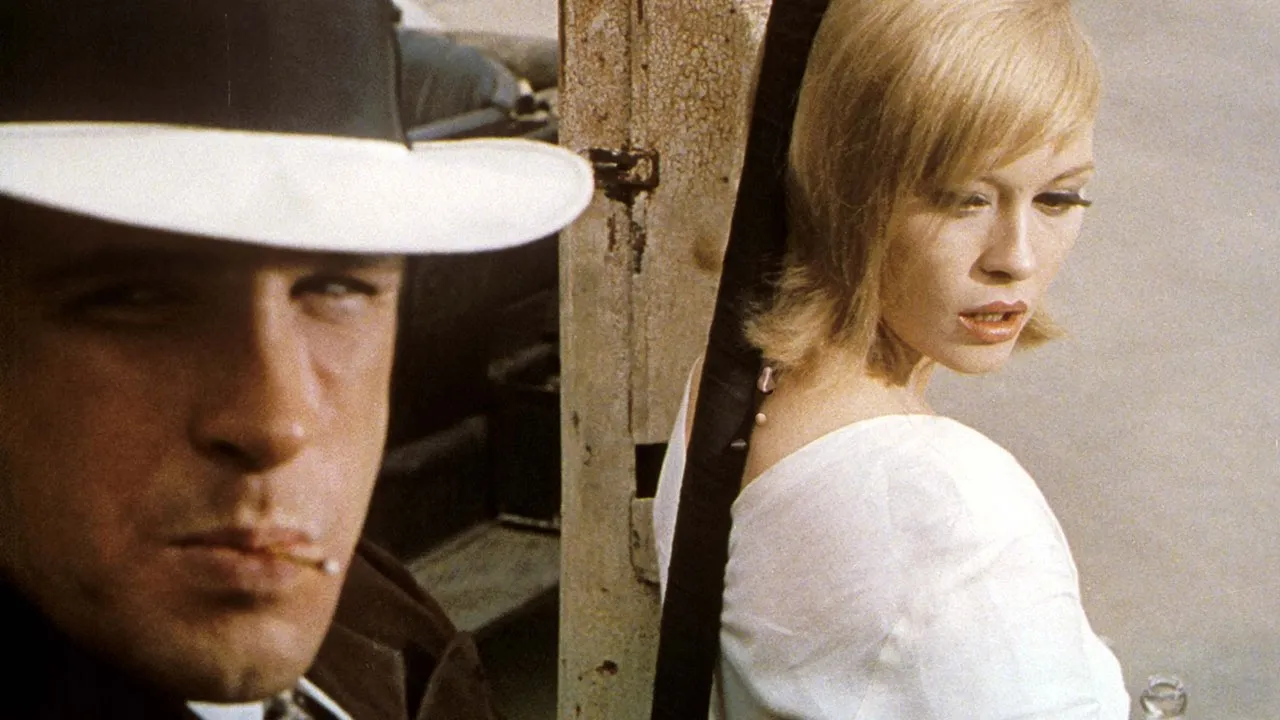
“I really like Bande à part. In particular it really kinda grabbed me. But one of the things that really grabbed me was that I felt I almost could have done that. I could’ve attached a camera to the back of a convertible and drive around Venice boulevard if I wanted to.” In their more financially risky pursuit to break free from the constraints of the traditional mould of French cinema and create their own inventive styles as auteurs, many French New Wave directors had to work within a low budget lane.
This was also influenced by the financial restraints of post-World War Two France.
Rather than seeing it as a disadvantage, a lot of the movies that came out of this period used their lack of resources to break conventional rules and form their own style - which we’ll get into more a bit later.
They took some cues from the Italian Neorealist movement that preceded it, which cut costs by shooting on location and working with non-professional actors in rural areas.
Likewise, many French New Wave films worked on location, with a bare bones approach to lighting and homemade, DIY camera rigs. This allowed them to work quickly, unencumbered by large crews and introduced a more on-the-ground aesthetic to the filmmaking.
This further democratised filmmaking and made it more accessible than ever before.
It showed that big studios were not always needed to produce great cinema.
This democratisation of filmmaking expanded further throughout the years, until it exploded even more with the introduction of low budget digital cinema cameras.
There’s a reason that many low budget indie films today still use French New Wave films from this period as a primary reference and inspiration for, not only what is possible to achieve with limited resources, but also the kind of look and style that comes with it.
“All these films were very different of what had been French cinema. What was in common is to use a lot of natural light, sometimes use non-actors, natural sets, a sort of speed in the inspiration and the work. That is what was in common.” What emerged from this rejection of cinematic tradition in a low budget environment were a burst of films that broke existing filmmaking ‘rules’ and had a vigorously experimental style.
Part of this was informed by a documentary-esque approach to cinematography that free-ed the actors up to move and improvise. Like documentaries, these films were largely shot at real locations, relied on using mostly natural light (which allowed them to shoot 360 degrees in a space), using a reactive, handheld camera and sometimes employed non-professional actors who they’d get to improvise dialogue, blocking and actions.
All this went against the more formal conventions that were previously expected of traditional studio films that were shot in studio sets, off a rigid dolly, with perfect, artificial lighting and precise blocking of a pre-approved screenplay.
In this way the French New Wave paved a path that made it OK for future filmmakers to work in a rougher, more naturalistic style and broke down the very notion that cinematography needs to conform to specific rules.
“I think a lot of it has to do with the relentlessness of the voice over and the rapid speech and also the pace of the music under it."
It feels like it's a sense of freedom. Anything could happen at any moment. Narrative is completely fractured I think.” French New Wave directors saw exciting possibilities for using film as a medium - more like painters or novelists did - which could not only be used to tell stories but also to translate their thoughts or ideas by experimenting with form and style.
Much of this was done in the edit.
Whereas older films may have used a traditional, linear story, various scenes and exposition to unpack characters, films like Jules and Jim used voice over, fast paced music and snappy editing to immediately introduce characters and their relationships in a more fractured way that compressed time into a montage.
Directors like Godard broke down the medium even more into a self conscious, post modern vision by having characters literally break the fourth wall and talk directly into the camera, face to face with the audience.
Instead of attempting to suspend disbelief, Godard made his audience very aware that what they were watching was something constructed by an artist.
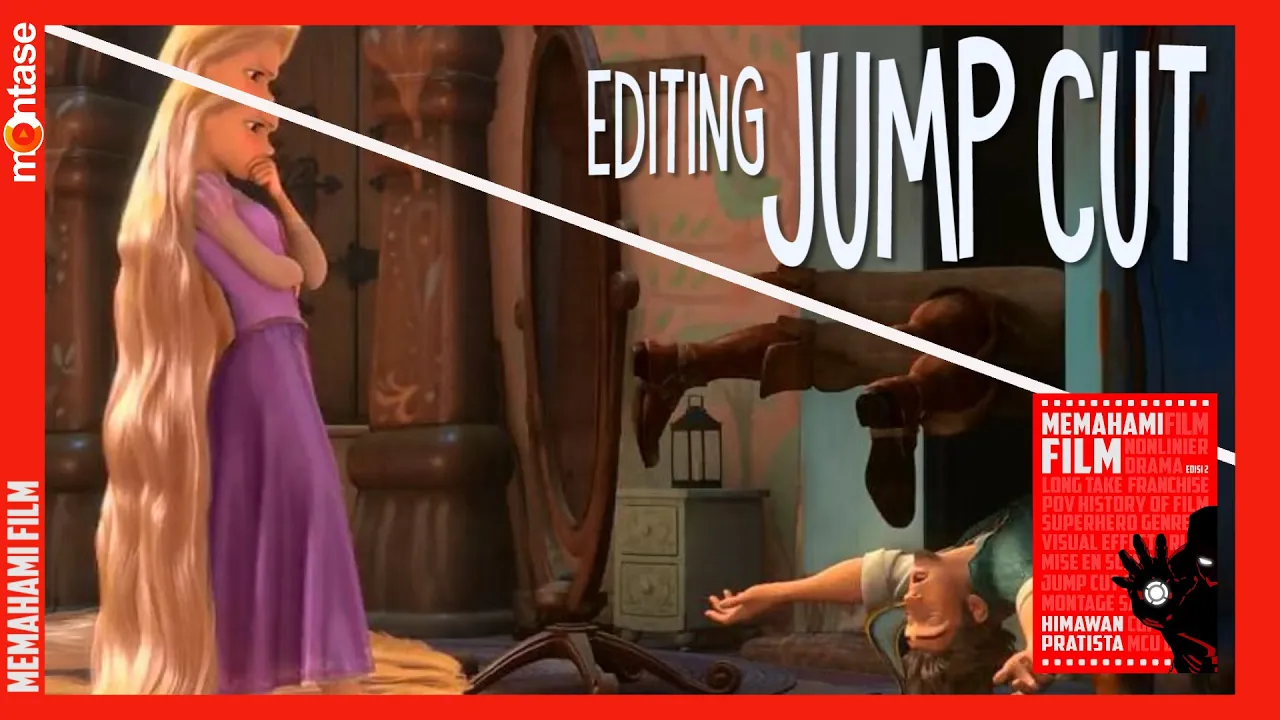
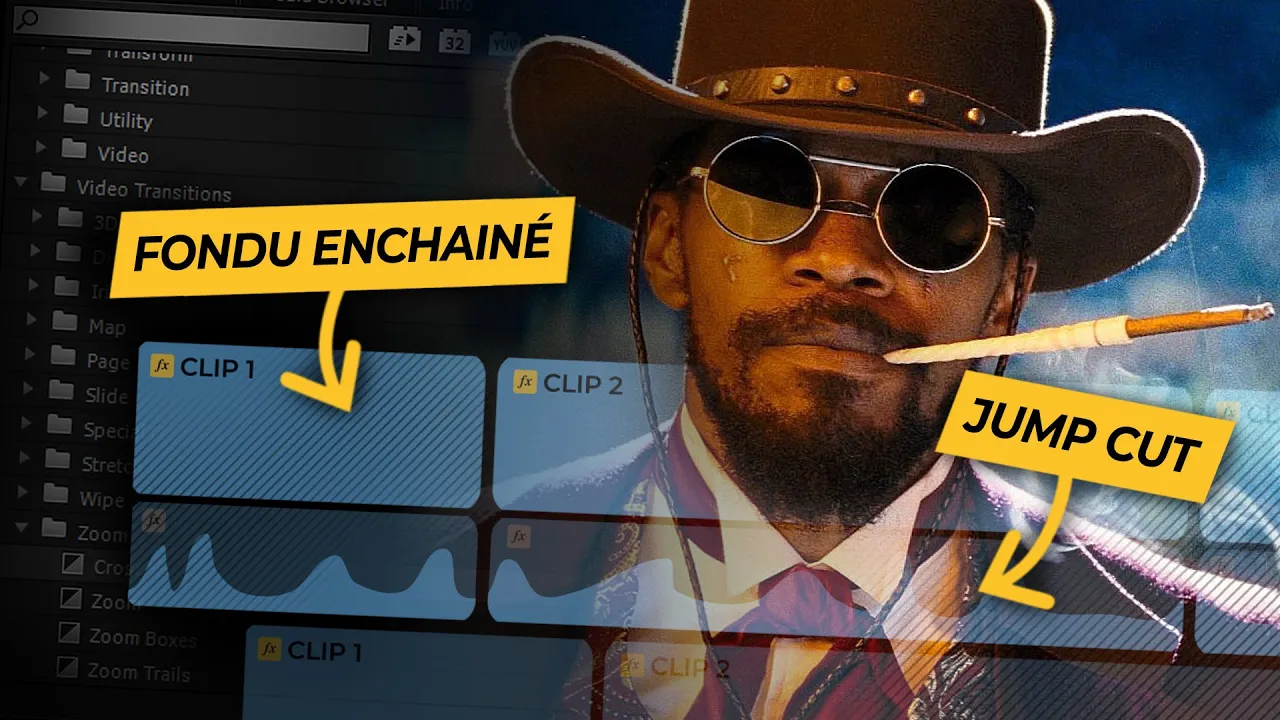
Breathless also went against a universal rule of cinema and used jump cuts, a technique which cuts forward in time using the same shot, without changing the angle or shot size. The effect is an abrasive ‘jump’ forward in time.
This technique influenced future filmmakers by tearing down the idea that the rules of cinema should be strictly followed. This post modernism that was pushed by the French New Wave has now seeped into every kind of contemporary visual art - including how many YouTube videos are now edited.
Thanks everyone for watching. Let me know your thoughts in the comments below and if you liked the video hit the subscribe button for more weekly content.
I’d like to give a special thanks to all the Patrons who continue to keep the channel going with their support or anyone who gets the original In Depth Cine merch.
Otherwise until next time, thanks for watching and goodbye.
Up Next
13:38
Jump Cut Editing: 5 Essential Film Techniques Explained
@StudioBinder
503.3K views•2021-12-27

23:14
Visual Analysis Essay: How to Analyze Graphic Novels in College Writing
@nataliepleimann5941
1K views•2020-10-14
18:19
Long Takes in Filmmaking: Techniques and Impact
@InDepthCine
31.3K views•2024-07-28

4:00
Evolution of Darth Vader: Anakin Skywalker's Animated Journey Across Star Wars Films
@TellItAnimated
13.4M views•2019-03-30
Related Study Plans & Knowledge Roadmaps
Structured learning paths in Film Analysis
film-analysis
Sensory Cinema: Foley, Haptic Sound & Texture
01Introduction to Film Sound and Foley Artistry
02Micro-Sounds, Textures, and Extreme Amplification
03Haptic Audition and Film Phenomenology
+ 1 more learning modules
12h4 modules
Explore Roadmap
film-analysis
Breaking the Fourth Wall: Mockumentary & Satire
01The Invisible Wall: Basics of Cinematic Illusion
02Looking at the Lens: Direct Address & Character Glances
03The Mockumentary: Satire, Realism, and Complicity
+ 2 more learning modules
12h5 modules
Explore Roadmap
film-analysis
Analyzing the Long Take: Cinema, Space & Ethics
01Foundations of Film Grammar: Montage vs. The Long Take
02Choreography and Mechanics of the Simulated One-Shot
03Phenomenology of Film: Real-Time Spatial Continuity
+ 1 more learning modules
14h4 modules
Explore Roadmap
film-analysis
Anachronistic Music: Period Drama & Subversion
01Foundations of Film Sound and the 'Needle Drop'
02Traditional Authenticity vs. Revisionist History
03The Rise of the Anachronistic Soundtrack
+ 2 more learning modules
12h5 modules
Explore Roadmap