









![The Classical Narrative Structure Explained | PART 1 [Anatomy of Storytelling]](https://i.ytimg.com/vi/-E-d6NEh5uc/maxresdefault.jpg)
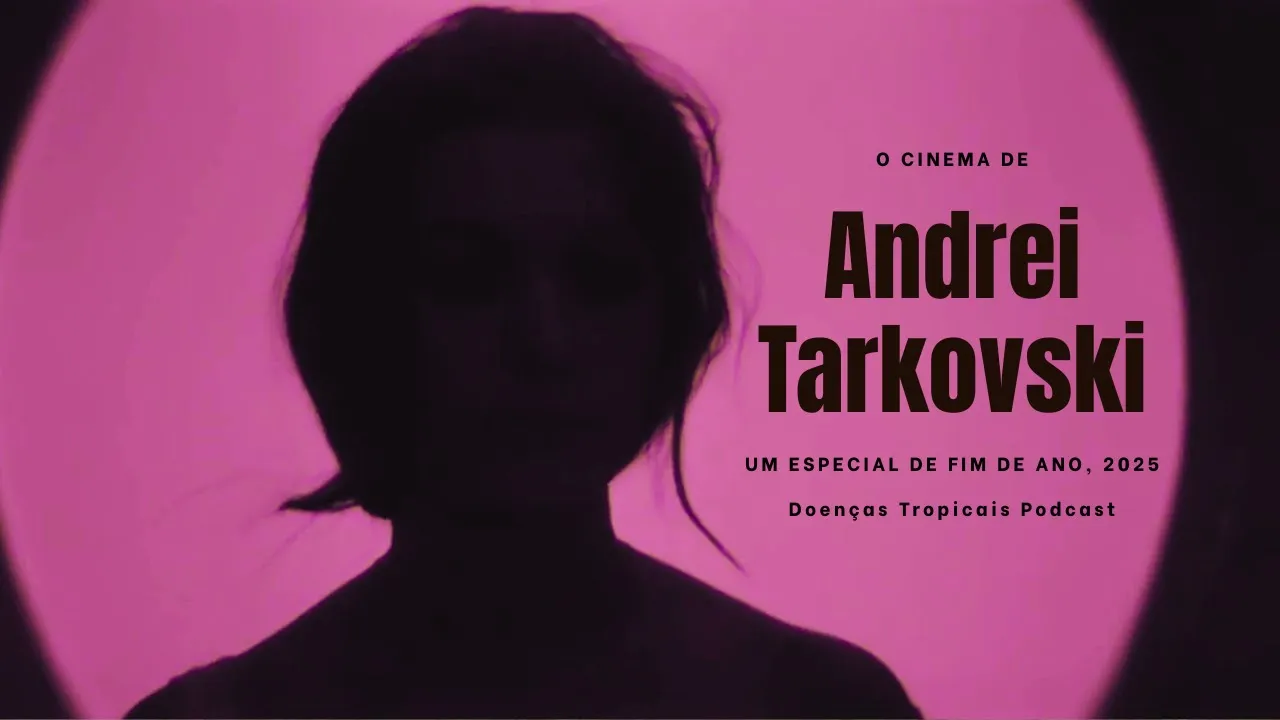
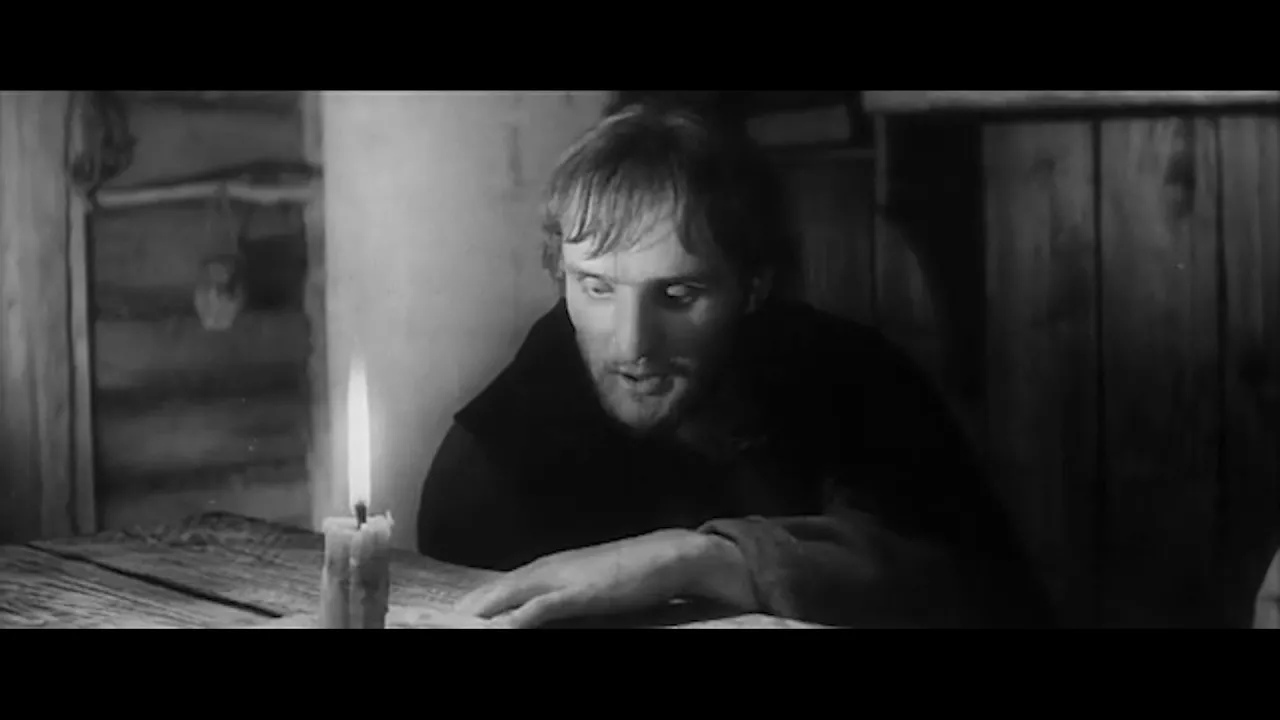


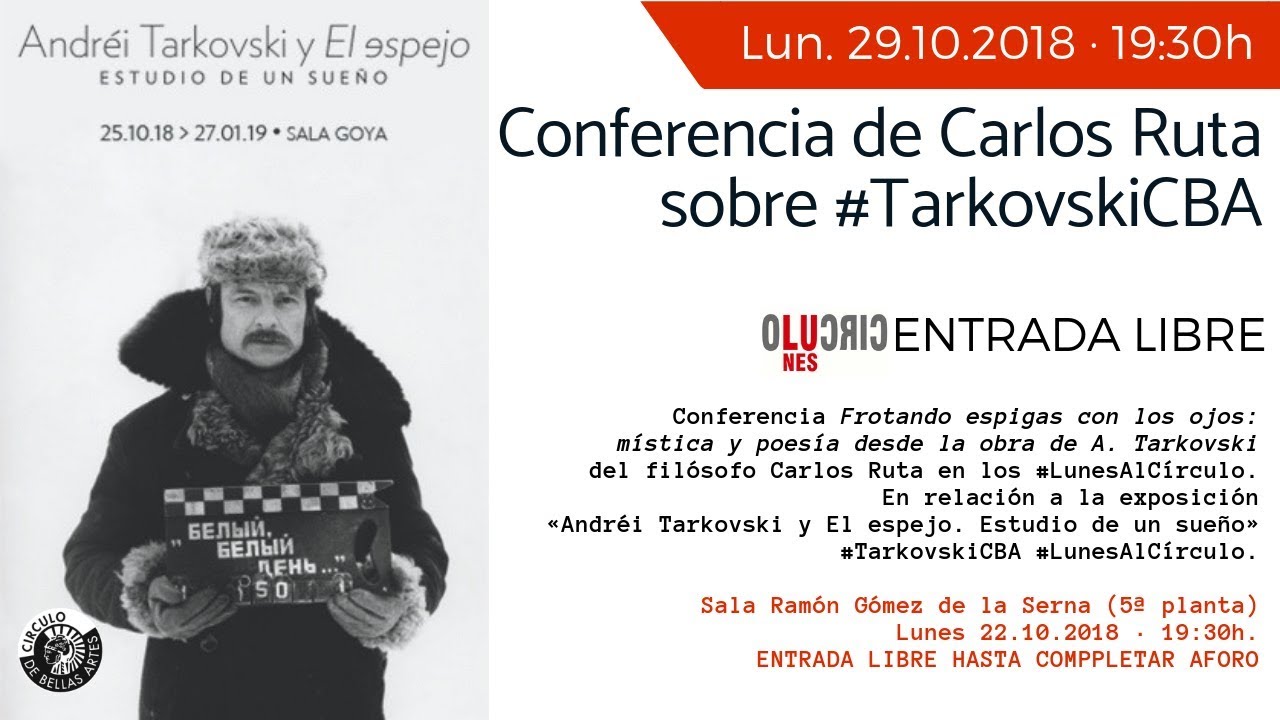

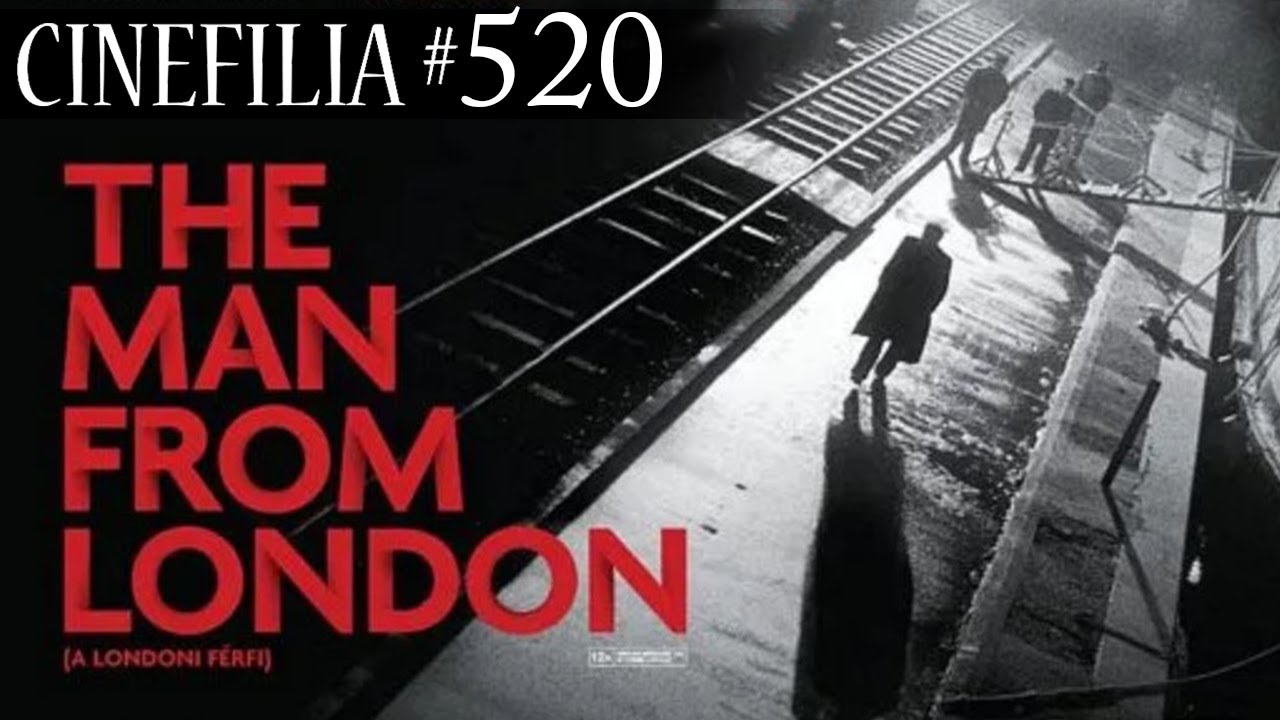


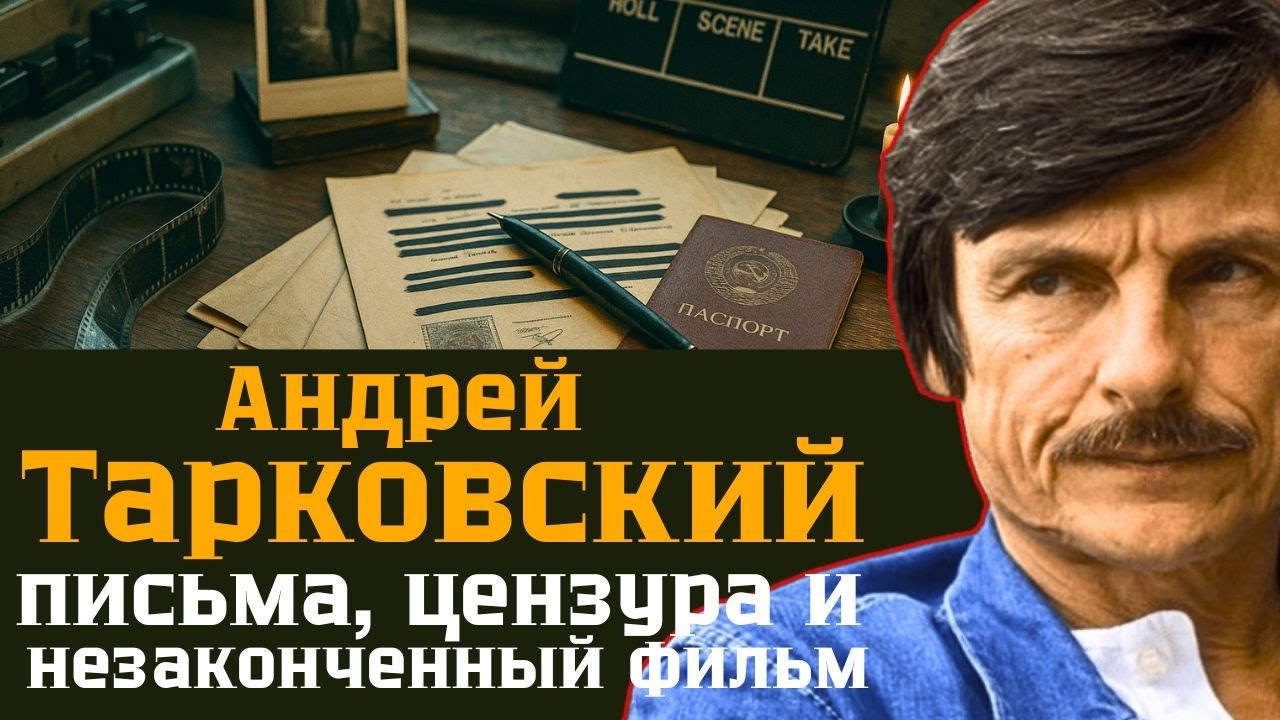


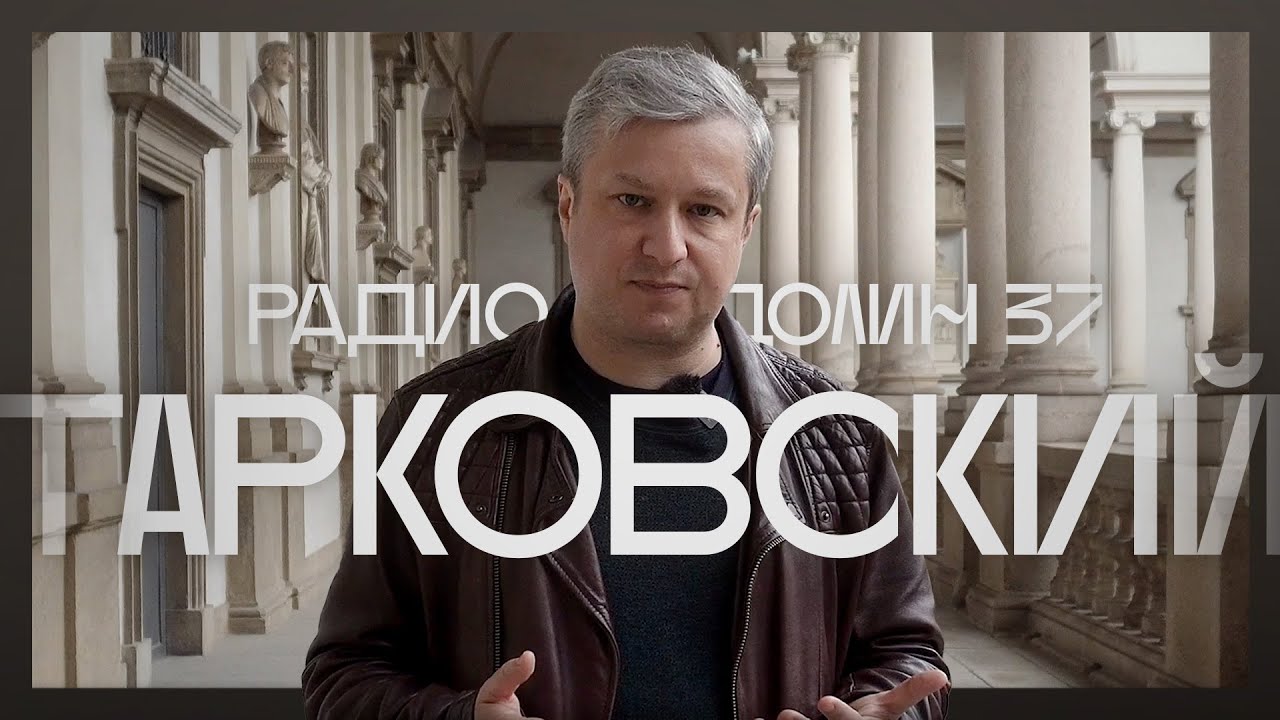
Andrei Tarkovsky, a Russian filmmaker renowned for his seven deeply spiritual films, revolutionized cinema through his holistic approach that treated filmmaking as 'sculpting in time.' His directing style is characterized by: (1) treating nature as a living character in dialogue with human protagonists; (2) using long takes and slow, fluid camera movements to immerse viewers in the passage of time; (3) employing minimalistic color palettes and sound design to draw attention to specific details and emotional nuances; (4) viewing editing as a rhythmic process that connects individual shots into a unified temporal experience; and (5) believing that all great art must be emotionally resonant while exploring profound philosophical and spiritual questions about existence, memory, and human connection.
Andrei Tarkovsky's Filmmaking Style Explained
Added:[Music] filmmaker Stan brage once said I personally think that the three greatest tasks for film in the 20th century are one to make the Epic that is to tell the tales of the tribes of the world two to keep it personal because only in the eccentricities of our personal lives do we have any chance at the truth three to do the dream work that is to illiminate the borders of the unconscious the only filmmaker I know that does all these three things equally in every film he makes is Andre tarkovski this is the directing style of Andre tarkovski before we delve into the work of one of the most celebrated filmmakers ever subscribe to Studio binder and enable notifications to stay up to date on all our future videos Andre tarkovski was born in a small village in Russia in 1932 his family was very literary his father was a poet and his mother was a proof reader initially tarkovski didn't exhibit much interest in film and spent his young adulthood studying Arabic before dropping out of school and becoming a prospector during one expedition in the tiger tarkovski decided he wanted to study film and applied to the state Institute of cinematography his sister Marina tarova notes Andre had a poor idea of what cinematography was and went to take the exams his mentor Mel ilich ROM said that directing cannot be taught you need to have something inside that corresponds to this profession Andre really liked this point of view from there tarkovski was exposed most to the work of greats like Rober pron Aira kurasawa and ingar Bergman all of whom influenced his style considerably by the end of his career the Russian director would rank among these names film scholar Nick James writes in the course of just seven feature films Andre tarkovski changed what Cinema as an art form could achieve tarkovsky's films are both singular in style and Universal in theme and these qualities begin with his approach to Story tarkovski Once argued that a director who makes a film entirely based on somebody else's screenplay necessarily becomes an illustrator as such he was typically intimately involved in the scripting process on most of his projects [Music] T's films cover a wide array of subjects from astronauts to Medieval painters but they are unified by Common existential themes as a deeply religious man he often used films to interrogate larger spiritual questions he notes in his book sculpting in time everything new in art emerged in answer to spiritual need and its function is to ask those questions which are supremely relevant to our aoch the spiritual crisis his characters experience are usually placed in conversation with the natural world which tarkovski considered a character in and of itself in his work he argued just opposing a person with an environment that is boundless relating a person to the whole world that is the meaning of cinema [Music] tackling these larger philosophical quandaries means that most of tarkovsky's films do not provide neat or obvious answers but rather prompt the audience to continue to think about questions long after the movie has ended Akira kurasawa said of tarkovsky's work every cut from his films is a marvelous image in itself but the finished image is not nothing more than the imperfect accomplishment of his idea his ideas are only realized in part and he has to make do with it tarkovski preferred to approach his ideas nonlinearly influenced heavily by his father's poetry he noted that I find poetic links the logic of poetry in cinema extraordinarily pleasing they seem to me perfectly appropriate to the potential of Cinema as the most truthful and poetic of art forms mirror arguably tarkovsky's most poetic film goes so far as to include lines from his father's poetry despite the headiness of his films tarkovski was also sure to imbue his work with emotion all art is intellectual he argued but for me all the Arts and Cinema even more so must above all be emotional and act upon the heart as with all great directors his approach to story influenced his approach to all other aspects of film making including production design almost all of tarkovsky's work has a distinct atmosphere an ethereal feeling that permeates every frame this is is in large part because of his careful and immersive production design for the house in mirror for example tarkovi and his team would spend days on the set before filming simply in order to better understand how the set interacted with its environment tarkovski explains we wanted to immerse ourselves in the sensations of the people who had once lived in that house and had watched the same sunrises and sunsets the same rains and Mists some 40 years previously because of his fixation with the natural world a large part of tarkovsky's production design depends on location the director's Vistas are heavily influenced by Russia's ecosystems natural motifs appear across his filmography such as fire water and wind for his science fiction films like Solaris and stalker the director and his team similarly created spaces that felt lived in and real rather than the sterile environments that are so common in the genre in these films the technology of the futuristic worlds are often just opposed with the natural [Music] world these production design and location elements then build a distinct color palette tarkovski had a complicated relationship with color in film earlier in his career he dismissed color in movies as a commercial gimmick with what you he argued that color called attention to itself and distracted an audience in everyday life we seldom pay any special attention to color he argued a black and white film immediately creates the impression that your attention is concentrated on what is most important on the screen green color imposes itself on you so it's not right for the audience to be constantly aware of color as his career progressed he softened to color movies but his films maintained a muted and minimalist palette many tarkovski films utilize a mix of monochrome sequences with color sequences often deliberately using colors attention grabbing qualities he explained his approach the line that separates on Ness of color from the moment when you start to notice it is quite imperceptible our unbroken evenly paced flow of attention will suddenly be concentrated on some specific detail a similar effect is achieved in a film when colored shots are inserted into black and white in Solaris for example memories are presented in black and white while the spacecraft is cold and relatively colorless but the scenes at home are vibrant and Lush in comparison making those sequences much more [Music] appealing tarkovski uses color to subtly underg guard his film's themes and he builds on these themes with his cinematography tarkovski remarked I have always looked on the cameraman as a co-author following that logic cinematographer Vadim yusov co-authored most of tarkovsky's filmography the two developed a visual language that continues to enrapture audiences today turovsky and Yo's compositions were heavily influenced by paintings and they would quote specific pieces and certain shots because tarkovski was so selective in his coverage he and yusov could spend around 2 days preparing for a single shot often allowing for them to get it in a single tape the two would often favor natural light going hand in hand with tarkovsky's penchant for emphasizing the natural world tarkovski is the master of slow-moving wide shots like this shot when the characters entered the zone and stalker the smooth Dolly keeps the attention on what's happening in front of the camera and builds a slow and steady Pace that is well suited for his philosophical subject matter other times he may let a wide be totally stationary in the shot from the sacrifice the camera is locked off but the deliberate framing gives us plenty to focus on there's the table in the foreground the character just behind it and the expansive Field behind him all framed by the windows and entry way of course this pacing is further developed in tarkovsky's approach to [Music] editing editing was vitally important to tarkovski for him film making could be described as sculpting in time in other words tarkovski believed that movies have a unique capability of altering how we experience time [Music] perhaps the most self-evident quality of a tar I film is the long take the director saw long takes as a way to make viewers feel the passage of time he explains the image becomes authentically cinematic when not only does it live within time but also time lives within it the image is not a certain meaning expressed by the director but an entire world sitting with a shot allows for these worlds to present themselves take this shot from Nostalgia it lasts for nearly 10 minutes and the lack of cut emphasizes this passage of time and the care the character is putting into his mission what could have been an innocuous sequence of a character moving a candle from point A to point B becomes a herculan struggle editing is about developing and manipulating a rhythm and tarkovski saw rhythms within each of his shots he argued time imprinted in the frame dictates the particular editing principle and the pieces that won't edit that can't be properly joined are those which record a radically different kind of time turovsky would aim to cut at the peak of what he called the pressure of time and often this pressure would build the longer he held on a shot [Applause] this attention to Rhythm helps give tarkovski films their distinct feeling moving from shot to shot and scene to scene in a meditative yet intuitive manner this mood is continued into his film's sound [Music] design like with color tarkovski movies often take a less is more approach to sound design his films are typically very quiet rarely letting sound overwhelm visuals or call attention to itself and also like with color turovsky will use sound to subtly influence an audience's attention in many scenes he will take a single element and make its sound take the foreground bringing the audience is focus to that element and informing the scene's perspective in this scene from Nostalgia for example the sound design is almost entirely noises of water drawing our attention to the flooded [Applause] scenery by including almost no other sound beyond the water and the character's voice turovsky creates an atmosphere that feels almost dreamlike sometimes turovsky uses sound to build out the world occurring offscreen in Ivan's childhood the isolated sound of distant gunshots accentuate the drama of a kiss and remind us that even during this romance there is a war going on not so far away and tarkovski sound design Works hand in hand with his music choices generally turovsky uses music sparingly in his films in his view music should never be used as a simple background to a scene he writes music can be used to produce a necessary Distortion of the visual material in the audience's [Music] perception but music is not just an appendage to the visual image it must be an essential element of the realization of the concept as a whole when he did use Music he would often use classical pieces from both Russian and Western [Music] composers in Solaris turovsky uses box Coral prute in F minor JS opposing centuries old Melodies with a distant future to comment on what of Humanity's accomplishments will stand and the test of [Music] time this sparse soundtrack in Andre rublev meanwhile Works in concerts with the floating camera movement underscoring the simple sense of wonder permeating the scene [Music] within his relatively short career Andre tarkovski left an indelible mark on Cinema his uncompromising artistic Spirit along with his team of collaborators left the world with seven deeply spiritual films this after all was his [Music] goal begin your spiritual enrichment on your next movie with Studio binder production software which includes tools for everything from storyboards to call sheets until next time answer the big questions [Music] [Applause] [Music]
Up Next

Hereditary Film Analysis: Symbolism, Themes, and Hidden Meanings
@Meromorphic
26.8K views•2022-10-29

Visual Analysis Essay: How to Analyze Graphic Novels in College Writing
@nataliepleimann5941
1K views•2020-10-14
Master Tracking Shots: Techniques for Dynamic Filmmaking
@StudioBinder
600.9K views•2018-11-05

Evolution of Darth Vader: Anakin Skywalker's Animated Journey Across Star Wars Films
@TellItAnimated
13.4M views•2019-03-30
Related Study Plans & Knowledge Roadmaps
Structured learning paths in Film Analysis