
![Basic 3-2-1 [4] 焦点距離 / focal length](https://i.ytimg.com/vi/2P8vYEsi9tI/maxresdefault.jpg)









![[CGNA] Hiểu thêm về lấy nét trong Nhiếp Ảnh.](https://i.ytimg.com/vi/7asiR5KNXyM/maxresdefault.jpg)



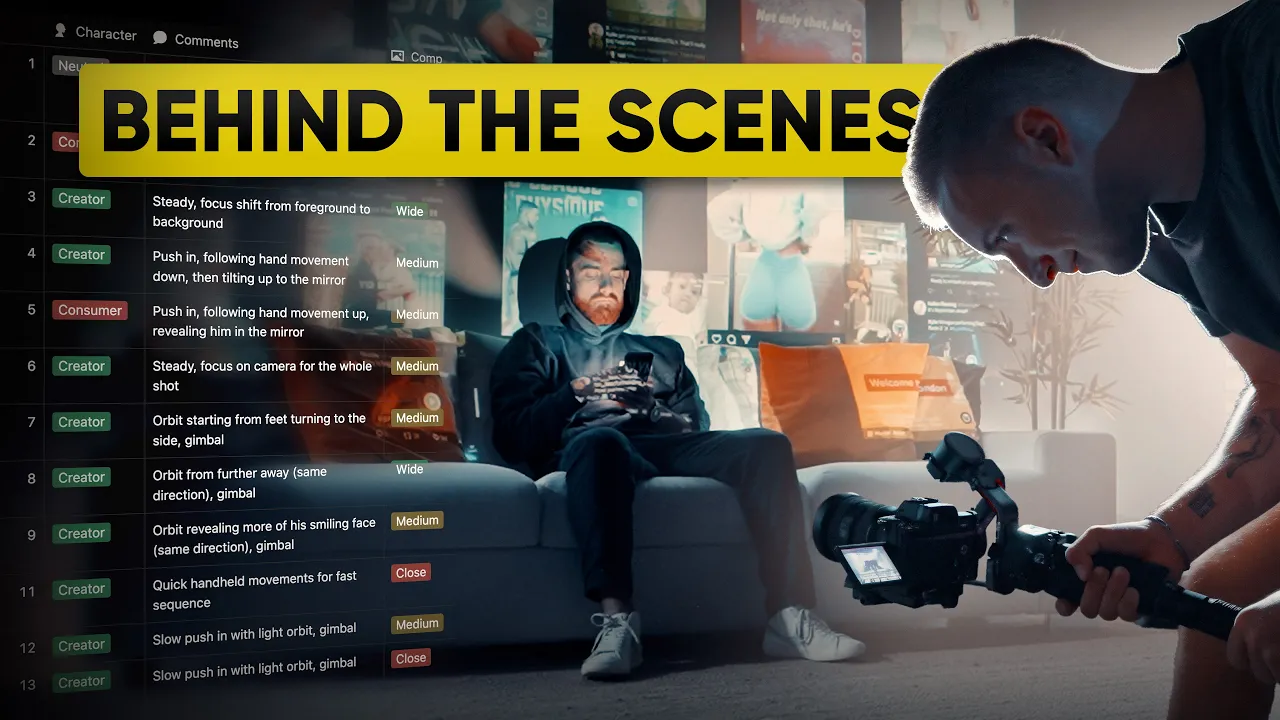
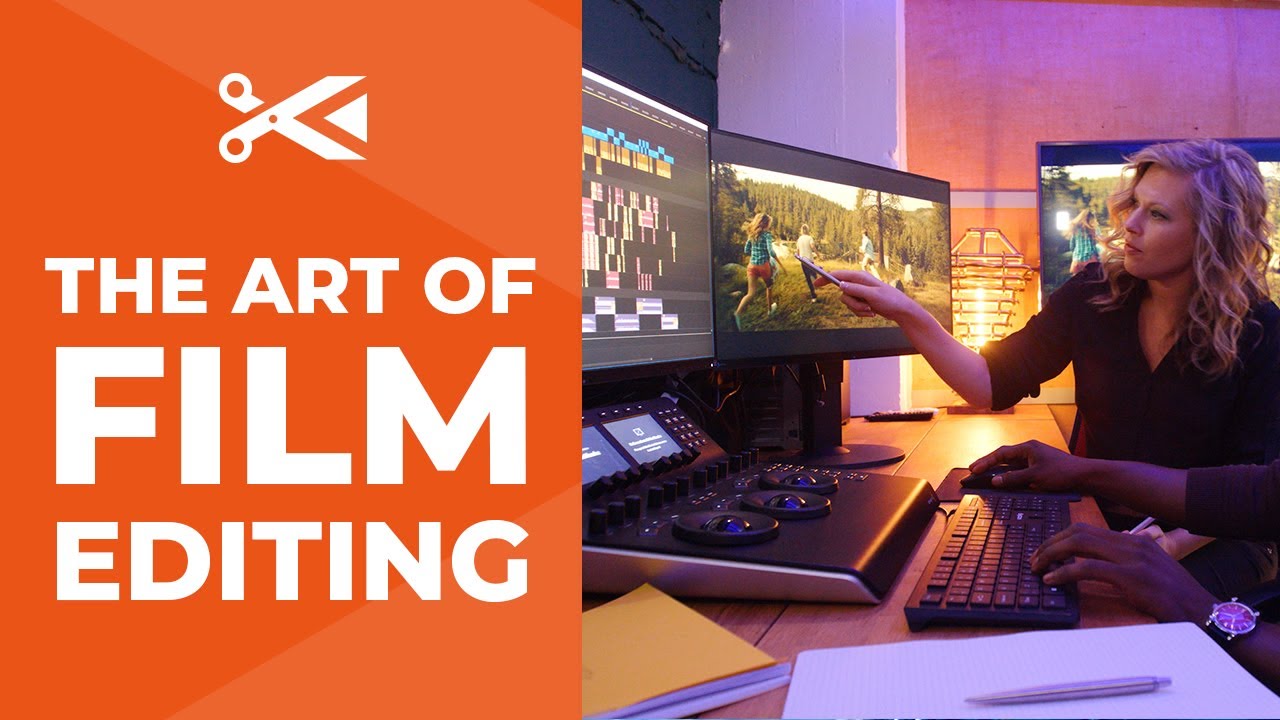







Cinematic composition is the art of arranging visual elements within a camera frame to direct the viewer's eye and enhance storytelling; key techniques include using focal points, the rule of thirds, leading lines, controlling positive and negative space, maintaining proper headroom and looking room, creating visual balance, employing framing within a frame, and utilizing depth through foreground-midground-background layering, along with color and contrast to draw attention to subjects.
Cinematic Composition Techniques: A Filmmaker's Guide
Added:Basic camera operations, including understanding how different focal lengths and lenses affect the field of view.
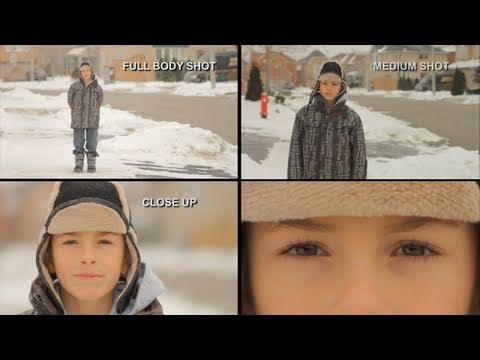
Familiarity with standard shot types (such as close-ups, medium shots, and wide shots) and camera angles.
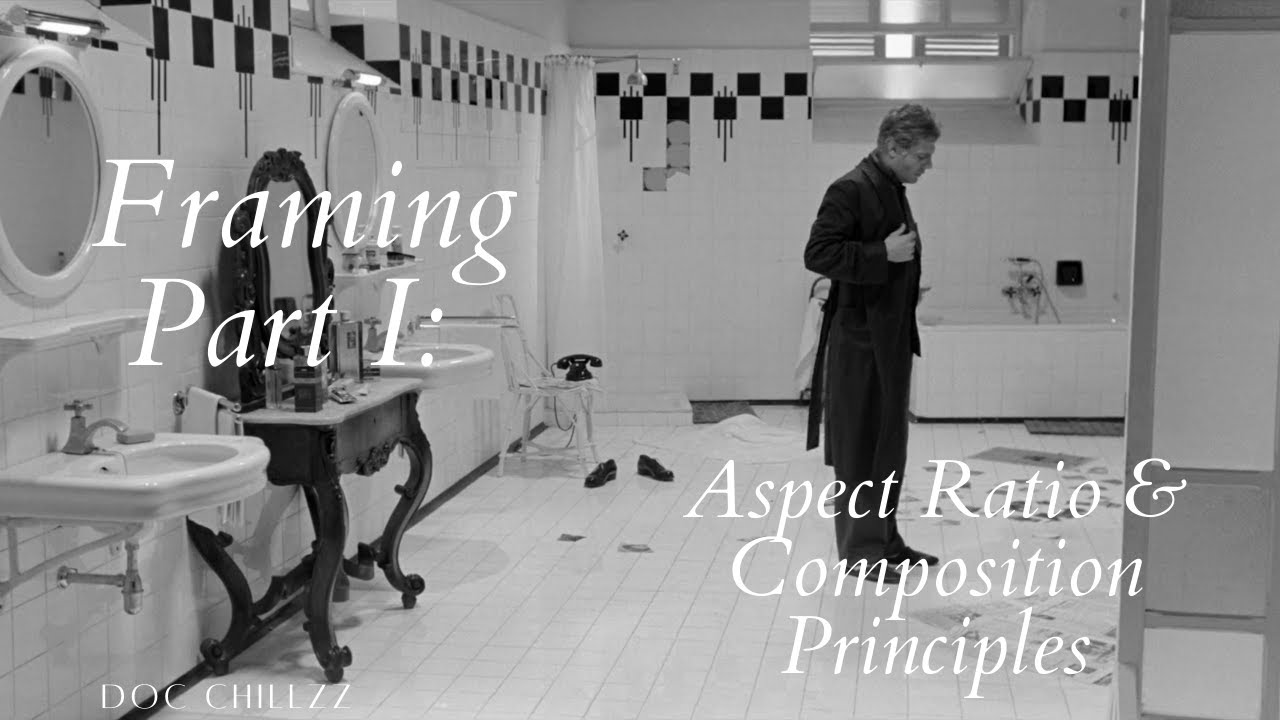
The fundamental concept of the visual frame and how aspect ratios define the boundaries of a composition.
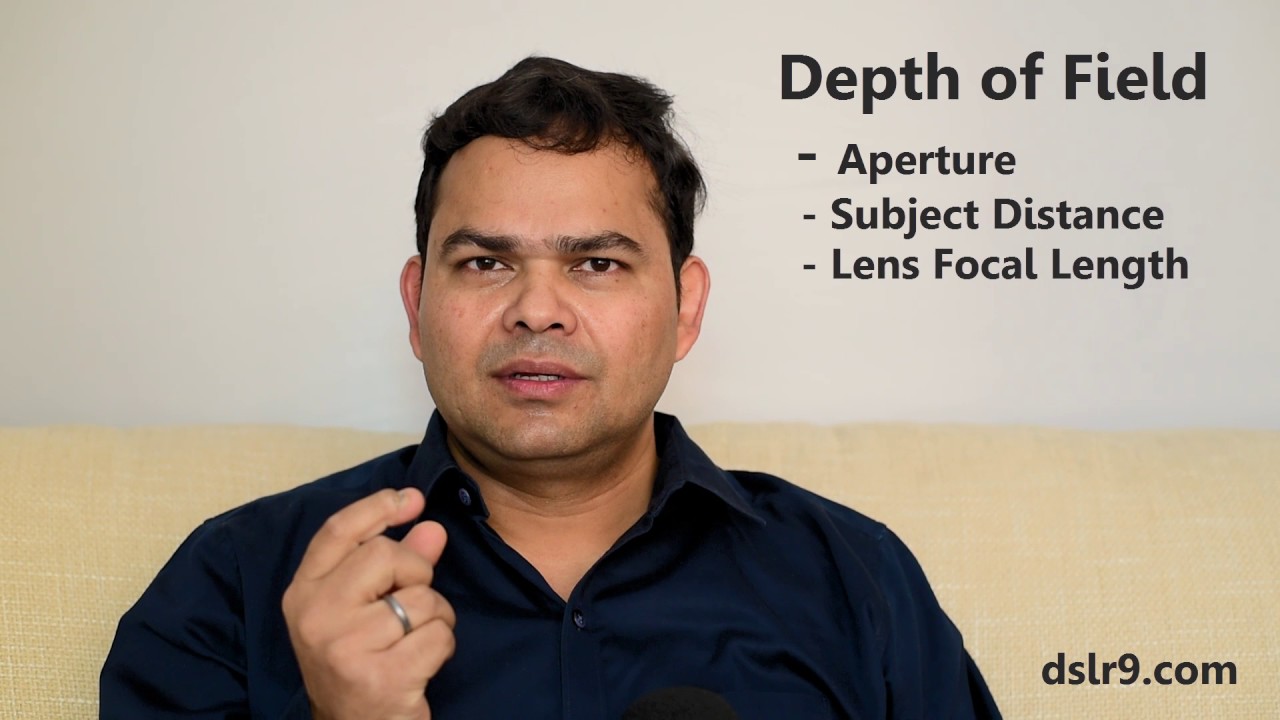
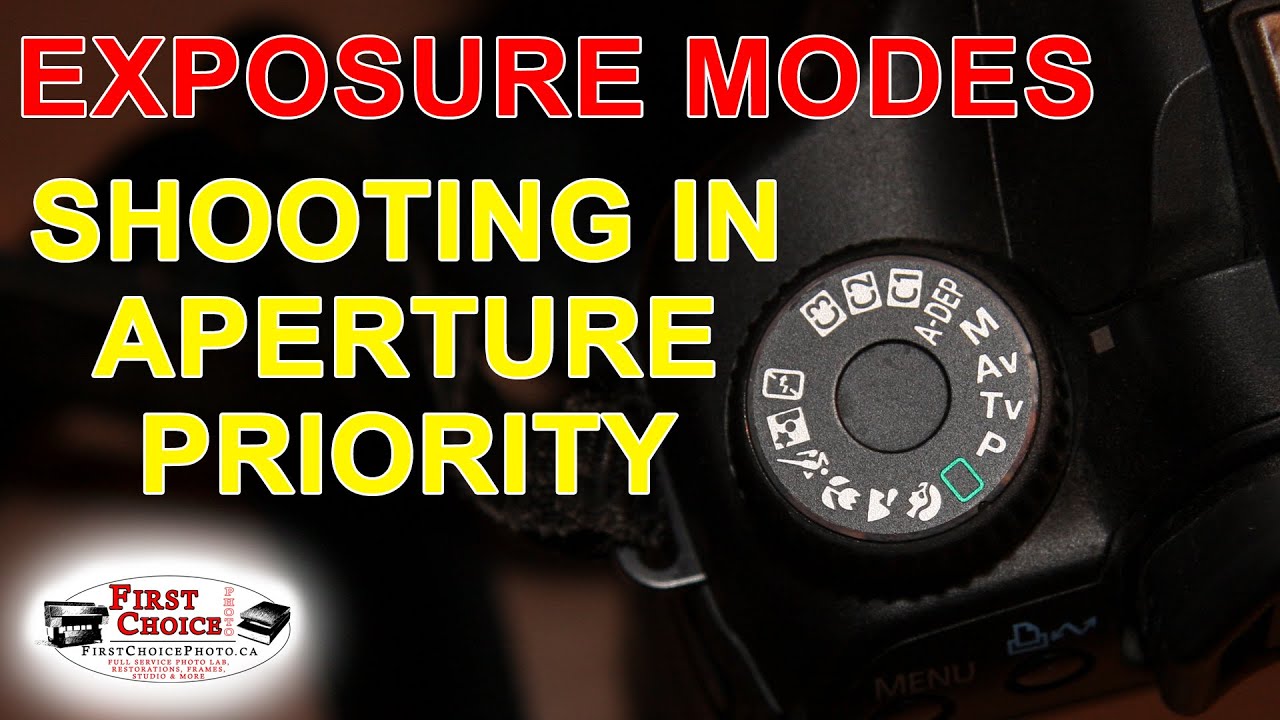
An elementary understanding of depth of field and how aperture choice affects focus range.
Dynamic composition through camera movement, exploring how pans, tilts, dollies, and tracking shots alter framing.
The 180-degree rule and other visual continuity principles essential for editing multiple composed shots together.
Using lighting design (such as key, fill, and backlighting) to create contrast, depth, and focal points within a frame.
Color theory and palette selection, and how color relationships influence the emotional weight of a composition.
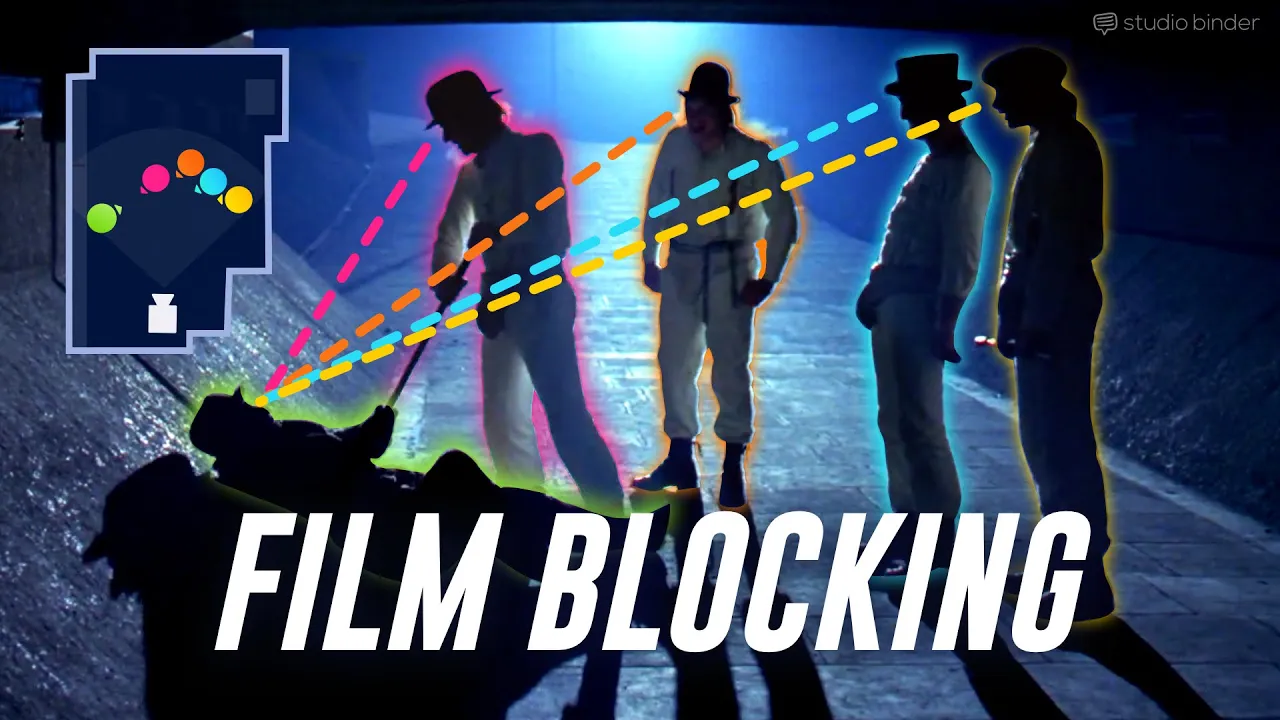
Staging and blocking actors within a scene to maximize depth and visually represent character relationships.
1.1M views51Klikes10:22Original Release: 2024-10-18
what is it about Hollywood movies that draws the audience into the shots of course cameras lenses lighting and performance play a major part but at the core of a great shot lies a great composition so in this video we'll look into the art of composition and find out how it can help you become a better filmmaker I'll show you seven cinematic composition techniques used by some of the best Hollywood filmmakers these are things you can start applying to your own work right now and bring a whole new level of creativity to your film making composition is the way elements of a scene are arranged within the camera frame in a nutshell what is in the frame and where is it located and although that sounds very simple a certain frame or a thought out composition can draw you into the story make it more impactful and make something appear more cinematic it's all about directing the viewer's eye let's begin with one of the most essential elements of composition focal points focal points or points of interest can be used to draw the attention of your view fewer to a specific part of the frame where does your eye naturally get drawn to in this shot the composition of the shot pulls your attention to the focal point focal points are highly effective in wide shots filmmakers often opt for a minimal shot to eliminate any distractions this directs the viewer's eye straight to the focal point but even in busier frames when your frame has a dominant subject or focal point the audience will know exactly where to look and what is important in the shot usually these focal points are used together with other compositional guidelines such as the rule of thirds the rule of thirds is one of the most common and important compositional guidelines that you'll find in cinematography this rule breaks your frame into thirds with two horizontal lines and two vertical lines the four intersecting points of these lines are fantastic areas of the frame to place your subject or focal point this is because the viewer's eyes are naturally drawn to these points and it will create a much more appealing shot just watch any Hollywood movie and you'll notice that the main subjects are almost always placed on one of these points but you'll also see focal points placed on other compositional techniques such as the Golden Triangle here a diagonal is drawn from one corner of the frame to the other and then lines from the other two corners towards that line This creates two balanced focal points within a shot framing the subject in the center of the shot can communicate that this is a person of authority but it also works great when the person is talking directly into the camera for teaching or informing the viewer about something like right now when I'm talking to you guys another technique to pull the viewer's attention to your subject or help your storytelling is the use of leading lines simply put leading lines are natural lines in your frame that will lead the audience attention towards your subject these lines can be stairways Bridges roads hallways buildings you name it a lot of films use leading lines to show where a character might be going and the lines in the frame will literally lead you to that point but breaking this rule by by using chaotic lines can convey a sense of confusion or disorder in a scene so leading lines not only help the look of your shot but also improve your storytelling also the distribution of space within a frame is important for the story you're trying to tell or the emotion you're trying to create positive space is the area in the frame given to the subject and negative space is the empty space around them the relationship between these two can create different moods within a shot or a scene if the subject is larger in the frame it can be a sign of how important they are extremely wide shots with lots of negative space can represent the subject isolation or vulnerability and make them feel smaller extreme close-ups where the subject takes up almost the entire frame can show their power but also draw you into their emotions the position of this negative space can also have an effect on the feeling of a shot which brings us to Headroom and looking room Headroom is the amount of negative space above a subject's head usually head room is kept to a minimum lead room or looking room is the amount of negative space in front of the subject this is usually more than the amount of negative space behind the subject also here the rule of thirds can be of help placing your subject's eyes on an intersecting point of the rule of thirds will almost always give you the perfect head room and Lead room you will also see this being applied when a subject is moving there will be lead room usually 2/3 of the frame in the direction in which the subject is moving breaking these rules can create intriguing shots and evoke C certain emotions giving your subject an abnormal amount of head room can make them seem uncomfortable small or insignificant when a subject is given a small amount of lead room it can communicate that they are lost trapped or isolated and even if the audience doesn't consciously realize what the filmmaker intended awkward compositions are extremely effective in conveying these emotions when it comes to mastering the art of composition in cinematography having access to great references is key and that's exactly where the sponsor of this video Fram set comes in if you don't know Fram set it's basically an incredibly useful online library with a huge collection of over half a million assets from movies commercials and music videos one of the most valuable things about Fram set is that it organizes images in a way that makes it easy to search for specific Styles but also for example search by particular cinematographers Fram set gives you the option to enter up to 20 different filters to really fine-tune what you might be looking for a filter that I use a lot is frame size so let's say I want to look for medium and medium wide shots and I also want the shot to only have one person now I can even add a composition filter for example symmetrical shots and right away Fram set is showing me a bunch of great shots I could use as inspiration for future projects if you also want to start using Fram set to access tons and tons of reference images all you need to do is click the link in the description and use the code stand 10 for a 10% discount no matter how you compose your shot A good rule of thumb is that your frame should be balanced When comparing these two shots you can you can automatically sense which one of these is balanced or unbalanced in an unbalanced image one side of the frame feels heavier than the other and even though a viewer doesn't necessarily know what it is that is wrong they can feel that something is off adding something to the other side of the frame can help bring balance to a shot again the rule of thirds can be helpful with bringing balance to your image when you're shooting interviews or dialogue the ideal location to place your subject's eyes is on the upper horizontal line and you'll see this over and over again in almost all Hollywood films for wider frames or shots with Horizons placing your subject on one of the two horizontal lines can bring balance to your shot whereas placing it in the middle often makes a frame less interesting balance can also mean symmetry the human mind naturally loves order and balance and that is why we are drawn to the beauty of symmetry having both sides of your frame match each other in some way or another is visually pleasing to our eye breaking the rules of balance and opting for or an unbalanced frame can make the audience uneasy it's all about what you're trying to tell with the shot the technique of framing within a frame is a powerful way to direct Focus to your subject while helping convey your story visually this can be done in many different ways by triangles circles squares and so on a frame within a frame gives the viewer a smaller area of focus within a shot and puts emphasis on what or who is important within the scene framing a subject can help evoke certain emots motions a small frame can make the audience feel uncomfortable and claustrophobic by using a frame within a frame filmmakers can create a sense of separation between the audience and the characters making the audience feel like they are distant Spectators of the scene and the use of frames is also a great way to add depth to a shot which brings us to one of the most important compositional methods in cinematography depth in film making we're representing three-dimensional space in a two-dimensional medium and the best way to do this is by making use of depth you can divide space into three sections foreground mid-ground and background these sections can then be used to layer a composition shallow depth of field can be used to separate the subject from the background and provide more emphasis to that subject naturally the viewer's eyes will get drawn to whatever is in focus and blurring out the background can also remove any distractions from an otherwise busy scene pulling your subject away from the background helps in creating depth within the shot if you film someone directly up against the wall the image will have absolutely no depth so even if you're shooting in a very small space try putting your subject as far away from the background as possible or shoot into a corner of the room this will naturally create more depth in your shot adding something to the forground will also add depth to an image even smaller out of focus objects will add another visual layer to the shot the image will then have foreground mid-ground typically the subject and background and these layers create depth and the technique you'll see a lot of filmmakers use to draw attention to a specific object in the shot is by pulling Focus from one thing to another you might not become aware of something until the moment when the camera focuses on it it will automatically tell us what is important and what we need to be looking at another beautiful way films can draw our attention to a certain subject in the frame is by using color and contrast filmmakers can use color in the frame to direct the viewer's eye they can make a subject stand out very obviously by having them in a certain color in monochromatic shots the dark subjects are being separated from the colored background drawing your attention to them and using complimentary colors can be a great way to separate your subject from the background and emphasize them in the shot similar to color contrast can be used to organize and Define a shot's composition our eyes are naturally drawn to the brightest parts of an image so having your subject lit and surrounded by Darkness will help keep the audiences focus on them but the opposite is also true the character as a silhouette will make them stand out against a bright background now there is no doubt that all of these techniques rules or methods can help you improve your cinematography but a very important thing to keep in mind is that there is no such thing as right or wrong in film making there's only more interesting and less interesting so whatever compositional technique you're using just make sure it's interesting
Up Next

11:35
Marriage Story Scene Analysis: Cinematic Blocking and Composition
@lancelloti.
29.1K views•2024-03-29

23:14
Visual Analysis Essay: How to Analyze Graphic Novels in College Writing
@nataliepleimann5941
1K views•2020-10-14
4:55
Film Blocking Techniques for Directors: Space, Shapes, Lines
@StudioBinder
1.9M views•2018-07-23

4:00
Evolution of Darth Vader: Anakin Skywalker's Animated Journey Across Star Wars Films
@TellItAnimated
13.4M views•2019-03-30
Related Study Plans & Knowledge Roadmaps
Structured learning paths in Film Analysis
film-analysis
Sensory Cinema: Foley, Haptic Sound & Texture
01Introduction to Film Sound and Foley Artistry
02Micro-Sounds, Textures, and Extreme Amplification
03Haptic Audition and Film Phenomenology
+ 1 more learning modules
12h4 modules
Explore Roadmap
film-analysis
Breaking the Fourth Wall: Mockumentary & Satire
01The Invisible Wall: Basics of Cinematic Illusion
02Looking at the Lens: Direct Address & Character Glances
03The Mockumentary: Satire, Realism, and Complicity
+ 2 more learning modules
12h5 modules
Explore Roadmap
film-analysis
Analyzing the Long Take: Cinema, Space & Ethics
01Foundations of Film Grammar: Montage vs. The Long Take
02Choreography and Mechanics of the Simulated One-Shot
03Phenomenology of Film: Real-Time Spatial Continuity
+ 1 more learning modules
14h4 modules
Explore Roadmap
film-analysis
Anachronistic Music: Period Drama & Subversion
01Foundations of Film Sound and the 'Needle Drop'
02Traditional Authenticity vs. Revisionist History
03The Rise of the Anachronistic Soundtrack
+ 2 more learning modules
12h5 modules
Explore Roadmap