

















In Noah Baumbach's 'Marriage Story,' the argument scene masterfully employs cinematic blocking and composition to visually narrate the breakdown of a marriage, using spatial arrangements, body positioning, and shot-reverse-shot sequences to represent the emotional distance, power dynamics, and eventual fragile connection between Charlie and Nicole, demonstrating how filmmakers can convey complex interpersonal relationships through visual storytelling alone without relying heavily on dialogue.
Marriage Story Scene Analysis: Cinematic Blocking and Composition
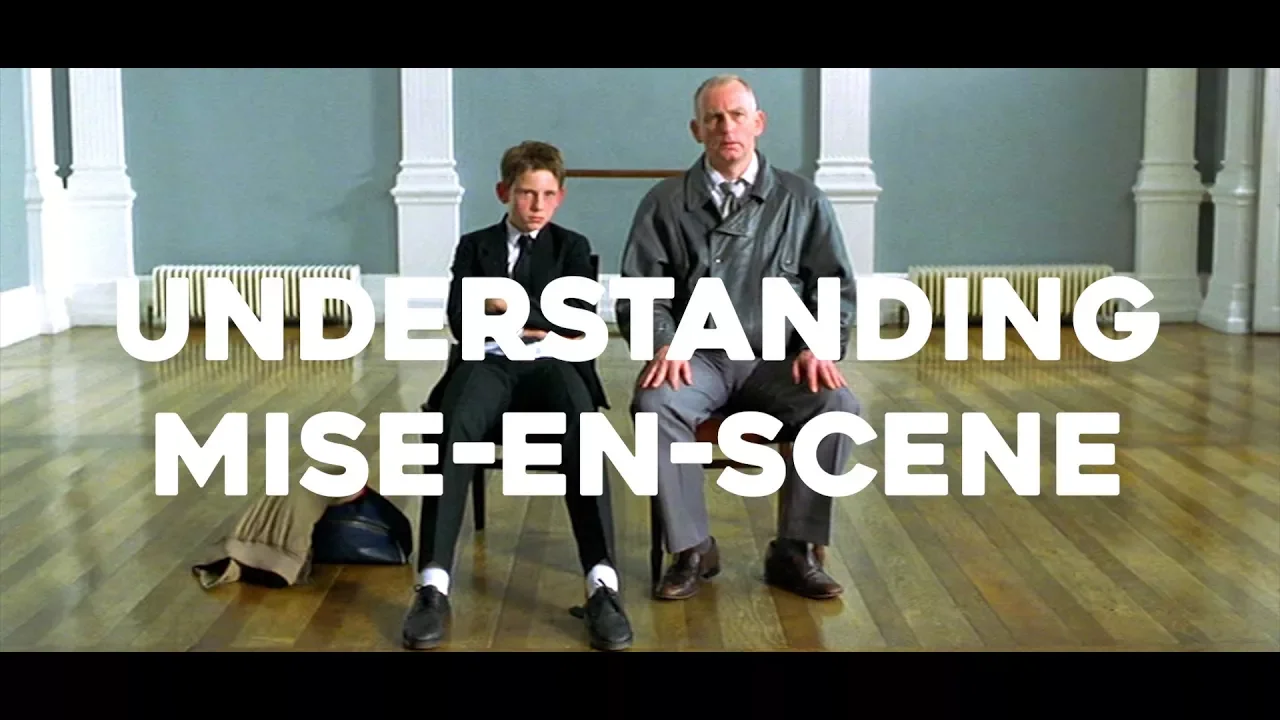
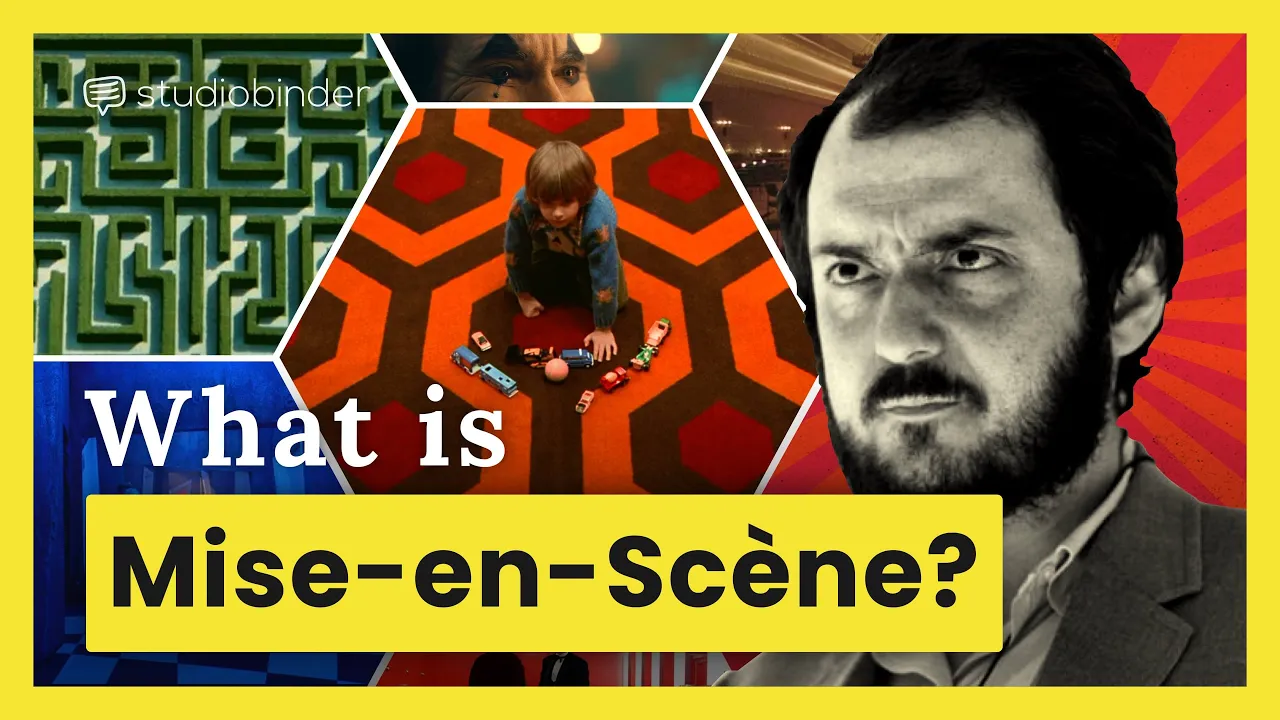
Added:Understanding of basic mise-en-scène, including how set design, props, and lighting contribute to the mood of a scene.
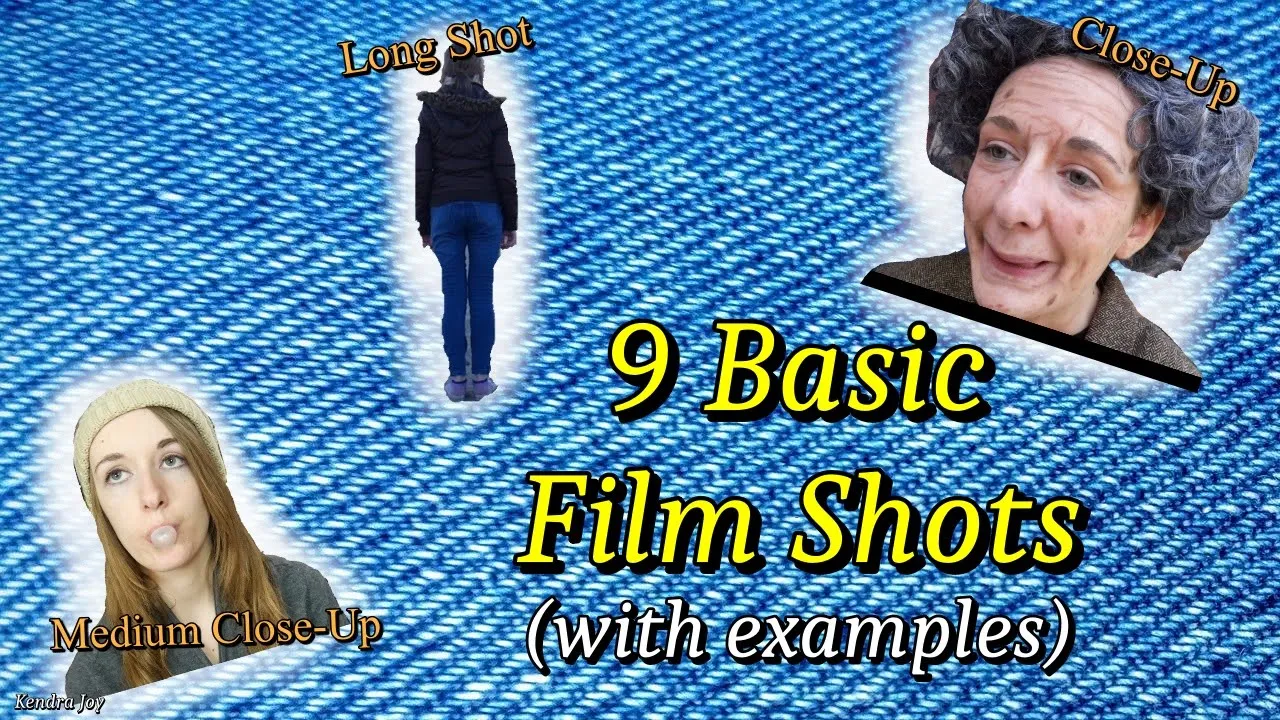
Familiarity with standard camera shots and angles, such as close-ups, medium shots, wide shots, and eye-level vs. high/low angles.
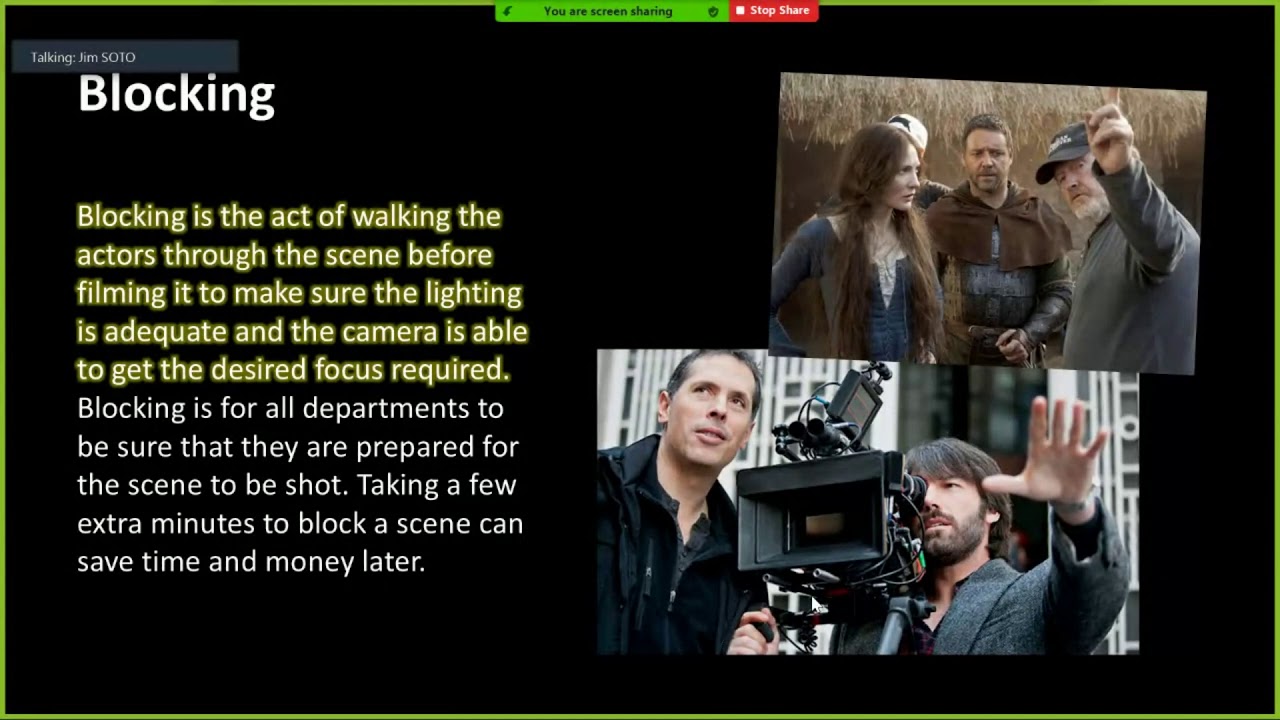
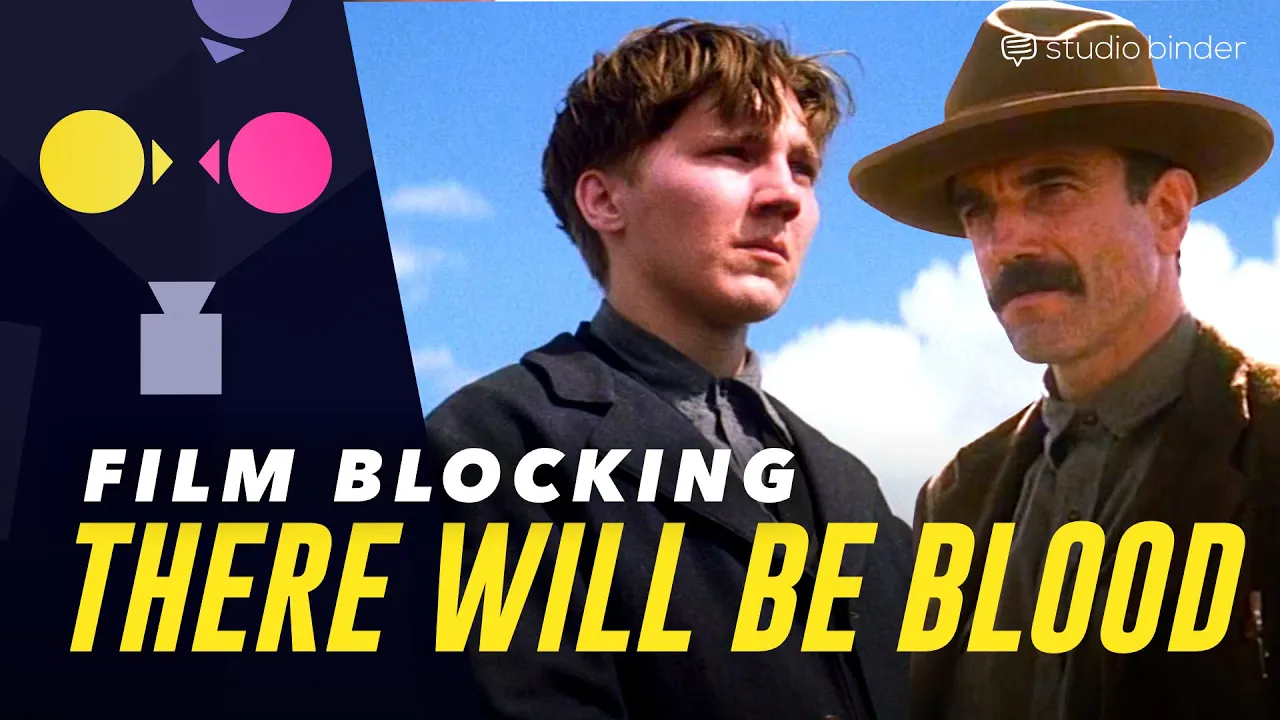
The fundamental definition of 'blocking' in theatre and film, which refers to the precise movement and positioning of actors within a space.
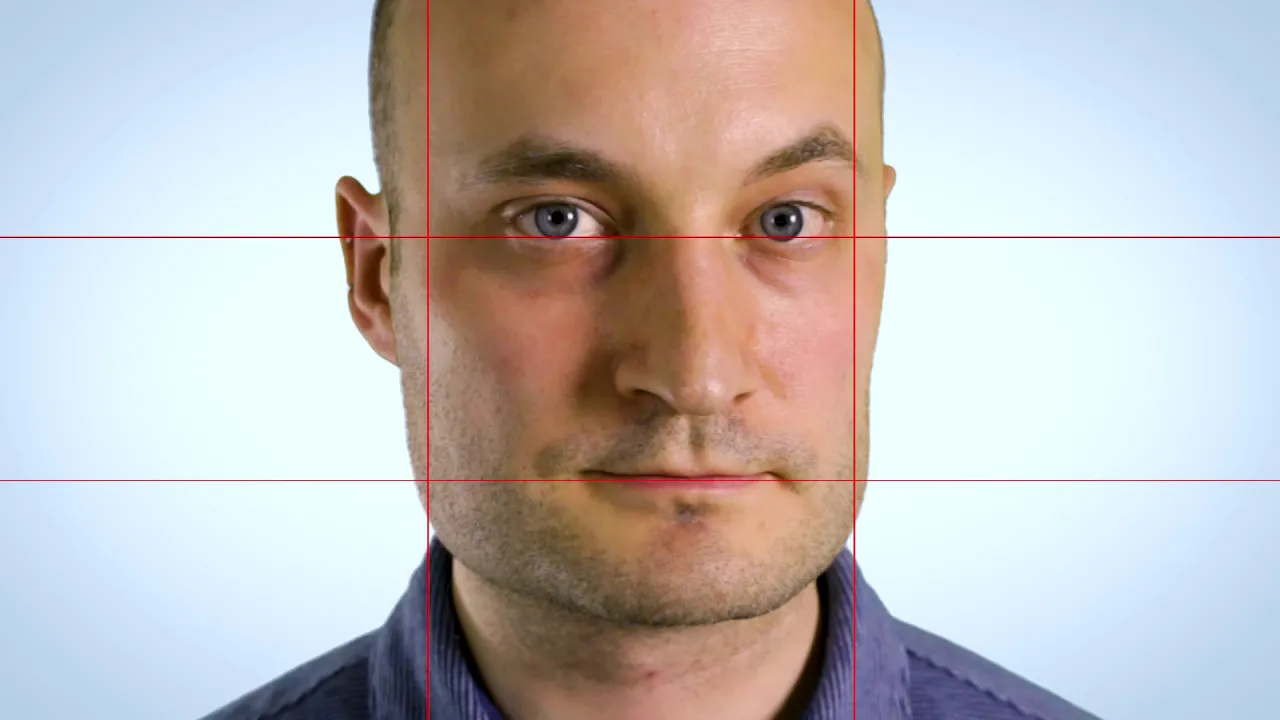
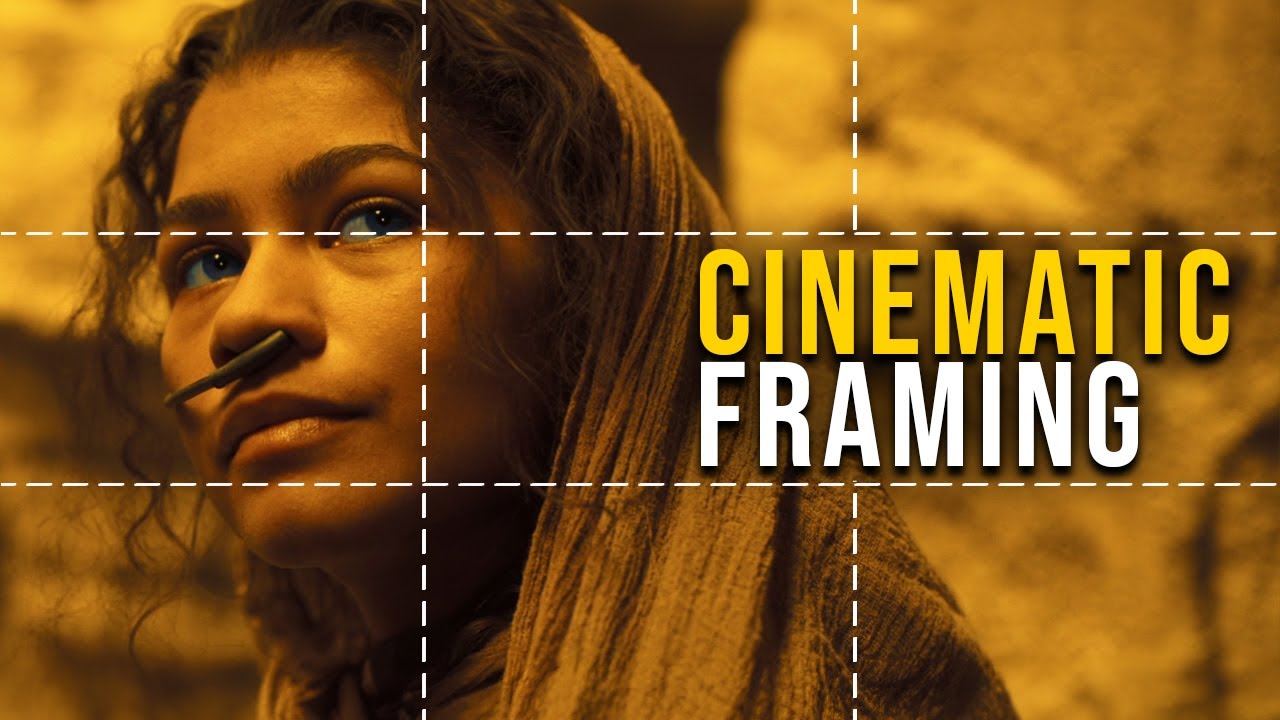
An introduction to visual composition rules, such as the Rule of Thirds, leading lines, and how headroom or lead room creates visual tension.
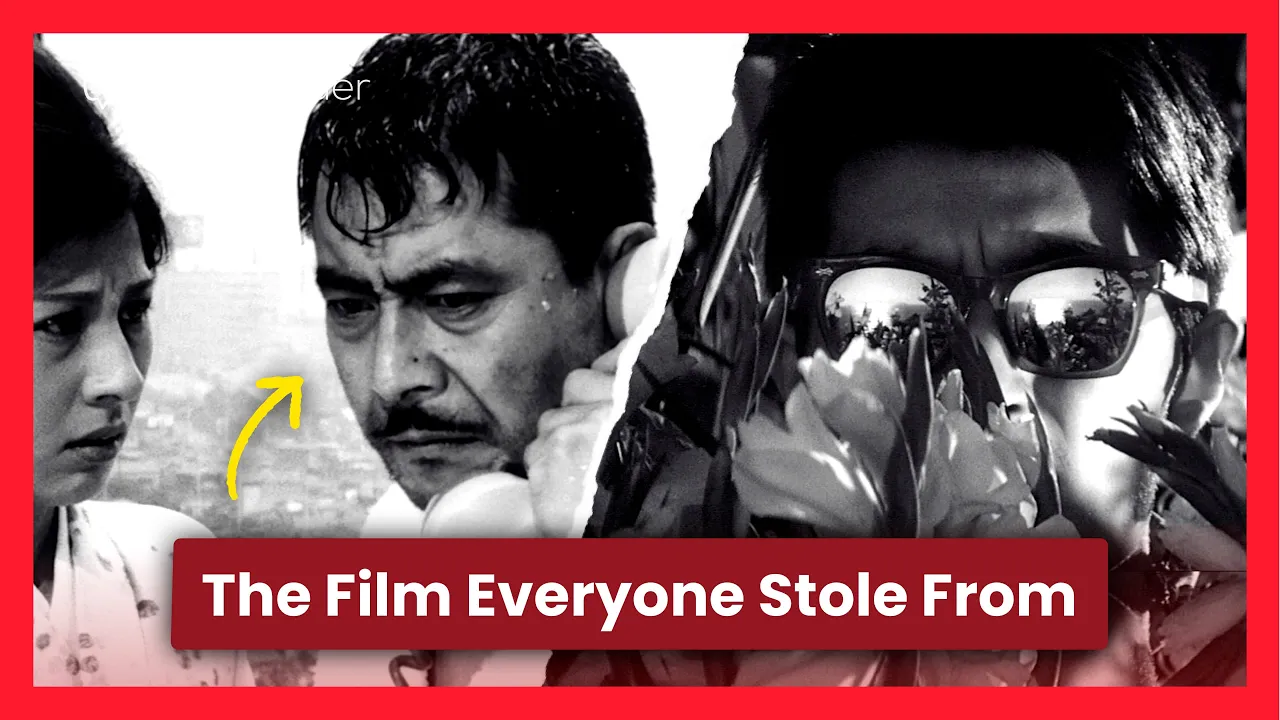
Analyzing comparative blocking styles by studying how other directors (e.g., Akira Kurosawa, Orson Welles, or Wes Anderson) use space to convey power dynamics.
Practical application of blocking by drafting floor plans and shot lists for a dramatic scene from a screenplay.
Studying the relationship between camera movement (panning, tracking, handheld) and character blocking to understand how dynamic energy is sustained.
Exploring how editing pacing and sound design interact with blocking to heighten emotional climaxes in cinematic arguments.
29.1K views1.6Klikes11:35Original Release: 2024-03-29
every day I wake up and I hope you're dead dead like if I can guarantee Henry would be okay I'd hope You' get an illness and they can hit by a car and die when it comes to exaggerated performances bordering on melodrama there are a few scenes that come to mind that work as well as this one but what I find compelling about this scene isn't the exaggerated expressions or the shouts rather it's the Brilliance of how the bodies interact with each other much like a painting by Edward Hopper where you need only observe the arrangement of bodies in space to grasp the Dynamics unfolding between the characters so let's delve into the scene and why it's a masterful piece of [Music] work our bodies are our most fundamental tool of expression more Primal than speech itself it's more primitive as well as involuntary and unconscious I don't intend to turn this into an episode of lie to me but rather to analyze how this film employs a visual tool that infiltrates our minds as if it were a subliminal message what do I do you get a lawyer too this is a film about a separation a breakup but its primary concern is the lack of communication between these two characters they can argue at times even despise each other but deep down they hold an affection for one another and are unable to engage in a healthy dialogue hence they literally need an intermediary to communicate their divorce in a scene that is almost absurd Jesus in essence it's a film about what stands between these two people whether it's what separates them which can be represented by a composition divided by an element in the frame or what unites them a sun or what pits them against against each other the sons of a just as this visual motif of what stands between these two characters is present composition and blocking are used to depict relationships be it superiority dependency distance or the connection of a family with their home and their sense of confinement in a house that can no longer contain them but I believe that the scene where this can be best appreciated is in the acclaimed argument scene however before examining the sequence let's first explore another equally interesting one and I'm referring to the preceding scene the courtroom scene 10 years AG go Charlie takes a risk when he first hires Nicole as an actress in his play in New York City unlike the fight scene in this scene emotions are completely overshadowed perhaps that's why the argument scene is so cathartic because for the first time we see them expressing themselves and not through the voice of others for the first time of the film they finally communicate father you're also like my mother a little history there's an interesting Concept in how this scene begins that persists throughout the entire trial which is the absence of a presentation of the place an establishing shot that would show the courtroom in way that the judge and the other members seem non-existent this generates a sense of intimacy as if only these six people exist the composition in these shots is claustrophobic pressing in on the characters and is as uncomfortable as the trial is for them this is theat conducted during the marriage installments over 5 years Charlie and Nicole who are supposed to be the protagonists at this moment are at the back of the frame completely out of focus and a closeup of them is only shown when they feel judged and nor I don't think you'll be too happy if I asked Nicole about her alcohol consumption in the evenings what for in their case guilty they hardly speak only reacting as best they can while everyone else appin about them in the accurate recap of this situation that Charlie had had extra marital Affairs an extramarital affair do you really want me to go there the arrangement of the bodies perfectly embodies the spirit of the film as we have Charlie at one end Nicole at the other and in between them a row of son of a returning to the shots of both characters their Silhouettes are completely minimized at the same time the figures of their lawyers Loom large and seem to emerge from behind the characters almost as if they are gnawing at their ideas reflecting the immense pressure Charlie and Nicole are under leaving them at the edge of the frame when this battle ends and the intermediaries vanish we transition to the next scene where the characters finally drop their facades Hey where's Henry the scene progresses upward and begins with Nicole and Charlie separated from the first frame in which they appear she's outside and he's inside he's with casting her kids at laser tag you want something to drink I've unfiltered tap water beer after this they share the frame but only for a second because Charlie seizes the first available excuse to evade Nicole and create distance never establishing direct contact with her leaving her alone in the frame and heading to the kitchen which is connected to the main living area but due to the color pette appears to be in a completely different place this element emphasizes the distance between them as if they were in two very distant spaces with Nicole's area much more spacious and Charlie's more confined contrib to the expression of the oppression and discomfort he is experiencing he is in check even though paradoxically when viewed together the shots function as if they were parts of a larger composition as if one were a compliment to the other they are pieces that make up a greater hole I don't have anything to put on them except Henry's art which is Being Framed I can give you some stuff you know to you get some things when Charlie re-enters the frame at the moment when both are in the same shot there is no real connection because they don't even make eye contact as if one were avoiding and attempting to negate the other by Omission as soon as one looks at the other the other lowers their days thinking it impossible for them to coincide aren't you in that one I guessing after this moment he quickly seeks to leave as if his body were urging him to run away from there oh I'm going to have to leave a day early to go to New York on the 22nd so I was wondering if I could take Henry that Friday uh the 22nd so that's the 21st at the outset The Exchange is all in all quite passive aggressive and when the camera pans it leaves them separated Again by the kitchen divider the characters sharing the same frame appear to be in two entirely different settings almost as if the screen were split in half once again Charlie's tendency is to have his back turned seeking refuge in some action blocking Nicole meanwhile she constantly looks for him because in the scene and much of the film her stance towards him is that of reproach we have plans actually we're going to some it Lao with the cousins could you change it so I could take him it's just one night he's looking forward to it this is why she invades his space when their child's custody agreement comes up in the conversation where for the first time the two characters Collide confront each other and lock eyes no I'm just actually need to be flexible I am flexible you come in and out and I adjust based on your schedule this one night we happen to have tiet not only this one night but fine Henry's teacher later when the topic of child custody is diverted and they return to discussing minor matters they separate once more with Nicole now being the one who escapes from Charlie as she briefly expresses her grievances throughout this time we witness a dynamic in which one tries to either avoid confront the other as if there were a sort of power play centered around the question of who dominates the space and who teacher can you uh answer the email so we could set a time the conversation continues to revolve around their child and here although an exchange begins to take shape they remain divided by shot reverse shot never sharing the same image so I thought we should talk mhm when they finally consider finding a way to resolve things the shot reverse shot sequences come to an end and there is a cut to a wide shot where both are two distant figures in a space filled with a large void and negative space okay let's let's Nicole takes the initiative to resolve Matters by standing up leaving Charlie diminutive in the background while she appears much larger in the center as the confrontation begins again we return to shot reverse shot but this time the editing is more fanatic and aggressive only reason we didn't live here is because you can't imagine desires other than your own unless they're forced on you okay you wish you hadn't married me you wish you had a different life but this is what happened an interesting development occurs here Nicole confronts Charlie assuming the demanding role and Charlie once again tries to evade her by retreating to divided spaces Charlie of course isn't doing the dishes willingly but because it serves as an action in which he can take refuge Jay said them about me too you shouldn't have fired Bert when Nicole goes in search of him and the camera follows her in a pan that invades his space his gaze is directed elsewhere downwards once again blocking and omitting her put Henry through this horrible thing so you could yet again get what you want what I want I mean it's what I want but it's what was only a few seconds later Charlie isolates himself even further in an even more confined space both narratively and physically in this moment of argument he is more cornered than before was what's best for him oh W once again taking cover in an action so insignificant that we don't even see it this contrast with Nicole's attitude if you listen to your son or anyone did he tell you that he'd rather live here stop putting your feelings about me onto Henry he tells me he likes it better here tell you because he knows it's what you want to hear Charlie attempts to escape once more this time he only exits this tight spot when he makes his first attempt to throw Nicole's projections and grievances back at her he tells me you're on the phone all the time you don't even play with him because I'm going through a divorce in LA and trying to direct a play in New York which closed because I wasn't there was a huge opportunity marking a small point in the argument before withdrawing as he gains an upper hand this action is replicated by Nicole who also withdraws not without tossing a small Bon at Charlie with a dead dead statement you're being so much like your father do not compare me to my father I didn't compare you J this brings them back to the war the confrontation and at this moment he completely breaks free from that confined space and expresses his feelings you're exactly like your mother everything you're complaining about her you're doing you're suffocating Henry now standing on equal ground with Nicole for the first time in the argument like my father but I am not like my mother you are and you're like my father this takes us back to the same logic as before with wide Shots featuring The characters disoriented and on the other hand reverse shot sequences that tighten as the conflict intensifies with editing accelerating you want to present yourself as a victim because it's a good legal strategy fine but you and I both know you chose this life as the characters Express themselves and throw everything they've been holding back for years in each other's faces you always made me aware of what I was doing wrong how I was falling short life with you was joyless Charlie abandons the passive position he held earlier and now he is the one expressing his frustrations regarding Nicole moving frantically through the space reaching the climax of the argument where both let their bodies speak for themselves through physical outbursts Nicole into the air and Charlie against the wall I can't believe I to know you forever oh you're [ __ ] insane and you're [ __ ] winning every day i' wake up and I hope you're dead dead like if I could guarantee Henry would be okay i' hope you get illness and they get hit by a car and die finally this serves to conclude this exchange because Charlie ends up apologizing I'm Sorry Charlie falls to his knees and Nicole Embraces him returning to the initial shot with which the argument began but this time their bodies are connected because even though there is no reconciliation there is at least a dialogue and for the first time in a long time these people connect and manage to communicate Cinema is an Art of audiovisual Storytelling and Noah bomu understands this perfectly this is the perfect example of how to visually narrate a story with very limited resources such as a standard sized house minimal decor and an elements for composition like just doorframes partitions some furniture and two actors and how to do it masterfully because it's not only about what the characters are going through but also about conveying it through our primary means of expression our [Music] bodies [Music]
Up Next
3:01
Douglas Sirk Explained: Self-Aware Melodrama in 3 Min
@againsttypefilms
11.1K views•2022-02-09

23:14
Visual Analysis Essay: How to Analyze Graphic Novels in College Writing
@nataliepleimann5941
1K views•2020-10-14
4:55
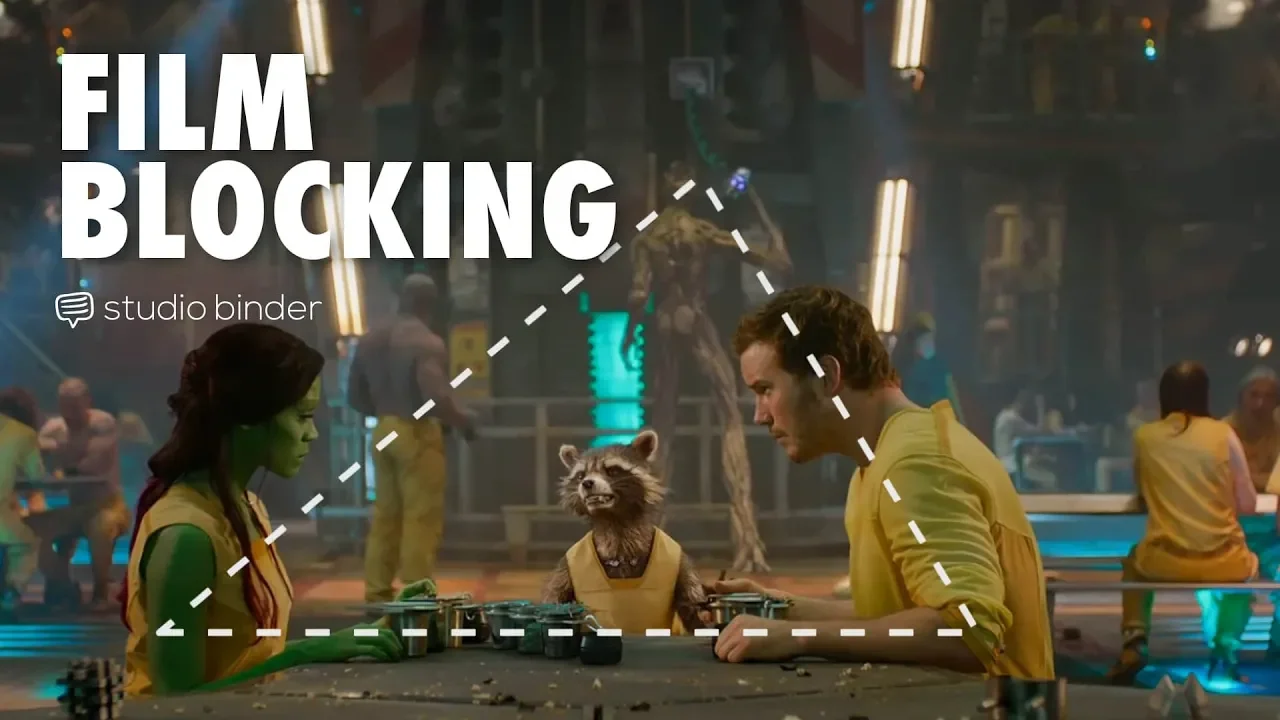
Film Blocking Techniques for Directors: Space, Shapes, Lines
@StudioBinder
1.9M views•2018-07-23

4:00
Evolution of Darth Vader: Anakin Skywalker's Animated Journey Across Star Wars Films
@TellItAnimated
13.4M views•2019-03-30
Related Study Plans & Knowledge Roadmaps
Structured learning paths in Film Analysis
film-analysis
Sensory Cinema: Foley, Haptic Sound & Texture
01Introduction to Film Sound and Foley Artistry
02Micro-Sounds, Textures, and Extreme Amplification
03Haptic Audition and Film Phenomenology
+ 1 more learning modules
12h4 modules
Explore Roadmap
film-analysis
Breaking the Fourth Wall: Mockumentary & Satire
01The Invisible Wall: Basics of Cinematic Illusion
02Looking at the Lens: Direct Address & Character Glances
03The Mockumentary: Satire, Realism, and Complicity
+ 2 more learning modules
12h5 modules
Explore Roadmap
film-analysis
Analyzing the Long Take: Cinema, Space & Ethics
01Foundations of Film Grammar: Montage vs. The Long Take
02Choreography and Mechanics of the Simulated One-Shot
03Phenomenology of Film: Real-Time Spatial Continuity
+ 1 more learning modules
14h4 modules
Explore Roadmap
film-analysis
Anachronistic Music: Period Drama & Subversion
01Foundations of Film Sound and the 'Needle Drop'
02Traditional Authenticity vs. Revisionist History
03The Rise of the Anachronistic Soundtrack
+ 2 more learning modules
12h5 modules
Explore Roadmap