








![4 easy steps to construct a paragraph of argument in your academic essay *with examples* [PEEL]](https://i.ytimg.com/vi_webp/gz3oXEiDmiA/maxresdefault.webp)








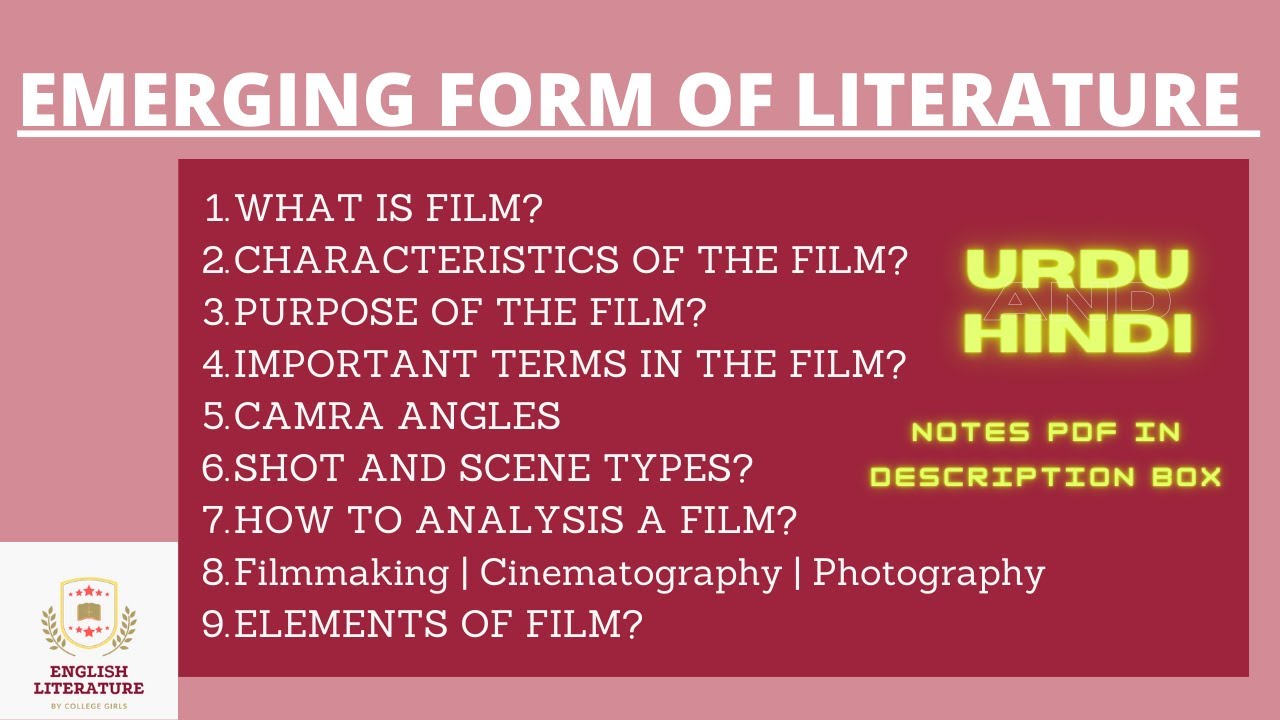
This revision video provides comprehensive guidance for GCSE Film Studies Paper Two, covering three key question types: Question One (global English language films) focuses on narrative techniques including narrative climax, foreshadowing, in media res, and unreliable narrator; Question Two (global non-English language films) emphasizes representation themes such as ethnicity, culture, gender, and age; Question Three (contemporary UK films) examines aesthetics, costume, and mise-en-scène. The video explains stepped question structures, key terminology like 'explore' and 'identify,' and provides specific film examples including District 9, Jojo Rabbit, Slumdog Millionaire, The Wave, and Skyfall to help students understand how to analyze film form and create meaning in their exam responses.
GCSE Film Studies Paper Two Revision Guide 2025
Added:Hi everyone and welcome back to Far and Film and today I am bringing you the paper two revision video for this year's GCSE film studies exams. Uh so as I sit and record this to you, we are on Sunday the 11th of May says as he checks the date. Um probably the hottest year day of the year so far. It's extremely warm outside. So hope you're all enjoying the sun. Uh if not revising, but maybe give yourself a little bit of a break. Um so as we we record this, as I'm talking to you today, we're about a week away from paper two. Um, and I've purposely left this one late, not to sort of give you too much to sort of revise from and all that kind of stuff, but I wanted to take into account what had happened on paper one um, as well as just everything that's gone on paper twos in the past to sort of really look at what might come up this year, what sort of things, what sort of gaps are missing. Um, and again, like I sort of said this on the paper one video that this isn't me trying to make a prediction and sort of saying to you that if I'm predicting this, this is exactly what is going to come on the exam because I'd never want to do that.
Um, but I think there are certain things that we can rule out, especially if they came up on paper one. So, let's have a look at question one. So, question one, this is your global English language film. Now, paper two works a little bit differently to paper one in that you get three films. Um, similar similar to paper one in that respect. Um but the the sort of one two and three there's no comparison question there's no specialist writing it's purely about the films and the key areas that you are asked to look at for these films. So for this one your global English language film you asked to look um at this film in terms of narrative. Now, in the past, you've had things like main characters come up, settings, themes, and issues, different characters, and then over the past three years, they've really lent into the idea of narrative techniques, narrative structures, and things that your teachers and yourselves should really know and should, you know, should sort of go through in terms of narrative techniques. So in 2022 uh the the question was asking about plot and what it was that you understood about the plot uh what the term the plot meant um and then for you to talk about a turning point in the plot. 2023 was all to do with an important sequence in the film and then last year's 2024 was a big talking point about narrative climax and ultimately what a narrative climax means. It's not necessarily that it's the end of the film, but actually that it's sort of the beginning of the falling action towards the end of the film where most the most important things begin to happen, where most of these threads into the story begin to get resolved. Now, some things that haven't come up, and this is just to sort of sweep through the specification on this one, uh, is narrative structure.
or something to a question to do with the the actual sort of physical structure of the film um and the way that sort of the story has been told and then narrative techniques. So specifically thinking about what different techniques are used now I've used narrative techniques as a bit of an umbrella term because as I'm going to take you through in a second um the the sort of different narrative techniques that could come up are things like ellipsis and for shadowing and you know you could even go as far as saying something like check off gun. Now, that's not necessarily true of all of the films that are on offer here. So, I think maybe a more ambiguous question on narrative techniques is unlikely as opposed to one specifically asking you to talk about foreshadowing, for example. Uh, so the five films that are on offer here are District 9, a film which I've taught in the past, a film which I know very, very well. Uh, Jojo Rabbit, my current choice of film that I teach for this question. uh the Babadok Slum Dog Millionaire, which is the film that my current year 11s um studied last year. So, it's a film that I'm sort of keeping my eye into as well. Um and then The Bread Winner. So, I'm going to take you through uh last year's questions like I did on paper in the paper one video, give you some pointers on how to approach it and how to answer it and then start thinking about where it's going to come up this year or what it is that's going to come up this year. So, looking at the question from last year, so this is the narrative climax question that I mentioned before. So what do you understand by the term narrative climax for two marks? Briefly describe a narrative climax in the film that you have studied for three. And then your 15 marker, how does editing and one other aspect of film form create meaning during a narrative climax in the film that you have studied? Now the narrative climax question again was more to do with people students being able to dictate or say or understand I suppose where it was that the the climax of their narrative was or what they assumed or knew about a specific narrative climax in their film. So if I'm thinking about for example Jojo Rabbit uh my students we spoke about um the idea of the narrative climax being when he finds um Rosie hung in the town square. Now, I wouldn't say that's the only one that you could mention. You could mention the start of the war towards the end of the film, but fundamentally it's not just a case of you saying the end of a film. If you were thinking about Slugg, it might be when he gets the the question right.
Um, it might be when he sort of finally gets the question right. Uh, if you're thinking about District 9, it might be when Vicas creates that that makes that sort of almighty sacrifice. um which again isn't actually it's it's towards the end of the film but it's not the end of the film which is the sort of discrepancy and and the thing that they're trying to get across. So as it is always with these questions these are stepped questions and this is why this specification uh the educ specification uh works well for a lot of students and works well for a lot of teachers because the idea of the stepped questions is that they are sort of easing you into what it is that you need to do in your 15 marker. So asking you what you understand by the term narrative climax, then asking you to briefly describe it. And again, specificity is key. So if you're talking about your narrative climax, think about how you can best describe that so the examiner knows where in the film you are talking about and what a specific scene it is that you're talking about. Um so again if if this was a narrative technique question for this year's if it said um identify a narrative technique be specific about which narrative technique and then where that narrative narrative technique is as well. Um and again 1 A and 1 B must always link together unless it says directly otherwise. So don't answer something in 1 A and then change your mind and start talking about something else in 1B because that's not going to sort of uh give you the marks for this. And then when we look at question C, so this this question last year threw a little bit of a spanner in the works in terms of the structure that I've been advising guys who watch the channel and my own students to do. Um, but I did sort of look at with my own students last year a sort of caveat to this and a sort of way around it. Um, so how does narrative uh, sorry, how does narrative how does editing and one other aspect of film form create meaning during a narrative climax? Now, because I usually say or I do say that whether it's a 15 marker, you need to split it into three. This question dictates that you are only really going to need to talk about two things. You're going to need to talk about editing and one other aspect. Now, this isn't me saying, and you should never do this, that if it says one other, you can talk about two. Don't, okay? Because this has come up so many times on the exam where it might say editing and one other and I've had students do editing and cinematography and then the final paragraph start talking about sound. At that point examiners stop marking because you've not adeared to the sort of focus of the question. It needs to just be one other.
So the way around this that sort of figured out is this. So you would do in your first paragraph you would do editing which the question has told you to do. You would then do sound and then in your third one very simply you would discuss the combination of the two. Now that paragraph two where I've put sound, it doesn't have to be sound. It's any other aspect of film form. So it can be cinematography, it can be misen, but that third paragraph where it's saying about discussing the combination of them both. This is thinking about the audience response, the sort of meaning that is created by the combination of these two elements and what the audience gets from that. So, what I've done, and usually I I tend to only try and give you the first paragraph on this one, but I've purposely sort of done paragraph three to try and explain my thinking on this one. So, in paragraph one, you would talk about editing. So, you' pick a technique of editing. You would say when it's best seen, say how it's important, say what meaning it creates to the audience, and then how that links to the genre, the context. And then you do the same thing for your next uh piece of film form, which in this case is sound. when you come to paragraph three.
So the combination so the third point I will discuss is the combination of sound and editing. This is best seen specifically when Jamal is waiting for Latika to answer the phone. This is Sund Dog Millionaire by the way. Uh this is important because the cross cutting used is complemented by the dramatic non-diioetic sound which creates a tense atmosphere in the scene. So what I've done there is I've taken the editing technique of cross cutting and the dramatic non-diioetic sound and said actually how these two are married together to create a a sort of enhanced or emphasized meaning in this sequence.
As the audience we empathize further with Jamal due to the tension and joining his euphoria when the scene climaxes. This links to the context as it provides a commentary on how people persevere in the face of adversity which is one of the key themes throughout the film. So what I've done there is imagine this is a full response. I've spoken about editing. I've spoken about sound and then I've spoken about both of them together and more importantly how they create meaning that tense atmosphere in the narrative climax. And I've purposely put in there in the audience section when the scene climaxes. So, I'm always thinking back to what it is that the question is asking me to do, which is really, really important. It's really important for you to make sure that you are going back and mentioning what it is that the question is is looking for.
So, just a couple of things to go through. Um, now I'm not sort of going to go hugely in depth as to how to break things down and all that kind of stuff.
Like theme and issue is very film specific. It's very context driven. So if a theme and issue question comes up, it's asking you to think about a key theme or an issue in your chosen film.
And the key theme or issue for Slum Dog or one of them is very different to the key theme or issue in George or Rabbit.
So again, it depends on where it is that you want to come up with. Now the one thing that I have done and you'll see at the bottom of the screen is I've focused purely on narrative techniques. So if you were to get a question on film form first of all and you're splitting it into your 15 mark you're splitting it into three your three paragraphs remember that film form is four areas cinematography mison onen editing and sound okay so my favorite three of those three would be cinematography misen and editing but it might sorry sound but it might be that editing um is really prevalent to sort of building the tension in a scene so at that point you might talk about editing when it mentions a key sequence and I'm going to come back to this in a little bit when it comes to the glossery. It's about picking a specific scene, but I'll mention that later. So, narrative techniques. Now, I'm going to focus on narrative techniques on the next slide because it's a question that's not come up yet. I'm wondering if it is going to come up. Possibly not as ambiguous or as sort of broad as I'm going to suggest.
Um, but I do think it's something that might come up.
So, so in terms of trying to address every single film. Now, when it comes to narrative specific questions, the focus needs to be on how the story is told.
That is the whole idea of narrative. How the story is told. Is it a specific character that we see it through the the eyes of? So, like with Jojo Rabbits, a childlike point of view, is it told in a very specific way? And I'm just going to sort of allude to these in a second. Um, now techniques. When it talks about narrative techniques, these can include things like flashbacks. A flashback is a narrative technique. So if you were to get a question saying, "Identify one narrative technique used in your film and your film uses a flashback," you can write flashback and you can say specifically where the flashback comes from. You can talk about foreshadowing, the idea of has something been put in the narrative really early on that we know is going to have a sort of payoff later in the film or that we're going to come back to or maybe even is a reoccurring motif that comes through.
Binary oppositions, this idea of things like good versus evil, rich versus poor.
That one's quite good for Slugg Millionaire. Framing devices. How is it that we see a certain thing? How is it that we're positioned to feel a certain way to do with the narrative? Now, I'm going to take you through some that I'd written down for each film that's on offer here. Um, in the idea that hopefully this might give you a sort of an idea, a sort of starting point. So, anyone studying District 9 in terms of the narrative techniques, there's that reported style of film making, which at the beginning of the film, District 9 was around was made around about the time where there was a bit of a boom in the found footage genre, if you can call it the genre, the use of the technique.
And it looks like it's a documentary. It looks like uh because we see Vicas from a handheld camera and he's talking directly to the camera and he's addressing the audience or he's addressing somebody and he's discussing what's sort of going on in South Africa at the time. And then we see little clips of things like CCTV footage, news footage, all that kind of stuff. this stops. This sort of idea of this footage stops when Vicas becomes infected and it sort of takes us away from the idea of the found footage aspect of the film and more into sort of Vicas's story. Now, this relates to something that's called in media res. Now, what in media res means is that it starts us off in the narrative in the middle of the action with so much that's possibly already gone on and gets us up to speed quite quickly. Now, District 9 does this because it's not a case of we follow Vicas around and he's doing his normal normal day to job dayto-day job and an alien ship lands above Johannesburg and then we go from there and we find stuff out with Vicas. We're put into into the narrative of District 9 with the fact that the aliens have already been there for so many years and nobody really knows why they're there, but we're in the midst of them being evicted and rehoused to District 9.
in the same way that Jojo Rabbit does this. Jojo Rabbit puts us not at the start of World War II, but actually towards the end of World War II. And it relies on our knowledge, our pre-existing knowledge of what's already going on at that point. So, in media res is a really important thing, especially when it comes to films like a District 9, like a Jojo Rabbit, where there's a bigger thing at play. There's a bigger sort of background narrative, if you will, that's going on. And it's not it's almost assumed that we know a little bit, especially if it's a real life thing like Jojo Rabbit, but actually um it gets us up to speed with the way that the story is told with District 9. It's nonlinear District 9. It d it goes straight into the action with the idea with in Media Res. Again, uh District 9 works as a nonlinear piece because at the beginning of the film, people start talking about Vicas in a past tense.
They start talking about, "Oh, I knew Vicas. You know, Vicas was this. Vicas was this." And then we meet Vicas. So obviously at that point we know that something we assume that something's going to happen and that we're going to go backwards again. Um and that we're going to find out what's sort of gone gone on about with Vicas. Uh when it comes to Jojo Rabbit, um the idea of an unreliable narrator. So we see everything pretty much from Jojo's point of view. There's very very few things that we see away from Jojo's point of view. I'm thinking there of the the conversation that Rosie and Elsa have in the attic together that Jojo isn't aware of. But because we see everything through Jojo's point of view, we see it through the eyes of a quote unquote brainwashed member of the Young Vulk who idolizes Hitler, who idolizes um you know the Third Reich and Nazism and all that kind of stuff. Um, so at that point we're seeing certain things in the narrative through I would argue more curiosity than anything else. But that creates a sort of unre unreliable narration because we can't fully believe everything that it is that we are seeing. Um, and the idea of check off gun is one that I love. One of my favorites narrative techniques. The idea of you're going to show us something and if you show us something, it's going to mean something. So we're going to come back to it later. So this idea of um Rose's shoes and the shoelaces, one of the sort of biggest emotional gut punch payoffs um in that film are actually the most emotional uh is the idea of the check gun used in Georgia Rabbit. When it comes to Slugg Millionaire, lots of nonlinear narrative, lots of flashbacks.
They use the game show as a framing device. And what we mean by that is it uses Jamal working his way through the 15 questions, working his way through the Who Wants to be a Millionaire format, which again at that point is familiar to the audience. Um, to sort of flash back and to show you his memories and to show you things that have gone on in his past and show you events that are happening and that are unfolding. And again with that, there's a little bit of a shadowing in there as well. So, if you were to get the question of uh identify a narrative technique that's used in your film, the idea of the game show as a framing device is a really interesting one for you to talk about because it it plays off the need to succeed. It plays off doubt. It plays off him being unsure about certain things and we begin to learn more about him as he progresses through this game show. Um, if you look at something like the Babaduck, it's an allegory for mental health. Um, again, you have that unreliable narrator, but with this one, it's more to do with um her mental health struggles. Um, and obviously the Babaduk being a literal sort of black shadow and a black sort of creature that's just lurking around. Um, very similar to sort of what Marvel did recently in Thunderbolts with Sentry.
Um, so that's quite an interesting one to look at. And then with the breadwinner, there's a lot of parallel narratives that are going on there. Um, so hopefully that's that's been enough to get you to think about what I mean by narrative techniques and what the exam board might mean by narrative techniques uh for if it comes up in this question and thinking about the narrative techniques that are going to be featured or are featured in the film that you've studied. Uh so we move on to question two. Now I've not mentioned previously up to now anything to do with paper one.
Um, and that's purely because my my eyes are pointing to that idea of some question related to narrative techniques coming up for question one. Um, and nothing of the sort came up on paper one. So that's sort of not been able to sort of um it's it's not allowed me to sort of you know move away from that and sort of say oh don't worry about it. Whereas there's something in this question specifically which I am going to lean on paper one um for in just a second. So this is question two. This is your global non-English language film. Uh, one thing to note as well going back to question one is that last year's question didn't have a five marker. And that's because two of the films on paper two will have a five mark question in addition to that one and four, two and three and 15 mark questions. Um, so it's just the way that the paper gets balanced. We as teachers don't know which one's going to not have the five marker. Um, so one of them is always going to be shorter than the others. We just don't know which one it's going to be. Um, so films that are on offer here.
So, Sotsy, which I've taught previously, The Farewell, The Wave, which is a film that I'm currently teaching, Girlhood, and Wajda. Now, in the past, the the as we know the focus on this is always representation. So, in the past, the things that have come up are ethnicity and culture, gender, people and places, which is very similar to sort of ethnic, ethnicity and culture, age, props and costumes, and misen female characters and young people. Now, there are two things that haven't come up at all in the exam, and I mentioned this on the video last year, and that's disability and sexuality. And I think the reason why they haven't come up, and the reason why they're probably not going to come up, is because, for example, just purely thinking about the wave right now, I think I would I would struggle writing an answer about a character with a disability for the wave because in my mind right now, there isn't one that comes up. So, it would be unfair to include that as a topic for the question if it's not a a thing for all all five films. In the same way about sexuality, like I could I could go all metaphorical and talk about how actually the absence of sexuality maybe tells me a little bit about the the sort of narrative and the theme and the setting and all that kind of stuff. But again, because it's not prominent in all five films, I doubt it's going to be something that gets asked about. Um, so there is something that I'm I'm I'm sort of hurrying towards as to as to possibly coming up, but we'll get to that in a second. Uh, so this is the question from last year.
So name one young female character in the film that you've studied. Briefly describe this character's behavior when they first appear in the film. This is the five marker now. So briefly explain how cinematography is used to introduce this character in the film and then we'll move on to the 15 in just a second. So this is the this is the sort of the stepped idea again. But with the addition of this now 2C, uh it's the it's the idea that your answer has to flow between 2 A, 2 B, and 2 C. Um so the the female character that you've mentioned in 2 A needs to be the female character that you still continue to discuss in 2B and then needs to be the female character that you then still discuss in 2C. So this is why, and you're going to hear it to death, and you probably already have heard it to death. This is why teachers tell you to read the questions first because it might be that you rush into this question and you write down a female character and then when you get to B, you struggle a little bit to talk about their behavior and then when you get to C and you're thinking about how cinematographers used to introduce them, you struggle even more. when actually what you could probably do is just take a step back from when you first read that that question and think right I'm going to think about a character who is going to be really good for me to talk about in terms of the behavior and in terms of how they are introduced in this film um just off the top of my head for this one for the wave Carol I think is the best one to do um Wodger obviously you've got Wodger Sootsy I would Miriam again but like I think to be fair quite a lot of these um the these films are are very male orientated. Obviously like girlhood isn't. Um but I think it's it's it was an interesting question. Anyway, um so when we look at the 15 marker, so discuss how young people are influenced by the society and culture in which they live in the film that you have studied.
Now this was very interesting this question because again it's it's splitting the 15 markers into three.
It's giving a paragraph on each. I would either go down the route of discussing how characters are influenced or how different aspects of society can influence. So thinking about things like peer pressure, thinking about it's this idea of nature versus nurture that ultimately with a lot of the people in the wave for example with the with the students in the wave they're brought up in a society where they even mention it in the film where like they talk about Nazi Germany um and one of them says like oh we get it you know the Holocaust was a bad thing but do we really have to learn about it again? And it's like you can imagine for for children in Germany of a certain time that they were probably learning about that all the time. Um so again it's how they're influenced by that how they're influenced by that sort of society and then the people around them. Uh so when it comes to this question when it comes to the global non non-English language film question the best thing to do here is anchor your response with contexts and address the element of the question. So find three contextual pieces of learning from your film. Keep them in mind for whatever comes up for the 15 marker. So for example, the nondiioetic quato music of Sootsi can signify the ethnicity and the culture of the film obviously because it's non-diioetic quato music. It can reflect the age of the gang because they're young and that's what we expect people to listen to and it's a piece of film form um and can be considered a motif of the people and the places. So that one idea of the nondiioetic quato music in SI tells us about the ethnicity and culture reflects the age of the gang. It's a piece of film form if you were to get a question about film form.
And if you would get a question on people and places, it's a motif of the people in the places. If I'm thinking about the wave, for example, like with the wave, you can talk about um how like school could be linking to um ethnicity and culture. So the way that they sort of run the school, the way that the sort of school uh day and the structure of the classrooms and this idea of project week is run. Um, you can think about the idea of uniforms reflecting the uniformity of what it is that Wenger is trying to get across and what it is that he's trying to do. Uh, uniforms at that point are a piece of film form. They're a piece of misen.
They're a motif of everything that came before it. They're an allegory for the soldiers uniforms in in in Nazi Germany.
So it's it's trying to think of specific things or one specific thing that you can link back to a number of different areas. So again just to go back to that example from SI that non-diagetic quato music can link to the ethnicity and culture. It can link to the age of the gang. It can link to film form. So if you were to get a question on representation of ethn e ethnicity and culture you can still talk about it.
If you were to get a question on how on on the representation of age, you can still answer it. A question on film form, you can still answer it using that. Same way with the wave and the uniforms that can still be used for ethnicity and culture, it can still be used to reflect the the the representation of age. It can be used to reflect um the film farm because it's a costume. Interestingly, actually thinking about that, if you were to get a gender question, which I don't think you will get because of what came up on paper one, and I'm going to come to that in a second, you could still talk about it a gender because it's the idea that actually the construct of gender at that point you could argue is almost done away with because everybody's wearing the same thing. That's quite interesting. Um, but again, that might be something for another time. So ethnicity and culture has appeared regularly and recently in various forms.
Uh themes and issues are always important to keep in mind because themes and issues previously has been something that's thrown students of mine where they'll get a question about themes and issues and they'll think well what does that really mean? Um so in the same way that I did for question one I'm going to try and break this down for you film by film. Um, so if you were to get a question on themes and issues for girlhood, it's things like the identity, female empowerment, and the social inequality and race. Now, if for example, that question comes up and it says, "Discuss a key theme or issue in your chosen film that I I sort of paused there because I was thinking about when it last came up in the exam." And in 2023, this was the question because it was linking it was how an element of misan sen links to themes or issues in your chosen film. Um, and ultimately that's a it's a solid representation question because ultimately what the film is trying to do is it's trying to represent a theme or an issue. So in girlhood you could split your 15 marker into three.
So you could look at identity, you could look at female empowerment, you could look at social inequality or race. In the farewell, family and tradition, a culture clash and morals in the wave, group identity. So the idea that they feel as as part of one key group, fascism or author authority, I'm going to I'm telling you a word. I can't even say it.
Authorit. It's on the It's on the screen. You can read it.
Authoritarianism. There you go. Winner, right? Um an abuse of power. So ultimately Wenger is abuse of power in that, you know, there's there's arguments about whether or not he actually knows what he's doing or what he's really sort of purposely trying to abuse his power, but ultimately it is an abuse of power in what he ends up doing.
The group identity of the uniform and them all coming together for the same cause and all that kind of stuff. And then the fascism and the other word um is is the sort of big allegory and the throwback to World War II and Nazism for SI redemption. So Si is trying to prove something. poverty. He lives in poverty.
A lot of the township live in poverty.
And it's very much post-apartid. It's that idea of yes, we've sort of moved on from this horrific apartheid, but actually there's still elements of society being affected by post-apartid with things like the class divide and stuff. Uh and then Wajda, it's to do with gender roles, it's to do with tradition, and it's to do with good old fashioned rebellion. Um from those two things above, so the gender roles and the tradition. So again, this is a case of getting a 15 marker, splitting it into three. If it is a themes and issue question, you could use these for the film that you've studied. Um, but to talk about paper one for a second. So the paper one factor. Now, this is purposely why I've waited. Um, because I think in previous years what I've done is I've done the paper one question, the paper one video and the paper two video sort of side by side um, and released them very sort of close. But what I wanted to do purposely was wait for paper one to happen on Friday because what I'm finding is across both papers it's quite rare if never that a question topic carries over from paper one into paper two. Um so paper one gender was featured in the comparative analysis question. So the question were if you were answering on Rebel and Ferris or if you're answering on singing the rain in Greece or Dracula and Lost Boys um gender was the question and gender featured in this question last year. So part of me and my brain is already stopping me from saying this out loud but I'm going to say it with the huge caveat of but you never know. Part of me is want is wanting to sort of say maybe don't focus on gender.
Keep an eye out on age. Now, age is a weird one because obviously age hasn't been explicitly mentioned since 2022, but last year that first question was specifically about young people. Could it be that this year is about older people and the age thing comes up again? Um, and ethnicity and culture. So, that idea of people and places and and again themes and issues related to how it is that we're trying to get across. Like if you're if you're studying the wave, the ethnicity and culture that you're trying to get across here is that German ethnicity and culture that links to World War II.
Okay? It's all about writing your question and tweaking it to this to to writing your answer and then tweaking it to the question. Um, so if I was if I was a betting man, which I'm not, and again, don't take this as word at all, but part of me thinks that gender is less likely to come up than age and or ethnicity and culture. Uh, purely because gender was featured in the question last year and it was the comparative analysis question on paper one this year. So, I think in terms of an area for you to look at for representation, I'd maybe move that to one side and focus more on revision of age and ethnicity and culture. Um, in that in that sense. Uh, and finally, question three, contemporary UK film. So, Skyfall, Attack the Block, Rocks, Blinded by the Light and Submarine. Now, this question is very, very similar every year. And last year they kind of threw a little bit of a curveball in and I'm going to discuss that in a second. Um, but essentially because this question is about aesthetics, it's asking you to consider the look or the mood of the film, the style of the film, the atmosphere that's created, the sort of visual motifs that are used, the colors that are used, the lighting that's used, the cinematography, misonen, all that kind of stuff all added together. So 2019 and 2020 both mentioned the look or the mood. 2021 was was specifically about color and lighting. 2022 went back to the look or the mood, but talking about locations and settings first. 2023 was about genre conventions, which I can't imagine are going to come up again for this question because again, paper one had genre conventions on it this time. Um, look or style again is to do with very similar to look or mood. And then last year was costume and misen.
Now the question last year which I want to take you through in a second again through a couple of people but I had one student come out of it and sort of said oh no I figured out a way to do it and I want to sort of disclose that with you in a sec. So this is the question last year for this uh for question three. So identify one example of costume using the film that you've studied. Briefly describe the costume. Explore how the costume creates meaning in one key sequence from the film that you have studied. Okay. So looking specifically at three um 3 A, B and C. So again, these are stepped questions. So the answer that you give in 3 A needs to be the same thing that you're talking about in 3B. So 3A, identify one example of costume used in the film that you've studied. And then three, briefly describe the costume. You need to still be talking about the same costume. That sounds really obvious and it sounds patronizing, but it can trip students up. students do tend to try and talk about something else but unfortunately you'll get that wrong if you do that. Um 3C explore how costume creates meaning in one key sequence from the film that you've studied. Now this is another place where students get tripped up. So imagine you're in the exam and you're sat there and you're getting towards the end and this is question three and question three is always the question that people look on paper looks like you struggle on but actually I think it's more to do with the time thing. I think you spent too much time on one and too much time on two. And then when you've got down to three, you've read this and you've gone identify one example of costume. Right, I'm doing Skyfall, so I'm going to write James Bond suit.
Right. Briefly describe the costume.
Right. So his suit is um black in one scene and then it's it's navy blue in another scene. Um yeah, right. That's fine. That's not fine because you've not addressed it fully and you've not got four marks that response. You need to be thinking about the connotations of his costume. Tells us, you know, is he wealthy? Is he professional? What does he do for his job? All this kind of stuff. Then they get to see and they read, "Explore how costume creates meaning in one key sequence." All right.
Okay. Right. So, I'm talking about James Bond suit. So, what I'm going to do is I'm going to talk about that scene where he wears the suit at the beginning of the film and he gets shot. Right. But yeah, that's five marks. All right.
It'll just it'll have to do. Now, slow down. Have a breather. 3C. Explore how costume creates meaning in one key sequence.
doesn't say explore how this costume and this is something that trips people up all the time. So 3 A identify one example suits. 3B describe this costume.
Suits in the film are featured blah blah blah blah blah blah blah. C. Explore how costume generally the concept of costume creates meaning in one key sequence from the film that you have studied. If I was doing this question, I talk about the suits in Silver's lur where he meets James Bond for the first time and that idea of the juxtaposing color tones that they have in that James Bond is wearing a dark colored suit which contradicts the idea that he is the hero because typically we would expect heroes to wear lighter tones against Silver who is wearing a lighter costume which again contradicts the idea that he is the antagonist because we would expect him to be wearing darker tones.
I'm not talking about the same thing that I've talked about in 3A and 3B. In 3A and 3B, I could have spoke about Severin's dress. I could have spoke about Arthur King Cade, the the caretaker's flat cap if I wanted to. But then when I get to see, I can talk about suits. I'm not talking about the same thing. But that trips people up because because it says explore how costume I think straight away when people read that in a rush they think oh I need to keep talking about the same thing. You don't. It's talking about the thing generally. Okay. So remember remember remember to read the question carefully.
Okay. So you're not tripping yourself up. You're not ending up repeating yourself.
Okay. Let's look at 3D then. So 3D is explore how misison send helps create the overall look of the film that you have studied.
Now split the 50 marks into three paragraph on each similar to the last question three elements made to fit the question. I had a student last year who like naturally my whole class went into the paper two um and they came out and they said to me question three was about me question the 15 marker was about misen and I thought how how is that how is that possible how have they sort of managed that and then it wasn't until I saw the paper that I saw this where it says explore how misan helps create the overall look of the film and one student told me what I'd done Now, this is purely because the way that I teach Skyfall is I say to students that the three main things that create the look or the mood of Skyfall, the things that you're going to remember are the color blue, the color orange, and Bond RM in the center of the frame. Um, so you talk about the color blue and how it's to Bond's dislike and it represents new technology and it's cold. Um, and you can see it in Shanghai. You would talk about orange um how it represents Bond's preference and it's warm and it's homely and it's old school espionage and you can talk about the Macau casino sequence. You talk about a bond or being in the center of the frame because they provide security. It's their job to provide security but they also provide security to the audience and it makes us feel safe and we know that we are safe when we see them in the center of the screen um in the film. Okay. Now what this student had done very cleverly so credit to him is he came out and he said well no what I did is I still did blue orange and bond and m in the center of the frame but what I did is I spoke about how blue was Shanghai. So I said the setting of Shanghai helps create the overall look of the mood because of its blue color palette. I said the setting of Macau the casino again because of its orange color palette helps create the overall mood and then the body language and the performance of Bond and M always being in the center of the frame. So what he'd done is he'd taken all the stuff that I'd sort of said to him, go in and said to the class, go in and use that and he'd tweaked it in a way that he managed to apply me on to it which really demonstrated a higher level of understanding and knowledge and he got a grade eight in the end. Um and he thoroughly thoroughly deserved it and I'm glad that he did. Um but it it was just it was his ability to think on his feet cuz even I when he was telling me about the question was flux just as to think is how he managed it and then he told me and I was like you know what clearly you're doing something right kid. Um so that's sort of that question.
Now when it comes to this question and again I've kind of just said that there uh so similar to question two the key here is to understand and decide three ways of which the style the look or the style of your chosen film has been achieved. So the way that I say it's similar to question two is that with question two you need to think of and you need to try and find those three ways. And again it's always three because it's the 15 marker and I'm just thinking about formatting here at this point. You're thinking about the three ways in which for question two, the contexts create the narrative of your story, how that's represented, what it is that the film is trying to talk about through the things that it's doing. With question three, this is to do with how the look or the style of your film has been created. So Skyfall has that idea of the blue and the orange and the center framing. The misan send focus meant that students had to think about how to link it but were able to using things like settings, body language and all that kind of stuff. Now again if I was a betting man I wouldn't expect Mison to come up on this one because it came up on uh last year's um if you if you think back to paper one as well uh props was mentioned. So again maybe Mison 10 isn't going to come up on paper two at all. So again mentioning this so as there wasn't an explicit question on cinematography but we did have genre and mison sen come up I think making sure that you're familiar with key uses of cinematography in your film might be worthwhile and again all this is is speculation on my part. I've not seen the paper. I won't see the paper until after you guys see the paper. Um I always see it afterwards. um it sort of as students are coming out and trying to remember specific question wording and I'm asking them about it, I tend to then get given a paper afterwards. Um and I think because genre conventions came up which has come up for this question in the past on paper one and because mison sen came up in paper one specifically about the props in that first film. I think we can rule out Misonen for this question and I think the idea of being familiar with key uses of cinematography is really useful. So having an idea of a key camera shot in the back of your mind from your film, a key angle from your c from your film, an element of lighting, an element of color, an element of you know aesthetics generally. Um, which then again for me thinks about for my class who've done Skyfall that the idea of the 15 marker being the blue, the orange, and the bond and the em center of the frame could be quite straightforward to talk about, especially if it's more to do with the cinematography angle. But again, this is just pure speculation on my part. So, when it comes to the paragraph structure, nothing different here um than what I spoke about for paper one.
Um only thing is that you're adding an extra paragraph really. Um so going down saying first point I will discuss is this is best seen when that's making sure that you're always mentioning key sequence. This is important because so why is it important? Why are you talking about it as the audience? We what meaning does that create? So you've said that you're going to talk about something. You've said the scene that where it appears in you've you've said why it's important but then what meaning does it create for the audience? What how are we supposed to feel? How are we supposed to think about it? And then ultimately, how does it link to the genre of the context? Like for me, that's the bit that really shows that sort of top band, top level of understanding that if you're able to sort of go, the reason why this thing is used is because it links to the genre or because it links to the things that were going on around why the film was made, just shows your understanding more than anything else. Um, so and then you you'd copy this three times. Okay? So you'd use that same format three times. Um, and then that's your 15 marks. actually sort of three markers for your 15 mark response. So, as I did on the paper one question, last few slides are very very similar to the paper one um where I'm just going to take you through a sort of terminology glossery um things that you might need to sort of come up with um or remember. So, comparison, you won't need it on paper two, but it's to it's to do with similarities and differences. If you're asked to describe something, it's asking you to state the points um and give characteristics and main features of a certain thing. If you're asked to explore, which is usually something that comes up on the 15 markers, you need to examine it in detail. You need to show meaning and identify elements and the relationship between them. So, if you're asked to explore, talk about cinematography, say what it means, talk about sound, say what it means, and then talk about them together and say what they mean together. identifying, you're naming, you're selecting, you're recognizing, you're picking one thing, and unless it states otherwise, and you are just basically saying this is what it is. Okay, this is what it is. Um, Faren's OCD is going into overdrive because I've just realized slide 23 of 31, 44 minutes into my recording that it says paper one revision on the screen and not paper two. I'm currently kicking myself, so I apologize to you all for that. That's something that I'll be thinking about all day. Um, and then outline. Set out the main points. Okay, so outline, you're sort of talking about everything at that point. Key sequence.
This is the thing that I keep trying to get across to my students that the idea of a key sequence is all that they're asking you to do there when they say mention a key sequence is talk about a scene from the film. And what they're assessing is your ability to state that that scene is key to the thing that you are talking about. So if you're talking about for example um the naivity of Jojo Rabbit in Jojo Rabbit and you say this is evident this is seen in the scene where Elsa and Rosie are talking while Jojo's sleeping.
It's not a key scene because how how are we supposed to see his naivity? You know how are we supposed to get that across?
So this is the exam board assessing the fact that you know the film and that the key sequence that you're talking about is key. Uh and then theme or issue and mention this a lot when it comes to question two. So how these are used to communicate important ideas and messages about the issues that the characters face and the setting of the narrative.
Everything that happens within a story should reference back to a theme or an issue. Um and then when it says your chosen film, ignore the ones for paper one, your paper two ones. So, for my class, specifically for my year 11s, uh this would be Slum Dog Millionaire, The Wave, and Skyfall. Um for my old Oasis kids, this would be Jojo Rabbit, Sy, and Skyfall. Make sure that you are fully aware of the film as it is that you're looking at. Um I have a current student, won't name any names, but he knows who he is if he's watching this who decided to watch Skyfall the night before Paper One. Um and then came in and said, "Oh, what do you mean? It's not that one." Um but yeah, hopefully you'll do fine. Uh so some key revision tasks. Now again, I flag something up like this um for the paper one. It's just worthwhile, you knowing the characters, okay? Linking the characters to the names, especially when it comes to something like The Wave. Um I don't know if anyone else teaches this who's watching it, but um The Wave is the one film that I have a lot of students struggling to remember names of certain characters. Um, so I've had to sort of do them a bit of a cheat sheet of like, you know, this is that character, this is the picture who really are, but linking across your film form and linking across your focus just to get that all all down on paper. Um, and then the taskmaster revision stuff.
Um, again, if you want to sort of um, have a look through and sort of gify your revision, there's just a lot of different tasks here. By all means, pause because I'm I'm going to skip through these fairly quickly. Um just to wrap this one up and get everyone ready for paper two.
Um yeah, there you go. Okay, so Monday the 19th of May, paper two. Um paper one was a lovely paper. I hope you all agree. Uh so thank you to the exam board for that and hopefully paper two is going to be equally as lovely. Um good luck to everybody. Good luck to everyone who's watching. Um, it's been an absolute delight and a pleasure to see everyone commenting. Um, that little group that decided to sort of comment when they'd all finished it and they'd all were talking and making sure that they were all right afterwards was lovely to see. Um, some of the emails that I've got have been absolutely just like knock me down with a feather.
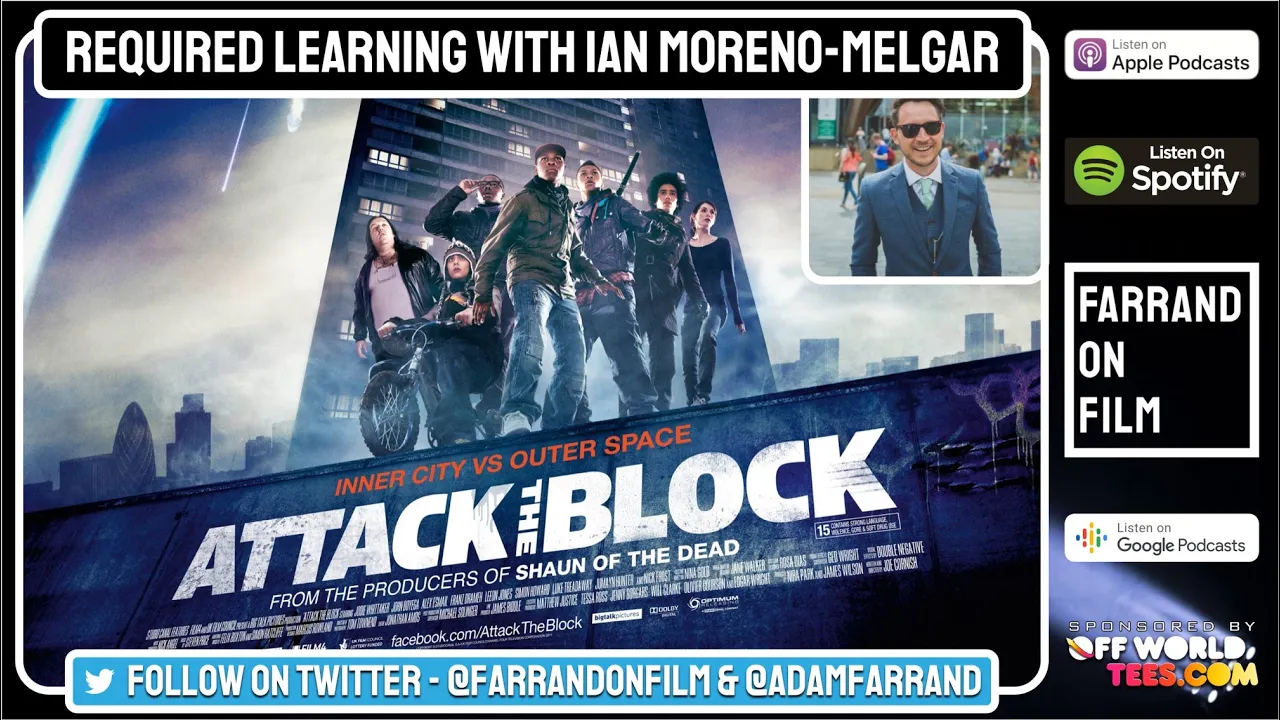
Generous. Um, I do this because I think that film studies is always one of those subjects that kind of gets lost in the shuffle in terms of revision stuff. Like I've worked in schools where you know it's it's make sure you do your Sparks maths, make sure you do your Sparks reader, do your carousel for science, and then when it comes to film studies, everyone's a bit like, "All right, how do we revise?" So if how do we revise is answered by looking at these videos. Um then that's that's a job well done, I think, on my part. Um but I hope they've been of use. I hope they've been really useful to you. Um remember that still on the channel is the paper two video from last year. There's a specific video on the wave. There's a specific video on Sootsy. Uh there's one there of District 9 and Jojo Rabbit. There's a specific one on Skyfall. There's a really lengthy one with Ian Moreno Melgar on um Attack the Block. So there's plenty of content on there. All the shorts are still there as well from last year. Um and if you if ever, as always, if you need anything, just drop a comment, send me an email [email protected], and I'll get back to you as soon as I can. Um and I'll send you anything you need basically. But good luck with all your other exams. I know they're all about to kick off as I record this now tomorrow, but hopefully this helps you revise for film studies ready on Monday the 19th. Good luck, stay safe, and I'll see you next time.
Up Next

Analyzing Bella Baxter's Costumes in Poor Things
@ModernGurlz
155.9K views•2024-04-25

Visual Analysis Essay: How to Analyze Graphic Novels in College Writing
@nataliepleimann5941
1K views•2020-10-14
Film Blocking Techniques for Directors: Space, Shapes, Lines
@StudioBinder
1.9M views•2018-07-23

Evolution of Darth Vader: Anakin Skywalker's Animated Journey Across Star Wars Films
@TellItAnimated
13.4M views•2019-03-30
Related Study Plans & Knowledge Roadmaps
Structured learning paths in Film Analysis