Staging Cinematic Desire: Gestures & Music
Learning Goal: Evaluate the integration of choreographed physical performance, gestural melodrama, and non-diegetic musical cues in contemporary romance films to interpret how non-verbal lyricism communicates unexpressed desire.
- Prerequisites: None (designed for both beginners and intermediate students of film analysis).
- Estimated Study Time: 14 Hours
Module 1: Foundations of Film Language and Sound
This foundational module introduces you to the basic grammar of cinema. You will learn to decipher mise-en-scène, identify the emotional weight of camera choices, and master the critical distinction between diegetic and non-diegetic sound. This vocabulary will serve as the toolkit for all subsequent visual and auditory analyses in this course.
Recommended Videos
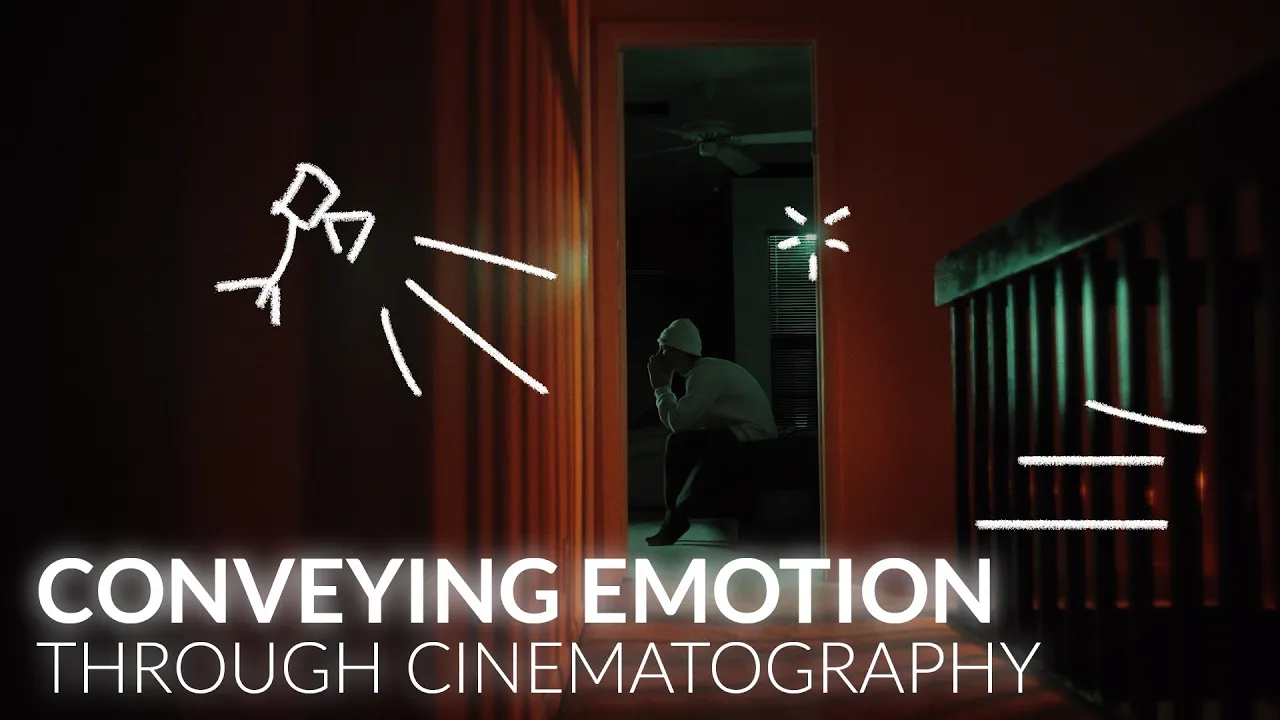
Why this video: Brady Bessette breaks down how technical camera decisions—including lighting, framing, and focal length—serve a strictly emotional purpose. By watching this, you will understand how filmmakers manipulate space to visually represent closeness, distance, and psychological tension between characters before a single word is spoken.
- Knowledge Checkpoint:
- Understand how lens choices (e.g., compressed telephoto vs. wide-angle lenses) alter the viewer's perception of physical intimacy.
- Identify how lighting angles and shadow design (chiaroscuro) reflect internal emotional conflicts.
- Analyze how camera movement (or stillness) matches the psychological state of a scene.

Why this video: StudioBinder provides an exhaustive, industry-standard breakdown of diegetic versus non-diegetic audio. Mastering this distinction is crucial to evaluating how a film score can step in as a "surrogate voice" for characters who cannot, or will not, speak their desire.
- Knowledge Checkpoint:
- Define the difference between diegetic sound (originating from inside the story world) and non-diegetic sound (added for the audience).
- Identify "trans-diegetic" moments where sound crosses over from one realm to another.
- Explain how sound effects and ambient noise build atmospheric tension in quiet, dialogue-free romantic scenes.

Why this video: This short, foundational guide establishes the term mise-en-scène—the arrangement of everything within the frame, including props, costuming, set decoration, and actor staging. It provides the structured vocabulary needed to perform advanced visual text analysis.
- Knowledge Checkpoint:
- Define the fundamental components that make up a shot's mise-en-scène.
- Understand how set dressings and costumes communicate subtextual elements of class, era, and personal restriction.
Module 2: The Art of Gestural Melodrama
This module traces the historical roots of melodrama—from 19th-century stage conventions and silent film aesthetics to contemporary nuanced film performances. You will examine how physical gestures, micro-expressions, and calculated physical restraint can communicate complex, internal romantic states more vividly than dialogue.
Recommended Videos
Why this video: To understand how contemporary romance films use non-verbal cues, one must trace the history of melodrama. This video maps the emergence of melodrama as a theatrical form characterized by heightened emotion, moral clarity, and expressive bodily performance. This framework helps us see how modern "subtle" romance films are actually playing with or subverting these classical gestural roots.
- Knowledge Checkpoint:
- Explain the historical context and original stage conventions of the 19th-century melodrama.
- Contrast classical melodramatic expression (heightened, externalized) with contemporary gestural cinema (restrained, internalized).
- Recognize how stock characters and heightened situations in historical melodrama laid the groundwork for emotional coding in romance.
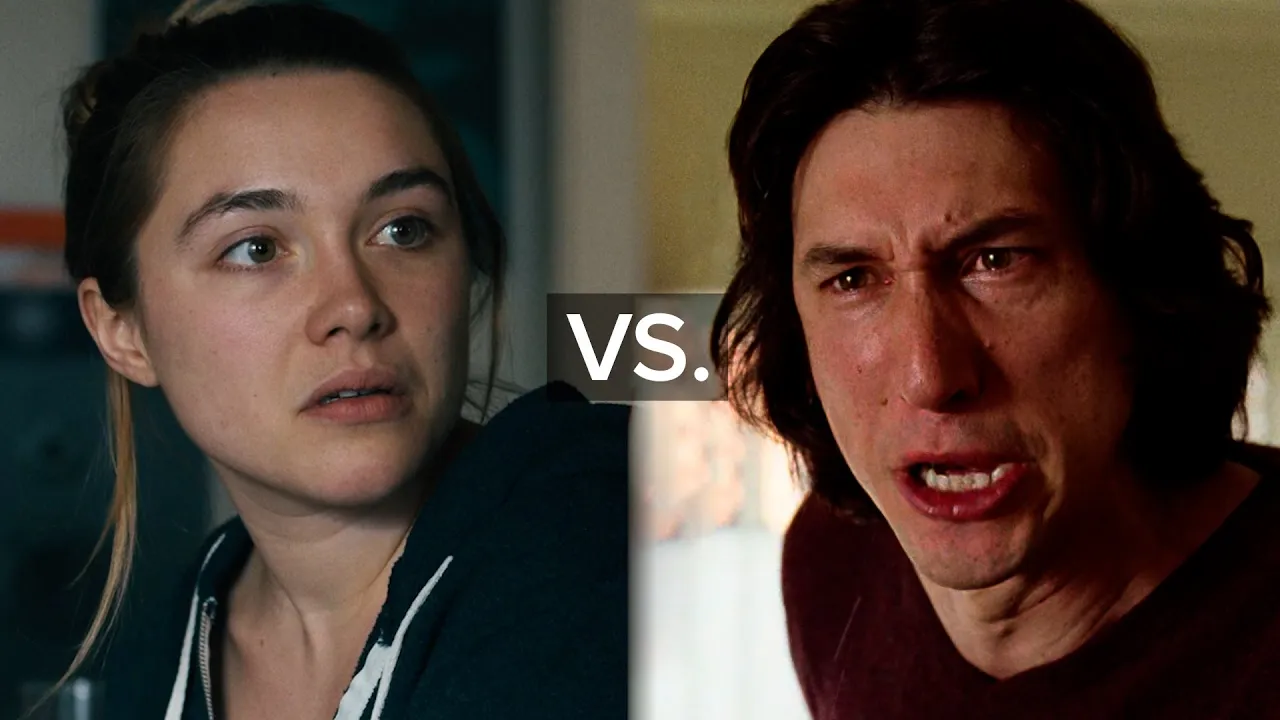
Why this video: Thomas Flight contrasts broad, theatrical acting styles with the power of micro-expressions and subtle gestures. This video demonstrates how actors use tiny, controlled adjustments of their faces and bodies to convey massive subtextual weight, illustrating the exact mechanics of "unexpressed" longing.
- Knowledge Checkpoint:
- Analyze how a single glance, twitch, or shift in eye contact can construct a complex narrative subtext.
- Understand the camera's role (specifically the close-up) in magnifying subtle acting choices.
- Contrast overt physical actions with the artistic value of emotional restraint.
Why this video: Subtext is the silent current flowing beneath a movie's surface dialogue. This short video explains how physical gestures and body language serve as primary vehicles for subtext, allowing characters to convey romantic desire while saying something completely mundane.
- Knowledge Checkpoint:
- Define dramatic subtext and explain its relationship to non-verbal physical performance.
- Describe how physical actions can contradict spoken words to reveal a character's true, hidden desires.
Module 3: Choreography & Blocking: Staging Physical Performance
Here, we pivot to spatial dynamics: how directors choreograph, block, and frame actors to represent psychological boundaries and erotic tension. Through detailed breakdowns of Wong Kar-wai's In the Mood for Love, you will learn to read physical proximity, the geography of narrow spaces, and the visual architectures of restriction.
Recommended Videos

Why this video: Nerdwriter's visual essay on Wong Kar-wai's In the Mood for Love is a masterclass in blocking and framing. He explores the "frames within frames" technique, illustrating how doorways, corridors, and mirrors physically isolate characters, visually manifesting their emotional imprisonment and unexpressed desires.
- Knowledge Checkpoint:
- Define "frames within frames" and evaluate its psychological impact on the viewer.
- Explain how architectural elements (walls, hallways, windows) act as physical stand-ins for social and emotional barriers.
- Detail how Wong Kar-wai uses tight framing to construct romantic tension without physical contact.

Why this video: CineHistorians analyzes the visual language of desire in Wong Kar-wai's masterpiece. The video focuses heavily on how the director replaces traditional romantic dialogue with choreographed looks, narrow staircases, passing glances, and subtle physical brushes, making it an essential text for understanding non-verbal choreography.
- Knowledge Checkpoint:
- Identify the symbolic value of repetitive non-verbal motifs (e.g., the steam of noodles, the brush of shoulders in a narrow alleyway).
- Explain how slow-motion photography (step-printing) alters the temporal weight of minor physical gestures.
- Deconstruct how characters use space to negotiate boundaries of intimacy and propriety.
Why this video: This video contains an incredibly clear, analytical segment on character blocking (using a scene from The Godfather Part II). It provides a concrete framework for reading physical distance, relative height, and spatial dominance between two bodies on screen, which is directly applicable to romantic staging.
- Knowledge Checkpoint:
- Define "blocking" and explain how actor positioning signals changes in emotional dominance.
- Analyze how a director can alter the physical geography of a room to signal shifts in subtextual intimacy.
Module 4: Scoring Subtext: Music as the Voice of Desire
This module investigates how non-diegetic musical cues and film scores serve as psychological extensions of a character's interior life. You will analyze how musical textures, motifs, and melodies bypass intellectual defenses, stepping in to articulate the romantic yearnings that characters are forced to repress.
⚠️ Curriculum Note: The video pool contains limited academic essays dissecting the exact original scoring compositions of contemporary romance films. To address this gap, we utilize theoretical foundations of non-diegetic film music and classic cinematic examples. For deep-dive research into modern scores, we strongly recommend searching independent platforms for academic articles on:
- "How film music creates romantic tension"
- "Nicholas Britell's score for 'If Beale Street Could Talk' analysis"
- "The romantic minimalist scores of Carter Burwell (Carol)"
Recommended Videos
Why this video: Using Krzysztof Kieślowski’s Three Colors: Blue, this analysis illustrates how a non-diegetic classical score can operate as an active character within the narrative, externalizing a protagonist's otherwise invisible, deeply buried psychological states.
- Knowledge Checkpoint:
- Explain how non-diegetic music can abruptly rupture a scene's realistic texture to reveal a character's internal passion or trauma.
- Analyze the concept of music as an invisible voice that communicates thoughts too overwhelming for spoken dialogue.
Why this video: This segment outlines the fundamental historical transition of film scoring from its utilitarian origins (masking silent-era projector noise) to its modern narrative role. It establishes how music acts as a functional, subtextual guide designed to sculpt the audience's emotional alignment.
- Knowledge Checkpoint:
- Contrast "absolute music" with "functional music" designed specifically to serve a visual narrative.
- Explain how a film score can retroactively alter the meaning of a character's neutral or silent expression.
Why this video: This video focuses on iconic moments where a musical cue is so intrinsically linked to the physical movement of a scene (such as the pottery scene in Ghost) that the music itself becomes the physical manifestation of the characters' touch and mutual desire.
- Knowledge Checkpoint:
- Evaluate how a specific musical tempo or vocal performance can elevate a simple, everyday physical interaction into a deeply erotic, heightened cinematic event.
- Discuss the sensory overlap (synesthesia) that occurs when non-diegetic music "stands in" for physical touch.
Module 5: Synthesizing Non-Verbal Lyricism in Modern Romance
In this final module, you will synthesize the cinematic tools of framing, gestural melodrama, blocking, and musical scoring. By exploring case studies of milestone modern romance films—most notably Céline Sciamma's Portrait of a Lady on Fire and Todd Haynes' Carol—you will analyze how non-verbal lyricism operates as the definitive language of desire.
⚠️ Curriculum Note: To fully capture the modern landscape of non-verbal romance, you should balance the visual-gaze theory of Portrait of a Lady on Fire and the mid-century melodrama of Carol with Celine Song's modern indie masterpiece Past Lives. Because Past Lives is underrepresented in the available video pool, we strongly recommend independently searching for:
- "Past Lives movie silence and physical connection analysis"
- "In-yeon and the space between characters in Past Lives"
Recommended Videos

Why this video: Spikima's gorgeous analysis of Portrait of a Lady on Fire is the capstone essay of this curriculum. It illustrates how the act of looking, capturing, and memorizing another person's features becomes a profound act of romantic collaboration and forbidden desire. Sciamma's film is famously barren of non-diegetic score, making every breath, crackle of fire, and silent glance structurally monumental.
- Knowledge Checkpoint:
- Analyze the "collaborative gaze" between artist and subject, explaining how looking is coded as an act of romantic and sexual reciprocity.
- Evaluate how Céline Sciamma uses the near-total absence of a non-diegetic score to amplify the micro-sounds of physical desire (e.g., breathing, rustling dresses).
- Deconstruct the legendary ending scene of the film, showing how a single musical cue (Vivaldi's Summer) synthesizes a character's entire history of unexpressed longing.
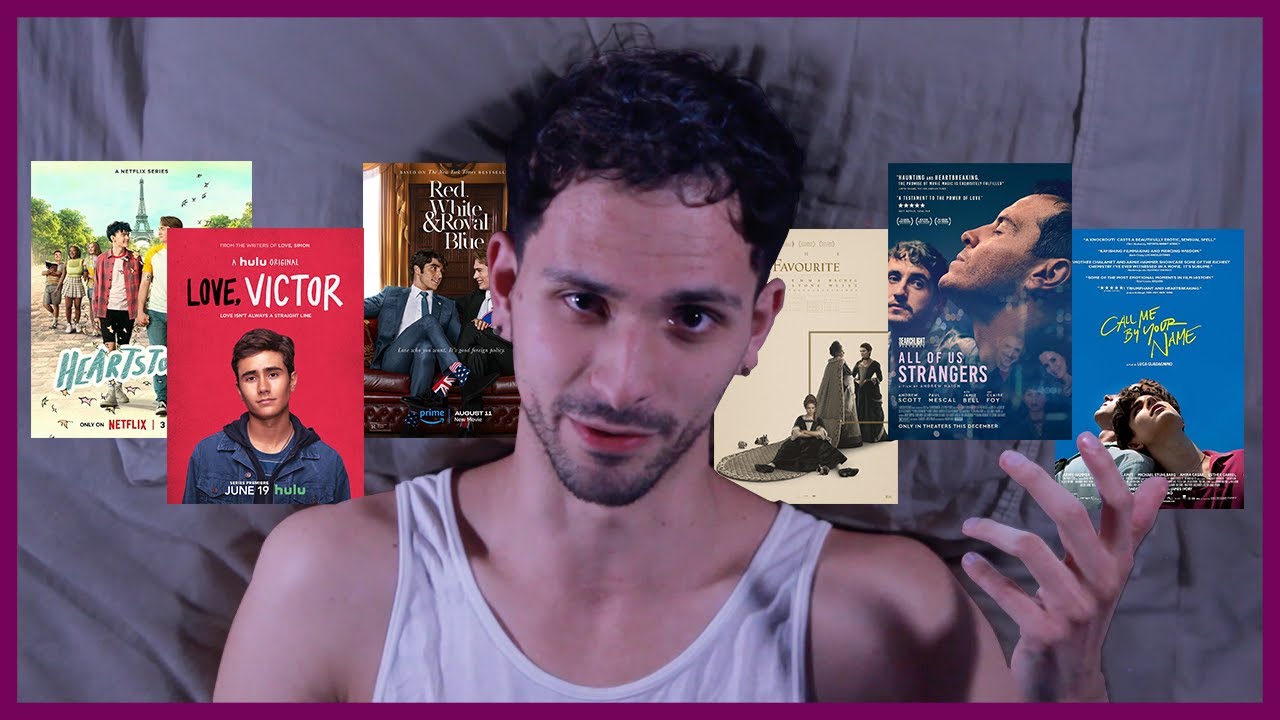
Why this video: This video analyzes the visual structure of Todd Haynes' Carol. It explores how Haynes captures the beautiful melancholia of mid-century forbidden romance, showing how characters must navigate rigid social frameworks, conveying their love exclusively through covert looks and restrained gestures.
- Knowledge Checkpoint:
- Contrast the visual grammar of mid-century social constraints with the liberation of personal desire as depicted in Carol.
- Understand how a "melancholic palette" and soft focus grain reflect the unspoken, vulnerable states of the film's protagonists.

Why this video: Director Todd Haynes breaks down his precise visual approach to filming Carol. He contrasts the expressionistic, aggressive melodramatic staging of Douglas Sirk with his own restrained, observational aesthetic in Carol, which prioritizes long glances, window reflections, and tender hand-gestures to convey taboo desire.
- Knowledge Checkpoint:
- Articulate the difference between Douglas Sirk's expressionistic melodrama and Todd Haynes' quiet, look-centered aesthetic in Carol.
- Analyze how filming characters through physical barriers (like rain-slicked car windows or shop doors) mirrors their social isolation and internal yearning.
Course Map
Key People Index
- Wong Kar-wai
- Context: Acclaimed Hong Kong auteur who pioneered an unmistakable aesthetic of longing. His work (In the Mood for Love) is characterized by step-printed slow motion, frames-within-frames framing, and repetitive musical motifs to showcase unexpressed desire.
- Todd Haynes
- Context: American independent director known for his meticulous, historically resonant melodramas (Far From Heaven, Carol). He specializes in translating subtext and social restriction into visual textures, color grading, and quiet actor blocking.
- Céline Sciamma
- Context: Contemporary French director and screenwriter. Her film Portrait of a Lady on Fire revolutionized the "female gaze" in modern cinema, constructing a narrative built entirely around looking, mutual observation, and the complete subversion of traditional visual power structures.
Final Self-Assessment
To pass this course, you should be able to analyze any contemporary romance sequence and verify your mastery of the following competencies:
- Mise-en-scène Analysis: Can you identify at least three non-verbal elements in a frame (props, costume, set architecture) that directly signal a character’s internal romantic frustration?
- Acoustic Tracking: Can you distinguish a trans-diegetic sound transition and explain how it signals a bridge between objective reality and a character's subjective romantic imagination?
- Melodramatic Comparison: Can you contrast the gestural styles of early 19th-century stage melodrama with the micro-expression realism of modern film acting?
- Subtext Deciphering: Can you point to a cinematic scene where a physical action directly contradicts the literal spoken dialogue, proving an unexpressed romantic undercurrent?
- Blocking Interpretation: Can you explain how a director uses a "frame-within-a-frame" shot setup to visual isolate or trap two lovers who are physically close but emotionally restricted?
- Temporal Analysis: Can you explain how altering film speed (such as slow-motion or step-printing) manipulates the viewer's psychological appreciation of physical touch or a brief glance?
- Musical Voice Identification: Can you identify how a non-diegetic original score operates as a "surrogate voice" for a character, explaining how musical cues map out romantic longings?
- Gaze Theory Synthesis: Can you deconstruct the "collaborative gaze" in a romantic sequence, showing how the power dynamics of who is looking vs. who is being looked at are negotiated through actor blocking?