



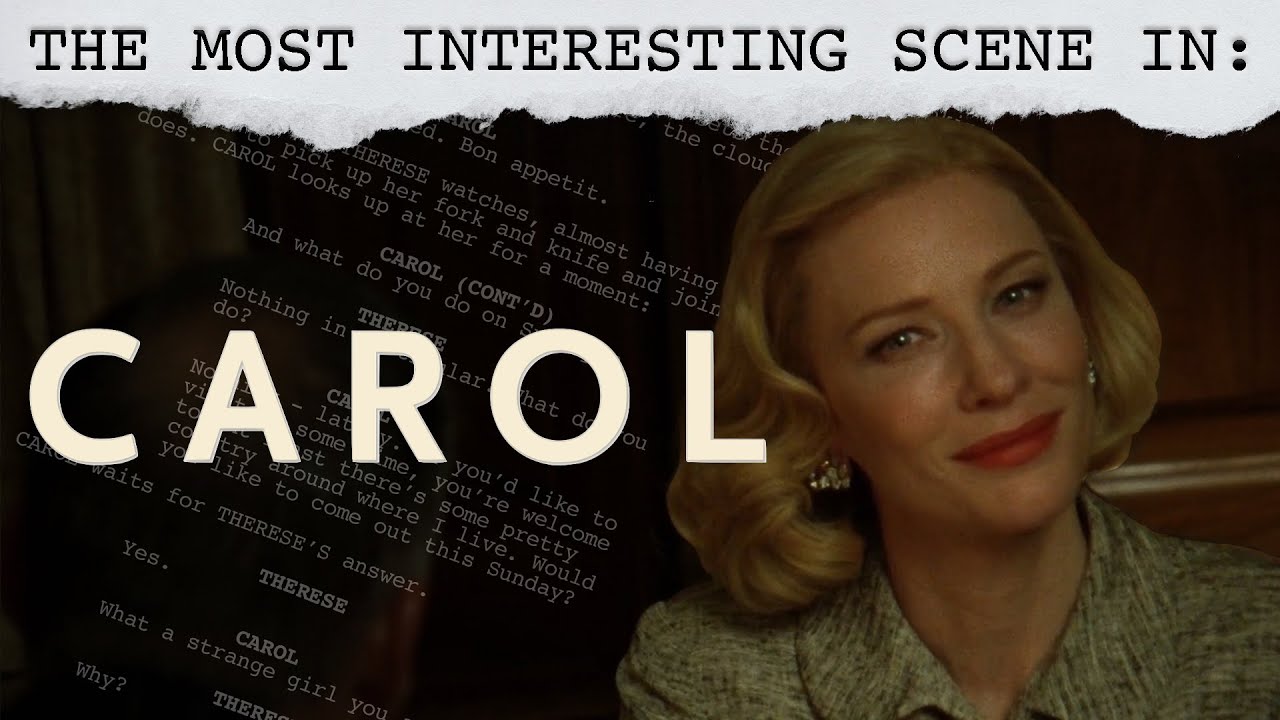


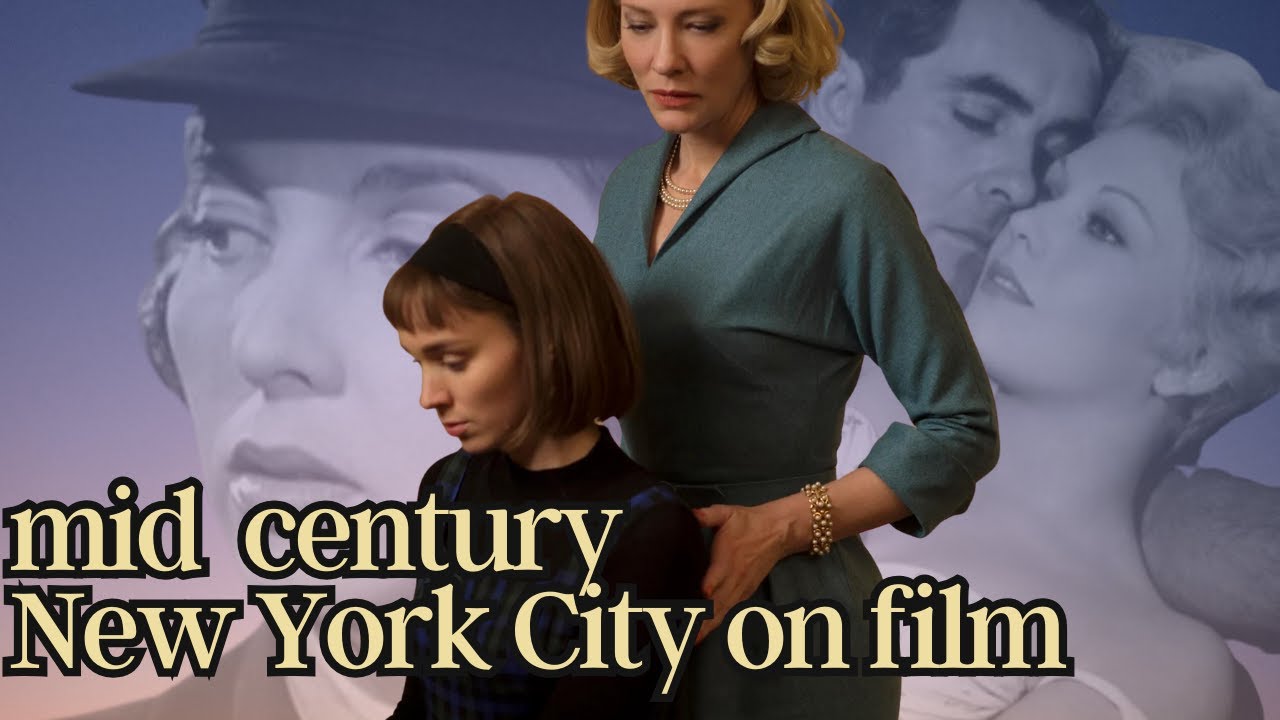








In the film 'Carol,' director Todd Haynes and screenwriter Phyllis Nagy employed a sophisticated point-of-view structure that creates narrative ambiguity, allowing viewers to experience the story through multiple perspectives—primarily Therese's eyes while also entering Carol's world—rather than committing to a single protagonist's perspective. This approach was influenced by David Lean's 'Brief Encounter' and required Kate Blanchett to navigate multiple planes of access to her character, making her performance particularly remarkable. The film's visual aesthetic was developed through research into mid-century photojournalism and art photography, particularly the work of Saul Leiter, who captured scenes through dirty glass and reflections, creating an intimate texture that distinguishes the film from other period pieces.
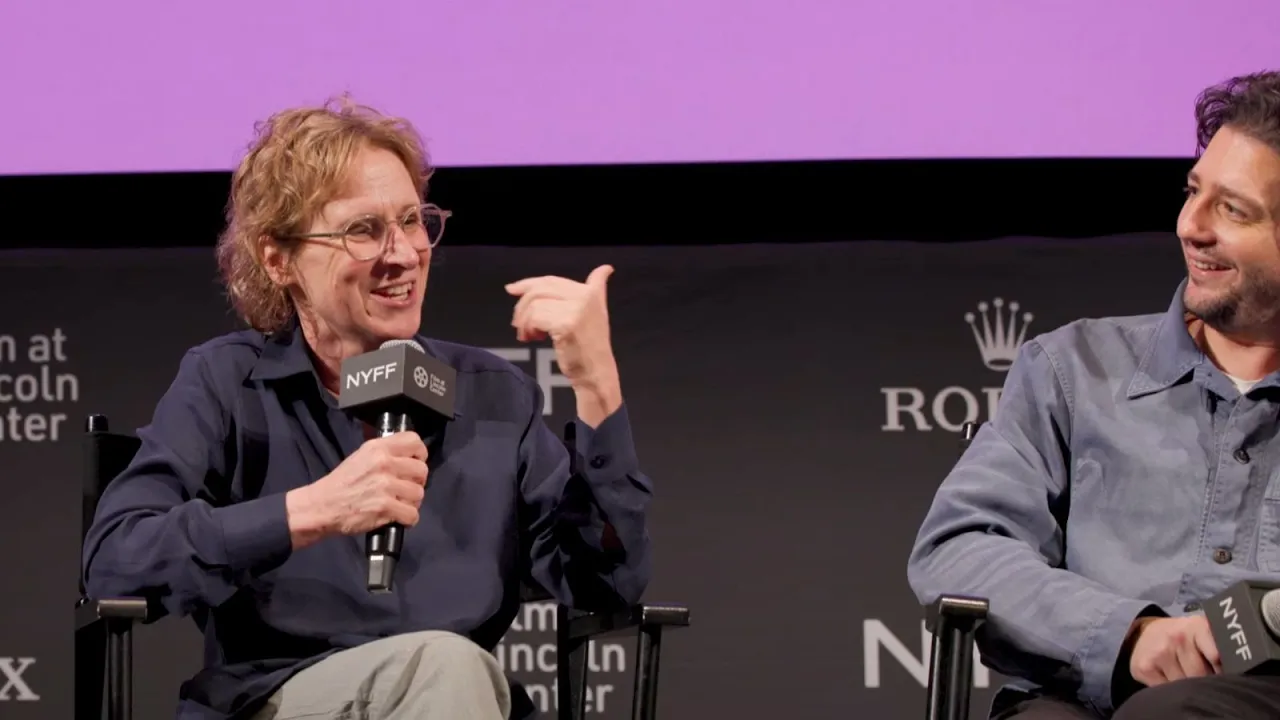
Todd Haynes on Carol: Filmmaking Q&A with Wash Westmoreland
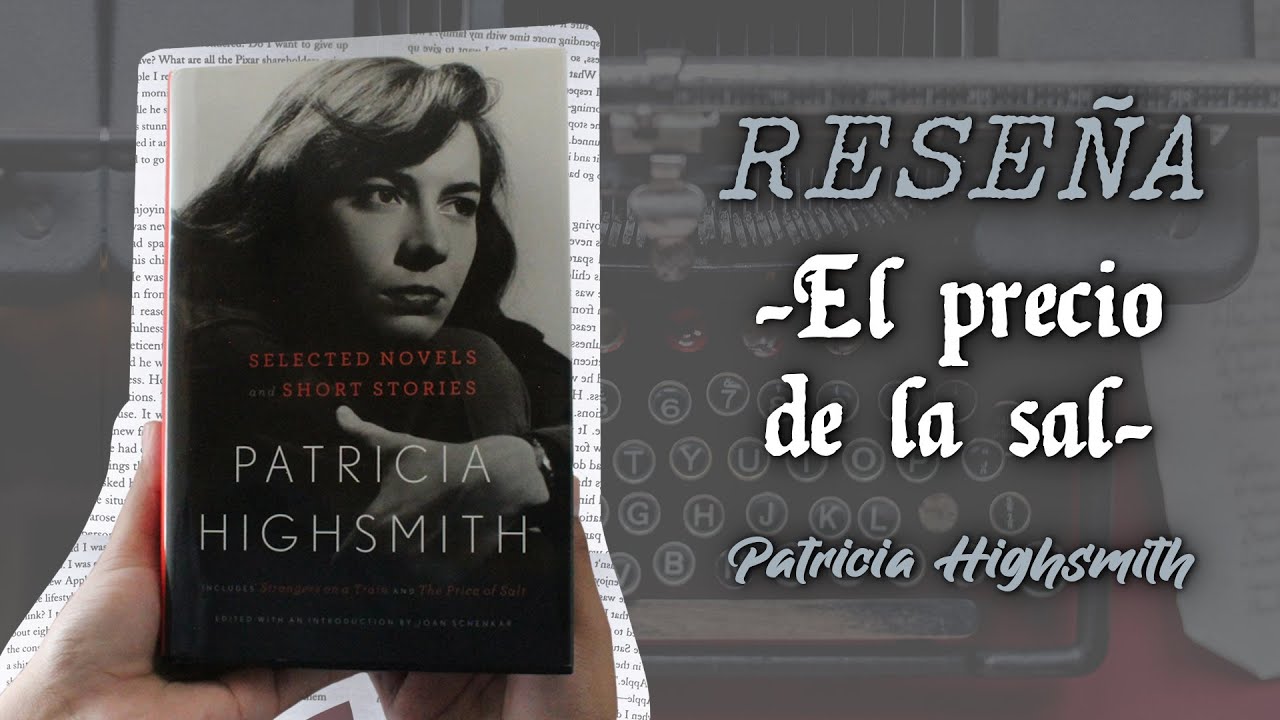
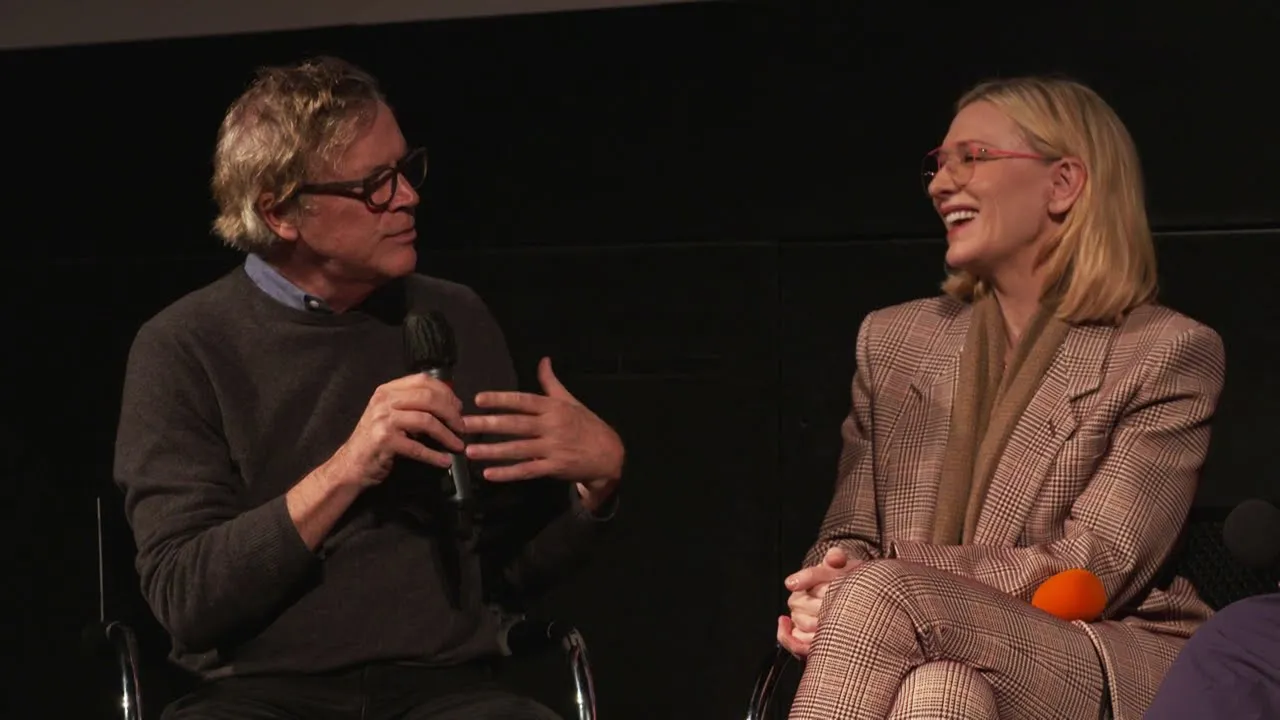
Added:thank you all for staying hope you enjoyed this beautiful film it's an honor for me to moderate this Q&A with someone who's been a great friend to me over the years and a filmmaker whose astonishing body of work stands out as a high Watermark of uncompromising visionary American Cinema the one and only Todd Haynes thank you was all so uh the novel is called the price of salt and Patricia heith used a pseudonym CLA Morgan when it was published what's the story behind that and is that sense of a clandestine novel influence the way you thought about telling the narrative in the film well uh Patricia heith this was her second novel her first novel was strangers on a train and uh this is the only novel that Patricia wrote outside of the crime genre that she's known for of course uh the only novel really inspired by her own personal life and her own experiences um but uh even after a pretty remarkable debut with strangers on a train and having sold it to Alfred Hitchcock her Publishers were of course quite nervous about this the content of price of salt and Harper refused to publish it and it was shopped around and I think her agent said really what you need to do is not be associated with this novel directly so she agreed to publish the prize of salt under a pseudonym and it I think fairly rapidly became a very legendary novel within lesbian fiction um and was known and kind of distinguished from the traditions of lesbian fiction for having this ending that didn't that was not punishing or punitive as most lesbian fiction required or Publishers required of lesbian writers that one of the uh characters had they everyone had to either convert to heterosexuality or go to a sanitarium or kill themselves or whatever and she and she famously refused to do so in the price of salt and it really made it a breakthrough groundbreaking piece of work um now I when this came to me this is the only film I've made so far that I haven't written sver developed um but it had a very long prehistory uh where many producers were or at least two producers were involved in the trying to get it off the ground and finally it was Elizabeth Carlson a british-based producer and a really dear old friend of mine and my producer of all my films Christine Vashon Liz and Christine are very old dear friends I met Liz through Christine um they Liz brought it to Kate Blanchett and when they were looking for a director at a certain moment when I was when a project of mine got postponed they sent it to me and I'd heard wind of the project through Sandy pal the costume designer was the best place to get gossip exactly and uh and it certainly intrigued me hearing that Kate was involved and that it was a lesbian novel by Patricia heith from the early 50s I didn't know the book so when I read you know I read Patricia Na's beautiful adaptation and I read the novel on the same weekend in in the Oregon coast and I was just really flored by all of it of course and the novel is extremely beautiful and and um and aute observation of early love but it's I'm not sure just to finish your final part of your question I'm not sure that it's clandestine nature because it was also really well known I actually felt like out of it while my lesbian friends were like you never read the price of salt um so so it also was actually very well known within certain circles but it didn't necessarily influence the the look and the style because of that particular part of the history did you ever think of using the title the price of salt we did we debated this um it's a very evocative title it's perhaps a bit obscure it's Salient but I'm f um and and really there's still debates as to what it really means um uh Phyllis says that it describes uh Lot's wife interesting interesting um and the refusal to look back or the dangers in implied in looking back um other there's another interpretation that implies something about not having flavor in your life that the the price or the cost of not having flavor and not having um sensation in your life um yeah as you said it was the first time that you um directed a film that you hadn't personally originated how was that different for you and how did you feel the creative ownership of of this project working with philis Nagi um it it was it was a really good and different and experience it was a new experience um she and I I mean there were things right off the bat that I thought about when I read her first adaptation and I could sort of tell that this had been around you know that she'd been working on this for a while and that they'd been trying to get this Finance for a while and what you can kind of tell is that some of the edges had been softened a little bit perhaps and that there was a Congeniality between the two women in the script that I didn't feel in the novel The Novel had this terrific sense of anx tension and Elise you know that it's described the novel is entirely set through the point of view of TZ the Rooney Mara character and I said to Phyllis there are things things in the novel that I would kind of love to talk about putting into the script and she said awesome because she felt that you know I think I sense something that that she had definitely experienced in the process of trying to get it made the other thing that um that I that I thought about when I read it was it made me think about Brief Encounter the beautiful David lean film from the 40s that um uh n coward wrote and because it that film um is also about a a rupture a rupture into people who are who live in sort of separate lives sort of in a somewhat repressed English setting in middle class uh lives of a married man and woman who have uh an affair an unconsummated love and but it also sets up in a beautiful way the whole question of point of view and raising questions about whose story is this because it sort of sets up through a detour and we pretty much adopted it in Carol where a couple who you see talking in the background of a scene are interrupted and you realize oh these are the central characters of the film and then then you realize as you go home on the train with Celia Johnson and you realize oh it's really going to be about her story her point of view and her the whole backstory of what happened between her and Trevor Howard it begins in a in a voiceover narration that unfolds with her husband sitting opposite her and I love that whole question of point of view and setting up that question because as we see Carol and terz at the beginning of the movie people usually know it's a lesbian love story at this point but you don't really know whose story it belongs to which of the two women you will stay with and whose mind you will enter into and understand the meaning of this conversation and who you'll be traveling with to return back to that point in the story so both of those things were some of the elements that uh Phyllis and I brought to the script together I mean because Carol is the subject and the object of the movie yeah how did he negotiate that in the scenes where they interact together how did you negotiate that point of view issue it's it was something that I I thought a lot about with um Ed lochman the Director of Photography and with the actors and you know and what I what is so remarkable I think about Kate blanchett's performance in the film is that she has to sort of navigate these multiple planes of access to Carol sometimes she really is playing Carol through tz's point of view you know most literally in scenes where terz is you know aiming her camera training her camera on Carol and focusing on her but there are other places where just we experience what it's like to enter into Carol's world through Teresa's eyes and even when we first introduced Carol on the story it's because it's through the mail truck with the gloves that TZ is sending back to Carol that gives us entree into this world um but Kate had to sort of know how to portray different levels of availability to the viewer at different times because if she played those scenes too intimately or too colloquially or whatever the word is you know it would have shattered that that sense of of of an image that you want to kind of get to know and that that has to take some time in the storytelling and you know of course it's a lowbudget movie we're shooting out of order at different times and different places but Kate had to be very cognizant of where the camera was and whose point of view was occupying at different times because at the end of the film toward the end of the film when Carol becomes the one who's more vulnerable between the two and Carol is the one who re-evaluates this relationship and Carol's the one who asked TZ to lunch and we don't know that of course in the beginning the points of view have shifted Ed by that point and it's Carol who sees TZ arriving at the Ritz it's Carol who sees TZ through the window of the cab crossing the street of course it's it's an amazing performance by Kate Blancher um you've worked with her before casting her as um in I'm not there as Jude um perhaps the most radical incarnation of Bob Dylan so really you a typ castinger in this I mean um I remember you telling me a conversation you had with her initially about I'm not there where she said I'm I'm terrified of this role and you said that's why you should do it because that's you know you'll find something was the fear in her approaching the role of Carol and how did you get through that well I think I according to Kate and what things she said um and I believe this and I think this is actually true for a lot of amazing actors and and directors and all of us it's like we all have to manage that fear and we all have to be able to let ourselves leap off into the abyss and kind of f Lo find ourselves in places we may feel like we've never really been in before and in a way almost each time out you kind of feel like you never did it before even though of course you have and Kate describes that you know she says the first day of of any film I'm on is the scariest day because you just are still in the dark kind of feeling your way through interestingly yes I sort of stalked Kate to be in I'm not there and convinced her that it was it was worth taking the plunge but in this case this was a film she was attached to before so I felt like she was inviting me in and she's actually a producer on the film um that said I think it's still a mysterious and unknown process each time um so um you previously directed the film far from heaven with Julian Moore a wonderful film that also um dealt with you know the 50s issues of taboo sexuality yet the films could not be more different um how um do you see the different approaches to these two stories and why did you approach them in those particular ways well far from heaven for people who've seen it or or maybe have heard about the film is is an homage every sort of imaginable way to the great melodramas of of the of the late 50s later 50s mostly associated with Douglas cirk um although there were a lot of amazing American directors making domestic stories at this time um but it you know there's the thing about cir is they're almost expressionistic films they they they play with a kind of forced uh you know stylistic language that's often so aggressive that you have to take note of the colors of the lighting you know cutting the characters the intensely claustrophobic um Interiors the objects that these often women are surrounded by in these homes that almost engulf them um and the interesting thing about melodrama is that you're watching people make very different very difficult decisions about their lives they're very basic issues about marriage and infidelity and love and but you know but you're kind of forced outside watching people you know make very difficult decisions under tremendous pressure the thing about Carol and the thing that made me really interested in doing it was that it was a love story and I really wanted to pay attention to the language of great love stories as much as I could and feel like I was learning about that in the process and that had everything to do with point of view so that's something that Circ and the classic melodrama doesn't really employ the notion of subjectivity and identification it's more like music and M onen and all these other things stand in for our um closeness to a specific character but that is not the case in in love stories and so I was really thinking a lot about how you would feel to resid experience through all these shots looking through glass and placing you on one side or the other of these uh sort of filtered you know images of the object of desire and making you kind of aware that someone is always looking at somebody else somebody's always being looked at you know and that desire is kind of embedded in that in that setup uh I mean I think that's one of the most uh beautiful um Innovations of the film is the texture of the past that comes through seeing dirty Reflections and and worn mirrors and and wobbly glass and and dirty car windows it almost makes a lot of other period pieces seem very kind of big and shiny and Loud this has an intimacy to it and what were your visual uh cultural touchstones um for that particular look and that particular palette that's so characteristic of this film uh um I love how you describe it um because it it was something we were really going for and very much in distinction from Far From Heaven which has that self-consciously enameled shiny surface and in this case I really was not looking at films from the period as I often have in the past with other films I've made as much as the photojournalism and the actual research from this particular time in New York City and art photography as well um for people who may know the beautiful photography of Saul ligher who was a mid-century new york-based photographer abstract expressionist painter but he loved shooting through these kinds of sit settings through Dirty Glass through Reflections through windows and you sense such an acute feeling of the time of day or the time of the year or whatever it is um even though often the frames are abstract acted through through the interference of the dirt and its texture and all that stuff um but what we also discovered which was really cool since this was another change from the book that was in phyllis's first draft that I read uh TZ is a aspiring stage designer in the novel and here she's an aspiring photojournalist herself and learning how to sort of begin to photograph human subjects to begin with and in some sense you almost feel like almost learning how to see her self in the world in the process obviously Carol being the first subject human subject that she focuses on but we in our research we kept finding all these beautiful color photography from this period this gorgeous sort of muted color pallette that's you know symptomatic of that period of color photography processes and a lot of them were women behind the lens Ruth Orin uh Esther bubbly Helen levit are all active uh photographers during this time shooting in color and then uh Vivian Meyer of course is a late more recent discovery who was a black and white photographer shooting uh at this time as well W it really has an incredible look um tell us a little bit about the physical shoot um what city did you shoot in and why we shot in Cincinnati and um we uh loved it was such a Fant it really was the way that we were going to be able to afford this project and realize it as closely as possible given the sort of you know look of this sort of tired New York City that we were finding in the research that certainly does not exist in real life New York today New York being a very costly city to shoot in Ohio state had just introduced a far more generous tax rebate um and so thought we would explore it and see what we could find now Cincinnati Liz Carlson had actually shot A Rage in Harlem a period film in Cincinnati for New York City I think maybe the late 80s early 90s at the very latest uh but many many years ago and I visited Cincinnati in the early 90s right after the map Thorp event um and remember the city with great richness and sort of Decay still on the streets and we really found that to be still the case in some of these beautiful streets untouched we shot some exterior scenes in Cincinnati with existing signage for 1952 New York City um which was spectacular for all of us stunning for our production designer um but the whole uh generosity of the city the the local the EXT are so fantastic like they they they're so they're so comfortable in their own skins you know they move like real people and they don't look like extras sometimes look you know um and they were they were allowed to speak right yeah we could record background speech which is such a fantastic resource to have scenes where it beautifully interrupts the the moment and you become conscious of the world again because of the great background Talent yeah they they really were special and we had day players who we cast out of Cincinnati uh and we just found amazing locations a lot of the inter all the Interiors were shot in Cincinnati as well those houses were almost found verbatim um the department store was an old fabric dep uh Factory that we the skins of which were so gorgeous and we just built the built and set staged it inside one of the floors it's great it certainly worked um Rooney is is so um enigmatic and Brilliant in this film and she seems to be like a a type like an identifiable 50s type of person um how did uh you decide on Rooney for the part and um what how did you get into that character of TZ well I've been a admirer of Rooney's work um you know pretty much as early as I can remember and um um and I was so interested in how she can underplay even very big characters like in The Girl with the Dragon T too um and do something unexpected with those roles and I just thought wow she could do something so interesting with this very simple story you know and very accessible character and sort of Universal Character and somebody sort of growing up right in front of our eyes through the course of these months um heard great things about her from other directors I spoke to and but she very much like Kate treats her work with great seriousness preparedness uh attention to detail worked with a voice coach in the little amount of time and money that we could afford to give her with the vocal Co coach but I found that where her voice sat in her body immediately put me in another time and that was part of what I think you might be feeling you know even when she was doing very little it summons a different time and place and then watching her physically transform from the kind of mousy girl woman to this elegant woman young woman very much inspired by the look of Carol herself and people have you know brought up Audrey heurn and I think of Jean Sebert I me Jean um Simmons um but uh but yeah she just she just really embodied the time and place so well fantastic the um I was reading in Sight and Sound um kind of there's a evolving way of talking about your Canon of films with a duality um the female protagonists like safe and Far From Heaven Mildred Pierce and Carol that have a more like linear narrative and the male protagonists like velvet goine poison and I'm not there that have a more fragmented experimental narrative and do you think that's a fair way of looking at your work and do you think of your films in that way I do I mean I think that's absolutely fair to say about both the Str sort of structural complexity of you know velv Goldman and I'm not there although they're very different in the way they're they're structured but I think I have to go back to Superstar where they all combine all com po culture all the themes were about to be played out in that seed but it's a woman the story of a woman in a domestic setting with an illness and all of those all of those elements Superstar is my early film about Karen Carpenter that was told with Barbie dolls and has been uh basically under legal suppression ever since it was made in the VHS days um Superstar was kind of self-distributed by duplicating VHS copies so people say I got a third generation copy I got a second generation copy of this contest to get closer to the original um hopefully one day someday someday um come out you shot this on film you shot everything on film but this was actually on 16 mm film rather than 35 why did you make that choice and where the hell did you get it developed uh I forget where we got it developed out of actually um it was there was one lab but I don't think it was in New York um does anyone know where you can do 16 now come on you guys it's so hot um but uh no we I we used Ed and IU 16 millimeter on Mildred Pierce and uh we mild Pierce is the HBO minseries that I did before Carol and the decision to do that on 16 was just thinking I'd never done something for broadcast before for um and seeing even 35mm negative film on HDTV the speed of the stock and the lenses today are so sophisticated that you don't even see the Grain and it looks like it could be shot on digital so we downgraded basically and basically forced the grain element into that film which was set in the Depression years of of Los Angeles um and we loved it there was something very exciting about using the the the smaller format and having that little camera in this fairly lavish production for for me you know um and and it made so much sense given that kind of look that we were just describing earlier and what we were seeing in the research for for Carol so yeah we we enjoyed it um would you ever consider working with digital or is film just part of your DNA Ed and I use digital together on this short the Steven S time documentary that I did that sort of a rock video with Jarvis Cocker uh singing the song I'm still here this on time song um and it and I love and it was fun and we we used the red camera and it came I I thought it it looked really beautiful and you know they're all tools of course I definitely have my lenient I definitely love film and love shooting on film and love you know continuing to sort of force that technology to stay with us and uh and if there are any ways that direct like tarantina who's shooting on 70 millimeter and Weinstein Co buying out you know 70 millimeter projection facilities so that the film can be shown on 70 millimeter across the country all of these ways that we keep film you know Celluloid alive in our practice I think is is is not a bad Instinct now uh this year is the 20th anniversary of killer film um the company of Christine Von and Pam Koffler that has produced all of your films since poison uh they also made Boys Don't Cry hedig and the Angry Inch and a couple of uh film Still Alice Still Alice with me and Richard um and they started during uh the radical years of new queer Cinema um what's changed in the last 20 years and what stayed the same and could Carol have been made 20 years ago or did it have to wait until now well that's a that's a hard question to answer it's three questions actually it's a big one um because I I just don't because things have changed a great deal obviously and and we Christine and I and sort of came of age in a very different time in in film and in very much with this in the sort of specific culture of New York based film making during the AIDS crisis and with a kind of um with AIDS activism and a kind of um cultural urgency to respond to that Public Health crisis through artistic means driving the work that that was that we were making at the very beginning and that Christine continued to produce around that time and this was dubbed by BBY Rich the new queer cinema at the early 1990s and the world's changed radically since those years and of course almost entirely for the better with regard to HIV and AIDS the ways gay and lesbian lives are valued and considered the the freedoms that we now enjoy um there's also things about you know years of activism and questioning of society and being forced into the margins of society being forced to think critically about the status quo that you know know I value a great deal and that I we don't really see today in the same exact ways so I'm just I feel like I feel very lucky that I lived through that time survived that time and made work during that time that defined all of us and what we did I don't know about I'm not sure what Carol would be if it came out during that time you know a lot of the work being associated with nuclear Cinema was challenging form and not just content but form and style as well and there's something very classical and very you know reverential I think about the style of Carol that looks back to Classic traditions of love stories and and you know I love classic films and they continue to inform me uh maybe more than anything else so it was great to have that opportunity to do that now U I'm not sure if it would have had the same meaning or the space to be appreciated back then but who knows well this is winding up our Q&A now but um it's a just a beautiful film and every time I read a review my heart swells because I'm so happy for the recognition this film is getting thank you Todd so for coming you guys thank you
Up Next
Ariella Azoulay at ICP Infinity Awards 2023 | Critical Writing & Photograp
@icplive
6.9K views•2023-03-30

Triumph of Orthodoxy Icon: Byzantine Art & History Explained
@BenCallan
2.1K views•2024-08-06

FastAPI vs Flask vs Django: Choosing the Right Python Web Framework
@TechWithTim
302.5K views•2024-05-26

Game of Thrones Opening Credits: A Cinematic Analysis
@gameofthrones
46.3M views•2011-04-18
Related Study Plans & Knowledge Roadmaps
Structured learning paths in General & Interdisciplinary Studies