


![Un mundo ch'ixi es posible [ SILVIA RIVERA CUSICANQUI ]](https://i.ytimg.com/vi/p0AtCZsIMmQ/maxresdefault.jpg)




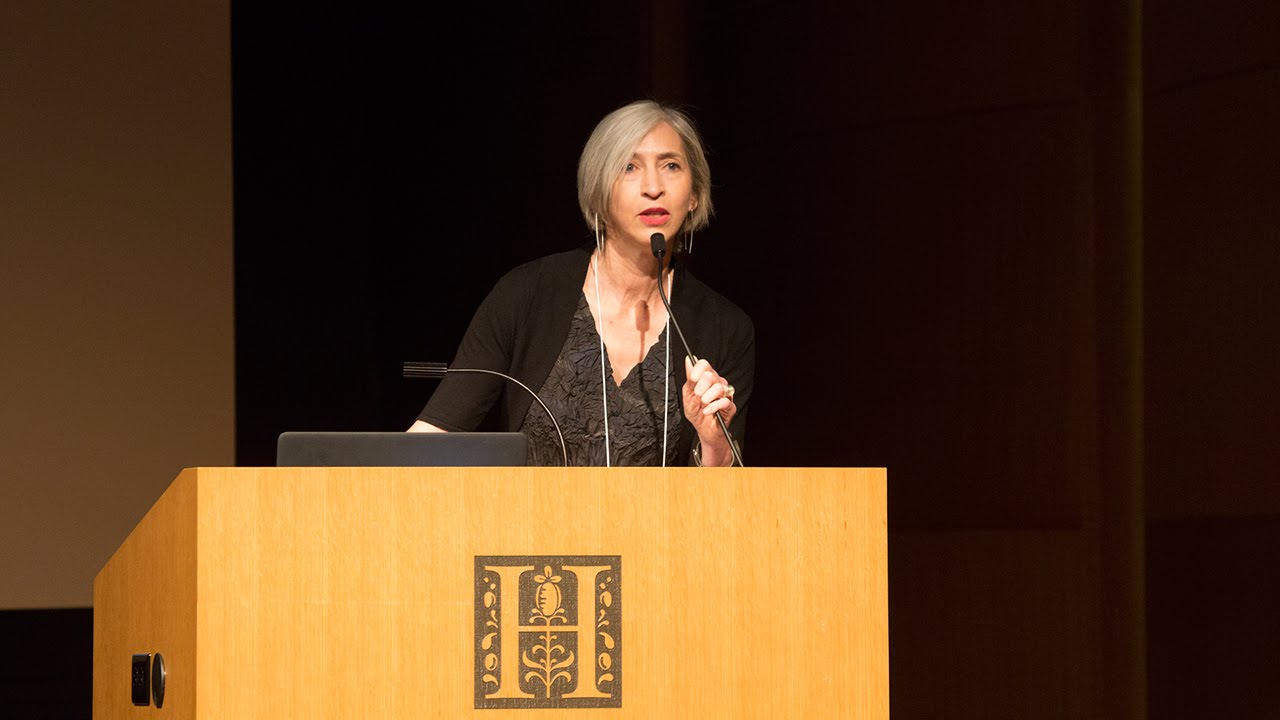

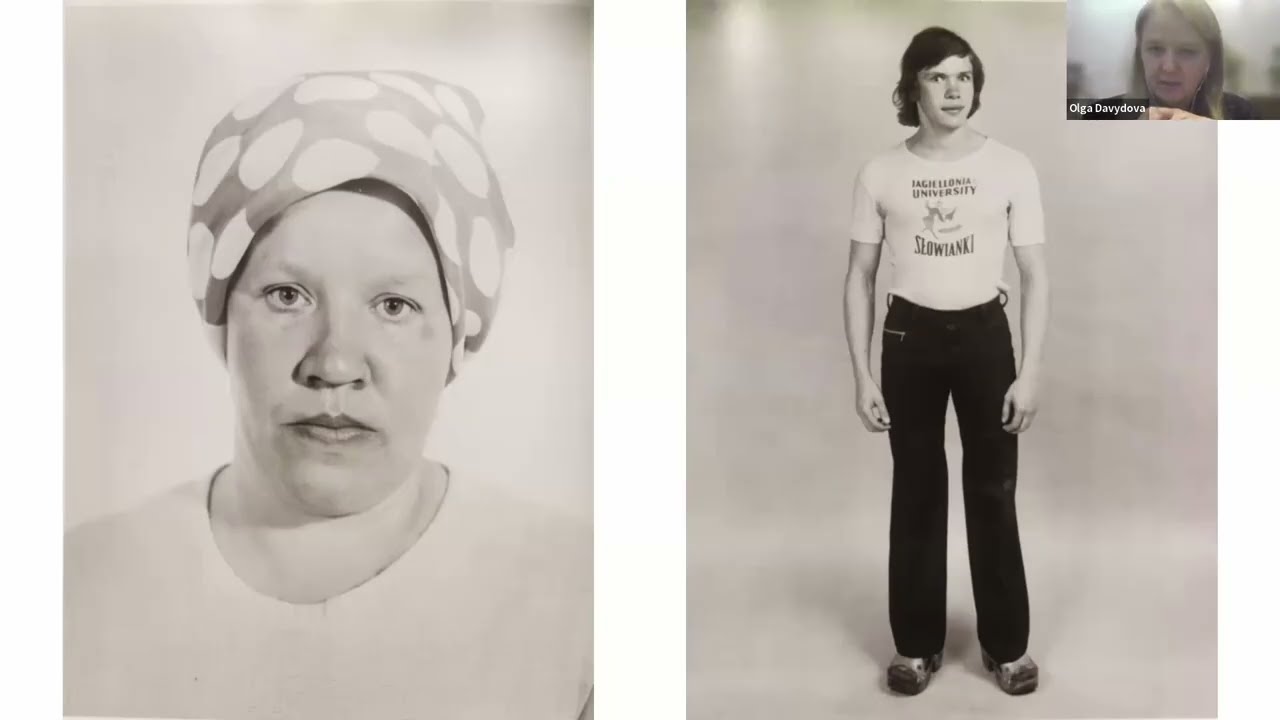








Photography is not a neutral tool but an instrument of imperial violence that has been used to document and normalize the plunder of colonized peoples' cultures, and true decolonization requires actively resisting this violence by refusing to accept photographs as definitive documents of completed events, instead recognizing the ongoing struggle of colonized peoples to reclaim their agency and histories.
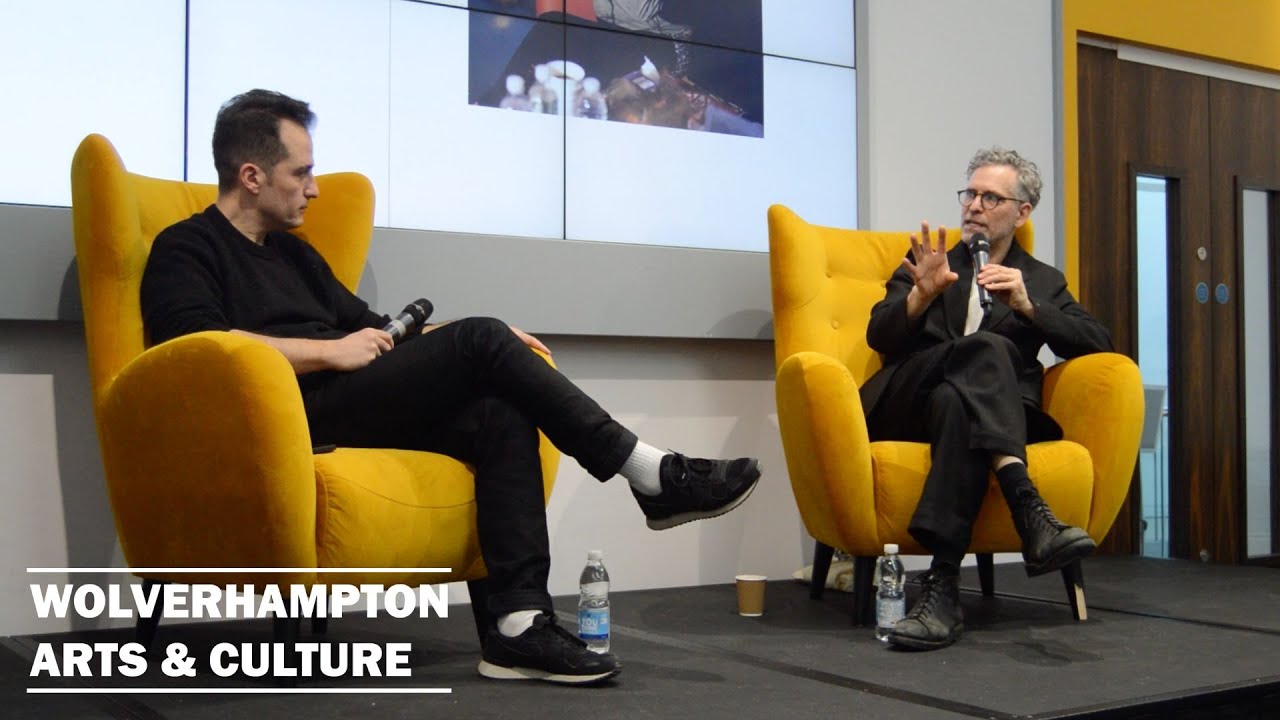
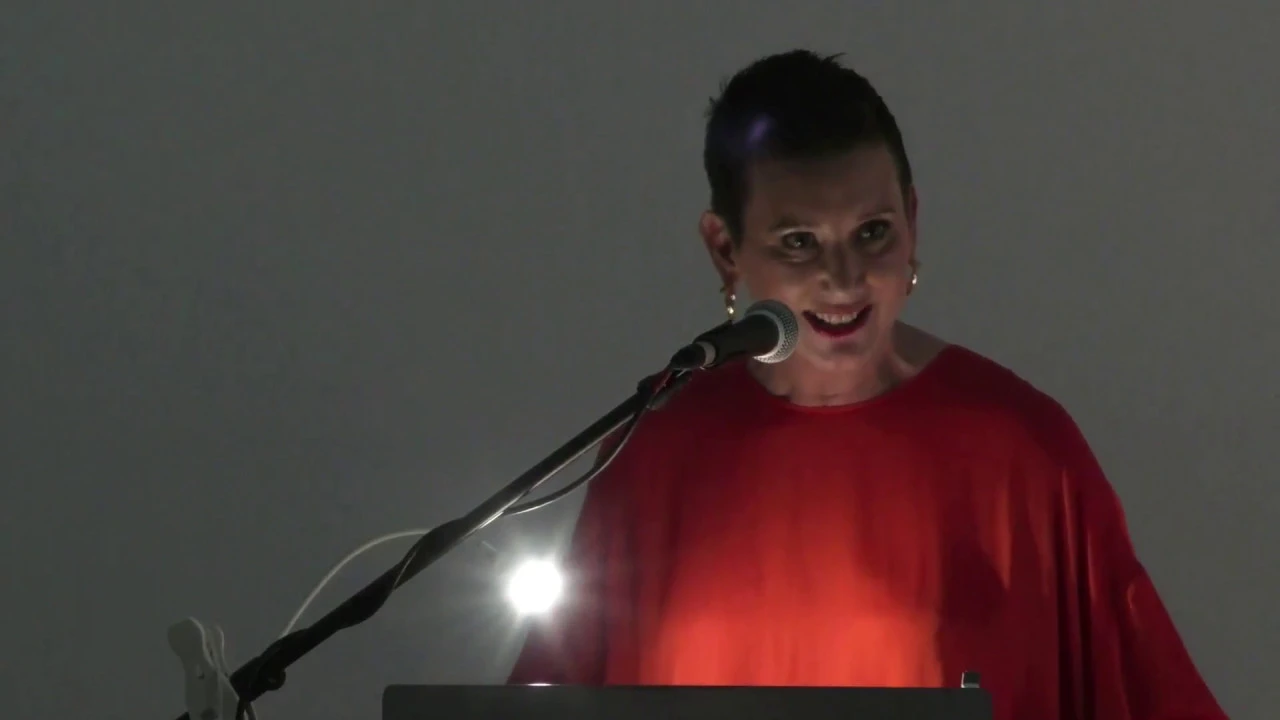
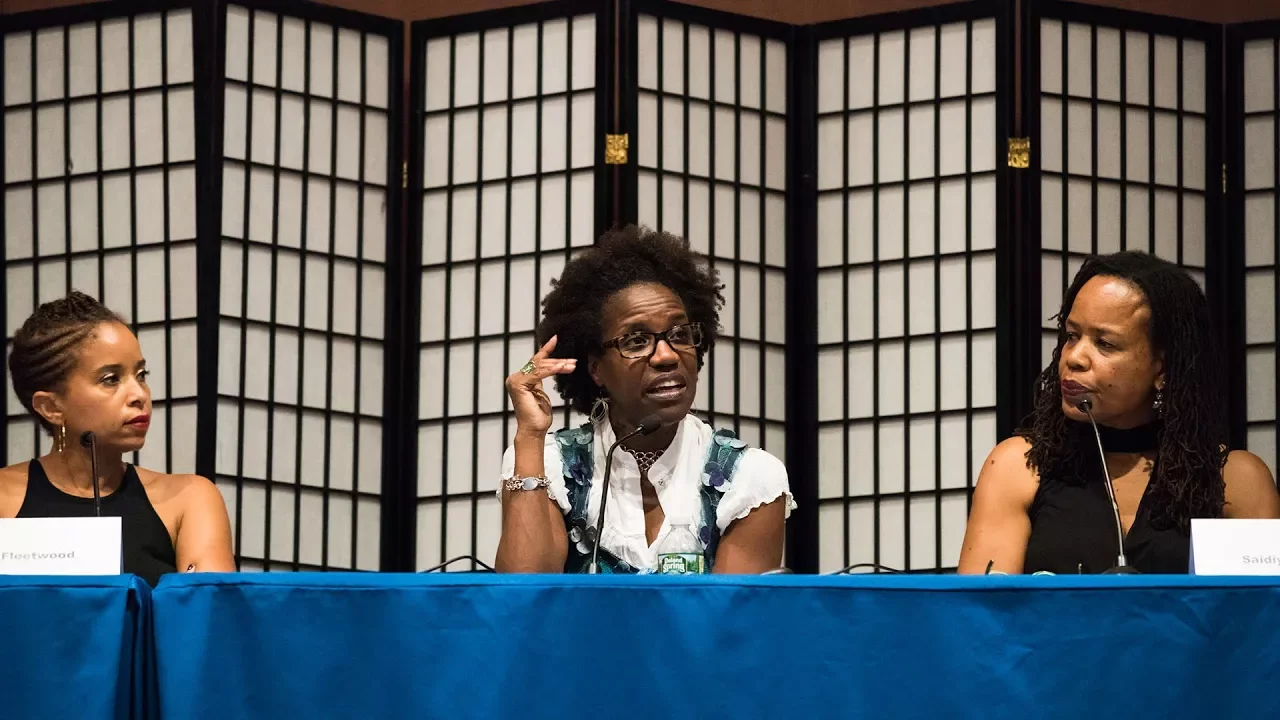
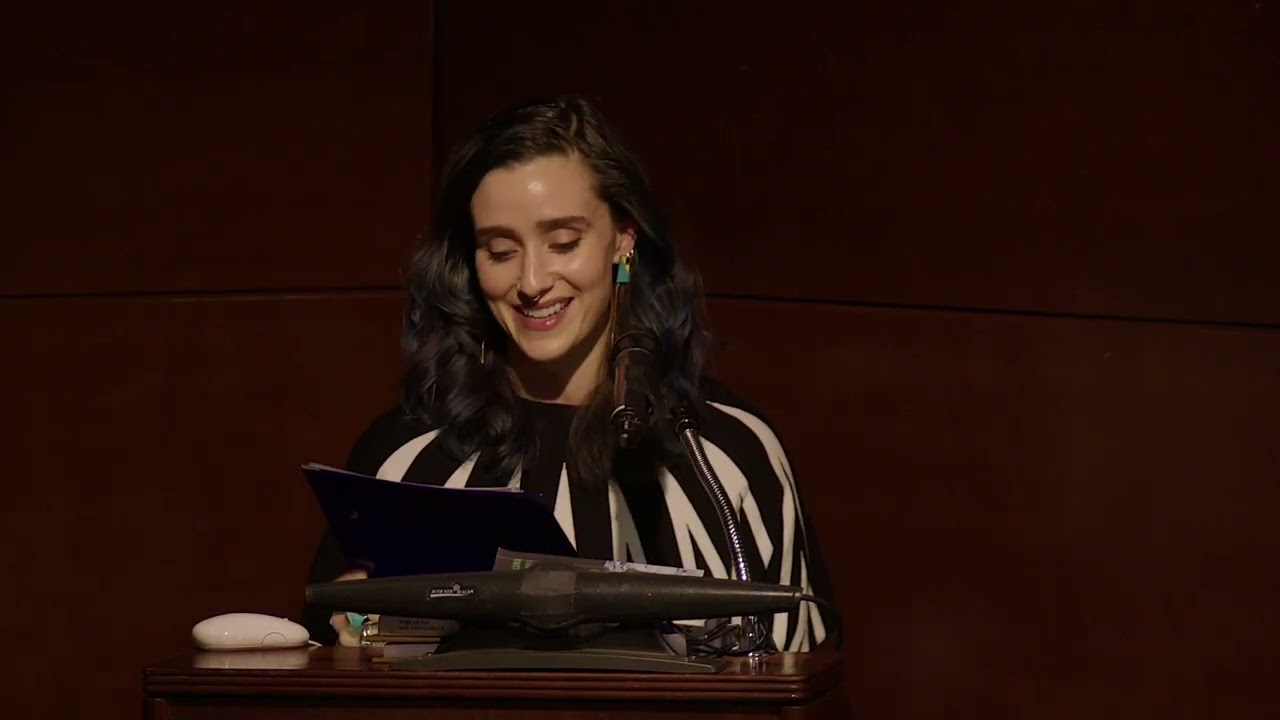
Ariella Azoulay at ICP Infinity Awards 2023 | Critical Writing & Photograp
Added:The history of photography as an instrument of colonialism, mapping, and state categorization.
Introduction to decolonial theory and how imperial power dynamics shape knowledge and visual representation.
The foundational concept of 'the photographic archive' and critiques of its supposed neutrality and objectivity.
Familiarity with Ariella Azoulay's concept of 'the civil contract of photography,' which redefines the relationships between spectator, camera, and subject.
The concept of 'Potential History' and the methodology of 'unlearning' imperial narratives through visual analysis.
The ethics of restitution, repatriation, and the rights of photographed subjects within colonial archives.
Exploring contemporary artistic and activist practices of 'refusal' against the dominant imperial gaze.
Analyzing how modern digital archives and algorithmic bias perpetuate historical imperial structures in visual culture.
6.9K views0likes13:37Original Release: 2023-03-30
foreign I prefer not to have a focus certainly not one that is being defined by existing categories because the position of the artist is a very problematic one tied to the history of imperialism that the world is out there for you know artists to take from museums to host and plan their and normalize the plunder so I will not Define myself as an artist expertise is something that was shaped as part of the colonial project as part of the Imperial project and it gave people license to invade others cultures to extract Knowledge from these cultures to extract objects from these cultures we cannot repair them without you know a wholesale you know repair of the world without full decolonization of the world I grew up in the Zionist colony in Palestine I was assigned I settler Colonial identity that I refused to recognize myself in it and it took me years to understand how this project of the colonization of Palestine intersects with another project with another Colonial project by which I was defined which is the French colonization of Algeria and understanding this intersection helped me actually to arrive to the book that I wrote during a decade potential history which is about the Imperial projects related to the production of knowledge to what we call Museums Art human rights the invention of the past is a very powerful Imperial construct and learning it is necessary in all the different domains where we are working either as historians or geographers or Scholars of Photography or even photographers but also in relation to the accumulation of photographs that you have in different museums and these are collections of photographs that were part of the dispossession of those people's cultures the museum is a very tricky institution you are invited to uh recognize and normalize the existence of the past art history for example is an idea that is built on plunder I don't think that this violence is completely hidden it's there we were just taught not to see it not to pay attention to it colonization is a very violent project right it's not only about Invasion extraction dispossession it's also about invading your mentality it's also about colonizing your mind forcing you to interiorize uh the point of view of the colonizers about you in the last book that I wrote potential history I try to understand the mechanism of the shutter there were already a series of Technologies in 1492 that were based on the this idea of the shutter what was taken could no longer be returned what was dissociated for example people from their objects this dissociation should last forever this is the Imperial project it's a shutter it's this very violent Movement Like a guillotine that cuts against the will of people as a violent project separates people from their objects people from their lands separate separate separate partitioning partitioning partitioning once it operates imperialism tells you it cannot be returned it cannot be repaired it cannot be restituted museums say this is ours it's not yours this is what museums tell communities who come to claim what was taken from them photography is part of the world it was used to destroy it and it was used to try to repair it so there is no role to photography there is a role to our motivation or to our engagement or to our commitment not to accept violence as a photocopy in its normalized form of existence as we encounter it in museums in archives in libraries that actually invite us to forget this violence I'm looking at the way that people are refusing to be kept outside of the shutter once the shutter fell down like you know a guillotine they're trying to hold it up not to let it you know be closed after them when they were expelled from their land the photograph is about a moment that is gone is something that I reject so you see a Palestinian who is about to be expelled and I know that this Palestinian at the end of the day was expelled but I see him refusing he's not going there is a procession of Palestinians and he is standing still kneeling he's not going anywhere he refuses to relate to this Photograph as a document is a document about him as a refugee right this is how you will encounter in in the archive already a refugee but he's not a refugee he's refusing to become a refugee so this refusal is constitutive to my understanding of Photography because this refusal is a refusal that we must keep alive we cannot relate to it as over okay so Palestinians lost Palestine and we moved on the refusal to move on is the refusal of Imperial temporality that invented the past that he already belonged to the past and those who are being born there belong to the Future which future Empire future it's a refusal to look at the photograph as if it documents something that is over we were trained to believe that we are coming after the event and with the way that I theorize photography as in between two events of Photography we never come too late it doesn't mean that we can change reality but you can at least change the way that we interact with these people looking at the suffering of others is a problematic approach because it implies this Imperial imaginary that Associates certain areas in the world with suffering and Associates certain areas in the world with moral approach to these images like there are images of suffering and what are we supposed to do who is this we westerners who are responsible for the destruction of parts of the world who are now asking questions about what they can do in relation to this it's about stopping the Imperial machine stopping racial capitalism stopping the perpetuation of Technologies of violence all over the world you cannot you know rescue photography out of the Imperial project I think that we cannot think that there is an innocent position in this game right this violent game the question is as a photographer how you reduce the violence that you are exercising in what you are doing also how do you think about what you are doing in relation to previous iterations of the same things do you need another photograph of a Palestinian torn body in order to understand that this is wrong this is my strike against the archive there are cases where I'm going on strike against the archive I'm a single person so you ask yourself where is the strike there are strikes that we can you know uh lead alone because we are persuaded that what we are being asked to do is wrong to ask me to show another image of tone Palestinian body in order to convince you that this settler Colonial project is wrong is means that we have now to cater you rather than to continue the struggle why do the Palestinians need to give you another moment of himself or herself in order to persuade you in the obvious in the Civil contract of Photography my motivation was to decenter the position of the photographer what I try to say is a simple thing the photographed person is there the photographed person engages with photography sometimes no less than the photographer and sometimes even more so what I try to do is to undo or unlearn histories and theories of Photography that forget the event of Photography where these photographs were taken during the first Decades of the colonization of Palestine cameras were confiscated the only Zionist photographers were allowed to take photographs you have the elimination of indigenous photographers the photographer that is being allowed to take photographs when others are not being allowed to take photographs is already inhabiting an imperial position the history of our photography is built on centuries of violence what do we do in relation to situations where we see clearly that it was not only not consent but there was you know sheer violence in order to obtain images I sometimes really don't envy anyone or as to hold their camera uh in situations there are situations of violence I am not saying that they don't have to take photograph I'm not saying that they have to but I don't envy them so what I try to do is to refuse what is there that should be refused what I'm trying to do is to eliminate for what is there that was not eliminated earlier what I'm trying to do is to juxtapose them with what was eliminated from the frame and should have been there so what I'm trying to do is to disrespect the frame and when I was saying disrespect it's not really disrespect photographers I respect the labor of everybody but the photograph is not only the property of the photographer and if there is a photograph that I think that should have not be taken that way or that should not exist that way without being juxtaposed with another image the photographer is not the last word about what will be the aftermath of this or that photograph photography was institutionalized as something that belonged to the photographers belong to those who commission photographs and belong to those who acquire these photographs and fortified this kind of Mega archives that we see in the west of images of people who never sell these images or are living you know elsewhere and uh their cultures were invaded including through photography it's disrespect of the institutionalization of Photography as a private property of those who own the means to keep these photographs as theirs today every image that you look from everywhere in the world is the property of those uh violent image corporations even though they have no rights to own this they own pieces of our shared history as if it was theirs photographers are the middle persons they allegedly own the images but they don't really own them but it's not that they are the big you know sharks of racial capitalism actually photographers can go on strike they can go on strike and say yeah historically we were given with the rights for something that doesn't belong only to us it is shared property so they can go on strike and expropriate the mega corporations or expropriate the archives from what they hold against other people and say it was recognized as ours so we claim it now in order to share it to renegotiate the Privileges that they received and to share them with those from whom they were taken Millions zillions of photographs there are claimed to be owned by archives libraries museums newspapers how they can be redistributed this idea that you can speak for others in those Western media is a very problematic approach to those conflict zones maybe you can speak without taking their images maybe you can speak with them because their voice the fact that they didn't succeed in stopping the violence against them doesn't mean that they were voiceless we cannot think that violence is something that we discover for others we have to change the way that we relate to photography so no photography will not be The Rescuer of the world there is no rescuer for the world
Up Next
53:21
Colonial Gaze & Decolonial Art in Equatorial Guinea | Academic Lecture
@kjcc
450 views•2023-11-14

12:54
Triumph of Orthodoxy Icon: Byzantine Art & History Explained
@BenCallan
2.1K views•2024-08-06

9:49
FastAPI vs Flask vs Django: Choosing the Right Python Web Framework
@TechWithTim
302.5K views•2024-05-26

1:42
Game of Thrones Opening Credits: A Cinematic Analysis
@gameofthrones
46.3M views•2011-04-18
Related Study Plans & Knowledge Roadmaps
Structured learning paths in General & Interdisciplinary Studies
general-studies
Elevator Engineering: History, Physics & Cities
01From Hoists to Safety Brakes: The Dawn of Vertical Lift
02Hydraulic vs. Traction: The Engineering Physics of Elevators
03Modern Speed, Safety, and Algorithms
+ 2 more learning modules
12h5 modules
Explore Roadmap
general-studies
Rubber: Material Science, History & Geopolitics
01Origins of Natural Rubber & Mesoamerican History
02The Chemistry of Natural Rubber & Vulcanization
03The Geopolitics of the Rubber Boom & Colonization
+ 2 more learning modules
12h5 modules
Explore Roadmap
general-studies
Containerization: Evolution, Logistics & Trade
01Ancient Trade & Bulk Cargo: Amphorae to Barrels
02The Industrial Revolution & Cardboard Packaging
03The Containerization Revolution: Malcom McLean
+ 2 more learning modules
12h5 modules
Explore Roadmap
general-studies
Textile Tech: Evolution, Labor & Global Impact
01Pre-Industrial Textiles: Handloom & Cottage Industry
02Mechanization: The Spinning Jenny to the Power Loom
03The Factory System & Global Labor Transformation
+ 2 more learning modules
10h5 modules
Explore Roadmap