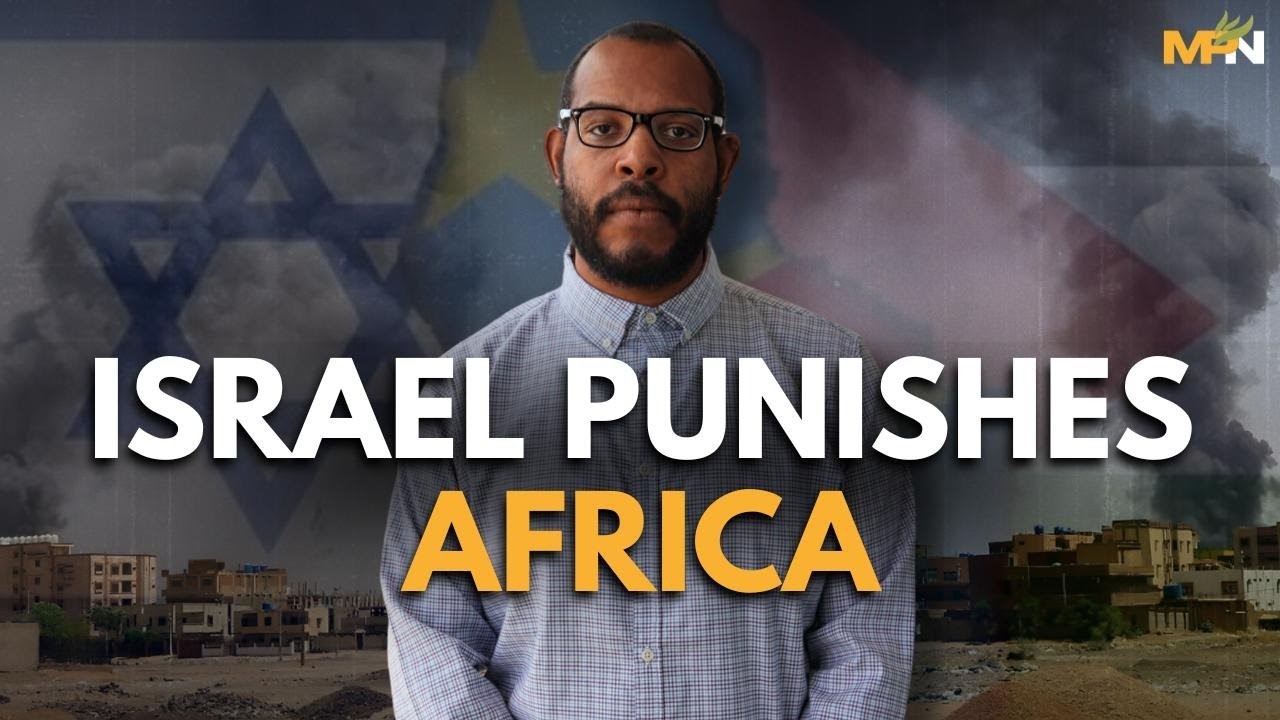












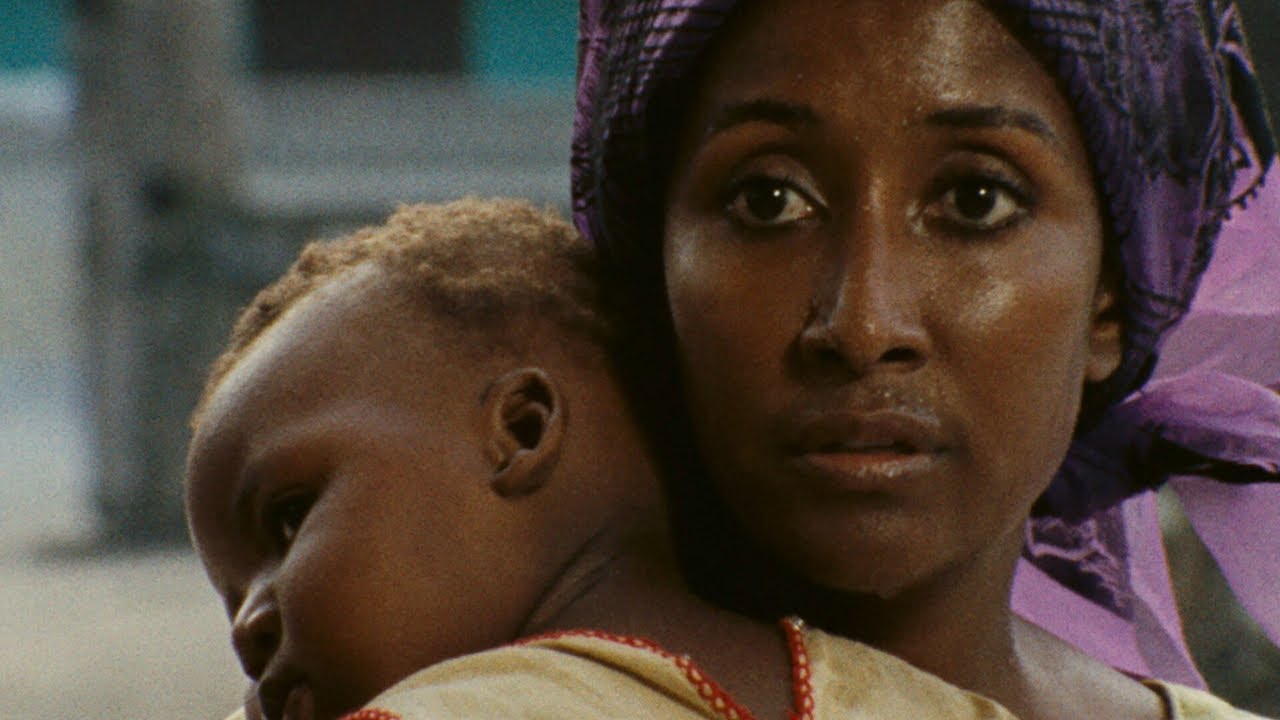









Decolonizing the camera requires shifting focus from how colonizers use the apparatus to how indigenous people have historically used it as a tool of liberation, rather than treating the camera as inherently colonial; this approach recognizes that indigenous photographers like those in Congo, Palestine, and Sudan have long used visual media for resistance, and that the camera's utility should be judged by its application in service of liberation rather than its origins.
Decolonizing the Camera: Indigenous Resistance and Anti-Imperialism
Added:The historical context of colonialism, imperialism, and resistance movements in the Congo, Palestine, and Sudan.
The concept of the 'colonial gaze'—how Western photography and cinema historically objectified, exoticized, and dehumanized indigenous populations to justify imperial rule.
Foundational principles of decolonial theory, particularly how power dynamics persist in media representation and knowledge production.
The basic elements of visual literacy, including how framing, authorship, and perspective shape the narrative and political message of an image.
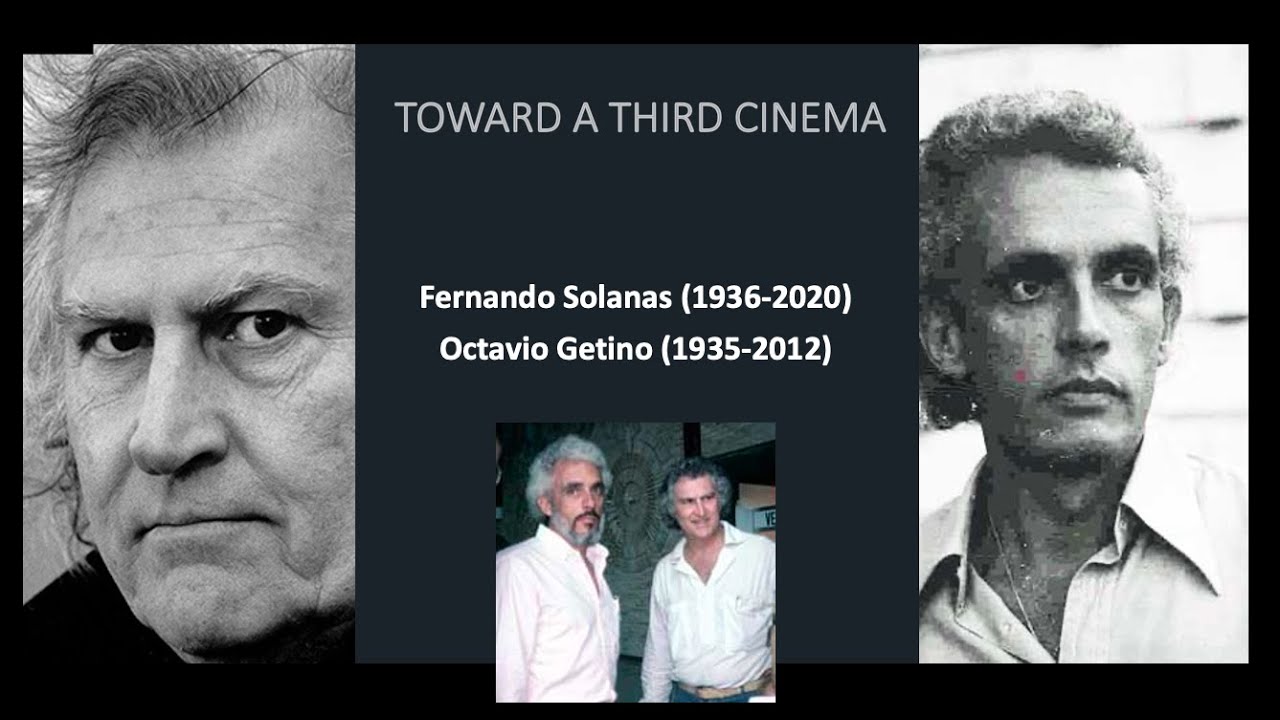
The study of 'Third Cinema' and other revolutionary, anti-capitalist filmmaking movements across the Global South.
The academic concept of 'visual sovereignty' and how indigenous communities globally use media to assert political and cultural self-determination.
Methods of archival decolonization, including the ethical repatriation, digital access, and community-led re-contextualization of colonial-era photographic archives.
Analyzing the role of contemporary smartphone journalism and social media as modern tools of grassroots anti-imperialist resistance during active conflicts.
566 views43likes28:56Original Release: 2024-06-05
hi welcome to vibration Cinema the alter Destiny of film today we are going to try to do the impossible decolonize the camera this is a very cumbersome topic no doubt uh but it isn't as complicated as people make it out to be it's bulky because we're looking at history politics archives Aesthetics technology and so forth generally speaking academics have a tendency to think up new ways to look at and understand the archive of colonial photography the London College of communication has a lecture series called decolonizing the lens which gives you an idea of how this works while this is an important part part of the conversation it only analyzes the past at the point of reception many artists focus on contemporary Aesthetics at the point of production our channel series eyes and teeth details some of the short-sightedness of how artists engaged in these questions if you know my line on lighting black skin you know what I'm talking about this work also devolves into corny [ __ ] like this which centers white Culture by literally painting it black some thinkers don't engage with the camera per se but the violent language of shooting capturing taking Etc this is a matter of semantics that doesn't really address what happens when the shutter is released for example if I blow your brains out it doesn't really matter if I pulled the trigger or blew a kiss we're also at the point where this topic is being liberalized as evidenced by Vogue hosting uh decolonizing the camera talk back now I love some of the wind tour covers what the [ __ ] does she know about colonization I want to use this episode as a way to streamline this conversation to make it less convoluted the war in KGO has many layers to it and the reasons have evolved over time the reason at play today is the heavy deposit deposite of mineral resources particularly Cobalt Congo produces around 70% of the world's Cobalt Cobalt has become a significant mineral that is said to be the key to the Future and everyone wants it the US Britain France Israel and many other countries continue to finance Rebel groups to destabilize Congo so that Cobalt could be extracted at a cheap price and also easily smuggled out of the country the congales people have become slaves in their own country controlled by groups to manually extract Cobalt for sale in the black market most of the Cobalt that is exported by Randa is actually smuggled illegally from Congo through the help of the M23 the discovery of cobalt has made Congo one of the wealthiest nations in the world but making its people the poorest in the world Cobalt is used mainly for lithium ion batteries for smartphones tablets laptops electric vehicles jet engines medical scanners and many other devices in the course of this war in Congo 6 million people have been killed and 7 million people have been displaced but guess what the entire world is silent about this the most pressing step to decolonizing the camera is stopping the overe extraction of rare earth minerals necessary to produce most cameras today which not only damages the environment but requires the super exploitation of miners in order to decolonize the camera as a physical object your starting point has to be anti-imperialism and anti-colonialism however though this is our defining struggle as photographers and filmmakers it should be obvious that this struggle is of no importance to for example The Liberation of congales people a free Congo is of primary importance Linked In the description are organizations that are doing Aid work in Congo like Focus Congo and free Dr Congo uh my name is Joy this is the focus Congo team behind me we just got back from the area that got bombed yesterday um it was actually 10 bombs it was over 40 casualties and we don't even know how many injuries there are there's absolutely no information so I don't expect to have all of the exact details but I do want to correct you and let you know it's not 12 deaths it is over 40 and Counting and the casualties we don't even have those figures yet we don't even know where they are there are children without mothers and fathers now people have lost their homes um it's this is probably one of the one of the worst um cases that we've seen here in GMA and it's getting worse every single day so just thought I'd update you from people who are current ly on the ground working in the displacement camps thank you for talking about it love you bye at the same time though the camera is being used and has historically been used by Palestinians in their National Liberation strugle so these more aesthetic and historical political issues pertaining to decolonizing the camera are still relevant again even though the camera is not and can never be the engine for Liberation to ask myself is there something fundamentally undec colonizable about the apparatus if you think about the role that photography played in a very instrumental sense in the colonial project itself so for example in order to map terrain and understand the nature of terrain so that one could then command it photography was a major tool in that you think about some of the things that you alluded to yourself Mark the the construction of others um predominantly around race but also around gender in order that one might then dominate suban populations and this kind of thing um the way in which photography is then also implicated in regimes of surveillance um and so I began to ask the question you can one decolonize the the camera as an apparatus and then I began to think about what what you do in in your book which is actually to not to engage so much with the apparatus of Photography as something itself that can be decolonized but to develop practices of reading that that allow the decolonization to take place at the mo at the moment of reception not within the moment of production through the apparatus how do we make sense of the fact as the colonial Scholars would have you believe that taking a photo of an indigenous person is an inherent Act of colonial violence while at the same time recognizing that photographers like Alex Gardner deliberately did not take photos of indigenous people out west to create the narrative that the land was empty or how do we contend with how Edward S Curtis perpetuates the same idea by actually photographing the so-called Vanishing race here we have a gordian KN situation taking photos of indigenous people is colonial and not taking taking photos of indigenous people is colonial how can this be the way the conversation about decolonizing has developed over the past two decades 2 and a half decades cannot provide an answer which to me points to its uselessness but the question remains how do we cut through this knot like the Grecian twink did centuries ago I think the answer is really simple the real problem is that we've defined the camera by how colonizers use it we've replaced a noun with a verb and a verb that privileges the oppressing class indigenous people have never seated legitimacy to colonizers we see this clearly when Palestinians used a caterpillar bulldozer to break through the colonial border imprisoning Gaza and with Hamas appropriating failed Israeli missiles by any means necessary asks us to look at the utility of a tactic or a tool not at who invented it so all of this confusion is cleared up by starting from the point of indigenous sovereignty colonizers privatize water and use water as a part of ethnic cleansing campaigns indigenous people say many colonizers will weaponize anything and everything rejecting the premise of the colonizer political program is the first step in decolonization when you start from the colonizer perspective your analysis is always going to reproduce the very Colonial Logics that you seek to overcome I don't know a single indigenous struggle that thinks that colonizers are undefeatable but when we color the ontology of the camera with how colonizers use it we essentialize the camera as a colonialism printer in that way on some imperceptible level a photograph is ipof facto always already metaphysically Colonial there's no way to overcome the nature of the photograph as such so we end up shadow boxing an enemy really of our own invention and not the actual material enemy this is an anti-indigenous stance colonizers are the ones who purport themselves to be unbeatable our position starts with the understanding that it is only a matter of time before the colonizers defeat another Insidious way decolonizing the camera re inscribes Colonial logic is by giving so much air to the history of colonizers that it inadvertently ends up erasing the history of how indigenous people have used the camera Dr celest pedri spade and anes Cabo visual Anthropologist opens her essay the use of Photography and decolonial practice with quote the majority of anthropological literature around photography of indigenous peoples has privileged the actions agency and intent of the western photographer while one cannot ignore the significant colonizing influences that photographs have had on indigenous peoples one cannot presume that these individuals were solely the silenced subject or victims in a one-sided inferior relationship with the camera and its operator recent scholarship is now re-examining the relationship indigenous people have had with photography as a culturally productive technology since its development This research has drawn attention to the agency and experiences of colonized people in global contexts as producers subjects and viewers of archival and contemporary vernacular and artistic photography end quote this sentiment parallels my classic rant it's a failure of decolonizing the camera that more people know the a historical take that CID is racist than they do that 4 years after the cameras invention some 20 years before emancipation freemen and former slaves used the camera as part of abolition movement not just as photographers like Augustus Washington and James Presley Ball but also subjects like Frederick Douglas and sjer Truth this information has been around since about 1985 publicly originally published in Deborah Willis's bibliography celebrating the first 100 Years of black photography from 1840 to 1940 Palestinian Cinema is mostly aled about in the post 67 era despite the fact that Palestinian Cinema predates Israel by 13 years the praka films were destroyed and Israel had laws prohibiting Palestinian cultural production so this is to be expected but we nevertheless have to do a better job of pushing the longevity of indigenous people's use of the camera when we fail to demonstrate the breadth and depth of indigenous Photography in cinema we erase over a Century's worth of contributions by indigenous people and fail to recognize how the Contemporary moment is still mired by colonialism and to this last point for me me this is exemplified by Nita satam's statement in a 2018 interview with bright magazine quote photography was the privilege of Western inventors experimenters and anthropologists with the Advent of affordable cameras photography has finally begun to democratize and decolonize end quote Jenny Ross Cobb of the Cherokee Nation took up Photography in 1896 taking photos of her family and friends Benjamin haldane a samian photographer opened a studio in 1899 where he took portraits of his own people importantly he would photograph them in traditional regalia which was illegal at the time in 1905 the cre photographer Richard thel worked with the people of the crow reservation who refused to be photographed by non-natives and as far as I know the earliest indigenous film or at least the earliest one that we have available to us in North America is the falling ARA from 1909 these are a few early examples from just one continent I can't cover the global history of indigenous photographers which dates back into the 1880s in New Zealand in any meaningful capacity but you can check out some readings in the description including the semal book our people our land our image international indous photographers and though there aren't digital copies I highly recommend hunting down visual currencies Reflections on Native photography African photographer ja green reimagining the indigenous and the colonial and fragile legacies the photographs of Solomon oi along the history runs deep so it seems rather silly to say that the camera is just now beginning to decolonize considering that abolitionists were using it as early as the colonizers were and the 40 or so year gap between the invention of the camera and when indigenous people pick it up will only get increasingly insignificant with the forward March of time but at no point in this interview with bright magazine did anybody involved mention that the Contemporary accessibility of the camera requires the super exploitation of land and people which is a good opportunity for us to bring back the conversation to the Democratic Republic of Congo let's take some time to look at the history of photography in Congo I want to start with Dr Mark C's 2019 book decolonizing the camera Photography in racial times because it exemplifies what I mean when I say that exclusive analysis of colonizers erases the history of indigenous phot photography particularly in this instance when it comes to conle photography four out of the six chapters of his book are dedicated to individual white Colonial photographers working in uh Colonial situations one focuses on the cohort of Life magazine photographers who documented the liberation of book inval in the last chapter the only chapter to explore people of color as photographers is about how black British photographers and a handful of African photographers like Zita had to navigate British cultural institutions in the 1980s I mean so off bat we're already kind of you know uh on the [ __ ] with this book but what's some here is that there are two chapters dedicated to Congo Alice cely Harris's work in the free Congo state in the 1880s and 90s documenting the atrocities of the Belgian colonizer King leopo II and Robert lec's work at the time of congales independence from Belgium in 1965 no mention of conges photographers which is interesting because 18 years earlier than the publication of sel's book revu Noir published photo kinasa a history of the capital city through photography from 1870 to 2000 photo kinasa documents all kinds of photographers working in the city including colonizers as well as photographers from other African nations and shockingly congales photographers as well in 1957 the colonial photographic agency Congo press a subset of the center of information and documentation for Belgian Congo and Rwanda arund hired its first congales photographer Joseph makula makula had worked as a military photographer for Force publique the Belgian colonial army before joining this agency Congo press was a propaganda effort to show the civilizing effects of colonialism Urban Development free expression of religion and culture Etc and so forth makula took over Congo press after Independence which was brought under the control of lumumba's government makula would replace the European photographers who originally made up the staff with congales photographers whom he would train including the only female photographer of the agency Pati sudia unfortunately I couldn't track down much information on her but here we have a congales photographer who embodies the contradiction at the heart of this conversation employing the camera to serve both the colonizers and the new independent government the history of Congo press also demonstrates That Old Colonial apparatus can be molded to work for the independent nation after Liberation a phenomenon one might per chance call decolonization jumping back in time to 1884 when Alice Harris was working hakaya andu shanu from Lagos in modern day Nigeria moved to Bulma the capital of the free Congo state to work for the Leopold regime later in life he would become an anti- Leopold informant he used his camera and service to the colonial government and his later anti- Leopold politics so he too embodies the contradiction at the heart of this conv ation that the camera can be used as a tool of colonialism and as a tool against it if you're attempting to work through this mess that decolonizing entails I think that these men present a much more compromised and therefore more fruitful example than some twe British lady but I guess Dr sely doesn't feel the same throughout the history of congales photography you'll find a lot of angolan photographers Anan fritas Gracia manoni Maris nadoo John deara John Domingo Emanuel Santos Ambrose G Moko and photo studios like photo and Vin photo and Golem were fleeing Portuguese violence and their status as foreigners in Belgian Congo allowed them privileges that congales natives were left out of so they were actually able to open photo studios again there's a lot of threads to follow and unpack here what does it mean that people fleeing their own Colonial situation become Central figures as photographers in this colonial situation how did congales people engage with angolan photographers how did the engan photographers treat the congales people an engan photographer working in kinasa Emanuel dojo's his main clientele for example were angolans in Congo and natives who assimilated into the colonial government called ioes so if you're going to analyze just one photographers work and its relationship to colonialism why not work through the class aspirations at play in dojo's practice especially his congales clientele which legitimized the colonial state even though individual congales photographers like timot gavi started as early as 1925 it's in the 1960s the decade of Independence that congales photographers emerge on mass with photographers like Li P Thomas lukini Nuka and Studios such as photo gentil photo BOS photo makoba and Studio Guma it's weird to me to talk about some German photographer documenting congales Independence as Dr sely does when in a sense congales Photography in the hands of congales people really emerge with Independence a historical development that strikes me as quite relevant to this conversation of decolonizing the camera that we're having a lot of these older Studios that started in the 60s closed in the '90s either because of the lootings or the econom depression so we can see this almost as the end of an era in congales photography but congales photography of course lives on with family photos and the work of arlet Bashi Pamela tuuli and the late kirpy katembo even though this is a completely inadequate history of conal photography and photo kinasa my main source of information is really just a primer I hope I at least demonstrated that the practice history and politics of congales Photography are relevant to decolonizing the camera without centering white European photographers Gaza is one of if not the most surveilled places in the world and baby's first introduction to surveillance is usually French sex pest Michelle fuko's analysis of the panopticon the panopticon is a circular prison in which a guard Tower sits at the center a guard can see what's going on in the cells though he obviously cannot see everything simultaneously but because the prisoners know there is a non z% chance the guard is surveilling them they begin to act as if they are being watched even if they are not in discipline and Punishment Fool's cult uses the panopticon as a metaphor for the machinations of repressive Technologies obviously the world is not built like a literal Circle prison but I'm sure we are all familiar with the ubiquity of CCTV cameras and how the government tracks social media posts when we think of surveillance in Gaza in the leadup to October 2023 we must remember that the Netanyahu regime knew about operation alasa flood for about a year and that the week leading up both Egyptian and US intelligences warned of potential h activity so we have multiple surveillance apparatuses being ignored by the Israelis to me this speaks to Colonial hubis which is being brought to heal by the resistance as we speak what does the panopticon mean in the context of the last year and a half if the guard knows the prisoners are planning on escaping unless it happened anyway but that's not even what's really interesting the united front has completely changed how we understand the py dnamic at play in the panopticon it's not just the guard who is surveilling the prisoners but the prisoners who were also surveilling the guard and the key difference here is that the guard does not know which prisoners have built aass tunnel into his station the guard knows he's being watched doesn't know by whom or from where and he's under threat of actually being taken out at any time the cassam brigades are popping up wacka style and Israeli encampments across Gaza to just film IDF soldiers casually observing them for reconnaissance before taking action and for a disturbing amount of time like these people have no peripherals no sucin like just heads empty and this is creating stress among the Israeli reings so in this context Hamas is literally using the C camera as a tool of psychological warfare against the colonizers and a de Colonial movement the Israeli soldiers' genocidal freak nature compels them to take photos of their conquest and post their crimes to social media platforms Hamas is using these posts to track Israeli movements surveillance has been one of the key ways Israel has exerted control over gazin for example by blackmailing queer Palestinians into becoming informants but now the united front is using those same surveillance tactics against the colonizers Hamas is also filming their operations taking out Israeli tanks and Dr and soldiers for a couple of reasons one this further inverts to panopticon and is meant to demoralize the Israelis who have no idea that they can be taken out and no idea when they can be taken out as we've discussed previously like Hamas is using backup cameras on cars to coordinate detonations like this is crazy Hamas has shown us that surveillance is not just the tyranny of the colonizers but a weapon of Liberation importantly though filming these humiliations demonstrates that Israel is indeed a paper tiger that the colonial entity can be slain these videos are not just to scare the colonizers but to keep the flame of Hope alive Palestinians with the incursion into Rafa we're seeing these videos more frequently again and we should also mention that the anser law filming their successes in the Red Sea are also a manifestations of this dual phenomenon as well Hezbollah has also been using videos you'll notice the cut in this particular one as John Elmer notes Hezbollah is showing Israel that it has the capabilities of taking out its military equipment but will not show Israel its own military capabilities hence cutting out whichever missile it is that took it out just only showing the hit Abu abeda has started addressing Palestinian allies in the wests which means Hamas is tracking the engagement and reach of their videos and shifting tactics accordingly we are seeing in real time the creation of a new Cinema Hamas has been compared to the Vietnamese for its implementation of gorilla Warfare and Hamas is credited with adding another dimension to gorilla Warfare which is the use of a complex system of tunnels below ground they're under a building so they're below ground they're climbing up the tunnel to the main floor and then they're climbing the stairs in order to get an elevated firing position you'll see the Warhead flying through the air from the elevated position on this one there it is there green for the good guys so what you have is a three-dimensional attack here fighters who are down under the ground protected um coming up to the first floor to the surface level and passing on the surface level because it's more militarily effective to fire on an elevated firing position but there are also Innovations for us who are studying the camera to take note of the Vietnamese also filmed their operations but to my understanding it was primarily for training purposes and for archival purposes the new dimension that Hamas has added to the videography of gorilla operations is to employ those videos in real time against a colonial entity something that was not possible for the Vietnamese to do using analog technology I'm not a military expert so I highly recommend checking out John Elmer's work for electronic Anapa where he analyzes these videos sased has a thread uh contrasting the idf's use of propaganda with hamas's and of course Warfare analysis posts the videos that the united front produces these Hamas and united front videos are the clearest example which demonstrate the inadequacy of of starting the conversation of decolonizing with the ontology of the camera especially since the ontology is wrongfully understood as inherently Colonial when you start from the perspective of how indigenous people use the camera you can see the evolution of operational videography from Vietnam to Palestine you can examine the visual rhetoric of the glitches in Hamas videos GoPro cinematography the alasm brigade's military choir music videos and and their use analyzing the timing and frequency of when Hamas drops videos how these videos have evolved over the course of just 7 months and how red triangles became a symbol of armed Colonial strugle I grew up in Clan country I'm sorry but white people bad is not an Insight did you know that white people use the camera for racism like boring yawning sloppy lazy how indigenous people use the camera is just so much more interesting when Gordon Park said that he uses the camera as a weapon he mostly meant in a cultural Sense on the battlefield of ideas Hamas is literally using the camera as a weapon on an active Battlefield and it only works as a weapon because they've able to broadcast those videos on WhatsApp and other social media platforms so in a very real sense the revolution is in fact being televised except when it is not like in Sudan so a frequent comment that I'm getting on my post is like people asking why they haven't been hearing as much about Sudan why they haven't been finding articles on it in the media they're not finding creators that are talking about it overall just a lack of coverage on the fact of the matter right this is due to a variety of reasons but one of the most detrimental reasons because of it for this is um the fact that the rsf literally just um anyone that records what they are doing they will un alive any person they see recording or if they find out that you've been documenting and spreading bad things about them on social media if they find you they will um you another reason that we have to stay aware of is the fact that the oppressed groups in Sudan right now I mean Sudan as a whole is a part of oppressed groups that are not cared about Western media black African Muslim they do not care like they never cared about those groups of people people um so that's a major factor for that as well another reason for it is because a lot of the news that does come out of Sudan is in Arabic and if it doesn't get translated to English it will never reach us because it's news that's created for Arabic speakers and if Arabic speakers don't push that news and don't translate it which is what a lot of stes creators are trying to do right now it will not be reach it will not reach the target audience however there's a few sources that I'm going to share with you you guys if you want to keep updated firstly I recommend Nas Sudan on Instagram you can't really see the username but it's just the name just no spaces in between n Sudan on Instagram the Sudan page on Instagram once again you can't see the username but it's just the Sudan page with no spaces in between this account on Twitter uh this is a girl that is my age that is living through the war in Sudan and documenting on it um so I just find this one's a lot more personal it's a it's less like article cool based and it's just literally a person who is living through this right now and then lastly Sudan warm monitor.com this is like more news based um some articles are translated into English not all of them but you majority of them are translated into English they update almost daily with news so these are what I find most helpful for me at the time being palestin teaches us that the camera is a weapon of Liberation a galvanizing Force relatedly South Africa teaches us that images can have evidentiary benefits in another aspect of the colonial movement international law regardless of how inept we think the icj is the point is that Palestinian Liberation is a multif front Endeavor to build enough pressure so that the colonial entity cracks and the camera is deployed in many of these fronts at the top of this episode I argued that decolonizing the camera isn't important in the context of what can actually decolonize the camera which is a free Congo the DRC teaches us that the camera is marginal that ironically centering the camera and decolonizing the camera misses the point of decolonization and we know the push for digital was a scam to fill Facebook book's pocket and we know that not only affected how people engage with information but also the detrimental effects it's had on journalism in addition to what Dr Hamdon said we need to realize that this phenomenon is at play in the silencing of sudin news the very things that are beneficial to the Palestinian cause are detriments to the sudin this is another danger that contemporary discourse over decolonizing the camera presents in speaking metaphysically and ontologically one might as well be speaking in Broad generalizations when we do that we ignore how different Colonial situations require different tactics and strategies we ignore what's happening on the ground it's why by any means necessary is a more useful analytic it requires us to look at what's happening and to act accordingly even through this silencing sudin photojournalists are still working alak Kier founder of the sudin photographer group has taken photos of the crisis and it's important to recognize that power is porous not totalizing things will always slip through the cracks this is why we even have information about Sudan in the first place Colonial situations are always in flux and access to a camera therefore follows as Sudanese photographer gadala gubar calls it I am the only caman black caman hold the camera in his hand in Africa the f one because that Sudan was the FIS independent country an important statement from the person who photographed the Sudanese flag being raised the day of independence on the 1st of January 1956 recently The Works of Ibrahim shadat has uh been restored he along with other Sudanese filmmakers have been in the process of restoring And archiving sudin Cinema uh but to be honest I really couldn't find much about Sudanese film and photography but I am curious to learn more I saw shad's film in quarantine and recommend seeking them out on solidarity Cinema but again more importantly free sedan I cut a lot from this video and I thought in the aftermath of the M23 bombing and the incursion into Rafa it'd be more appropriate to focus on the DRC in Palestine and now a resistance is developing in new calonia who are using the camera as well the French Viva Palestine up the IRA so uh I guess we should should start a new channel series that we'll call film and social change a name referencing the Cornerstone course of the LA Rebellion where uh we will examine the historical and contemporary uses of the camera and resistance and Liberation movements our history of Palestinian Cinema and AIDS video activism episodes will be added as part of the series like comment share subscribe but more importantly go in the description and donate to the organizations that I've listed to help the people in GMA and alfahir and Gaza with that love you all madly see you on the next one
Up Next
53:21
Colonial Gaze & Decolonial Art in Equatorial Guinea | Academic Lecture
@kjcc
450 views•2023-11-14

12:54
Triumph of Orthodoxy Icon: Byzantine Art & History Explained
@BenCallan
2.1K views•2024-08-06

9:49
FastAPI vs Flask vs Django: Choosing the Right Python Web Framework
@TechWithTim
302.5K views•2024-05-26

1:42
Game of Thrones Opening Credits: A Cinematic Analysis
@gameofthrones
46.3M views•2011-04-18
Related Study Plans & Knowledge Roadmaps
Structured learning paths in General & Interdisciplinary Studies
general-studies
Elevator Engineering: History, Physics & Cities
01From Hoists to Safety Brakes: The Dawn of Vertical Lift
02Hydraulic vs. Traction: The Engineering Physics of Elevators
03Modern Speed, Safety, and Algorithms
+ 2 more learning modules
12h5 modules
Explore Roadmap
general-studies
Rubber: Material Science, History & Geopolitics
01Origins of Natural Rubber & Mesoamerican History
02The Chemistry of Natural Rubber & Vulcanization
03The Geopolitics of the Rubber Boom & Colonization
+ 2 more learning modules
12h5 modules
Explore Roadmap
general-studies
Containerization: Evolution, Logistics & Trade
01Ancient Trade & Bulk Cargo: Amphorae to Barrels
02The Industrial Revolution & Cardboard Packaging
03The Containerization Revolution: Malcom McLean
+ 2 more learning modules
12h5 modules
Explore Roadmap
general-studies
Textile Tech: Evolution, Labor & Global Impact
01Pre-Industrial Textiles: Handloom & Cottage Industry
02Mechanization: The Spinning Jenny to the Power Loom
03The Factory System & Global Labor Transformation
+ 2 more learning modules
10h5 modules
Explore Roadmap